
Connect with us
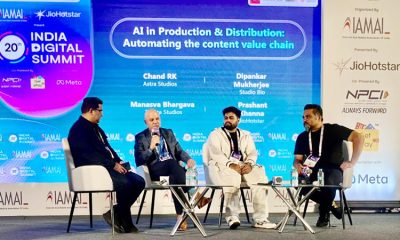

BENGALURU: Artificial intelligence is rapidly becoming the operating backbone of the media industry, transforming everything from content creation to distribution, said JioStar head – sports and...

DELHI: JioStar India has secured a potent weapon in its battle against digital pirates. The Delhi high court has granted the broadcaster sweeping powers to block...
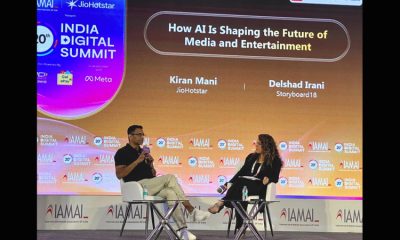

BENGALURU: Artificial intelligence is doing to media what smartphones once did to telecom—quietly, irreversibly and at scale. That was the thrust of Kiran Mani, ceo –...
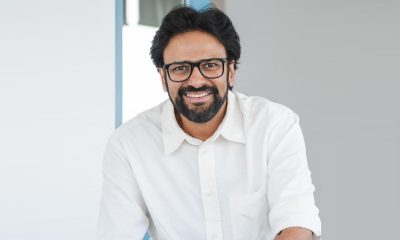

MUMBAI: Sony Pictures Networks India has tapped Harsh Sheth to run the business of Sony Entertainment Television, one of the country’s most recognisable Hindi general entertainment...


MUMBAI: Harsh Sheth is set for his next act. According to media reports, the senior media executive has exited JioStar and is widely expected to join...


DELHI: India’s Supreme Court has dismissed JioStar’s attempt to stop a competition probe into allegations it abused its dominant position in Kerala’s cable television market. The...


MUMBAI: Reliance Industries-owned JioStar has moved the Supreme Court challenging the Competition Commission of India’s (CCI) probe into alleged abuse of dominance and discriminatory pricing in...

New Delhi: India’s broadcast engineering community is set to put the spotlight on technology leadership as Rajat Nigam, chief technology officer at JioStar, will be conferred...


MUMBAI: Bigg Boss Marathi is back and it has arrived with a roar. Season 6 has delivered a strong opening across Colors Marathi and JioHotstar, clocking...


MUMBAI: JioStar has elevated Priya Ghatkar to director ad sales, signalling a strong vote of confidence in one of its most consistent revenue drivers. In her new...


Mumbai: JioStar has fired the opening shot for the ICC Men’s T20 World Cup India and Sri Lanka 2026, pitching the tournament not as a routine...


MUMBAI: Mumbai has a new sports power broker. Debrup Ghosh has been appointed director, premium sports at JioStar, a move that neatly caps a career spent...


MUMBAI: JioHotstar has decided that India’s binge-watching habit needs a financial reality check. From 28 January, the streaming behemoth is jacking up prices across its Super...
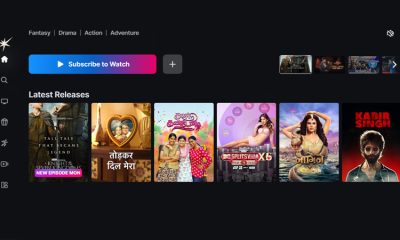

NATIONAL: JioHotstar has introduced monthly subscription plans across its Mobile, Super and Premium tiers, starting at Rs 79 a month, in a bid to give viewers...


MUMBAI: JioStar is printing money faster than India’s cricket team scores runs. The entertainment behemoth raked in Rs 8,010 crore in gross revenues during the October-December...


MUMBAI: National Geographic will premiere Pole to Pole with Will Smith in India on 16 January, marking one of the network’s most ambitious global productions to...

MUMBAI: Praveen Kumar has hit the ground running at JioStar, taking on a new leadership assignment as senior vice president and business head for sports digital...
MUMBAI: JioStar has given its entertainment advertising engine a fresh boost with the appointment of Srijith Jagdish as senior vice president for entertainment ad sales. Based...
MUMBAI: Advertising during the Tata IPL 2025 delivered hard sales, not just eyeballs, according to a new JioStar-backed study that puts numbers to cricket’s commercial muscle. The...


MUMBAI: Women’s cricket is no longer a promise. It is a business. JioStar has stitched together a heavyweight sponsor roster for the fourth edition of the...


NEW DELHI: The writing was on the wall—or rather, on the smartphone screen. India’s television industry is staging a hasty retreat, with some 50 channels surrendering...


MUMBAI: Indian sports rode a dizzying wave of contradictions. Cricket’s coffers were overflowing, women’s sports were finally commanding respect and rupees, tech was turning stadiums into...


MUMBAI: JioStar has strengthened its commercial engine with the appointment of Robin Samuel as manager, entertainment revenue operations, tapping a seasoned advertising operator as the broadcast...

DELHI: K. Anand Raman has traded one Star for another. After nearly 18 years at Disney Star, the media executive has joined JioStar as vice president,...
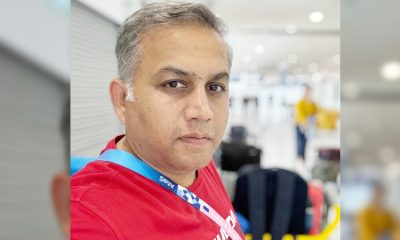

MUMBAI: Amit Achupulaya, one of Indian television’s most battle-hardened broadcast technicians, has taken charge as manager, production services sports at JioStar, marking another high-profile move in...


From mass sackings to AI anxiety, streaming wars to regulatory sledgehammers, 2025 was one of corporate pain—with the government playing enforcer, disruptor and occasional clown MUMBAI:...


MUMBAI: Bigg Boss does not age. It compounds. Season 19 has emerged as the franchise’s biggest run yet, firing on all cylinders across television and streaming...


MUMBAI: JioStar Entertainment has released the latest episode of The Collective, its thought-leadership series that convenes senior voices from advertising and entertainment to debate the forces...
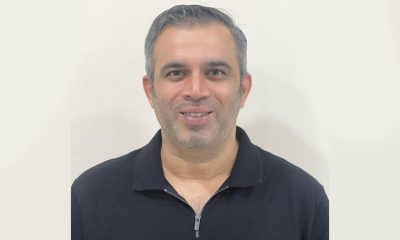

MUMBAI: Mayur Joshi has been elevated to senior director – brand experience and events at Jiostar, marking the latest milestone in a career built on big...


MUMBAI: Mirchi has strengthened its commercial leadership with the appointment of Chandan Das as vice-president for business, bringing in a seasoned media sales executive with deep...
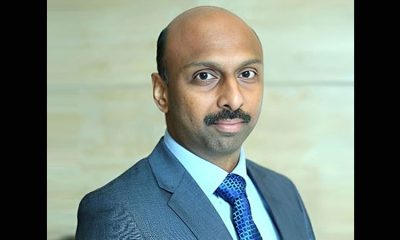

MUMBAI: JioStar has named G R Arun Kumar as its new chief financial officer, bringing on board a leader whose career reads like a masterclass in...
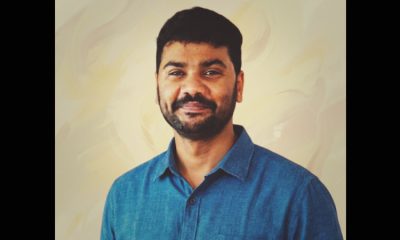

CHENNAI: Selva Prabu has pressed play on a new chapter in his career, taking charge as director, content marketing for Tamil business at JioStar, overseeing strategy...
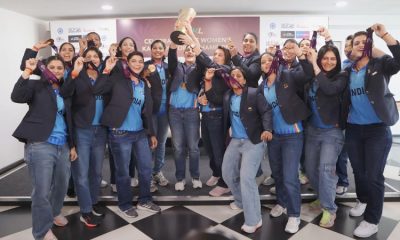

MUMBAI: Mumbai’s sporting establishment rolled out the red carpet on Friday for India’s women’s kabaddi team, fresh from demolishing Chinese Taipei 35–28 in the Women’s Kabaddi...


DUBAI & MUMBAI: The rumour mill can finally stop churning. In a joint statement that had all the urgency of a clarification after tabloid gossip, the...


MUMBAI: JioStar has named Seethalakshmi V Iyer as senior vice-president for entertainment ad sales for its Tamil and Malayalam cluster, strengthening its commercial leadership as the...


MUMBAI: The hand-wringing has begun. JioStar, India’s broadcasting colossus, is supposedly staring into the abyss: haemorrhaging money on cricket rights, throttled by advertising bans on online...
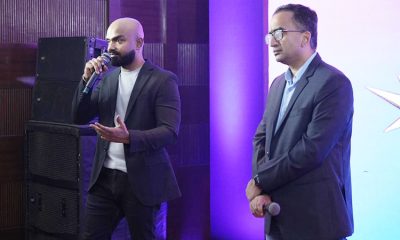

CHENNAI: JioHotstar is staking Rs 4,000 crore on a wager that southern India’s creative revolution will define the country’s entertainment future. The streaming platform, barely ten...


SRINAGAR: JioStar has struck hard against broadcast piracy in Srinagar, taking action against a local cable operator called Sen. The crackdown follows reports that the operator,...
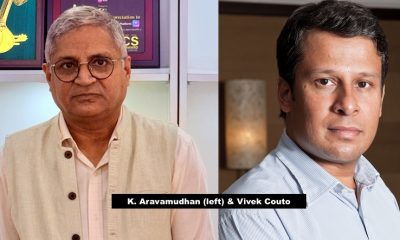

SINGAPORE: The Asia Video Industry Association (Avia) has slipped two new power players into its boardroom, adding extra muscle as the region’s video business hurtles through...

MUMBAI: Tech and broadcast veteran Mrinal Bakshi has joined JioStar as senior director, marking his latest move in a career spanning some of India’s biggest media...


MUMBAI: JioStar is preparing to walk away from its marquee International Cricket Council media rights agreement, according to a report by The Economic Times, the company...


NEW YORK: India’s sports production scene just got its own dream team. The Sports Video Group has launched an advisory board for its Indian operations, tapping...
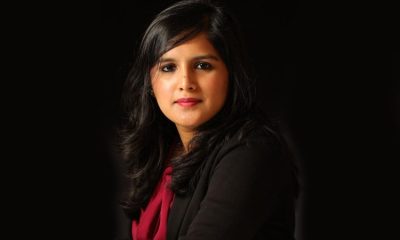

MUMBAI: Nidhi Maheshwari has taken a new seat at the brand strategy table, announcing her move to director of brand marketing at JioStar. It marks another...
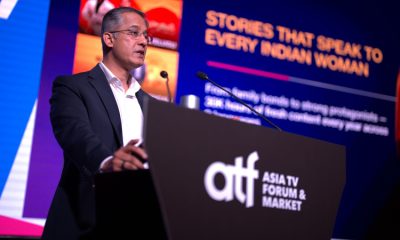

SINGAPORE: JioStar is no longer just a broadcaster. It is becoming a storytelling machine built for a billion imaginations, according to Kevin Vaz, CEO Entertainment at...
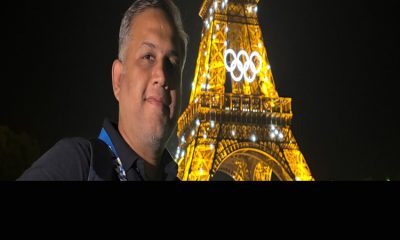

MUMBAI: Amit Achupulaya has marked a new chapter in his long sports-broadcast journey, announcing his role as manager, production services, sports at JioStar. While he has...


MUMBAI: Shouvik Roy has landed the senior vice president’s job at JioStar, where he will head marketing and programming strategy and insights. The appointment marks a...
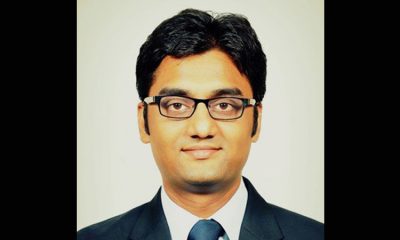

MUMBAI: If career graphs had box-office openings, Krishnendu Saha’s newest move would be a first-day, first-show sell-out, as the seasoned media strategist steps into his new...
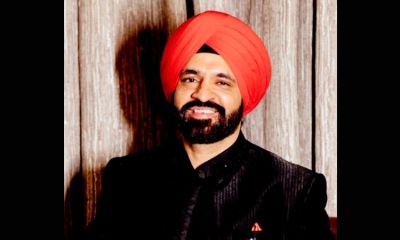

MUMBAI: JioStar has appointed Jaideep Singh Juneja as vice president for strategy, insights and marketing, a move that signals the network’s bid to sharpen its game...


MUMBAI: Ankit Agarwal has stepped into the role of director of entertainment ad sales at JioStar, adding serious firepower to the streaming and broadcast network’s commercial...
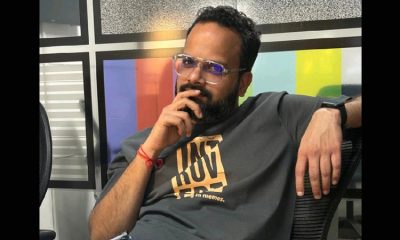

DELHI: Anshul Mahajan has taken on a new role as associate director at JioStar, marking a major career switch for the media-sales specialist with more than...


