MUMBAI: DreamWorks Animation SKG (DWA) has reported total revenue of $136.1 million and net income of $9.1 million for its first quarter ended 31 March, driven primarily by the success of Puss in the Boots.
The animated action comedy film, which has grossed approximately $554 million in worldwide box office to date, contributed $73.6 million of revenue to the quarter, driven primarily by home entertainment and international box office. The film reached an estimated 3.8 million home entertainment units sold worldwide through the end of the first quarter, net of actual and estimated future returns.
“DreamWorks Animation‘s first quarter of 2012 was driven primarily by Puss In Boots‘ continued success at the international box office and the solid performance from its home video release to date. We look forward to releasing the third chapter of our blockbuster Madagascar franchise in theaters on June 8th,” said DreamWorks Animation CEO Jeffrey Katzenberg.
Kung Fu Panda 2, the company‘s summer 2011 release, contributed $14.1 million of revenue to the quarter, driven primarily by home entertainment. The film reached an estimated 5.5 million home entertainment units sold worldwide through the end of the first quarter, net of actual and estimated future returns.
Megamind, the company‘s fall 2010 release, contributed $5.0 million of revenue to the quarter, driven primarily by international pay television and worldwide home entertainment. The film reached an estimated 5.3 million home entertainment units sold worldwide through the end of the first quarter, net of actual and estimated future returns.
Shrek Forever After, the Company‘s summer 2010 release, contributed $2.5 million of revenue to the quarter, driven primarily by home entertainment. The film reached an estimated 10.0 million home entertainment units sold worldwide through the end of the quarter, net of actual and estimated future returns.
Library, which now includes How to Train Your Dragon, contributed approximately $27.4 million of revenue to the quarter. Titles are added to the company‘s library during the quarter of the second anniversary of the domestic theatrical release. All other items, including non-feature film businesses, contributed $13.5 million of revenue to the quarter, of which Shrek The Musical was the single largest contributor.
Costs of revenue for the quarter equaled $96.5 million. Selling, general and administrative expenses totaled $27.5 million, including approximately $4.9 million of stock-based compensation expense.
The company‘s income tax expense for the first quarter was $5.1 million. The company‘s combined effective tax rate – the actual tax rate coupled with the effect of the Company‘s tax sharing agreement with a former stockholder – was approximately 35.5 per cent for the first quarter.
The company‘s second quarter and full year results are expected to be driven by Madagascar 3: Europe‘s Most Wanted, which is scheduled to be released on 8 June 2012. Television revenue for Kung Fu Panda 2 and home entertainment revenue for Puss In Boots are also expected to contribute to the company‘s second quarter results.
Tag: Jeffrey Katzenberg
-
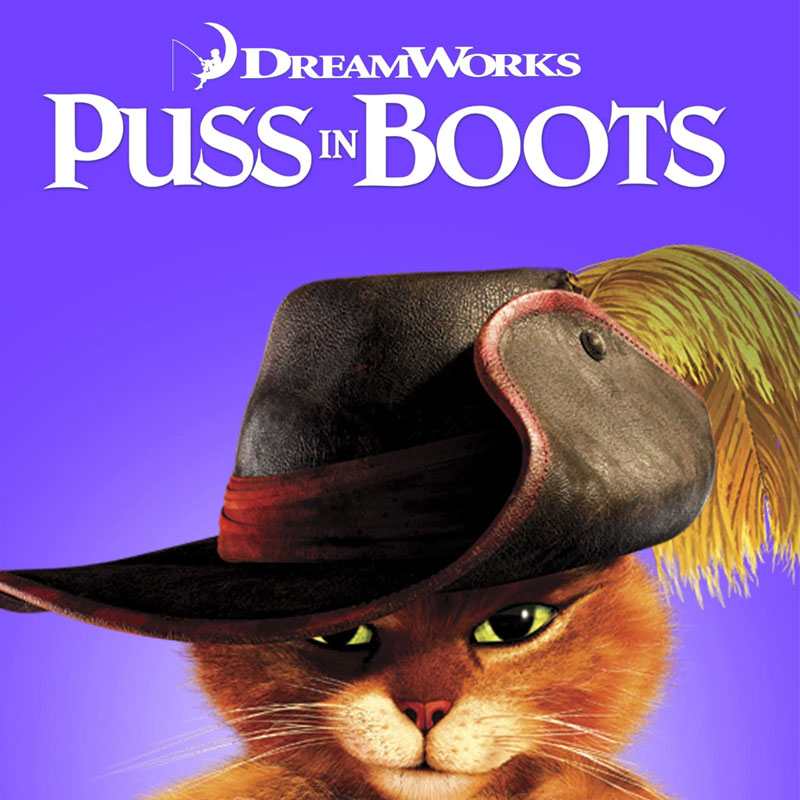
Puss in the Boots drives DreamWorks’ first quarter results
-

China-Dreamworks deal creates Oriental Dreamworks
MUMBAI:In a deal endorsed by China‘s vice-president Xi Jinping, DreamWorks Animation has unveiled a joint venture Oriental DreamWorks with three Chinese companies.
The deal to create the new outfit will have DWA in partnership with China Media Capital, Shanghai Media Group and Shanghai Alliance Investment Limited to produce films, TV series and other content aimed at the Chinese market.
Jeffrey Katzenberg, DWA chief executive met Jinping this week at a State Department event held in Washington. “It‘s hard to over estimate how big a deal this is for DreamWorks Animation,” Katzenberg has been quoted to have said.
“When you look at this in the context of what the world will look like in five to seven years from now, China will be the world‘s number one media market. It will be the largest live entertainment market, the number one consumer products market … so to create a family-branded entertainment company [in China] is an honour for us and a huge opportunity.”
The Chinese groups involved in the venture will hold around 55 per cent of the shares in Oriental DreamWorks while DWA will control the rest. DWA said the that the new company would initially be capitalised with cash and intellectual property valued at $330m. Oriental DreamWorks will launch in Shanghai this year.
The scale of the deal makes it the most significant tie up yet between a Hollywood studio and a Chinese partner.
Hollywood studios have been keen to partner with Chinese groups to give them a foothold in China which has been seen upping the number of cinema screens at a rate of about three screens a day.
China is forecast to be the world‘s biggest cinema market within the next decade and touched $2bn in box-office receipts in 2011, a near $400m increase on 2010.
-

Katzenberg announces India animation intent
CANNES: It’s official and its coming from DreamWorks SKG cofounder Jeffrey Katzenberg’s mouth. “We are coming to India in a big way,” he told indiantelevision.com at the Cannes Film Festival where he was promoing Over the Hedge. “In what shape or form we don’t know as yet, but we will.”
Katzeberg said he had been to India three times in the past nine months. “India is a very exciting place and has potential for great animation…no other place has greater potential than India for great creative work,” he explained. “You have an excellent pool of creative talent. ”
He however added that Dreanworks foray into India would not be in the form of outsourcing. “:It will be definitely more than that.”
Katzenberg pointed out that what animation is witnessing is its second renaissance. “The first wave was in the eighties and was more handdrawn,” he pointed out. “Today, animation s driven by digital, by computers. It is a great time for animation. Some of the finest movie producers are taking it up. We at Dreamworks Animation are committed to producing at least two animation movies a year.”