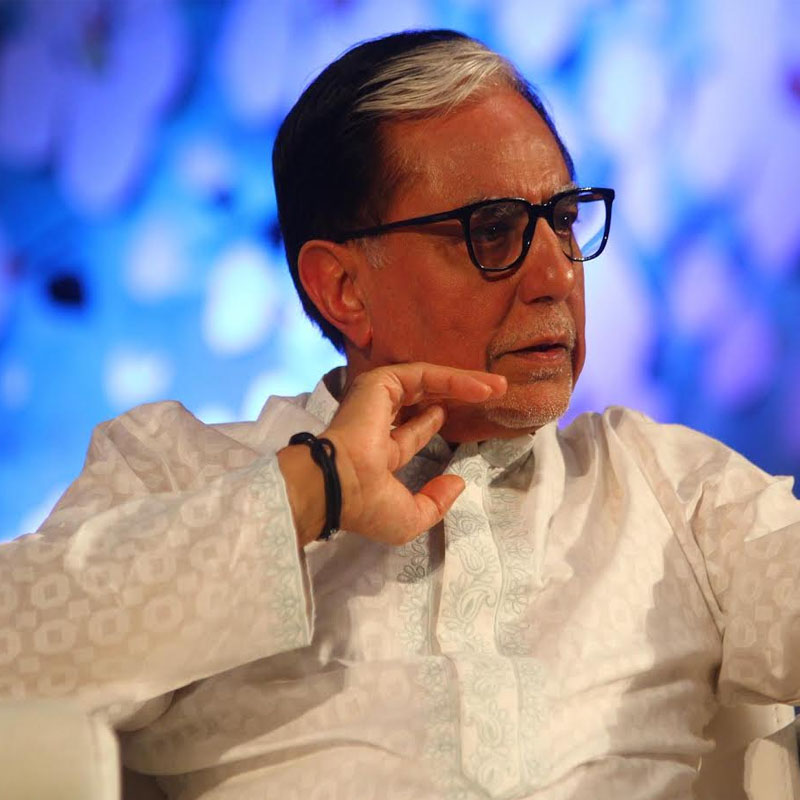
Tag: Jawahar Goel

  • Dish TV, Videocon d2h merger: CCI seeks TRAI views

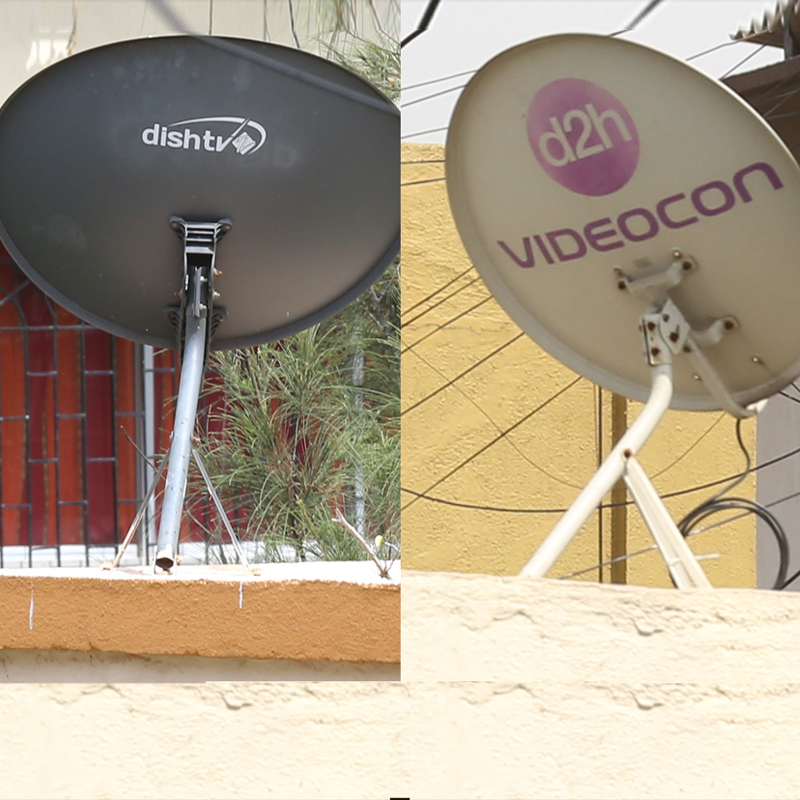
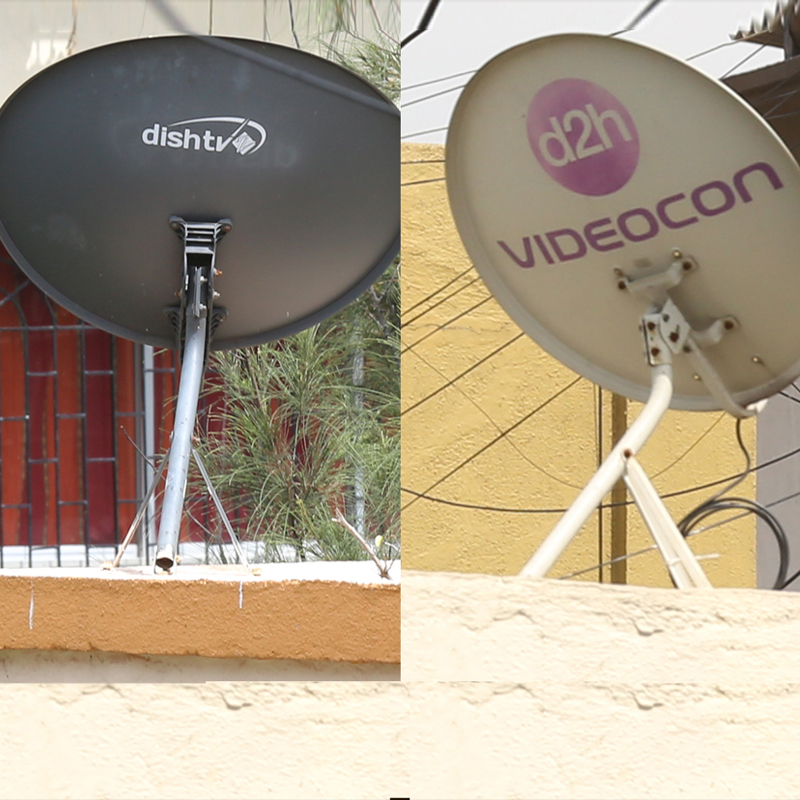
    MUMBAI: CCI has sought TRAI’s views on the proposed merger of Dish TV and Videocon d2h and as to whether or not the deal, leading to formation of Dish TV Videocon Ltd., will violate anti-trust laws.

    Dish TV, owned by Zee Entertainment (ZEEL) and the DTH arm of Videocon Industries had in November last year announced their merger. Dish TV, as per the proposed terms, will own 55 per cent in the new entity, according to Livemint.

    A TRAI official confirmed that CCI has sought its views on the subject.

    Dish TV India managing director Jawahar Goel had said that “the arrangement of the scheme is merger and we never envisaged a buyout.” The Board of directors of the two giants had earlier approved a scheme of arrangement for the amalgamation of Vd2h into Dish TV and the execution of definitive agreements in relation to such amalgamation.

    Pursuant to the Scheme, it was earlier reported, Dish TV Videocon shall issue 857.791 million shares as consideration for the scheme and the Vd2h shareholders shall be allotted 2.021 new shares of Dish TV Videocon for every one share held in Vd2h (subject to certain adjustments as set out in the Scheme), which would result in Dish TV shareholders owning 1,066.861 million existing shares or 55.4% of Dish TV Videocon, and Vd2h shareholders owning 857.791 million new shares or 44.6% of Dish TV Videocon.

    The fully diluted share count of Dish TV at 1,066,863,665 shares, which will lead to 857,785,766 shares of Dish TV Videocon being issued to Vd2h shareholders. Exchange ratio rounded off to two decimal places. One Vd2h ADS represents four equity shares of Vd2h.

    The proposed transaction was expected to create a leading cable and satellite distribution platform in India. Dish TV Videocon would serve 27.6 million net subscribers in India, as of September 30, 2016, on a pro-forma basis, out of a total of 175 million TV households in India highlighting significant room for growth. The combined entity would have revenue of Rs. 59,158 million and EBITDA of Rs. 18,262 million on a pro-forma basis for the fiscal year ended 31 March 2016 positioning it as a leading media company in India. The proposed transaction is expected to provide better synergies and growth opportunities and enable Dish TV Videocon to provide differentiated and superior service to all customers through deeper after-sales, distribution and technology capabilities, and also become a more effective partner for TV content providers in India.

    The proposed transaction remained subject to approvals, including from the Securities and Exchange Board of India, the stock exchanges, shareholders and creditors of both companies, the Competition Commission of India, the High Court of Bombay and the Ministry of Information and Broadcasting. The proposed transaction is expected to close in the second half of 2017.

  • Demonetisation hits Dish TV numbers for Q3-17

    Demonetisation hits Dish TV numbers for Q3-17

    BENGALURU: Indian direct to home (DTH) company Dish TV India Limited (Dish TV) has reported just 3.3 per cent increase in subscription revenue for the quarter ended 31 December 2016 (Q3-17, current quarter) as compared to the corresponding year ago quarter (quarter ended 31 December 2015, Q3-16). Total Income from operations (TIO) in the current quarter actually declined three per cent as compared to Q3-17.

    Further, despite the sunset dates for DAS phases III and IV quickly approaching, the company could add just 220,000 subscribers (net additions) in the current quarter as compared t0 317,000 (net additions) in Q3-16. Dish TV says that it closed the current quarter with 1.53 crore net subscribers.

    In its earnings release, Dish TV says that only 30  of its subscribers made payments by digital means until demonetisation day – 8 November 2016. CMD Jawahar Goel explained further, “Limited cash supply made people defer their DTH recharges by a few days or weeks depending on the urgency of other basic necessities. The impact was stronger in the second tier and below towns and cities as most of the economy in these areas runs on cash. Our subscription revenues during the quarter could have been higher by around 8 per cent in a non-adverse scenario. Lower growth eventually resulted in lower average revenues per user as well.”

    The company says that the fiscal third quarter being the period of festivals is generally the largest contributor to new subscriber additions during the year. Demonetization however impacted Dish TV’s new subscriber additions also with the company recording an estimated 8-10 per cent lower subscriber adds during the quarter.

    Goel said further, “Subscribers as well as trade partners were extended temporary credit facilities basis their past transactions pattern. Subscriber awareness drives to promote alternate methods of payment were run both on the ground and on screen in addition to various other initiatives. Looking at the brighter side of it, demonetization does promise an eventual less-cash dependent population that should use online payment interfaces over cash for DTH recharges. That’s going to be a boon for the DTH business.”

    Goel is optimistic about the future. He said, “Though demonetization has led to an initial distress, it also will result in certain structural changes that are going to benefit the economy in the long run. As far as our business is concerned, the effect has already started coming in. As online payment transactions, credit cards and a less-cash society become buzz words today, we are happy to note an increase in our online transacting subscriber base from 30 percent to around 38 percent with around 22 digital wallets and the like being integrated with the company. Every online recharge transaction vis-à-vis EPRS based transaction implies savings on recharge commissions paid by us.”

    Let us look at the numbers reported by Dish TV for Q3-17

    As mentioned above, subscription revenue in the current quarter increased 3.3 percent to Rs 692.10 crore from Rs 669.90 crore. TIO declined 3 percent to Rs 747.98 crore from Rs 771.48 crore.

    Profit after tax (PAT) declined to almost a third (declined 61.0 Percent) to Rs 26.68 crore (3.6 percent margin – of TIO) in Q3-17 from Rs 68.49 crore (8.9 percent margin) in Q3-16. EBIDTA in the current quarter declined 6 percent to Rs 249.51 crore (33.4 percent margin) from Rs 265.45 crore (34.4 percent margin).

    Total Expenditure in Q3-17 increased 1.8 percent year-over-year (y-o-y) to Rs 664.04 crore from Rs 652.33 crore. Programming/content and other costs increased 6.2 percent y-o-y to Rs 220.10 crore in the current quarter from Rs 207.31 crore.

    Employee Benefits Expense in the current quarter increased 25.2 percent to Rs 36.12 crore from Rs 28.85 crore. Other expenses in Q3-17 increased 9.7 percent y-o-y to Rs 118.09 crore from Rs 107.68 crore. Other operating costs declined 36.6 percent in the current quarter to Rs 66.82 crore from Rs 105.35 crore in the corresponding year ago quarter.

    Finance costs in Q3-17 increased 8.3 percent to Rs 59.1 crore from Rs 54.46 crore in the corresponding year ago quarter.

    Commenting on the results, Goel said, “We believe that the negative impact of demonetization is only temporary and that with a strong subscriber growth rate, tight control on costs, reasonably steady free cash flows and a healthy balance sheet we should deliver sustainable growth. The rollout of the Goods and Services Tax (GST), a hopefully favourable license fee regime and a revenue conscious cable industry should only add to the strengths of Dish TV going forward.”

    Notes:The unit of currency in this report is the Indian rupee – Rs (also conventionally represented by INR). The Indian numbering system or the Vedic numbering system has been used to denote money values. The basic conversion to the international norm would be:

    (a) 100,00,000 = 100 lakh = 10,000,000 = 10 million = 1 crore.

    (b) 10,000 lakh = 100 crore = 1 arab = 1 billion.

    Also Read:

    The growth of DTH in India

    DTH adds 14 lakh active subscribers in Q2-17 as per TRAI data

    DishTV expands its HD offering

    Dish TV offers ‘Digishala’ to 15 million subs

  • Demonetisation hits Dish TV numbers for Q3-17

    Demonetisation hits Dish TV numbers for Q3-17

    BENGALURU: Indian direct to home (DTH) company Dish TV India Limited (Dish TV) has reported just 3.3 per cent increase in subscription revenue for the quarter ended 31 December 2016 (Q3-17, current quarter) as compared to the corresponding year ago quarter (quarter ended 31 December 2015, Q3-16). Total Income from operations (TIO) in the current quarter actually declined three per cent as compared to Q3-17.

    Further, despite the sunset dates for DAS phases III and IV quickly approaching, the company could add just 220,000 subscribers (net additions) in the current quarter as compared t0 317,000 (net additions) in Q3-16. Dish TV says that it closed the current quarter with 1.53 crore net subscribers.

    In its earnings release, Dish TV says that only 30  of its subscribers made payments by digital means until demonetisation day – 8 November 2016. CMD Jawahar Goel explained further, “Limited cash supply made people defer their DTH recharges by a few days or weeks depending on the urgency of other basic necessities. The impact was stronger in the second tier and below towns and cities as most of the economy in these areas runs on cash. Our subscription revenues during the quarter could have been higher by around 8 per cent in a non-adverse scenario. Lower growth eventually resulted in lower average revenues per user as well.”

    The company says that the fiscal third quarter being the period of festivals is generally the largest contributor to new subscriber additions during the year. Demonetization however impacted Dish TV’s new subscriber additions also with the company recording an estimated 8-10 per cent lower subscriber adds during the quarter.

    Goel said further, “Subscribers as well as trade partners were extended temporary credit facilities basis their past transactions pattern. Subscriber awareness drives to promote alternate methods of payment were run both on the ground and on screen in addition to various other initiatives. Looking at the brighter side of it, demonetization does promise an eventual less-cash dependent population that should use online payment interfaces over cash for DTH recharges. That’s going to be a boon for the DTH business.”

    Goel is optimistic about the future. He said, “Though demonetization has led to an initial distress, it also will result in certain structural changes that are going to benefit the economy in the long run. As far as our business is concerned, the effect has already started coming in. As online payment transactions, credit cards and a less-cash society become buzz words today, we are happy to note an increase in our online transacting subscriber base from 30 percent to around 38 percent with around 22 digital wallets and the like being integrated with the company. Every online recharge transaction vis-à-vis EPRS based transaction implies savings on recharge commissions paid by us.”

    Let us look at the numbers reported by Dish TV for Q3-17

    As mentioned above, subscription revenue in the current quarter increased 3.3 percent to Rs 692.10 crore from Rs 669.90 crore. TIO declined 3 percent to Rs 747.98 crore from Rs 771.48 crore.

    Profit after tax (PAT) declined to almost a third (declined 61.0 Percent) to Rs 26.68 crore (3.6 percent margin – of TIO) in Q3-17 from Rs 68.49 crore (8.9 percent margin) in Q3-16. EBIDTA in the current quarter declined 6 percent to Rs 249.51 crore (33.4 percent margin) from Rs 265.45 crore (34.4 percent margin).

    Total Expenditure in Q3-17 increased 1.8 percent year-over-year (y-o-y) to Rs 664.04 crore from Rs 652.33 crore. Programming/content and other costs increased 6.2 percent y-o-y to Rs 220.10 crore in the current quarter from Rs 207.31 crore.

    Employee Benefits Expense in the current quarter increased 25.2 percent to Rs 36.12 crore from Rs 28.85 crore. Other expenses in Q3-17 increased 9.7 percent y-o-y to Rs 118.09 crore from Rs 107.68 crore. Other operating costs declined 36.6 percent in the current quarter to Rs 66.82 crore from Rs 105.35 crore in the corresponding year ago quarter.

    Finance costs in Q3-17 increased 8.3 percent to Rs 59.1 crore from Rs 54.46 crore in the corresponding year ago quarter.

    Commenting on the results, Goel said, “We believe that the negative impact of demonetization is only temporary and that with a strong subscriber growth rate, tight control on costs, reasonably steady free cash flows and a healthy balance sheet we should deliver sustainable growth. The rollout of the Goods and Services Tax (GST), a hopefully favourable license fee regime and a revenue conscious cable industry should only add to the strengths of Dish TV going forward.”

    Notes:The unit of currency in this report is the Indian rupee – Rs (also conventionally represented by INR). The Indian numbering system or the Vedic numbering system has been used to denote money values. The basic conversion to the international norm would be:

    (a) 100,00,000 = 100 lakh = 10,000,000 = 10 million = 1 crore.

    (b) 10,000 lakh = 100 crore = 1 arab = 1 billion.

    Also Read:

    The growth of DTH in India

    DTH adds 14 lakh active subscribers in Q2-17 as per TRAI data

    DishTV expands its HD offering

    Dish TV offers ‘Digishala’ to 15 million subs

  • Essel Group to acquire further 4.95 per cent in Dish TV Videocond2h from Dhoots

    Essel Group to acquire further 4.95 per cent in Dish TV Videocond2h from Dhoots

    MUMBAI: The Essel group today announced that it has agreed with the Dhoot family that it will acquire an additional 4.95 per cent equity of Dish TV Videocon d2h (DTV d2h) – the company being created out of the merger of Dish TV India Ltd (DTIL) and Videocon d2h Ltd (VD2h).

    The additional transaction will take place a day after the merged entity starts trading on the National stock exchanges at the first day’s closing price. The deal will take placed through Essel group company Veena Investments.

    The purchase will see the Essel group’s equity holding in Dish TV Videocon d2h (DTVd2h) go up to 40.95 per cent. The media group’s share of DTVd2h will further rise as it has agreed with the Dhoot family to acquire an additional 4.95 per cent equity shares from it a year after the merged entity starts trading on the NSE. Both will have a window of three months to complete the transaction then.

    The Dhoot family’s equity stake in DTVd2h will fall to 23.05 following the first sale and to 18.1 per cent following the second, while the Essel group’s holding will rise to 45.9 per cent at the end of the second transaction. This clearly indicates who will be in the drivers seat at DTVd2h – Jawahar Goel, the brother of media baron Subhash Chandra.

    The two family groups had earlier this month announced the merger of their two firms which would result in the creation of a pay TV provider with a subscriber base of 27.6 million, making it the second largest in the world just after the US pay TV giant DirecTV and ahead of John Malone’s Charter Communications.

    Pre-merger, the Essel group owns 64.44 per cent equity in DTIL, the Dhoot family owns 51.17 per cent in Vd2h. 35.95 per cent of the latter’s holding is in the hands of overseas depository holders on Nasdaq on which it is listed. The firm is to be delisted from the US exchange and the depositary receipt holders will have the option to directly get shares of DTVd2h or its GDRs as the latter is expected to be listed on the Luxemborg stock exchange apart from the Bombay stock exchange and the NSE.

  • Essel Group to acquire further 4.95 per cent in Dish TV Videocond2h from Dhoots

    Essel Group to acquire further 4.95 per cent in Dish TV Videocond2h from Dhoots

    MUMBAI: The Essel group today announced that it has agreed with the Dhoot family that it will acquire an additional 4.95 per cent equity of Dish TV Videocon d2h (DTV d2h) – the company being created out of the merger of Dish TV India Ltd (DTIL) and Videocon d2h Ltd (VD2h).

    The additional transaction will take place a day after the merged entity starts trading on the National stock exchanges at the first day’s closing price. The deal will take placed through Essel group company Veena Investments.

    The purchase will see the Essel group’s equity holding in Dish TV Videocon d2h (DTVd2h) go up to 40.95 per cent. The media group’s share of DTVd2h will further rise as it has agreed with the Dhoot family to acquire an additional 4.95 per cent equity shares from it a year after the merged entity starts trading on the NSE. Both will have a window of three months to complete the transaction then.

    The Dhoot family’s equity stake in DTVd2h will fall to 23.05 following the first sale and to 18.1 per cent following the second, while the Essel group’s holding will rise to 45.9 per cent at the end of the second transaction. This clearly indicates who will be in the drivers seat at DTVd2h – Jawahar Goel, the brother of media baron Subhash Chandra.

    The two family groups had earlier this month announced the merger of their two firms which would result in the creation of a pay TV provider with a subscriber base of 27.6 million, making it the second largest in the world just after the US pay TV giant DirecTV and ahead of John Malone’s Charter Communications.

    Pre-merger, the Essel group owns 64.44 per cent equity in DTIL, the Dhoot family owns 51.17 per cent in Vd2h. 35.95 per cent of the latter’s holding is in the hands of overseas depository holders on Nasdaq on which it is listed. The firm is to be delisted from the US exchange and the depositary receipt holders will have the option to directly get shares of DTVd2h or its GDRs as the latter is expected to be listed on the Luxemborg stock exchange apart from the Bombay stock exchange and the NSE.

  • Goel & Dhoot speak Dish TV-Videocon d2h merger

    Goel & Dhoot speak Dish TV-Videocon d2h merger

    MUMBAI: It was earlier this year that mainstream media was going berserk with the speculation that India’s largest pay TV operator Dish TV was going to acquire the the Dhoot family run rival DTH service Videocon d2h. Repeated denials by Dish TV did nothing to restrain hacks from reporting that an acquisition was almost done. But the facts are out now. Speaking to CNBC TV18 last weekend Dish TV India managing director Jawahar Goel said that “the arrangement of the scheme is merger and we never envisaged a buyout.” Which is probably why most journos got it wrong.

    Goel informed CNBC TV18 that he would be chairman & managing director of the new entity, while Saurabh Dhoot will be the deputy managing director. The Dhoot family can also appoint another nominee as vice-chairman of the board. The merger will result in a new pay TV operator with 27.6 million subscribers, commanding 16 per cent or so of the Indian pay TV market.

    “The two brands Dish TV and Videocon d2h will continue to operate as distinct brands in the market,” Dhoot clarified to the business news channel.

    He added that “both the families – the Goel family and the Dhoot family are very closely associated since a decade, this is really a family affair.”

    Post the merger, Dish TV and the public will end up with 36 per cent equity each, while Videocon d2h will have 28 per cent of the equity of Dish TV Videocon. Dhoot further clarified that “Dish TV shareholders would comprise of in terms of ownership of the new entity of 55.4 percent and so around 45 percent would be owned by Videocon D2H shareholders. Dish TV shareholders would own something like 1066 million shares, Videocon d2hshareholders would own 857 million shares and this is an all stock combination swap ratio reflecting the relative values of each business across operating like financial and trading metrics. So subscribers and subscriber addition is factored in, revenue, earnings before interest, taxes, depreciation, and amortization (EBITDA) and growth is factored in and trading metrics are also factored in, so the combination combine Dish’ scale and profitability with d2h scale and growth and the scale and efficiency benefit emanating from such a combination will be a win-win for all stakeholders.”

    Goel pointed out that the merger will likely take around seven to eight months and the benefits of the reasonably debt cost that Dish TV enjoys will be passed on to the merged entity. Said he: (The debt) will be around Rs 2,100 crore and EBITDA as reported in the last financial numbers in the past it is around Rs 1,800-1,900 crore…. and the debt will definitely will be the Dish TV debt, which will be coming at the same price or a better price going forward – – so the problem of high cost of debt should not be there.”

    But, most importantly, added Dhoot that “the merger would lead to significant cost synergies as well as enhance our ability to grow alternate revenue streams like carriage, advertising, value added services, new channel launches and these are all highly margin accretive. So the proposed combination shall create scale benefits for all stakeholders. There will be better growth opportunities for employees, sales and service networks, larger distribution network, but from an economic standpoint for our shareholders, which includes the existing Dish TV and Videocon D2H shareholders the merged entity will drive value unlocking from combine sourcing, purchasing, product development, improved distribution, customer service and net support, network and infrastructure consolidation and capex. “

    Clearly, one plus one could end up being more than two in this case.

  • Goel & Dhoot speak Dish TV-Videocon d2h merger

    Goel & Dhoot speak Dish TV-Videocon d2h merger

    MUMBAI: It was earlier this year that mainstream media was going berserk with the speculation that India’s largest pay TV operator Dish TV was going to acquire the the Dhoot family run rival DTH service Videocon d2h. Repeated denials by Dish TV did nothing to restrain hacks from reporting that an acquisition was almost done. But the facts are out now. Speaking to CNBC TV18 last weekend Dish TV India managing director Jawahar Goel said that “the arrangement of the scheme is merger and we never envisaged a buyout.” Which is probably why most journos got it wrong.

    Goel informed CNBC TV18 that he would be chairman & managing director of the new entity, while Saurabh Dhoot will be the deputy managing director. The Dhoot family can also appoint another nominee as vice-chairman of the board. The merger will result in a new pay TV operator with 27.6 million subscribers, commanding 16 per cent or so of the Indian pay TV market.

    “The two brands Dish TV and Videocon d2h will continue to operate as distinct brands in the market,” Dhoot clarified to the business news channel.

    He added that “both the families – the Goel family and the Dhoot family are very closely associated since a decade, this is really a family affair.”

    Post the merger, Dish TV and the public will end up with 36 per cent equity each, while Videocon d2h will have 28 per cent of the equity of Dish TV Videocon. Dhoot further clarified that “Dish TV shareholders would comprise of in terms of ownership of the new entity of 55.4 percent and so around 45 percent would be owned by Videocon D2H shareholders. Dish TV shareholders would own something like 1066 million shares, Videocon d2hshareholders would own 857 million shares and this is an all stock combination swap ratio reflecting the relative values of each business across operating like financial and trading metrics. So subscribers and subscriber addition is factored in, revenue, earnings before interest, taxes, depreciation, and amortization (EBITDA) and growth is factored in and trading metrics are also factored in, so the combination combine Dish’ scale and profitability with d2h scale and growth and the scale and efficiency benefit emanating from such a combination will be a win-win for all stakeholders.”

    Goel pointed out that the merger will likely take around seven to eight months and the benefits of the reasonably debt cost that Dish TV enjoys will be passed on to the merged entity. Said he: (The debt) will be around Rs 2,100 crore and EBITDA as reported in the last financial numbers in the past it is around Rs 1,800-1,900 crore…. and the debt will definitely will be the Dish TV debt, which will be coming at the same price or a better price going forward – – so the problem of high cost of debt should not be there.”

    But, most importantly, added Dhoot that “the merger would lead to significant cost synergies as well as enhance our ability to grow alternate revenue streams like carriage, advertising, value added services, new channel launches and these are all highly margin accretive. So the proposed combination shall create scale benefits for all stakeholders. There will be better growth opportunities for employees, sales and service networks, larger distribution network, but from an economic standpoint for our shareholders, which includes the existing Dish TV and Videocon D2H shareholders the merged entity will drive value unlocking from combine sourcing, purchasing, product development, improved distribution, customer service and net support, network and infrastructure consolidation and capex. “

    Clearly, one plus one could end up being more than two in this case.

  • Dish TV Videocon: Building a DTH powerhouse of global reckoning

    Dish TV Videocon: Building a DTH powerhouse of global reckoning

    MUMBAI: It’s a reflection of what’s hitting the corporate world globally – consolidate and build global scale. And scale is important in television distribution – whether cable, satellite or terrestrial or direct to home (DTH). Yesterday’s announcement of — what was speculated for nearly a year – the merger of India’s No 1 DTH operator Dish TV India with India’s fastest growing DTH player Videocon d2h – is a reflection of that trend and the building of a DTH powerhouse and pay TV operator.

    The merger has created a pay TV behemoth unrivalled in TV  distribution in the Indian market (let’s discount the public service terrestrial broadcaster Doordarshan and its satellite service FreeDish). The next Indian private DTH provider is less than half the size of the merged entity’s  size in pure net subscriber terms.

    A collective 27.6 million subs  for the combo firm Dish TV Videocon places it just behind the US-based DirecTV (which is now owned by AT&T) with its 37.6 million subs.  That’s a number which is hard to ignore. Much senior players such as Sky in the UK and dishnetwork in the US have just 21 million subs and 13.6 million subs, respectively.

    Of course, one may argue that ARPUs in India are wafer thin at about $3 or so per subscriber and revenues too are minuscule for the DTH operators.  ARPUs for Sky which is so much smaller than Dish TV Videocon are around pounds sterling 47 while these are at $111 at DirecTV which is far bigger.

    Team Dish TV led by Jawahar Goel and his CEO Arun Kapoor have reason to celebrate. For the fusion of the two players has created an enterprise that probably has overtaken his elder brother Subhash Chandra’s Zee Entertainment Enterprises in terms of EBIDTA and in revenue.  And what must be even more pleasing is that Dish TV has been operational for fewer years than Zee Entertainment which has led the cable and satellite TV revolution in India since the early nineties.

    Ditto for team Videocon d2h that is led by the executive chairman Saurabh Pradeep Kumar Dhoot and CEO Anil Khera. The last entrant in the DTH game, the merger has catapulted it into the leadership position in India.

    True, the market capitalization of Dish TV  (alone) is  Rs 9,321.1 crore  and Videocon d2h is being merged at an equity valuation of around Rs 7,200 crore and at an enterprise value of around  Rs 9,000-odd crore (as per reports) as compared to Zee Entertainment’s Rs 46,284 crore and Sun TV’s Rs 19,747 crore . The market capitalization value of  Dish TV Videocon has yet to be calculated at the time of writing but there’s no doubt it will skyrocket substantially post the completion of the merger in the next six to seven months.

    What does the fusion mean for DishTV Videocon?

    For one, lower costs. On almost every front.

    Imagine the negotiating power it will have with broadcasters on content pricing. Carriage and placement fees will end up being substantial. It  will be in a position to get better rates on hardware, middleware, ERP software, consumer premise equipment. And then, the two companies’ administration and sales teams could also be streamlined to form a formidable lean and mean sales force. Both have vast and deep distribution strengths. While Dish TV has 2,268 distributors, 244,688 dealers and 1090 service franchises across 9322 towns, Videocon d2h has 2280 distributors and direct dealers, 230,000 dealers/retailers and 320 direct service centres nationally. A consolidation of this could also yield cost benefits.

    A PhillipCapital estimate to CNBC TV18 was that the synergy benefit at the EBIDTA level would be between Rs 300 crore to 350 crore from year two onwards.

    The lower costs could allow Dish TV Videocon to also pass on the benefits to consumers and possibly start a price war, should it choose to, and thus attracting subscribers from cable TV or other DTH providers, in the process scaling up even further.

    Dish TV Videocon’s value-added services (VAS) will get a collective boost as these could be cross-promoted between the platforms. Its scale will allow it to negotiate better advertising deals for the two services opening screens, sponsorships and on TVCs.

    Most importantly, the combined entity will end up with a robust financial report card with revenues of Rs 5,915.8 crore ($883 million) for the year ended 31 March 2016.  The figure for the first half of the current fiscal (H1-2017) is at Rs 3,100 crore. That means one can expect it to cross the $1 billion topline milestone either by end this year or mid next.

    Dish TV Videocon’s EBIDTA margins too look  healthy at 31 per cent and absolute last-fiscal-year figures of Rs 1,826 crore ($274 million). The figure for H12017 is at Rs 1,040 crore. EBIDTA minus capex stands at a puny Rs 195 crore ($29 million) but that’s significantly higher than the Rs 116.5 crore of DishTV and Rs 78.5 crore of Videocon d2h, individually. In H12017, that figure had already climbed to Rs 190 crore. The merged entity will have a net debt load of Rs 2161 crore ($323 million). H1 2017, however,  saw that climb to Rs 2660 crore.

    How Dish TV Videocon will service this higher debt – whether it will be through internal accruals or through an external cash infusion – is a question. Both the firms have to also grapple with subscriber acquisition costs  – at around Rs 1500 for Dish TV at the end of March 2016 and at Rs 1,869 for Videocon d2h at the end of 30 September 2016. But, the good part is that both have generated net profits and free cash flows.

    The combined entity will end up with close to 2.8 million HD subscribers, which is around 10 per cent of the overall subscribers. These higher ARPU customers are also growing rapidly, forming around 50 per cent of the net adds.

    Now, one does not know the ambitions that the Goel and Dhoot families are harbouring. Will they go for further scale in a few years once the merger gets digested? Will they acquire other Indian DTH players as competitive forces compel further consolidation? Will they go outside and look for opportunities elsewhere in more mature and developed pay TV markets?

    It appears as if  the road to that journey may have just begun.

    Also read:

    http://www.indiantelevision.com/dth/dth-operator/videocon-d2h-to-merge-with-dish-tv-create-leading-cable-satellite-distribution-platform-in-india-161111


  • Dish TV Videocon: Building a DTH powerhouse of global reckoning

    Dish TV Videocon: Building a DTH powerhouse of global reckoning

    MUMBAI: It’s a reflection of what’s hitting the corporate world globally – consolidate and build global scale. And scale is important in television distribution – whether cable, satellite or terrestrial or direct to home (DTH). Yesterday’s announcement of — what was speculated for nearly a year – the merger of India’s No 1 DTH operator Dish TV India with India’s fastest growing DTH player Videocon d2h – is a reflection of that trend and the building of a DTH powerhouse and pay TV operator.

    The merger has created a pay TV behemoth unrivalled in TV  distribution in the Indian market (let’s discount the public service terrestrial broadcaster Doordarshan and its satellite service FreeDish). The next Indian private DTH provider is less than half the size of the merged entity’s  size in pure net subscriber terms.

    A collective 27.6 million subs  for the combo firm Dish TV Videocon places it just behind the US-based DirecTV (which is now owned by AT&T) with its 37.6 million subs.  That’s a number which is hard to ignore. Much senior players such as Sky in the UK and dishnetwork in the US have just 21 million subs and 13.6 million subs, respectively.

    Of course, one may argue that ARPUs in India are wafer thin at about $3 or so per subscriber and revenues too are minuscule for the DTH operators.  ARPUs for Sky which is so much smaller than Dish TV Videocon are around pounds sterling 47 while these are at $111 at DirecTV which is far bigger.

    Team Dish TV led by Jawahar Goel and his CEO Arun Kapoor have reason to celebrate. For the fusion of the two players has created an enterprise that probably has overtaken his elder brother Subhash Chandra’s Zee Entertainment Enterprises in terms of EBIDTA and in revenue.  And what must be even more pleasing is that Dish TV has been operational for fewer years than Zee Entertainment which has led the cable and satellite TV revolution in India since the early nineties.

    Ditto for team Videocon d2h that is led by the executive chairman Saurabh Pradeep Kumar Dhoot and CEO Anil Khera. The last entrant in the DTH game, the merger has catapulted it into the leadership position in India.

    True, the market capitalization of Dish TV  (alone) is  Rs 9,321.1 crore  and Videocon d2h is being merged at an equity valuation of around Rs 7,200 crore and at an enterprise value of around  Rs 9,000-odd crore (as per reports) as compared to Zee Entertainment’s Rs 46,284 crore and Sun TV’s Rs 19,747 crore . The market capitalization value of  Dish TV Videocon has yet to be calculated at the time of writing but there’s no doubt it will skyrocket substantially post the completion of the merger in the next six to seven months.

    What does the fusion mean for DishTV Videocon?

    For one, lower costs. On almost every front.

    Imagine the negotiating power it will have with broadcasters on content pricing. Carriage and placement fees will end up being substantial. It  will be in a position to get better rates on hardware, middleware, ERP software, consumer premise equipment. And then, the two companies’ administration and sales teams could also be streamlined to form a formidable lean and mean sales force. Both have vast and deep distribution strengths. While Dish TV has 2,268 distributors, 244,688 dealers and 1090 service franchises across 9322 towns, Videocon d2h has 2280 distributors and direct dealers, 230,000 dealers/retailers and 320 direct service centres nationally. A consolidation of this could also yield cost benefits.

    A PhillipCapital estimate to CNBC TV18 was that the synergy benefit at the EBIDTA level would be between Rs 300 crore to 350 crore from year two onwards.

    The lower costs could allow Dish TV Videocon to also pass on the benefits to consumers and possibly start a price war, should it choose to, and thus attracting subscribers from cable TV or other DTH providers, in the process scaling up even further.

    Dish TV Videocon’s value-added services (VAS) will get a collective boost as these could be cross-promoted between the platforms. Its scale will allow it to negotiate better advertising deals for the two services opening screens, sponsorships and on TVCs.

    Most importantly, the combined entity will end up with a robust financial report card with revenues of Rs 5,915.8 crore ($883 million) for the year ended 31 March 2016.  The figure for the first half of the current fiscal (H1-2017) is at Rs 3,100 crore. That means one can expect it to cross the $1 billion topline milestone either by end this year or mid next.

    Dish TV Videocon’s EBIDTA margins too look  healthy at 31 per cent and absolute last-fiscal-year figures of Rs 1,826 crore ($274 million). The figure for H12017 is at Rs 1,040 crore. EBIDTA minus capex stands at a puny Rs 195 crore ($29 million) but that’s significantly higher than the Rs 116.5 crore of DishTV and Rs 78.5 crore of Videocon d2h, individually. In H12017, that figure had already climbed to Rs 190 crore. The merged entity will have a net debt load of Rs 2161 crore ($323 million). H1 2017, however,  saw that climb to Rs 2660 crore.

    How Dish TV Videocon will service this higher debt – whether it will be through internal accruals or through an external cash infusion – is a question. Both the firms have to also grapple with subscriber acquisition costs  – at around Rs 1500 for Dish TV at the end of March 2016 and at Rs 1,869 for Videocon d2h at the end of 30 September 2016. But, the good part is that both have generated net profits and free cash flows.

    The combined entity will end up with close to 2.8 million HD subscribers, which is around 10 per cent of the overall subscribers. These higher ARPU customers are also growing rapidly, forming around 50 per cent of the net adds.

    Now, one does not know the ambitions that the Goel and Dhoot families are harbouring. Will they go for further scale in a few years once the merger gets digested? Will they acquire other Indian DTH players as competitive forces compel further consolidation? Will they go outside and look for opportunities elsewhere in more mature and developed pay TV markets?

    It appears as if  the road to that journey may have just begun.

    Also read:

    http://www.indiantelevision.com/dth/dth-operator/videocon-d2h-to-merge-with-dish-tv-create-leading-cable-satellite-distribution-platform-in-india-161111


  • ‘Chawal’ to channel: Zee’s 24 years of a memorable roller-coaster ride

    ‘Chawal’ to channel: Zee’s 24 years of a memorable roller-coaster ride

    It was a hot and humid Delhi afternoon sometime in the very early 1990s. A few journalists, mostly clueless about electronic media as we know it today, were milling around in a room in a central Delhi five-star hotel waiting for a press conference to begin. The host was a hitherto unknown company called Essel. When the conference began, one of the gentlemen, sporting former PM Indira Gandhi-style white streak in his hairs, announced that his company would start India’s first Indian-owned satellite TV channel. The other gent present on the occasion was Rajat Sharma, who was till then known as a print media journalist of some repute. The confusing series of question-answer that followed highlighted that few (including yours truly) had any idea of cable and satellite TV (CNN coverage of the first Iraq War was a trailer for Indians and later Star TV’s Santa Barbara and Bold & The Beautiful were like manna from the sky) and fewer understood fully the gravity of what Subhash Chandra was telling the Delhi scribes.

    The rest, as they say, was history. Over 24 years, this journey has not only created India’s first home grown electronic media company, but inspired many others to venture out, as Star Trek’s Captain Kirk & Co would say, where no man or entrepreneur has gone ever before.

    Zee Telefilms or Zee Television or Zee Entertainment Enterprises Ltd — as Zee group has been known in corporate circles from time to time — is itself a testament of the changing ethos of the company and the evolving Indian media landscape. But never has there been a time when the group — now housed over several floors in a swanky building in Mumbai’s Lower Parel area — been not associated with Chandra. To borrow a clichéd political line of the 1970s, it could be said that Zee is Subhash Chandra and Subhash Chandra is Zee.

    From those early days — Zee News started late 1990s used to function out of a four-bedroom residential flat in Delhi’s South Extension and the main office on Mumbai’s Annie Besant Road comprised a series of thatched mostly non-AC rooms — it has a been a long journey not only in terms of time, but also business and expansion.

    One of last annual reports (if we go back in time) on Zee’s corporate website pertains to 1998-99 financial year. Message from Chairman Chandra read: “For Zee Telefilms, 1998-99 was yet another year of exceptional accomplishment and growth. Having made its debut in 1992 as a software production company and marketing concessionaire, Zee has come a long way with its recognition as an emerging company of the year. The 35.8 percent total return our Company produced on the capital employed is of utmost importance to us. We’re not content with that…”  

    In 2016, addressing the investors and public at large in the 2015-16 annual report, the vision is gets contemporaneous as Chandra says: “ZEEL is proactively reorganising its operations focusing on newer delivery formats and ramping up its digital business in line with the changing dynamics of the operating environment. Multiple initiatives are being undertaken. Just as consistency has been a hallmark of our journey, so has change!”

    Change? Yes, of course. And why not? From a humble beginning, Zee now straddles the world, growing its business portfolio along with global presence and revenues. With a strong presence in over 171 countries and a total viewership of 1 billion plus people around the globe, when Zee claims it’s a worldwide media brand, it isn’t off the mark.

    Sample some facts. With a networth of Rs 62,315 million, Zee closed the 2015-16 financial year ending March 2016 with a total income of Rs. 58, 515 million and EBITDA of Rs 15, 095 million wherein global advertising revenue was Rs. 34, 297 million and subscription income was Rs. 20,579 million. Add to these vital stats the fact that the group offers content in multiple Indian and foreign languages and various formats with more than 2,22,703 hours of television content and rights to more than 3,818 movie titles from premiere studios featuring Indian film stars, making it one of the largest Hindi film libraries in the world. All this content is aired via 38 international and 33 domestic channels.

    If Essel group, Zee’s parent, made money from trading in commodities in the early parts of its 90-year existence (having begun in a small town in Haryana state), in the 1980s it upgraded itself to export chawal (rice) to the erstwhile USSR, apart from other more urban-centric business activities. This evolution and flirting with little-known businesses has been a hallmark of Zee’s progress too.

    public://SC-Modi.jpg

    Very few would remember that Chandra’s Essel Group wanted to be the first private sector Indian satellite operator having realised that synergies in entertainment, broadcast and delivery business could have its advantages (as also disadvantages). Though the satellite dream is still to fructify as Agrani started and folded quietly in the 1990s, it helped initiate Chandra’s elder son and present MD of Zee Entertainment, Punit Goenka, into the business.

    Though Zee had a blow-hot-blow-cold relationship with Rupert Murdoch’s 21st Century Fox (in the 1990s it was News Corp) and it’s Indian subsidiary Star TV, the three joint ventures that Zee had with Murdoch’s company in those early days, including a 50:50 shareholding in MSO Siti Cable, helped Chandra and his band of colleagues to firm their footsteps in the broadcast world in India first and then globally.

    The joint ventures with Star, which was bought over by Murdoch mid-1990s from Hong Kong-based Chinese businessman Li Ka-Shing, also helped Zee raise himself to broadcast and entertainment’s international levels where negotiations are cut-throat and not an inch is given to even business partners.

    A description of a Chandra-Murdoch meeting in New York is telling. An expat, then working with Chandra for the Agrani project, glowingly says that despite Murdoch’s reputation of being a ruthless businessman, the comparatively younger and inexperienced Indian businessman (Chandra) discussed business with the Star TV boss on an equal footing over drinks— as a CEO would talk shop with another CEO. India, probably, is one of those rare instances where even the mighty Murdoch got bought out by his Indian partner in joint ventures.

    Just when the 1990s was preparing to bid goodbye, Zee announced it was buying out Star’s shareholding in three joint ventures in a stock-and-share deal worth approximately USD 300 million. Yours truly very well remembers that in an interview soon after the historic deal, Chandra, though jubilant, said in a measured tone said at about 1 am, “Yes, it feels exciting being an Indian (to have bought out the foreign partner), but the tough part has just begun now for Zee.

    And he was bang on target— like he has been so many other times. These 24 years for Zee have not been all smooth sailing; especially so after Zee broke its business chords with Star. There have been decisions taken on fronts like programming, corporate and personnel appointments as also distribution that have been questioned by viewers, investors and media observers alike.

    Take, for example, the introduction on Zee TV around late 2000 and early 2001 a show titled Sawaal Dus Crore Ka (A Question for Rs. 10 crore or Rs 100 million). Put on air in an effort to counter the runaway success of rival Star Plus’ Amitabh Bachchan-anchored Kaun Banega Crorepati, an Indian version of the UK game show Who Wants To Be A Millionaire, Zee’s Swaal… was a major flop and the channel had to terminate it mid-way blaming its two anchors, film stars Anupam Kher and Manisha Koirala, for its failure after having burnt its fingers and loads of cash. Not to mention Zee’s two failed bids to mount a cricket league (Indian Cricket League), which were shot down by cricket politics, but paved the way for the now hugely successful Indian Premier League, blessed by the Indian cricket Board and cricket’s international apex body ICC.

    There have been leadership position appointments that have been also questioned. Adman Sandeep Goyal’s tenure as Group CEO of Zee in 2001, handpicked by Chandra, was regarded controversial.However, destiny’s child that Chandra could be had managed to build a company that was populated with professionals and such decisions helped Zee get over several mishaps over the 24 years.

    Some of the best professionals — many of them who have now left Zee to make a name for themselves independently —  that worked along with Chandra and later his son Punit included people like programming specialist Kanta Advani, marketing whiz Meenakshi Madhvani (now Menon), newsperson Rajat Sharma (he now owns the Hindi news channel India TV), former Times of India group’s Vijay Jindal and Pradeep Guha (both served as successful CEOs at Zee), strategist Bharat Ranga, communications expert Ashish Kaul, Deepak Shourie, newspersons (at Zee News) Alok Verma and Rohit Bansal, operations specialist Rajiv Khattar (Siti Cable and Dish TV), legal eagle A. Mohan, government relations expert PC Lahiri  and, of course, Chandra’s friend, philosopher and guide Ashok Kurien. But most of all, the whole Zee group — now diversified and broken down into separate business entities owing to regulatory restrictions and compulsions — benefited a lot from a harmonious family that controlled it. Chandra’s two younger brothers, Jawahar and Laxmi Goel, at various stages had been instrumental in pushing things and being the balancing factor, but never publicly having a spat with their elder brother.

    Because Zee (and Chandra) valued professionals, it was no surprise when Chandra, during his acceptance speech for Asian industry organisation CASBAA’s award for “Lifetime Contribution to the Asian Pay-TV Industry’ in 2009, said, “The achievement is not my own. Many others have made this possible, most notably my old colleagues Ronnie Screwvala of UTV Software, Prannoy Roy, the Chairman of NDTV and Raghav Bahl who now leads Network 18 Group.” Both Screwvala and Bahl since then have exited the companies after selling their shareholding. But even they were taken aback by the graciousness shown by Zee boss.

    At a time when Zee could well look back over its shoulder and afford to smile while preparing for the 50th anniversary in a growing digital world, the present leadership of Zee could well borrow poet Robert Frost’s lines, echoed also by India’s first Prime Minister Jawaharlal Nehru at the time of Independence, `But I have promises to keep, And miles to go before I sleep.’ We shall certainly Zee (as in see).