
Connect with us

NEW DELHI: There were evenings in the 1960s to mid ’70s when India, at least those homes fortunate to have TV sets, set their alarm clock...
NEW DELHI: There were evenings in the 1960s to mid ’70s when India, at least those homes fortunate to have TV sets, set their alarm clock...
NEW DELHI: A group of ministers (GoM) looking into a possible financial restructuring of pubcaster Prasar Bharati to boost its revenue generation capacity has said no...
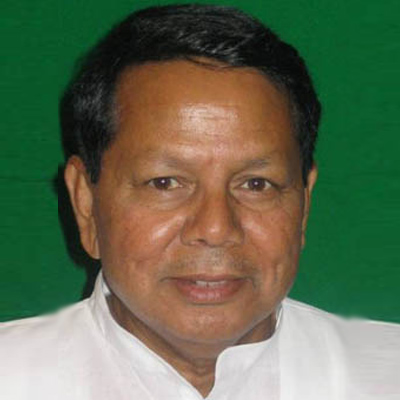
At a time when the Indian media industry is again buzzing with activities, information and broadcasting minister Priya Ranjan Das Munshi, who took over from Jaipal...
NEW DELHI: TV and film content producers can breathe easy for now on the smoking ban, but sports broadcasters beware on content sharing with the Indian...
NEW DELHI: Is the Indian media aggressive enough? Without doubt, yes, but it also needs to temper the aggression with intelligence. Is television corrupting popular taste?...

NEW DELHI: The Indian government is optimistic that the companies evincing interest in FM radio licences, up for grabs during the second phase, are serious players...

MUMBAI: B.A.G.Films promoted International School of Media and Entertainment Studies (ISOMES) is hosting an international seminar on media concerns of the day on 17 November in...
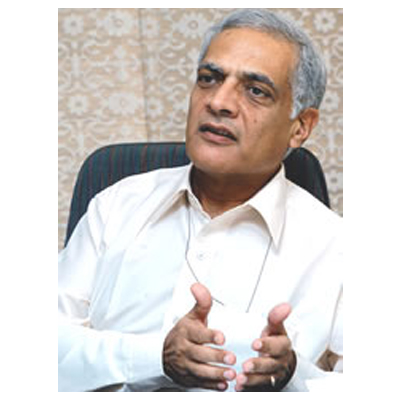
A 1971 batch officer of the Indian Administrative Service, SK Arora is a man of few words and believes that actions should speak for themselves. But...
NEW DELHI: Thirty-eight educational institutions have been issued letters of intent for community radio service, while 23 such organizations have signed a licence agreement with the...
NEW DELHI: After uplink, it’s now time for downlinking a policy for a group of ministers (GoM) that would be headed by defence minister Pranab Mukherjee....
NEW DELHI / MUMBAI: The government today set in motion the opening up of the FM radio sector while acceding to a longstanding demand of the...
NEW DELHI: Information and broadcasting ministry is now in two minds — to support fully or not — over a proposed ban from 2 October on...
NEW DELHI: After having proposed that all TV channels beaming from outside India, should register themselves in India, the government is now toying with cross-media restrictions....

NEW DELHI: In what might be I&B minister Jaipal Reddys swan song— political buzz, says he, may be shunted back to the Congress Party in a...
Circa: 2004. Characteristic of his verbosity, information and broadcasting minister Jaipal Reddy had mentioned in Parliament that he’s “dusting” the Broadcast Bill that he had tabled...

MUMBAI: Some good news for the private FM radio players as Telecom Dispute Settlement Appellate Tribunal (Tdsat) has directed the government to firm up its views...

NEW DELHI: Walt Disney CEO Michael Eisner, who is in India on an official visit, on Tuesday, met Prime Minister Manmohan Singh. Eisner and his colleagues...

NEW DELHI / MUMBAI: The Walt Disney Company’s head honchos, CEO Michael Eisner and his successor Robert Iger, arrived in the capital today on the first...
MUMBAI: Ficci Frames, which kicked off with much aplomb in Mumbai today, saw the Zee Network hogging the limelight with an overpowering brand presence at Hotel...
MUMBAI: Information and broadcasting minister Jaipal Reddy’s inaugural address at Ficci-Frames 2005 today gave the entertainment industry at large a reason to smile as he reiterated...

Sex sells. Not that the Indian media and policy makers alike are waking up to the fact only now. Over the last few years the issue...
NEW DELHI: Contrary to expectations, the government has marginally increased its financial support to Prasar Bharati (translated in English as the Broadcasting Corporation of India), which...
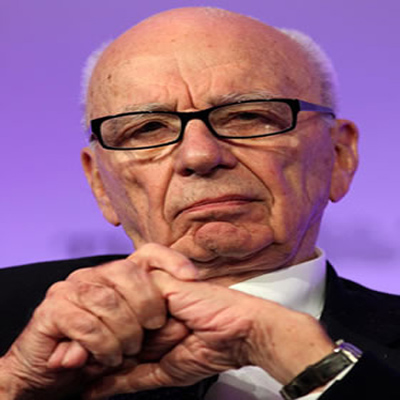
NEW DELHI: Its now official. News Corp chairman and media czar Rupert Murdoch is coming on his fifth visit to India in the second half of...
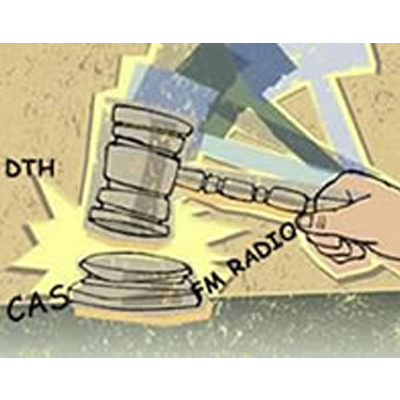
December, 2003. Give us some more time and next year, we would take issues like CAS, DTH, second phase of FM radio and the matter of...
NEW DELHI: Finally the information and broadcasting ministry has taken the downlinking policy to the Cabinet that aims at having all TV channels beaming into India...
NEW DELHI: Finally, the information and broadcasting ministry has taken to the Cabinet secretariate the downlinking policy that aims at having all TV channels beaming into...
NEW DELHI: The government today refused to be cowed down by strident questions relating to the Tata-Star DTH joint venture and hinted that procedures were followed...

The “S” (as in sleaze) word seems to be all over the airwaves these days. And it‘s not all linked to the latest technology driven monster...
NEW DELHI: Even though the government said today that it is planning a legislation to address concerns relating to DTH services in the country, it avoided...
MUMBAI: National broadcaster Doordarshan may continue to drain the public exchequer but the launch of new channels “in the public interest” continues unabated. Speaker Somnath Chatterjees...

NEW DELHI: The government, on 13 December, admitted in the Parliament that apprehensions in certain quarters had been expressed on porn content being available via direct-to-home...
NEW DELHI: Some Indian policy makers today took note of the modern technology involved in broadcasting and suggested set-top boxes should be cost-effective for Doordarshan’s KU-band...
NEW DELHI: The government is no hurry to take a final decision on broadcast and cable regulators recommendations on conditional access, distribution of channels and a...
NEW DELHI: Information and broadcasting minister Jaipal Reddy today told a parliamentary panel that the government is considering putting a time limit for clearance of community...
NEW DELHI: The government, today, stated there would be no rollback of foreign investment norms for the print medium, though a group of ministers (GoM) has...
NEW DELHI: The move will disappoint private players, but the government has formally ruled out any possibility of foreign investment in the private FM radio sector....
NEW DELHI: The Indian government is planning to further tighten the screws on foreign TV news channels and electronic news agencies by bringing in regulation that...
MUMBAI: Information & broadcasting minister Jaipal Reddy today signed a note allowing foreign institutional investors (FIIs) to invest in television news channels. The note prepared by...

BANGALORE: The Karnataka film crisis episode has taken a new twist with MLA and son of former prime minister HD Deve Gowda, HD Kumaraswamy, openly disowning...
BANGALORE: Terming the present seven-week ‘ban’ more of a ‘law and order’ problem than a legal one and an emotive issue, Union information and broadcasting minister...
NEW DELHI: Planning Commission, a government think-tank on economic issues, has set up two cells to look into the issues of infrastructure and regulatory mechanism in...
NEW DELHI: The ambivalence of the government continues over legislation relating to various broadcast issues. After having professed the need for a broadcast bill, the information...
NEW DELHI: India’s information and broadcasting ministry proposes to set up a committee to look into the regulatory framework for the KU-band DTH sector and possibly...

NEW DELHI: The government is unlikely to accept a recommendation of the broadcast and cable regulator that a revenue-sharing model be adopted during the second phase...
NEW DELHI: The Indian government expects that the broadcast and cable regulator would submit a favourable recommendation within “a few days” on making available TV channels...
NEW DELHI: Acceding to representations made by the industry, the government has decided to include non-feature films produced on digital/video formats for the Indian Panorama and...
NEW DELHI: Prasar Bharati, managing Doordarshan and All India Radio, may be making a hue and cry about the high cost of acquiring sporting events for...
NEW DELHI: The proposed Tata-Star direct to home television service, it seems, is getting effected because of some other business ventures of Star in the country....
NEW DELHI: A fortnight ahead of a crucial hearing in the Supreme Court relating to a cricket telecast row between Doordarshan and Ten Sports, senior executives...



This will close in 10 seconds

