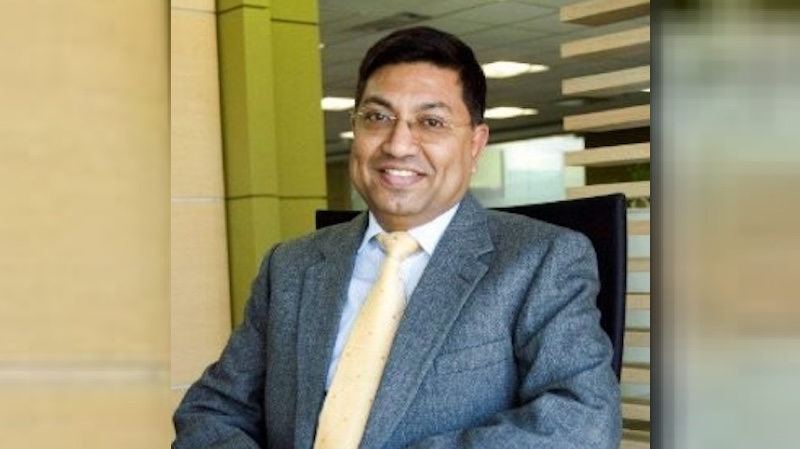
MUMBAI:The billboards plastering India’s chaotic streets have found their new overlord. Narayanaswami Shekhar, chief executive of Times OOH, has been crowned chairman of the Indian Outdoor Advertising Association, handing the Times Group executive sway over an industry grappling with digital revolution and regulatory squeeze. Earlier the vice-chairman, he takes over from Jagran Engage COO Pawan Bansal.
Shekhar’s ascent to the top of IOAA puts him at the helm of a lobby group that corrals more than 80 per cent of India’s leading outdoor media barons and boasts 220-plus members scattered from Mumbai’s traffic-choked arteries to Bangalore’s tech corridors. The association’s bread and butter involves fending off municipal crackdowns whilst championing the interests of companies that transform India’s urban jungle into a kaleidoscope of consumer messaging.
The appointment comes as India’s outdoor advertising sector—worth billions of rupees—faces an existential reckoning. Digital screens are rapidly displacing static hoardings, whilst smartphone ubiquity threatens the traditional model of ambushing commuters with roadside pitches. Meanwhile, courts and municipal authorities have launched periodic crusades against “visual pollution,” threatening the very billboards that fund the industry.
Shekhar’s new perch positions him as the industry’s chief evangelist at a pivotal moment. His Times OOH stable operates across India’s major cities, where the company’s digital displays compete for eyeballs against everything from Hindi film posters to political propaganda. The challenge now is ensuring outdoor advertising remains relevant in an increasingly screen-saturated landscape.
For the Times group, Shekhar’s industry chairmanship represents a strategic coup. The media conglomerate can now influence regulations and standards that directly impact its outdoor advertising arm, whilst positioning itself as the sector’s thought leader.
The association’s core mission—protecting and promoting outdoor advertising interests—takes on fresh urgency as Indian cities grapple with beautification drives that often view billboards as urban blight rather than legitimate business infrastructure.