Tag: ITV Originals

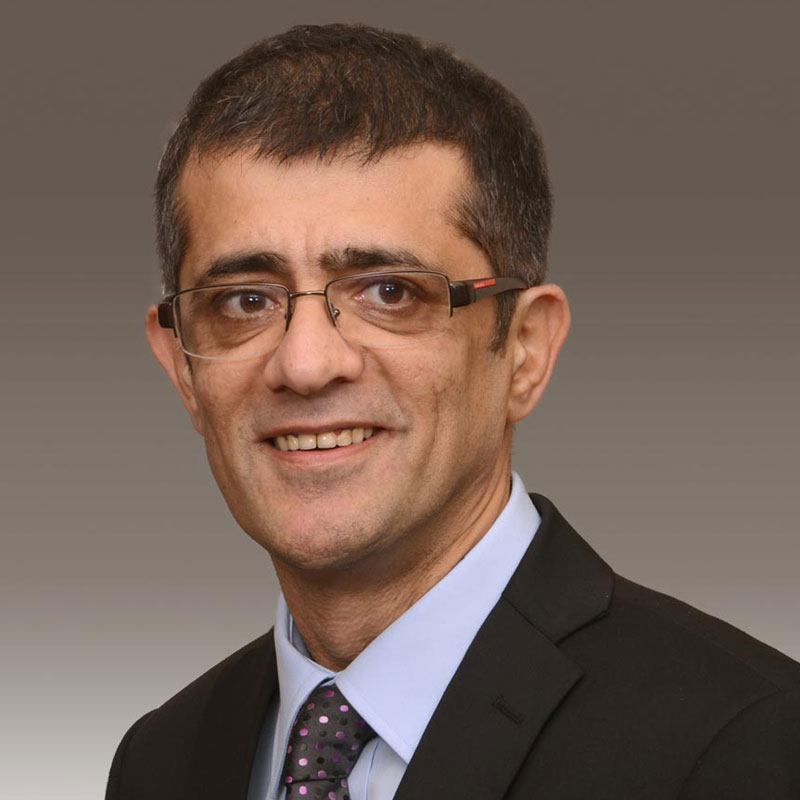
  • #MediaMinds2 | Emotional pact within our teams helped us survive this pandemic: Aditya Kanthy

    #MediaMinds2 | Emotional pact within our teams helped us survive this pandemic: Aditya Kanthy

    NEW DELHI: Having spent more than 17-years of his professional career with DDB Mudra Group, Aditya Kanthy is very proud of two things; the amazing work that the creative powerhouse is constantly churning out and the emotional bond that all the members of the team have developed. And he attributes both these factors to them being able to survive the worst of the financial blows in recent history, in the form of Covid2019. In the latest episode of Indiantelevision.com’s Media Minds season 2, one of the youngest CEOs on the block, Kanthy shares in detail his experience of working in the industry, talks about his role models, and his plans to keep the people culture at the group intact along with getting more serious about diversity inclusion. 

    “The one thing every human being wants is hope. It’s the fundamental thought of the human experience and we are seeing that play out in our lives, in our work as well. There is human capacity for optimism, for positivity,and for progress. And I think that’s what we are seeing playing out,” he points out. 

    He added that he is very proud of his team that despite the many physical, mental, and financial challenges of the times churned out great content for brands like Stayfree and Spotify. 

    Kanthy also noted that going ahead, the group is also going to speed up its process of diversity inclusion.

    Watch full episode here:

  • #MediaMinds2 | We prepared last year for the world going completely digital: IBM’s Deepali Naair

    #MediaMinds2 | We prepared last year for the world going completely digital: IBM’s Deepali Naair

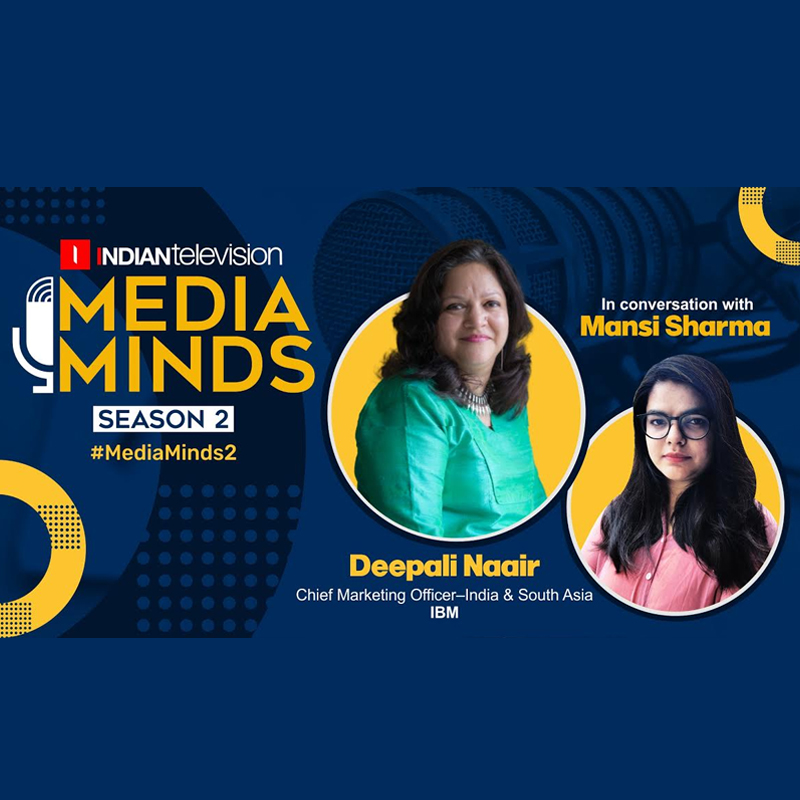
    NEW DELHI: While the world is still struggling to understand how to take their day-to-day activities online, IBM India was already one step ahead as it enjoys the success of a number of online events, simply by the virtue of being better prepared to handle a complete digital takeover of the world. The company’s CMO for the country and South Asia Deepali Naair shares her thoughts in this latest episode of Indiantelevision.com’s Media Minds season 2

    “Last year in October, when we didn’t even know that Covid2019 was going to happen, my team sat down and said that the world is going completely digital. We, of course, thought that it would take some time for that to happen but we discussed how to prepare ourselves for that moment. What do we need to learn; what do we need to do; what do we need to experiment with! And in February, even before the lockdown, we did a 100 per cent virtual event which was attended by 3500 people.”

    She said that their vision and quick actions helped them create properties and a culture that other CMOs also took inspiration from.

    Naair also talked extensively about her journey in the industry and the shift between different roles she has taken up in her career spanning over more than two decades. She attributes the success and popularity to her attitude of being a lifelong learner. 

    “I am a lifelong learner. I approach everything saying let me learn. Let me learn the medium of a podcast, let me learn the medium of digital, which is how I moved to digital and e-commerce much sooner than some of my contemporaries. So that attitude has helped me again that I moved to technology.” 

    She also shared tips for CXOs who want to get into the personal branding space, stating that having one’s own brand helps even the organisation that one is working for. “I think if you have a large CXO brand you are also available to everybody to reach out to, for them to take an authentic point of view from you.”

    Watch the complete discussion here:

  • “We see TV channels as partners rather than vendors”: Havas Media Group’s Mohit Joshi

    “We see TV channels as partners rather than vendors”: Havas Media Group’s Mohit Joshi

    A seasoned professional, Havas Media Group MD India, Mohit Joshi, is known within the industry for his sharp acumen and quick knack to adapt to changing trends. With his role expanding in the agency as Anita Nayyar moved on in May, this year, Joshi led the agency during probably the toughest time in its history and again showed great strength and adaptability in taking care of the business, helping certain clients maintain good visibility and value even during the lockdown and economic slowdown. 

    The gentleman sat down virtually with Indiantelevision.com founder, CEO and editor in chief Anil Wanvari on Thursday evening to discuss the changing trends in the TV buying world, his expectations with the IPL, his newfound love for OTT content and much more in a lucid discussion. Edited excerpts follow:

    You follow the principles of purushartha, daivya and kaal in your life. That sounds interesting. Please tell us more about it.  

    Yes, I very strongly believe in the power of these three; purushartha meaning hard work, daivya meaning luck and kaal meaning time. I feel success comes when all these three work together. For example, for people working hard during this time (Covid2019) might not have the kaal that is time favouring them. 

    It seems like you read a lot of classical text. 

    Not a lot, but yes, once in a while. There are many of them that I like and keep going back to, such as Thomas Hardy. 

    Nice. So, how’s the work going on right now? Have you people started going to the office? How’s the vibe like?

    Yes, the offices are open but we are not forcing anyone to join. Additionally, we have done extensive joining assessments for the people on grounds like who all are living alone v/s who all are living with old parents or young children, who have morbidities associated, etc. So, only those people are being called to the office for whom it is absolutely safe. We are not allowing anyone who travels via public transport to come to the office. There are extensive hygiene and social distancing protocols that we are following across our offices in Delhi, Mumbai and Bangalore. 

    The vibe is great. I feel that we all have gone through a huge amount of change in the past few months and now people want to get back to the office. It is not just about work but there is also a lot of residual psychological tension that gets eased when people meet and engage in conversations.

    I personally love the days when I have to go to the office and look forward to them. 

    And how is it for your clients? Have they started opening their workplaces?

    A lot of them like Hyundai have started opening up but there are also the likes of Swiggy and Tata Motors who are still working remotely. But all of the client meetings are still happening virtually via platforms like Zoom. 

    Most of our clients are happy and positive right now. A lot of them like Hyundai were much in demand during the lockdown too and now the others too have great expectations from the festive season and also IPL. 

    So how do you see the TV viewership from here?

    I think the lockdown period was quite unique and can’t be compared to any other time. We saw a huge spike in viewership for programs like Ramayana and Mahabharata and also on news channels. 

    We have already started witnessing dips in TV viewership despite new content coming in and it is bound to happen. But I think it will stabilise now at a slightly higher level than pre-Covid2019 times. 

    Also, there is quite a hullabaloo going on TV channels, especially on news channels with Sushant Singh Rajput’s case and the sort of coverage that is happening. How are your clients seeing it; do they want to stay away from it or be present? 

    Honestly speaking, I feel that most clients should be away from this type of investigation largely; once in a while, some presence from an impact perspective is fine. But again, it is difficult to do so [stay away from such content] because most content on news is that way, they have a certain tonality. You can’t be away from this environment because then you might not find any relevant domain to be present. But in the case of very controversial domains, I personally feel that my client should be out. 

    Coming back to the client attributes, how do they view television? With situations like lowdown, when you have already committed something and have planned something for a market and that gets shut down, so does the media channel have to be flexible or the client or the agency?

    I think all three of us have been very flexible and understanding at this point in time because that’s what is required. Right now, each party understands that if one gets impacted, all three will be affected. 

    The solution to this is that we seek media platforms as partners and not just vendors. These are extraordinary times and thus require extraordinary solutions. So, I would like to get into a partnership with any channel and tell them that don’t just tell us FCTs or rates, give us options for product integrations. 

    What are the other challenges that you are facing while doing TV buying and planning?

    Television today is not just a medium of reach and impact but also a medium to drive ROI. Every client today is asking what KPIs will I get. I think it is more of an opportunity than a challenge, in fact. 

    We are using whatever data is available and we are able to do a fair bit of predictive modelling to address that. 

    Also, today, we have evolved in TV planning. We now make audio-visuals plans, which include TV, OTT and online videos. 

    A lot has changed in consumer behaviour today. I, myself, am a big example of it. I was not very much into OTT pre-Covid2019 and now I am hooked. It started with Paatal Lok and now I have watched all series like Narcos and Inside Edge. So, if a brand has to catch me, it has to be present across media and go beyond just television. 

    What part of this audio-visual planning is acquired by traditional television?

    Anywhere between 50-60 per cent to 90 per cent, depending on category and brand. We insist that all brands make even a small investment online to get an incremental reach on TV. 

    Is everything business-driven and KPI-driven then? 

    No. Let me take this opportunity to tell you the native Havas philosophy that we don’t associate with a brand that is not meaningful. It’s not just about business KPIs but also brand love. The money that a client is putting in, that’s actually for us to build meaningful brands. At the same time, I can’t go and tell a brand that I’ll make your brand meaningful, you give me money. The learnings are drawn from the bottom of the funnel and that’s how plans are made. There has to be a balance between quality and quantity. 

    You mentioned that brands are positive about IPL and the festive season. Do we see ad rates hiking?

    Rates will not go up during the festive season but the IPL will bring some stability. Some clients will invest surely, but for some business realities are more important. 

    But as I mentioned, there is a positive sentiment amongst the brands for IPL. It is coming in at the right time when brands are eager to spend. A brand like Patanjali, which otherwise wouldn’t have been a part of IPL sponsorship, is now thinking about that. We ourselves are in touch with 15 of our clients offering different deal sizes and at least 10 will surely get through. 

    Around 50-52 per cent of the overall spend by brands, this year will be during the festive season and IPL will take good 25-30 per cent of it. Categories like ed-tech, white goods, automobile, durables etc., will be active. 

    Are we seeing a slight tilt towards spending on Hotstar this season?

    I think the spend will be regular, much like last year, but new categories will come to advertise. For example, certain categories that used TV as the primary medium and digital on the side will make Hotstar their prime platform. 

    Any parting thoughts?

    As you know, we as an industry are going to see negative growth of 20 per cent this year as predicted. I think we can’t do anything about the impact on overall marketing spend and when we can’t do anything, I personally feel that we should use this time to see how we can create more innovative ways of going back to our clients and creating more value for them. So, I would rather see it as an opportunity to bring further change, transform ourselves and become more digitally savvy. 

    Watch the full discussion here:
     

  • Media Minds 2 | Want to be an Indian network that travels the world: Suveer Bajaj, Pratik Gupta

    Media Minds 2 | Want to be an Indian network that travels the world: Suveer Bajaj, Pratik Gupta

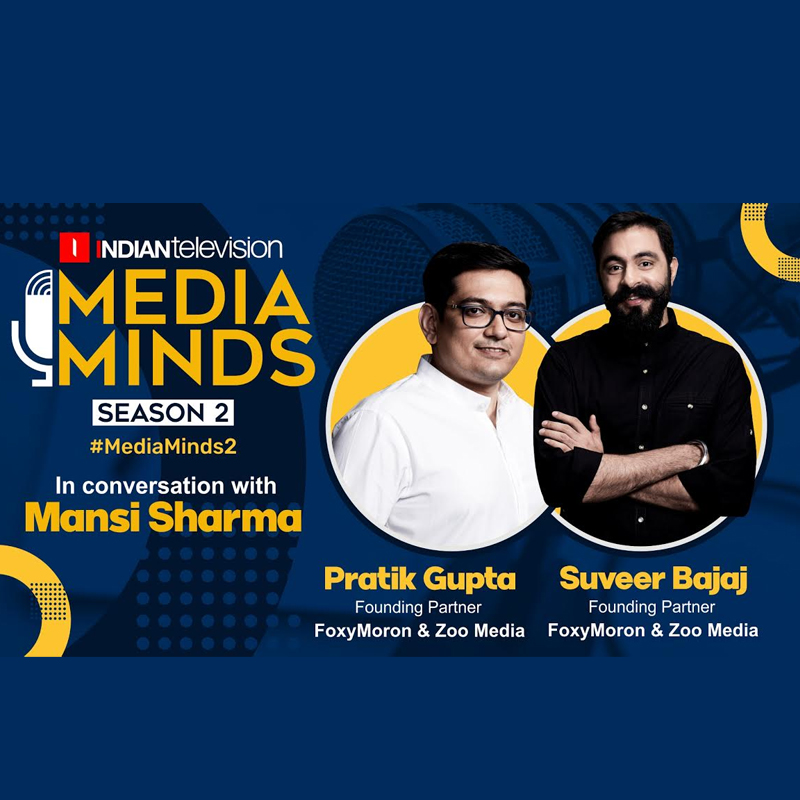
    NEW DELHI: Starting a digital agency at the young age of 19 and over a dozen years later transforming into a full-fledged integrated creative and tech solution-providing network has made FoxyMoron and Zoo Media co-founders Suveer Bajaj and Pratik Gupta wise beyond their ages. The duo sat down to share their inspiring journey, thoughts on current industry trends and plans for an international expansion on the fresh episode of Indiantelevision.com’s Media Minds 2. 

    Gupta said, “We started off as just wanting to do something for three months. Now, we have been at it for over twelve years. It’s been one of the most real journeys that you can think of and it’s been an absolute pleasure.” 

    The duo grew the network from flagship FoxyMoron to a vast network including content studios, production house and everything else that the current digital ecosystem requires, under the umbrella of holding company Zoo Media. 

    Bajaj highlighted, “We like to be a full-service agency and we like to offer our clients holistic solutions but of course the breadth of digital as an industry also kind of diversified and found areas for specialities as time progressed. So, in 2016 we spun off a creative technology company called Phosphene, which dabbled in the space of AR, VR, MR, does a little bit work with AI, ML, NLP, image recognition. In 2017, we spun off our own production house called The Rabbit Hole, In 2018, we partnered with a marketing technology company called Noesis Technology that works in the space of marketing tech; we also spun off a talent management and influencer management company called Pollen. In 2019, we spun off a small consultancy company called Doyen Oink Consulting that works, that aims to work with young companies, startups, that want to work with us as a network for our expertise. Last year, we also spun off a media company called Mammoth Media that dabbles in the space of media assets and IPs but not for brands.”

    The duo, which believes that India has a great potential to be a trendsetter and leader in the martech, ad tech, and advertising, marketing space, wants to be an Indian network that goes international. “We do see international networks that come to India and consume a large chunk of the market share and while of course, we are a small drop in the ocean and it will take us generations to keep building out this vision, but we should be very excited of taking our vision to the world and becoming an Indian network that starts going from India to the world.” 

    Watch the full episode here:

  • Market sentiments, ad volumes to go up with Onam

    Market sentiments, ad volumes to go up with Onam

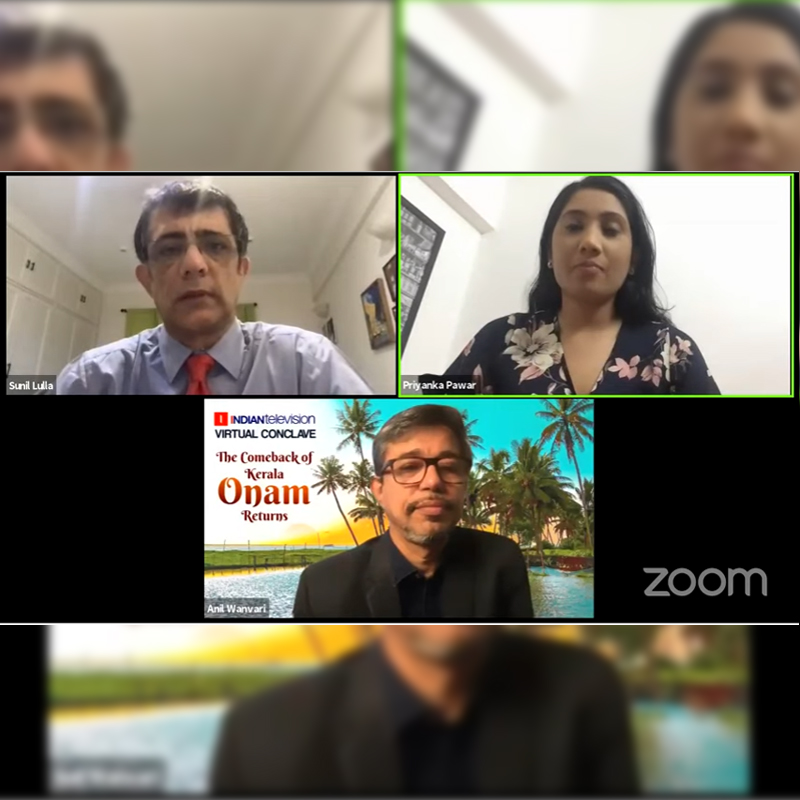
    NEW DELHI:  Indiantelevision.com’s marquee virtual conclave exploring the scope of growth in Kerala ad market during the upcoming festive season, starting Onam, “The Comeback of Kerala: Onam Returns” wrapped up Wednesday noon with an impressive lineup of speakers sharing their deep insights into the market. The show expressed great hopes and positivity towards markets across the country picking up post-Onam but with a certain air of caution in people’s minds. 

    The virtual event kickstarted with a riveting address by Indiantelevision.com Group founder, CEO, and editor in chief Anil Wanvari following which BARC India CEO Sunil Lulla presented exclusive data on the market highlighting some of the key pre-Covid2019 and Covid2019 trends and an overview of the previous three Onams in the state. 

    He indicated that as Kerala has already started witnessing a growth in ad volumes, going 10 per cent up in the month of July’20 as compared to Jan’20, the trend will continue to be so if the production-supply chains keep picking up. However, for ad revenues to grow, it will take some more time, probably the market will reach pre-Covid2019 levels in 2021. 

    After Lulla’s insightful presentation, next in agenda was a panel discussion on “Unlock 3.0: The National Perspective–Are Brands And Consumers Ready ” moderated by TAM Media Research Pvt Ltd CEO LV Krishnan. Sitting on the panel were ITC Ltd head media and PR Jaikishin Chhaproo, Godrej Consumer Products Ltd head of media Subha Sreenivasan, Initiative CEO Vaishali Verma, Wavemaker India VP Kishan Kumar Shymalan and Zenith India CEO Jai Lala. 

    Chhaproo shared that despite Onam being just around the corner, there hasn’t been any noticeable spike in sales and the market is still dealing with logistical issues. Sreenivasan, however, showed positivity indicating that things will slowly pick up. 

    Lala opined, “The need of the hour is to work together ever before. We need to get information at the ground level. The engagement has to be very deep; TV and newspapers have been impacted which need to get back to their pace."

    The panel agreed that digital is set for double-digit growth this year while for other sectors it is going to be a slow trail in the coming months. 

    Kumar Shyamalan said, “The H2 impact will be far lesser, and the next three months will be extremely critical to see how many opportunities we have while working together.”

    The next panel discussed the retail and local perspective within the Kerala market as Unlock 3.0 begins. The session was moderated by Star Regional Business EVP ad sales Dev Shenoy and had Popular Motor World Pvt Ltd CEO Sujith Chandran, LG Electronics GM Sheebu David, Seematti CEO Beena Kannan, Maitri Advertising Works (P) Ltd director-operations Raju Menon, Mplan Media CEO and founder Parag Masteh, and Pittappillil Agencies MD Peter Paul Pittappillil. 

    Addressing the challenges faced by various industries in terms of consumer behaviour, the panel noted that the biggest issue is restricted mobility, to address which they are investing in digital solutions. Masteh shared that this has led to a boom in e-commerce, especially in apparel and consumer electronics. 

    Pittappillil shared that while the overall sentiment around Onam is positive, he is not expecting performance similar to previous years. Kannan said that they are expecting 20-30 per cent growth. According to Menon, real estate is also showing positive movement in the middle-level. 

    The final panel “Unlock 3.0: Understanding the Overall Brand Sentiments” delved into the greater local and national insights into the shifts expected to happen in the marketing and advertising markets in the coming few months. The panel was made interesting by some thought-provoking inputs shared by Blue Star Ltd VP–sales and marketing for cooling and purification products division C Haridas, Mathrubhumi Group national cluster head Sunil Nambiar, Lodestar UM IPG Mediabrands EVP Laya Menon, Asianet News Network Pvt Ltd VP Unnikrishnan BK, Malayala Manorama VP–marketing Varghese Chandy, and Zee Entertainment Enterprises Ltd south cluster head Siju Prabhakaran, moderated by Kalyan Jewellers independent director and L&K Saatchi and Saatchi former CEO and managing partner Anil S Nair. 

    Haridas noted that though there is an air of caution, people will surely start spending from Onam but they will need the right kind of value and motivation.

    Speaking about sentiments felt in the rest of the country and Kerala cluster Prabhakaran said, “Kerala showed the way to the rest of the country in terms of how to handle this crisis. Brand Kerala is in a very strong position. It has always managed to be in the national limelight. TV was only the choice so viewership was on the rise, but it couldn’t be monetised. Kerala was first to start the production, but I think we have seen a lot of resilience shown by us.”

    You can catch up on the whole conclave here: 

  • Indiantelevision.com’s virtual Onam conclave: BARC India CEO Sunil Lulla on Kerala ad market

    Indiantelevision.com’s virtual Onam conclave: BARC India CEO Sunil Lulla on Kerala ad market

    NEW DELHI: Starting the first-ever virtual conclave by Indiantelevision.com, “The Comeback of Kerala: Onam Returns” focuses exclusively on Kerala’s ad market and predictions for its supposed uptake in the upcoming festive season. BARC India CEO Sunil Lulla shared some interesting insights into the market and ongoing advertising trends. 

    He shared that the TV universe in Kerala represents 3.7 per cent of the overall domestic market and Malayalam channels contribute to 86 per cent of the overall TV viewership in Kerala. 


    The state spent 12-16 per cent less time watching non-primetime television vis-a-vis other southern states over the last three years, primarily due to low GEC and movie viewership during non-primetime hours. 


    The Covid2019 period led to unprecedented growth in TV viewership in Kerala, interestingly, driven by non-primetime. Additionally, film-based content rose significantly on Malayalam channels while serials fell sharply because of the lockdown. News channels became the prime choice for viewers recording 1.04 hours average time, amounting to 19 per cent of overall viewership. 


    When it came to advertising trends, affluence levels in the state led to increased purchasing power. After Unlock 2.0, ad volumes surpassed pre-Covid2019 levels across India, including Kerala. There has been a recorded 10 per cent hike in ad volumes in July 2020 as compared to January. Ad volumes for Malayalam genres have picked up significantly from the troughs observed during Covid2019 lockdown. 


    The share of top 10 advertisers, which include HUL, ITC Ltd, Cadburys India Ltd, RB Group, WIPRO, P&G, among others, is stable at 50 per cent with next 40 showing minor variations. Most of the categories have also shown a hike in ad volumes. However, it may not have resulted in a growth in ad revenues, quipped Lulla. 


    He also showed great positivity towards the Kerala ad market picking up during Onam season, which is at the end of this month. Sharing some numbers from the past three years, Lulla noted that even while the overall non-primetime viewership was low in the state, festive viewership was driven by the slot. Film-based programming also witnessed the highest growth. 


    In terms of advertising, daily ad volumes (AVG) have shown a steady increase over the years during the festival. 


    In terms of categories, the top advertisers during Onam usually are electronics and auto. 


    Lulla noted that ad volumes are a function of production-supply chains and if they keep the pace, people will surely spend during the season. The ad volumes naturally will go up if that happens. However, for the ad revenues to reach the pre-Covid2019 times, it might still take some time and Lulla sees the silver lining in 2021. 


  • “Outdated measurement system promoting dramatic reporting on news channels”: ABP Network’s Avinash Pandey

    “Outdated measurement system promoting dramatic reporting on news channels”: ABP Network’s Avinash Pandey

    NEW DELHI: Recently, Indiantelevision.com came out with a story on the aftermath of the untimely demise of Bollywood actor Sushant Singh Rajput and the media circus that followed sharing crucial details of his reported suicide. While many attributed it to the constant race to gain TRPs, some indicated that Indian audience thrives on the unnecessary frivolous drama that channels propagate.

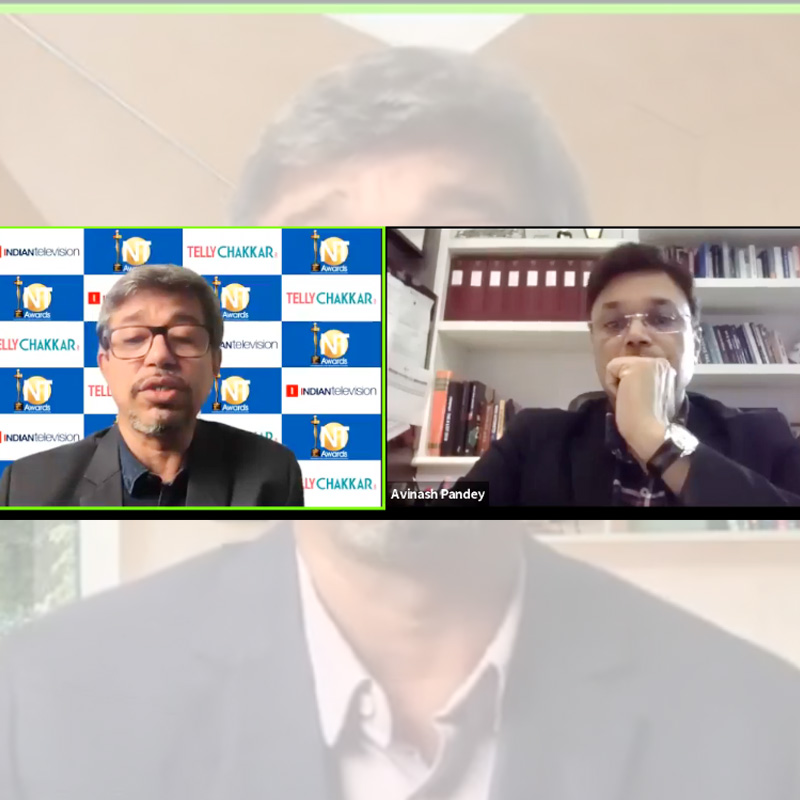
    Addressing the same concerns in a virtual fireside chat with Indiantelevision.com founder, CEO and editor in chief Anil Wanvari, ABP Network (earlier ABP News Network) CEO Avinash Pandey stated that another issue forcing Indian news channels to indulge in dramatic reportage is the outdated measurement system deciding the ratings.

    “The rating system measures entertainment very perfectly; it may not be measuring news very perfectly. The content sensibilities for different levels of society in India are very different. The NCCS model today is so generalised that there is hardly any scope for good content to thrive. The NCCS A group today, even our drivers could easily qualify for that,” Pandey explained.

    “And this is not just for news, in fact. If you look at the overall TV industry, so many unique content channels get zero ratings and eventually closed. It’s not that they don’t have any viewers but the rating (system) today doesn’t reflect their true constituency.”

    He added that it is difficult to digest that so many people are searching for and watching content like that on pull mediums but reject that on push mediums.  

    Pandey agreed that television news industry is heavily dependent on advertisers today and based on ratings, it is evident that ‘song, dance, drama’ works. “Telling story in a dramatised way, literally on the boundary of being frivolous gets you the ratings. That’s the sad part that makes you think that what is the future of doing good journalism on TV in our country?”

    Pandey shared that ABP Network, however, is trying its best to steer away from it. “We have stopped regular debates on our channels. When you are keeping a scheduled time for debate, you are forced to pick up a topic, which then leads to agenda pushing. We do not take ads from any fortune-teller or baba or put their content on our channels,” he elaborated.

    He insisted that it is trying to adhere to highest quality standards when it comes to reporting and also denied that the channel was insensitive in covering Rajput’s story.

    On being prodded about the treatment of Tabhligi Jamat on his channel during the onset of Covid2019 pandemic, Pandey shared that it was a heated time of ‘unprecedented uncertainty’ that led the reporters and anchors to deal with the subject in a different manner, picking up on the reasons that were leading to the spread of the diseases.

    He added that the channel is constantly evolving its reportage based on the developments happening in the industry and around the world.

    Watch the full discussion here:

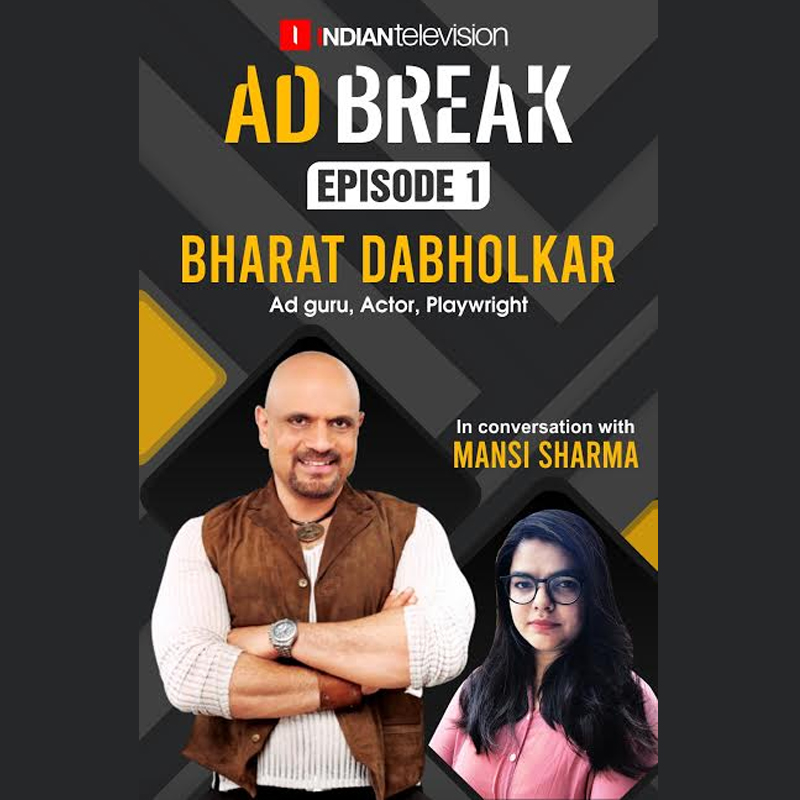
  • Ad Break | Youngsters lose their idea of creativity when they get into workplace: Bharat Dabholkar

    Ad Break | Youngsters lose their idea of creativity when they get into workplace: Bharat Dabholkar

    NEW DELHI: Bringing the concept of “Hinglish” language to advertising and pioneering, with a few others, the art of including satire and humour in brand-selling, ad-guru Bharat Dabholkar is one of the finest ad-men our industry has. 

    Opening the first season of Indiantelevision.com Ad Break, an initiative to outline the creative nooks of the ad-world, Dabholkar opened up on his idea of creativity, his journey in the industry, and the idea of humour in the modern marketing. 

    The versatile playwright and actor shares that out of the many roles he has played in his professional career, spanning over four decades, advertising has been the most difficult and challenging one. “In theatre, or in films even, you are aware of who your consumer is.  When I do a play, I know who is watching my play. If I find that something is not working, I can change it before the next show. If I don’t feel like writing a play, I don’t have to write a play for the next two years. If I don’t want to write a film, I don’t have to write a film for the next 10 years. Nobody bothers. But advertising is ‘creativity on demand.’ Advertising means that day-in, day-out all these years, you have to keep coming up with great creative ideas on a daily basis.”

    He adds that currently, the advertising industry is facing a dearth of good writers because the younger generation, which is more creative and aware, isn’t interested in being a part of the mainline agencies. Dabholkar adds, “Youngsters have a fantastic idea of how things can be created, which I think they lose when they get into a workplace because then they are told what to do. I think people kill their creativity.” 

    Dabholkar notes that in today’s time, people must stay away from three things while writing; religion, communalism and sexism. “These things work with stand-up comedians because they are not selling anything. Their audience will come, have a drink and are of a similar kind mindset. They laugh and if they don’t like you they will curse you and go away. If we are talking about hard selling of products, then you have to be careful.” 

    Listen to more interesting anecdotes on creativity powered by Dabholkar’s personal experiences in first break of Ad Break. 

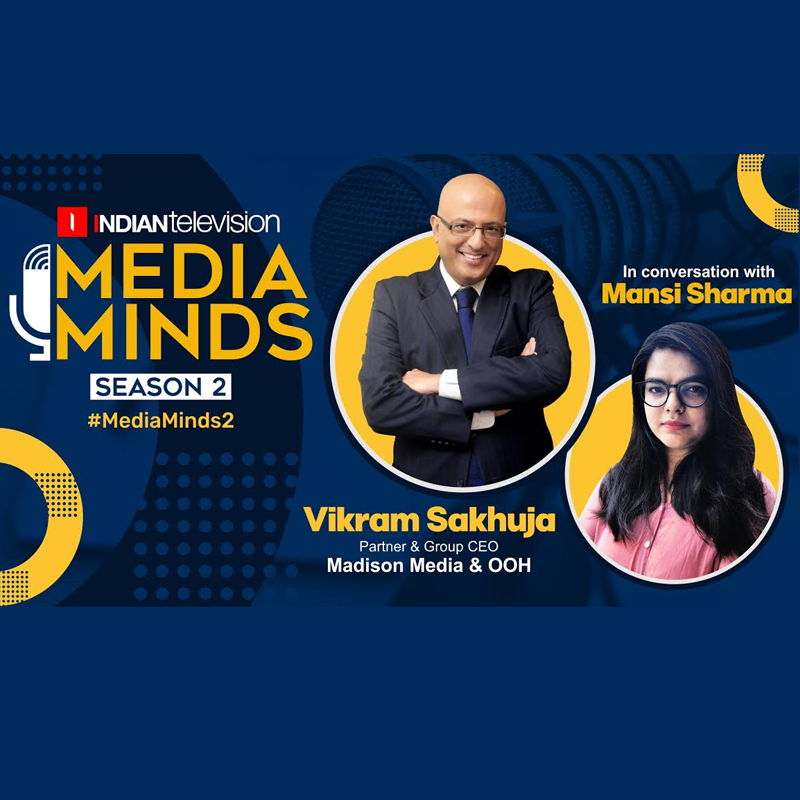
  • #MediaMinds2| Advertisers must make ethical call on pandering to sensationalism: Vikram Sakhuja

    #MediaMinds2| Advertisers must make ethical call on pandering to sensationalism: Vikram Sakhuja

    NEW DELHI: Publishers of today are under more extensive scrutiny than ever. Consumers are far more aware and aren’t hesitant to question the sensationalism that they are peddling in the name of information and entertainment. Even some of the brands, globally, have started taking cognisance of the matter and have started pulling away ad monies from certain platforms like Facebook for hate speech and problematic content. This has given rise to an interesting discussion in the media and marketing ecosphere around what roles can advertisers play to curb this issue.

    Madison Media & OOH group CEO Vikram Sakhuja, addressing the question in Media Minds season two, shared that there are two ways to look at the current scenario from an advertisers’ standpoint: brand health and ethics. 

    Comparing the situation to when he started his career with P&G in the late-80s, he stated that at that time the debate was about quantity v/s quality, which was also based on the core idea of the environment in which an ad is seen.

    “When Aaj Tak started, advertisers used to think that most ads on the channel are of undergarments and whether it’s suitable for my brand health to be visible there. At that point in time, the school of proper marketing told me if a consumer is seeing a particular programming, then they are there for a reason. And if they see your ad, it shouldn’t be a problem. In the case of P&G, in the early 90s, the quantity was always more important than quality.”

    He adds that while in today’s time that quality vs quantity debate has got blurred because of tools like social media where ads are no longer seen as an interruption, but there is another debate that has started around what sort of content is surrounding a brand’s ad or branded content. “It is actually very important to actually raise this question even from a brand health standpoint,” he said.

    Addressing the situation from an ethical standpoint, he shares that advertisers have to make the call around whether they want to pander to sensationalism or fake news.

    “Even though it has, maybe, nothing to do with the brand ad that is placed next to it, the reason this sensationalising (happens) is because advertisers are going to come because of more eyeballs. So, if you take an ethical position on that and say, even if the eyeballs come there, I will not pander to that kind of sensationalism, it will, in fact, dry up the oxygen in that room, rather than give them more oxygen. Then you are actually disincentivising those same publishers from trying to take that strategy to monetise their business,” he added.

    He said that as an agency head he will warn the advertiser if there is inflammatory content on a certain publisher’s channel or website, but he will leave the final decision on the brand head.

    Apart from this, Sakhuja talked about his favourite subject – data, the need for a unified metric system in marketing and his plans for his agency going ahead.

  • #MediaMinds2: ILN CEO Angad Bhatia on the unique mix of content & commerce

    #MediaMinds2: ILN CEO Angad Bhatia on the unique mix of content & commerce

    NEW DELHI: Standing at the unique crossroads where commerce meets content, MensXP founder and Indiatimes Lifestyle Network CEO Angad Bhatia is leading one of India’s top content platform to a completely new realm. His world of content-led-commerce is driven by editorial data and works on the foundation of community-building that can rally behind the unique stuff his in-house production team is creating.

    Opening season two of Indiantelevision.com’s Media Minds, Bhatia shares his thoughts on content, commerce, and content-led-commerce in terms of the modern world, how the Covid2019 pandemic has impacted his plans of curating brick-and-mortar shops for a range of products led by content properties like iDiva, MensXP, and What’s Hot. 

    Speaking about the publishing company’s foray into the unique world, he says, “We definitely see a surge in demand and of course the convenience of online is going to contribute to a major share in the industry. I think what we have done is that we have taken this opportunity to our advantage and we have really thought very deeply; if we have to create products, which are genuinely going to last longer, to be built on tenets of environment, affordability and can last longer.” 

    Highlighting the process that goes behind creating these unique products, Bhatia notes that his team looks that the white spaces that exist in the marketplace through editorial works and then include the community of millions of followers in taking decisions about what products they require. “We don’t have a robust strategy to tell us what our sourcing should be or we are not mining external data. All we are doing is mining around (editorial) data and figuring out what type of products we should be creating and sourcing.” 

    To know more about his model of content-led-commerce and his thoughts on current industry trends, watch