Tag: IT rules

  • Parliamentary panel to review OTT content amidst regulatory debate

    Parliamentary panel to review OTT content amidst regulatory debate

    MUMBAI: Imagine this: you’re unwinding with your favorite show, only to frantically fumble for the remote as a scene unfolds that you’d rather your child never see—graphic violence, explicit language, or worse, nudity. Frustrated by the glamorisation of crime and violence in thrillers that could inspire the impressionable? It’s a moment every parent dreads, and a dilemma households across the country face in today’s era of on-demand entertainment.

    But here’s the big news: relief might finally be on the way.

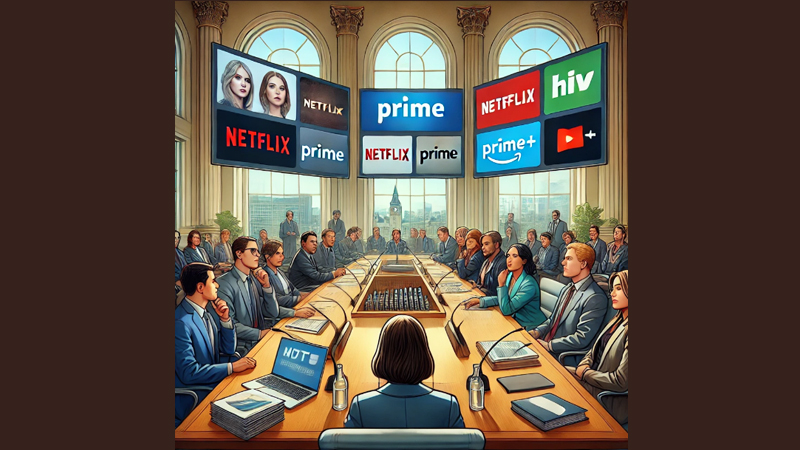
    In a move poised to reshape how we consume digital content, the Parliamentary Standing Committee on Communications and Information Technology is stepping in. Mark your calendars for 20 December, when the committee will meet with leading industry bodies to tackle the hot-button issue of content regulation on OTT platforms. As debates intensify between calls for stricter government oversight and advocates of self-regulation under the IT Rules, 2021, the stage is set for what could be a landmark decision in the OTT landscape.

    This is a moment of mixed emotions—hope for a more family-friendly streaming experience, but also trepidation over potential restrictions that might stifle creativity. One thing is certain: change is brewing, and all eyes are now on the committee’s crucial meeting.

    The committee, chaired by Lok Sabha member Nishikant Dubey, has invited organisations such as the Indian Motion Picture Producers’ Association and the Motion Picture Association of America (India office) to present their views. This dialogue follows Information and Broadcasting minister Ashwini Vaishnaw’s request to prioritise strengthening laws governing social media and OTT platforms.

    Dubey emphasised the urgency of addressing content concerns, particularly regarding portrayals of women, obscenity, and vulgarity. “OTT platforms often feature content unsuitable for family viewing. Our meeting with industry stakeholders will address these pressing issues,” he said.

    Last month, Vaishnaw highlighted cultural disparities between India and foreign regions housing platforms like Netflix and Prime Video. He stressed the need for stricter regulations, citing examples such as Netflix’s portrayal of the 1999 Indian Airlines hijacking in IC-814: The Kandahar Hijack. The series faced criticism for inaccuracies, prompting Netflix to update its disclaimers.

    Industry bodies such as the Indian Digital Media Industry Foundation (IDMIF) and the Internet and Mobile Association of India (IAMAI) have pushed for retaining the current self-regulatory framework. Both organisations argue that platform-level self-regulation under IT Rules ensures creative freedom while adhering to constitutional boundaries.

    In August, IDMIF and IAMAI assured MIB that their members comply with the code of ethics, avoiding content harmful to India’s sovereignty, security, and public order. They also highlighted caution in portraying racial or religious groups.

    As the government explores options like pre-certification for OTT content, industry bodies have urged against additional oversight. They advocate for maintaining the balance between creative expression and compliance.

    The 20 December meeting is poised to shape the future regulatory framework for OTT platforms in India, balancing creative freedom, cultural sensitivities, and legal accountability.

  • MIB orders blocking of Punjab Politics TV’s digital media resources

    MIB orders blocking of Punjab Politics TV’s digital media resources

    Mumbai: The ministry of information & broadcasting (MIB) has ordered blocking of apps, website, and social media accounts of foreign-based Punjab Politics TV, having close links with Sikhs For Justice (SFJ), an organisation that has been declared unlawful under the Unlawful Activities (Prevention) Act, 1967.

    Relying on intelligence inputs that the channel was attempting to use online media to disturb public order during the ongoing state assembly elections, the ministry used emergency powers under the IT Rules on 18 February to block the digital media resources of Punjab Politics TV.

    “The contents of the blocked apps, website, and social media accounts had the potential to incite communal disharmony and separatism; and were found to be detrimental to the sovereignty and integrity of India, security of the state, and public order. It was also observed that the launch of new apps and social media accounts was timed to gain traction during the ongoing elections,” the ministry said in a statement on Tuesday.

    The government of India took the decision in the interest of securing the overall information environment in India and thwarting any actions having the potential to undermine the country’s sovereignty and integrity, it added.

  • Govt blocks several social media handles circulating fake/inciting content

    Govt blocks several social media handles circulating fake/inciting content

    Mumbai: The government has blocked several social media handles for allegedly circulating “fake and inciting” content, said minister of state for IT Rajeev Chandrasekhar.

    “Taskforce on safe and trusted internet at @GoI_MeitY at work. Handles that tried to push fake/inciting content on Twitter, YouTube, Facebook, Instagram, have been blocked,” tweeted Chandrasekhar on Saturday. 

    The minister said owners of such accounts are also being identified as per law, and the action taken by the platforms will also be scrutinised. According to media reports, the government has suspended as many as 73 Twitter handles, and four YouTube video posts.

    Last year in February, the government had notified Information Technology (Intermediary Guidelines and Digital Media Ethics Code) Rules, 2021 (IT rules 2021) which came into effect on 26 May. The stringent rules were designed to make social media platforms accountable to end-users, and take down any offensive content following a complaint, and assist in investigations.

    The rules also recommend a three-tier mechanism for the regulation of all online media portals and publishers, over-the-top (OTT) platforms, and social media intermediaries. According to them, each significant social media company with over 50 lakh users is required to appoint a chief compliance officer, a nodal contact person for 24×7 coordination with law enforcement agencies, and a resident grievance officer. All three should be resident Indians and their details be put on the company’s website.

  • Rajat Sharma elected as president of NBDA

    Rajat Sharma elected as president of NBDA

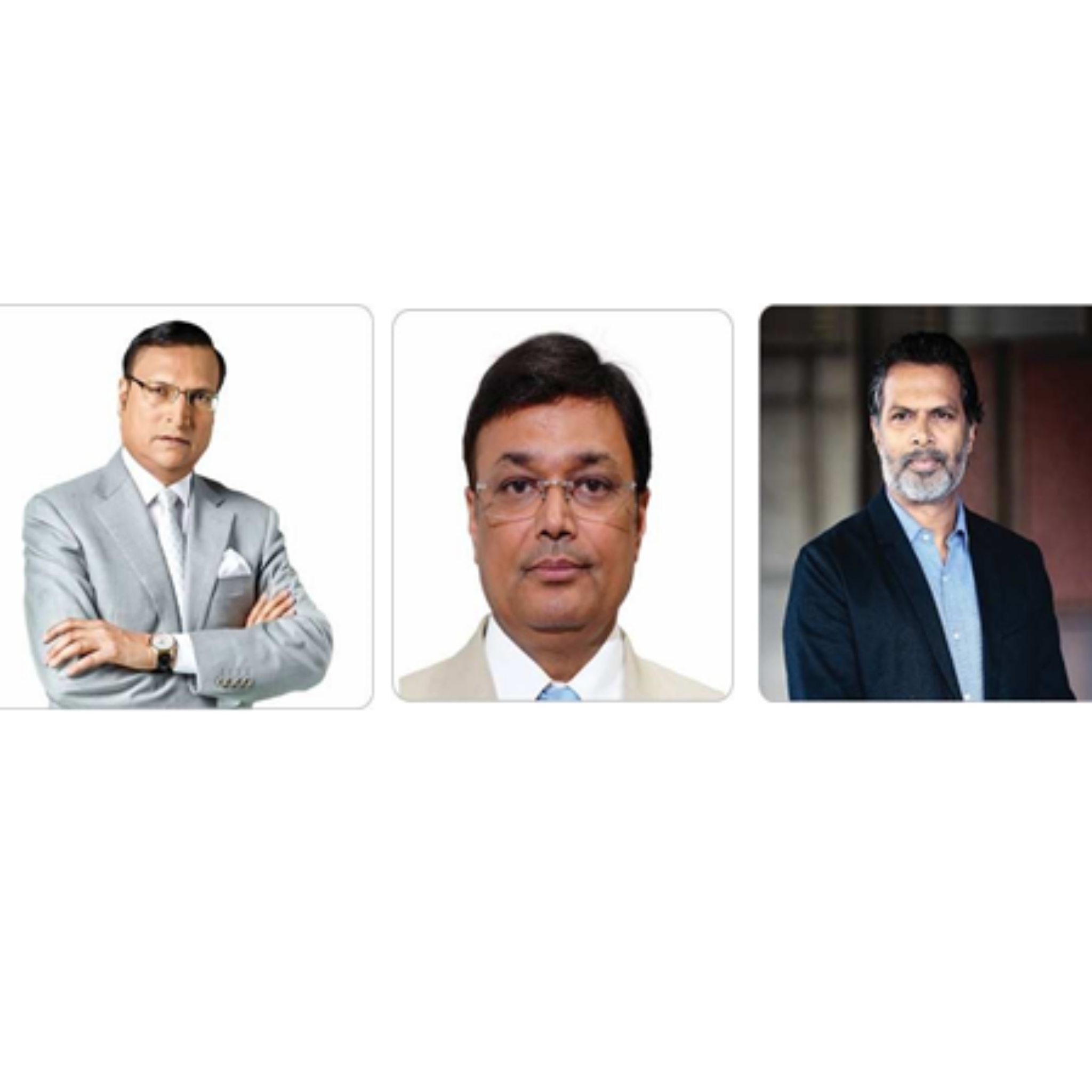
    Mumbai: The News Broadcasters and Digital Association (NBDA) has elected Rajat Sharma as president at a meeting held on Monday. The board also elected ABP Network chief executive officer Avinash Pandey as vice president and Times Network managing director and chief executive officer MK Anand as honorary treasurer for the year 2021-22.

    The other members on the NBDA board include News24 Broadcast India chairperson-cum-managing director Anuradha Prasad Shukla; Mathrubhumi Printing and Publishing managing director MV Shreyams Kumar; TV18 broadcast managing director Rahul Joshi; Eenadu Television director I Venkat; TV Today Network vice-chairperson and managing director Kalli Purie; New Delhi Television editorial director Sonia Singh, and Zee Media chief executive officer – cluster 1 Sudhir Chaudhary.

    Formerly known as the News Broadcasters Association, the industry body had renamed itself after it decided to bring digital media news broadcasters within the membership of the association. The members at the EGM unanimously passed the modification in the name of the association and amendments to the memorandum and articles of association.

    “I am glad to inform the members that the ministry of corporate affairs, government of India have approved the new name and the amendments to the memorandum and articles of association,” said Rajat Sharma in a statement.

    The ministry of electronics and information technology notified the Information Technology (Intermediary Guidelines and Digital Media Ethics Code) Rules, 2021 (IT rules), thereby bringing digital media, including OTT platforms, digital news broadcasters, and news aggregators, for the first time, within the ambit of government supervision.

    The IT rules which have been framed to regulate digital media, not only lay down a code of ethics to be complied by digital news broadcasters but also establishes a three-tier grievance redressal mechanism to ensure observance of the same.

    Similarly, the ministry of information and broadcasting also notified the Cable Television Networks (Amendment) Rules, 2021(Cable Amendment Rules) to establish a three-tier complaint redressal structure to ensure observance of the Programme Code and Advertisement Code under the Cable Television Networks (Regulation) Act, 1995 and the Cable Television Networks Rules, 1994.

    “NBDA has challenged the constitutionality of both the IT rules and cable amendment rules in the Kerala high court on various grounds including on the grounds that the rules give the government authorities excessive powers to unreasonably and impermissibly restrict the freedom of speech and expression of the media under Article 19 (1)(a) of the Constitution. Interim orders were granted in favour of NBDA in both matters,” observed Sharma. 

    Despite several months having passed, the Broadcast Audience Research Council (Barc) ratings have not been restored as yet. “The NBDA board and Barc have had several rounds of discussions to ensure that reliable, credible, tamper-free data is made available to the news broadcasters,” said Sharma. 

  • Digital Media Ethics Code will make publishers accountable: I&B Jt Secy Vikram Sahay

    Digital Media Ethics Code will make publishers accountable: I&B Jt Secy Vikram Sahay

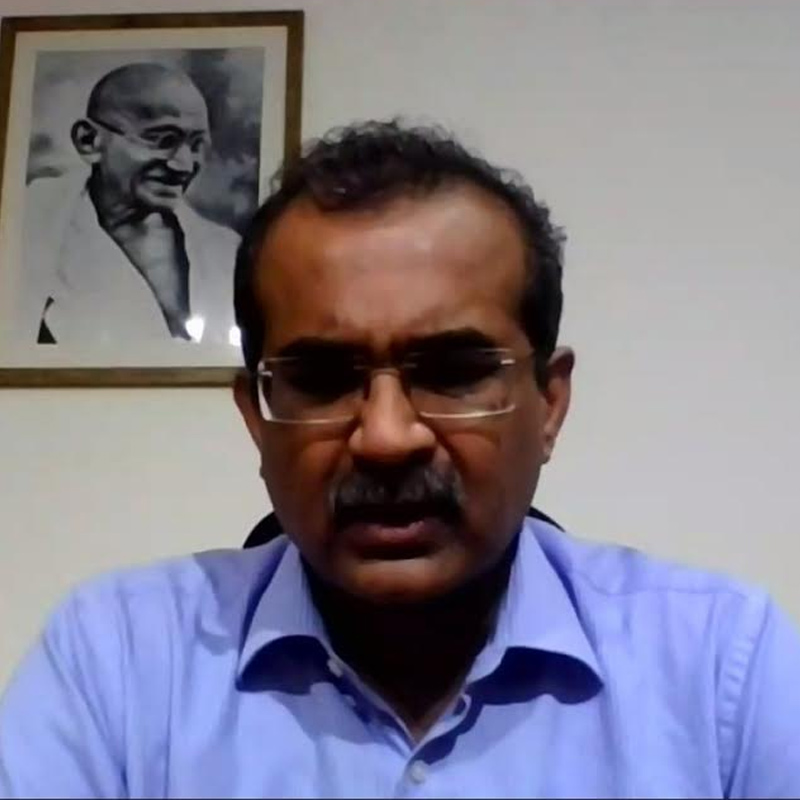
    New Delhi: As the government’s stand-off with a few social media companies continues over the new IT rules, ministry of information and broadcasting joint secretary Vikram Sahay said that Digital Media Ethics Code is aimed at addressing the grievances of the common man, and should be viewed as a ‘citizen-centric legislation’.

    “Digital Media Ethics Code is aimed at stopping transmission of content which is objectionable to women or harmful to children. Presence of a regulatory body can control and stop the spread of fake news as well as make the publishers accountable. It is essentially citizen-centric legislation,” he said on Tuesday.

    The MIB joint secretary was speaking at a webinar on ‘Digital Media Ethics Code’ organised by Press Information Bureau, Maharashtra and Goa for improving stakeholder understanding of Part III of the Information Technology (Intermediary Guidelines and Digital Media Ethics Code) Rules, 2021, that came into effect on 26 May.

    India is the world’s fastest growing OTT market and the market is expected to reach $2.9 billion by 2024 which is an annual growth of 28.6 per cent. Sahay said the new rules become all the more important, amid this recent explosion of digital content. “The purpose of the Digital Media Ethics Code is to stop transmission of content which is objectionable to women or harmful to children,” he added.

    Elaborating on how the online news portals are the major source of news among Indians under 35 years of age and that there is a 41 per cent increase in time spent on such news apps, Sahay said, “When there are content regulators like Press Council of India for newspapers and Cable TV Network Act, 1995 for News on TV there has been no such regulation for news on digital platforms. Similar is the case for OTTs which do not have a regulation unlike that of Cinema Halls or Television.”

    The new rules notified on 25 February, came into effect on 26 May recommend a three-tier mechanism for the regulation of all online media. According to the new IT Rules, social media and streaming companies will be required to take down contentious content quicker, appoint grievance redressal officers and assist in investigations. The rules also seek to regulate the functioning of online media portals and publishers, over-the-top (OTT) platforms and social media intermediaries.

    “There will be an inter-departmental committee to deal with unresolved complaints by news publishers or regulatory bodies and for that it is imperative that disclosure of information in public domain regarding grievance redressal by publisher and self-regulating body is done,” said the joint secretary.

    Sahay also added that the I & B ministry will collect basic information about people working on news portals or OTT platforms, in a prescribed format by the stakeholders. “More than 1800 of people working on news portals or OTT platforms have already submitted their details to the ministry, where most of them have submitted voluntarily,” he added.

    Digital news publishers, representatives of film industry, Over the Top (OTT) platforms and online content producers attended the webinar, along with academicians, researchers, students and officers of state government of Maharashtra and Goa.

  • New IT rules will empower and protect social media users: Ashwini Vaishnaw

    New IT rules will empower and protect social media users: Ashwini Vaishnaw

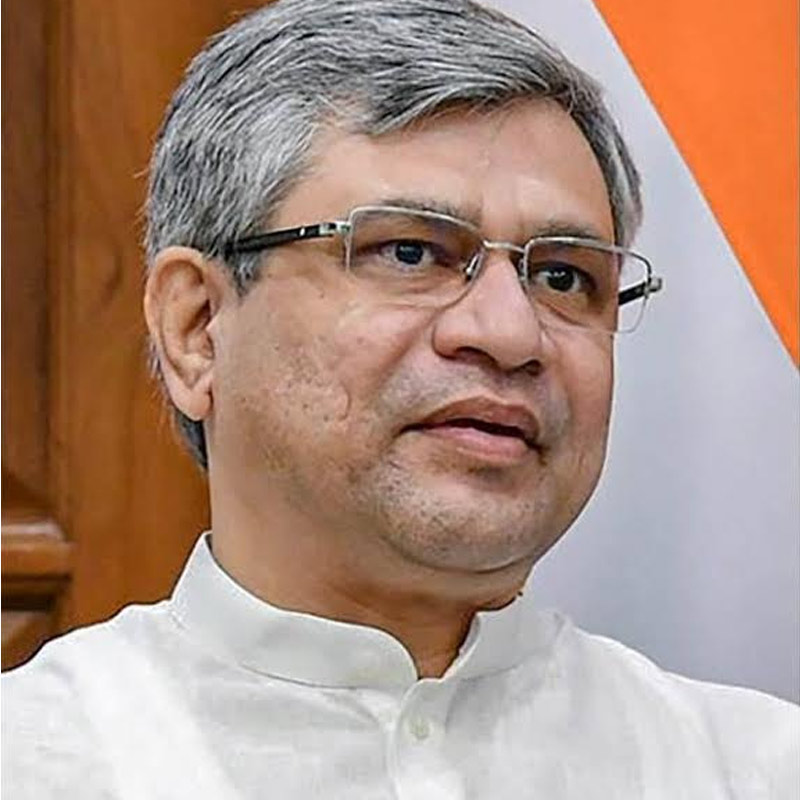
    New Delhi: The new IT rules will empower and protect users and ensure a safer social media ecosystem, said the union IT and communications minister Ashwini Vaishnaw who recently took charge of the ministry post the cabinet reshuffle.

    “Reviewed the implementation and compliance of Information Technology Rules, 2021 along with my colleague Rajeev Chandrasekhar ji. These guidelines are empowering and protecting users and will ensure a safer and responsible social media ecosystem in India,” Vaishnaw said in a post shared on Koo, which is considered a competitor to Twitter in India.

    Vaishnaw’s statement comes amid a continued standoff between the government and some social media platforms over the new rules. Twitter, which had been in the eye of the storm over its alleged failure to comply with the new IT rules in India, on Sunday named Vinay Prakash as its resident grievance officer for India, according to the company’s website.

    The new rules notified on 25 February, came into effect on 26 May recommend a three-tier mechanism for the regulation of all online media portals and publishers, over-the-top (OTT) platforms, and social media intermediaries. Under the new rules, each significant social media company with over 50 lakh users is required to appoint a chief compliance officer, a nodal contact person for 24×7 coordination with law enforcement agencies, and a resident grievance officer. All three should be resident Indians and their details be put on the company’s website.

  • SC to hear Centre’s plea on new IT Rules on 16 July

    SC to hear Centre’s plea on new IT Rules on 16 July

    New Delhi: The Supreme Court on Friday refused to stay the proceedings in connection with petitions challenging the constitutional validity of the Centre’s new IT rules before various high courts.

    The Centre had approached the apex court on Tuesday seeking transfer of all pending pleas challenging its new IT rules to itself, and had also sought a stay on the proceedings in various courts. However, the bench said that it will not pass any order as of now, except tagging the transfer petition with the said special leave petition (SLPs).

    The Court will now hear the Centre’s plea on 16 July along with a pending matter related to the regulation of over-the-top (OTT) platforms. 

    Numerous petitions challenging the Information Technology (Intermediary Guidelines and Digital Media Ethics Code) Rules, 2021, are currently pending in various high courts across the country.

    The new rules notified on 25 February, came into effect on 26 May recommend a three-tier mechanism for the regulation of all online media. According to the new IT Rules, social media and streaming companies will be required to take down contentious content quicker, appoint grievance redressal officers and assist in investigations. The rules also seek to regulate the functioning of online media portals and publishers, over-the-top (OTT) platforms and social media intermediaries.

    Some of the pleas pending before the Delhi high court have sought striking down of specific part of the IT Rules on the ground that it allegedly violates Article 19(1)(a) and 19(1)(g) of the Constitution, Article 14 of the Constitution by creating an unreasonable classification and by setting up a parallel adjudicatory mechanism to be overseen by the officials of the executive and is ultra vires the IT Act.

  • News Broadcasters Association challenges new IT rules in High Court

    News Broadcasters Association challenges new IT rules in High Court

    New Delhi: Over a month after the new IT rules came into effect, the News Broadcasters Association (NBA) has filed a plea in the Kerala high court challenging the new rules stating that they give government authorities “excessive powers” to “unreasonably and impermissibly restrict” the freedom of speech and expression of the media.

    In a detailed statement, the NBA said the Information Technology (Intermediary Guidelines & Digital Media Ethics Code) Rules, 2021, are ultra vires to the Information Technology (IT) Act, 2000 apart from being violative of Article 14 (equality before law) and 19(1)(g) (right to freedom to practise any profession, or to carry on any occupation, trade or business) of the Constitution. It also stated the challenge is to Part III (Code of Ethics and Procedure and Safeguards in relation to Digital Media) of the IT rules as they create an “oversight mechanism giving the executive unfettered, unbridled and excessive powers to regulate the content of digital news media”.

    “The grievance redressal mechanism created and the powers delegated have a ”chilling effect” on the content of the media. The writ petition also states that the executive by creating such a structure, has made inroads into judicial power and vested itself with powers reserved exclusively for the judiciary and such exercise of power is without jurisdiction,” the statement read.

    The News Broadcasters Association (NBA) represents the private television news & current affairs broadcasters, and currently has 25 leading news and current affairs broadcasters (comprising 78 news and current affairs channels) as its members. According to NBA, the IT Act also does not contain any provision for dealing with the “content” of any programme and therefore, the rules are ultra vires the parent Act.

    The rules violate Article 14 as there is neither any parity nor any valid exercise of classification in the rules as ‘intermediaries’ have been equated with ”digital news media”, it said. The Programme Code contains vague, imprecise, and ambiguous terms concerning “content” such as “good taste”, “snobbish attitude” and therefore, does not align with the judgment of the Supreme Court.

    Meanwhile, the Centre has recently approached the Supreme Court seeking to transfer all pleas regarding the new IT rules to itself. Several digital news media platforms have already challenged the 2021 IT rules in various lower court courts. 

    The new rules notified on 25 February, came into effect on 26 May recommend a three-tier mechanism for the regulation of all online media portals and publishers, over-the-top (OTT) platforms, and social media intermediaries. Under the new rules, the digital publishers are required to take urgent steps for appointing a grievance officer, if not done, and place all relevant details in the public domain. “They also need to constitute self-regulatory bodies through mutual consultation so that the grievances are addressed at the level of publishers or the self-regulating bodies themselves,” according to the ministry.

    In June, Digital News Publishers Association (DNPA), composed of digital arms of 13 leading media companies of the country had also moved the high court against the rules, which it said: “violate the fundamental right of equality (Article 14) and freedom of speech and expression (Article 19(1)(a)”. According to DNPA, the online news portals of traditional media houses, which run newspapers and TV channels, do not come within the purview of IT Rules

    The Foundation of Independent Journalism (the non-profit company that publishes The Wire) and legal website, LiveLaw has also filed petitions against the new rules.

  • Centre moves SC seeking transfer of pleas challenging IT rules

    Centre moves SC seeking transfer of pleas challenging IT rules

    New Delhi: The Centre on Tuesday approached Supreme Court seeking transfer of all pending pleas challenging its new IT rules to the apex court.

    Numerous petitions challenging the Information Technology (Intermediary Guidelines and Digital Media Ethics Code) Rules, 2021, are currently pending in various high courts across the country. The new rules notified on 25 February, came into effect on 26 May recommend a three-tier mechanism for the regulation of all online media.

    While the government has maintained that the new rules were introduced to make social media platforms like Facebook, WhatsApp, Twitter and Instagram more accountable and responsible for the content hosted on their platform, many have challenged the new rules over issues of privacy. Several petitions are pending in several courts, including the Delhi high court.

    In June, Digital News Publishers Association (DNPA) , composed of digital arms of 13 leading media companies of the country had moved high court against the rules, which it said ” violate the fundamental right of equality (Article 14) and freedom of speech and expression (Article 19(1)(a)”.

    The Foundation of Independent Journalism (the non-profit company that publishes The Wire) and legal website, LiveLaw has also filed petitions against the new rules

    Meanwhile, Delhi high court has directed Twitter to inform it by 8 July as to when it will appoint a resident grievance officer in compliance with the new IT Rules after the microblogging platform informed court that it was in the process of doing so.

    The government had earlier announced that if significant social media intermediaries, those with more than 50 lakh registered users failed to comply with the new requirements by 25 May, they will lose their intermediary status. On Monday, the Centre, had filed an affidavit in the high court, stating that any non-compliance amounts to breach of provisions of IT Rules, leading to Twitter losing its immunity conferred under the IT Act.

    Under the new rules, the digital publishers are required to take urgent steps for appointing a grievance officer, if not done, and place all relevant details in the public domain. “They also need to constitute self-regulatory bodies through mutual consultation so that the grievances are addressed at the level of publishers or the self-regulating bodies themselves,” according to the ministry.

  • Parliamentary panel asks Google, Facebook to comply with new IT rules

    New Delhi: The Parliamentary Standing Committee on Information Technology (IT) has directed US tech giants Facebook and Google to comply with the new IT rules, which came into effect on 26 May.

    Both Facebook and Google officials had appeared before the Parliamentary panel on Tuesday regarding the issue of safeguarding citizens’ rights and preventing the misuse of social/online news media platforms. The panel chaired by Congress MP Shashi Tharoor had asked the officials of the social media sites to appear in person on the issue.

    According to media reports, the representatives were made aware of certain loopholes in their existing data protection and privacy policy mechanism and were asked to have stringent safeguards in place to protect the data privacy and data security of their users. The meeting was attended by Facebook India associate general counsel Namrata Singh and the company’s director of public policy Shivnath Thukral.

    Google officials also informed the committee that between January and March 2021, YouTube removed over 9.5 million videos for violating its community guidelines. “95 percent of these videos were first flagged by machines rather than humans. Of those detected by machines, 27.8 percent never received a single view & 39 percent received one and ten views,” officials told the committee, “During this same quarter, YouTube terminated over 2.2 million channels for violating its Community Guidelines. In this same period. YouTube removed more than one billion comments, the majority of which were spam and were detected automatically.”

    While officials from Facebook, Google, and Twitter have also appeared before the panel, representatives of YouTube and other Social Media Intermediaries will also be summoned in the coming weeks over the issue.

    The new IT (Guidelines for Intermediaries and Digital Media Ethics Code) rules, 2021 were notified on 25 February and came into effect on 26 May. The rules recommend a three-tier mechanism for the regulation of all online media. As per the rules, each significant social media intermediary is required to appoint a chief compliance officer, a nodal contact person for 24×7 coordination with law enforcement agencies, and a resident grievance officer. All three should be resident Indians.