Tag: ISL

  • ISL: BritAsia TV bags UK FTA rights, plans Amazon Prime debut via Yupp TV

    ISL: BritAsia TV bags UK FTA rights, plans Amazon Prime debut via Yupp TV

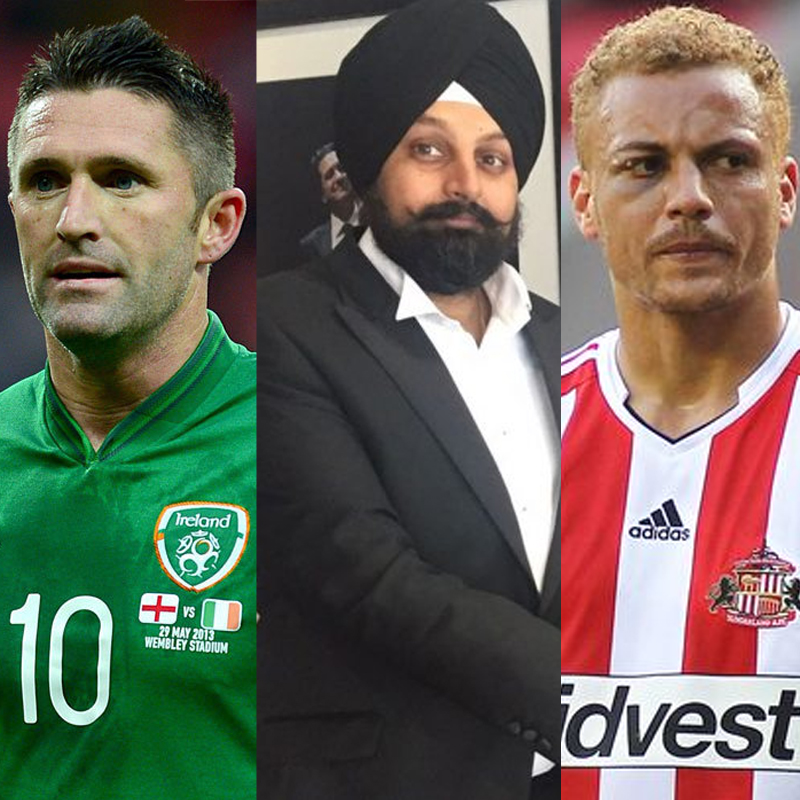
    MUMBAI: BritAsia TV, a platform leader for British Asian music, entertainment and politics, has secured exclusive rights to show the Hero Indian Super League (ISL) in a multi-year deal on free-to-air UK television. The deal was brokered by the Birmingham-based sports agency Sporting Group International.

    BritAsia TV will shortly be introducing itself on both the Amazon Prime, Smart TV and Apple TV platforms via online streaming service Yupp TV, making its potential reach enormous and accessible to all.

    Renowned as one of the most up and coming leagues in world football, 95 games from India’s premier football division will be shown on the channel from 17 November 2017.

    BritAsia TV will feature a triple header of games each week, beginning with delayed ‘as live’ coverage from the ISL on Friday and Saturday evenings, followed by a live broadcast on Sunday afternoon. With the UK’s Asian population now topping 4.4 million, an expectant audience now awaits.

    Details of BritAsia TV’s coverage will be announced in due course.

    The League this year will feature a number of familiar faces to football fans from the UK, amongst those former Ireland and Tottenham legend Robbie Keane will be wearing the shirt of reigning champions Atletico de Kolkata whilst the former England and Manchester United Wes Brown is due to line up for Kerala Blasters.

    BritAsia TV, which has been broadcasting on Sky TV channel 824 since 2008, is now available on Vision TV Freeview, online at VisionTV.co.uk as well as Virgin TV.

    BritAsia TV MD Tony Shergill said: “Our household brand amongst the Asian community is keen to support and promote the cultural identity and voice of British Asians. This (rare free-to-air football rights’) acquisition will open up a new audience to our station as we head towards our tenth anniversary.”

  • ISL sponsorship: Hero triples investment at Rs 1.6 bn

    MUMBAI: Hero MotoCorp has, for another three years, reportedly renewed its sponsorship arrangement with IMG Reliance and Star India-promoted Indian Super League (ISL) for Rs 1.6 billion. As Hero’s last deal with ISL in 2014 was valued at approximately Rs 500 million, it has now tripled its investment in ISL.

    Meanwhile, it’s a dream come true of magnanimous proportions for three college boys who have emerged from the ambitious inaugural Reliance Foundation Youth Sports (RFYS) campus football championship. If luck is on their side – the trio could step into the league of extraordinary footballers through the upcoming Hero Indian Super League 2017-18 Indian Players Draft.

    Mumbai lad Umesh Perambra, and Ajith Sivan and Akshay Joshy from Kerala have been drafted in the Hero ISL Players Draft scheduled on Sunday, 23rd July in Mumbai. The talented trio first caught the eye of AIFF scouts during RFYS championship finals in January 2017 and soon were invited for the India U-23 AFC Championship Qualifiers selection camp under Stephen Constantine in Mumbai.

    Umesh Perambra, a central defender who played for Thakur College (Mumbai) was impressive at the back for his team as they made it to the RFYS College Finals this January. He is an attack minded defender and will be keen to get an opportunity to hone his skills in the ISL.

    Young Akshay Joshy was spotted at RFYS representing his college Sacred Heart, Kochi while Ajith Sivan is the third college boy to sign for the draft. The midfielder stood out in the RFYS finals despite his Nirmala College – Kochi ending up on losing side against Charuchandra College (Kolkata).

    As the ISL Indian Player Draft unfolds on Sunday, it will be a day of anxiety for the friends and family members of the trio, as they wait with bated breaths.Mrs. Sheela Joshy, Akshay’s mother, is ecstatic to see her son on the brink of breaking into professional football.

    “As Keralities, we are really excited on Akshay getting this opportunity in the ISL draft. It’s a huge moment for us. Akshay has always dreamed of playing football – this is a proud moment for him and our family, for him to feature in the Draft.

    “We would love if Akshay gets picked by Kerala Blasters, but we will support any team that Akshay would get a chance to play.”

    Hero ISL 2017-18 Player Draft will witness a total of 15 rounds. The sequence for selection of Player Draft rounds for each club will be determined by a draw of lots on Saturday evening.

    Also Read :

    Star Sports launches UTT campaign with promo featuring top paddlers

    Tata & JSW teams enter Indian Super League

    Hotstar & Star Sports select2 SD, HD to telecast Ultimate Table Tennis live

  • Star Sports launches UTT campaign with promo featuring top paddlers

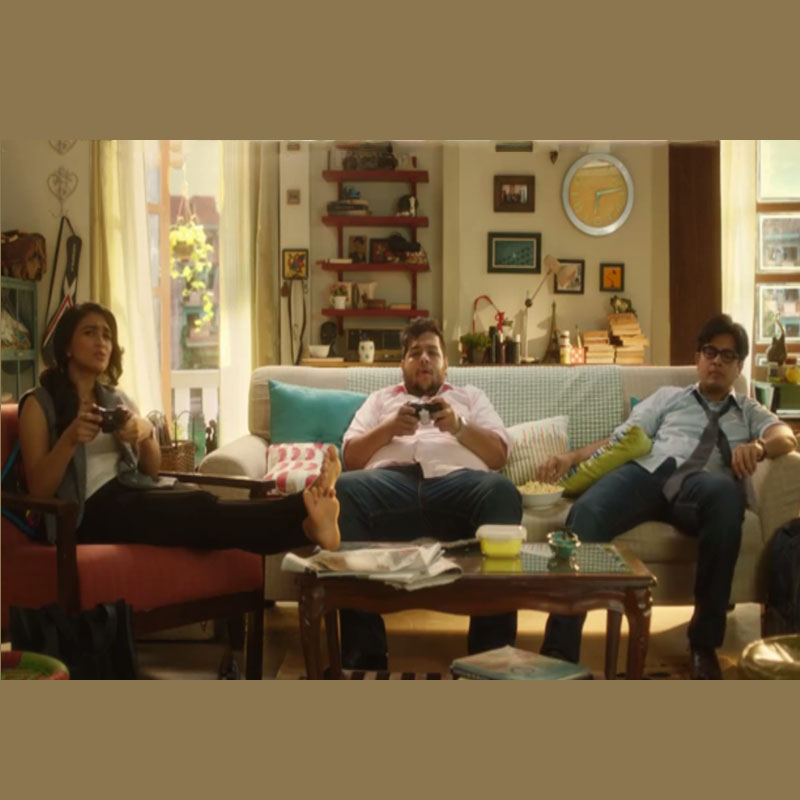
    MUMBAI: Star Sports has launched a unique marketing campaign to build a base for its maiden season of Ultimate Table Tennis(UTT) starting 13 July.

    Star Sports has launched a promo of the campaign, planned around the central thought, which is: ‘See Champions, Be Champions’. Created by Star Sports’ creative communications team, the channel has plans to shoot 3–4 more thematic films around the same idea.

    The promo, which took two days to shoot, is featuring two of the well-known Indian paddlers — Sanil Shetty and A Amalraj, who are playing for a point. Set in a room, the promo in which a man makes the ball float over air pressure of a hair dryer, and another hits the ball floating with a different ball — depicting their interest in the game. So, they decide to watch a table-tennis game featuring the two paddlers.

    Shetty and Amalraj are playing well, followed by a nice drop by Amalraj, but Shetty comes up with the unexpected shot getting the point to his tally. The promo concludes with the voiceover: ‘See Champions, Be Champions’.

    Star Sports airing its first UTT TVC and video on Star Sports as well as on its Facebook page. The first edition of UTT, which will be under way till 30 July, will see some of the world’s best table-tennis players playing in different Indian cities. A total of 48 paddlers will be a part of UTT with an equal number of Indian & foreign players.

    On the campaign, a Star Sports spokesperson told Indiantelevision.com: “The campaign and multiple renditions of the same creative thought will be used to build the awareness and heighten anticipation for the league. Table Tennis is a familiar sport in the country. However, this world-class sport is witnessed by only a few. The central thought of the campaign is to leverage the familiarity of table tennis, and showcase the sport in a new light. The campaign highlights the extraordinary skill which international players possess. The creative, therefore, is an invite to fans to check out this simple, familiar, enjoyable sport in a way we have not seen before. The focus is on the precision and skill in a familiar, ‘slice of life’ context.”

    The six franchises playing in the series are — Oilmax-Stag Yoddhas, Maharashtra United, RP-SG Mavericks, Dabang Smashers TTC, iProspect Challengers, BaySide Spinners TTC. Unlike other major sporting leagues being run in the country like IPL and ISL, UTT will have club-based franchises rather than city-based franchises.

    “Ultimate Table Tennis rediscovers the fervor for the sport in a refreshing way. It aims at showcasing Table tennis as a skill sport and break the stereotype of being a recreational sport. Through the edgy concept and striking visuals, the film celebrates the proficiency and specialised skill of table tennis players, and inspires fans to enhance their skill level by witnessing the table tennis champs. More importantly,it gives fans a flavour of the dynamic, nail-biting action that they can expect from the upcoming world-class table tennis tournament. Primarily the target audience is everyone who has played or witnessed table tennis in their surroundings, the spokesperson added.

  • Star’s five marketing strategies that helped sports grow in 2016

    Star’s five marketing strategies that helped sports grow in 2016

    “Business has only two functions: marketing and innovation,” is a lesser known observation of Milan Kundera, the Czech-born French writer who’s more famous for Unbearable Lightness of Being and more such thought-provoking novels.

    Why are we cross referencing Kundera in a write-up for sports marketing campaigns? Simply because Star India and its bouquet of sports channels, marketed under brand Star Sports, are following Kundera’s words to a T— and successfully too.

    In a dynamic world of sports broadcasting where events are now held and telecast almost round the year — at times various big ticket events held and aired live the same day in different part of the globe in different time zones — it is difficult to ensure the success of every league or tournament in terms of advertising revenue. Behind the numbers’ game, lot of research is done to finalise marketing strategies, which are aimed to ensure that audiences are given exactly what they want, where they want and how they want.

    With some smart packaging, marketing and advertising, Star India has managed not only to acquire broadcast rights for the region for some of the big sporting events, but also get the eyeballs — and advertising revenue — to justify the millions of dollars it is sinking into Indian sports. A business newspaper reported last year that Star India has bet Rs. 200 billion (Rs. 20,000 crore) on sports. This money has been ploughed into not only getting the rights for Indian cricket, Summer Olympics and sundry other games, but also into building lesser sports like kabaddi and cash in on football’s popularity by creating an Indian football league with participation of retired international stars.

    We look at five marketing strategies of Star India, helmed by Chairman and CEO Uday Shankar and his deputy Sanjay Gupta, which helped the respective sports aired on Star Sports grow in terms of viewership in India.

    1. India vs. England Test Series

    In an age where T20 and slam-bang form of cricket is being aggressively promoted and vastly followed, it has been a refreshing change to see Test cricket getting good viewership. India had been itching to take revenge over England, a side which had defeated the Indian cricket gladiators in three consecutive Test series prior to this.

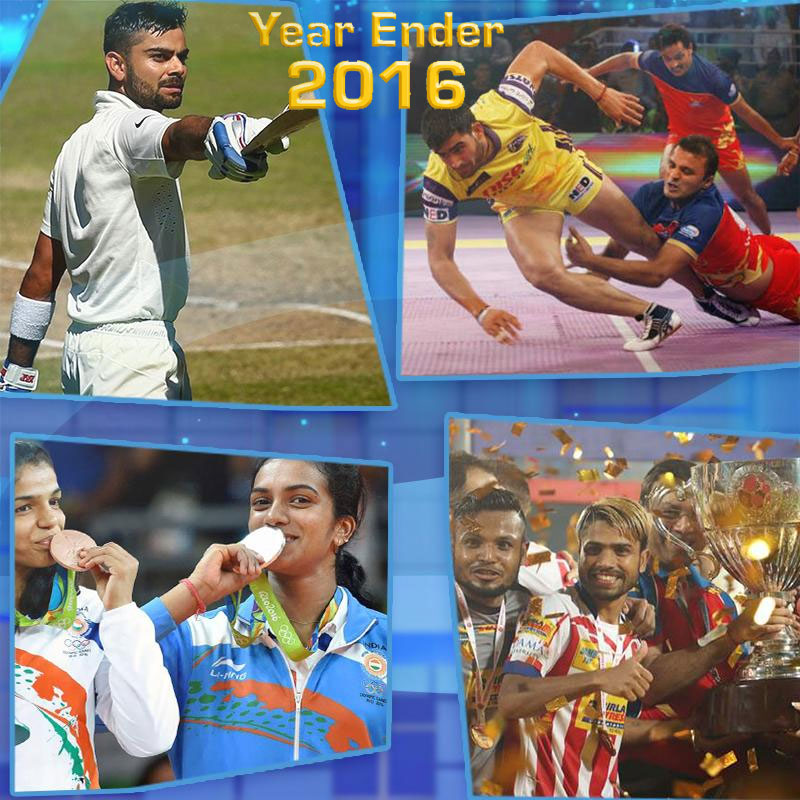
    Building up the tension with #scoretosettle, Star Sports network used the Virat Kohli factor very effectively and the response was satisfying. The five-match Test series had a reach of 159 million viewers. BARC recorded a total of 728 million impressions in the India urban market and a total of 1,217 impressions in the all-India market. The fourth Test had the highest rating with 4.9, proving the series was the biggest of the year.

    Virat Kohli scored a brilliant 235 in the fourth Test and the rise of Karun Nair and Jayant Yadav had Indian viewers glued to their TV screens. There would have been additional viewers reached via Star’s digital platform Hotstar that too streamed the matches. The series was won 4-0. It was not only Team Virat that put on a sterling performance in recent times, but also Star Sports in terms of viewership.

    2. ICC Cricket T20 World Cup

    In a heavily marketed campaign of the year, the T20 World Cup was being played on the Indian soil for the first time in its history. Quirky, gripping and nationally-emotional TVCs were made and beamed on national television starting early 2016. With #T20WC as easy and relatable as ever, the match between India vs. Pakistan trended with #maukamauka, setting the tone for brilliant support for the Men in Blue. India defeated Pakistan comfortably, riding on Virat Kohli’s brilliant half century after the team, at one time, was tottering at 23/3 due to a fearful Mohammed Amir spell. India reached the semi-finals, only to be defeated by eventual winners West Indies.

    The tournament reached 393 million people in India, one of the highest viewed tournaments in 2016. The India vs. Pakistan game got a rating of 17.3 across the Star Sports network, becoming the most watched T20 game ever since the 2007 WC final played between the arch-rivals.

    While the cricket on display was high quality, credit must be given to the marketers who too did their job magnificently. Video snippets and memes capturing Mauka-man’s reactions were also pushed in real-time during the match and after it, which contributed to #IndvsPak overtaking the tournament’s official hash tag during the game.

    The Mauka Mauka campaign, originally devised in 2015 by Ranchi-born Suresh Triveni for Star Sports, not only connected with cricket fans instantly, but also got featured in a Forbes’ list of five best sports marketing campaigns that went viral in 2015. Even as the campaign’s character still connects with viewers when used by Star Sports, writing about it in 2015 Forbes said, “Occasionally, a campaign hits a nerve and it catches the attention of a whole country. For India, this is that campaign.”

    3. Rio Summer Olympics 

    It doesn’t get bigger than the Olympics, does it? In one of the most apt hash tags in Indian markets last year, Star Sports used #issebadakuchnahi in the build up to the Rio Olympics 2016. Rest as they say, is history. Female badminton player PV Sindhu reached the finals and was part of an extensive marketing programme by the Star network.

     The tall and powerful Indian, who catapulted overnight as a superwoman in an overtly patriarchal country, lost to Spain’s Caroline Marin in a well-fought three-set final 21-19, 21-12 and 21-15. The match recorded 17.2 million impressions, the most viewed programme on that day across all genres in India. In total, 202 million viewers tuned in to watch the Rio Games on television and 10 million (Star’s internal figures) watched the live streaming on Star’s digital sibling, Hotstar.

    The whole scenario of Indian alternative sports or non-cricket games has changed after the Rio Olympics. Fans found new heroes in gymnast Dipa Karmakar, Sindhu, wrestler and bronze medallist Sakshi Malik, Aditi Ashok and various other sports personalities. As part of the story-telling, Star Sports brought their stories to fans via videos, images and content and ensured continuous engagement with fans throughout the tournament with conversations peaking when India clinched two medals (badminton and wrestling). So thought out was the marketing engagement unleashed by Star Sports that it even dug out the noodle-haired Indo-Canadian Kamal Sidhu, one of India’s fav music veejays and TV anchors during the mid 1990s and early 2000s, as the host for pre-live Olympics programmes.

    #BillionCheers, a 360-degree campaign that happened before, during and after the Olympics helped #Rio2016 become one of the top trending hash tags in India in 2016.

     4. India Super League

    The Indian football extravaganza was one of the hottest tournaments in 2016 in terms of viewership. The league saw the arrival of 2010 World Cup Golden Ball winner Diego Forlan join hands with Mumbai City FC, taking the side to the semi-finals for the first time in three editions. The league was won by Atletico de Kolkata, which defeated fellow first season finalists Kerala Blasters at a wildly-cheering houseful Kochi Stadium in Kerala.

    Using the Diwali fervour as a peg to enhance viewership, Star Sports network used a tagline of ‘Ye Diwali Football wali’ to connect the game to the audiences and the soccer culture of the nation. While 41 million fans tuned in to television to watch the final, it was a rise of 41 per cent viewership compared to the final of ISL 2015. In Kerala, the ISL matches were viewed more than the 2016 T20 cricket WC semi-final between India and West Indies and the Euro 2016 final.

    In West Bengal, the match had a higher viewership than the IPL 9 final. The league saw a total viewership of 216 million and a steep growth in rural viewership, cumulatively reaching 101 million viewers in a new high for the sport. This edition of the league also registered double view-time as compared to 2015 on the digital platform Hotstar.

    5. Kabaddi World Cup

    Arguably the alternative sport of 2016, kabaddi grew manifold with two editions of Pro Kabaddi League (PKL) and the men’s World Cup in the same year. The viewership of every event grew as time progressed and the game can now boast of having a dedicated audience, both on ground and on TV and digital platforms. The fourth edition of the PKL posted 10 million average BARC impressions and is the only league in the country to have registered a growth trend in four editions. The league has shown a growth of 51 per cent in the last four seasons and has been one of the key reasons for India’s good performance in the World Cup.

    As India snapped up the World Cup, the men’s edition clocked a whopping 114 million impressions spread across 33 matches over 16 days. Star helped building its audience with #readytoraid and a TVC that captured well rural India, the topography the game is primarily associated with.

    The women’s kabbadi challenge was even better. In the marketing strategy, Star Sports highlighted that women regularly challenge gender stereotypes in the society and can cross the line in kabaddi as well – the hash tag being an apt #crosstheline. After women’s kabaddi in PKL IV, the first two matches got a viewership of 38 million, the highest any women’s sport has got in India ever. The tournament had a total viewership of 90.4 million, with an average of 6.7 million impressions as per BARC data. This number is 2.3 times higher than the second semi-final between New Zealand and West Indies, the highest rated women’s game till date. Thus, women’s kabaddi Challenge features amongst the top 10 sporting events watched on Indian television over the last one year.
  • Star’s five marketing strategies that helped sports grow in 2016

    Star’s five marketing strategies that helped sports grow in 2016

    “Business has only two functions: marketing and innovation,” is a lesser known observation of Milan Kundera, the Czech-born French writer who’s more famous for Unbearable Lightness of Being and more such thought-provoking novels.

    Why are we cross referencing Kundera in a write-up for sports marketing campaigns? Simply because Star India and its bouquet of sports channels, marketed under brand Star Sports, are following Kundera’s words to a T— and successfully too.

    In a dynamic world of sports broadcasting where events are now held and telecast almost round the year — at times various big ticket events held and aired live the same day in different part of the globe in different time zones — it is difficult to ensure the success of every league or tournament in terms of advertising revenue. Behind the numbers’ game, lot of research is done to finalise marketing strategies, which are aimed to ensure that audiences are given exactly what they want, where they want and how they want.

    With some smart packaging, marketing and advertising, Star India has managed not only to acquire broadcast rights for the region for some of the big sporting events, but also get the eyeballs — and advertising revenue — to justify the millions of dollars it is sinking into Indian sports. A business newspaper reported last year that Star India has bet Rs. 200 billion (Rs. 20,000 crore) on sports. This money has been ploughed into not only getting the rights for Indian cricket, Summer Olympics and sundry other games, but also into building lesser sports like kabaddi and cash in on football’s popularity by creating an Indian football league with participation of retired international stars.

    We look at five marketing strategies of Star India, helmed by Chairman and CEO Uday Shankar and his deputy Sanjay Gupta, which helped the respective sports aired on Star Sports grow in terms of viewership in India.

    1. India vs. England Test Series

    In an age where T20 and slam-bang form of cricket is being aggressively promoted and vastly followed, it has been a refreshing change to see Test cricket getting good viewership. India had been itching to take revenge over England, a side which had defeated the Indian cricket gladiators in three consecutive Test series prior to this.

    Building up the tension with #scoretosettle, Star Sports network used the Virat Kohli factor very effectively and the response was satisfying. The five-match Test series had a reach of 159 million viewers. BARC recorded a total of 728 million impressions in the India urban market and a total of 1,217 impressions in the all-India market. The fourth Test had the highest rating with 4.9, proving the series was the biggest of the year.

    Virat Kohli scored a brilliant 235 in the fourth Test and the rise of Karun Nair and Jayant Yadav had Indian viewers glued to their TV screens. There would have been additional viewers reached via Star’s digital platform Hotstar that too streamed the matches. The series was won 4-0. It was not only Team Virat that put on a sterling performance in recent times, but also Star Sports in terms of viewership.

    2. ICC Cricket T20 World Cup

    In a heavily marketed campaign of the year, the T20 World Cup was being played on the Indian soil for the first time in its history. Quirky, gripping and nationally-emotional TVCs were made and beamed on national television starting early 2016. With #T20WC as easy and relatable as ever, the match between India vs. Pakistan trended with #maukamauka, setting the tone for brilliant support for the Men in Blue. India defeated Pakistan comfortably, riding on Virat Kohli’s brilliant half century after the team, at one time, was tottering at 23/3 due to a fearful Mohammed Amir spell. India reached the semi-finals, only to be defeated by eventual winners West Indies.

    The tournament reached 393 million people in India, one of the highest viewed tournaments in 2016. The India vs. Pakistan game got a rating of 17.3 across the Star Sports network, becoming the most watched T20 game ever since the 2007 WC final played between the arch-rivals.

    While the cricket on display was high quality, credit must be given to the marketers who too did their job magnificently. Video snippets and memes capturing Mauka-man’s reactions were also pushed in real-time during the match and after it, which contributed to #IndvsPak overtaking the tournament’s official hash tag during the game.

    The Mauka Mauka campaign, originally devised in 2015 by Ranchi-born Suresh Triveni for Star Sports, not only connected with cricket fans instantly, but also got featured in a Forbes’ list of five best sports marketing campaigns that went viral in 2015. Even as the campaign’s character still connects with viewers when used by Star Sports, writing about it in 2015 Forbes said, “Occasionally, a campaign hits a nerve and it catches the attention of a whole country. For India, this is that campaign.”

    3. Rio Summer Olympics 

    It doesn’t get bigger than the Olympics, does it? In one of the most apt hash tags in Indian markets last year, Star Sports used #issebadakuchnahi in the build up to the Rio Olympics 2016. Rest as they say, is history. Female badminton player PV Sindhu reached the finals and was part of an extensive marketing programme by the Star network.

     The tall and powerful Indian, who catapulted overnight as a superwoman in an overtly patriarchal country, lost to Spain’s Caroline Marin in a well-fought three-set final 21-19, 21-12 and 21-15. The match recorded 17.2 million impressions, the most viewed programme on that day across all genres in India. In total, 202 million viewers tuned in to watch the Rio Games on television and 10 million (Star’s internal figures) watched the live streaming on Star’s digital sibling, Hotstar.

    The whole scenario of Indian alternative sports or non-cricket games has changed after the Rio Olympics. Fans found new heroes in gymnast Dipa Karmakar, Sindhu, wrestler and bronze medallist Sakshi Malik, Aditi Ashok and various other sports personalities. As part of the story-telling, Star Sports brought their stories to fans via videos, images and content and ensured continuous engagement with fans throughout the tournament with conversations peaking when India clinched two medals (badminton and wrestling). So thought out was the marketing engagement unleashed by Star Sports that it even dug out the noodle-haired Indo-Canadian Kamal Sidhu, one of India’s fav music veejays and TV anchors during the mid 1990s and early 2000s, as the host for pre-live Olympics programmes.

    #BillionCheers, a 360-degree campaign that happened before, during and after the Olympics helped #Rio2016 become one of the top trending hash tags in India in 2016.

     4. India Super League

    The Indian football extravaganza was one of the hottest tournaments in 2016 in terms of viewership. The league saw the arrival of 2010 World Cup Golden Ball winner Diego Forlan join hands with Mumbai City FC, taking the side to the semi-finals for the first time in three editions. The league was won by Atletico de Kolkata, which defeated fellow first season finalists Kerala Blasters at a wildly-cheering houseful Kochi Stadium in Kerala.

    Using the Diwali fervour as a peg to enhance viewership, Star Sports network used a tagline of ‘Ye Diwali Football wali’ to connect the game to the audiences and the soccer culture of the nation. While 41 million fans tuned in to television to watch the final, it was a rise of 41 per cent viewership compared to the final of ISL 2015. In Kerala, the ISL matches were viewed more than the 2016 T20 cricket WC semi-final between India and West Indies and the Euro 2016 final.

    In West Bengal, the match had a higher viewership than the IPL 9 final. The league saw a total viewership of 216 million and a steep growth in rural viewership, cumulatively reaching 101 million viewers in a new high for the sport. This edition of the league also registered double view-time as compared to 2015 on the digital platform Hotstar.

    5. Kabaddi World Cup

    Arguably the alternative sport of 2016, kabaddi grew manifold with two editions of Pro Kabaddi League (PKL) and the men’s World Cup in the same year. The viewership of every event grew as time progressed and the game can now boast of having a dedicated audience, both on ground and on TV and digital platforms. The fourth edition of the PKL posted 10 million average BARC impressions and is the only league in the country to have registered a growth trend in four editions. The league has shown a growth of 51 per cent in the last four seasons and has been one of the key reasons for India’s good performance in the World Cup.

    As India snapped up the World Cup, the men’s edition clocked a whopping 114 million impressions spread across 33 matches over 16 days. Star helped building its audience with #readytoraid and a TVC that captured well rural India, the topography the game is primarily associated with.

    The women’s kabbadi challenge was even better. In the marketing strategy, Star Sports highlighted that women regularly challenge gender stereotypes in the society and can cross the line in kabaddi as well – the hash tag being an apt #crosstheline. After women’s kabaddi in PKL IV, the first two matches got a viewership of 38 million, the highest any women’s sport has got in India ever. The tournament had a total viewership of 90.4 million, with an average of 6.7 million impressions as per BARC data. This number is 2.3 times higher than the second semi-final between New Zealand and West Indies, the highest rated women’s game till date. Thus, women’s kabaddi Challenge features amongst the top 10 sporting events watched on Indian television over the last one year.
  • TV helped make cricket a religion, says Ganguly

    TV helped make cricket a religion, says Ganguly

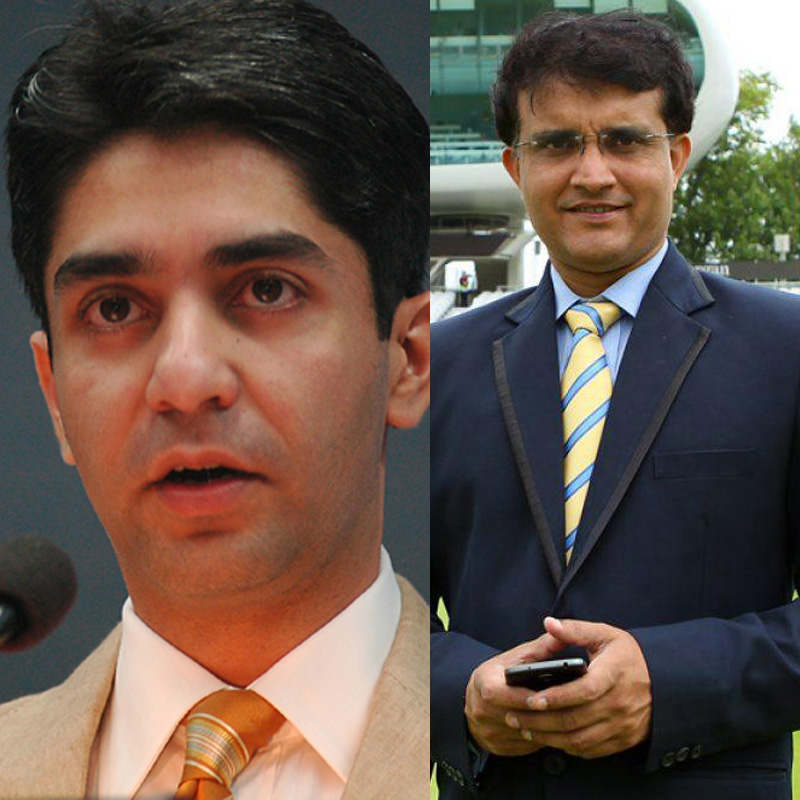
    NEW DELHI: Television has played a key role in making cricket popular in the country and the Board for Control of Cricket in India (BCCI) has successfully created heroes turning the game into a religion in India today.

    Stating this, the former captain of the Indian cricket team and Cricket Association of Bengal president Sourav Ganguly said other sports need to do the same.

    Addressing a session on ‘Business of Sports’ at the 89th Annual General Meeting of the Federation of Indian Chambers of Commerce and Industry, Ganguly said administrators need to capitalise on the existing pool and should not hesitate to promote talented players. Winning a medal in Olympics was bigger than winning in cricket but still cricket got more mileage because of the sporting heroes and idols that the game managed to create, he said.

    In terms of financial sustainability, cricket is a huge example for other sports. BCCI has its own stadiums in almost every state which no other federation has managed to do, so far. Besides, he pointed out that the reason behind Indian Premier League’s success was the structured functionality of the organisation.

    Indian shooter, world & olympic champion Abhinav Bindra said federations and the government had ample funds but it reached the players just 3–4 months before the Olympics. This was hardly appropriate as the sportspersons had to train for four years to be able to make a mark at the international level. He emphasised the need to focus on the process of preparation and not be bogged down by the outcome.

    Indian athlete & summer paralympics 2016 silver winner Deepa Malik said the perception of the corporate world and the people towards para sports had undergone a sea change after India won the medals in 2016 Paralympics. But, this was just the beginning, she said.

    The actual challenge was in getting the funds at the right time and the quantum of money required was far more than other games for para athletes because of the additional challenges they faced, she said. While CSR funds were welcome, corporates needed to adopt athletes and monitor the performance closely, Malik added.

    Renowned sports journalist Boria Majumdar, who moderated the session, said countries such as Jamaica and Croatia whose sports infrastructure does not match even that of India were producing world-class, medal-winning athletes. Apart from IPL, he said, all the existing leagues like, ISL and badminton in India are struggling to survive financially.

  • TV helped make cricket a religion, says Ganguly

    TV helped make cricket a religion, says Ganguly

    NEW DELHI: Television has played a key role in making cricket popular in the country and the Board for Control of Cricket in India (BCCI) has successfully created heroes turning the game into a religion in India today.

    Stating this, the former captain of the Indian cricket team and Cricket Association of Bengal president Sourav Ganguly said other sports need to do the same.

    Addressing a session on ‘Business of Sports’ at the 89th Annual General Meeting of the Federation of Indian Chambers of Commerce and Industry, Ganguly said administrators need to capitalise on the existing pool and should not hesitate to promote talented players. Winning a medal in Olympics was bigger than winning in cricket but still cricket got more mileage because of the sporting heroes and idols that the game managed to create, he said.

    In terms of financial sustainability, cricket is a huge example for other sports. BCCI has its own stadiums in almost every state which no other federation has managed to do, so far. Besides, he pointed out that the reason behind Indian Premier League’s success was the structured functionality of the organisation.

    Indian shooter, world & olympic champion Abhinav Bindra said federations and the government had ample funds but it reached the players just 3–4 months before the Olympics. This was hardly appropriate as the sportspersons had to train for four years to be able to make a mark at the international level. He emphasised the need to focus on the process of preparation and not be bogged down by the outcome.

    Indian athlete & summer paralympics 2016 silver winner Deepa Malik said the perception of the corporate world and the people towards para sports had undergone a sea change after India won the medals in 2016 Paralympics. But, this was just the beginning, she said.

    The actual challenge was in getting the funds at the right time and the quantum of money required was far more than other games for para athletes because of the additional challenges they faced, she said. While CSR funds were welcome, corporates needed to adopt athletes and monitor the performance closely, Malik added.

    Renowned sports journalist Boria Majumdar, who moderated the session, said countries such as Jamaica and Croatia whose sports infrastructure does not match even that of India were producing world-class, medal-winning athletes. Apart from IPL, he said, all the existing leagues like, ISL and badminton in India are struggling to survive financially.

  • ISL: DHL unveils campaign; to engage 450 million

    ISL: DHL unveils campaign; to engage 450 million

    MUMBAI: DHL Express, the world’s leading international services provider, and the ‘Official Logistics Partner’ of the Hero Indian Super League’s (ISL) has announced its launch of an interactive 360 degree brand campaign – “We know, great is in the detail”.

    The campaign is poised to reach over 450 million people across the country, and will leverage an array of engaging touch-points. These include a four-part television commercial series aired on national television, DHL-ISL branded fleets across four cities -Mumbai, Pune, Cochin and Chennai, social media contest across the eight match venues and in-stadia branding throughout the duration of the ISL. Additionally, the campaign will roll out OOH hoardings, tie-ups with online ticketing partners as well as BTL activations to increase engagement with ISL fans.

    “The brand campaign – We know, great is in the detail – has been shaped around DHL’s ability to achieve success through its devotion to detail. As Official Logistics Partner to several prestigious events across the globe, we know that it is the little details that come together to bring the moment alive. Be it in art, music, sport or business – the attention to detail is critical to success,” says DHL Express SVP & Country Manager, India, RS Subramanian,  “This year, the campaign’s mainstay is the four-part TVC that engages football fans by creating that ‘wow’ factor and surprises them with details about the sport that they might not yet know about.”

    Williams Lea Tag India, managing director Amit Chandra said, “We took the creative route of presenting “Unknown Facts”: highlighting little-known aspects about the sport that would amaze and enthuse football fans. At the same time, the TVCs were developed to deliver the message that DHL knows that great is in the detail – in a tone and manner relevant to the target audience. I wish them and the campaign huge success in garnering eyeballs.”

    https://www.youtube.com/channel/UC1EC6mvTp8iIaPNB_AX5IXg

  • ISL: DHL unveils campaign; to engage 450 million

    ISL: DHL unveils campaign; to engage 450 million

    MUMBAI: DHL Express, the world’s leading international services provider, and the ‘Official Logistics Partner’ of the Hero Indian Super League’s (ISL) has announced its launch of an interactive 360 degree brand campaign – “We know, great is in the detail”.

    The campaign is poised to reach over 450 million people across the country, and will leverage an array of engaging touch-points. These include a four-part television commercial series aired on national television, DHL-ISL branded fleets across four cities -Mumbai, Pune, Cochin and Chennai, social media contest across the eight match venues and in-stadia branding throughout the duration of the ISL. Additionally, the campaign will roll out OOH hoardings, tie-ups with online ticketing partners as well as BTL activations to increase engagement with ISL fans.

    “The brand campaign – We know, great is in the detail – has been shaped around DHL’s ability to achieve success through its devotion to detail. As Official Logistics Partner to several prestigious events across the globe, we know that it is the little details that come together to bring the moment alive. Be it in art, music, sport or business – the attention to detail is critical to success,” says DHL Express SVP & Country Manager, India, RS Subramanian,  “This year, the campaign’s mainstay is the four-part TVC that engages football fans by creating that ‘wow’ factor and surprises them with details about the sport that they might not yet know about.”

    Williams Lea Tag India, managing director Amit Chandra said, “We took the creative route of presenting “Unknown Facts”: highlighting little-known aspects about the sport that would amaze and enthuse football fans. At the same time, the TVCs were developed to deliver the message that DHL knows that great is in the detail – in a tone and manner relevant to the target audience. I wish them and the campaign huge success in garnering eyeballs.”

    https://www.youtube.com/channel/UC1EC6mvTp8iIaPNB_AX5IXg

  • Sports Minister lauds b’casters, other stakeholders in promoting sports

    Sports Minister lauds b’casters, other stakeholders in promoting sports

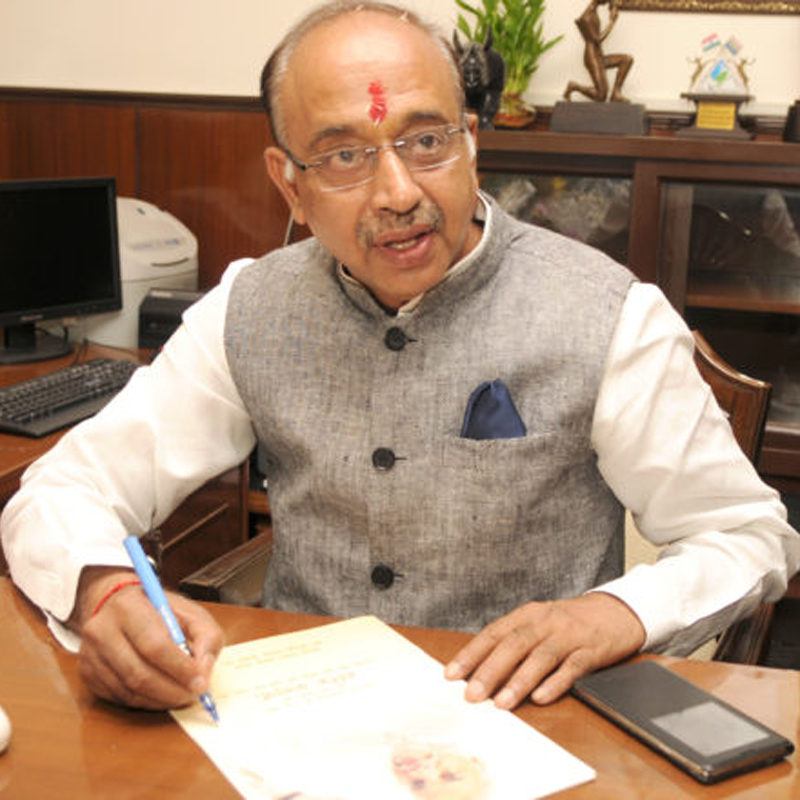
    NEW DELHI: India’s Sports Minister Vijay Goel said on Wednesday that digital media broadcasting will play a critical role in bringing about change in sports broadcasting in India but broadcasters must also focus on how sports as a product is delivered to audiences in rural areas so as to popularise the culture of sports.

    Addressing the CII Big Picture Summit 2016 here, he said increasing penetration of internet, mobile devices and cheaper data services, especially in rural areas, will prove a game changer in this direction.

    Interacting with the panellists on a session on `Sports Broadcasting in India: A Game Changer’, which meandered most of its time period all over the place despite having good representation from various segments of sports broadcasting and marketing, the Sports Minister said media has helped promote sports in the country and has also given a fillip to less popular sports like kabaddi.

    A majority of sports leagues have been made possible, including football, kabaddi, wrestling, hockey, tennis and badminton, by persistent efforts by various stakeholders, leading to cascading effects on tourism and infrastructure sectors, Goel, added.

    Pointing out that slick packaging of the sports leagues as entertainment by TV channels in India has been a game changer, the Minister said, “This is reflected in more than 450 million viewers of Indian Super League (football) with the most interesting revelation being the Pro Kabaddi League with a viewership of more than 500 million.”

    To make sports more catchy and interesting for an average man, some games can also learn few tricks from cricket’s bosses who invented shorter formats of the game to keep the viewer and on-field spectators hooked on, while creating a new business model.

    However, the Minister did admit that the sports as a culture is yet to percolate down to every Indian home and to rectify it an all out effort has to be made not only by the government, but also the people of the country.

    “Playgrounds in schools and residential areas are being trimmed because of scarce availability of land and such actions don’t help,” Goel said, adding the government is committed to working towards building a culture of sports and improving infrastructure but all stakeholders, including corporate and sponsors, must work towards this common objective.