Tag: ISA

  • Dentsu reveals it tipped off CCI in ad cartel investigation

    Dentsu reveals it tipped off CCI in ad cartel investigation

    MUMBAI: Who blew the whistle on Indian advertising’s best-kept secret? Turns out, it was the house of Dentsu. Three months after the Competition Commission of India (CCI) swooped down on the country’s top ad agencies over alleged rate-fixing, Japanese media conglomerate Dentsu has confirmed it was the one to pull the plug—filing a suo motu disclosure under CCI’s leniency framework in February 2024. The move, Dentsu claims, wasn’t about crisis control, but about triggering “reform from within.”

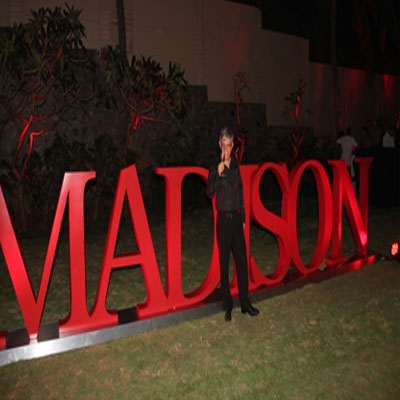
    In March, CCI teams raided nearly 10 locations, targeting big-league players including GroupM, Publicis, Havas, IPG, and Madison, along with industry associations like AAAI, ISA, and IBDF. The focus? Alleged cartelisation through fixing ad rates, discounts, and possibly stifling competition, an apparent violation of Section 3(3) of the Competition Act, 2002.

    While the industry speculated, Dentsu in a statement to Storyboard18 said, “We had a choice to remain passive or drive change… This was a decision to support reform from within.”

    Dentsu also claimed to have already implemented stricter audits, tighter controls, and sharper governance. “Change can’t be effected by walking away,” it added, calling this a turning point for the entire sector.

    CCI’s leniency programme, a powerful tool in its arsenal, incentivises cartel members to come forward in exchange for reduced penalties. Think immunity for honesty, if you snitch first. This has been critical in cracking covert coordination, especially in complex industries like media buying where cartels may not leave an obvious paper trail.

    Legal experts say proving cartelisation under Section 3(3) isn’t just about similar pricing, it requires evidence of intent. That can come from emails, meeting notes, or even circumstantial cues like identical bid patterns or synchronised rate shifts via industry associations.

    What’s next? If the CCI finds strong evidence, the repercussions could be seismic: hefty penalties, shattered reputations, and a fundamental reordering of media-buying norms. Already, industry stakeholders are watching this case as a litmus test for regulatory muscle in India’s high-stakes ad market.

    As one industry veteran put it off the record: “This isn’t just an investigation, it’s a wake-up call.”

    In an industry where everyone knows everyone, Dentsu’s move may have ruptured long-standing silences. Whether it ends in punishment or reform, one thing is certain: Indian advertising’s old ways just met a very public reckoning.


  • Clickbait to clean slate as HUL leads media trust reset drive

    Clickbait to clean slate as HUL leads media trust reset drive

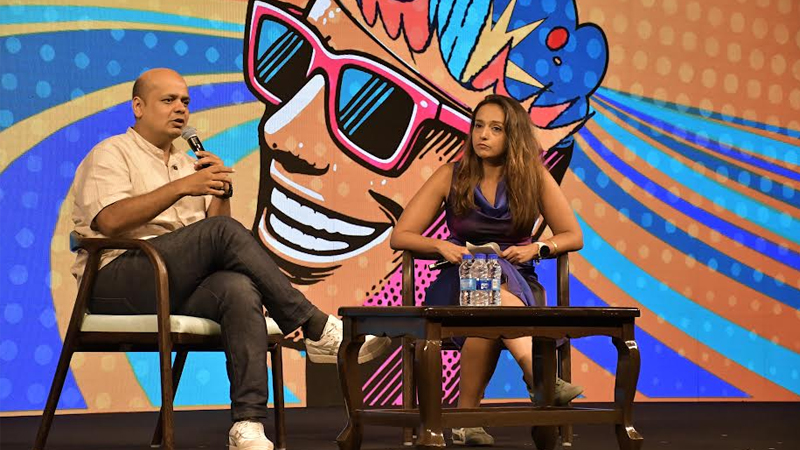
     MUMBAI: What’s invisible, expensive, and possibly not even human? Thirty percent of your ad impressions. Hindustan Unilever Ltd (HUL),  head of media and digital marketing Tejas Apte didn’t mince words at Goa Fest 2025 as he peeled back the pixel-perfect surface of digital advertising to reveal a mess of murky metrics and media mayhem.

    Speaking in a session titled ‘Building a Safer, Smarter, Cleaner Media Ecosystem’, Apte laid bare the underbelly of modern marketing where ad fraud, bot views, and misuse of data are quietly eating away at ROI and trust. With up to 30 per cent of digital impressions possibly fake, brands aren’t just losing money; they’re losing credibility.

    “Legacy media had a balance subscription and ad-funded models. But digital is almost entirely ad-funded,” he noted. “And that makes transparency and safety non-negotiable.”

    As part of the Indian Society of Advertisers (ISA), HUL has taken a lead in drafting a four-point media charter that aims to disinfect digital with real-world rigour:Safe placements for both brands and users, Viewability standards to filter out the fake, Fraud prevention that spans all formats and platforms, Responsible first-party data usage grounded in clear consent.

    Apte underscored that these principles weren’t just boardroom theory, they were co-created with platforms like Google and Meta, ensuring that everyone speaks the same metric language. The focus is shifting from shallow click metrics to meaningful business outcomes.

    The ad world’s changing algorithm isn’t just affecting platforms, it’s rewriting agency job descriptions. With automation and AI replacing mechanical tasks, Apte sees agencies morphing from campaign vendors to strategic business partners. “In-housing is real, but rarely complete. Agencies remain critical, if they evolve from service delivery to impact delivery.”

    While some brands are building internal muscle, the ISA charter pushes for an ecosystem-wide adoption from nimble startups to legacy giants. The ultimate goal? A future where every impression counts, every ad is seen by a human, and every click has consequence.

    Practising what they preach, HUL has already implemented these guidelines internally. The result? Sharper first-party data strategies, better media ROI, and a wave of new, trustworthy media partners.

    So, next time your ad gets a million impressions, pause to ask were any of them real? Or are we all just chasing ghosts in the machine?

    As Apte put it with a smile, “Click fraud is not just a tech issue. It’s a trust issue.”

  • IAA & ISA to host Retrospect and Prospects in Mumbai

    IAA & ISA to host Retrospect and Prospects in Mumbai

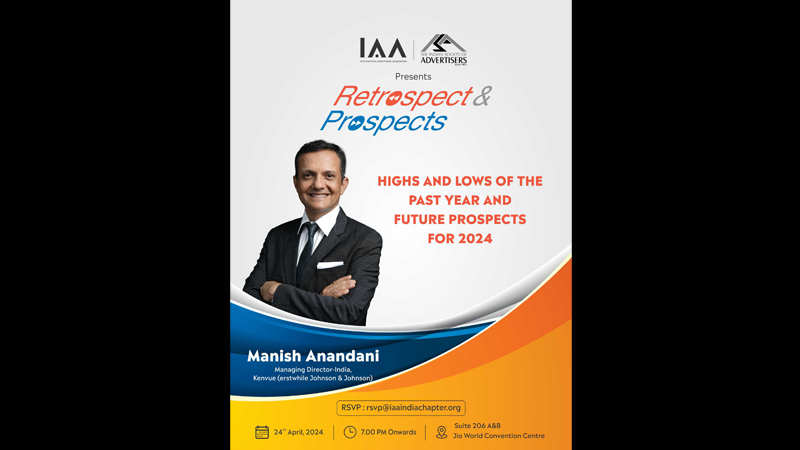
    Mumbai: The India Chapter of the International Advertising Association (IAA) together with The Indian Society of Advertisers (ISA) is hosting the Retrospect & Prospects interaction with Manish Anandani, managing director – India, Kenvue (erstwhile Johnson & Johnson) on the 24 April in Mumbai.

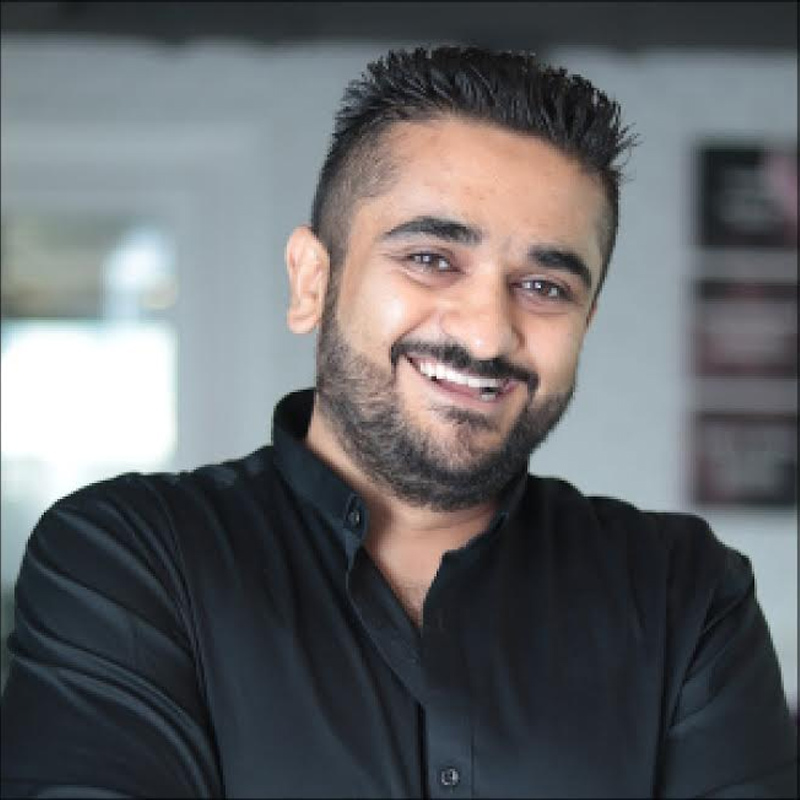
    Manish

    Manish Anandani, Managing Director – India, Kenvue (erstwhile Johnson & Johnson Consumer Health)

    Avinash Pandey, president of IAA India Chapter and CEO of ABP Network said –”Retrospect & Prospects, is the definitive annual industry review, offering a 360-degree perspective on the past year while illuminating the road ahead. As the steward of this esteemed program, I am thrilled to convene the industry’s top minds to explore the evolving landscape. The insights shared here have played a pivotal role in shaping strategic agendas. This year, under the guidance of Manish Anandani, Managing Director-India, Kenvue, the event promises a stimulating exploration of the industry’s past, present, and future, providing unparalleled opportunities for marketing leaders to gain a competitive edge and position their organisations for success in the years ahead.”

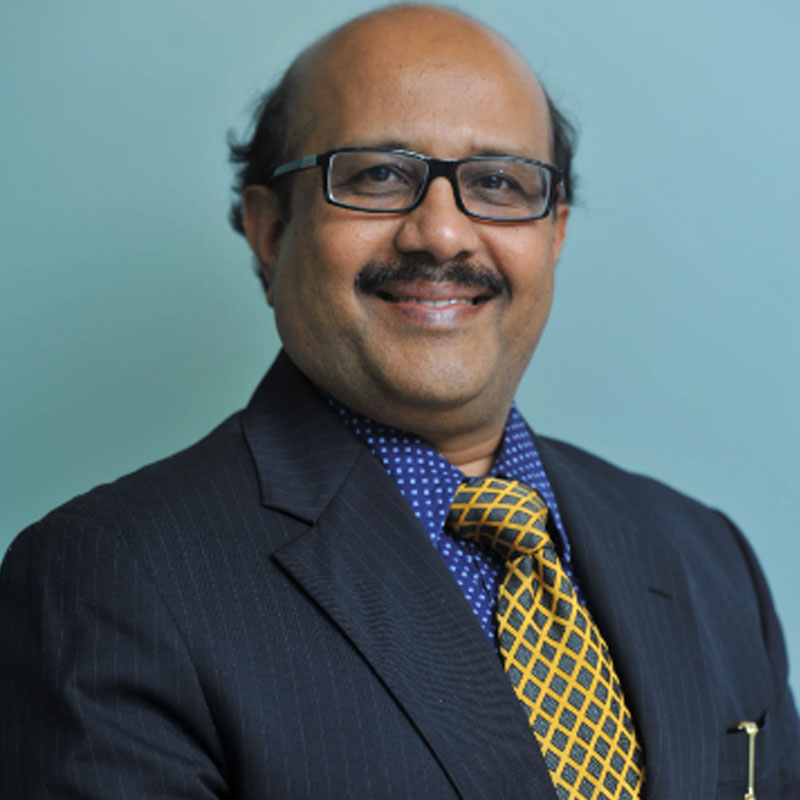
    Avinash Pandey, President, IAA India Chapter & CEO, ABP Network

    Adds Sunil Kataria, chairman of the India Society of Advertisers & CEO of Raymond’s Lifestyle Business, “The ISA as the unique voice and apex body of advertisers pan India over 70 years, has member education as one of the key areas of its services to members. Apart from periodically conducting our own seminars workshops and knowledge series programs, we bring to the table of our members a variety of webinars on topics in marketing and media matters of contemporary interests from the World Federation of Advertisers (WFA) of which the ISA is a founder member. We constantly look for opportunities to partner with fraternity organizations to engage with our members.  Working with the IAA is one such avenue that we have looked at.  It is also a matter of pride that the speaker Manish Anandani, Managing Director, India, Kenvue (erstwhile Johnson & Johnson Consumer Health) is from the leadership of an advertiser member company. I am confident this collaborative event and congregation of IAA and ISA members in a common venue would add further value to the excellent partnering that they have in the industry.”

    Sunil Kataria, Chairman, The India Society of Advertisers (ISA) & CEO of Raymond’s Lifestyle Business

  • Multiple stakeholders come together to form ASCI Academy

    Multiple stakeholders come together to form ASCI Academy

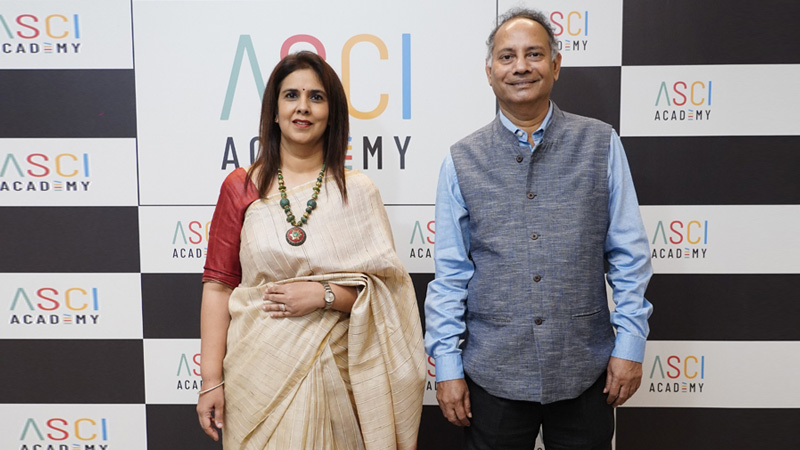
    Mumbai: The Advertising Standards Council of India (ASCI) proudly unveils the ASCI Academy, a pioneering initiative poised to amplify the advertising industry’s capacity to create more responsible and progressive advertising campaigns. Building upon ASCI’s established corrective role which comes alive post ad publication, this  pioneering platform embeds self-regulation right at the point of the inception of  advertisements.

    In today’s digital landscape, characterised by brief campaign durations and a surge in number of advertisers, the ASCI Academy is positioned to empower current and future industry professionals including influencers and students with a foundational understanding of advertising regulations, ensuring ethical practices from the outset.

    The ASCI Academy’s core mission is to cultivate a cohort of advertising professionals dedicated to upholding responsibility in advertising, ultimately upholding consumer trust in brands.

    The academy strategically consolidates ASCI’s extensive thought leadership and educational programs under one comprehensive umbrella. The academy’s spectrum of programs caters to diverse needs, spanning online, in-person, and hybrid formats. From e-learning modules to topical webinars, from deep-diving masterclasses on regulatory nuances to enhancing teaching skills through faculty development programs, the academy covers it all. Additionally, influencer certification programs ensure responsible endorsement practices, while consumer education initiatives foster informed choices.  Through sustained training and research efforts, the ASCI Academy remains steadfast in its commitment to engage stakeholders in the preventive aspects of self-regulation. The ASCI Academy brings together stakeholders united by a shared belief in responsible advertising

    practices. The Academy has over 50 founding partners and supporters including Cipla Health Ltd, Coca-Cola India Pvt Ltd, Colgate-Palmolive (India) Ltd, Diageo India, Hindustan Unilever Ltd, Mondelez India Foods Pvt Ltd, Nestlé India Ltd, PepsiCo India Holdings Pvt Ltd., Procter & Gamble Home Products Pvt Ltd, several leading universities and colleges, prominent Civil society organisations such as Mumbai Grahak Panchayat, Consumer Voice, CUTS, CMS and others, and, industry bodies  like the ISA, AAAI, IAA and ISWAI, as well as research insight organisations.

    Department of consumer affairs secretary Rohit Kumar Singh said, “I congratulate  ASCI on the launch of the ASCI Academy. In the digital age, preventive actions need strong impetus and encouragement, and the training of industry professionals – current and future is an important systemic intervention. The Department of Consumer Affairs is supportive of such efforts by the advertising self-regulator to foster a culture of responsibility in the advertising industry. We hope that the advertising industry engages  deeply with the Academy programs to make their teams better trained and educated on  the aspects of advertising regulations.”

    Ministry of information and broadcasting, joint secretary, Vikram Sahay, who is part of the ASCI Academy’s Apex Council said, “Many congratulations to ASCI on the launch of the ASCI Academy. The Ministry of Information & Broadcasting has always supported self-regulatory mechanisms in the media and entertainment industry. We hope that the  resources and support by the Academy would be extremely useful for the online  advertisers and platforms.”

    Addressing the opening of the academy, ASCI chairman NS Rajan said: “While ASCI has always had a strong corrective mechanism, we also wanted to harmonise the dynamic interplay between creativity and responsibility and address the broader consequences of advertising on society at large. The ASCI Academy is a big step in this direction which will  facilitate a preventive footprint and shape an advertising ecosystem to help the industry  to get it right.”  

    ASCI CEO and secretary general Manisha Kapoor added, “With short campaign durations, it is important that attention is directed at the point of creation of ads, not just after they are published. When the only ads to hit the market are responsible and compliant, it is a win-win for both consumers and industry. Over the next three years, ASCI Academy aims to train 100,000 current and emerging professionals through self-learning and on-campus workshops and sessions, besides programs for research and consumer education. This is a new chapter in self-regulation in India, and we are grateful to all our founding partners for supporting this vision. We hope to add several more believers in this agenda- this is just the beginning”.

  • ISA concludes the global CEO conference 2022 on ‘VUCA 2.0: transforming organisations and brands’

    ISA concludes the global CEO conference 2022 on ‘VUCA 2.0: transforming organisations and brands’

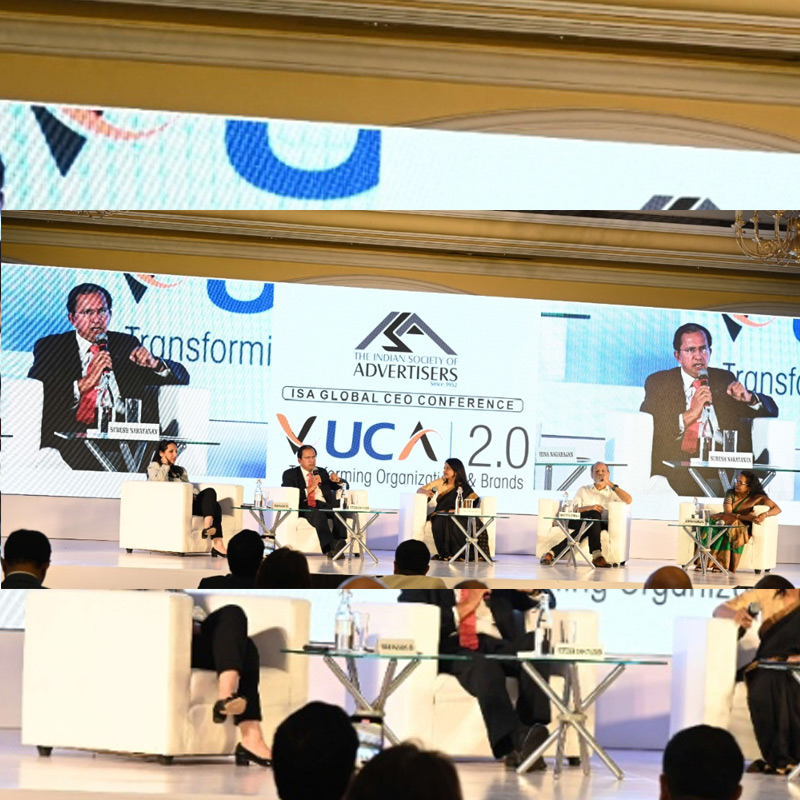
    Mumbai: The Indian Society of Advertisers (ISA) hosted the third annual Global CEO Conference on 22 August in Mumbai.

    Around 200 industry leaders gathered to discuss strategies that will enable them to triumph in today’s complex business environment.

    The conference’s theme this year was “VUCA 2.0: Transforming Organisations and Brands.”

    The event followed an engaging format that included keynote addresses, interesting presentations, and panel discussions by distinguished thought leaders from the industry, in line with the theme. 

    The keynote speakers included Hindustan Unilever chairman and chief people and transformation officer Nitin Paranjpe, who highlighted the role of technology and questioned whether organisations are ready for web 3.0.

    Nitin said, “Industries and devices must be responsibly governed with technology which is designed to allow rapid innovation. Some of the technologies developing the next iteration of the internet have larger challenges than just disruptions. Other than helping us understand what is happening in the world around us better, it will also help us prepare for and create a better future.”

    World Federation of Advertisers (WFA) president and Mastercard president-healthcare division, chief marketing and communications officer Raja Rajamannar said, “The whole field of content has become completely filtered and layered. The fact is that traditional marketers are assuming that people are aware. However, they need to develop a far better understanding of the subconscious processes that happen in the minds of their consumers and thereby develop new insights.” 

    Procter & Gamble Company chief operating officer Shailesh Jejurikar said, “Innovation is being spurred on by digital technology, and we combine innovation with human insight, so that our consumers are better off. Rapid change creates unique opportunities to drive market growth. All of these point to a positive future that can sustain people and the environment better, not only now but also for the generations to come.” 

    The panel discussion on VUCA 2.0 and its implications for Indian businesses saw leaders such as Diageo India managing director & CEO Hina Nagarajan, Multiples Alternate Asset Management MD & CEO Renuka Ramnath, Crompton Greaves Consumer Electricals managing director Shantanu Khosla, and Nestle India chairman & managing director Suresh Narayanan. The panel discussed various aspects, including strategies taken by companies during the pandemic, future-proofing brands, and creating a work environment that leads to optimising productivity.

    Speaking about the successful third edition of ISA Global CEO conference, ISA chairman and Raymond Lifestyle CEO – India & SAARC,  Sunil Kataria said, “Organisations and brands must adopt a radical and creative approach to navigate through this VUCA 2.0 world. As we have learnt during the course of this conference, the ultimate objective of transformation is to develop the capacity to swiftly change circumstances and opportunities in the market and reinvent business models to stay ahead of time.” 

    ISA chairman (events) Dr. R. Ramakrishnan said, “Each of the keynote speakers and panellists brought a wealth of insights, practical experience, and their case studies to add great value to the conference. The 200 industry leaders at the event have taken back a wealth of knowledge and wisdom to transform their organisations, brands and processes.”

    The third edition of ISA’s Global CEO conference was powered by presenting partner Google Cloud, and co-powered by partner Hindustan Unilever Limited.

    Sony Pictures Network is the exclusive gold partner, followed by Neutrogena as gold partner and P&G as co-gold partner. As associate partners, Prestige, ABP Network, Aditya Birla Group, Godrej Goodknight, and Centrum Wealth joined the list of sponsors; Adani Wilmar, Crompton, Kotak Mahindra Bank, Raymond, V Guard, Bajaj Electricals, and SugarFree Green were co-partners. Also, Storyboard 18 is the TV partner, Hindustan Times is the print partner, Adfactors PR is the PR partner, and Schbang is the social media partner.

  • ISA global CEO conference 2022 focuses on VUCA 2.0

    ISA global CEO conference 2022 focuses on VUCA 2.0

    Mumbai: The Indian Society of Advertisers (ISA) is organising the third edition of The ISA Global CEO Conference on ‘VUCA 2.0: Transforming Organisations and Brands.’ The conference is scheduled for 22 August 2022 at ITC Grand Central, Parel, Mumbai.

    VUCA 2.0 is characterised by incredibly high volatility, tremendous uncertainty, huge complexity, and unfathomable ambiguity.

    This conference will focus on addressing the issues faced by organisations and brands with inputs from experts featuring a galaxy of global and Indian CEOs.

    Some of the distinguished keynote speakers include: Unilever PLC chief people & transformation officer and Hindustan Unilever (Live Virtual) chairman Nitin Paranjpe; World Federation of Advertisers (WFA) president and Mastercard (Live Virtual)-healthcare division’s chief marketing & communications officer and president Raja Rajamannar; and Procter & Gamble Company chief operating officer Shailesh Jejurikar. Their keynote speeches will be related to different aspects of the conference theme.

    In addition to this, the half-day conference will also feature a panel discussion by distinguished Indian CEOs giving an Indian perspective on the conference theme. The half-day event is also expected to have senior management from marketing, media, and creative agencies and leaders who are driving a transformational change agenda in their businesses in attendance.

    Speaking about the idea behind this year’s theme, Raymond Lifestyle CEO and ISA chairman Sunil Kataria said, “Change is going to be our only constant and the landscape we work in is shifting continuously. Every change sows the seeds for a greater transformation, provided we are able to navigate through it as compared to being overwhelmed by it . With the best minds in the industry coming together for this conference, we hope to find some answers and return richer with valuable insights.”

  • Rebuilding consumer trust, meeting altered expectations: Brands on the 2021 challenge

    Rebuilding consumer trust, meeting altered expectations: Brands on the 2021 challenge

    MUMBAI: Our world, as we know it, changed irrevocably last year in the wake of Covid2019. As people everywhere struggled to make sense of an evolving reality, organisations too were forced to reassess and recalibrate their businesses in a bid to survive and grow. Consumer behaviour having gone through a paradigm shift during the pandemic, has posed additional challenges for brands. There is understandably uncertainty on all fronts.

    In order to understand the strategies devised by top brands to tackle the challenges of this global crisis and to look beyond it, the Indian Society of Advertisers (ISA), in association with the Free Press Journal and ABP Network, organised a two-part webinar – Brands and Consumers: 2021 and Beyond.

    While the first part of this series on the manufacturing sector was held last week, the second part on the service sector was held on Wednesday with some of the best marketing minds from across the service sector. The panel discussion that followed aimed to share the best practices during the pandemic and the way to look forward with hope.  

    The session was moderated by ISA executive council member and former Johnson & Johnson MD Narendra Ambwani. Panelists included Thomas Cook (India) president & group head-marketing, service quality, financial services & innovation Abraham Alapatt, Aditya Birla Capital CMO Ajay Kakar, Jio Platforms group vice president- advertising & innovations Mohit Kapoor, and Amazon India’s director, mass & brand marketing international Ravi Desai.

    Opening the session, Ambwani spoke about how post-Covid, brands face many challenges with consumers‘ expectations as well as behaviours changing. He shared the main question confronting the industry today: “what are the lessons learnt in overcoming the disruptions posed by lockdown, WFH and fears caused by Covid.” Alapatt voiced his opinion on how the travel sector was the most affected in the crisis with the entire industry’s demand going down to “zero”, in part due to the physical restrictions in place. “The past twelve months have given a learning equivalent to twelve years,” he stated.

    From a marketer’s perspective, he encapsulated the year gone by into six Cs of 60 days each, with the first 60 days being a state of “confusion”, turning to “concern” in next 60, then going on to “careful” where the initial paranoia had subdued, proceeding to a mix of “cautious + careless” when the lockdowns eased and finally learning to “coexist” with the pandemic and the restrictions.

    Sharing Thomas Cook’s marketing strategy during the crisis, he highlighted the importance of staying connected to the consumer via newsletters and surveys, while reassuring them on the safety protocols being adopted by the company. The travel company also guaranteed the customer’s financial security by giving them the freedom to reschedule or cancel flights without monetary loss. 

    Aditya Birla’s Ajay Kakar agreed with Alapatt on the importance of remaining connected with the customer, while also stressing on brand visibility and relevance. Being primarily from the health and life insurance sector, he said it was equally crucial to be there for existing customers and listen to their concerns, rather than only focus on new customers. He agreed that the sector benefited from people having time to spare to finally explore investing in the capital market.

    Jio’s Mohit Kapoor was more upbeat regarding the past year, although he admitted that the April 2020 quarter was the worst in many years for the company. He shared the forecast of Jio’s smartphones reaching a market of 800 million from existing 500 million, paving the way for a ‘2G-Mukt Bharat’. He predicted that social is the way forward for commerce with social networking sites like Facebook and Instagram seeing a huge spike in users. He also touched on the upcoming relevance of social gaming and e-sports genres with India becoming one of the biggest gamers markets.

    Amazon’s Ravi Desai was also quite optimistic about the e-commerce giant’s prospects in the past, as well as the coming year. As he put it, “consumers’ needs for a wide selection of products, delivered quickly and safely is not going to change,” even with local retailers opening up and customers stepping out to buy. His advice to brands: To look for the ‘permanent’ factor in their business module which will remain relevant to customers, and to focus on that core part.

    Summing up the main takeaways for brands from the discussion –

    u  Stay connected and relevant to customers

    u  Reach out and reassure existing customers

    u  With changed consumer-expectations, brands that step up will remain in the game

    u  Trust is the keyword – rebuilding and reassuring customer’s trust in a crisis

    After the bloodbath of last year, the travel industry is on the road to recovery, with a huge spate of bookings for the months of November and December, shared Alapatt. He added that Maldives, which had never figured in the top destinations for Indians now, had single largest visitors from India. Even enquiries post-lockdown were record-breaking, indicating that people were frustrated after remaining indoors for so long. With prices lower than ever and great travel deals, he concluded that things can only look up from hereon for travel and tourism. At the same time, he emphasised there was no compromise on the safety factor of customers, and that adding safety value to a brand where required will pay dividends with customers willing to pay for the extra. He cited the example of Thomas Cook’s partnership with Apollo, to enable the customer to avail the ‘doctor-on-call’ facility while travelling.

    In conclusion, this optimism was shared by all other service sectors when it came to looking forward at 2021 and beyond. They surmised that this was a powerful opportunity for the hospitality and service sector, with the worst over and behind them. And that in this pursuit, the relevance and value of customer engagement has grown even more significant for all brands.

  • Advertising in newspapers most trusted by consumers: ASCI-ISA report

    Advertising in newspapers most trusted by consumers: ASCI-ISA report

    MUMBAI: Advertising seen on traditional media continues to enjoy high trust amongst consumers, with newspapers (86 per cent) emerging as the most trusted, a report by the Advertising Standards Council of India (ASCI) and the Indian Society of Advertisers (ISA) stated.

    The Trust in Advertising study, carried out by Nielsen, puts forth that while a section might say that people are no longer willing to trust advertising, a larger chunk of society still believes in brand advertising and their messages. They still make their purchases and preferences on the basis of this.

    The study was conducted with people across age groups in 20 centres in India, including metros, smaller towns and rural areas. The study found that eight out of 10 people trusted advertising messages across media.

    TV (94 per cent) was the most common medium for consumption of advertising, followed by digital (82 per cent), print (77 per cent) and radio (29 per cent). Viewership of TV ads is driven by non-metro markets.  Interestingly, viewership of ads on digital is the same in rural (82 per cent) as it is in metros (83 per cent).

    According to Nielsen global head – strategic alliances and new verticals Prasun Basu, this demonstrates the growing importance and centrality of this medium in the hinterland. ASCI spotted early that the growing consumption of digital content and advertising pointed to a permanent change in consumer behaviour and marketing. Accordingly, it set up robust monitoring mechanisms for digital platforms alongside its monitoring of print and TV advertising. It now scans more than 3,000 digital platforms for misleading messages.

    While newspapers are the most trusted medium of ads with 86 per cent consumers reposing faith in them, TV (83 per cent) and radio (83 per cent) are not far behind. Text/SMS ads were the least trusted at 52 per cent.

    About 70 per cent of the respondents said they trust advertisements which are endorsed by celebrities.  

    In terms of shifts, consumers put greater trust in advertisements consumed on TV, print, radio, social media, outdoor and search engines as compared to what they did in a similar survey conducted by Nielsen in 2015. However, there is a fall in the percentage of consumers trusting text messages over this period (58 per cent vs. 52 per cent).

    Among sectors, audiences displayed a very high level of trust for advertisements of educational institutions at 82 per cent. This is possibly because culturally, Indians have a strong belief in education as a means to secure their future. Ironically, ASCI finds that a significant portion of misleading ads come from the education sector. It therefore has a high focus on education sector advertising.

    “ASCI’s job of monitoring the education sector is even more crucial, given these findings. In India, the poorest of people prioritise education spends over other necessities. Most educational institutions promise job guarantees or make false claims of being the number one or guaranteeing 100 per cent placement without any objective data or evidence. We are doing our best to make sure that such false advertising is removed from the market,” said ASCI secretary general Manisha Kapoor.

    Home care products such as detergents, mosquito repellents etc as a sector also enjoys relatively higher trust levels. However, real estate advertisements were amongst the least trusted by consumers.

    When it comes to taking action when they see a misleading or offensive advertisement, about a third of consumers are likely to discuss this with their family/friends, another third take some action by posting it on social media, or reporting the same. However, almost 30 per cent of consumers do not take any action. This, too, is a major focus area of ASCI. It has used every tool available to make it easy for consumers to point out misleading claims in advertisements. Consumers can lodge complaints on its website (www.ascionline.org), or via email (contact@ascionline.org). Consumers can also send their complaints via WhatsApp (7710012345).

    According to ISA chairman Sunil Kataria said, “Brands are built on the back of long term communication with consumers and audiences. It is in the advertisers’ own self-interest to make sure that all communication is honest and truthful, so consumers can trust advertising messages, and thereby, brands. This study helps advertisers, agencies, media owners and planners understand what works well and introspect on what needs improvement.”

    Below is the report.

    A DETAILED STUDY ON ‘TRUST IN ADVERTISING’ (ascionline.org)

  • Neel Pandya to lead ISA media forum

    Neel Pandya to lead ISA media forum

    New Delhi: Indian Society of Advertisers (ISA) has roped in Neel Pandya to lead its media forum. Pandya is also serving as the L’Oreal India national media and digital head.

    The development was announced in a meeting of the media forum held on 4 November 2020.

    ISA chairman, CEO, secretary-general and other members of the forum welcomed Neel to this role.

    “We are confident that Neel from his varied experience across sectors and functions would add considerable value through the media forum to the ISA,” it said in a statement.

    The ISA media forum meets periodically to take stock of and deliberate on industry developments that affect advertisers.

    Pandya has over 13 years of experience and has worked across several brands and agencies including – Vodafone, GroupM, TAM, Future Group, and HDFC Bank. He joined L’Oreal India in 2017.

    He was a speaker at the 2019 edition of indiantelevision.com’s BrandVid Summit.