Tag: IRDAI

  • The Essential Guide to Third-Party Car Insurance for Vehicle Owners

    The Essential Guide to Third-Party Car Insurance for Vehicle Owners

    Owning a vehicle comes with more than just the freedom to travel at will—it also comes with legal responsibilities. One of the most important is having an active and valid car insurance policy. Among the various options available in India, third-party car insurance remains the most widely mandated and crucial form of cover for vehicle owners. But what makes it so essential, and how does it actually work?

    Understanding Third-Party Car Insurance in India

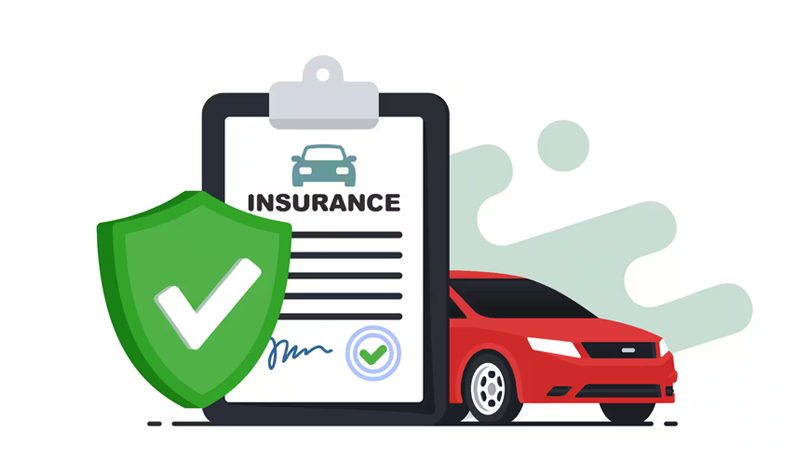
    Third-party car insurance is a legal necessity under the Motor Vehicles Act of 1988. This policy covers you against any liability that arises due to damage or injury caused to a third person, their vehicle, or property in an accident where you are at fault. Essentially, it ensures that you don’t bear the financial burden for harm caused to others while using your car.

    This type of insurance does not extend coverage to your own car or personal injuries, but rather acts as a safety net for everyone else affected by the incident. It is the most basic and compulsory form of motor insurance you must have to operate your vehicle legally on Indian roads.

    How Does Third-Party Insurance Protect You?

    Imagine being involved in a road mishap where your car damages another vehicle or causes injury to someone. Without the right insurance, you could be liable for paying medical bills, legal costs, or property repair expenses out of your own pocket. This is where third-party insurance steps in, covering all such costs within the limits set by regulatory authorities.

    Not only does this shield you from sudden financial stress, but it also ensures that the affected parties receive the compensation they deserve. By shifting this liability to the insurer, you avoid the emotional and monetary distress that could arise in such unfortunate events.

    Why It’s Mandatory—and Rightly So

    The law mandates at least third-party cover because it supports the wider safety net of road users. Accidents can be unpredictable and sometimes involve people or properties that are completely unrelated to the driver. By enforcing minimum coverage, the government ensures that victims in road incidents receive due compensation without unnecessary disputes or delays.

    From a governance standpoint, this also reduces the burden on public systems, such as hospitals or civil courts, by routing settlements through insurers. It contributes to a more structured and predictable system of accountability.

    What’s Actually Covered in a Third-Party Plan?

    The scope of third-party insurance is straightforward yet effective. It covers:

    ●    Property damage caused to third parties, including vehicles, walls, fences, etc.

    ●    Bodily injury or death of another person caused by your insured car.

    ●    Legal liabilities, including expenses involved in defending you in court if a claim is raised.

    While the sum insured for property damage may have certain limits, coverage for bodily injury or death is typically unlimited as per the law. This ensures victims of serious accidents are adequately compensated.

    Where It Falls Short: Key Exclusions To Know

    Although a third-party plan covers external damages, it excludes coverage for the policyholder’s own vehicle damage or personal medical expenses. So, if your car is badly dented in an accident, you would need to bear those repair costs unless you have a more comprehensive policy.

    It also doesn’t cover incidents where the policyholder was driving under the influence, without a valid license, or using the vehicle for unauthorised purposes like racing or commercial transport if the policy does not include those terms.

    How the Claim Process Works

    Once an accident occurs, the injured third party (or their representative) can file a claim under your insurance policy. The insurer, in turn, will assess the claim, verify documentation, and facilitate the settlement—whether through repair costs, hospital expenses, or legal support. Some insurers may even assist in court proceedings if a lawsuit is filed.

    Insurers like TATA AIG often handle these claims with a dedicated support system that helps you through documentation, estimation, and final settlement. This makes the process relatively smooth and much less stressful than going at it alone.

    Premiums and How They Are Calculated

    In India, premiums for third-party insurance are regulated by the Insurance Regulatory and Development Authority of India (IRDAI). The amount is mainly based on your vehicle’s engine capacity (in cc). A car with a smaller engine pays a lower premium, while a larger engine commands a higher rate. This system ensures fair pricing while keeping the policy affordable for the masses.

    These rates are revised periodically and applied uniformly across all insurers. This means there’s not much room for variation when it comes to premium costs for third-party coverage.

    Why More People Are Buying Third-Party Car Insurance Online

    In the age of digitisation, more and more consumers are turning to digital platforms to handle their car insurance needs. Buying third party car insurance online offers a number of advantages, such as quick policy issuance, ease of comparing multiple options, and convenient claim tracking—all without the need for an agent or paperwork.

    Moreover, most insurers now offer mobile apps or web portals that let you download your policy instantly, raise a claim, or renew your policy with minimal effort. This shift towards online insurance makes it easier to stay compliant with legal requirements while enjoying round-the-clock service.

    When Should You Upgrade From Just Third-Party Coverage?

    While third-party insurance is a legal must-have, it may not be enough if you’re looking for complete financial protection. If your car is new or you frequently drive in high-traffic areas, you might want to consider upgrading to a comprehensive plan. This would not only include third-party liabilities but also offer coverage for damages to your own vehicle due to accidents, theft, or natural disasters.

    Think of it as upgrading your basic safety net to a complete financial shield—one that takes care of both your liabilities and your assets.

    Conclusion

    Third-party car insurance is more than just a box to tick for legal compliance. It’s a fundamental form of protection that ensures your responsibilities as a car owner don’t turn into financial burdens. From compensating accident victims to shielding you against costly legal claims, this policy offers peace of mind every time you hit the road. Whether you’re a new driver or a seasoned commuter, understanding how this insurance works is the first step towards driving smarter and safer. 
     

  • The Life Insurance Plan Every Responsible Parent Should Know About

    The Life Insurance Plan Every Responsible Parent Should Know About

    Parents have the responsibility of ensuring long-term financial security for their family, even in their absence. While parents strive to provide comfort, stability, and opportunities for their children, life’s unpredictability makes financial preparedness essential. Among various life insurance options, term insurance stands out as a simple, cost-effective solution that offers substantial protection. It ensures your loved ones are financially supported to meet expenses such as education, daily living costs, and future goals. This article explores why term insurance is an important financial step every responsible parent should take.

    What is Term Insurance?

    Term insurance is a type of life insurance plan that provides financial coverage for a specific period or term. In the event of the policyholder’s untimely death during the policy term, a fixed amount known as the sum assured is paid to the nominee. If the policyholder survives the term, there is typically no payout, unless the plan includes a return of premium feature.This type of plan is simple, affordable, and highly effective in offering protection to your family when they need it the most.

    Why Should Parents Consider Term Insurance?

    When it comes to choosing the right life insurance, term insurance stands out as a practical and effective option for parents. Its affordability, high coverage, and focused protection make it especially suitable for safeguarding your family’s financial future. Here are key reasons why term insurance should be a priority for every parent:

    Cost-Effective Coverage: Among all life insurance plans, term insurance provides a high sum assured at an affordable premium. This makes it suitable for young or middle-income parents looking for maximum protection without straining their budget.

    Pure Protection: Term plans focus only on life cover, unlike market linked plans that combine insurance with savings or investment. This keeps term plans simple, transparent, and easier to understand.

    Financial Support for Children: In the unfortunate event of the policyholder’s demise, the lump sum payout can help the surviving family cover essential expenses like school fees, higher education costs, and day-to-day living, ensuring continuity in their standard of life.

    Debt Protection: Term insurance ensures that any outstanding financial obligations, such as a home loan or personal loan, do not fall on your family. The payout can be used to clear debts, reducing financial stress on your dependents.

    Peace of Mind: Knowing that your family will have a financial safety net offers emotional security. It allows you to focus on your responsibilities today, without worrying about future uncertainties.

    Key Features of Term Insurance Plans

    Before choosing a term insurance policy, it’s important to understand its key features:

    1.  Sum Assured  
    This is the amount your family will receive in case of your death during the policy term. Choose a sum thatcovers your family’s living expenses, children’s education, and any existing liabilities.

    2.  Policy Term  
    This refers to the duration of the insurance coverage. It should preferably cover the years until your children become financially independent or until your planned retirement.

    3.  Premium Payment Term  
    You can choose to pay premiums regularly (monthly, quarterly, yearly) or as a one-time payment. Regular payments are most common and manageable for salaried individuals.

    4.  Riders and Add-ons  
    Term insurance plans can be enhanced with riders such as:

    a.    Accidental death benefit  
    b.    Critical illness cover  
    c.    Waiver of premium on disability

    These riders provide additional protection at a nominal cost.

    5.  Claim Settlement Ratio  
    Always choose an insurer with a high claim settlement ratio, as it reflects the company’s reliability in paying out claims.

    How Much Term Insurance Coverage Do You Need?

    A suitable coverage amount depends on several factors, including:

    •  Your current income  
    •  Monthly household expenses  
    •  Existing loans and liabilities  
    •  Future financial goals (like children’s education or marriage)  
    •  Inflation

    As a general guideline, the sum assured should be enough to cover your family’s financial needs for several years in your absence. A simple way to calculate this is by estimating your annual income and multiplying it by the number of years your dependents will need support.

    When Should Parents Buy Term Insurance?

    The right time to buy the best term insurance plan is as early as possible. Younger individuals pay lower premiums and can get coverage for a longerduration. Buying early helps you get the plan at a lower cost and without health-related exclusions that may apply if your health changes later.

    Even if you are a new parent or planning to start a family, buying term insurance in advance is a smart financial decision. It provides peace of mind knowing your family is protected from the very beginning.

    Conclusion

    Every parent planto give their children a secure and comfortable life. But responsible parenting also means preparing for the unexpected. A term insurance plan is one of the practical tools for ensuring that your family remains financially stable in your absence. It protects your children’s future, covers essential expenses, and helps your family manage debt or emergencies. Termplans from trusted insurers like Tata AIA offer high cover at affordable cost, making them a smart and easy choice for every parent.Taking this step today shows you care about your family and want to secure their future.

    Disclaimer: The information provided above is for informational purposes only and is not intended as professional or legal advice. The Insurance Regulatory and Development Authority of India (IRDAI) is not responsible for any decisions made based on the information.  
     

  • TRAI dials up a united front as regulators join forces to fight digital spam

    TRAI dials up a united front as regulators join forces to fight digital spam

    MUMBAI: If spam calls and scam messages are the villains of our digital age, India’s top regulators are teaming up like superheroes. On 25 April 2025, TRAI hosted a meeting of the Joint Committee of Regulators (JCoR) at its New Delhi headquarters, bringing together heavyweights from RBI, IRDAI, PFRDA, SEBI, MoCA, MeitY, and special invitees from DoT and MHA to chart a stronger, cross-sector response to unsolicited commercial communication (UCC) and fraudulent activities.

    Opening the session, TRAI Chairman Anil Kumar Lahoti stressed the urgent need for a collaborative approach. Highlighting the mounting threat to citizens, particularly senior citizens, Lahoti praised the JCoR’s progress but warned that “the challenges ahead demand even greater synergy and vigilance.”

    Key issues topping the agenda included the nationwide rollout of 1600 series numbers for transactional and service calls from government and financial entities. Members agreed to push for swift onboarding within their respective sectors and monitor progress closely. The Council of Administered Telecommunications (CoAT) also presented a solution offering a unified 1600-series CLI for seamless call identification across networks.

    Another major move discussed was the onboarding of commercial communication senders onto the Digital Consent Acquisition (DCA) platform. Regulators pledged to work with principal entities to ensure compliance, aiming to empower consumers with more control over who contacts them.

    Fraudulent communications and the rise of “digital arrest” scams were a serious point of concern. I4C proposed measures including deletion of unused SMS headers, swift action on fraudulent SMS identifiers, and blocking of mobile numbers and IMEIs used for scam messages. Members pledged to develop clear modalities for rapid action.

    Emerging threats from OTT and Rich Communication Services (RCS) platforms also grabbed attention. Recognising that spammers are shifting to newer communication channels, the committee decided that MeitY would engage with stakeholders to roll out spam mitigation strategies mirroring those in traditional telecom.

    The session closed on a determined note, with JCoR members agreeing to intensify collaboration across sectors. The goal? A safer, more secure digital communication ecosystem for India’s consumers, one where fraudsters find it harder to hide and trust travels faster than spam.

  • TRAI meets access providers, RBI, SEBI, IRDAI, banks and other financial entities

    TRAI meets access providers, RBI, SEBI, IRDAI, banks and other financial entities

    Mumbai: TRAI convened a meeting on 14 June 2024 which was attended by the representatives from the Reserve Bank of India (RBI), the Securities and Exchange Board of India (SEBI), the Insurance Regulatory and Development Authority of India (IRDAI), more than 25 Banks and other Financial Institutions including Government, Private and Global Banks, Members of Association of National Exchanges Members of India (ANMI) and all the Telecom Service Providers.

    Key points deliberated during the meeting include the following

    a.) On the recommendations of TRAI, 160 series has been allocated exclusively for making transactional and service voice calls. In the first stage, it has been earmarked for all entities regulated by RBI, SEBI, IRDAI and PFRDA. Once it is implemented, it shall help in the easy identification of the calling entity and will prevent the duping of innocent citizen from the fraudsters. The meeting provided a platform for exchange of ideas amongst the regulators, entities and telecom service providers regarding the effective utilisation of this series. It was also discussed that the operation of 140 series, at present being used for promotional purposes, is being migrated to DLT platform and scrubbing of digital consent is also being operationalized. With the implementation of the above two measures, substantial control on spam calls from 10-digit numbers is expected.

    b.) The Digital Consent Facility (DCA) established by Telecom Service Providers under TRAI’s TCCCPR-2018 Regulations was discussed in detail. The DCA facility enables acquisition of digital consent of the customer and further enables Senders such as banks, insurance companies and other entities to send promotional communications over SMS and voice to customers irrespective of their DND status.

    c.) The role and obligations of senders such as banks, insurance companies and other entities with respect to TRAI regulations was also deliberated and it was decided to whitelist URLs/ Apks in the content templates, use of minimum number of headers and content templates, taking immediate action against the entity/ TM in case of misuse of senders’ credential etc.

    All the regulators, banks and other financial institutions emphasized the need to work collaboratively to curb the menace of spam, particularly through voice calls and assured all cooperation for implementation of various initiatives by TRAI in a time bound manner. 

  • Capri Global Capital to develop an insurance platform

    Capri Global Capital to develop an insurance platform

    Mumbai: Capri Global Capital Limited (CGCL) received a composite Corporate Agency license from the Insurance Regulatory and Development Authority of India (IRDAI) in December 2023 to distribute life, general, and health insurance products.

    CGCL is planning to leverage technology to revolutionise the way insurance products and services are delivered to customers. The Company is planning to use data analytics, artificial intelligence, and blockchain to deliver insurance solutions. This will enable CGCL to automate claims processing and customer support services, thereby reducing the cost of operations while improving customer satisfaction. Hence, the key goal of the Insurtech platform will be to create an ecosystem of insurers who can offer coverage in a more affordable, customer-friendly way. This in turn will assist the Company to immensely contribute to the ‘Insuring India by 2047’ mission of IRDAI.

    The Company’s basic motto is to offer a customer-centric approach to insurance. CGCL will provide a wide range of insurance products and services through its website, app, and call centers. Moreover, the platform will adopt a customer-friendly payment policy too that will allow customers to pay in several ways, including through digital wallets, credit cards, net banking, and debit cards.

    With this tech-centric focus, CGCL aims to leverage its robust active client base of 270K as of Sep’23 to cross-sell insurance products. In H1 FY’24, CGCL disbursed total loans amounting to Rs. 62 Bn and added 107K live clients. Further, the Company has on behalf of the partner Banks originated a Car Loan of Rs. 44 Bn i.e. 39K new clients. The rapidly increasing client relationships offer CGCL a captive base to improve insurance penetration and help CGCL strengthen its fee income and deliver better returns to its stakeholders. The Company expects to generate a net fee income of Rs. 200 Mn from insurance cross-sell in FY’25.

  • Capri Global Capital receives corporate agency license from IRDAI

    Capri Global Capital receives corporate agency license from IRDAI

    Mumbai: Capri Global Capital Limited (CGCL) has received a Composite Corporate Agency license from the Insurance Regulatory and Development Authority of India (IRDAI) to distribute life, general, and health insurance products. This will help CGCL further diversify its product offerings and strengthen its fee income.

    CGCL aims to leverage its robust branch network in north and west India to cross-sell insurance products. CGCL shall offer tailored insurance solutions to its borrower clients giving them an option to cover themselves comprehensively against life and non-life risks.  

    CGCL offers retail loans in MSME, affordable housing, and gold loan segments. The company mainly lends to borrowers in the self-employed non-professional category. CGCLs consolidated AUM stood at Rs123.6 bn (59 per cent YoY) as of September 2023. The non-interest income for half-year ended Sep23 was Rs1, 607mn (58 per cent YoY).

    Speaking on the occasion, CGCL MD & CEO Rajesh Sharma stated, CGCLs active client base increased 5x YoY to 270 K as of September 2023.The rapidly increasing client relationships offers CGCL a captive base to improve insurance penetration and contribute to the Insuring India by 2047 mission. This will also help CGCL strengthen its fee income and deliver better returns to its stakeholders. The company expects to generate a net fee income of Rs 200 mn from insurance cross-sell in FY25.

  • Abhijit Sethi appointed as Howden India’s COO

    Abhijit Sethi appointed as Howden India’s COO

    Mumbai: Howden, the global insurance intermediary, has appointed Abhijit Sethi as the chief operating officer of its India operations. In his new capacity, Sethi will lead strategic efforts, overseeing nationwide placements, streamlining business operations, enhancing processes, and nurturing insurer relationships to drive sustainable growth and innovation.

    Abhijit brings to the role his renowned dynamic leadership and strategic acumen, built over nearly two decades. Prior to joining Howden India, he played pivotal roles in crafting go-to-market strategies and structuring intricate placement programs at esteemed firms like Aon, Marsh Insurance Brokers, and Prudent Insurance Brokers.

    With its trading license granted in 2004, Howden India now employs over 300 professionals across offices in Mumbai, Delhi, Bangalore, Chennai, Kolkata, Pune, and Hyderabad. As the sixth-largest broker in the country, it has established a strong reputation as a specialist commercial insurance broker, focusing on key areas like liability & specialty, agriculture, health & benefits, aviation, property & construction, and reinsurance. In 2022, Howden obtained approval from the Insurance Regulatory and Development Authority of India (IRDAI) to increase its stake in Howden India to 100 per cent, underscoring the company’s dedication to cultivating a leading broking business in the nation. This commitment revolves around fostering enduring client partnerships, investing in talent, and advancing data and technology.