Tag: Ira Dubey

  • JioCinema launches Digital Film Festival starting 29 September!

    JioCinema launches Digital Film Festival starting 29 September!

    Mumbai: JioCinema, a streaming destination is all set to launch a digital film festival, JioCinema Film Fest, starting 29 September. The festival is an incredible cinematic celebration that will bring together Kala, Kalakaar aur anokhi Kahaniyaan, through 20 remarkable films across 20 days. These captivating and award-winning stories will bring together a distinguished repertoire of artists such as Nawazuddin Siddique, Naseeruddin Shah, Ira Dubey, Supriya Pathak, Sheeba Chaddha, Amit Sadh, Satish Kaushik, Rajat Kapoor, and Adah Sharma amongst others.

    A celebration of India’s rich storytelling, JioCinema Film Fest includes a robust line-up of films such as The Comedian that will throw light on an ageing comedic actor in the Indian film industry who has no laughter left in his life and Birha (The Journey Back Home), a winner at multiple international film festivals that describes the heart-wrenching story of a family that tears apart due to the unjustified ambitions of a young child.  Other films in the line-up include Ghuspaith: Between Borders, which inspired by the life and tragic death of renowned Indian photojournalist Danish Siddiqui; Rat in the Kitchen, a Neo-Noir Thriller is a story of a man going through loneliness and witnessing surreal experiences while being home alone; Bebaak is a gripping film about a woman’s identity crisis as a Muslim woman in India, trying to make her place in a prejudice-ridden world. Set in an Indian town under curfew, The Daughter is a film about a young woman who sets out in search of a man who can help her carry out an act that will test her limits.

    In addition to this, the film festival boasts of some exceptional stories that include Ring Mili Kya, Munna Ka Bachpan, Laar, Mein Mehmood, Gangster Ganga, Armaand, Maachis Ki Dibiya, Phone Call, Murakh (The Idiot), Before We Die, Dammy, The Last Envelope, Coming Out with the help of a Time Machine and Kofuku.

    Witness the magic of films, starting 29 September streaming exclusively on JioCinema Film Fest. 

  • Network18 Digital Strikes a Fashion Chord: Launches ‘India Ka Fashion Capital’

    Network18 Digital Strikes a Fashion Chord: Launches ‘India Ka Fashion Capital’

    MUMBAI: Network 18 Digital expands its gamut of original digital shows with the announcement of its new chic offering – India Ka Fashion Capital, powered by Flipkart Fashion and produced by Firstpost Studio. The upcoming show aims to storm the world of fashion, style and glamour. It features a cutting edge concept which revolves around exploring breakthrough fashion trends and their genesis. Ira Dubey, the host takes to the streets of Indian cities to discover how they contribute to the fashion scene of the country.

    The digital series will not only show the current fashion trends in Indian cities but will also dig deeper into the evolution of those trends that influence Indian styles. Presented in a five part series of 8 – 10 minutes each, the captivating episodes will be shown in a documentary format thereby establishing a stronger connect with the audience.

     The show promises to reveal facts that will fascinate even the most ardent fashionistas.  It will share exciting and unknown trivia such as – the name of a popular clothing style ‘dungaree’ originated from the area of Dongri in Mumbai, costumes of the sensational series Game of Thrones came from Delhi’s Lajpat Nagar and more such riveting facts which further makes the show engaging and enthralling.

    Commenting on the new show, Azim Lalani, Business Head of English General News Cluster, Network 18 said, “Our priority has always been to engage a diverse set of audience with strong, original and one-of-its-kind content. Our offerings to our viewers are accentuated by effective collaborations with brands such as Flipkart. It’s a two-way association where our content significantly highlights the brands’ efforts and assists them with achieving their communication goals. For Flipkart’s India Ka Fashion Capital we have creatively reinforced the platform’s standing as one-stop-destination for all things fashion. Along with delivering an innovative marketing solution to the brand we are sharing excellent content for our discerning audience that diligently follows fashion trends. The unique show also adds to our repertoire of path-breaking digital offerings.”

    Sharing his perspective on the show, Sushanth Ravikumar, Associate Director – Brand Marketing, Flipkart said, “India’s local fashion markets play an integral role in molding the country’s fashion culture. Flipkart aims to recreate and improve on the best aspects of these markets. This web series explores what makes Flipkart Fashion ‘India Ka Fashion Capital’ in a manner that is genuinely interesting and our partnership with Network18 Digital enables us to reach a diverse audience with quality content. “

    The series will be launched on August 27, 2018 on Network18 Digital websites and on Firstpost and Flipkart’s YouTube channels.

    Promo link: https://www.facebook.com/firstpostin/videos/1938043026255343/

  • Dear Zindagi…….Tests your patience!

    Dear Zindagi…….Tests your patience!

    Director Gauri Shinde made her mark in 2012 with a simple film with a universal appeal, English Vinglish, about a housewife who felt distanced from her husband and two children because she could not communicate in English. With an interesting and novel concept and a seasoned performance by Sridevi, the film met with a lot of appreciation and reasonable commercial success establishing the director as a promising filmmaker.

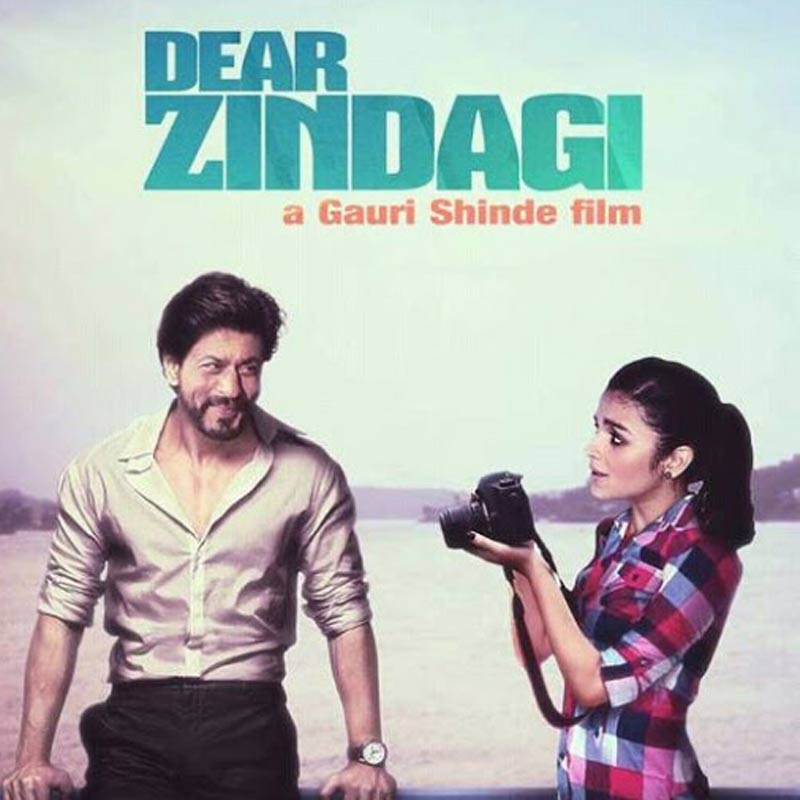
    Dear Zindagi is Shinde’s second go as a writer-director. She had the added advantage of an all-stars cast with Shah Rukh Khan and Alia Bhatt along with Kunal Kapoor, Angad Bedi, Ali Zafar and Ira Dubey. With this, exhibitors saw a ray of hope for their empty cinema halls.

    It is designed to be a contemporary tale about career-oriented independent girls, Alia, Ira and Yashswini Dayama. Alia is working with film unit and is just making a name for herself as an accomplished cinematographer. While she has made independent ad films and fills in for chief cinematographer’s absence. However, she craves for a big break.

    Off work, all three live life to the fullest. While Ira is married and happy, Alia has a problem settling down with one guy. She has an ex, current and a future boyfriend all lined up. She has her own justifications for her actions and she is casual about sleeping with Kunal Kapoor while going steady with Bedi and also telling him about it matter-of-factly.

    The film seemed to be all about adventurous young women charting their careers and taking life as it comes. But, that is not it. This film is about a working girl’s complexes borne out of her childhood and her perceived deception by her own parents. All this young women pubbing, dancing, taking to guys (in the case of Alia) and discarding them has little relevance to the main theme of the film, yet it lasts for over an hour into the film until Shah Rukh Khan and Alia’s problems are finally introduced.

    Alia is out on a shoot at a hotel in Goa where she overhears speakers at a conference talking on psychiatry. She finds it boring till she hears the voice of Shah Rukh Khan, also a psychiatrist. She realizes she needs a psychiatric help; DD or Deemag Ka Doctor, as she refers to the creed. 

    Shah Rukh is a shrink unlike any other. Even at the conference, he is casually dressed while rest of his creed dons three-piece suits. Alia is now his new patient. A bit of first half of the film and almost all of the second half consists of the conversation between Alia and Shah Rukh. She mumbles her problems and Shah Rukh sort of defines them. The viewer is left out totally. As is her wont, by this time, Alia is head over heels in love with Shah Rukh; the psychiatrist in Shah Rukh does not seem to have worked on her!

    Okay, so her sessions with Shah Rukh have made her come to terms with her parents; not that her reasons to rebel had justification in the first place.

    Dear Zindagi is one never-ending saga of an insecure girl, Alia. While the first one hour and some minutes stress the need for her to find a shrink, the second half is about her and the shrink, Shah Rukh. This accounts for the 2 hours 30 minutes of the film running time.

    The film is based on a feeble theme; psychiatry is not yet a well-known Indian concept. Here, the best healers are still the temples, soothsayers and festivals. Even the way the doctor-patient session is handled is copybook West, with nothing Indian about it. 

    The director loses control over her film in the face of an uncertain script, leading to a boring and monotonous outcome. With economy in mind, the film moves only between a studio in Mumbai for a couple of shots to a bungalow location in Goa. The same is the case when it comes to spending on props and costumes. 

    The smart one-liners, which add some spice to the initial parts of the film, soon dry out. Editing is poor and songs lack appeal.

    Performance-wise, the film depends mostly on Alia; she starts off well but in this marathon film, she tends to get repetitive after a while as a pout here and there and making faces can go only so far. Shah Rukh, as a psychiatrist who is not supposed to look like a psychiatrist, with his own broken family and an attitude, tries to underplay to limited effect. Ira Dubey and Yashaswini Dayam both impress. Boys on the roaster have little to do.

    Dear Zindagi is a pretentious film, at the end of which a viewer is bound to feel the need for some consultations and remedy. With a limited screen release and avoiding single screens as far as possible, the film should get a fair opening but, the box office prospects will taper down after the initial compulsive moviegoer is done with it.

    Producers: Karan Johar, Gauri Shinde.

    Director: Gauri Shinde.

    Cast: Shah Rukh Khan, Gauri Shinde, Kunal Kapoor, Angad Bedi, Ira Dubey, Yashswini Dayama, Ali Zafar.

    Moh Maya Money….predictable

    As the title explains, Moh Maya Money is about lure of money. A middleclass dream but not easy to attain and, hence, leading to a quick-fix moneymaking idea ending in a scam.

    Ranvir Shorey’s character, working for a real estate broker in Delhi, dreams big and has a devious mind to give shape to his dreams. His job at a real estate firms pays him a pittance besides what he can make from skimming from deals. But he watches big monies change hands all the time. His wife, Neha Dhupia, a news channel producer, does not support with him but he decides to carry out the scam anyway.

    Ranvir borrows from toughies and buys a plot but the deal backfires. The goons are after him to recover their money and Ranvir has no place to escape. Though unwilling, Neha also gets involved in the mess.

    Ranvir now devises a plan to dodge his debtors but he needs Neha to cooperate. Neha also has her own secrets and a motive to help Ranvir.

    The film shows the murkier side of the real estate business in Delhi which, actually, is the same all over. The film has an interesting idea and an enjoyable first half. But, as it proceeds into the second part, it loses grip as it trudges towards a predictable end.

    Ranvir as a typical smooth-talker is thoroughly convincing. Neha Dhupia gives a good account of herself. The direction is good in parts. The film has no scope for songs and dance and have been skirted. Moh Maya Money has no box office prospects.

    Producer/ Director: Munish Bhardwaj.

    Cast: Ranvir Shorey, Neha Dhupia.

  • Dear Zindagi…….Tests your patience!

    Dear Zindagi…….Tests your patience!

    Director Gauri Shinde made her mark in 2012 with a simple film with a universal appeal, English Vinglish, about a housewife who felt distanced from her husband and two children because she could not communicate in English. With an interesting and novel concept and a seasoned performance by Sridevi, the film met with a lot of appreciation and reasonable commercial success establishing the director as a promising filmmaker.

    Dear Zindagi is Shinde’s second go as a writer-director. She had the added advantage of an all-stars cast with Shah Rukh Khan and Alia Bhatt along with Kunal Kapoor, Angad Bedi, Ali Zafar and Ira Dubey. With this, exhibitors saw a ray of hope for their empty cinema halls.

    It is designed to be a contemporary tale about career-oriented independent girls, Alia, Ira and Yashswini Dayama. Alia is working with film unit and is just making a name for herself as an accomplished cinematographer. While she has made independent ad films and fills in for chief cinematographer’s absence. However, she craves for a big break.

    Off work, all three live life to the fullest. While Ira is married and happy, Alia has a problem settling down with one guy. She has an ex, current and a future boyfriend all lined up. She has her own justifications for her actions and she is casual about sleeping with Kunal Kapoor while going steady with Bedi and also telling him about it matter-of-factly.

    The film seemed to be all about adventurous young women charting their careers and taking life as it comes. But, that is not it. This film is about a working girl’s complexes borne out of her childhood and her perceived deception by her own parents. All this young women pubbing, dancing, taking to guys (in the case of Alia) and discarding them has little relevance to the main theme of the film, yet it lasts for over an hour into the film until Shah Rukh Khan and Alia’s problems are finally introduced.

    Alia is out on a shoot at a hotel in Goa where she overhears speakers at a conference talking on psychiatry. She finds it boring till she hears the voice of Shah Rukh Khan, also a psychiatrist. She realizes she needs a psychiatric help; DD or Deemag Ka Doctor, as she refers to the creed. 

    Shah Rukh is a shrink unlike any other. Even at the conference, he is casually dressed while rest of his creed dons three-piece suits. Alia is now his new patient. A bit of first half of the film and almost all of the second half consists of the conversation between Alia and Shah Rukh. She mumbles her problems and Shah Rukh sort of defines them. The viewer is left out totally. As is her wont, by this time, Alia is head over heels in love with Shah Rukh; the psychiatrist in Shah Rukh does not seem to have worked on her!

    Okay, so her sessions with Shah Rukh have made her come to terms with her parents; not that her reasons to rebel had justification in the first place.

    Dear Zindagi is one never-ending saga of an insecure girl, Alia. While the first one hour and some minutes stress the need for her to find a shrink, the second half is about her and the shrink, Shah Rukh. This accounts for the 2 hours 30 minutes of the film running time.

    The film is based on a feeble theme; psychiatry is not yet a well-known Indian concept. Here, the best healers are still the temples, soothsayers and festivals. Even the way the doctor-patient session is handled is copybook West, with nothing Indian about it. 

    The director loses control over her film in the face of an uncertain script, leading to a boring and monotonous outcome. With economy in mind, the film moves only between a studio in Mumbai for a couple of shots to a bungalow location in Goa. The same is the case when it comes to spending on props and costumes. 

    The smart one-liners, which add some spice to the initial parts of the film, soon dry out. Editing is poor and songs lack appeal.

    Performance-wise, the film depends mostly on Alia; she starts off well but in this marathon film, she tends to get repetitive after a while as a pout here and there and making faces can go only so far. Shah Rukh, as a psychiatrist who is not supposed to look like a psychiatrist, with his own broken family and an attitude, tries to underplay to limited effect. Ira Dubey and Yashaswini Dayam both impress. Boys on the roaster have little to do.

    Dear Zindagi is a pretentious film, at the end of which a viewer is bound to feel the need for some consultations and remedy. With a limited screen release and avoiding single screens as far as possible, the film should get a fair opening but, the box office prospects will taper down after the initial compulsive moviegoer is done with it.

    Producers: Karan Johar, Gauri Shinde.

    Director: Gauri Shinde.

    Cast: Shah Rukh Khan, Gauri Shinde, Kunal Kapoor, Angad Bedi, Ira Dubey, Yashswini Dayama, Ali Zafar.

    Moh Maya Money….predictable

    As the title explains, Moh Maya Money is about lure of money. A middleclass dream but not easy to attain and, hence, leading to a quick-fix moneymaking idea ending in a scam.

    Ranvir Shorey’s character, working for a real estate broker in Delhi, dreams big and has a devious mind to give shape to his dreams. His job at a real estate firms pays him a pittance besides what he can make from skimming from deals. But he watches big monies change hands all the time. His wife, Neha Dhupia, a news channel producer, does not support with him but he decides to carry out the scam anyway.

    Ranvir borrows from toughies and buys a plot but the deal backfires. The goons are after him to recover their money and Ranvir has no place to escape. Though unwilling, Neha also gets involved in the mess.

    Ranvir now devises a plan to dodge his debtors but he needs Neha to cooperate. Neha also has her own secrets and a motive to help Ranvir.

    The film shows the murkier side of the real estate business in Delhi which, actually, is the same all over. The film has an interesting idea and an enjoyable first half. But, as it proceeds into the second part, it loses grip as it trudges towards a predictable end.

    Ranvir as a typical smooth-talker is thoroughly convincing. Neha Dhupia gives a good account of herself. The direction is good in parts. The film has no scope for songs and dance and have been skirted. Moh Maya Money has no box office prospects.

    Producer/ Director: Munish Bhardwaj.

    Cast: Ranvir Shorey, Neha Dhupia.

  • ‘Madaari’ rides on cast; ‘M Cream’  bores

    ‘Madaari’ rides on cast; ‘M Cream’ bores

    MUMBAI: Madaari arouses curiosity mainly because of its star cast combination of Irrfan Khan and Jimmy Shergill. As expected, they are on opposite sides of the law. Also, the film packs one of the favourite themes of the masses: a common man against the establishment.

    Irrfan is stalking two young boys, both hostelites somewhere in Uttarakhand. The boys, Vishesh Bansal and Sadhil Kapoor, love to defy the hostel regulations. They have timed the sentry’s checkup visits to the dormitory and, accordingly, every night between 12 midnight and 4 am they jump over the hostel premises to go have midnight meals at the roadside thelas. They get their kick out of this act.

    Unknown to Vishesh and Sadhil, they are being observed keenly by a scary looking man with longish hair and a beard, Irrfan. He is also seen inquiring about the boys from the food vendor. And, soon enough, he has kidnapped both the boys. While he lets off Sadhil, he has a serious reason for kidnapping Vishesh: he has an axe to grind with Vishesh’s father, Tushar Dalvi, who is the home minister (there is a bit of confusion here as one can’t really determine if this is a state subject or related to the central government.).

    Irrfan is an aggrieved person in that he was a single parent of a boy who he doted on. One day, lured by an opportunity to earn some extra money, he lets his son go to school on his own instead of dropping him there as has been his routine. But, within minutes of son and father parting, there is a tragedy. A bridge in the area has collapsed and one of the victims is Irrfan’s son. Had Irrfan gone to drop his son off, he would have perished too.

    Irrfan survives and now wants accountability. And what better than kidnapping the home minister’s son and force him to tow your lines? Soon, the whole legal force is out to track Irrfan though they still don’t know who the kidnapper is. The case is handed over to Shergill, who soon understands that the kidnap is not for ransom and the kidnapper has a solid motive. Also, that he is a computer savvy, educated man.

    As the manhunt starts, this turns into a road movie. Irrfan keeps moving from place to place so that his calls are not tracked. That is till the cops release Irrfan’s and Vishesh’s pictures. But, meanwhile, Irrfan has not only won over Vishesh to his side but also, thanks to the media, the general public. People are always with the underdog.

    The film moves towards the tried and tested climax; it is Irrfan vs. corrupt politicians with masses playing the referee thanks to the media.

    As mentioned at the onset, the main attraction in Madaari is its cast. As for the rest, the film offers nothing original. Public works and corruption? The earliest film I remember about building bridges which end in tragedy,  is Aadmi Aur Insaan (B R Films: 1969), which had a friendship background, Jaane Bhi Do Yaaro (Kundan Shah: 1983) had comedy as its main theme and there are many others. As for the kidnapping for justice, Gabbar Is Back was a recent release with similar theme. And the cops vs. Irrfan treatment is very much akin to the acclaimed film, A Wednesday!. And, of course, the climax of using the media to involve the public to witness the final confessions has now become as much a part of our films as are songs and dance routines!
    The scripting is taut initially but, as soon as Irrfan’s identity is known, the film loses some of its holding power. Also, the way it goes about, it offers no surprises or twists. It also leaves a lot unexplained as to the locale of the story, the wife deserting Irrfan and leaving a kid behind at a time he needed nursing and other such points. Direction goes by the script and does not rise beyond its limitations. Music has situational utility. Cinematography is good as it juxtaposes scenic northern mountains against barren Rajasthan landscapes.

    Irrfan is excellent. The film is woven around his character and he makes the most of it. Shergill proves a perfect foil with his restrained performance as well as his very presence. Young Vishesh impresses.

    Madaari has limited appeal, especially for the gentry.

    Producers: Irrfan Khan, Shailesh Singh, Madan Paliwal, Sutapa Sikdar, Shailja Kejriwal.

    Director: Nishikant Kamat.

    Cast: Irrfan Khan, Vishesh Bansal, Jimmy Shergill, Tushar Dalvi, Nitesh Pandey, Sadhil Kapoor.
     
     
    M Cream …..Trip to boredom!

    M Cream may be called a personal movie in that, if the film bore relevance to anybody, it would be to its makers. It is about four college youth perpetually on alcohol and drugs but the ones affected and on a high, it seems, are the makers. It is a product of indulgence. In fact, if at all, then the film tries to pick up events from the late 1960s and transpose them to today! To attribute a genre to the film, it is a road movie.

    Imaad Shah, Ira Dubey, Raaghav Chanana and Aurita Ghosh are Delhi University students who are seen anywhere but the university campus. They seem to live in their own world and are always sufficiently stocked with alcohol, drugs and cigarettes. If at all they take a break from these indulgence, it is for sex.

    Since their lives revolve around booze and drugs, they feel the need to go search for this mythical wonder hashish, M Cream, said to be found only in the Himalayas. The preparation contains mainly of alcohol stock. The group decides to drop in at Dharamshala, the city of the Dalai Lama. On the way, the equations seem to be changing between these two couples. Imaad,who was earlier attracted to Aurita, is now inclined towards Ira while Aurita shacks up with Raaghav.

    Their life is now about travelling through picturesque Himalayan tracks or eating, drinking and smoking when not travelling. Their next stop is at some sort of joint run by Barry John who enlightens them further on drugs and also gives them their first experience with LSD. Of course, wherever they go, there are groups of hippies stocked up with drugs waiting to welcome them, play music and have wild dance parties.

    For the sake of some kind of movement, the friends fight and the couples part ways. Imaad and Ira are left on their own. Whether they discover M Cream or not, they sure end up discovering each other!

    The film has soulful music, a fusion of songs you can hear again and again on a long drive. Shubha Mudgal along with a couple of foreign artists renders racy songs.

    If the film tries to take you back to the hippie era, it fails badly as the makers seem to have no clue about that age and time. For, if anything changed the world, people and way of life after WW2  more drastically, it was the 1960s and early 70s.

    Producer: Agniputra Films.

    Director: Agneya Singh.

    Cast: Imaad Shah, Ira Dubey, Barry John, Auritra Ghosh, Raaghav Chanana, Tom Alter, Lushin Dubey, Beatrice Ordeix.
     

  • ‘Madaari’ rides on cast; ‘M Cream’  bores

    ‘Madaari’ rides on cast; ‘M Cream’ bores

    MUMBAI: Madaari arouses curiosity mainly because of its star cast combination of Irrfan Khan and Jimmy Shergill. As expected, they are on opposite sides of the law. Also, the film packs one of the favourite themes of the masses: a common man against the establishment.

    Irrfan is stalking two young boys, both hostelites somewhere in Uttarakhand. The boys, Vishesh Bansal and Sadhil Kapoor, love to defy the hostel regulations. They have timed the sentry’s checkup visits to the dormitory and, accordingly, every night between 12 midnight and 4 am they jump over the hostel premises to go have midnight meals at the roadside thelas. They get their kick out of this act.

    Unknown to Vishesh and Sadhil, they are being observed keenly by a scary looking man with longish hair and a beard, Irrfan. He is also seen inquiring about the boys from the food vendor. And, soon enough, he has kidnapped both the boys. While he lets off Sadhil, he has a serious reason for kidnapping Vishesh: he has an axe to grind with Vishesh’s father, Tushar Dalvi, who is the home minister (there is a bit of confusion here as one can’t really determine if this is a state subject or related to the central government.).

    Irrfan is an aggrieved person in that he was a single parent of a boy who he doted on. One day, lured by an opportunity to earn some extra money, he lets his son go to school on his own instead of dropping him there as has been his routine. But, within minutes of son and father parting, there is a tragedy. A bridge in the area has collapsed and one of the victims is Irrfan’s son. Had Irrfan gone to drop his son off, he would have perished too.

    Irrfan survives and now wants accountability. And what better than kidnapping the home minister’s son and force him to tow your lines? Soon, the whole legal force is out to track Irrfan though they still don’t know who the kidnapper is. The case is handed over to Shergill, who soon understands that the kidnap is not for ransom and the kidnapper has a solid motive. Also, that he is a computer savvy, educated man.

    As the manhunt starts, this turns into a road movie. Irrfan keeps moving from place to place so that his calls are not tracked. That is till the cops release Irrfan’s and Vishesh’s pictures. But, meanwhile, Irrfan has not only won over Vishesh to his side but also, thanks to the media, the general public. People are always with the underdog.

    The film moves towards the tried and tested climax; it is Irrfan vs. corrupt politicians with masses playing the referee thanks to the media.

    As mentioned at the onset, the main attraction in Madaari is its cast. As for the rest, the film offers nothing original. Public works and corruption? The earliest film I remember about building bridges which end in tragedy,  is Aadmi Aur Insaan (B R Films: 1969), which had a friendship background, Jaane Bhi Do Yaaro (Kundan Shah: 1983) had comedy as its main theme and there are many others. As for the kidnapping for justice, Gabbar Is Back was a recent release with similar theme. And the cops vs. Irrfan treatment is very much akin to the acclaimed film, A Wednesday!. And, of course, the climax of using the media to involve the public to witness the final confessions has now become as much a part of our films as are songs and dance routines!
    The scripting is taut initially but, as soon as Irrfan’s identity is known, the film loses some of its holding power. Also, the way it goes about, it offers no surprises or twists. It also leaves a lot unexplained as to the locale of the story, the wife deserting Irrfan and leaving a kid behind at a time he needed nursing and other such points. Direction goes by the script and does not rise beyond its limitations. Music has situational utility. Cinematography is good as it juxtaposes scenic northern mountains against barren Rajasthan landscapes.

    Irrfan is excellent. The film is woven around his character and he makes the most of it. Shergill proves a perfect foil with his restrained performance as well as his very presence. Young Vishesh impresses.

    Madaari has limited appeal, especially for the gentry.

    Producers: Irrfan Khan, Shailesh Singh, Madan Paliwal, Sutapa Sikdar, Shailja Kejriwal.

    Director: Nishikant Kamat.

    Cast: Irrfan Khan, Vishesh Bansal, Jimmy Shergill, Tushar Dalvi, Nitesh Pandey, Sadhil Kapoor.
     
     
    M Cream …..Trip to boredom!

    M Cream may be called a personal movie in that, if the film bore relevance to anybody, it would be to its makers. It is about four college youth perpetually on alcohol and drugs but the ones affected and on a high, it seems, are the makers. It is a product of indulgence. In fact, if at all, then the film tries to pick up events from the late 1960s and transpose them to today! To attribute a genre to the film, it is a road movie.

    Imaad Shah, Ira Dubey, Raaghav Chanana and Aurita Ghosh are Delhi University students who are seen anywhere but the university campus. They seem to live in their own world and are always sufficiently stocked with alcohol, drugs and cigarettes. If at all they take a break from these indulgence, it is for sex.

    Since their lives revolve around booze and drugs, they feel the need to go search for this mythical wonder hashish, M Cream, said to be found only in the Himalayas. The preparation contains mainly of alcohol stock. The group decides to drop in at Dharamshala, the city of the Dalai Lama. On the way, the equations seem to be changing between these two couples. Imaad,who was earlier attracted to Aurita, is now inclined towards Ira while Aurita shacks up with Raaghav.

    Their life is now about travelling through picturesque Himalayan tracks or eating, drinking and smoking when not travelling. Their next stop is at some sort of joint run by Barry John who enlightens them further on drugs and also gives them their first experience with LSD. Of course, wherever they go, there are groups of hippies stocked up with drugs waiting to welcome them, play music and have wild dance parties.

    For the sake of some kind of movement, the friends fight and the couples part ways. Imaad and Ira are left on their own. Whether they discover M Cream or not, they sure end up discovering each other!

    The film has soulful music, a fusion of songs you can hear again and again on a long drive. Shubha Mudgal along with a couple of foreign artists renders racy songs.

    If the film tries to take you back to the hippie era, it fails badly as the makers seem to have no clue about that age and time. For, if anything changed the world, people and way of life after WW2  more drastically, it was the 1960s and early 70s.

    Producer: Agniputra Films.

    Director: Agneya Singh.

    Cast: Imaad Shah, Ira Dubey, Barry John, Auritra Ghosh, Raaghav Chanana, Tom Alter, Lushin Dubey, Beatrice Ordeix.
     

  • Ratan Thiyam bags Lifetime Award, Mein Huun Yusuf aur Yeh Hai Mera Bhai bags four awards at annual Theatre Awards

    Ratan Thiyam bags Lifetime Award, Mein Huun Yusuf aur Yeh Hai Mera Bhai bags four awards at annual Theatre Awards

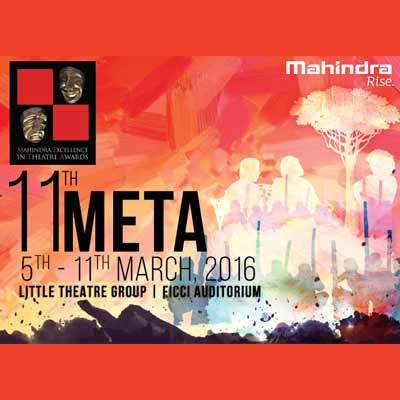
    NEW DELHI: National School of Drama Chairman Ratan Thiyam was conferred the lifetime achievement award at the 11th Mahindra Excellence in Theatre Awards (META) last night.

    The annual awards, which recognize excellence in theatre nationally, celebrate the intrinsic diversity and rich cultural traditions of India.

    META is India’s most comprehensive award and a premier honour for the theatre fraternity, awarding on-stage and off-stage talent across 14 award categories including the Lifetime Achievement Award. 

    The glittering award night saw the presence of Kalki Koechlin, Shabana Azmi, Lillete Dubey, Ira Dubey and performance by Niazi Nizami Brothers, Shabnam Virmani and Goura Prema. The META Awards Night was hosted by Kabir Bedi and Shivani Wazir

    Mein Huun Yusuf aur Yeh Hai Mera Bhai stole the limelight, bagging four awards (Best Direction, Best Production, Best Light Design, Best Sound/Music Design) and a Jury Special Mention for Best Actor in a Lead role (Male).

    Noted theatre guru and Padma Shri recipient Ratan Thiyam receive his award from Shabana Azmi. The Lifetime Achievement Award carries with a prize money of Rs. 5 lakh.

    Thiyam said, “I feel deeply honoured by this prestigious award. It’s a kind of gesture of encouragement for us who are working in the field of theatre. I am happy.”

    The 2016 META Jury comprised author Kunal Basu, actor Kusum Haider, director and theatre and film actor M.K. Raina, dancer- choreographer Tanushree Shankar, and actor-director Sushma Seth.

    Plays in diverse Indian Languages shone at the META Awards Nights this year with Shantanu Ghosh and Dyuti Ghosh of the Bengali play Haoai – The Eleventh Planet bagging the META for Best Actor in Supporting Role – Male & Female respectively for their portrayals of the shy Polu and the excitable Mrinmoyee.

    The Best Original Script was won by Kannada play Akshayambhara with its unique amalgamation of modern theatrical tools and the traditional Yakshagana dance theatre creating a contemporary narrative raising questions on female representation and male ownership. Prasad Cherkady, who plays a male actor in streevesha as Draupadi inAkshayambhara, won the Best Actor in Lead Role (Male).

    Sayalee Phatak won the Best Actor in Lead role (Female) for her depiction of the aggressive but troubled Mitra in search for her sexual identity in the play A Friend’s Story, an English adaptation of Vijay Tendulkar’s brilliant Marathi drama, Mitrachi Goshta.

    Malayalam play The Balcony was awarded the Best Costume Design for the authenticity of the costumes which transported the audience into the world of the production and Tamil play Kuhaimaravasigal bagged the Best Choreography Award for the rustic quality of the movements which were well in tune with the symbolism depicted all through the play.

    A unique stage adaptation of the 1920’s German silent horror film, The Cabinet of Dr. Caligari – set inside a rundown warehouse space featuring distinctive on-stage elements – won Best Stage Design.

    The Best Ensemble was presented to 07/07/07 based on the legal battle to save Reyhaneh Jabbari from the gallows.

    A spate of performances celebrated theatre’s big night and enthralled the audence including Qawalli by the Niazi Nizami Brothers, Shabnam Virmani’s spiritual musical journey through an exploration of Kabir’s poetry, a contemporary meets classical dance performance by Goura Prema and the Natya Nectar Dance Company and award-winning actress Kalki Koechlin’s chilling rendition of her poem The Printing Machine.

    Jay Shah, Head of Cultural Outreach, Mahindra and Mahindra Ltd., said, “Every passing year of META strengthens our commitment to theatre. Seeing the astonishing levels of talent in our country and playing a role in bringing this to the nation’s notice fills the Mahindra Group with immense pride and satisfaction. This year was no different – it deepened our admiration for both theatre folks and audience.”

    Over the past few days, theatre enthusiasts in the capital were treated with a feast of 10 nominated productions from across the country, which were showcased on the META stage this year. The bevy of topics included contemporary interpretations of mythological texts, prostitution, molestation, false executions, human-like obsession, jealousy, betrayal and search for redemption.

    Commenting on META 2016 Teamwork Arts MD and Producer META Sanjoy Roysaid, “With every passing year META has witnessed trend-setting plays which have reflected the diversity of India and shone a light on the many issues that continue to challenge the world in these times.” 

  • Ratan Thiyam bags Lifetime Award, Mein Huun Yusuf aur Yeh Hai Mera Bhai bags four awards at annual Theatre Awards

    Ratan Thiyam bags Lifetime Award, Mein Huun Yusuf aur Yeh Hai Mera Bhai bags four awards at annual Theatre Awards

    NEW DELHI: National School of Drama Chairman Ratan Thiyam was conferred the lifetime achievement award at the 11th Mahindra Excellence in Theatre Awards (META) last night.

    The annual awards, which recognize excellence in theatre nationally, celebrate the intrinsic diversity and rich cultural traditions of India.

    META is India’s most comprehensive award and a premier honour for the theatre fraternity, awarding on-stage and off-stage talent across 14 award categories including the Lifetime Achievement Award. 

    The glittering award night saw the presence of Kalki Koechlin, Shabana Azmi, Lillete Dubey, Ira Dubey and performance by Niazi Nizami Brothers, Shabnam Virmani and Goura Prema. The META Awards Night was hosted by Kabir Bedi and Shivani Wazir

    Mein Huun Yusuf aur Yeh Hai Mera Bhai stole the limelight, bagging four awards (Best Direction, Best Production, Best Light Design, Best Sound/Music Design) and a Jury Special Mention for Best Actor in a Lead role (Male).

    Noted theatre guru and Padma Shri recipient Ratan Thiyam receive his award from Shabana Azmi. The Lifetime Achievement Award carries with a prize money of Rs. 5 lakh.

    Thiyam said, “I feel deeply honoured by this prestigious award. It’s a kind of gesture of encouragement for us who are working in the field of theatre. I am happy.”

    The 2016 META Jury comprised author Kunal Basu, actor Kusum Haider, director and theatre and film actor M.K. Raina, dancer- choreographer Tanushree Shankar, and actor-director Sushma Seth.

    Plays in diverse Indian Languages shone at the META Awards Nights this year with Shantanu Ghosh and Dyuti Ghosh of the Bengali play Haoai – The Eleventh Planet bagging the META for Best Actor in Supporting Role – Male & Female respectively for their portrayals of the shy Polu and the excitable Mrinmoyee.

    The Best Original Script was won by Kannada play Akshayambhara with its unique amalgamation of modern theatrical tools and the traditional Yakshagana dance theatre creating a contemporary narrative raising questions on female representation and male ownership. Prasad Cherkady, who plays a male actor in streevesha as Draupadi inAkshayambhara, won the Best Actor in Lead Role (Male).

    Sayalee Phatak won the Best Actor in Lead role (Female) for her depiction of the aggressive but troubled Mitra in search for her sexual identity in the play A Friend’s Story, an English adaptation of Vijay Tendulkar’s brilliant Marathi drama, Mitrachi Goshta.

    Malayalam play The Balcony was awarded the Best Costume Design for the authenticity of the costumes which transported the audience into the world of the production and Tamil play Kuhaimaravasigal bagged the Best Choreography Award for the rustic quality of the movements which were well in tune with the symbolism depicted all through the play.

    A unique stage adaptation of the 1920’s German silent horror film, The Cabinet of Dr. Caligari – set inside a rundown warehouse space featuring distinctive on-stage elements – won Best Stage Design.

    The Best Ensemble was presented to 07/07/07 based on the legal battle to save Reyhaneh Jabbari from the gallows.

    A spate of performances celebrated theatre’s big night and enthralled the audence including Qawalli by the Niazi Nizami Brothers, Shabnam Virmani’s spiritual musical journey through an exploration of Kabir’s poetry, a contemporary meets classical dance performance by Goura Prema and the Natya Nectar Dance Company and award-winning actress Kalki Koechlin’s chilling rendition of her poem The Printing Machine.

    Jay Shah, Head of Cultural Outreach, Mahindra and Mahindra Ltd., said, “Every passing year of META strengthens our commitment to theatre. Seeing the astonishing levels of talent in our country and playing a role in bringing this to the nation’s notice fills the Mahindra Group with immense pride and satisfaction. This year was no different – it deepened our admiration for both theatre folks and audience.”

    Over the past few days, theatre enthusiasts in the capital were treated with a feast of 10 nominated productions from across the country, which were showcased on the META stage this year. The bevy of topics included contemporary interpretations of mythological texts, prostitution, molestation, false executions, human-like obsession, jealousy, betrayal and search for redemption.

    Commenting on META 2016 Teamwork Arts MD and Producer META Sanjoy Roysaid, “With every passing year META has witnessed trend-setting plays which have reflected the diversity of India and shone a light on the many issues that continue to challenge the world in these times.” 

  • Indian film on youth theme closes Rhode Film Festival

    Indian film on youth theme closes Rhode Film Festival

    NEW DELHI: The debut film by Agneya, ‘M Cream’, was the closing film of the 18th Rhode Island International Film Festival over the weekend, marking its world premiere.


    Shot in New Delhi and Himachal Pradesh, ‘M Cream’, features Imaad Shah, Ira Dubey, Tom Alter, Barry John and Auritra Ghosh. ‘M Cream’ revolves around “a motley crew of university students, who set out on a journey in the pursuit of a mythical form of hashish, confronting a series of encounters that begin to unravel the myriad realities of rebellion.”


    The Festival held from 5 to 10 August also screen ‘Points of Origin’, a short film directed by Anya Leta from India, which explores the emotional conflicts of an American couple while attempting to have a baby with a surrogate mother in India.


    ‘Global Village’ (India/USA), a short documentary by Ezra Millstein, about two families from India and the United States, who work together to help build a new Habitat for Humanity home, will also be screened at the festival.