Tag: IPTL

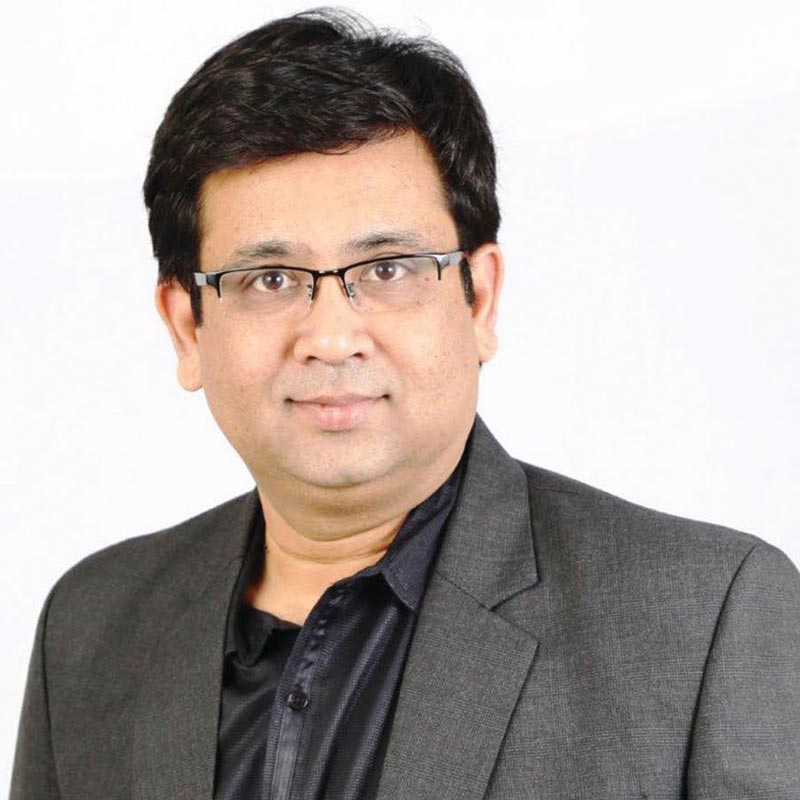
  • Rajeev Khanna is Abu Dhabi T10 COO

    Rajeev Khanna is Abu Dhabi T10 COO

    MUMBAI: The cricket league Abu Dhabi T10 announces the appointment of Rajeev Khanna as COO for the upcoming season of the tournament, wherein he will be responsible for the overall management and the competition’s operations.

    Khanna, who is a former cricket player, has been a pioneer in the field of sports management. He has converted his passion for sports into a career with tenures at leagues such as the Indian Premier League (IPL), Pro Kabaddi League and International Tennis Premier League.

    Khanna has been working in the IPL since 2009. He has served as Punjab Kings, COO at Rajasthan Royals, VP at Rajasthan Royals and currently as a consultant for Rajasthan Royals. Through the years, he has been able to bring about a phenomenal change in the ways of sports management at the highest stage.  

    Khanna said, “The Abu Dhabi T10 is the most exhilarating cricket tournament in the world and therefore, I am very excited to join the bandwagon as the COO of the competition. I will definitely look to ensure that the legacy of the tournament continues to grow exponentially and becomes an even bigger attraction for the stars of the game in the future.”

    T10 Sports Management chairman Shaji Ul Mulk said, “Rajeev Khanna has achieved great heights during his career and we are very excited to welcome him to the Abu Dhabi T10 family. I am sure that our tournament will benefit hugely from his experience, and we look forward to a long and fruitful relationship with him.”

    The Abu Dhabi T10 will be played at the Zayed Cricket Stadium in Abu Dhabi from 23 November – 4 December 2022.

  • Corporate funding vital for sports development: KPMG-CII

    Corporate funding vital for sports development: KPMG-CII

    MUMBAI: The global sports market comprising infrastructure, events, sponsorship, training and manufacturing and retail of sports goods is estimated at Rs 37.8–44.2 lakh crore (USD 600–700 billion), accounting for approximately one per cent of the global GDP.

    According to the report titled, “The Business of Sports” launched today by KPMG in India in association with CII during the summit on “Business of Sports and Entertainment”, over the years sports has evolved as a noticeable sector for all economies, presenting myriad careers as well as business opportunities. Further, sports contributes significantly towards improving the overall health and well-being of a country. Interesting trends driving the global sports sector highlighted in this report are:

    • Technology has gradually made its presence felt through applications across the entire value chain of sports business

    • Like in other industries, social media is acting as a game changer in the sports sector too. A large number of sportspersons also use the medium to connect with their fans and endorse their brand affiliations

    • Amongst the devoted sports enthusiasts globally, 45 per cent prefer viewing sports content online

    • There has been an upsurge in global women viewership for sports events. In India too, women are increasingly comprising a significant portion of the viewership pie

    Shrinivas Dempo, chairman, CII summit, and CMD, Dempo Shipbuilding & Engineering said, “The last 5-7 years have been the most dynamic for the sports industry in India with some fundamental changes. Sports not only provides an active branding and marketing opportunity to investors, but has also created value for fans all across. Addition of various sporting leagues in India have invited tremendous support and presence of corporate sector.”

    While presenting an overview of the global and Indian sports market, the report explores and assesses the sports ecosystem in India, identifies the various stakeholders concerned and addresses their specific issues and challenges while attempting to highlight the common grounds between all stakeholders to enhance the development of sports in India.

    According to Jaideep Ghosh, partner and head, transport, leisure and sports, KPMG, in India, “In February 2016, the government accorded an industry status to sports infrastructure, which is expected to attract investments from the private sector, thereby not limiting its role to just corporate social responsibility (CSR) activities and non-profit organisations.”

    Increasing viewership, sponsorship and participation in sports other than cricket, a rising number of sports start-ups and the growth in rural viewership numbers are key trends driving the growth of this sector in India. The report further highlights encouraging aspects of sports landscape in India, as below:

    • Indian sports viewership (TV) numbers grew 30 per cent over the two year period between 2014 and 2015

    • In 2015, the Indian sports sponsorship market grew 6.7 per cent y-o-y to INR 5,190 crore

    • Sports consumption in India is on the rise with leagues as well international sports garnering strong support across multiple platforms. While India is a latecomer, the concept is rapidly covering ground. Of the 11 operational leagues, nine were launched during 2013–16 and two more are planned in 2016

    • Regional games packaged in interesting league formats have been successful in garnering rural viewership as well

    The report identifies key issues facing the sports ecosystem in India across segments of governance, sports events, and infrastructure development among others, while offering recommendations to tackle these problems. It also presents a comprehensive view of the governance structure of sports in India, outlining the roles and responsibilities of major governing entities.

    “India is facing a moment of truth after its performance at the 2016 Rio Olympics. To initiate a strong foundation for the development of sports in India, the country needs to focus on three major aspects — improving governance and infrastructure, building a sporting culture and deploying a focused approach to winning medals,” added Jaideep Ghosh.

    The early success achieved by league-based events across multiple sports indicates a strong potential for Indians to consume sports other than cricket. This growing popularity of the league format in India resonates across the report. The league culture is still in its nascent stages in India, in comparison to the U.S. and Europe. IPL established a successful model for packaging and marketing. 2014 saw the emergence of some potentially successful leagues, including PKL, ISL, IPTL and CTL. However, the business of leagues requires high investments and has long gestation periods. In order to drive team success in leagues, the report suggests significant focus on fan engagement and marketing, celebrity influence, geographic location and better overall management apart from on field performance.

    India has a long journey ahead on its path to developing a strong sports culture. It needs to begin at the base, and that is what will build the future.

    KPMG in India, the Indian member firm of KPMG International, strives to provide rapid, performance-based, industry-focused and technology-enabled services, which reflects a shared knowledge of global and local industries.

  • Corporate funding vital for sports development: KPMG-CII

    Corporate funding vital for sports development: KPMG-CII

    MUMBAI: The global sports market comprising infrastructure, events, sponsorship, training and manufacturing and retail of sports goods is estimated at Rs 37.8–44.2 lakh crore (USD 600–700 billion), accounting for approximately one per cent of the global GDP.

    According to the report titled, “The Business of Sports” launched today by KPMG in India in association with CII during the summit on “Business of Sports and Entertainment”, over the years sports has evolved as a noticeable sector for all economies, presenting myriad careers as well as business opportunities. Further, sports contributes significantly towards improving the overall health and well-being of a country. Interesting trends driving the global sports sector highlighted in this report are:

    • Technology has gradually made its presence felt through applications across the entire value chain of sports business

    • Like in other industries, social media is acting as a game changer in the sports sector too. A large number of sportspersons also use the medium to connect with their fans and endorse their brand affiliations

    • Amongst the devoted sports enthusiasts globally, 45 per cent prefer viewing sports content online

    • There has been an upsurge in global women viewership for sports events. In India too, women are increasingly comprising a significant portion of the viewership pie

    Shrinivas Dempo, chairman, CII summit, and CMD, Dempo Shipbuilding & Engineering said, “The last 5-7 years have been the most dynamic for the sports industry in India with some fundamental changes. Sports not only provides an active branding and marketing opportunity to investors, but has also created value for fans all across. Addition of various sporting leagues in India have invited tremendous support and presence of corporate sector.”

    While presenting an overview of the global and Indian sports market, the report explores and assesses the sports ecosystem in India, identifies the various stakeholders concerned and addresses their specific issues and challenges while attempting to highlight the common grounds between all stakeholders to enhance the development of sports in India.

    According to Jaideep Ghosh, partner and head, transport, leisure and sports, KPMG, in India, “In February 2016, the government accorded an industry status to sports infrastructure, which is expected to attract investments from the private sector, thereby not limiting its role to just corporate social responsibility (CSR) activities and non-profit organisations.”

    Increasing viewership, sponsorship and participation in sports other than cricket, a rising number of sports start-ups and the growth in rural viewership numbers are key trends driving the growth of this sector in India. The report further highlights encouraging aspects of sports landscape in India, as below:

    • Indian sports viewership (TV) numbers grew 30 per cent over the two year period between 2014 and 2015

    • In 2015, the Indian sports sponsorship market grew 6.7 per cent y-o-y to INR 5,190 crore

    • Sports consumption in India is on the rise with leagues as well international sports garnering strong support across multiple platforms. While India is a latecomer, the concept is rapidly covering ground. Of the 11 operational leagues, nine were launched during 2013–16 and two more are planned in 2016

    • Regional games packaged in interesting league formats have been successful in garnering rural viewership as well

    The report identifies key issues facing the sports ecosystem in India across segments of governance, sports events, and infrastructure development among others, while offering recommendations to tackle these problems. It also presents a comprehensive view of the governance structure of sports in India, outlining the roles and responsibilities of major governing entities.

    “India is facing a moment of truth after its performance at the 2016 Rio Olympics. To initiate a strong foundation for the development of sports in India, the country needs to focus on three major aspects — improving governance and infrastructure, building a sporting culture and deploying a focused approach to winning medals,” added Jaideep Ghosh.

    The early success achieved by league-based events across multiple sports indicates a strong potential for Indians to consume sports other than cricket. This growing popularity of the league format in India resonates across the report. The league culture is still in its nascent stages in India, in comparison to the U.S. and Europe. IPL established a successful model for packaging and marketing. 2014 saw the emergence of some potentially successful leagues, including PKL, ISL, IPTL and CTL. However, the business of leagues requires high investments and has long gestation periods. In order to drive team success in leagues, the report suggests significant focus on fan engagement and marketing, celebrity influence, geographic location and better overall management apart from on field performance.

    India has a long journey ahead on its path to developing a strong sports culture. It needs to begin at the base, and that is what will build the future.

    KPMG in India, the Indian member firm of KPMG International, strives to provide rapid, performance-based, industry-focused and technology-enabled services, which reflects a shared knowledge of global and local industries.

  • Are we headed for a sports broadcasting ‘Duopoly’ in India?

    Are we headed for a sports broadcasting ‘Duopoly’ in India?

    As a nation, India has evolved significantly in sports broadcasting. With unbounded technological progress nipping away at our heels, a digital evolution was a long time coming, especially in the Indian subcontinent. The sporting world has all its eyes on the recent SPN̶̶-ZEEL deal, an acquisition that will leverage, consolidate and crucially enhance the relationship between right-holder, broadcaster and the fan. Truly, India has launched itself to transforming into a sporting nation to reckon with. 

    Content and consolidation will drive and scale up distribution and reach for both – network(s) within India and the subcontinent. 

    This acquisition is a major win and a penetration peak for SPN. It can now break into hitherto untapped territories and consolidate content from a far-‘reaching’ perspective. The world is in a frenzied state of “digital data drive” and this drive is only going to escalate. Our broadcasting output is changing every day. Last two decades has seen Single TV households changing their viewing environs from terrestrial TV to cable and satellite. The big daddies of the DTH universe are all moving towards consolidating the reality of second and third screen-driven ecosystems.

    Taking stock of things, Star India has the telecast rights of BCCI, ICC, Cricket Australia, English Cricket Board, Formula 1, EPL and tennis Grand Slams like Wimbledon and the French Open. In addition to this, Star has significant rights to the local sports leagues like ISL, PKL, PBL, HIL and IPTL. 

    SPN, on the other hand, proudly holds the rights to FIFA, UEFA, Euro, NBA and UFC on the international circuit. Through this landmark deal with TEN Sports, SPN now has an open-door all-access pass to the media rights of numerous golfing events as well as the rights to the cricket boards of African countries, Sri Lanka, West Indies and Pakistan. In the tennis world, they own the first and the last Grand Slams of the year – Australian Open and the US open, respectively. However, in India, IPL remains their biggest marquee acquisition despite being up for renewal post the 2017 season.

    The sports broadcast gladiatorial arena thus will soon witness a veritable battle between these two. With two key players running neck and neck towards the finish line, it’s a race that changes the environment and brings about a scale-up in distribution and revenue.

    The network that makes itself more accessible, more consumable and creates, builds and sustains real-time conversations while enhancing fan experience will emerge as the monarch in a currently duopolistic condition. The focus on Digital India, the technological and revenue-right prowess of the two key network players should reveal some of the answers in the times to come. Data will play a pivotal role in making sports content more consumable and build real-time conversations around enhancing fan experience and build higher level stickiness and relevance. 

    This phenomenon is aptly called ‘Datagiri’ – big data is the big dada, and it will outpace the traditional broadcast model soon enough. With live sports streaming and on-the-spot digital consumption through various media platforms such as Hotstar and Sony Liv may look to rise to the top with the Usain Bolt speed, a certain aggression and a prepared relevantly stronger digital interface.

    The digital ecosystem experiences an amplification of connections at an exponential rate. Every day, there is a new surge in distribution and a revamping of the “traditional” model since consumers are establishing newer ways and means of connecting with their favorite sports. After all, the name of the game is “enhanced fan experience”. The Rio Olympics displayed this very digital omnipresence – it was up to the fans to consume sports data, whenever, however, and in whichever way suited them best. The power was at the consumer’s fingertips.

    Some questions though surface strongly — Will data-driven content-providers compete with the traditional broadcast platforms? Will telecom players drive and build the next billion sports consumers? Will the definition of the 1st screen economy change?  These are just some of the questions that will be answered in times to come. 

    In summary, it promises an exciting time for the Sports Fan. The sports fan will share its limelight with no one; he or she will be at the centrestage of the best sporting live action. It will be served on a platter for his or her gluttonous consumption – peppered with analytic appetisers and tantalizing trivia, thus cinching a momentous union between networks, right-holders and sports fans. 

    (The author is the business head of ESP Properties. The views expressed are entirely his own and Indiantelevision.com does not subscribe to them)
     

  • Are we headed for a sports broadcasting ‘Duopoly’ in India?

    Are we headed for a sports broadcasting ‘Duopoly’ in India?

    As a nation, India has evolved significantly in sports broadcasting. With unbounded technological progress nipping away at our heels, a digital evolution was a long time coming, especially in the Indian subcontinent. The sporting world has all its eyes on the recent SPN̶̶-ZEEL deal, an acquisition that will leverage, consolidate and crucially enhance the relationship between right-holder, broadcaster and the fan. Truly, India has launched itself to transforming into a sporting nation to reckon with. 

    Content and consolidation will drive and scale up distribution and reach for both – network(s) within India and the subcontinent. 

    This acquisition is a major win and a penetration peak for SPN. It can now break into hitherto untapped territories and consolidate content from a far-‘reaching’ perspective. The world is in a frenzied state of “digital data drive” and this drive is only going to escalate. Our broadcasting output is changing every day. Last two decades has seen Single TV households changing their viewing environs from terrestrial TV to cable and satellite. The big daddies of the DTH universe are all moving towards consolidating the reality of second and third screen-driven ecosystems.

    Taking stock of things, Star India has the telecast rights of BCCI, ICC, Cricket Australia, English Cricket Board, Formula 1, EPL and tennis Grand Slams like Wimbledon and the French Open. In addition to this, Star has significant rights to the local sports leagues like ISL, PKL, PBL, HIL and IPTL. 

    SPN, on the other hand, proudly holds the rights to FIFA, UEFA, Euro, NBA and UFC on the international circuit. Through this landmark deal with TEN Sports, SPN now has an open-door all-access pass to the media rights of numerous golfing events as well as the rights to the cricket boards of African countries, Sri Lanka, West Indies and Pakistan. In the tennis world, they own the first and the last Grand Slams of the year – Australian Open and the US open, respectively. However, in India, IPL remains their biggest marquee acquisition despite being up for renewal post the 2017 season.

    The sports broadcast gladiatorial arena thus will soon witness a veritable battle between these two. With two key players running neck and neck towards the finish line, it’s a race that changes the environment and brings about a scale-up in distribution and revenue.

    The network that makes itself more accessible, more consumable and creates, builds and sustains real-time conversations while enhancing fan experience will emerge as the monarch in a currently duopolistic condition. The focus on Digital India, the technological and revenue-right prowess of the two key network players should reveal some of the answers in the times to come. Data will play a pivotal role in making sports content more consumable and build real-time conversations around enhancing fan experience and build higher level stickiness and relevance. 

    This phenomenon is aptly called ‘Datagiri’ – big data is the big dada, and it will outpace the traditional broadcast model soon enough. With live sports streaming and on-the-spot digital consumption through various media platforms such as Hotstar and Sony Liv may look to rise to the top with the Usain Bolt speed, a certain aggression and a prepared relevantly stronger digital interface.

    The digital ecosystem experiences an amplification of connections at an exponential rate. Every day, there is a new surge in distribution and a revamping of the “traditional” model since consumers are establishing newer ways and means of connecting with their favorite sports. After all, the name of the game is “enhanced fan experience”. The Rio Olympics displayed this very digital omnipresence – it was up to the fans to consume sports data, whenever, however, and in whichever way suited them best. The power was at the consumer’s fingertips.

    Some questions though surface strongly — Will data-driven content-providers compete with the traditional broadcast platforms? Will telecom players drive and build the next billion sports consumers? Will the definition of the 1st screen economy change?  These are just some of the questions that will be answered in times to come. 

    In summary, it promises an exciting time for the Sports Fan. The sports fan will share its limelight with no one; he or she will be at the centrestage of the best sporting live action. It will be served on a platter for his or her gluttonous consumption – peppered with analytic appetisers and tantalizing trivia, thus cinching a momentous union between networks, right-holders and sports fans. 

    (The author is the business head of ESP Properties. The views expressed are entirely his own and Indiantelevision.com does not subscribe to them)
     

  • Amitabh Bachchan to co-own IPTL’s OUE Singapore Slammers team

    Amitabh Bachchan to co-own IPTL’s OUE Singapore Slammers team

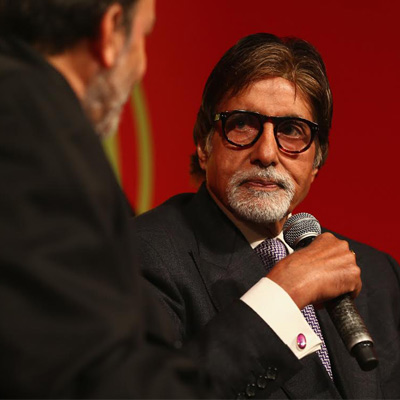
    MUMBAI: Amitabh Bachchan has hopped on board as the co-owner of The International Premier Tennis League’s (IPTL) OUE Singapore Slammers team alongside the local company UD Group, which acquired the team earlier this year.


    Bachchan will make a courtside on 20 December at the Singapore Indoor Stadium on the final day of the season. He will also be interacting with fans during the course of the day.


    The OUE Singapore Slammers are one of the five teams competing in the second edition of the Coca-Cola IPTL. Singapore will host the final leg of the competition from 18-20 December to determine who will be the league champion for 2015.


    A massive tennis fan who has travelled the world to watch some of the best in action, Bachchan’s excitement is palpable. Says he, “My work schedule allows me to only be there for one day, but I’m confident the Singapore Slammers will be playing in the final. I’m also really looking forward to hanging out with members of our clan, the #SlammersNation. I’d like to invite my fans and tennis fans alike to come spend the day with me at the Singapore Indoor Stadium.”


    With an aim on developing the sport of tennis in Singapore, the UD Group bought the OUE Singapore Slammers to help cultivate the first generation tennis stars of Singapore.


    UD Group chairman Prateek Gupta said, “For us, the IPTL and the OUE Singapore Slammers is as much about entertaining the fans as it is about winning that trophy. In Mr Bachchan, we found a kindred spirit who believes in that aim. Moreover, his commitment to the sport of tennis means that he will be a crucial driver of our Junior Slammers program as well. We look forward to creating a winning team with a true Indian icon.”


    Joining the OUE Singapore Slammers at the Singapore Indoor Stadium will be the UAE Royals, Indian Aces, Philippine Mavericks and Japan Warriors – the newest addition to the season – bringing 35 of the world’s top tennis stars into town for the three-day league climax.


    The second edition of the IPTL, founded by multiple grand-slam winner Mahesh Bhupathi, will see Japan added to the tour, which already saw packed audiences in the Philippines, Singapore, India and Dubai. The 2015 IPTL will run from 2 – 20 December, 2015.

  • IPTL to be telecast LIVE in over 150 territories

    IPTL to be telecast LIVE in over 150 territories

    MUMBAI: Come December, the second edition of the much-anticipated International Premier Tennis League presented (IPTL) will be broadcast in over 150 territories across the globe. the event that features the world’s leading tennis players, now promises to attract both increased spectators and viewers with a bevy of leading broadcasters airing the matches for audiences across the World.


    The league has partnered with some of the world’s biggest sports broadcasters. ESPN, Fox Asia, Sky Sports, TV5, WOWOW, Eurosport, Tennis Channel, Star Sports, Abu Dhabi Media Group among others will beam the IPTL into homes across the United States, United Kingdom, South-East Asia, the Middle East, Sub-Saharan Africa, and the Caribbean, giving the league a truly global broadcast footprint. All matches will be produced in HD quality with IPTL graphics and commentary by Jason Goodall and Robbie Koenig.


    “We are proud to strengthen our reach, taking it to global audiences through many of the world’s leading broadcasters. The success of Season 1 is a result of the format being accepted by the players translating into high-intensity competition. We will continue to offer an unmatched viewing experience to our global audiences who are now beginning to enjoy tennis in a manner never seen before,” said Mahesh Bhupathi on behalf of the league.


    This year’s edition will see five franchises –The Micromax Indian Aces, OUE Singapore Slammers, UAE Royals, Philippine Mavericks and Japan Warriors battle it out for the coveted IPTL trophy.


    The five franchises will feature Grand Slam champions, current and former world number one players, and other top tennis talent from across the world. The star-studded line-up boasts seven of the Top 10men’s and women’s players.

  • Leagues propel Indian sports industry to Rs 48,069 million in 2015: GroupM

    Leagues propel Indian sports industry to Rs 48,069 million in 2015: GroupM

    MUMBAI: From being a country that thrived on a single sport namely cricket, India has come a long way in the last couple of years. The country witnessed a sports boom of sorts with the mushrooming of various sports leagues. And with that came in the moolah in terms of sponsorships and advertisements.


    According to a report by GroupM ESP and SportzPower, the overall sports industry in India has grown by 10 per cent – up from Rs 43,725 million in 2013 to Rs 48,069 million in 2015. However, cricket saw a dip in on-ground and cricket team sponsorship. While on-ground sponsorship fell from Rs 5083 million to Rs 4647 million, team sponsorship was down to Rs 3478 million from Rs 3892 million.


    The growth in the industry has come mainly on the back of the emergence of new sports leagues – Indian Super League, Pro Kabaddi League, World Kabaddi League, Champions Tennis League and Indian Premiere Tennis League. FIFA was the big factor for the increase in TV spends.


    The second edition of GroupM ESP and SportzPower’s report on sports sponsorship captures the emergence of new leagues in India along with other key highlights. The report captures the trends and developments in advertising and sponsorship in the Indian sports industry in 2014.


    Speaking on the future of sports marketing in India, GroupM South Asia CEO CVL Srinivas says, “Sports marketing is finally coming of age in India. Even though cricket has shown the way and continues to be the dominant sport, newer leagues are helping broad base sports and make it a great platform for brands. Digital, especially social media, is helping build a fan following much faster. At GroupM, we made inroads into sports marketing some years ago and are now scaling up our practice.”


    The second edition of report examines:

    • Emergence of five new leagues in India.
    • Advertising investments and sponsorship in Indian sport from four angles: On-Ground, Team Sponsorship (subset franchise fees), Athlete Endorsement, and On-Air spends
    • Investments in sports besides cricket
    • 10 trends in the sports broadcast industry


    Focusing on the key developments that are expected in 2015, GroupM ESP national director, sports & live events Vinit Karnik says, “The key highlights of this report are on-ground sponsorships, team sponsorships and franchise fees, social conversations and endorsements. The sports industry has grown by 10 per cent in 2014 and seen the formation of newer leagues and successful franchises. From a single sports country to a multi-sport country, India is witnessing a boom, which will benefit the sports business ecosystem. In 2015, we predict to see a change in the way consumers interact in the realm of sports and entertainment.”


    SportzPower co-founder Thomas Abraham further discusses the future of sports broadcasting in India. “Other sports are emerging gradually with the onset of many new league styled sport events. Even though FIFA was a big factor in the increase in TV spends in 2014, cricket yet dominated Indian sports TV broadcasting with back to back cricketing sports tournaments like the World Cup and IPL, although there was a rise in viewership of other sports too,” he says.


    Key Observations:


    · From a single sports country to a multi-sport country; India is witnessing a sports boom.


    · The entertainment value adds the necessary pull for the new leagues, as audiences are being offered a wide platter of sportainment that is being relished by one and all.


    · Split beam: India being a diverse regional market with large linguistic preference, networks have begun to offer feeds in regional languages too. This will grow further with split beams leading to ad-versioning with even regional advertisers getting a slice of the pie.


    · TV & Digital: The lines are now blurring. The ICC Cricket World Cup had more than 25 million views on digital. IPL is slated to surpass that in the current 2015 season.


    On Ground


    · Dip in cricket on-ground numbers are mainly due to lesser matches being held in India in 2014 – only eight cricket matches were played in India in 2014 vis-?-vis 21 matches in 2013. IPL also had no new central sponsor, resulting in a flat year for IPL ground sponsorship.


    · New leagues contributed in driving the growth for on-ground sponsorship. While ISL had 10 sponsors at the central level with almost Rs 500 million sponsorship amount; Coca Cola – IPTL was the landmark deal.


    Social Conversation


    · IPL had over 550,000 social conversations. In spite of the first season, ISL had around 200,000 conversations. 


    · PKL (70,000) has more conversation than IPTL (32,000) & HIL (11,000) put together, even though Kabaddi is the least talked about sports in India.


    · Pepsi received 41 per cent visible mentions with IPL, whereas 29 per cent associated with Hero Moto Corp with ISL.


    Team Sponsorship & Franchise Fee


    · Indian cricket team sponsorship price was reduced to Rs 20 million/match from Rs 33.3 million/match with the new sponsorship of Star India. Also IPL 2014 team sponsorship money saw a dip in 2014 from Rs 2750 million to Rs 2537 million, because of the tournament partly shifting to UAE.


    · Other sports have also contributed in growth of team sponsorship & franchise fee due to the new sports league. While Football registered a 227 per cent increase from Rs 265 million to Rs 603 million powered principally by the ISL, it was the emergence of other leagues – notably IPTL, CTL, PKL, and WKL that saw a spectacular 1,064 per cent jump from Rs 70 million to Rs 745 million.


    · Social & search data depicts different trends for different leagues – while the popularity of IPL led the Search and Social data trends independent to each other; Social and Search data for the other leagues were almost parallel to each other.


    Endorsement


    · A 14 per cent dip was seen in overall sports celebrity endorsement from Rs 3822 million in 2013 to Rs 3278 million in 2014.


    · While the new kids like Virat Kohli’s endorsement fee and number of endorsement brands are going up steadily, for the old boys like Sachin Tendulkar, Mahendra Singh Dhoni, Yuvraj Singh and Virender Sehwag, the number of endorsements and fee per endorsement have gone considerably down.


    · Moving off cricket and the top earners are all women of substance. Boxer Mary Kom, tennis ace Sania Mirza and badminton queen Saina Nehwal (in that order) are the Big Three of Indian non-cricket sports brand endorsements.


    · Tiger Woods endorsing Hero Moto Corp is first-of-its-kind in non-cricketing sports industry– Rs 500 million per year.


    · Social & Search Data – While Virat Kohli, MS Dhoni and Sachin Tendulkar were the most talked about & searched on digital media athletes in 2014; Saina Nehwal, Mary Kom and Sania Mirza are keeping the flame alive for non-cricketing sports.


    Year 2015:


    · Non-cricket sports are likely to expand the sports business ecosystem.


    · Live match content is being repurposed in multiple ways to facilitate social consumption. This trend is slated to grow even bigger in 2015.


    · Sporting entities will evolve by building digital and social assets to drive their valuation.


    · Sports businesses are predicted to build strong grassroots engagement through experiential programs.


    · In stadium experience will be more social and thus, more enhanced. Given that 70 per cent of fans bring a mobile device to the stadium or arena, they are expected to use it during a game too.


    · Pro Kabaddi League is the one to watch out for!


    Conclusion:


    In 2015, non-cricket sports are likely to expand on the lines of various trends all around. Live match content will repurpose in multiple ways to facilitate social consumption. Sports businesses will build strong grassroots engagement through experiential programs. In stadium experience will be more social, more enhanced, as a large majority of fans bring a mobile device to the stadium or arena and will be expected to use it during the game.


  • IPL is the largest reached sports event in 2014: FICCI KPMG Report

    IPL is the largest reached sports event in 2014: FICCI KPMG Report

    The global sports industry is estimated be worth of $600 – $700 billion. Revenue generated from the industry is estimated at $80 billion globally and is growing at Compound Annual Growth Rate (CAGR) of 6.5 per cent over 2009 to 2014, which includes revenues from media rights, sponsorships and ticketing.

    The market for advertising in sports in India was estimated at Rs 41 billion in 2013 growing at a CAGR of 14 per cent from Rs 21 billion in 2008. It consists of on ground advertising, team sponsorship, athlete sponsorship and media ad spends on sports. Licensing and merchandising contribute Rs 2 billion to the industry in India. Gate revenues make up another revenue stream but its contribution to the sports market in India is relatively low compared to media ad spends and sponsorship.

    Sporting events have been popular throughout history, and have gained greater viewership with bigger stadiums and TV broadcasting of domestic and global events. Annual sports viewership in India reached 276 million in 2014. But the sports genre accounts for only 2.4 per cent of total TV viewership and 4.3 per cent of AdEx (Advertisement Expenditure) revenue in the Indian TV industry, much smaller than the general entertainment genre.

    The median age in India is around 27 years and around 64 per cent of the population is expected to be in the working age group by 2020. This provides a large and growing target segment for sports in India. Moreover, an increase in percentage of middle class and rich households (households with annual income greater than Rs 2,00,000) from 6.1 per cent in 2001-02 to 14.5 per cent in 2009 -10 has increased the number of people with an appetite for sports consumption. The middle class alone is expected to increase to 41 per cent of the population by 2025. There has also been an increase in the average share of educational and recreational activities in the annual household consumption and it is estimated to increase from five per cent in 2005 to nine per cent by 2025.

    A good start to non cricket sports is one interesting to look at the growth of sports other than cricket in India. Many sports have grown well over the last half decade. A survey on the popularity of sports in the Indian online community reports that while 85 per cent of respondents followed cricket in some manner, an estimated 44 per cent followed tennis, 41 per cent followed football (soccer) and 32 per cent followed badminton. With economic development, sports viewership in a country usually moves from single sport to multi sport. Africa and the Indian subcontinent have been traditionally dominated by football and cricket respectively. However, with greater economic development, India is seeing a growth in other sports as well. 

    League formats have helped in increasing popularity of sports Globally

    The leagues system has served as an important way for companies to enter the sports sector. A sports league creates several opportunities for private companies in domains such as league management, franchisee, broadcasting and sports videos production houses, advertising, sports infrastructure such as multipurpose venues, player management, licensing and merchandising. One of India’s most successful leagues in terms of viewership and revenues has been the Indian Premier League (IPL), which is based on the English Premier League (EPL) format. The league was launched in 2008 by the Board of Control for Cricket in India (BCCI) with eight city franchisees. Though it is still small in comparison to some of the biggest leagues of the world, it has been able to achieve success in a short span of time, which other mature leagues could not manage to do. The evolution of IPL as a brand is an example of successful product innovation, which effectively combined entertainment and sports. The Twenty20 (T20) format of IPL has made the sport more popular and convenient to watch for cricket enthusiasts. The success of the IPL, which is estimated to have had a viewership of 191 million people and ad revenue of Rs 8 billion in 2014 has led to the creation of several other league-format sporting events, such as the Indian Badminton League, Hockey India League and the recently launched Pro-Kabaddi League. The inaugural season of football’s Indian Super League has been fairly successful as well. Cumulative reach of Pro Kabaddi League was 435 million compared to 560 million for IPL in 2014. Football’s Indian Super League was close with 410 million cumulative reach. The new domestic sports leagues however require significant management efforts over a period of time to get established and be successful. 

    Viewership refers to sum of weekly GVTs, which is a factor of number of viewers and frequency.

    IPL leads the cumulative reach chart amongst sporting events held in 2014

    Cumulative reach refers to the number of individuals within the target group who viewed the tournament over a certain period of time, including duplication.

    Ecosystem to support sports development in India

    However, in order to sustain the growth in sports and sports-related businesses, a flexible regulatory and policy framework that is able to realise synergies between various segments of sports needs to be developed. This in turn requires the sports ecosystem and its stakeholders to be recognised under the purview of a dedicated industry of sports which can provide impetus to an organised and professional business environment for sports in India.

    Sports Broadcasting in India

    There has been a surge in the number of sporting events broadcast in the past few years. These events include tournaments and leagues played at state, national and international levels. Several international tournaments and leagues played at the regional or global level are now telecast in India bringing in a larger and much diverse audience. Males form around 60 to 65 per cent of viewers and are expected to continue to be the main target segment. However, the number of female viewers has been increasing. About 57 per cent of the viewership of ISL and 53 per cent of the viewership of Pro – Kabaddi League was made up of women and children. Broadcasters are supplementing the sports with other entertaining and informative pieces to make the program more inclusive.

    Getting to the right content mix

    With the rise in number of sporting events, sports channels are covering several sporting events in their annual calendar. It consists of a mix of marquee events from domestic and international leagues, major tournaments along with minor domestic leagues and tournaments.

    Star Sports has revamped itself with uniformly branded eight channels to showcase a variety of domestic and international sports both cricket and non – cricket and in English as well as Hindi. While international cricket matches featuring India will make up 65 per cent of Star Sports 1, Ranji matches, university and women’s cricket and international cricket matches not featuring India will form 50 to 60 per cent of content on Star Sports 2. This will enable Star to nearly double its cricket content, which is the major revenue driver for sports channels in India. Star Sports 4 will feature other sports, which include international football (soccer), European soccer leagues, badminton, tennis and Formula-1 racing.

    The new Indian leagues, which include hockey, badminton and soccer, will be telecast on Star Sports 1 to 3 to reach a larger audience. Such a strategy enables Star Sports to increase its cricket content as well as broadcast non – cricket sports, which are seeing increasing traction. There is also an increasing trend towards multi-sports channels, as the viewership of different sports are increasing and sports channels are vying for TV rights across sports. Star has seen a shift from having a cricket specific channel in its cluster to multi-sports channels. It enables Star to broadcast both international and domestic cricket content simultaneously as well as gives it flexibility to show different sports across different channels. This can be attributed to the large investments made by Star to purchase rights for domestic and international cricket, football, tennis, badminton etc.

    On the other hand, Neo has rebranded its cricket specific Neo Cricket to Neo Prime on account of reduced live cricket properties and surge in volume of several sports.

    Ten however, has sports specific channels with Ten Cricket for cricket, Ten Action for football and Ten Golf for Golf broadcasting. Availability of sufficient single sport media rights and a definite viewership base for that particular sport drives the presence of sports specific channels. This helps advertisers to target a specific audience, for example luxury products have tied up with Ten Golf. Although, digitization and lower costs of distribution make single – sport channels more viable than before, it can take some time to evolve in India and reach the popularity of golf and tennis channels in some developed countries.

    Regional language boost to broadcasting

    Another strategy to target a specific audience is the language of telecast. Hindi and other regional languages increase the audience reach for sports as English has a limited audience. Star Sports 3 replicates Star Sports 1 in Hindi. In 2014, it telecast the domestic football league – Indian Super League in five languages. Its regional TV channels were used to telecast the league in Bengali, Kannada and Malayalam apart from English and Hindi broadcasts. During FIFA World Cup 2014, Bengal accounted for half the country’s viewership mainly because of regional language feed by Multi Screen Media (MSM) on its Bengali general entertainment and film channel Sony Aath. Hindi broadcast of the Pro Kabaddi League on Star Gold also helped take the cumulative reach to 435 million for the event. Other than using regional sister channels for feed in local languages, sports channels may spin off separate regional language sports channels if the demand picks up.

    Revenue and Profitability model

    Sports industry is still an ad driven revenue model. Media spends on sports, most of which is on TV, increased from Rs 11.5 billion to Rs 22.5 billion over 2008 to 2013 at a CAGR of 14 per cent. In mature markets, subscription is the main revenue driver for sports channels, contributing nearly 60 to 90 per cent of the revenues. However in India, advertisements still account for nearly 60 per cent of the revenues of sports channels, mainly driven by cricket, which is the largest revenue spinner and accounts for nearly 80 to 85 per cent of the total television sports media revenue. Non-cricket sports provide live sports content around the year, which gives advertisers a regular touch-point to their target segments. Revenues from advertisements in any year vary depending on the tournaments and series held during the year. Cricket mostly forms the peaks whereas the troughs are being evened out with non–cricket sports and non-live cricket content. In 2011, ad spends on TV for cricket was estimated to have crossed Rs 20 billion. In 2015, ad spends from the ICC World Cup and IPL 8 alone are expected to be around Rs 22 – 25 billion. Ad revenues for non-cricket sports are only a small fraction of cricket revenues. In 2013, ad revenues from Indian Badminton League and Hockey India League were Rs 0.9 billion and Rs 0.7 billion respectively.

    Key challenges facing the spurt of non-cricket leagues in India includes:

    • Poor investor confidence

    For instance the Indian Badminton League (IBL) suffered a loss of Rs 25 crore in the opening season in 2013 owing to investors pulling out casting doubt on the return of IBL with its second season. However, despite no play in 2014, the IBL is set to return in 2015.

    • Lack of industry status

    Provision of industry status could lead to an organized sports industry leading to higher available capital, newer sports businesses, additional revenue streams for stakeholders making leagues commercially viable ventures.

    • Lack of a culture for sports

    Sporting leagues in India are designed to last just a couple months every year. However, many major sporting league seasons in the world last for longer durations every year. Sporting leagues need to become year round (or at least three – four months a year) ventures. Apart from the benefit of a longer engagement with viewers (allowing the building of a larger fan base and culture for the game), this also touts the idea of sport becoming a year round profession furthering the advent of sports businesses.

    Revenue model in leagues

    Major sources of revenue for any league come from media rights, sponsorships and revenue from franchisees. Share of franchisee consideration in IPL has increased from 30 per cent in 2010 -11 to 37 per cent in 2012- 13 with a corresponding decrease in the revenues from sponsorship rights. Income from media rights and other sources have nearly the same share in 2012-13 as in 2010- 11.

    Major Sources of revenue for a League Franchisee

    Major sources of revenue for any league franchisee are share of the central revenues, local revenue and performance revenue.

    • Share of central revenue

    This includes a percentage of the revenue to the league from media rights and central sponsors like Pepsi in the IPL. In India, media rights are a major revenue sources both for the league and the franchisees. Channels are expected to further increase the subscription revenue for sports channels.

    • Local revenue

    Local revenue for a franchise entails revenue from match day ticket sales (gate revenue) and commercial revenue that includes funds from franchise sponsors, merchandise sales and revenue generated from membership with the franchise club if any. However, revenue from franchise sponsors makes for a majority of the commercial revenue. Sports merchandise sales is a fast growing segment with Rs 2 billion in retail sales in 2013. Moreover, contribution of gate revenue to overall revenue of franchises is low due to inexpensive ticket pricing, especially in non-cricket leagues. This is in contrast to leagues abroad where gate revenues are a significant contributor to a franchisee’s revenue.

    How can leagues be further popularised/ monetized?

    Some of the critical success factors of a league in India are identified below:

    • Players

    Involvement of top players of the world creates interest in the viewers and increases the quality of the game. The IPL is a successful example of the same. On the other hand, I-League is struggling to attract top players resulting in poor viewership.

    • Marketing

    An effective marketing campaign is another critical factor in making the league popular. Again, the involvement of various celebrities as brand ambassadors or owners in the IPL contributed to generating larger viewer interest in the league. In fact, the marriage of the Indian entertainment industry and cricket has aided in making IPL a commercial success.

    • Governance framework

     It is seen that leagues, which are run with the support of the approved federation have been able to sustain. The ICL failed due to lack of support from BCCI and World Series Hockey (WSH) is facing similar troubles due to non-recognition of the founding federation as the official national sports federation of hockey itself.

    • Stadium Infrastructure

    Quality of stadium infrastructure improves the viewing experience, hence increases the level of interest in the sport. It is important to create supporting infrastructure like restaurants, bars, fast-food chains, merchandise, stores, books and music stores, etc. to develop stadiums into popular entertainment spots for the family. Hike in ticket prices subsequent to rise in viewership, organizing multiple sporting events and entertainment shows wherever possible can help monetise stadium infrastructure.

    • Fan base

    An effective strategy to increase a franchisee fan base is engagement of respective franchises with local community. This helps generate greater TV viewership, increase attendance of matches and sale of merchandise. Performance of national team or players at international level increases the interest in the game, hence the league.

    League timing

    The tournament should be held at a time when there is no clash with international tournaments that could divert a significant section of the viewers, many players are available and weather is suitable for holding matches. The length of games and timing of matches (conducive for family viewing) are also important factors to consider, both having further helped significant viewership of the IPL. Other factors may include spectator friendly broadcasting such as better viewing angles and broadcasting in Hindi and English.

  • Research imperative to exploit big sports leagues

    Research imperative to exploit big sports leagues

    MUMBAI: The year 2014 witnessed the emergence of sports as it rekindled the nation’s hope and sports channels played a huge role in creating buzz in the arena of sports.


    The successful league models in Kabaddi, Cricket, Hockey, Football, Badminton and Tennis paved the way to create viable career options for young Indians. However, the key to success remains in monetization and return of investment for stakeholders and the sustainability of their business models.


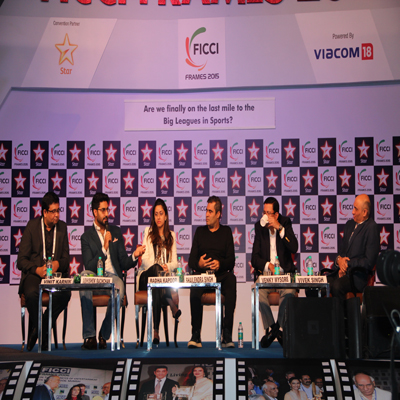
    In a session of FICCI Frames moderated by Group M national director sports and entertainment Vinit Karnik, which had Percept joint MD Shailendra Singh, DOIT media founder Radha Kapoor, KKR CEO Venky Mysore and various sports franchise owner Abhishek Bachchan, panelists spoke on the issues relating to a national policy on sports.


    Infrastructure status to build stadiums and facilities, challenges before rights holders to monetise sports content, franchisees business models and a national curriculum on sports were some of the topics that were touched upon.


    The panel spoke aggressively against federation becoming a regulatory body and intruding into business strategies of a privately owned entity. Speaking on the same Singh said, “The growth is determined by demand and supply, you can make money of something you go for it. India has a large youth population desperately waiting for an opportunity to make a career out of sports but what’s stopping them is poor infrastructure and that is where Narendra Modi is going wrong. The federations are unwanted obstacles headed by corrupts. They make things difficult and people walk off from doing a business. I organised a similar tournament like IPL in 1999 but Dalmiya called it Masala and asked me to stop it immediately. Today BCCI cherishes the IPL.”


    While Venky Mysore, who closely works with the BCCI being the CEO of Kolkata Knight Riders (KKR), emphasised on the commercial sector saying, “While it’s easier to work with the BCCI considering the fact that one has to deal with less number of people compared to the sports ministry, their intrusion in the business and strategic affairs of the franchisee is a bit irrational. KKR has made money out of IPL and we are a debt free franchisee – a fact that I am proud of. For any brand to work in India you need fans and the ratings show that KKR matches always bag the pole position. So every new sport has room but it should not be rushed as the loss is immense.”


    While non-cricketing sports are also emerging in the major sporting league category, making money out of them is difficult for broadcasters, addressing the issue Bachchan said, “When Charu came to me with the Pro Kabaddi concept, I was shocked. But after seeing the ground reality my perception changed. There are more than 1500 Kabaddi clubs in Mumbai desperately looking for an opportunity and a platform to showcase their talent and Star and Pro Kabbadi League opened it up for them. The Indian Super League (ISL) is another example of broadcasters and corporates coming together to put up an exquisite event. Due to the ISL deal that ensures ground level improvement of the sport, more kids are getting the infrastructure they deserve, which will show its relevance 10 years down the line.”


    DOIT Media founder served for more women participation and declared new platforms for women in India. “We are launching a new kabaddi league dedicated to women, which will ensure their participation and it’s just the beginning. Every sport in future may have a female version too because the talent exists but gets rusted due to lack of use.”


    Every major sport now has two leagues but all of them are not profitable for the broadcaster. Kabbaddi changed rules to rope in more revenue generating opportunities and the federation supported it, cricket also did the same with innovations like strategic time out. While it is very important not to lose the authenticity of the sport, generating revenue is a big necessity in order to ensure longitivity.