Tag: IPSOS

  • 65% Indians (like most global citizens) want prevention of casualties of civilians to take precedence over country’s interest: Ipsos Human Rights Survey

    65% Indians (like most global citizens) want prevention of casualties of civilians to take precedence over country’s interest: Ipsos Human Rights Survey

    MUMBAI: According to a new survey by Ipsos, in partnership with the Policy Institute at King’s College, London, titled, ‘Age of Impunity – Global Attitudes to Human Rights – 65% Indians believe that avoiding civilian casualties should take precedence over country’s interest. 

    Interestingly, all markets covered in the survey display the same concern on Human Rights – of protecting civilians and following the rules of warfare, over country’s interest – Turkey (74%), Poland (66%), India (65%), Peru (63%), Hungary (63%), Russia (59%), Mexico (58%), South Africa (57%), Sweden (57%), Spain (55%), Great Britain (55%), Chile (55%), Germany (54%), Malaysia (53%), Australia (51%), the US (51%), Italy (49%) etc.  

    War crimes and accountability

    Two thirds of Indians (65%) feel that if a country commits war crimes, it should be held accountable and that other countries should intervene, to put an end to it, even if it infringes on the sovereignty. 66% Indians want India to intervene in such a scenario, if it takes place in other countries. 

    “Indians, like most global citizens, veto for preventing civilian casualties and following the code of conduct of war. Most strife zones in India or of other nations are faced with complexities of situations, where there is no war per se, but terrorism upsetting peace and collaterally affecting civilians. And most nations are grappling with the scenario of how civilians can be unscathed and unimpacted in turmoil zones,” says Parijat Chakraborty, Country Service Line Group Leader, Ipsos Public Affairs, Corporate Reputation & Customer Experience. 

    Conformance to international laws on human rights, what should be India’s stance?

    The views are divided – while 39% Indians feel that international laws on human rights should be strictly adhered to; 23% are of the view that laws should be flouted only in extreme circumstances; 25% on the other hand counsel that one should know the laws but should opt for other considerations and 7% feel that laws should be ignored.

    Factors that should determine ties with other nations, for leaders

    Indians feel leaders should consider the following top factors when deciding relations with other countries: Economic benefits (53%); Security benefits (53%); military benefits (36%) and human rights record of the country (33%). And interestingly, priorities of Indian leaders are in sync with expectations of Indians and are in the same pecking order of economic benefits (55%), security benefits (51%), military benefits (38%) and the human rights record of the country (33%) – for forging ties with other nations.  

    Trade and human rights    

    Polarized views observed among Indians.  42% Indians espouse trading only with nations with good human rights record, even at the cost of hampering the economy; 40% on the contrary feel economic benefits should be the driving force for trade and not a squeaky-clean human rights record (they won’t like to link the two). 
     

  • 62% Indians perceive Automation positively; hail, as an enabler: Ipsos-WEF Global Citizen & Automation Survey

    62% Indians perceive Automation positively; hail, as an enabler: Ipsos-WEF Global Citizen & Automation Survey

    MUMBAI: 3 in 5 Indians (62%) view the impact of Automation positively, placing India 2nd in the pecking order among the 26 markets covered in the survey (surpassed by China, with 64% Chinese endorsing the positive impact of Automation). 

    Global Citizens & Automation Survey by WEF and Ipsos, highlights ramifications of Automation on a slew of products and services and its impact on how we work.

    “Automation is doing wonders as an enabler and is improving efficiencies at work, in terms of cost and time taken and is redefining how we work.Automated services minus human intervention have become a reality, with high dependence on technology, there can be roadblocks sometimes,” says Anthony D’Souza, Executive Director, Innovation, Ipsos India.  

    Products and Services most positively impacted!

    Indians’ verdict on most profound impact of Automation on products and services has been on a plethora of them: 69% Indians approve of self-checkout/ check-in/ electronic ordering kiosks at stores, airports, restaurants etc.; 67% Indians feel internet connected appliances and home devices have had a positive impact on people’s lives; 66% approve of internet connected medical devices; 66% espouse benefits of voice recognition assistance (e.g. Siri, Alexa, Cortana, Google Assistant etc.). 60% approve of customer service online chatbots; 54% are positive of drones and 52% approve of robots. 

    Net-Net – Is Automation a Boon or a Threat?

    Early days, though the findings underscore the positive rub off of Automation and Indians go ballistic in espousing the benefits of Automation:  74% Indians say automation has improved quality of their work; 73% feel automation has made their job easier; 72% Indians feel automation has transformed their work, what it was 10 years ago; 72% are confident that automation will alter their jobs 10 years hence; 70% Indians feel automation has made their job more interesting; 65% Indians credit automation for reduced risks of injury while working.

    On the flip side, across all the 26 markets polled, Indians are most wary of the negative impact of automation – 49% feel that automation is putting their current employment at risk. 43% Saudis and 42% Chinese too seemed worried on the impact of automation. 

    Training on new technology & products – how does India stack up?

    59% Indians say they have received internal training or education provided by employer for new technology and products; 31% have received external training; while 10% have received none. Interestingly, internal training was reported highest in the markets of India, Peru and Canada; and external training reported most in China, Saudi Arabia, India and Brazil. The survey also probed about training for technical skills – 66% Indians confirmed that their employer provides internal training and education for technical skills, 25% said external training was provided by employer and 9% received no training.      
     

  • 55%Urban Indians bat for listening to opposing views on politics: BBC Crossing Divides Global Survey

    55%Urban Indians bat for listening to opposing views on politics: BBC Crossing Divides Global Survey

    MUMBAI: The BBC Crossing Divides Global Surveyshows that while politics maybe a thorny issue, unlike popular perception, over half of urban Indians polled (55%) believe that it is important for them to listen to people with different views on politics, even if they disagree with them. Further, 42% urban Indians polled say that they feel comfortable sharing their political opinion with others even if they have a contrary view to theirs. India is placed fourth in the pecking order. Other three markets endorsing this view were Turkey (61%), Mexico (45%) and South Africa (43%). At the bottom of the heap were Japan (7%), South Korea (27%) and Italy (28%) – being least comfortable about sharing their political opinions.   

    Hold a contrary view?43% self-righteous urban Indians believe opposers care less about India’s future. India is 2nd in pecking order. Turkey tops at 46%. Half of Indians polled (48%) tend to think that that opposers have been misled and 35% Indians feel that one should avoid conversation with them (highest across all markets). Indians realize the futility of the exercise – because 51% feel that those with opposing views even on presentation of evidence are likely to stay rigid with their opinions. 56% Indians profess to have conversations with people with opposing views on issues like politics, climate change, immigration, feminism etc. at least once a week.    

    Only two in ten Indians (22%) feel that people’s divisive views on politics are dangerous for the society. Majority shrug off the negative impact of the same. Poland (56%) however is most worried, while Japan is least worried (6%).

    At the same time, 34% Indians feel that compared to 20 years ago, our society now is more prone to clash of views between people on politics. 

    Social Media – a boon or curse? 

    Majority of urban Indians exhort merits of social media like Facebook and Twitter – at least 68% feel that these two platforms are giving a voice to people who would not normally take part in debates and social issues. Further, 63% Indians credit social platforms like Facebook and Twitter for breaking down barriers between the public and those wielding power. 

    Though 64% Indians polled feel that the debates on these social platforms are quite divisive. 

    Immigration, ethnicity, religion – myths busted?

    43% Indians hail the positive impact of immigration on India. Though 2 in 10 (20%) hold the contrary view.

    53% Indians say that they are comfortable in groups of people who are like them. Though in practice, it does not hold true, our study shows. 

    Only 19% Indians have friends from the same ethnicity as them; only 18% Indians say that their friends are from the same religious faith or belief as them; only 25% Indians have friends with same level of education as them; only 29% Indians have friends of the same age group as them; only 16% Indians have friends with the same political views as them; only 22% Indians would have friends with same views on climate change as them; only 13% Indians would have friends with same level of income as them and only 19% Indians would have friends with same level of views on feminism as them.      

    A new global study by Ipsos for the BBC Crossing Divides season carried out online among adults under 65 across 27 countries captures views on how differences of views are impacting societies.

    “The study shows that Indians are taking the opposing views in their stride and have figured out a mature way of dealing with them by avoiding direct confrontation. Social platforms like Facebook and Twitter are a big hit among Indians as conduits enabling the common man to connect with public figures, something which has been a dream come true for them. Also, majority of Indians exhort the merits of social platforms as interactive mediums. Downside being, social platforms are denounced for being divisive though,” says Parijat Chakraborty, head of Ipsos Public Affairs, Ipsos India.    

    Worlds Apart? Global findings

    While people around the world agree there are political divisions in their country, they are split over whether these divisions are healthy or dangerous for society
    •    Globally, while the majority of people (81%) say there are differences in people’s political views in their country, a third (33%) think these divisions are healthy for society but a similar proportion (32%) thinks they are so divisive that they are dangerous for society.  Only 16% think that these differences have no major impact on their society. 
    o    People in Poland (56%) and the United States (51%) are much more likely to think these differences are dangerous for society, whereas close to half in Mexico (49%) and Peru (47%) believe they are healthy. 
    o    Britons follow the global picture, with 85% agreeing that there are divisions in society.  And despite Brexit, they are more confident that these divisions are healthy for society (41%), but three in ten (31%) still think they are dangerous. 
    •    Two in five (41%) think their country’s society is more at danger because of divisions between people with different political views than it was twenty years ago; this rises to over half (57%) in the United States (57%), Sweden (57%), South Africa (53%) and France (53%).  However, three in ten (29%) say that divisions are about the same as they were twenty years ago, and more so in Japan (40%), Italy (39%), Belgium (38%) and Canada (37%). Only 14% believe that society is less in danger now than it was 20 years ago.  This is higher in Chile (27%), but perhaps they were still recovering from the Pinochet dictatorship two decades ago.
    Half believe that it’s important to listen to people with different viewpoints, but only a third say they talk to others who have opposing views on a weekly basis
    •    Half of all people (50%) say that it is important to listen to people who are different to themselves, even if they disagree with the other person, they still want to understand them – this sentiment is significantly higher in South Africa (71%) and Turkey (68%).  But the study shows that in Germany (43%), Malaysia (44%), Belgium (45%) and Brazil (45%) there is less of a willingness to listen to those with opposing views. 
    •    However, despite saying it is important to listen to others just over a third (35%) of people say they have conversations with people who have opposing views to their own (on issues such as politics, climate change, immigration and feminism) on at least a weekly basis, although nearly three in five (58%) say they do on at least a monthly basis. Just one in ten (10%) say they never speak to people holding opposing views to them, while a similar proportion saying they don’t know (11%). 
    •    One in five (21%) say they talk to people with opposing views on a less than monthly basis, and is higher in Canada (33%), the United States (30%) and Russia (30%). Weekly conversations among people with different views happen more frequently in India (56%) and an array of Latin American countries – Peru (54%), Argentina (49%) and Colombia (49%). Meanwhile, respondents in Japan (40%) and South Korea (34%) are more likely to say they never have conversations with people holding opposing views to them. 
    •    Around two in five say that over half of their friends have similar views or beliefs to them, in terms of religion (38%), immigration (38%), climate change (42%) and feminism (37%). However, when asked about political views, this drops to around three in ten (32%).
    Politics is a thorny subject – only one in three say they’re comfortable sharing their political views with other people 
    •    Around a third (35%) of people globally say they feel comfortable sharing their political opinions with other people, including those they do not necessarily agree with them.  Respondents in Turkey (50%) and Mexico (45%) are much more comfortable sharing opposing political views than average – but this is much less the case in South Korea (27%), Germany (28%), Italy (28%) and Malaysia (28%). 
    o    One in five globally (19%) say they do not feel comfortable sharing their political opinion with others at all, and this is higher in the United States (24%) and Peru (24%). 
    •    Two in five globally (41%) say they feel more comfortable in groups of people of people who are similar to them, and this is significantly higher in China (68%) and Hungary (57%), while less so in Italy (30%) and Belgium (30%). 
    •    Around half of all people say that over half of their friends share similar demographics to them, in terms of ethnicity (56%), age group (49%) and levels of education (46%). However, this drops to less than a third (30%) when discussing levels of income. 
    Political views are fairly entrenched; half of all people think that people with opposing views are unlikely to change their opinions regardless of the evidence presented 
    •    Around half of all people globally (49%) agree that those with opposing political views to them are unlikely to change their opinions regardless of the evidence presented (just 14% disagree). And this rises to three in five in Hungary (63%), the United States (62%) and South Africa (62%).
    •    People are split on whether people with different political views care about the future of the country or not.  Close to three in ten (28%) think that people with opposing political views to their own don’t care about the future of their country but a similar proportion (31%) disagrees.  Respondents in Turkey (46%) and India (43%) are much more likely to think those with different views don’t care about their country’s future.  However, people in the United States (39%) and Colombia (38%) are more likely to disagree that this is the case. 
    •    Over a third (36%) believe that people with opposing political views to them have been misled (19% disagree).   This is particularly the case in Hungary (55%), South Africa (54%), Turkey (51%) and Colombia (50%).  On the other hand, people in South Korea (31%) and Mexico (25%) are most likely to disagree with this statement.
    •    Despite political differences, only a quarter globally (24%) think that people with opposing political views to them aren’t worth trying to have a conversation with, although this is much higher in India (35%) and South Africa (33%). Two in five (37%) however disagree – with those in Poland (50%) and South Korea (48%) the most likely to disagree with this statement.
    •    A third of people globally (31%) agree that people with opposing political views do not care about people like them, with a quarter disagreeing (24%). Turkey (46%) and India (44%) were more likely to agree, while more disagreed in Columbia (31%) Mexico (30%) and Poland (30%).
    •    However, only one in ten (11%) say that all or almost all of their friends have the same political positions to them, and around three in ten (32%) say over half their friends share the same politics. One in five (20%) they were unsure of their friends’ political views, which reaches over a third in France (36%) and Australia (36%).
    o    Respondents in South Africa (20%), Russia (18%), Hungary (18%) and Peru (18%) are the most likely to say that all or almost all of their friends have the same political views as them while this is much lower in Japan (2%), South Korea (3%) and Australia (6%). 
    •    These findings link into other recent polling by Ipsos MORI, which show that nearly two in three (65%) think that people across the world live in their own internet bubble, but only one in three admit they do themselves (34%). It also reveals that three in five (60%) think that other people don’t care about facts anymore, they just want to believe what they want. 
    •    Two in five Brits (38%) say that over half of their friends share the same views as them on Brexit, while only 12% said less than half do.  Close to three in ten (28%) say that do not know their friends’ position on Brexit, which is notable given that Brexit is one of the key dividing lines in UK politics. 

    Social media – boon or curse?  Views are mixed; it has enabled more people to join in on social debates but it has made society more divisive.

    •    Across the world, three in five (61%) agree that social media platforms such as Facebook and Twitter are giving a voice to people who would not normally take part in debates about social issues, and 44% agree that they are breaking down barriers between the public and people in power. However, over half (54%) believe that social media platforms are making these debates much more divisive than they used to be – only one in ten (11%) disagree. 
    •    Belief that social media is empowering people who were previously not engaged is highest – over three in four – in South Africa (78%), Mexico (76%) and Colombia (75%). Comparatively, it drops to under half in Germany (45%), South Korea (48%) and Belgium (50%). 
    •    Latin American countries are much more likely to agree that social media is breaking down barriers between the public and people in power – Colombia (67%), Peru (67%), Chile (61%) – and are joined by India (63%) and South Africa (63%). This sentiment is lowest in Hungary (24%) and Belgium (28%).
    •    Respondents in Colombia (67%), South Africa (65%), Mexico (64%) Turkey (64%) and India (64%) are most likely to say that social media is making debates much more divisive while respondents in Russia (32%), Poland (41%) and Germany (45%) are less likely to agree with this sentiment. 

    Globally, more think that immigration has had a negative impact on their country rather than positive impact but the British are most positive
    •    Around a quarter (24%) think that immigration has had a positive impact on their country compared with two in five (39%) who believe that it has been negative. 
    •    People in the UK (48%), Saudi Arabia (48%) and Australia (46%) are the most positive, but seven in ten say that it has been negative in Colombia (71%) and Turkey (71%).  These findings for Colombia and Turkey are likely to reflect the fact that both these countries have recently taken in large numbers of refugees. 
    •    A number of European countries are more negative than average too – Italy (55%), Hungary (54%), France (53%), South Africa (53%), Belgium (52%) and Germany (51%). 
    •    Immigration is an issue that divides people; globally just 16% say that all or almost all of their friends have the same view on immigration as them, this more than doubles in Hungary (35%) and is much lower across East Asia – Japan (2%), South Korea (3%) and China (8%). One in five (21%) report that they don’t know their friends’ views on immigration, which rises to over a third in Australia (36%), Canada (34%) and France (33%).

  • Indians most optimistic about ageing: Ipsos-Centre for Ageing Better Survey

    Indians most optimistic about ageing: Ipsos-Centre for Ageing Better Survey

    MUMBAI: According to a new global survey by Ipsos in partnership with Centre for Ageing Better, Indians are most optimistic about Ageing, across all the 30 markets covered in the survey. At least 73 per cent said they are looking forward to ageing; India bucks global trend of pessimism towards ageing, close on the heels areTurkey (67%) and Poland (62%), the other two markets bullish on ageing. While most markets are not looking forward to ageing, at the bottom of the heap are Hungary (7%) and Japan (10%), that are least optimistic about ageing.

    How old is old?

    For Indians, hitting 62 years makes one old. But for Saudis and Malaysians, 55 years is the onset of old age.  For majority of the markets polled, 60s is old age (for US, China, UK, Japan too). For Spanish people only when one is pushing 74 years, can be considered old. 

    What makes Indians optimistic about Ageing?

    While 45 per cent Indians worry about getting old and half of Indians polled also feel that there is a general seen a lack of respect towards the elderly, despite these roadblocks most Indians are confident that they can cruise through their old age. 

    How?

    For most Indians confidence stems from choosing a healthy lifestyle – at least 76% Indians are confident that they will be fit and healthy in their old age. Further, 73% Indians feel that one can prepare for old age. Interestingly, across the 30 markets polled, there was consensus on what steps one can take to prepare for the sunset years: staying healthy and exercising (60%), eating a healthy diet (59%), saving for adequate pension (51%), avoiding smoking (45%), having a friend circle (44%), having a sport or hobby (44%), avoiding alcohol (36%), healthy  relationship with a partner (36%), learning new skills (35%), keeping active in local community, adapting home (17%) and moving to a home suitable for the elderly (16%).

    But when it came to actual practice, respondents across the 30 markets felt that for old age, the priorities should be avoiding smoking (45%), eating a healthy diet (43%), avoiding too alcohol (40%), exercising (39%), being in touch with friends (39%), good relationship with partner (35%), learning new skills (32%), play a sport (31%), save for a pension (28%) etc. 

    There is disparity between the two.  

    Majority of Indians (63%) are also harping on technology to ease old age for them. 

    “With increase in life expectancy and support of healthcare and technology, Indians are looking forward to excitements of the second innings of life” says Parijat Chakraborty, Head of Ipsos Public Affairs, India.        

    It’s also about striking a chord with people of all age groups. Half of Indians polled claim that they have friends who are 15 years older than them and 40 per cent claim they have friends 15 years younger than them.  So, a significant number feels it fits in.  

    43 per cent Indians polled feel that media too can be somewhat credited with providing a positive view of ageing by showing it as exciting and with potential to do new things. 31% Indians on the contrary blame media for presenting a grim and depressing view of ageing, while the remaining 26 per cent were undecided. 

    “The middle class has consciously planned for the future to cushion themselves from the challenges of sunset years, both in terms of financial planning and altering of lifestyle. There is also the need for social connect with relatives and friends in the Indian culture,” added Chakraborty.  

    Should young care for the old?

    Across most of the 30 markets covered, predominant view that emerged was that the young should care for the old. Interestingly, at least 75% Indians endorsed this view. China was at the top with 82 per cent spouting it. The Japanese and South Koreans had few espousing this view, these two markets were placed lowest in the pecking order, tied at 23%.       

    Across all 30 markets, Ipsos looked at some of the Merits and Demerits of getting old.

    Top merits that emerged were – more time with family/ friends (36%), more time for hobbies (32%), more time for holidays and travel (26%), giving up work (26%), being financially secure (20%), having a slower pace of life (20%), less stress (17%), being wiser (14%), more peace and quiet (13%), more time for home and garden (11%), being more experience (10%), being able to help others (10%), having good memories (8%), among others.   

    And demerits? 

    Not having enough money to live on (30%), losing mobility (26%), losing memory (26%), being unable to do things they once could (22%), losing family/ friends through death (20%), being in pain (20%), being lonely (19%), losing independence (18%), dying (16%), losing hearing/ sight (13%), being treated badly (9%), being bored (7%), being more susceptible to crime (6%), having to give up work (5%), being left behind by technology (5%) etc.   

    The study also explored the popular monikers that go with old age?

    Across the 30 markets polled some of the top associations for old age was a mixed bag!
    The terms chosen were – wise (35%), frail (32%), lonely (30%), respected (25%), unfairly treated (23%), respectful (23%), kind (21%), sad (15%), poor (13%), happy (12%), well educated (12%), hard-working (11%), ethical (10%), community oriented (9%), selfish (5%), arrogant (5%), work centric (4%), rich (3%), lazy (3%) and materialistic (3%).   

    A significant 40 per cent of Indians polled felt that the elderly has political clout. 

    Anna Dixon, Chief Executive of the Centre for Ageing Better, said: 
    There are tremendous opportunities that come from longer lives, yet just one in three people worldwide say they are looking forward to their old age. This is perhaps not surprising given the prevailing narrative across the globe is one of decline, frailty, ill-health and loneliness. These negative experiences are not inevitable.  We must improve our workplaces, our housing, our health and our communities to enable more of us to age well. Changing our own and society’s attitudes to later life is an essential first step


  • Ipsos Study 74% Indians are content with their current body weight

    Ipsos Study 74% Indians are content with their current body weight

    MUMBAI: According to a new study by Ipsos that explores world’s food habits, insights about Indians are particularly interesting as they bust myths about food habits of Indians: Indians are choosing organic food, saying no to genetically modified food and are willing to choose plant-based substitute for meat; most Indians are happy with their appearance and don’t have much faith in diet plans.  Food is the key motivation for them to follow an exercise regimen and they would rather eat well than look emaciated. Riding on convenience and due to sheer paucity of time, Indians plan to get groceries and food home delivered more frequently in the next one year. Preparing healthy meals at home and eating out will be their priority! 

    Rinku Patnaik, Chief Client Officer, Ipsos India finds the findings of the survey quite interesting from the marketers’ standpoint:“Consumers are clearly stating what they want; there is a plethora of opportunity to capitalize on. So, from merchandizing to distribution, to mobility and accessibility, these opportunities should be leveraged, by marketers. Also, there is no stereotypical Indian consumer. If she orders-in grocery and food, she eats out with equal élan and she even prides herself in rustling up great meals at home. And there is no point in body shaming her. She will not stop eating to appease to the spiel of brands. She is very clear about what she wants and how she should be prioritizing.”

    Food for thought

    The findings are urban centric and reflect views of netizens. 

    57% Indians claim to be consuming organic food. In sharp contrast, the developed world is least likely to eat organic food – only 12% of Brits and 13% of Japanese, for instance. 

    65% Indians say that they are opposed to eating a genetically modified (GM) food. 

    We know that Indians love their food and would drool for specialties like tandoori chicken, mutton, fish and their various non-vegetarian avatars. But 63% of Indians polled say that are willing to eat a plant- based substitute for meat.73 per cent Chinese too are willing to swap their meat for a plant-based substitute – this finding is in sharp contrast to popular perception about the Chinese, being active meat eaters!Further, 56% Indians say that they are OK with not consuming any type of non-vegetarian food– and can do without mutton, poultry or fish. Globally, the trend is the reverse; across all markets polled, people prefer a diet that includes some type of meat. 

    Weight & Exercise

    The shenanigans spouting weight management to Indians watch out! 74% Indians are content with their current weight!And while57% Indians have tried a diet plan to lose weight, 59 per centIndians believe that most diet plans ultimately failand see futility in the exercise. 

    So, what motivates Indians to exercise?67% Indians confess that the sole trigger for them to gym or walk or follow an exercise regimen is that they do not have to watch what they eat! Ergo, food tends to dominate their mind and makes them alter their lifestyle – and they get to eat whatever titillates their palate! 

    And, if it’s a toss up between eating well and being thin, 77% Indians say they would choose the former – and would not compromise on good food. 

    Prospects for access to food in future – cost, quality etc.

    While inflation does play a role in determining the cost of essential commodities, at the same time,47% Indians are optimistic that cost of food will improve in futureand they will have access to food at better prices. Likewise,59% Indians are optimistic that there will behealthy food optionsin the future and 48% Indians feel that the environmental impact on food will also get better in the future.  

    Homedelivery is the new normal? So is cooking at home. And eating out!

    Crunched for time and looking for convenience, at least 47% Indians foresee a spike in home delivery of groceries and expect it to get more frequentin the next one year. Convenience seeking Indians also foresee homedelivery of meals getting more frequent (38%) in the next one year; though 36% feel it will remain the same as last year. A paradox – 48 per cent Indians expect preparing meals at hometo get more frequent in the next one year;on the contrary, 28% Indians say they will be eating out more frequently this year, while 40 per cent say they will be eating out as many times as they did last year! 

    “The findings reflect an urban skew as it’s an online survey and upwardly mobile consumers were interviewed,” cautions Patnaik. 

  • Role Expansion for Vincy Jathanna, Ipsos Observer IndiaService Line Head

    Role Expansion for Vincy Jathanna, Ipsos Observer IndiaService Line Head

    MUMBAI: Keeping in view Vincy Jathanna’s stellar performance in growing the business of Ipsos Observer in India, by manifold, Ipsos has decided to expand his role to include Observer operations for the Middle East and North Africa (MENA) Region, from January 02, 2019.   

    Based in Mumbai, Jathanna in his dual role will divide his time equally between the two markets. 

    Jathanna will have multiple reporting lines – for India Business, he will continue to report to Ipsos India CEO, Amit Adarkar; for MENA region, to Panicos Ioannides, Managing Director UAE; and indirectly to Edouard Monin, CEO MENA for the development work in MENA and on the dotted line to Jeremy McNamara, Ipsos Global Service Line Leader, Observer. 

    Jathanna has his task cut out: “I will start with a blue print for Ipsos Observer in MENA – our priority markets initially will be the UAE, Jordan and Egypt. I’m tasked with creating a team, putting together the client nomenclature and linking it all into a business planguided by the Ipsos global Total Understanding Principles,” said Vincy Jathanna.  

    “I look forward to working closely with local teams to leverage the potential for Field and Tab, Online, Mobile and Omnibus studies, which in Ipsos parlance we call – Data plus service,” added Jathanna.

    Jathanna has over two decades of work experience and has worked extensively with Ipsos, Nielsen and ORG MARG. 

    He has won several performance awards and accolades from clients for his work. 

    “Ipsos Observer India operations are well established; the suite of services for Data plus services are leveraged by our roster of clients in India and overseas and I would credit Vincy and his team for this incredible work in growing the service line exponentially, riding on quality and client attentiveness,” said Amit Adarkar, Ipsos India CEO.

  • Restrained spends by Indians this Diwali; most won’t burst crackers: Inshorts-Ipsos Diwali Survey Festival Offers will be key motivation for shopping

    Restrained spends by Indians this Diwali; most won’t burst crackers: Inshorts-Ipsos Diwali Survey Festival Offers will be key motivation for shopping

    MUMBAI: Inshorts-Ipsos Diwali Poll shows that unlike the norm and the trend, Indians will not go ballistic with spends this Diwali and will be discretionary: 33% of those polled,plan to have a budget and will spend in moderation; 20 per cent will curtail spends and plan to hold back from spending completely, unless necessary; 32% are undecided; and only 15% will loosen their purse strings and have a no-holds-barred spending, this Diwali.

    Notably, things are not as bad as they seem. 52% Indians say they will shop to snag great deals – for festival offers and discounts; 23% will splurge in keeping with the festive spirit; 7% will be on the look-out for new brand launches; 6% will buy for gifting; 12% on the other hand said that they were in the undecided frame of mind. 

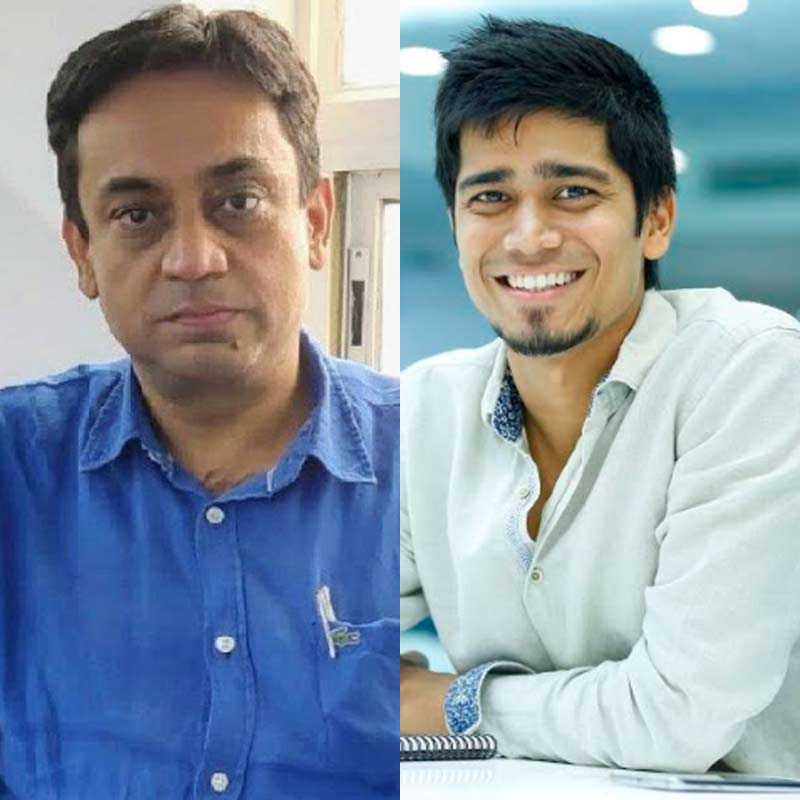
    Azhar Iqubal, Co-Founder and CEO, Inshorts said, “Inshorts conducted this survey in partnership with Ipsos to map the mood of the masses around Deepawali. This survey was highly rigorous as over 1 lac Inshorts users participated in the survey and was complementary in drawing up strengths of Inshorts and Ipsos to provide a robust output.”

    Krishnendu Dutta, Lead Delhi & Chennai Cluster, Ipsos India said, “Inshorts has a premium user base and the platform per se perfectly captures the views of a large, educated and connected audience.”

    So, will it be a noiseless Diwali this time for the upmarket elite?

    Interestingly, 59% respondents said that they (individuals or their family) would not be bursting firecrackers this Diwali; 23% would be going all out in bursting crackers; 12% would be opting for green crackers and 6% said that they were undecided. 

    The survey further shows that majority of respondents polled (68%) support the Supreme Court’s decision, 26% declinedand 6% were undecided.   
    “Clearly, two key themes seem to be emerging in the survey: cautiousness about spending and opportunistically looking forward to schemes and offers; and holding back on firecrackers with unanimous support for SC’s decision, on the same,”said Krishnendu Dutta, Delhi & Chennai Cluster Lead, Ipsos India.

    Net-net – a somewhat subdued Diwali, both from a spend and sound perspective,” added Dutta. 

    “The undecided, are the ones sitting on the fence and will need a nudge with great offers, to shop,” commented Iqubal.

  • Ipsos hires Sreyoshi Maitra for senior leadership position in Delhi

    Ipsos hires Sreyoshi Maitra for senior leadership position in Delhi

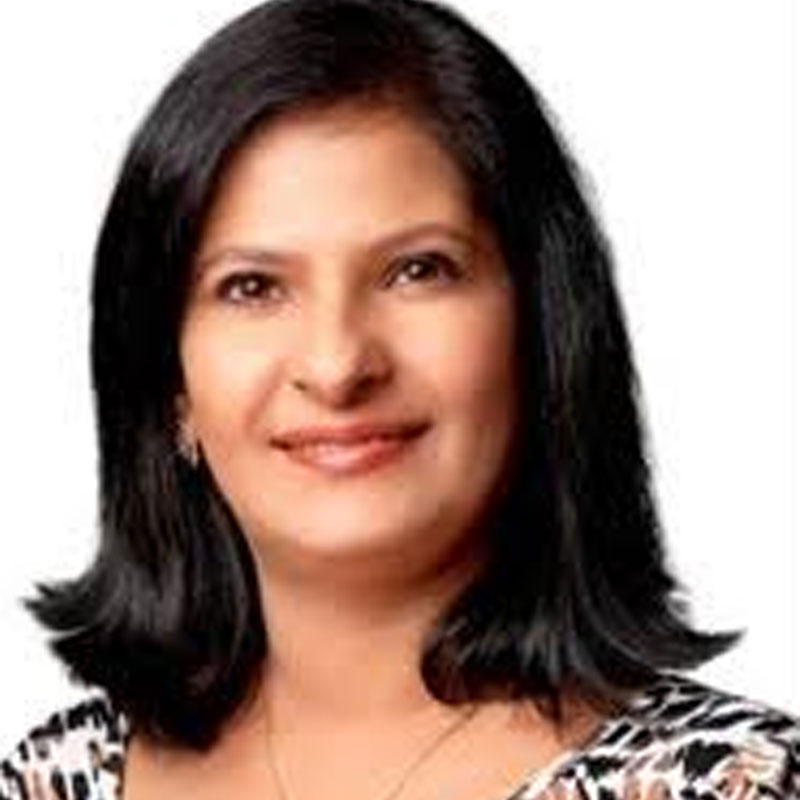
    MUMBAI: Ipsos, world’s third largest market research company has hiredSreyoshi Maitrain a senior leadership position,as part of its Delhi Cluster. Designated Executive Director, she will also lead the Shopper Practice for Ipsos India and will report to Krishnendu Duttawho leads the Delhi cluster for Ipsos.

    Maitra moves from MRSS and has previously held senior level positions with Nielsen, Kantar IMRB and Kantar Milward Brown. Her expertise coversa vast number of areas in both Consumer and Shopper behavior, and also ROI on Channel spends.

    Her remit is for key Ipsos clients in Delhi and NCR, though for Shopper Practice her repertoire of clients would extend across geographies of India. 

    Settling into her new role with one of the fastest growing MR companies in India, Sreyoshi says: “Ipsos isyoung and dynamic organization with a basket of compelling solutions. I look forward to partnering clients in their journey to uncover uncommon consumer insights and building stronger brands which are relevant to their audiences.”

    Krishnendu Dutta, Delhi Cluster Lead for Ipsos commented, “With her wealth of domain expertise and experience, Sreyoshi will play a key role in deepening our relationship with clients, further bolstering our position in the market.” 

    Maitra actively speaks at industry forums like Instore Asia, Asia Retail Congress, among others.

    She holds a PGDM degree in Marketing from IMI and is a BA Economics graduate from Jadavpur University. 

    Additionally, she has done a Digital Marketing Certification Program from MICA.
     

  • Indians happy with Quality of Healthcarebut have concerns with Healthcare Systems and Diseases: Ipsos Study

    Indians happy with Quality of Healthcarebut have concerns with Healthcare Systems and Diseases: Ipsos Study

    MUMBAI: 55% Indians feel they have access to quality healthcare, 31% rate it neither good nor poor, while 15% rate it as poor.  Interestingly, India is placed at the 11th spot in assessment of the quality of healthcare among the 28 countries covered in an Ipsos Global Advisor survey of more than 23,000 adults. Countries surveyed where consumers most tend to rate the quality of their healthcare positively are Great Britain (73%), Malaysia (72%), and Australia (71%). Countries rated lowest by consumers in quality of healthcare were Poland (14%), Russia (16%) and Serbia (18%).

    So, what are the major concerns cited by Indians around healthcare systems? 

    The top three problems cited were –Cost of access to treatment (44%), Poor quality treatment (35%) and Low standards of cleanliness (30%). Globally, the top three concerns that emerged were – Access to treatment/ long waiting times (41%), Staff crunch (36%) and Cost of accessing treatment (32%).

    Top 3 public health concerns in India? 

    Indians are worried most about Diabetes, followed by Cancer and the third biggest concern is Heart Disease.  Globally, the top three public health concerns are Cancer, Obesity and Mental Health.

    “Making healthcare affordable to all, should be addressed by governments and healthcare providers around the globe as it is among the top three concerns,” says Monica Gangwani, Head of Ipsos Healthcare.

    “Lifestyle changes can prevent some of these dreaded diseases.” adds Gangwani. 

    How does the future of Healthcare look 10 years from now? 

    There is high level of optimism seen among Indians – 66% say their own health will get better in 10 years (highest across all 28 markets), globally 35% feel so and in Japan only 11% feel their health will improve 10 years hence (lowest); 69% Indians feel that the quality of healthcare (docs, hospitals, medicine etc.) will improve for them and their family 10 years from now, 39% agree globally (across 28 markets), while Germany is the lowest with only 16% being optimistic; 60% Indians feel that the Cost of Healthcare will get better for them and their family 10 years from now – it will pinch the pocket less, 30% agree globally and Germany (at the bottom of the heap) has only 11% agreeing; 72% Indians (highest globally) feel that 10 years hence, the availability of healthcare providers (docs, hospitals etc.) where they live will get better; Germany is most pessimistic at 13% and global average is 37%; 73% Indians feel that the availability of treatments for various health conditions will improve 10 years hence, global average is 47% and Germany is at the bottom of the heap and has only 17% feeling optimistic. 

    Opinions about interactions with individual healthcare professionals tend to be more favorable among Indians, also of the healthcare system.  Majority of Indian adults agree that, the last time they saw a healthcare professional, they were treated with dignity and respect (63%), they were taken seriously (61%), they were shown respect for their values, preferences or expressed needs (61%), they were accepted for who they were (65%), their safety was a priority (66%), and they knew what to expect from their doctor (67%).Interestingly, the study findings suggest that many patients have a close relationship with their providers. More number of Indians agree that the provider they last saw knows them as a person (62%), or that they know that doctor very well (60%),only about half of Indians polled said their doctor showed them emotional support (53%). Looking at 16 healthcare experience attributes, the countries surveyed showing the highest average ratings are India, the U.S., Malaysia, Australia and Canada. Those with the lowest ones are Japan, Russia, South Korea, Peru and Brazil.   

    Use of Technology

    27% Indians report having ever used telemedicine. Among the 27% who have used it, two third saysay they would use it again and one third say they wouldn’t. Reported experience is far more common in emerging countries of Asia and the Middle East and in the United States than it is in Europe.  

    23% Indians say they currently use a connected health device or tool to manage their health, 24% say they have used one, but are not using any now, and 49% say they have never used one – the other 4% do not know. The five countries where usage is highest are the same as with telemedicine: China (28%), India (23%), Saudi Arabia (22%), Malaysia (18%) and the U.S. (15%).
      
    Sources of Information?

    Doctors and other healthcare professionals are the primary go-to source of information about healthcare, symptoms of diseases and treatments: it is the only one which is used by a majority of Indian adults (53%). The other sources most commonly used are online search engines (50%), family and friends (46%),online encyclopedias (32%), hospital/ health system/ health insurer website/ application (32%), newspaper/ magazines (31%), among others.

  • Vivek Gupta joins Ipsos as MD

    Vivek Gupta joins Ipsos as MD

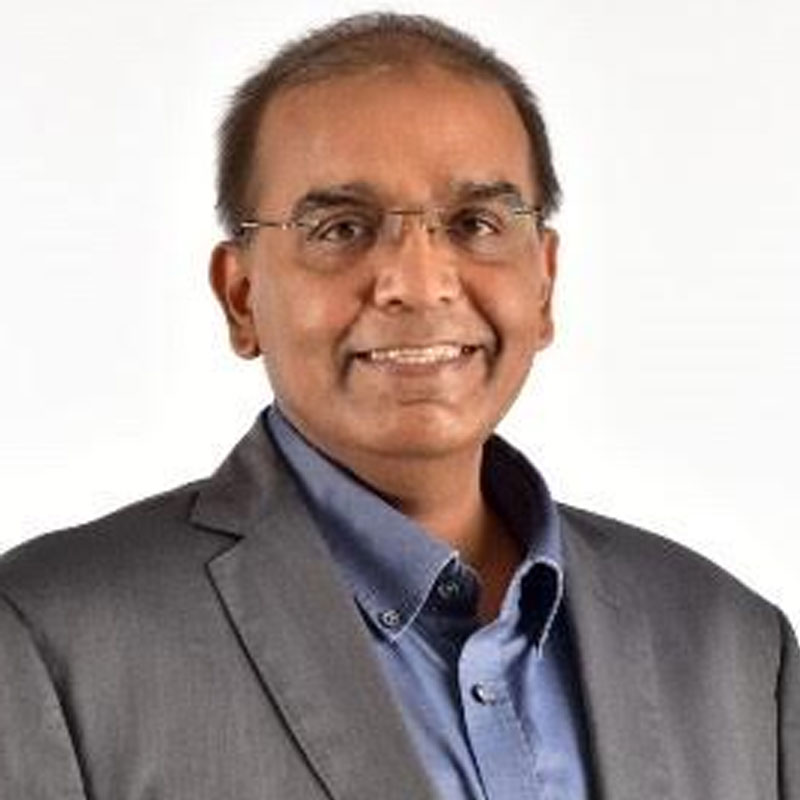
    MUMBAI: Ipsos has appointed Vivek Gupta as managing director to steer its Mumbai business. Gupta will report directly to Ipsos India CEO Amit Adarkar.

    In his new role, he will be focusing on managing and growing all Mumbai based client relationships, though he will be closely involved in strategy formulation and implementation for other geographies. 

    Commenting on his appointment Ipsos India CEO Amit Adarkar said, “Donning an archetypical business head’s hat, Gupta will be aggressively going after lucrative, new accounts and servicing existing large accounts with attentiveness and detailing, underscoring Ipsos’ glocal strategy of providing global know-how and backing with local depth of knowledge and sectoral experience.”

    “Business potential is huge and lies under-tapped across our expertise areas of brand health tracking, customer experience, quantitative, shopper behaviour, product testing, market strategy and understanding, public affairs, corporate reputation, qualitative, ethnography, field and tab, among others. Gupta has a huge task cut out for Mumbai market,” he added

    “Ipsos is already a well-entrenched player and growing at a frenetic pace, much faster than the MR industry. I see myself as a mercenary salesman proactively pitching for large accounts and opportunities, to spur growth in Mumbai market, which already accounts for Ipsos’ 40 per cent of revenues,” says Gupta.

    Gupta brings with him more than half a decade of work experience across the entire gamut of market research.

    Prior to this, he was chief sales officer and senior executive director at Kantar IMRB. Gupta started his career as an associate manager at Mudra Communication.