Tag: Ipsos India

  • Ipsos India hires Shrutika More to lead creative excellence vertical

    Ipsos India hires Shrutika More to lead creative excellence vertical

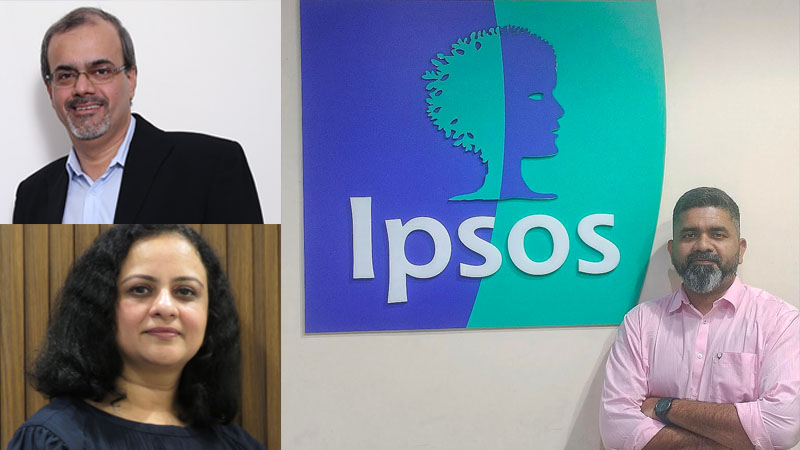
    Mumbai: Global market research company Ipsos has announced the hiring of Shrutika More as country service line leader for the creative excellence vertical, in India, with immediate effect.

    She moves from Abbott Healthcare, a leading pharma company and will report to Ipsos India group service line leader, brand health tracking (BHT) and creative excellence (CRE) Shalini Sinha.

    With 12 years of rich and diverse work experience, both with leading market research agencies and corporates, her expertise areas include creative, concept and product research and benchmarking studies. And is adept at handling qualitative and quantitative research work across categories for complex and strategic work.  

    Commenting on her new role, Ipsos India country service line, creative excellence Shrutika More stated, “Advertising in India has undergone massive shifts in recent past. In this new age, it becomes essential to adopt newer perspectives to evaluate and enhance the effectiveness of creative strategies. The future of advertising in India necessitates a broadened perspective for the evolving media consumption patterns of its diverse audience.”

    “More’s remit will be on driving the next leg of growth for the Creative Excellence vertical in India; and to achieve this, she will be working closely with the account facing teams across different verticals and offices in Ipsos India; with emphasis on building thought leadership for CRE and consolidating our presence in the domain,”  said Ipsos India group service line leader, BHT & CRE Shalini Sinha.

    “Creative Excellence encapsulates the entire creative development process, from ideation to assessment, storyboard, monitoring the impact of campaigns and communications, and More’s extensive experience will be an asset to our prestigious roster of clients,”  Sinha added.

    “Creativity requires excellence and it all starts with a spark. Shrutika More is joining us at a time when we have a whole new arsenal of digital and AI products for clients, to address their constant need for spiffier and more agile tools for faster decision making,” said Ipsos India CEO Amit Adarkar.

    More holds a post grad management degree (PGDM) from Indian Education Society’s Management College, Mumbai. Further, she has bachelor’s degree in microbiology & industrial biotechnology, and a diploma in food production & processing, both from Bharatiya Vidya Bhavan’s College, Mumbai.

  • Consumer sentiment improves for urban Indians in December 2023: Refinitiv-Ipsos PCSI monthly India report

    Consumer sentiment improves for urban Indians in December 2023: Refinitiv-Ipsos PCSI monthly India report

    Mumbai: Consumer sentiment shows recovery and uptick of 1.2 per cent points for urban Indians in December 2023, according to the Refinitiv-Ipsos Primary Consumer Sentiment Index (PCSI).

    The monthly PCSI result, which is driven by the aggregation of four weighted sub-Indices, displays a mixed response across the four sub-indices. The PCSI Current Personal Financial Conditions (“Current Conditions”) Sub-Index is up 3.2 per cent points; the PCSI Investment Climate (“Investment”) Sub-Index improves and is up 3.0 per cent points. On the contrary, PCSI Economic Expectations (“Expectations”) Sub-Index is down 0.1 percentage points and the PCSI Employment Confidence (“Jobs”) Sub- Index has dipped 1.9 percentage points.

    Ipsos India CEO Amit Adarkar said, “We see a slight recovery and upturn in consumer sentiment in December, after November’s downturn. The RBI has left the Repo Rate unchanged in its recent Monetary Policy, which means no hike in interest rates on home loans, vehicle loans, borrowings etc., which should have brought some cheer to consumers. Improvement in sentiment is seen more around the 2 sub-indices of current financial conditions and investments, which shows consumers do not need to observe frugality in their spending and savings. Sentiment around jobs and the economy continues to be pessimistic as the two wars in Israel and Ukraine and a significant slowdown in the global economy continue to impact most global markets, especially now that we are seeing job cuts by major global companies.”

    Consumer Sentiment in 29 Countries

    Among the 29 countries, India (64.3) holds the highest National Index score this month. Indonesia (63.9) and Mexico (60.0) are the only other countries with a National Index score of 60 or higher.

    Six other countries show a National Index above the 50-point mark: Thailand (58.1), Singapore (57.5), Brazil (56.5), the Netherlands (52.2), Poland (51.5), and the U.S. (51.1). For Poland, this month’s score is the country’s highest since November 2019.  

    In contrast, five countries now show a National Index below the 40-point mark: Chile (39.9), South Korea (39.1), Japan (37.5), Hungary (36.6), and Türkiye (35.5).

    https://lh7-us.googleusercontent.com/5xO87cdvNbhHl9HDHtm4WFTDVB7B6v_Xy2UT_51B8636SIBhhu2wUu4B2j0cgI7pC2bBJq-d1jDinzJjVsxZkRRNNPEQn8jii-aJj0ab2Tr2cmIJryEnhr6YWu3wmjx9l7iApwhGcLY561HR1u-gRg

    These findings are based on data from a monthly 29-country survey conducted by Ipsos on its Global Advisor online survey platform and, in India, on its IndiaBus platform. They are first reported each month by LSEG as the Primary Consumer Sentiment Index (PCSI).

    The results are based on interviews with over 21,200 adults aged 18+ in India, 18-74 in Canada, Israel, Malaysia, South Africa, Türkiye, and the United States, 20-74 in Thailand, 21-74 in Indonesia and Singapore, and 16-74 in all other countries.

    The monthly sample consists of 1,000+ individuals each in Australia, Brazil, Canada, France, Germany, Great Britain, Italy, Japan, Spain, and the U.S., and 500+ individuals in each of Argentina, Belgium, Chile, Colombia, Hungary, Indonesia, Israel, Malaysia, Mexico, the Netherlands, Peru, Poland, Singapore, South Africa, South Korea, Sweden, Thailand, and Türkiye. The sample in India consists of approximately 2,200 individuals of whom 1,800 were interviewed face-to-face and 400 were interviewed online.

    Samples in Argentina, Australia, Belgium, Canada, France, Germany, Great Britain, Hungary, Italy, Japan, the Netherlands, Poland, South Korea, Spain, Sweden, and the U.S. can be considered representative of their general adult populations under the age of 75. Samples in Brazil, Chile, Colombia, Indonesia, Israel, Malaysia, Mexico, Peru, Singapore, South Africa, Thailand, and Türkiye are more urban, more educated, and/or more affluent than the general population. The survey results for these countries should be viewed as reflecting the views of the more “connected” segment of their populations. India’s sample represents a large subset of its urban population — social economic classes A/B/C in metros and tier 1-3 town classes across all four zones.  

    The data is weighted so that the composition of the sample in each country best reflects the demographic profile of the adult population according to the most recent census data. The global indices and averages reported here reflect the average result for all the countries and markets in which the survey was conducted. They have not been adjusted to the population size of each country or market and are not intended to suggest “total” results.

    Sample surveys and polls may be subject to other sources of error, including, but not limited to coverage error and measurement error. The precision of Ipsos online surveys is calculated using a Bayesian credibility interval with a survey of N=1,000 being accurate to +/- 3.5 per cent points and a survey of N=500 being accurate to +/- 5.0 percentage points. For more information on credibility intervals, visit this page.

    The LSEG/ Ipsos Primary Consumer Sentiment Index (PCSI), ongoing since 2010, is a monthly survey of consumer attitudes on the current and future state of their local economy, personal financial situation, savings, and confidence to make major investments. The PCSI metrics reported each month for each of the countries surveyed consist of a “Primary Index” based on all 10 questions below and of several “sub-indices” each based on a subset of these 10 questions.

    The concerned publication of these findings abides by local rules and regulations. 

  • Ipsos India appoints Unni Hariharan, executive director of tech & e-commerce

    Ipsos India appoints Unni Hariharan, executive director of tech & e-commerce

    Mumbai: Keeping in view the transforming market dynamics and tech focus and digital becoming an essential ingredient for business, eCommerce and engagement, and with many new entrants in this space, Ipsos India has pulled in Unni Hariharan to lead tech and e-commerce, with immediate effect.

    Hariharan is the designated executive director, and his remit is to identify and enhance opportunities with leading players in the tech and e-commerce sector and will work with clients pan India. He reports to Shalini Sinha, country service line leader, brand health tracking (BHT) and creative excellence (CRE).

    Elaborating more on the development, Shalini Sinha, country service line leader, BHT and CRE said, “It is our constant endeavour to hire sectoral experts as they are best placed in providing a strong and strategic counsel to clients for market leading business decisions. Hariharan has domain expertise and has worked extensively with clients in technology, e-commerce and D2C space and we foresee him growing our presence with the roster of clients in these areas and leveraging opportunities.”  

    Ipsos India CEO Amit Adarkar said, “Covid19, hastened adoption of technology with lockdowns and access to brick and motor stores almost unavailable for many months and then the fear of going to public places occupying the mindset of consumers, there was a boom in e-commerce, D2C players and digital adoption for almost bingeing on everything – from shopping to social media browsing and surge in OTT subscriptions etc. Ipsos India views this as a great opportunity area, bringing in Hariharan will help us enhance our quality of work and our client delivery mechanism.”

    Hariharan moved from Nielsen and has about two decades of work experience across leading market research agencies. He is an alumnus of Goa Institute of Management.


  • India stays buoyant and ranks 3rd in optimism: Ipsos What Worries the World global monthly survey

    India stays buoyant and ranks 3rd in optimism: Ipsos What Worries the World global monthly survey

    Mumbai: The November wave of the Ipsos What Worries the World shows India continues to buck the global trend of pessimism and is ranked as the 3rd most optimistic market, with at least 71% of urban Indians polled believing India is headed in the right direction. Interestingly, two South East Asian markets of Singapore (83%) and Indonesia (77%) emerged the most optimistic, while only 37% of global citizens were optimistic and majority (63%) believed their country is on the wrong track.

    These are the findings of the Ipsos What Worries the World global monthly survey that tracks public opinion on the most important social and political issues, alongside whether people think things in their country are heading in the right or wrong direction, across 29 countries.

    Local and global worries

    Top issues worrying Urban Indians in November 2023 were: Inflation (48%), unemployment (44%), crime and violence (27%), financial and political corruption (25%), and terrorism (21%). Terrorism is new in the top 5 worry list, knocking out poverty and social inequality to the 6th spot.

    Global citizens were most concerned about, inflation (38%), crime and violence (30%), poverty and social inequality (30%), unemployment (26%) and financial and political corruption (25%).    

    Elucidating on the findings of the survey, Ipsos India CEO Amit Adarkar said, “India continues to be ranked among the top most optimistic markets despite all the global disruption and macro factors impacting the local market and our economy. Our economy depends a lot on local consumption and festivals have further added to the buoyancy, with consumers loosening their purse strings to splurge.”

    “The worries of Indians have been around wave after wave, despite measures taken by the govt to provide reprieve. Some factors are global, with global economic slowdown, wars in Ukraine and Gaza, job cuts by global companies that have offices in India. Terrorism is a new worry that has surfaced this month. Govt needs to address these worries of citizens on priority.”

    Methodology

    This 29-country Global Advisor survey was conducted between October 20th 2023 and November 3rd 2023 via the Ipsos Online Panel system among 20,570 adults aged 18-74 in Canada, Israel, Malaysia, South Africa, Türkiye and the United States, 20-74 in Indonesia and Thailand, 21-74 in Singapore, and 16-74 in all other nations.

    The “Global Country Average” reflects the average result for all the countries where the survey was conducted. It has not been adjusted to the population size of each country and is not intended to suggest a total result. The sample consists of approximately 1000+ individuals in each of Australia, Belgium, Brazil, Canada, France, Germany, Great Britain, Italy, Israel, Japan, Mexico, Spain, Sweden, and the US, and approximately 500+ individuals in each of Argentina, Chile, Colombia, Hungary, India, Indonesia, Malaysia, the Netherlands, Peru, Poland, Singapore, South Africa, South Korea, Thailand and Turkey. The samples in Argentina, Australia, Belgium, Canada, France, Germany, Great Britain, Hungary, Italy, Japan, the Netherlands, Poland, South Korea, Spain, Sweden, and the US can be taken as representative of these countries’ general adult population under the age of 75. The samples in Brazil, Chile, Colombia, India, Indonesia, Malaysia, Mexico, Peru, Singapore, South Africa, Thailand and Turkey are more urban, more educated, and/or more affluent than the general population.

    The survey results for these markets should be viewed as reflecting the views of the more “connected” segment of these populations. Weighting has been employed to balance demographics and ensure that the sample’s composition reflects that of the adult population according to the most recent census data. The precision of Ipsos online polls are calculated using a credibility interval with a poll of 1,000 accurate to +/- 3.5 percentage points and of 500 accurate to +/- 5.0 percentage points. For more information on the Ipsos use of credibility intervals, please visit the Ipsos website. Where results do not sum to 100 or the ‘difference’ appears to be +/-1 more/less than the actual, this may be due to rounding, multiple responses, or the exclusion of don’t knows or not stated responses.

  • UNESCO-Ipsos: Six in ten urban Indians find social media most misleading yet preferred for news

    UNESCO-Ipsos: Six in ten urban Indians find social media most misleading yet preferred for news

    Mumbai: The UNESCO-Ipsos Survey on the impact of Online Disinformation and Hate Speech shows, that disinformation and fake news and hate speeches are a reality in India with 64 per cent blaming social media feeds as the biggest source of disinformation and fake news. Ironically, 1 in 2 urban Indians (56 per cent) claimed to turn to social media feeds as their top choice for news and information.

    UNESCO and Ipsos decided to conduct a global survey on the impact of online disinformation and hate speech in 16 Countries where general elections are to be held in 2024 and posed questions specific to this context. Do they feel disinformation has already had an impact on political life in their country and is there concern about disinformation impacting the next campaign?  

    Sources of disinformation and fake news. And sources accessed for news and information

    Urban Indians believe social media feeds is the widest source of disinformation and fake news (64 per cent), followed by large groups or communities or online messaging groups (42 per cent), media websites/ media mobile apps (23 per cent), television (17 per cent), in-person/ online discussions with family members, friends or colleagues (17 per cent), newspapers or news magazines (11 per cent) and radio (four per cent).    

    Interestingly, in spite of being aware of the pitfalls of turning to social media feeds, as it is perceived to be the widest purveyor of disinformation and fake news, paradoxically, one in two urban Indians (56 per cent) claimed to turn to social media feeds as a top choice for news and information. Followed by television (42 per cent), newspapers or news magazines (37 per cent), media websites or media mobile apps (24 per cent), large groups or communities on online messaging apps (17 per cent), in-person or online discussions with family members, friends or colleagues (seven per cent) and radio (six per cent).  

    Hate Speeches  

    At least 85 per cent of urban Indians polled claimed to have come across often, online content that seemed like hate speech. Across all 16 markets, Indians came across hate speech the most, followed by citizens of Bangladesh (84 per cent).

    Hate speeches can be found on social networks, comment sections of articles, in instant messaging. And can target individuals or groups of people (ethnic, racial, religious minorities, LGBTQ+ and people with disabilities.

    Biggest victims of hate speech on social media across 16 countries were LGBT+ people (33 per cent), ethnic/ racial minorities (28 per cent), women (18 per cent), religious minorities (17 per cent), the poorest members of society (17 per cent), overweight persons (13 per cent), people with mental health issues (12 per cent) etc.

    Trust and safety measures on social media during elections

    Broad approval (among citizens across 16 markets) for governments and regulators requring social media platforms to put in place trust and safety measures during election campaigns, to safeguard the sanctity of elections. 93 per cent of urban Indians polled endorse this view.  

    Summarizing on the findings of the survey, Ipsos India CEO Amit Adarkar said, “The UNESCO-Ipsos survey is pertinent as India is among the 16 markets that go into the general elections in 2024. Social Media Feeds while being accessed for breaking news and for information, is perceived to be fraught with disinformation and fake news believe majority of urban Indians polled. There is a strong case for guardrails and govt and regulators need to ensure social media platforms implement trust and safety measures during the general elections given the risk it poses for disinformation and fake news.”

    “Social media is like a loose cannon, can cause immense damage to reputation and credibility especially during the elections. All the hate spewed is also unfettered,” added Adarkar.  

  • Tier one town residents happiest at 86 per cent: Ipsos IndiaBus Happiness Monitor

    Tier one town residents happiest at 86 per cent: Ipsos IndiaBus Happiness Monitor

    Mumbai: The Ipsos IndiaBus Happiness Monitor of November 2023 shows at least three in four urban Indians (75 per cent) claim to be happy – a four per cent increase from the previous month. Interestingly, happiness has surged across all parameters used in the survey to gauge happiness.

    A graph of different colored lines Description automatically generated

    Who are the happiest?

    Citizens residing in tier1 towns are the happiest at 86 per cent. Followed by tier2 towns (77 per cent), tier3 towns (72 per cent) and least happy were those living in the metros (68 per cent).   Retired/ military/ prefer not to answer citizens (80 per cent) are the happiest, followed by full time parents and homemakers (79 per cent), self-employed (77 per cent), students (74 per cent), full/ part time employed (73 per cent) and the unemployed were least happy (53 per cent). SEC A (79 per cent) and SEC C (79 per cent) were happier than SEC B (70 per cent). Those with low education (76 per cent) were happier than those with high education (74 per cent). Interestingly, citizens in west zone were happier (83 per cent) than those in north zone (78 per cent). South zone (69 per cent) and east zone (67 per cent) were comparatively less happy – though both east zone and south zone have witnessed a double-digit increase in happiness levels over October 2023, of 16 per cent and 11 per cent respectively. Women were happier (78 per cent) vis-à-vis men (73 per cent). And students have seen a five per cent drop in happiness in Nov, from the previous month.

    Biggest contributors to happiness – what makes Indians happy?

    Happiness is not just an emotion or a state of mind. The survey shows happiness manifests in different aspects of life. Across all our happiness waves, family has been the biggest contributor to happiness and in the Nov wave as well, family is the biggest source of happiness (78 per cent), followed by health (72 per cent), friends’ circle (67 per cent), employment/work (67 per cent), colleagues, business associates (65 per cent), neighbours (63 per cent), economic/financial conditions (57 per cent), situation of the country (55 per cent) and situation of the world (51 per cent).

    A table with numbers and a number on it Description automatically generated

    Elucidating on the findings of the Nov wave of the Happiness Monitor, Ipsos India Group service line leader, public affairs, corporate reputation, ESG and CSR Parijat Chakraborty said, “Happiness levels have surged overall and across cities and demographics in November. From October end to mid-November, it was festival time which is a big mood booster. There are celebrations in the family, cities are decked up to radiate festive fervour, whether it is Durga Puja, Diwali, people wear their best clothes, bond with family and it is the time for shopping and family outings. Tier1 citizens are the happiest as they have the best of both worlds. Good jobs, income and recreation options of big cities, without the pressure of big cities or the higher cost of living of big cities (metros). Retired/ military & those preferring not to answer people are the happiest as they have the comforts of their savings and facilities abound, giving them enough personal time to relax and utilize the time to indulge in pursuits of leisure, likewise for full time parents and homemakers. Family remains the focal point of happiness for most Indians. Followed by health, friends, work etc. It is a package deal. Happiness is not just an emotion. It depends on several factors and disruption in one area can pull happiness levels down.”  

    ‘It will be good to see if Indians can sustain the current momentum of happiness to the next month,” added Chakraborty.

    Methodology:

    Ipsos IndiaBus is a monthly pan India omnibus (which also runs multiple client surveys), that uses a structured questionnaire and is conducted by Ipsos India on diverse topics among 2200+ respondents from SEC A, B and C households, covering adults of both genders from all four zones in the country. The survey is conducted in metros, Tier 1, Tier 2 and Tier 3 towns, providing a more robust and representative view of urban Indians. The respondents were polled face to face and online. We have city-level quota for each demographic segments that ensure the waves are identical and no additional sampling error. The data is weighted by demographics and city-class population to arrive at national average. The data collection is done in every month and the results are calculated on two-months rolling sample.

  • Consumer sentiment weakens in November 2023 for urban Indians – Refinitiv-Ipsos PCSI monthly survey

    Consumer sentiment weakens in November 2023 for urban Indians – Refinitiv-Ipsos PCSI monthly survey

    Mumbai: Consumer sentiment has weakened for urban Indians by 1.0 percentage points in November 2023, according to the Refinitiv-Ipsos Primary Consumer Sentiment Index (PCSI) for India.

    The monthly PCSI result which is driven by the aggregation of the four, weighted, sub-indices, has slumped across all four sub-indices: the PCSI Economic Expectations (“Expectations”) Sub-Index is down 2.9 percentage points; the PCSI Employment Confidence (“Jobs”) Sub-Index has dipped 0.1 percentage points; the PCSI Current Personal Financial Conditions (“Current Conditions”) Sub-Index has decreased 0.3 percentage points; and the PCSI Investment Climate (“Investment”) Sub-Index has fallen 1.0 percentage points.

    Ipsos India CEO Amit Adarkar said, “Consumer sentiment has weakened over the previous month largely around the economy. The global sentiment is depressed because of the global economic slowdown and war in Ukraine and Israel. Though India has been showing a lot of resilience, it is not insulated from global macro conditions. Another reason could be the post festival gloom, as sentiment is down for personal finances and investments for savings and purchase of big-ticket items. Also being the fag end of the year, hiring and jobs are lowkey as establishments are focusing on wrapping up the financial year. Though inflation is under control for now, the central bank has flagged off fast rise in retail credit as a risk that could have future inflationary impact.”

    Consumer Sentiment in 29 Countries

    India is second highest on National Index.

    Among the 29 countries, Indonesia (63.2) holds the highest National Index score this month. India (63.1), which held the highest score last month, and Mexico (60.8) are the only other countries with a National Index score of 60 or higher. For Mexico, consumer sentiment is at its highest point since tracking started in 2010.

    The Global Consumer Confidence Index is the average of all surveyed countries’ Overall or “National” indices. This month’s installment is based on a monthly survey of more than 21,000 adults under the age of 75 from 29 countries conducted on Ipsos’ Global Advisor online platform. This survey was fielded between 20 October and 3 November 2023.

    How we did it

    These findings are based on data from a monthly 29-country survey conducted by Ipsos on its Global Advisor online survey platform and, in India, on its IndiaBus platform. They are first reported each month by Refinitiv as the Primary Consumer Sentiment Index (PCSI).

    The results are based on interviews with over 21,200 adults aged 18+ in India, 18-74 in Canada, Israel, Malaysia, South Africa, Turkey, and the United States, 20-74 in Thailand, 21-74 in Indonesia and Singapore, and 16-74 in all other countries.

    Since March 2023, Ipsos India has moved the survey from covering only netizens to include an expanded offline sample, using the Ipsos IndiaBus – 1800 offline sample + 400 online sample, covering 16 cities across the length and breadth of the country, scientifically chosen, from NCCS A, B & C. More representative of the urban population.

    Ipsos IndiaBus is a monthly pan India omnibus (which also runs multiple client surveys), that uses a structured questionnaire and is conducted by Ipsos India on diverse topics among 2200+ respondents from SEC A, B and C households, covering adults of both genders from all four zones in the country. The survey is conducted in metros, tier1, tier 2 and tier 3 towns, providing a more robust and representative view of urban Indians. The respondents were polled face-to-face and online. We have city-level quota for each demographic segments that ensure the waves are identical with no additional sampling error. The data is weighted by demographics and city-class population to arrive at national average.

  • Urban Indian consumer sentiment rises by 1.9 points in October 2023

    Urban Indian consumer sentiment rises by 1.9 points in October 2023

    Mumbai: Consumer sentiment for urban Indians is up 1.9 percentage points in October 2023, displaying further improvement in consumer sentiment over September 2023, according to the Refinitiv-Ipsos India Primary Consumer Sentiment Index (PCSI) report for India.

    The monthly PCSI result which is driven by the aggregation of the four, weighted, sub-Indices, has surged across all the 4 sub-indices:  the PCSI Economic Expectations (“Expectations”) Sub-Index is up 4.0 percentage points; the PCSI Employment Confidence (“Jobs”) Sub- Index has slightly moved up 0.2 percentage points; the PCSI Current Personal Financial Conditions (“Current Conditions”) Sub-Index is up 1.3 percentage points; and the PCSI Investment Climate (“Investment”) Sub-Index is up 1.9 percentage points.

    Ipsos India CEO Amit Adarkar elucidating on the findings of the survey said, “Consumer Sentiment among urban Indians has been showing a steady improvement since July 2023, and sustaining through October 2023. We also see improvement across the 4 sub-indices of economy, jobs, personal finances and investments. Sentiment around the economy has seen a major boost of 4 percentage points and likewise for investments (1.9 percentage points) and personal finances (1.3 percentage points).”

    “Indian economy is on a firm growth track. With the recent downturn in food inflation and increased bonhomie about the upcoming festival period, urban consumer sentiment is getting more upbeat. Recently concluded various eCommerce sales also reflect this sentiment,”

    Adarkar added.      

    Since March 2023, Ipsos India has moved the survey from covering only netizens to include an expanded offline sample, using the Ipsos IndiaBus – 1800 offline sample + 400 online sample, covering 16 cities across the length and breadth of the country, scientifically chosen, from NCCS A, B & C. More representative of the urban population.

    Ipsos IndiaBus is a monthly pan India omnibus (which also runs multiple client surveys), that uses a structured questionnaire and is conducted by Ipsos India on diverse topics among 2200+ respondents from SEC A, B and C households, covering adults of both genders from all four zones in the country. The survey is conducted in metros, tier1, tier 2 and tier 3 towns, providing a more robust and representative view of urban Indians. The respondents were polled face to face and online. We have city-level quota for each demographic segments that ensure the waves are identical with no additional sampling error. The data is weighted by demographics and city-class population to arrive at national average.

    Consumer Sentiment in 29 Countries – India emerges most buoyant on consumer sentiment, across all markets covered, followed by Indonesia, Brazil and Mexico.  

    India has climbed to the top spot this month, from the 2nd spot last month.  

    How we did it

    These findings are based on data from a monthly 29-country survey conducted by Ipsos on its Global Advisor online survey platform and, in India, on its IndiaBus platform. They are first reported each month by LSEG as the Primary Consumer Sentiment Index (PCSI).

    The results are based on interviews with over 21,200 adults aged 18+ in India, 18-74 in Canada, Israel, Malaysia, South Africa, Turkey, and the United States, 20-74 in Thailand, 21-74 in Indonesia and Singapore, and 16-74 in all other countries.

    The monthly sample consists of 1,000+ individuals each in Australia, Brazil, Canada, France, Germany, Great Britain, Italy, Japan, Spain, and the U.S., and 500+ individuals in each of Argentina, Belgium, Chile, Colombia, Hungary, Indonesia, Israel, Malaysia, Mexico, the Netherlands, Peru, Poland, Singapore, South Africa, South Korea, Sweden, Thailand, and Turkey. The sample in India consists of approximately 2,200 individuals of whom 1,800 were interviewed face-to-face and 400 were interviewed online.

    Samples in Argentina, Australia, Belgium, Canada, France, Germany, Great Britain, Hungary, Italy, Japan, the Netherlands, Poland, South Korea, Spain, Sweden, and the U.S. can be considered representative of their general adult populations under the age of 75. Samples in Brazil, Chile, Colombia, Indonesia, Israel, Malaysia, Mexico, Peru, Singapore, South Africa, Thailand, and Turkey are more urban, more educated, and/or more affluent than the general population. The survey results for these countries should be viewed as reflecting the views of the more “connected” segment of their populations. India’s sample represents a large subset of its urban population — social economic classes A/B/C in metros and tier 1-3 town classes across all four zones.  

    The data is weighted so that the composition of the sample in each country best reflects the demographic profile of the adult population according to the most recent 
    census data.  

    The global indices and averages reported here reflect the average result for all the countries and markets in which the survey was conducted. They have not been adjusted to the population size of each country or market and are not intended to suggest “total” results.

    Sample surveys and polls may be subject to other sources of error, including, but not limited to coverage error, and measurement error. The precision of Ipsos online surveys is calculated using a Bayesian credibility interval with a survey of N=1,000 being accurate to +/- 3.5 percentage points and a survey of N=500 being accurate to +/- 5.0 percentage points. For more information on credibility intervals, visit this page.

    The LSEG/Ipsos Primary Consumer Sentiment Index (PCSI), ongoing since 2010, is a monthly survey of consumer attitudes on the current and future state of their local economy, personal financial situation, savings, and confidence to make major investments. The PCSI metrics reported each month for each of the countries surveyed consist of a “Primary Index” based on all ten questions below and of several “sub-indices” each based on a subset of these 10 questions.  

  • One in two urban Indians have access to quality healthcare: Ipsos Global Health Service Monitor 2023

    One in two urban Indians have access to quality healthcare: Ipsos Global Health Service Monitor 2023

    Mumbai: According to the Ipsos Global Health Service Monitor 2023, a global 31 country study conducted among 23,274 adults, at least 1 in 2 urban Indians  (53 per cent) and 48 per cent global citizens polled, claim to have access to good quality of healthcare. Markets where more number of citizens rated their healthcare facilities high and of good quality were Singapore (71 per cent), Switzerland (68 per cent) and Malaysia (66 per cent). On the other hand,  markets where citizens rated their healthcare lowest in quality of healthcare were Poland (14 per cent), Hungary (15 per cent) and Peru (16 per cent).  

    Overstretched Healthcare System

    Interestingly, there was a consensus across markets of their healthcare system being overstretched, with at least 2 in 3 urban Indians (68 per cent) and 6 in 10 global citizens agreeing (62 per cent).  Markets claiming to be more pressured were France (82 per cent), Great Britain (81 per cent), Hungary (79 per cent) and Sweden (79 per cent). The markets that claimed to be least burdened were Japan (24 per cent), South Korea (24 per cent) and Poland (27 per cent).

    Healthcare – how does it stack up

    Interestingly, 71 per cent of Indians polled believe we have Equality of Healthcare (highest globally) while in comparison only 41 per cent of global citizens held this view about their nations. Malaysia (65 per cent), Spain (64 per cent) and Singapore (61 per cent) were the other countries with high ratings on Equality of Healthcare. While Hungary (14 per cent), Poland (23 per cent) and Chile (24 per cent) had low ratings.

    On ease of getting a doctor appointment in the local area, India again was placed at the top at 70 per cent (highest globally), followed by South Korea (64 per cent), Malaysia (61 per cent), South Africa (61 per cent) and Singapore (60 per cent), with their citizens claiming it was easy to get the doctor’s appointment. Only 46 per cent of global citizens polled said it was easy to get a doctor’s appointment in their local area. Markets at the bottom of the heap with least ease of obtaining a doctor’s appointment in their area were France (32 per cent), Peru (32 per cent), Germany (33 per cent) and Canada (33 per cent).  

    For Trust in Healthcare that provides the best treatment, India once again was placed at the top with 75 per cent urban Indians endorsing this view. The other top markets with trust in their healthcare system were Singapore (69 per cent), Spain (69 per cent) and Malaysia (68 per cent).  The markets with least Trust in Healthcare were Hungary (15 per cent), Peru (27 per cent) and Poland (32 per cent).  

    77 per cent urban Indians and 59 per cent global citizens polled believe Vaccinating against serious infectious diseases should be compulsory.

    Areas of discontent in Healthcare

    Waiting time to get an appointment with the doc was seen to be a perpetual problem across most markets polled with at least 67 per cent of global citizens polled agreeing. Even 70 per cent of urban Indians polled seemed miffed with the waiting time taken to see the doctor. The markets most unhappy with the waiting time taken to see the doctor were Hungary (86 per cent), Poland (81 per cent) and Brazil (81 per cent). Markets with least waiting time were Switzerland (38 per cent), South Korea (43 per cent) and the United States (47 per cent).

    Notably, the cost of healthcare was seen to be a sore point across most of the markets polled, with at least 6 in 10 global citizens (61 per cent) and at least three in four urban Indians polled (74 per cent) seemed to be baffled by the enormous cost of healthcare, believing many people cannot afford good healthcare in the country.

    Top health concerns

    Urban Indians say they are most concerned about cancer (59 per cent), heart disease (39 per cent), diabetes (35 per cent), covid19 (27 per cent), alcohol abuse (26 per cent) and smoking (20 per cent).

    Across all markets polled health concern for cancer was the highest in India.  

    Global citizens were seen to be most concerned about mental health (44 per cent), cancer (40 per cent), stress (30 per cent), obesity (25 per cent), drug abuse (22 per cent), diabetes (18 per cent), alcohol abuse (17 per cent), heart disease (15 per cent), covid19 (15 per cent) etc.  

    Challenges facing the healthcare system

    For urban Indians some of the challenges faced in the healthcare sector included, poor quality treatment (30 per cent), cost of accessing treatment (29 per cent), low standards of cleanliness (27 per cent), not enough staff (26 per cent), poor safety (21 per cent), lack of choice (21 per cent) etc.  

    Summarising on the findings of the report, Ipsos India country service line leader, healthcare Gauri Pathak said, “India has world class healthcare systems especially in the private sector thereby making it an attractive destination for medical tourism.The government’s efforts in making healthcare accessible to the lower socio-economic stata through Pradhan Mantri Jan Arogya Yojana (PM-JAY) may be instrumental in driving perceptions around equality. High trust levels healthcare may reflect the confidence in the superior talent pool India has in the medical profession. Healthcare costs continue to be a sore point for Indians, as they do in many other countries, despite the fact that India offers access to high quality affordable pharmaceutical products.”      

    Methodology

    These are the results of a 31-country survey conducted by Ipsos on its Global Advisor online platform and, in India, on its IndiaBus platform, between Friday, July 21 and Friday, August 4, 2023. For this survey, Ipsos interviewed a total of 23,274 adults aged 18 years and older in India, 18-74 in Canada, Republic of Ireland, Malaysia, New Zealand, South Africa, Turkey, and the United States, 20- 74 in Thailand, 21-74 in Indonesia and Singapore, and 16-74 in all other countries. The sample consists of approximately 1,000 individuals each in Australia, Brazil, Canada, France, Germany, Great Britain, Italy, Japan, New Zealand, Singapore, Spain, and the U.S., and 500 individuals each in Argentina, Belgium, Chile, Colombia, Hungary, Indonesia, Ireland, Malaysia, Mexico, the Netherlands, Peru, Poland, South Africa, South Korea, Sweden, Switzerland, Thailand, and Turkey. The sample in India consists of approximately 2,200 individuals, of whom approximately 1,800 were interviewed face-to-face and 400 were interviewed online. Samples in Argentina, Australia, Belgium, Canada, France, Germany, Great Britain, Hungary, Italy, Japan, the Netherlands, New Zealand, Poland, South Korea, Spain, Sweden, Switzerland, and the U.S. can be considered representative of their general adult populations under the age of 75. Samples in Brazil, Chile, Colombia, Indonesia, Ireland, Malaysia, Mexico, Peru, Singapore, South Africa, Thailand, and Turkey are more urban, more educated, and/or more affluent than the general population. The survey results for these countries should be viewed as reflecting the views of the more “connected” segment of their population.

    India’s sample represents a large subset of its urban population — social economic classes A, B and C in metros and tier 1-3 town classes across all four zones. The data is weighted so that the composition of each country’s sample best reflects the demographic profile of the adult population according to the most recent census data. “The Global Country Average” reflects the average result for all the countries and markets in which the survey was conducted. It has not been adjusted to the population size of each country or market and is not intended to suggest a total result. When percentages do not sum up to 100 or the ‘difference’ appears to be +/-1 percentage point more/less than the actual result, this may be due to rounding, multiple responses, or the exclusion of “don’t know” or not stated responses. The precision of Ipsos online polls is calculated using a credibility interval with a poll where N=1,000 being accurate to +/- 3.5 percentage points and of where N=500 being accurate to +/- 5.0 percentage points. For more information on Ipsos’ use of credibility intervals, please visit the Ipsos website. The publication of these findings abides by local rules and regulations.

  • 69 per cent Indians believe India is moving in the right direction: Ipsos survey

    69 per cent Indians believe India is moving in the right direction: Ipsos survey

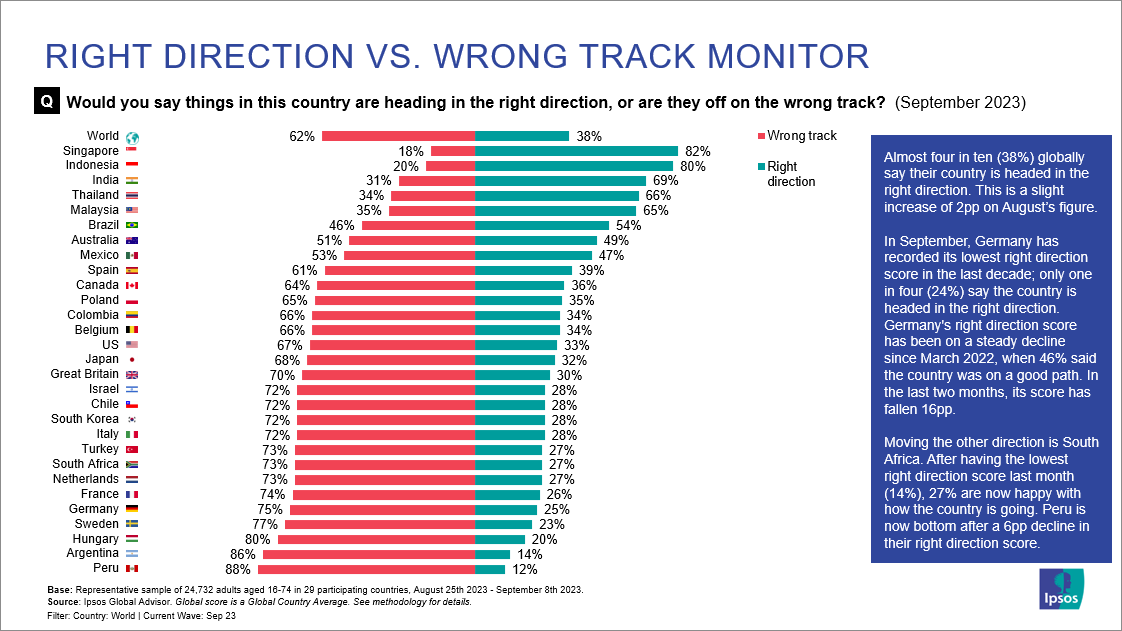
    Mumbai: The September wave of the Ipsos What Worries the World Global Survey shows global south is driving optimism with Asian markets being most optimistic. Ipsos India was placed 3rd in the pecking order, after Singapore (82 per cent) and Indonesia (80 per cent). The other optimistic Asian markets being Thailand (66 per cent) and Malaysia (65 per cent).

    Global citizens on the contrary were more pessimistic with only 38 per cent believing their country is moving in the right direction. Notably, India has moved up five points in optimism in September from the August wave and global citizens too have moved up by two per cent.

    Ipsos What Worries the World tracks public opinion on the most important social and political issues, alongside whether people think things in their country are heading in the right or wrong direction, across 29 countries and among 24,733 adults globally and shows interesting findings for India.

    What worries Indians and global citizens?

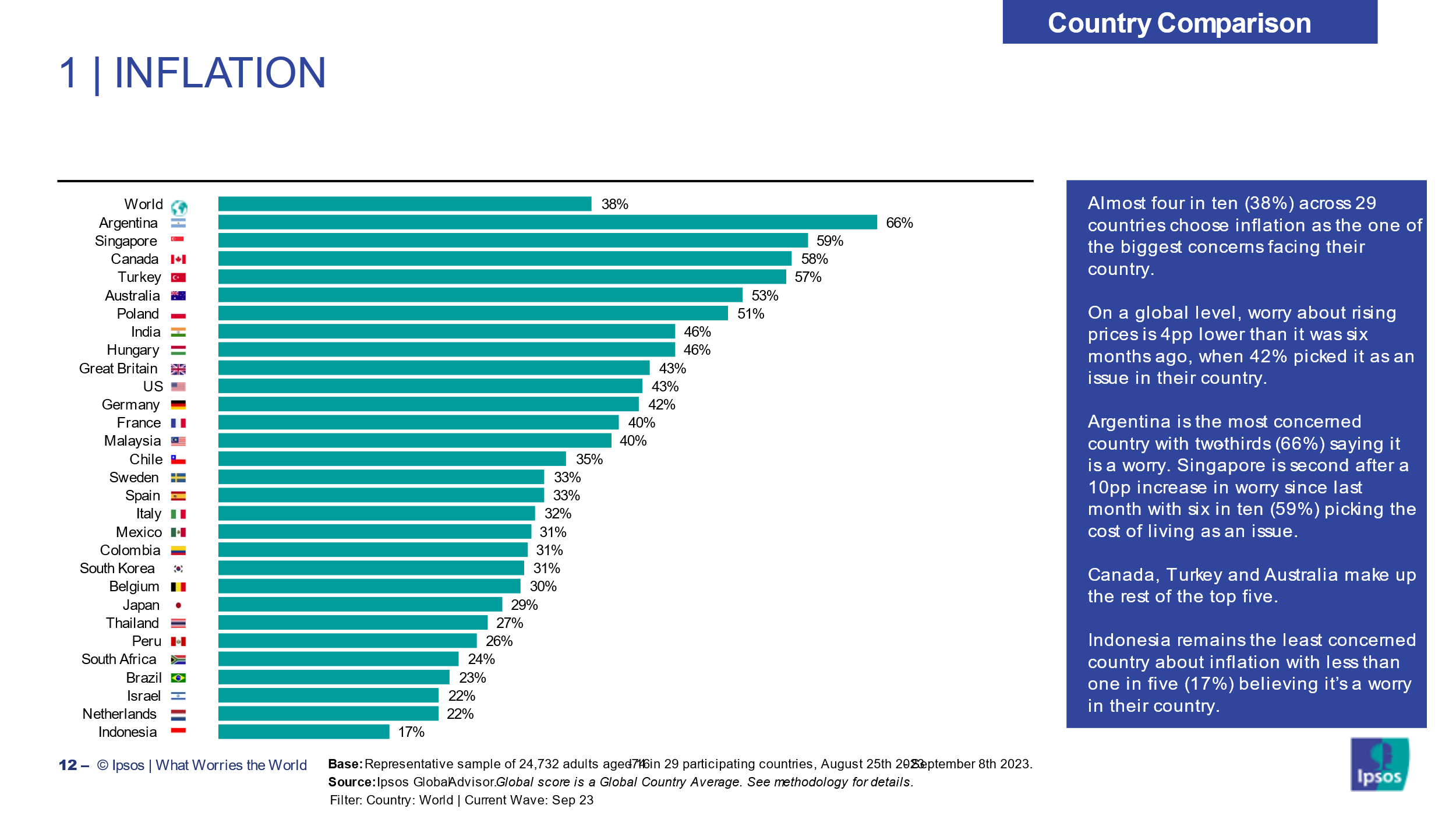
    Urban Indians’ top worries were inflation (46 per cent), unemployment (39 per cent), crime and violence (28 per cent), financial and political corruption and poverty and social inequality (18 per cent). Top concerns of global citizens were inflation (38 per cent), crime and violence (32 per cent), poverty and social inequality (31 per cent), financial and political corruption (26 per cent) and unemployment (26 per cent).  

    Inflation remains top most global worry.

    And interestingly, global and local top five worries are the same though not in the same order.    

    Ipsos India CEO Amit Adarkar said, “India continues to be a highly optimistic market with its urban citizens strongly of the view that we are headed in the right direction as a country. This is in sync with actual reality as India is the 5th largest global economy and despite the polycrisis unfolding globally and its impact on global economy, we continue to grow economically and are seen as a country attractive for pumping in more investment by global investors and we are also driven a lot by domestic consumption, being the world’s most populous nation that is also optimistic about spending. Though inflation and unemployment are the top two worries in India, urban Indians are much less worried on these as compared to global peers. Also, food inflation has started coming down and unemployment has seen a sharp downturn. These, coupled with the upcoming festival season, should hopefully bring more cheer.”  

    Methodology

    This 29-country Global Advisor survey was conducted between August 25th 2023 and September 8th 2023 via the Ipsos Online Panel system among 20,570 adults aged 18-74 in Canada, Israel, Malaysia, South Africa, Turkey and the United States, 20-74 in Indonesia and Thailand, 21-74 in Singapore, and 16-74 in all other nations.

    The “Global Country Average” reflects the average result for all the countries where the survey was conducted. It has not been adjusted to the population size of each country and is not intended to suggest a total result. The sample consists of approximately 1000+ individuals in each of Australia, Belgium, Brazil, Canada, France, Germany, Great Britain, Italy, Israel, Japan, Mexico, Spain, Sweden, and the US, and approximately 500+ individuals in each of Argentina, Chile, Colombia, Hungary, India, Indonesia, Malaysia, the Netherlands, Peru, Poland, Singapore, South Africa, South Korea, Thailand and Turkey. The samples in Argentina, Australia, Belgium, Canada, France, Germany, Great Britain, Hungary, Italy, Japan, the Netherlands, Poland, South Korea, Spain, Sweden, and the US can be taken as representative of these countries’ general adult population under the age of 75. The samples in Brazil, Chile, Colombia, India, Indonesia, Malaysia, Mexico, Peru, Singapore, South Africa, Thailand and Turkey are more urban, more educated, and/or more affluent than the general population. The survey results for these markets should be viewed as reflecting the views of the more “connected” segment of these populations.

    Weighting has been employed to balance demographics and ensure that the sample’s composition reflects that of the adult population according to the most recent census data. The precision of Ipsos online polls are calculated using a credibility interval with a poll of 1,000 accurate to +/- 3.5 percentage points and of 500 accurate to +/- 5.0 percentage points. For more information on the Ipsos use of credibility intervals, please visit the Ipsos website. Where results do not sum to 100 or the ‘difference’ appears to be +/-1 more/less than the actual, this may be due to rounding, multiple responses, or the exclusion of don’t knows or not stated responses.