Tag: IPRS

  • India’s music royalties hit the high notes with Rs 700 crore windfall

    India’s music royalties hit the high notes with Rs 700 crore windfall

    MUMBAI: India’s  music scene is singing a very different tune these days—one that sounds suspiciously like cash registers ringing. Music royalty collections in India have struck a crescendo at Rs 700 crore in 2024, surging 42 per cent year-on-year and quadrupling over five years in a performance that would make even Indian cinema proud.

    The star of this financial symphony? Streaming platforms, which have transformed from industry pariahs into the golden goose laying digital eggs. India’s global ranking for creators’ collections has leapt from a modest thirty seventh position in 2019 to twenty third in 2023, according to the International Confederation of Societies of Authors and Composers (CISAC) in its latest annual report.
    Royalty collectionsBut before the champagne corks start popping in recording studios across the subcontinent, there’s a sobering reality check. Despite the impressive crescendo, India’s royalty collections remain woefully below potential for a market of this magnitude—a case of having the orchestra but missing half the instruments.

    The culprit? Indians’ stubborn reluctance to pay for premium music streaming services. While platforms like Spotify, JioSaavn and Gaana are desperately trying to wean users off their freebie addiction with subscription models—backed by music labels like Saregama—the conversion rate remains sluggish.

    Adding to creators’ woes is the dismal performance of non-digital revenue streams, which continue to hit bum notes. CISAC has been working overtime with the Indian Performing Rights Society (IPRS) to bring global standards to governance, licensing and royalty distribution—essentially teaching old dogs new digital tricks.

    The organisations have crafted a fresh action plan for FY25, designed to explore untapped market potential and identify business opportunities. The blueprint targets improved collections from local digital services whilst diversifying revenue streams beyond the usual suspects.

    With India’s creative economy finally finding its rhythm, the question isn’t whether the music will stop—it’s how loud the next movement will be.

  • Entertainment bigwigs and global IP gurus mull over AI, royalties and rights

    Entertainment bigwigs and global IP gurus mull over AI, royalties and rights

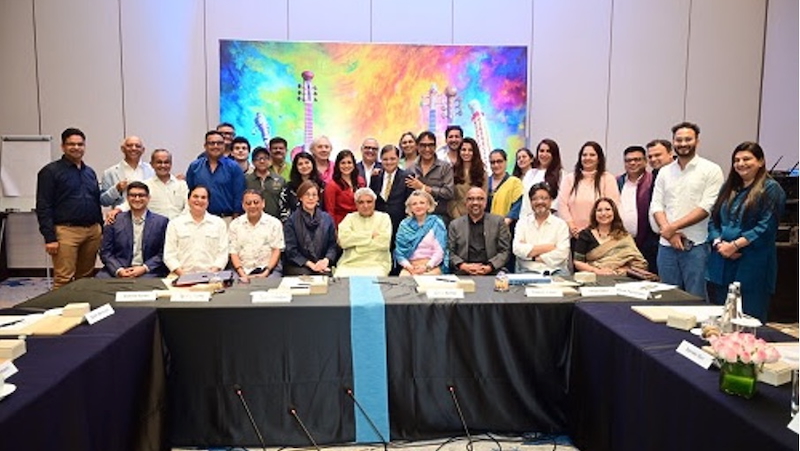
    MUMBAI: Mumbai’s glitterati of lyricists, composers, and legal eagles gathered for a confabulation with World Intellectual  Property Organization (WIPO),  deputy director general Sylvie Forbin, courtesy of the Indian Performing Right Society Ltd. (IPRS).

    The topic?

     Intellectual property rights (IPR), the rise of AI, and how to keep the creative juices flowing in a digital age.

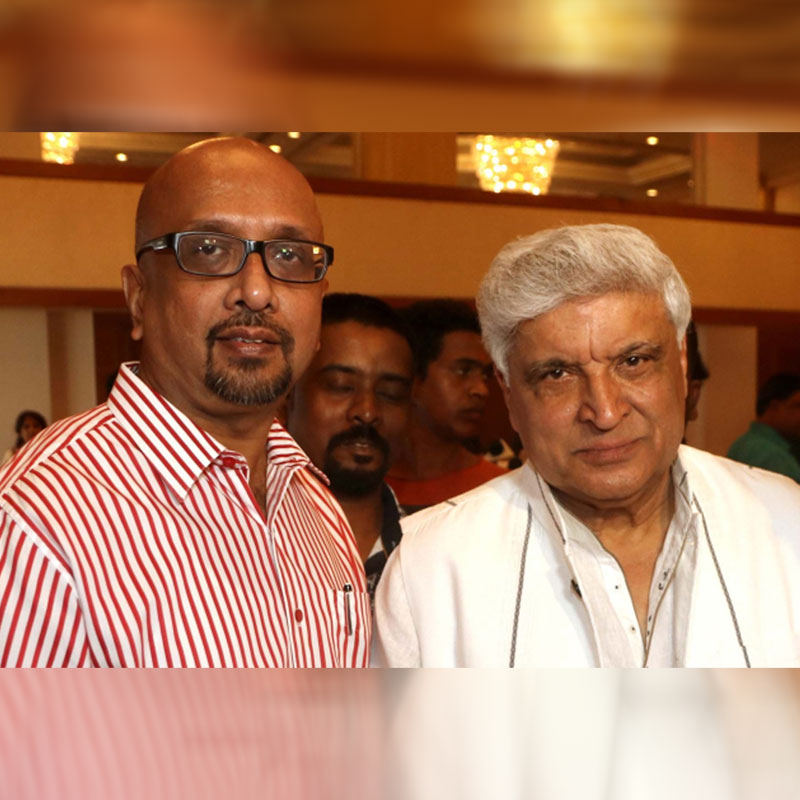
    Held under the watchful eye of legendary lyricist and IPRS chairman Javed Akhtar, the closed-door roundtable was a veritable who’s who of India’s music and entertainment scene. From Vishal Dadlani’s vocal chords to Kausar Munir’s poetic prose, all were present to discuss the future of creativity.

    “The music community has always shown resilience to overcome the challenges brought as well by technological advances,” Forbin declared, clearly impressed by India’s grasp of the AI conundrum. “They have adapted in the best way by showing a strong alliance between them. I am impressed by India’s knowledge and assessment of what would be needed when it comes to the AI revolution and happy to go along with Indian creators to foster regulatory, business, and technological solutions to engage in this new era with the necessary tools and safeguards. Long life to Indian music!”

    Akhtar, never one to mince words, stressed:  “The music industry has always been at the forefront of technological breakthrough. The music community has always shown resilience to overcome the challenges brought as well by technological advances. They have adapted in the best way by showing a strong alliance between them. I am impressed by India’s knowledge and assessment of what would be needed when it comes to the AI revolution and happy to go along with Indian creators to foster regulatory, business, and technological solutions to engage in this new era with the necessary tools and safeguards. Long life to Indian music!,” 

    The session, a proper meeting of minds, covered everything from strengthening IP frameworks to navigating the AI revolution. Key takeaways included the need for robust metadata, empowered collective management organisations (CMOs), and a stronger voice for creators in policy-making.

    “Having WIPO at the table added immense value, bringing international expertise and highlighting collaborative efforts to strengthen IP frameworks across nations. SWA and SRAI as representatives of screenwriters and lyricists strive for the rights of the creators and it is good to see all the stakeholders coming together to discuss the betterment of creators and protection of Intellectual Property,” said  Screenwriters Association general secretary Zaman Habib.

    The event, a veritable feast of ideas, saw participants calling for a unified voice to drive India’s cultural and economic growth. They also emphasised the importance of copyright education, data integrity, and international cooperation.

    “It was a great opportunity to listen to Sylvie and express our thoughts.We truly appreciate the initiative by the one and only IPRS in supporting India’s rapidly evolving entertainment and music landscape,” said Simca secretary general Sridhar J Swaminathan.

    With AI looming large, the roundtable was a timely reminder that creativity needs protection, and that India’s creative community is ready to fight its corner. It’s clear that when it comes to safeguarding artistic rights, they’re not about to play second fiddle.

    Key Takeaways from the Roundtable:
    * IP as a Growth Enabler: Strengthening IP frameworks is essential for fostering innovation and supporting India’s growing creative industries.
    * Global-Local Synergy: Engagement with WIPO highlighted the importance of international collaboration and knowledge exchange.
    * Preparing for the AI Era: A strong focus on evolving digital rights, metadata management, and ethical guidelines to navigate emerging technologies.
    * Institutional Strengthening: The need for proactive government support, legal clarity, and empowered CMOs (collective management organisations) to enforce rights.
    * Building a Unified Voice: The event marked a milestone in uniting diverse voices to drive long-term impact on India’s cultural and economic growth.
    * Elevating the Role of Creators in Policy-Making: Formal inclusion of creators in national IP and digital policy formulation was strongly advocated.
    * Copyright Education & Awareness: Emphasis on educating both creators and consumers on IP rights to reduce misuse and promote informed practices.
    * Strengthening collective management organisations (CMOs): Modernisation and transparency of CMOs were recognized as pivotal for trust and efficiency.
    * Data and Metadata Integrity: The need for robust crediting systems through better metadata was highlighted to ensure fair attribution and royalties.
    * Cultural Exchange and International Cooperation: The role of WIPO in encouraging global partnerships was applauded, with a call for more international dialogue.
    * Youth and Innovation: Recognising the contribution of young creators and startups in redefining the future of creative economies.


  • IP rights aren’t just for big artists; they’re crucial for creators at every level: IPRS’s Rakesh Nigam

    IP rights aren’t just for big artists; they’re crucial for creators at every level: IPRS’s Rakesh Nigam

    Mumbai: India’s music industry, a vibrant blend of tradition and modernity, is evolving rapidly with over 20,000 original songs created annually by around 40,000 artists. As global digital platforms like YouTube and Spotify reshape how music is consumed, protecting the rights of these creators has become more crucial than ever.

    The Indian Performing Right Society (IPRS) is at the forefront of this transformation, navigating the challenges of digital distribution and global IP standards to ensure that Indian artists are fairly compensated and their work respected worldwide. As the industry adapts to these shifts, IPRS’s proactive measures highlight its commitment to safeguarding creators’ rights in a changing digital landscape.

    Indiantelevision.com’s Arth Chakraborty in conversation with IPRS CEO Rakesh Nigam delved deeper into how the organisation is tackling the evolving challenges of digital rights management and working to enhance protection for Indian music creators.

    Edited Excerpts:

    On the rise of global digital platforms impacting the protection of music creators’ rights in India

    The rise of global digital platforms has been both an opportunity and a challenge for music creators in India. On one hand, these platforms, including YouTube, Meta, Spotify, Apple etc, have provided unprecedented reach for our artists, allowing them to connect with global audiences. Our partnerships with these major digital service providers (DSPs) and OTT platforms have been transformative for IPRS and its members. They have not only increased royalty income but also provided significant global exposure to Indian music creators.

    However, the digital environment presents challenges, particularly regarding the value gap, the disparity between the value these platforms derive from music content and the revenue returned to the creators and publishers. A significant number of users access music for free on these platforms, resulting in substantial losses for creators and publishers who are not adequately compensated for their work.

    IPRS has been proactive in adapting to these changes, ensuring that our licensing models and royalty collection methods are aligned with the evolving digital landscape. We anticipate deepening our partnerships, with more tailored licensing agreements that reflect this evolution. New opportunities include increased monetisation options, access to detailed consumption data, and potential collaborations with international artists and creators. Through these initiatives, we are continuously working to protect our creators’ rights and ensure they are fairly compensated in this new digital landscape, while also enforcing their rights on a global scale.

    On the role that IPRS plays in aligning India with global IP standards

    We actively participate in international forums, collaborate with global copyright societies, and ensure that our practices are in sync with international norms. By doing so, we help bridge the gap between India’s traditional IP framework and the evolving global standards. Our initiatives, like the ‘My Music, My Rights’ campaign, are designed to raise awareness among creators about their rights and how to protect them.

    Additionally, our collaboration with neighbouring countries, such as Bangladesh through the WIPO Mentorship Programme, underscores our commitment to fostering a robust IP framework across the region. Our efforts are focused on not only protecting the rights of Indian creators but also ensuring that their works are respected and rewarded globally.

    On some challenges unique to India in managing IP rights in the music industry

    One of the unique challenges in India is the vast diversity of our music landscape, which includes a rich array of regional music and a large number of independent artists. This diversity complicates the implementation of a one-size-fits-all approach to IP rights management. Additionally, there is a widespread lack of awareness about the importance of IP rights among many creators, particularly in rural areas, making it difficult for them to protect and monetise their work effectively.

    Another significant challenge is the value gap, the disparity between the value derived by digital platforms from music content and the revenue that actually reaches the creators and publishers. This issue is particularly pronounced in India, where a substantial number of users access music for free through these platforms. As a result, creators and publishers face considerable financial losses, as they are not adequately compensated for their contributions.

    Piracy also remains a persistent problem in India, further exacerbating the difficulties in ensuring that creators receive fair remuneration for their work. Despite the progress we’ve made, the unauthorised distribution of music continues to undermine the value of IP rights.

    On the steps that IPRS is taking to educate emerging artists and creators about the importance of IP rights

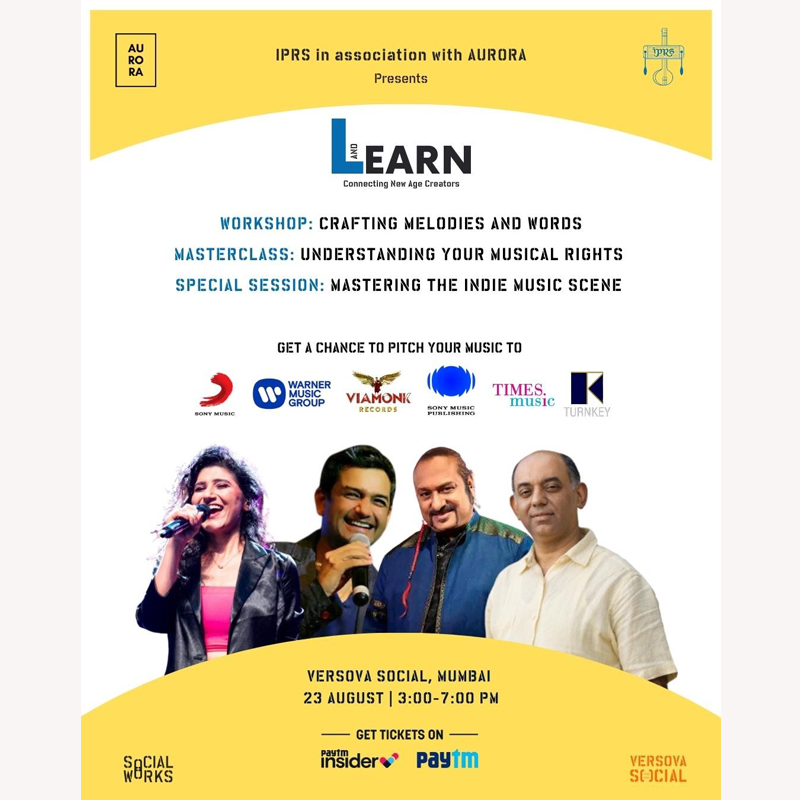
    IPRS is a not-for-profit society, owned by its members, working to ensure they are fairly remunerated whenever their songs/music are utilised. This is the bottom line. Established in 1969, IPRS was built on the solid values of solidarity, resilience, equality, and transparency. We have launched several initiatives, awareness drives, seminars, workshops, round-the-year training sessions, tutorials, grants, and aids, as well as programs like ‘Credit The Creator’ – to acknowledge the creators of music publicly; music licensing drive Licence Liya Kya for fair pay and fair play of music; HerMusic, an initiative to encourage greater representation of women in music; multi-city member workshops ‘Learn and Earn’; CreativeShala, a platform to learn and engage with leading music-makers from the industry, and more. ‘My Music, My Right’ a nationwide workshop to raise awareness on music copyrights and providing support to music creators across the nation.

    We have been very active in speaking to members and listening to them. IPRS has been their voice on various platforms and in multiple institutions. We also launched a ready-to-access and technologically advanced member portal where members can now easily spot discrepancies or conflicts and can be in complete control of their work. Several result-oriented training programs and tutorials to familiarise our members with the registration of their works have also been designed during the period. Timely and accurate registration of works ensures better claims and royalties.

    On the lessons that India’s music industry has learned from global shifts in IP management

    One of the key lessons we’ve learned is the importance of adaptability. The global music industry has undergone significant shifts with the advent of digital platforms, and IP management practices have had to evolve accordingly. We’ve learned that it’s essential to be proactive in adopting new technologies and practices to ensure that our creators’ rights are protected in a rapidly changing environment. We’ve also seen the importance of collaboration, both within the industry and across borders, to address the challenges of IP management effectively.

    On the biggest misconceptions about IP rights in India’s music industry, and how is IPRS working to dispel them

    A common misconception is that IP rights are only relevant to big, established artists. In reality, IP rights are crucial for creators at every level. Many believe that copyright enforcement is weak or that it’s not worth the effort, which leads to complacency. IPRS is working hard to dispel these myths through our outreach and education programs. We’re showing creators that their rights are valuable and that they have the power to protect and profit from their work, regardless of their status in the industry.

    On IPRS supporting innovation while ensuring the protection of creators’ rights

    Innovation and protection go hand in hand at IPRS. We encourage creativity by ensuring that our licensing models are flexible and adaptable to new forms of music distribution and consumption. At the same time, we are vigilant in protecting the rights of our members. We invest in technology that allows us to track the usage of music across various platforms, ensuring that creators are fairly compensated for their work. By balancing innovation with protection, we create an environment where creativity can thrive.

    On the key areas where India’s IP framework still needs to evolve to match global standards

    While India has made significant strides in IP protection, there are still areas that need to evolve. We need support from relevant authorities and the government for proper enforcement of the law. There should be high penalties and strong repercussions for non-compliance to ensure that the law which has been made to protect is rights of the rightful owners has been adhered to.

    One key area is the enforcement of IP rights, where we need stronger legal frameworks and quicker resolution of disputes.

    Additionally, there needs to be greater awareness and understanding of IP rights at the grassroots level. Another area is the need for more robust data collection and reporting mechanisms to ensure transparency in royalty distributions. IPRS is committed to working with policymakers and industry stakeholders to address these gaps and bring India’s IP framework in line with global standards.

  • IPRS celebrates 55 years with “Soundscapes of India: Gateway to the World”

    IPRS celebrates 55 years with “Soundscapes of India: Gateway to the World”

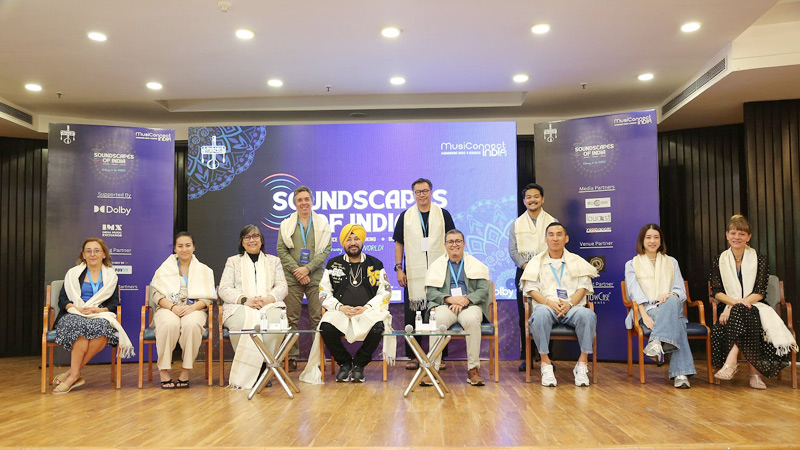
    Mumbai: IPRS (Indian Performing Rights Society) celebrated 55 years by hosting Soundscapes of India: Gateway to the World, an event aimed at elevating Indian musicians to global stages. Organised with MusiConnect India, the event highlighted the vast opportunities for Indian music in the global market.

    The three-day event brought together Indian musicians, industry leaders, and international festival representatives. It included a conference and a showcase of 16 Indian bands, offering musicians a platform to connect with delegates from festivals such as the Rainforest World Music Festival (Malaysia), Playtime Festival (Mongolia), and more.

    The event’s first speaker, Daler Mehndi shared his inspiring journey in music, setting the tone for discussions led by experts on topics such as IP rights, digital growth, and international collaborations.

    IPRS board member Mayur Puri stated, “Soundscapes Of India was an incredible experience packed with introductions to inspiring journeys of legendary music creators as well as invaluable insights into the music business.”

    MusiConnect’s founder Kaushik Datta said, “The Indian music is so diverse. People are aware of Bollywood music and the commercial part of the culture has been getting out, but in terms of folk, traditional, and independent music they are so rich and diverse, yet internationally people are suffering from knowing who are the best.”

    ICCR deputy director general Abhay Kumar participated in a fireside chat on the 74-year journey of ICCR in elevating Indian music globally. He addressed the issue raised by Kaushik Datta, stating, “ICCR has played a key role in introducing Indian music to the world, taking more than 100,000 songs abroad. However, the sheer volume of music is now overwhelming, and the government cannot handle it alone. Private organisations should step in to support artists. I believe a partnership between private and government entities is the way forward.”

    Datta added, “In some ways some artists who are touring are extraordinary but on the other hand, there are a lot more waiting to be discovered. ‘Soundscapes of India’ is an event which is not only opening unsighted doors for the artists but is also creating an opportunity for the international delegates to hear in a concentrated way more music they can come across randomly on their own.”

    IPRS’s CIO Surhit Bhattacharya emphasised the importance of IP registration for musicians, saying, “Individually we all are creating great work but it’s time to start connecting the dots. Many musicians still don’t know this, but music is connected to meta data. Today, reach is tremendous, and identification is tough. That’s why we need codes, ISWC and IPI numbers are like Aadhar, identification for you across the board. If you have an IPI number and your song plays anywhere in the world it tracks back to you. All you have to do is register with IPRS to get started.”

    Sarawak Tourism Board’s CEO Sharzede Datu Hj Salleh Askor addressed the challenges of maintaining sustainability and preserving culture at festivals. She highlighted the Rainforest Music Festival as an example of balancing increased attendance with cultural integrity. She emphasised, “Even after thousands of people coming to the event, after the event there’s barely any littering. We don’t want too many people. We want quality. We look at better ROI, which is Return on Intention because RWMF is not just celebrating music but increasing tourism with sustainable efforts. We believe cultures converge & music resonates. And that’s why our commitment to the art extends beyond the festival.” Sharzade emphasised the importance of being an artist and sharing your work with the world adding, “It is very important to stay true to who we are. The world will continuously try to change you, but you can only be an author when you’re authentic.”

    And to support her statement, Seoul Music Week, Gwangju Busking World Cup, and Ulsan Jazz Festival, founder and general director Jung Hun Lee from South Korea added, “You don’t have to be so mainstream all the time, there must be space for alternate music as well.” Which fits so well with Indian music and the legacy we are trying to build.

    To conclude, Mayur Puri shared his thoughts about IPRS and the event, saying, “We, at IPRS, are extremely proud that we could execute this mammoth task so efficiently. Because of consistent initiatives such as CreativeShalas, Learn and Earn workshops, regular campaigns like #CreditTheCreators, #HerMusicIPRS, and now Soundscapes – IPRS has become the flag bearer of creators rights and amplifying music business. No wonder, today IPRS is the only Indian company unequivocally trusted by music makers as well as stakeholders in the music industry. Time after time, under the visionary guidance of our luminous Chairperson Shri Javed Akhtar Sahab, we have set new benchmarks for the business as well as community service. I’m positive that Soundscapes Of India will write a new chapter in understanding and fostering music festivals and live events; which are the very fundamental verticals of the music industry.”

    As India emerges as a key player in global music, IPRS aims to continue creating platforms that bridge cultures through the sounds of India.

  • Daler Mehndi inaugurates IPRS ‘Soundscapes of India’

    Daler Mehndi inaugurates IPRS ‘Soundscapes of India’

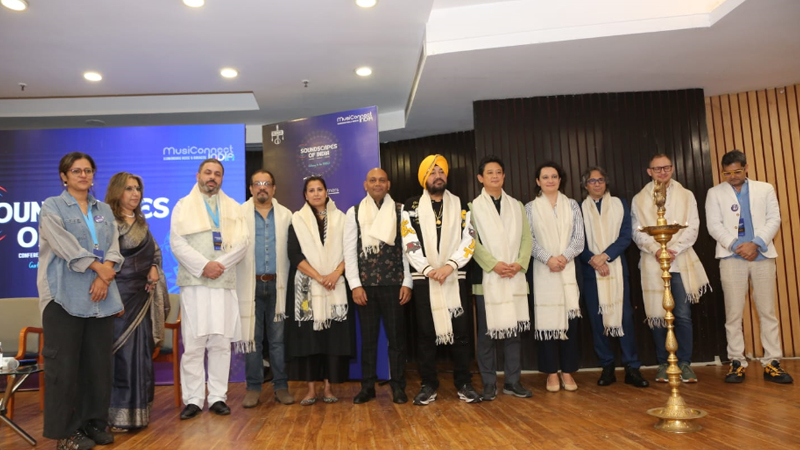
    Mumbai: IPRS (The Indian Performing Rights Society Ltd), the music copyright society in India representing authors, composers and publishers of music, kicked off their highly anticipated ‘Soundscapes of India: Gateway to the World’ with an electrifying inauguration led by Daler Mehndi at the India International Centre, New Delhi. The vibrant ceremony set the perfect tone for the global music celebration that followed.

    The opening day was highlighted by a fireside chat with Bhangra king and global pop star, Daler Mehndi, whose music has transcended borders to captivate audiences worldwide. Moderated by IMEA Dolby Labs Sr director commercial partnerships Karan Grover, the discussion offered a deep dive into Mehndi’s illustrious career, his contributions to Indian music, and the universal appeal of his work. The session underscored the enduring global resonance of Indian music and set the tone for the conference’s focus on expanding India’s musical footprint internationally.

    “The inauguration of ‘Soundscapes of India’ by the legendary Daler Mehndi truly set the stage for what promises to be a groundbreaking celebration of Indian music on the global stage. As IPRS marks its 55th anniversary, we are thrilled to witness India’s rich musical heritage come alive through this event, opening doors for our creators to shine internationally. This is not just a conference—it’s a bold step towards making Indian music a global force,” commented IPRS CEO Rakesh Nigam.

    Following the fireside chat, the conference hosted its first panel discussion, titled “The Time is Now: Amplifying India’s Presence on the Global Music Stage.” This session brought together industry heavyweights, including Believe Digital MD Vivek Raina, Paytm Insider COO Varun Khare, and Sziget Festival director Marina Pommier. The panel explored innovative strategies to enhance India’s global music presence, particularly through digital platforms and international collaborations. The discussion highlighted the critical role that technology and partnerships play in elevating Indian music on the world stage.

    The inaugural day also featured a special fireside chat celebrating 74 years of the Indian Council for Cultural Relations (ICCR) and its pivotal role in promoting Indian music globally. ICCR deputy director general Abhay Kumar, and Businessworld Group chairman and  editor-in-chief Anurag Batra shared insights on ICCR’s efforts to elevate Indian music and culture on the international stage.

    The successful start of the ‘Soundscapes of India: Gateway to the World’ conference underscores India’s rising stature in the global music industry. The inaugural day set the stage for further engaging discussions, networking opportunities, and international collaborations over the next two days.

  • IPRS teams up with Swarathma for multicity tour

    IPRS teams up with Swarathma for multicity tour

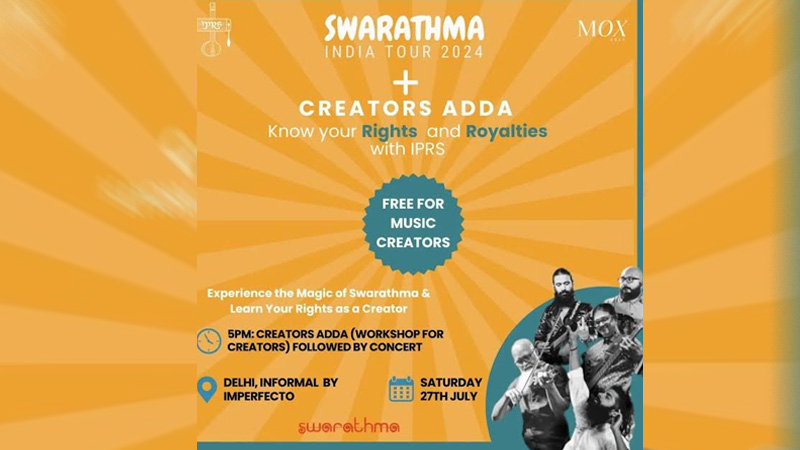
    Mumbai: IPRS (The Indian Performing Rights Society Ltd), the forefront organisation in safeguarding music creators’ rights has recently teamed up with Swarathma, the acclaimed Indian folk-fusion band from Bangalore, for a multicity tour that is not just about delivering unforgettable music but also about championing sustainability. With a commitment to powering their performances with a portable clean energy system instead of traditional diesel generators, Swarathma is setting a new standard for environmentally conscious concerts.

    This tour is more than just a series of performances. In a groundbreaking collaboration, the Indian Performing Right Society Ltd (IPRS) is partnering with Swarathma to promote sustainable practices within the music industry. This initiative aligns perfectly with IPRS’s ‘My Music My Rights’ campaign, aimed at empowering music creators in the digital world. Together, IPRS and Swarathma are poised to make a significant impact in key music markets and deeply engage with the creator community.

    For creators, this tour offers a unique opportunity. IPRS will be hosting knowledge workshops in each city before the concerts, offering invaluable insights into music rights, royalties, and sustainable career development. These interactive sessions will provide a platform for creators to engage with the IPRS and Swarathma team, resolve their queries, and gain essential knowledge for building a successful career in music. The presence of Swarathma, an established band and IPRS member, will undoubtedly add great value, making these workshops a must-attend event.

    Don’t miss this opportunity to learn from industry experts and be part of the initiative that’s reshaping the future of music.

    When: 27 July 2024

    Time: Workshop: 5:00pm | Performance: 7pm

    Where: Delhi, Informal by Imperfecto

    For more details on tour dates and workshop registrations, visit http://bit.ly/IPRSxSwarathma
     

  • IPRS joins Rongali Music Connect 2024

    IPRS joins Rongali Music Connect 2024

    Mumbai: The vibrant city of Guwahati is all set to host the Rongali Music Connect, an integral part of the celebrated Rongali Assam Festival. IPRS is proud to join the Rongali Festival Assam, enhancing its presence through the Rongali Music Connect and an exclusive IPRS helpdesk. This eagerly awaited event will take place at the Aideo Cinema Hall, ASFFDC, Panjabari, from 11 am onwards. The Rongali Assam Festival, renowned for showcasing the rich cultural tapestry of Assam, brings together the best of music, dance, fashion, art, craft, and traditions on a common platform.

    Rongali Music Connect 2024: An insightful journey through the music industry

    The Rongali Music Connect, organised in association with All About Music, promises to be a landmark event, focusing on the theme “The Evolution of the Music Industry in the Digital Age.” The event will feature engaging discussions on:

     1.  The current and future trends in music: Explore the transformative impact of digital technology on the music industry, from production to distribution, and how artists can adapt to the changing landscape.

     2.  Mastering the craft and the market – online marketing strategies for musicians: Gain valuable insights into effective online marketing techniques that can help musicians reach a wider audience, build their brand, and enhance their online presence.

    3.  Monetizing your music: streams, sales, and syncs: Learn practical strategies for monetizing music in the digital era, including leveraging streaming platforms, sales, and synchronization opportunities to maximize revenue.

    4.  Elevating regional music to national and international platforms: Experts will discuss the unique challenges in promoting regional music globally, the role of digital platforms, and the importance of cultural preservation in the global market.

    Distinguished panel of speakers

    The event will feature an esteemed panel of speakers who are luminaries in the music industry, including Mayuri Gupta, Jatin Sharma, Vinay Guwalani, Aayushman Sinha, Rumpa Banerjee and Tarsame Mittal.

    Attendees of the Rongali Music Connect will have the opportunity to:

     .  Gain insights: Understand the challenges and strategies involved in promoting regional music on a global scale.

    .   Learn practical skills: Acquire practical skills in music marketing, brand building, and leveraging digital platforms.

     .  Network: Connect with industry professionals, potential collaborators, and like-minded artists.

    .   Discover new tools: Explore new tools and platforms to enhance their music careers.

    IPRS’s participation in the Rongali Music Connect underscores its commitment to supporting creators and fostering creativity. Through the IPRS helpdesk, attendees can receive guidance on copyright issues, music rights management, and the benefits of being an IPRS member. This initiative aims to empower musicians and composers by providing them with the necessary resources to navigate the complexities of the music industry.

    The Rongali Assam Festival, recognized as one of India’s biggest musical festivals, is not just a celebration but also a preservation of traditional sports, boat races, and the colourful lifestyles of various tribes and communities. It is an immersive experience that brings together traditional and contemporary elements, offering a rich cultural feast for all attendees.

    As part of the Rongali Assam Festival, the Rongali Music Connect aims to foster a deeper understanding of the music industry’s dynamics in the digital age and to provide musicians with the knowledge and tools necessary to thrive in this evolving landscape.

    Join us on 22 June 2024, at the Aideo Cinema Hall, ASFFDC, Panjabari, for a day of enlightening discussions, networking, and celebration of music. Also, meet the IPRS team at the exclusive IPRS Helpdesk at the Rongali Music Connect and Rongali Assam Festival.

    Don’t miss this opportunity to be part of an event that promises to elevate Assam’s musical heritage to new heights. Let’s come together to celebrate and elevate the rich cultural heritage of Assam through the power of music.

  • IPRS presents an insightful workshop at On Stage, Kochi

    IPRS presents an insightful workshop at On Stage, Kochi

    Mumbai: The Indian Performing Right Society Ltd. (IPRS), the representative body of authors, composers, and publishers of music dedicated to safeguarding their rights has recently launched a pan India campaign ‘My Music My Rights’ in association with Dolby India, to raise awareness on IP rights in the music industry and educate music creators and independent artists on the critical aspects of the music business and publishing. IPRS is conducting its inaugural workshop in Kochi as part of the My Music My Rights campaign, marking a significant milestone in its mission to support and empower music creators nationwide. The upcoming cities include Kolkata, Mumbai and Pune.

    A recent EY study, ‘The Music Creator Economy: The Rise of Music Publishing in India,’ reveals that India generates 20,000 original songs annually. Despite this, financial challenges are common among creators. Among the 500 respondents surveyed, 87 per cent wished to make a living solely from music, but only 60 per cent achieved it. The majority felt the need to enhance their music production skills and improve monetization, while only 56 per cent had the necessary equipment. India ranks 14th in recorded music revenues but 23rd in publishing revenues due to legal uncertainties and low compliance, highlighting the urgent need for intervention.

    The “My Music, My Rights” campaign aims to address this gap by raising awareness and supporting music creators nationwide. The study notes that 33 per cent of released music is regional, showcasing India’s diverse musical landscape. However, challenges like accessibility, copyright awareness, and publishing rights impede artists’ recognition and compensation. Through workshops, seminars, and other activities, both online and offline, the IPRS endeavours to empower creators to navigate industry intricacies effectively.

    The event will witness engaging conversations with domain experts, networking opportunities with industry insiders and fellow creators, and priceless wisdom from leading artists and panelists featuring, PDL content distribution, CEO Prashant Dongre; Dolby Labs senior director – India, Middle East & Africa Karan Grover; songwriter and composer Arun Alat; independent artist George Peter; artist manager Vinayak Alt+; Music Rights Management India founder Sherley Joseph Singh. The event will showcase insightful sessions covering “The Art of Songwriting,” where Arun Alat will share his valuable tips and creative inputs. Attendees will get to know how to manage their rights and earn royalties to maximise their earnings in the session “Managing Rights and Royalties”. They will get to elevate their music production skills with advanced techniques, focusing on Dolby Atmos technology in the session “Mixing Songs in Atmos”, and engage in a panel discussion moderated by IPRS, featuring insights from an independent artist, distributor, publisher, and festival manager on “Navigating the Music Industry as an Independent Artist.”

    Event Details

    Event:  My Music My Rights | Creators Connect

    Date: 14th March, 2024

    Time: 3 pm IST

    Venue: On Stage, Vysali, Vennala, Ernakulam, Kochi.

  • My Music My Rights, ‘Creators Connect’ workshop

    My Music My Rights, ‘Creators Connect’ workshop

    Mumbai: The Indian Performing Right Society Ltd (IPRS), the representative body of authors, composers, and publishers of music dedicated to safeguarding their rights has recently launched a pan India campaign ‘My Music My Rights’ in association with Dolby India, to raise awareness on IP rights in the music industry and educate music creators and independent artists on the critical aspects of the music business and publishing. IPRS is conducting its inaugural workshop in Chandigarh as part of the My Music My Rights campaign, marking a significant milestone in its mission to support and empower music creators nationwide. The upcoming cities include Kochi, Kolkata, Mumbai and Pune.

    A recent EY study, ‘The Music Creator Economy: The Rise of Music Publishing in India,’ reveals that India generates 20,000 original songs annually, contributing over Rs 12,000 crore in revenues. Despite this, financial challenges are common among creators. Among the 500 respondents surveyed, 87 per cent wished to make a living solely from music, but only 60 per cent achieved it. The majority felt the need to enhance their music production skills and improve monetization, while only 56 per cent had the necessary equipment. India ranks 14th in recorded music revenues but 23rd in publishing revenues due to legal uncertainties and low compliance, highlighting the urgent need for intervention.

    The “My Music, My Rights” campaign aims to address this gap by raising awareness and supporting music creators nationwide. The study notes that 33 per cent of released music is regional, showcasing India’s diverse musical landscape. However, challenges like accessibility, copyright awareness, and publishing rights impede artists’ recognition and compensation. Through workshops, seminars, and other activities, both online and offline, the IPRS endeavours to empower creators to navigate industry intricacies effectively.

    The event will witness engaging conversations with domain experts, networking opportunities with industry insiders and fellow creators, and priceless wisdom from leading artists and panelists featuring EYP Creations VP, content, distribution & management Anoop Singh Saini, Dolby Labs Sr director – India, Middle East & Africa Karan Grover, Youngveer Singh an Independent artist, known for the viral song Mahiye jinna sohna and lyricist, singer and label owner of Wakhra Swag Music Navi Ferozepurwala. The event will showcase insightful sessions covering “The Art of Songwriting,” where Navi Ferozepurwala will share his valuable tips and creative inputs. Attendees will get to know how to manage their rights and earn royalties to maximize their earnings in the session “Managing Rights and Royalties”. They will get to elevate their music production skills with advanced techniques, focusing on Dolby Atmos technology in the session “Mixing Songs in Atmos”, and engage in a panel discussion moderated by IPRS, featuring insights from an independent artist, distributor, publisher, and festival manager on “Navigating the Music Industry as an Independent Artist.”

    Event Details

    Event: My Music My Rights | Creators Connect

    Date: 6 March 2024

    Time: 3 pm IST

    Venue: SD College, Sector 32-c, Chandigarh

  • Raga to Rock: Launching the My Music, My Rights campaign by IPRS

    Raga to Rock: Launching the My Music, My Rights campaign by IPRS

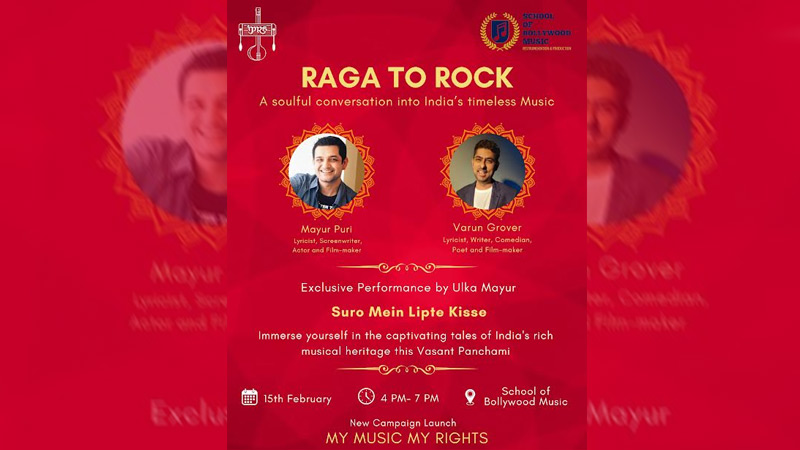
    Mumbai: IPRS is set to launch its nationwide campaign, “My Music, My Rights,” through an engaging and insightful event titled, “Raga to Rock,” on 15 February 2024. This initiative seeks to spark a national dialogue on the inherent value of music and the necessity of supporting the creators and their creativity for a sustainable music industry.

    Music holds an integral place in India’s cultural tapestry, with references to it found in ancient texts. Tracing back to ancient times, India’s profound musical heritage is deeply rooted in its sacred texts. Brahma, the creator deity, is credited with deriving music from the celestial chants of the Sāma Veda, symbolizing the heavenly world itself. Alongside Brahma, deities such as Vishnu, the preserver, and Shiva, the destroyer, are revered as patrons of music, underscoring its intrinsic connection to spirituality and culture. In the divine pantheon, Sarasvati, the goddess of music and knowledge, occupies a central role. Consort of Brahma, she is depicted as being well-versed in playing the Veena, a stringed instrument, and is revered as the embodiment of artistic expression and wisdom.

    While India’s musical heritage is celebrated worldwide, music creators and those envisaging a full-time career in music often face significant challenges in earning a sustainable livelihood from their craft.

    According to the recent study by EY titled ‘The Music Creator Economy: The Rise of Music Publishing in India’, India generates over 20,000 original songs annually contributed by 40,000 music creators, directly or indirectly generating over INR 12,000 crore in revenues each year. However, many in their career as a creator find themselves grappling with financial challenges. Out of 500 creators surveyed, 87 per cent of respondents would have liked to make a living off their music alone, but only 60 per cent were able to do so. A majority strongly believed that they needed to learn more about music production and how to better monetise their music. Only 56 per cent of respondents had access to the equipment and infrastructure required to produce music. While India consumes more music per capita than the world average, it ranks 14th in recorded music revenues. In contrast, publishing revenues are ranked 23rd due to various issues like lack of legal clarity and consequently, low compliance. The significant disparity between the vast volume of music produced and the limited earnings of many creators within the industry, exacerbated by a widespread lack of understanding about the music business, underscores the urgent need to bridge this gap, a mission at the heart of the campaign.

    The campaign “My Music, My Rights” seeks to bridge this divide by raising awareness and providing support to music creators across the nation. The report also highlighted that 33 per cent of music released, comprises regional content, indicative of India’s diverse musical landscape. Yet, challenges such as accessibility, copyright awareness, and publishing rights hinder the rightful recognition and compensation of artists. Through a series of workshops, and seminars, both online and offline sessions, amongst other activities conducted nationwide, IPRS endeavours to address these hurdles and empower creators to navigate the intricacies of the industry effectively.

    The “Raga to Rock” event, scheduled on the auspicious occasion of Vasant Panchami, dedicated to the goddess Sarasvati, symbolizing music and knowledge, takes on added significance against the backdrop of India’s profound musical heritage. The program will feature enlightening narratives by eminent author, poet, actor, and film director Varun Grover and leading songwriter, film director, and IPRS board member Mayur Puri, shedding light on India’s rich musical heritage and its evolution to the present day. Additionally, a captivating musical drama, ‘Suro Mein Lipate Kisse’, curated by the very versatile writer and storyteller Ulka Mayur will offer a visual depiction of this musical journey.

    Commenting on the initiative, author, poet, actor, and film director Varun Grover, present at the event said, “As we gather to celebrate the rich tapestry of Indian music at ‘Raga to Rock,’ it’s a poignant reminder of the profound impact music has on our lives and culture. This event is not just about songs and melodies; it’s a platform to ignite vital conversations about recognizing and supporting creativity and those behind the creation. Let’s harmonize our voices to elevate the value of music and nurture it as a cornerstone of our nation’s cultural identity.”

    Sharing his views,  IPRS CEO Rakesh Nigam mentioned, “As the music industry reaches new heights, songwriters, composers, and independent creators must be well-versed in their rights and equipped to build sustainable careers. At IPRS, we prioritize empowering music creators through education and expertise. Recognizing the rich musical heritage and the immense value of music in our lives, let’s acknowledge our collective responsibility as a nation to support, nurture and foster the music of our land towards a thriving and enduring future.”

    The climax of the event will be the unveiling of the “My Music, My Rights” campaign elaborating its objectives and strategies through a short presentation. This launch event not only signifies a crucial step towards empowering music creators but also underscores the collective commitment to preserving and nurturing India’s diverse musical landscape for generations to come.

    This exclusive event is specifically designed for music creators and professionals in the industry, providing them with valuable knowledge and resources to navigate today’s evolving landscape of music and royalties.