Tag: IPL

  • IPL media rights bidding postponed sine die

    IPL media rights bidding postponed sine die

    MUMBAI: The BCCI has made it clear that the media rights auction cannot take place till the time it gets a concrete go-ahead and a formal approval from the Justice RM Lodha committee. Till the evening of 24 October (Monday), BCCI did not receive the okay from the committee which said, “it is in receipt of the communications from the BCCI and that it would issue directions after meeting amongst themselves.”

    Uncertainty loomed over auction as representatives from the 18 international bidders who have bought the ITT documents would have their business schedule in a mess. If the BCCI goes ahead with the bidding process, it could cause contempt of court.

    The BCCI had appointed Deloitte to supervise the opening and studying of the bid. Before the SC order came on Friday, the tenders were slated to be submitted on October 25.

    The BCCI had been awaiting a response from the Justice Lodha panel on the appointment of an independent auditor. Today being the scheduled day for opening of bidding for broadcast, mobile and internet rights, the auditor may not come through as the three-member panel is not meeting (on Tuesday). The Lodha panel was earlier expected to meet on October 21 but the meeting was later cancelled.

    BCCI gave a third reminder to the Lodha panel on Sunday, asking it whether they could stage Tuesday’s media rights bidding or not. The board also explained how the uncertainty surrounding the bidding process has given rise to several queries from the prospective bidders. In a letter, BCCI also reminded the panel how the board has submitted all the relevant papers in time and how clarity would be needed to complete the bidding process.

    It was also disclosed that the board would continue to discuss the matter with all the stake-holders of the game on Tuesday with a hope that the Lodha panel would take necessary steps.

    BCCI, in a statement, stated late last night:

    Indian Premier League Media Rights (Television & Digital)

    The global tender for award Indian Premier League Media Rights (Television & Digital) for the cricket season 2018 and onwards was issued on the 19th of September 2016 after a detailed exercise by the Board of Control for Cricket in India (“BCCI”). The BCCI team invested a lot of time and money in framing of a tender with norms to ensure the highest levels of transparency.

    It was expected that the new IPL season rights that were to be awarded would bring in huge revenue for the game of cricket and expectations amongst the BCCI, players and the cricket loving public ran high in the build up to the award of the IPL tender. This was more so in view of the fact that the IPL has been successfully piloted by the BCCI with support of all stakeholders to become one of the important events in the world cricketing calendar and has apart from providing a platform for showcasing domestic cricket talent resulted in the country being projected as an important sporting destination. In fact the IPL has resulted in the active building of Brand India and has brought laurels to the country.  The IPL has also contributed substantially to the Indian Economy.

    At the time the tender was floated and even till date there has been no complaint by any person that the tender was being issued in a non-transparent manner or that there appeared to be problems with any of its terms and conditions. The Potential Bidders who bought the Tender document had requested for certain Clarification, to which BCCI issued responses in 2 sets. Set 1 of the response to Clarification was issued on 14th October 2016 and Set 2 was issued on 20th October 2016. Based on the clarification issued, BCCI was subsequently to issue the Revised Media Rights Agreements (MRAs) along with the order relevant documents, which were not issued on account of the Hon’ble Supreme Court Order.

    The BCCI has also appointed independent agencies to vet the legal, financial and technical details of the bids as well as the bidders.

    In the meanwhile the BCCI received a copy of the judgment of the Hon’ble Supreme Court in CA No.4235/2014 – BCCI v. Cricket Association of Bihar & Ors. dated 21.10.2016 (“Judgment”) at 650pm issuing the following directions in relation to tender processes being undertaken by the BCCI:

    “(ii)(a) The Committee appointed by this Court is requested to appoint an independent auditor to scrutinise and audit the income received and expenditure incurred by BCCI; (b) The auditor shall also oversee the tendering process that will hereinafter be undertaken by BCCI, as well as the award of contracts above a threshold value to be fixed by the Committee; (c) The award of contracts by BCCIabove the threshold fixed by the Committee shall be subject to the prior approval of the Committee; (d) The Committee shall be at liberty to obtain the advice of the auditors on the fairness of the tendering process which has been adopted by BCCIand in regard to all relevant facts and circumstances; (e) The Committee will determine whether a proposed contract above the threshold value should or should not be approved; and (f) The Committee will be at liberty to formulate the terms of engagement and reference to the auditors having regard to the above directions.  BCCI shall defray the costs, charges and expenses of the auditors.”  

    In view of the aforesaid directions, as the Committee has been entrusted by the Hon’ble Supreme Court with the mandate of overseeing the tender process and in effect is now the custodian of the IPL tender process and has to take all actions to safeguard the IPL tender and the interest of BCCI and cricket in India, the BCCI wrote to the Committee on 21st October 2016 itself immediately on receipt of the Judgment, inter alia seeking guidance on (a) whether to defer the IPL tender or (b) to cancel the same and (c) requesting that the name of the auditor appointed be intimated to the BCCI to ensure that he could be associated with the IPL tender. Further, BCCI has sent all the IPL Media Rights Tender documents to the Committee along with the Revised MRAs and relevant documents, which are yet to be issued to the Potential Bidders.

    Keeping in view the urgency in the matter, the BCCI has informed the Committee that the tender process being underway there were certain timelines that potential bidders were following. The BCCI also informed the Committee that a large number of potential bidders had travelled to the country from outside as bids had to be submitted in person.

    The BCCI has accordingly sent requests on 23rd October 2016 and 24th October 2016 to the Committee on the aforesaid lines and requested for confirmation of receipt of emails and an urgent response to avoid any uncertainty in the IPL tender process to avoid any inconvenience to potential bidders. The BCCI also informed the Committee that any delay in responding and resultant uncertainty was hurting the commercial interest of the BCCI as it would lead to devaluation of the commercial rights that were to be awarded.

    The BCCI has also received numerous queries from potential bidders explaining the hardship being faced by them due to the inability of the BCCI to address their queries and to furnish a clear roadmap on the way forward.  

    Today (on Monday, 24 october) at 3:07 pm the BCCI has received a response from the Committee asking for certain further undertakings from the BCCI and sought further clarifications. These have accordingly been furnished to the Committee. The BCCI has received a response from the Committee a short while ago stating that it is in receipt of the communications from the BCCI and that it would issue directions after meeting amongst themselves.

    The BCCI, apart from the above communication, has so far at the time of going to Press, not received any further directions from the Committee, which is now the custodian of the entire process and has been tasked with the duty to ensure that the tender process is undertaken in a professional and transparent manner with least inconvenience to all stakeholders. Once the BCCI receives a response from the Committee it shall bring the same to the notice of all stakeholders as the BCCI is currently not in a position to take any decision in the matter other than what the Committee recommends. In the absence of permission from the Committee to go ahead with the process scheduled for tomorrow, the BCCI is unable to do so.

    The BCCI requests all bidders to appreciate that the events as have occurred were unforeseen and something over which the BCCI has no control. The potential bidders would appreciate that in the past the BCCI has responded to all queries to potential bidders in a prompt fashion and has conducted the entire process in a fair, transparent and professional manner.

    BCCI offers its sincere apology to all potential bidders and stakeholders who have put in efforts to put together bids by expending considerable time and resources, and have travelled from all across the country and the world to take part in this event.
  • IPL media rights bidding postponed sine die

    IPL media rights bidding postponed sine die

    MUMBAI: The BCCI has made it clear that the media rights auction cannot take place till the time it gets a concrete go-ahead and a formal approval from the Justice RM Lodha committee. Till the evening of 24 October (Monday), BCCI did not receive the okay from the committee which said, “it is in receipt of the communications from the BCCI and that it would issue directions after meeting amongst themselves.”

    Uncertainty loomed over auction as representatives from the 18 international bidders who have bought the ITT documents would have their business schedule in a mess. If the BCCI goes ahead with the bidding process, it could cause contempt of court.

    The BCCI had appointed Deloitte to supervise the opening and studying of the bid. Before the SC order came on Friday, the tenders were slated to be submitted on October 25.

    The BCCI had been awaiting a response from the Justice Lodha panel on the appointment of an independent auditor. Today being the scheduled day for opening of bidding for broadcast, mobile and internet rights, the auditor may not come through as the three-member panel is not meeting (on Tuesday). The Lodha panel was earlier expected to meet on October 21 but the meeting was later cancelled.

    BCCI gave a third reminder to the Lodha panel on Sunday, asking it whether they could stage Tuesday’s media rights bidding or not. The board also explained how the uncertainty surrounding the bidding process has given rise to several queries from the prospective bidders. In a letter, BCCI also reminded the panel how the board has submitted all the relevant papers in time and how clarity would be needed to complete the bidding process.

    It was also disclosed that the board would continue to discuss the matter with all the stake-holders of the game on Tuesday with a hope that the Lodha panel would take necessary steps.

    BCCI, in a statement, stated late last night:

    Indian Premier League Media Rights (Television & Digital)

    The global tender for award Indian Premier League Media Rights (Television & Digital) for the cricket season 2018 and onwards was issued on the 19th of September 2016 after a detailed exercise by the Board of Control for Cricket in India (“BCCI”). The BCCI team invested a lot of time and money in framing of a tender with norms to ensure the highest levels of transparency.

    It was expected that the new IPL season rights that were to be awarded would bring in huge revenue for the game of cricket and expectations amongst the BCCI, players and the cricket loving public ran high in the build up to the award of the IPL tender. This was more so in view of the fact that the IPL has been successfully piloted by the BCCI with support of all stakeholders to become one of the important events in the world cricketing calendar and has apart from providing a platform for showcasing domestic cricket talent resulted in the country being projected as an important sporting destination. In fact the IPL has resulted in the active building of Brand India and has brought laurels to the country.  The IPL has also contributed substantially to the Indian Economy.

    At the time the tender was floated and even till date there has been no complaint by any person that the tender was being issued in a non-transparent manner or that there appeared to be problems with any of its terms and conditions. The Potential Bidders who bought the Tender document had requested for certain Clarification, to which BCCI issued responses in 2 sets. Set 1 of the response to Clarification was issued on 14th October 2016 and Set 2 was issued on 20th October 2016. Based on the clarification issued, BCCI was subsequently to issue the Revised Media Rights Agreements (MRAs) along with the order relevant documents, which were not issued on account of the Hon’ble Supreme Court Order.

    The BCCI has also appointed independent agencies to vet the legal, financial and technical details of the bids as well as the bidders.

    In the meanwhile the BCCI received a copy of the judgment of the Hon’ble Supreme Court in CA No.4235/2014 – BCCI v. Cricket Association of Bihar & Ors. dated 21.10.2016 (“Judgment”) at 650pm issuing the following directions in relation to tender processes being undertaken by the BCCI:

    “(ii)(a) The Committee appointed by this Court is requested to appoint an independent auditor to scrutinise and audit the income received and expenditure incurred by BCCI; (b) The auditor shall also oversee the tendering process that will hereinafter be undertaken by BCCI, as well as the award of contracts above a threshold value to be fixed by the Committee; (c) The award of contracts by BCCIabove the threshold fixed by the Committee shall be subject to the prior approval of the Committee; (d) The Committee shall be at liberty to obtain the advice of the auditors on the fairness of the tendering process which has been adopted by BCCIand in regard to all relevant facts and circumstances; (e) The Committee will determine whether a proposed contract above the threshold value should or should not be approved; and (f) The Committee will be at liberty to formulate the terms of engagement and reference to the auditors having regard to the above directions.  BCCI shall defray the costs, charges and expenses of the auditors.”  

    In view of the aforesaid directions, as the Committee has been entrusted by the Hon’ble Supreme Court with the mandate of overseeing the tender process and in effect is now the custodian of the IPL tender process and has to take all actions to safeguard the IPL tender and the interest of BCCI and cricket in India, the BCCI wrote to the Committee on 21st October 2016 itself immediately on receipt of the Judgment, inter alia seeking guidance on (a) whether to defer the IPL tender or (b) to cancel the same and (c) requesting that the name of the auditor appointed be intimated to the BCCI to ensure that he could be associated with the IPL tender. Further, BCCI has sent all the IPL Media Rights Tender documents to the Committee along with the Revised MRAs and relevant documents, which are yet to be issued to the Potential Bidders.

    Keeping in view the urgency in the matter, the BCCI has informed the Committee that the tender process being underway there were certain timelines that potential bidders were following. The BCCI also informed the Committee that a large number of potential bidders had travelled to the country from outside as bids had to be submitted in person.

    The BCCI has accordingly sent requests on 23rd October 2016 and 24th October 2016 to the Committee on the aforesaid lines and requested for confirmation of receipt of emails and an urgent response to avoid any uncertainty in the IPL tender process to avoid any inconvenience to potential bidders. The BCCI also informed the Committee that any delay in responding and resultant uncertainty was hurting the commercial interest of the BCCI as it would lead to devaluation of the commercial rights that were to be awarded.

    The BCCI has also received numerous queries from potential bidders explaining the hardship being faced by them due to the inability of the BCCI to address their queries and to furnish a clear roadmap on the way forward.  

    Today (on Monday, 24 october) at 3:07 pm the BCCI has received a response from the Committee asking for certain further undertakings from the BCCI and sought further clarifications. These have accordingly been furnished to the Committee. The BCCI has received a response from the Committee a short while ago stating that it is in receipt of the communications from the BCCI and that it would issue directions after meeting amongst themselves.

    The BCCI, apart from the above communication, has so far at the time of going to Press, not received any further directions from the Committee, which is now the custodian of the entire process and has been tasked with the duty to ensure that the tender process is undertaken in a professional and transparent manner with least inconvenience to all stakeholders. Once the BCCI receives a response from the Committee it shall bring the same to the notice of all stakeholders as the BCCI is currently not in a position to take any decision in the matter other than what the Committee recommends. In the absence of permission from the Committee to go ahead with the process scheduled for tomorrow, the BCCI is unable to do so.

    The BCCI requests all bidders to appreciate that the events as have occurred were unforeseen and something over which the BCCI has no control. The potential bidders would appreciate that in the past the BCCI has responded to all queries to potential bidders in a prompt fashion and has conducted the entire process in a fair, transparent and professional manner.

    BCCI offers its sincere apology to all potential bidders and stakeholders who have put in efforts to put together bids by expending considerable time and resources, and have travelled from all across the country and the world to take part in this event.
  • Star, Sony or Etc, BCCI will have the last laugh

    Star, Sony or Etc, BCCI will have the last laugh

    MUMBAI: If you have the set-up, we have the story. If you have the money, we have got the ideas. In spite of all IPL bidders prepared to make the highest bid for the media rights, what are the chances that BCCI may favour the ones who have the infrastructure and wherewithal to give the game maximum and utmost exposure and BCCI the best mileage? A level playing field for IPL broadcast rights bidders is suspect.

    The India digital rights and rest of the world rights are for five IPL seasons each, between 2018 and 2022 and the Indian sub-continent television rights being offered are for 10 IPL seasons (2018 – 2027).

    It is being speculated that broadcasters may have the upper hand in the selection of the winner of IPL media rights. The Board of Control for Cricket in India (BCCI) said it has sold 18 tenders for the IPL rights. However, experts speculate that the tendering process may have been tilted in favour of television broadcasters.

    The row is connected to the format in which bids had to be submitted. The original tenders had specified that separate bids would have to be made for the three buckets into which media rights have been divided — India digital rights, television broadcast rights for the Indian subcontinent, and a third one for international media rights.

    In the new bundled versus separate format, if a single bidder were to quote higher than the sum of individual bidders globally, that bidder could walk away with all the rights. This change will significantly benefit Sony Pictures and Star India one of which may pocket all IPL rights. BCCI changed the bidding pattern and dynamics to permit consolidated bids across digital, TV, and international, the Times of India had reported.

    The probable winners hence could be Sony Pictures or Star India. These two broadcasters only seem to be keen for television broadcast rights, the biggest media rights component. This modification could make it uncertain for international or digital rights bidders to compete for those rights. Crucial interest was shown by Amazon, Twitter, and Reliance Jio, and by ESPN and Sky Sports for digital rights and international rights.

    Sources familiar with the tendering process said that BCCI reserved the right to pick either separate bids or consolidated bid. Bidders were earlier asked to give a separate value for each of the three packages. But, later, bidders were allowed to put in a single figure for all three rights, making it difficult for BCCI to compare consolidated bids against bids for individual rights pieces.

    By permitting TV broadcasters to put in one figure for all three packages, it seems to have nullified the international or digital bidders such as GroupM, Amazon, or ESPN, from being able to bid at par with the established TV broadcasters.

    This could also bring down the number of stakeholders BCCI may have to deal with. The new proposed change will also keep out deals between the BCCI and international broadcasters in key territories.

    Sports broadcast giant Star India and its competitor, Sony Pictures Network, seem to be in neck-and-neck race for television broadcast rights. The latter has been arguing with BCCI that its existing contract grants it the first right of refusal. While SPN enjoyed the telecast rights to Twenty-20 tournament since inception in 2008, Star India has been making inroads into IPL system. SPN has grown the property on television with innovations around language feeds, marketing, and monetising the IPL from a distribution and advertising stand-point. The 2016 edition of the IPL reached nearly 350 million TV viewers in India, a significant boost over 2015’s 200 million viewers thanks to the addition of rural households in the reporting of television viewership.

    Vinit Karnik, business head, ESP Properties, had told Business Standard, that, “It is no longer about the bouquet or distribution. The biggest change in the sports broadcast landscape is that the rights will now be awarded on the basis of production and packaging. When there are only two options, the organiser will go for the one that will present the property in the best way possible. Investments in sports production should increase now.”

    ALSO READ-

    Top court throws out BCCI’s review petition on Lodha recommendations

    18 prospective bidders for IPL Media Rights

  • Star, Sony or Etc, BCCI will have the last laugh

    Star, Sony or Etc, BCCI will have the last laugh

    MUMBAI: If you have the set-up, we have the story. If you have the money, we have got the ideas. In spite of all IPL bidders prepared to make the highest bid for the media rights, what are the chances that BCCI may favour the ones who have the infrastructure and wherewithal to give the game maximum and utmost exposure and BCCI the best mileage? A level playing field for IPL broadcast rights bidders is suspect.

    The India digital rights and rest of the world rights are for five IPL seasons each, between 2018 and 2022 and the Indian sub-continent television rights being offered are for 10 IPL seasons (2018 – 2027).

    It is being speculated that broadcasters may have the upper hand in the selection of the winner of IPL media rights. The Board of Control for Cricket in India (BCCI) said it has sold 18 tenders for the IPL rights. However, experts speculate that the tendering process may have been tilted in favour of television broadcasters.

    The row is connected to the format in which bids had to be submitted. The original tenders had specified that separate bids would have to be made for the three buckets into which media rights have been divided — India digital rights, television broadcast rights for the Indian subcontinent, and a third one for international media rights.

    In the new bundled versus separate format, if a single bidder were to quote higher than the sum of individual bidders globally, that bidder could walk away with all the rights. This change will significantly benefit Sony Pictures and Star India one of which may pocket all IPL rights. BCCI changed the bidding pattern and dynamics to permit consolidated bids across digital, TV, and international, the Times of India had reported.

    The probable winners hence could be Sony Pictures or Star India. These two broadcasters only seem to be keen for television broadcast rights, the biggest media rights component. This modification could make it uncertain for international or digital rights bidders to compete for those rights. Crucial interest was shown by Amazon, Twitter, and Reliance Jio, and by ESPN and Sky Sports for digital rights and international rights.

    Sources familiar with the tendering process said that BCCI reserved the right to pick either separate bids or consolidated bid. Bidders were earlier asked to give a separate value for each of the three packages. But, later, bidders were allowed to put in a single figure for all three rights, making it difficult for BCCI to compare consolidated bids against bids for individual rights pieces.

    By permitting TV broadcasters to put in one figure for all three packages, it seems to have nullified the international or digital bidders such as GroupM, Amazon, or ESPN, from being able to bid at par with the established TV broadcasters.

    This could also bring down the number of stakeholders BCCI may have to deal with. The new proposed change will also keep out deals between the BCCI and international broadcasters in key territories.

    Sports broadcast giant Star India and its competitor, Sony Pictures Network, seem to be in neck-and-neck race for television broadcast rights. The latter has been arguing with BCCI that its existing contract grants it the first right of refusal. While SPN enjoyed the telecast rights to Twenty-20 tournament since inception in 2008, Star India has been making inroads into IPL system. SPN has grown the property on television with innovations around language feeds, marketing, and monetising the IPL from a distribution and advertising stand-point. The 2016 edition of the IPL reached nearly 350 million TV viewers in India, a significant boost over 2015’s 200 million viewers thanks to the addition of rural households in the reporting of television viewership.

    Vinit Karnik, business head, ESP Properties, had told Business Standard, that, “It is no longer about the bouquet or distribution. The biggest change in the sports broadcast landscape is that the rights will now be awarded on the basis of production and packaging. When there are only two options, the organiser will go for the one that will present the property in the best way possible. Investments in sports production should increase now.”

    ALSO READ-

    Top court throws out BCCI’s review petition on Lodha recommendations

    18 prospective bidders for IPL Media Rights

  • Reliance Jio, Times Internet throw their hats into the IPL telecast rights ring

    Reliance Jio, Times Internet throw their hats into the IPL telecast rights ring

    MUMBAI: The names are spilling out about those who could be taking a stab at acquiring the broadcast television and digital streaming rights to the richest cricket league in the world – the Indian Premier League (IPL). Star India, Sony Pictures Network India (without prejudice), Amazon India, are amongst the names known to have coughed up $10,000 to pick up a copy of the Board of Control for Cricket in India (BCCI) tender document for the IPL.

    Apparently the Mukesh Ambani-owned Reliance Jio has also called for the tender, according to news reports in The Times of India and The Mint. Other companies which the media says have reportedly evinced interest include: Times Internet, Super Sport (a South African network), Econet, OSN (Dubai), BT, Sky Sports (both from the UK), ESPN and Followon (US). Sources reveal that sports OTT platform VEQTA has also bought a tender. Though a report has stated that Zee TV is also in the running, it is not clear how it will do so as sources say the tender document strictly forbids any one involved in litigation with the BCCI from participating in the bidding.

    The BCCI threw open the bids to potential bidders on 19 September with the last date for purchasing the document being slotted as 18 October and last date of submission being 25 October.

    The current bidding round will give the winner the television rights for 10 years, while the digital rights are being offered for five years.

  • Reliance Jio, Times Internet throw their hats into the IPL telecast rights ring

    Reliance Jio, Times Internet throw their hats into the IPL telecast rights ring

    MUMBAI: The names are spilling out about those who could be taking a stab at acquiring the broadcast television and digital streaming rights to the richest cricket league in the world – the Indian Premier League (IPL). Star India, Sony Pictures Network India (without prejudice), Amazon India, are amongst the names known to have coughed up $10,000 to pick up a copy of the Board of Control for Cricket in India (BCCI) tender document for the IPL.

    Apparently the Mukesh Ambani-owned Reliance Jio has also called for the tender, according to news reports in The Times of India and The Mint. Other companies which the media says have reportedly evinced interest include: Times Internet, Super Sport (a South African network), Econet, OSN (Dubai), BT, Sky Sports (both from the UK), ESPN and Followon (US). Sources reveal that sports OTT platform VEQTA has also bought a tender. Though a report has stated that Zee TV is also in the running, it is not clear how it will do so as sources say the tender document strictly forbids any one involved in litigation with the BCCI from participating in the bidding.

    The BCCI threw open the bids to potential bidders on 19 September with the last date for purchasing the document being slotted as 18 October and last date of submission being 25 October.

    The current bidding round will give the winner the television rights for 10 years, while the digital rights are being offered for five years.

  • Star India, Sony Pictures Network India pick up IPL tender document

    Star India, Sony Pictures Network India pick up IPL tender document

    MUMBAI: The race to pocket the broadcast rights to India’s top cricket franchise, the IPL, has commenced. According to reports appearing in the media, Sony Pictures Network India (SPN-India) has picked up the IPL tender document. A Times of India news item reports that SPN-India took this decision “without prejudice.”

    What that means is that SPN-India can still take the BCCI to court for allegedly reneging on its earlier broadcast rights contract with the cricket body, which gave the broadcaster the first right of refusal.

    The BCCI, on its part, says it is under public scrutiny and the Supreme Court has ordered it to maintain transparency in all its financial dealings. Any deal would be questionable unless done openly through a transparent auctioning process, it says.

    Amogst other bidders who picked up the tender document are Star India which has been pretty gung-ho on sports; it made an announcement in 2013 that it was plonking down Rs 20,000 crore towards developing sports and sports television in India over the next five years. Rs 1,500 crore of this would be towards developing hockey.

    Amazon Prime Video has been reported by the media to be interested in throwing its hat in the ring as well, media reports stated. Who else will enter the fray will become clearer over the next few days.

    The IPL tender envisages the television rights to be assigned for 10 years, whereas the digital rights will be for five years. Punters are betting as to what extent the bidders will open their wallets to acquire the rights. $2 billion to $4 billion is the range that is being talked about.

  • Star India, Sony Pictures Network India pick up IPL tender document

    Star India, Sony Pictures Network India pick up IPL tender document

    MUMBAI: The race to pocket the broadcast rights to India’s top cricket franchise, the IPL, has commenced. According to reports appearing in the media, Sony Pictures Network India (SPN-India) has picked up the IPL tender document. A Times of India news item reports that SPN-India took this decision “without prejudice.”

    What that means is that SPN-India can still take the BCCI to court for allegedly reneging on its earlier broadcast rights contract with the cricket body, which gave the broadcaster the first right of refusal.

    The BCCI, on its part, says it is under public scrutiny and the Supreme Court has ordered it to maintain transparency in all its financial dealings. Any deal would be questionable unless done openly through a transparent auctioning process, it says.

    Amogst other bidders who picked up the tender document are Star India which has been pretty gung-ho on sports; it made an announcement in 2013 that it was plonking down Rs 20,000 crore towards developing sports and sports television in India over the next five years. Rs 1,500 crore of this would be towards developing hockey.

    Amazon Prime Video has been reported by the media to be interested in throwing its hat in the ring as well, media reports stated. Who else will enter the fray will become clearer over the next few days.

    The IPL tender envisages the television rights to be assigned for 10 years, whereas the digital rights will be for five years. Punters are betting as to what extent the bidders will open their wallets to acquire the rights. $2 billion to $4 billion is the range that is being talked about.

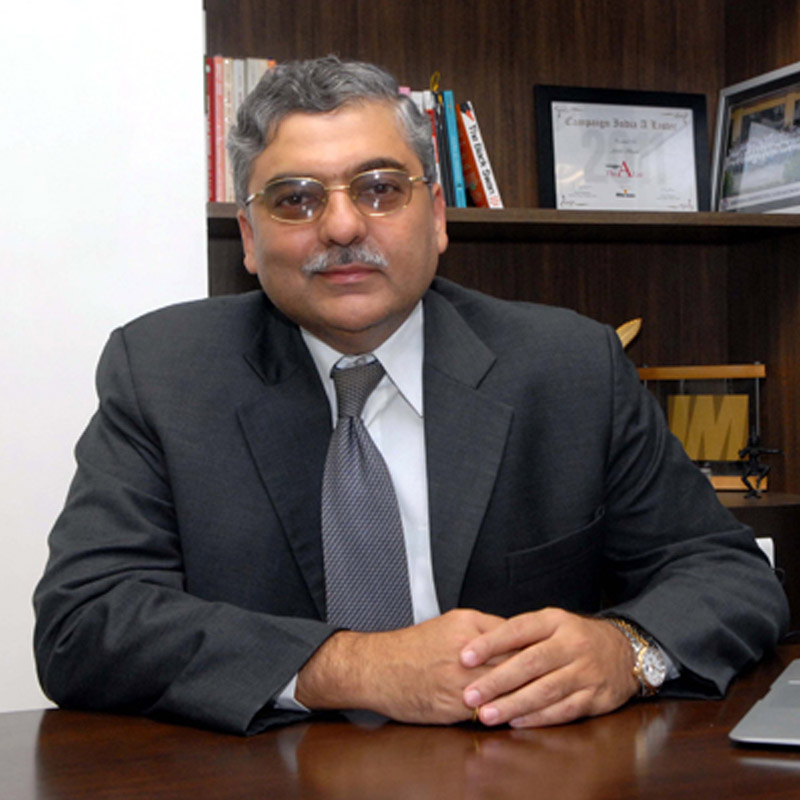
  • “TV ad rates will continue to be under pressure” – Ashish Bhasin

    “TV ad rates will continue to be under pressure” – Ashish Bhasin

    MUMBAI: From leading brands discussing the advertising fraternity’s readiness to deal with the digital onslaught to panel discussions after panel discussions dedicated to cracking the content code of the digital world in reputed conferences; the Indian media world is truly enamored with the word ‘digital.’ And rightly so, as the media has completely changed how the trade works in the sector.

    But little is being discussed on the specifics of digital media’s effect on television and its business. To put this into perspective and shed light upon the current realities of the television industry from a media executive’s point of view, indiantelevision.com reached out to Dentsu Aegis Network chairman and South Asia CEO Ashish Bhasin.

    In a free flowing conversation, Bhasin opens up on sophistication employed in a new age television plan with the help of data analysis, ad-rates discrepancies in India,  future of TV media from advertising perspective, and more.

    Excerpts:

    Does Big Data and interpreting it play a role in today’s TV plans?

    It is important to pay attention to Big Data and analyse it right. At Dentsu Aegis Network we have set up our own data stack, which is driving through econometric modelling. That team is using it…it is composed of a young team of statisticians and senior data analysts, economists, and technicians who are analysing and decoding the available data on behalf of our clients.

    For example, you can get 44 percent reach for a particular plan on television.  Now if you spend 10 percent extra on your budget, you probably can get 46 percent reach on the same plan. This 10 percent of budget spends for 2 percent of incremental reach isn’t viable for the client. Thats where the data team comes in, who have developed a software who figures out where is that wastage happening. They combine the television exposure and digital exposure and tells us here is the sweet spot for advertisers to spend that 10 percent on.

    The age old problem of advertising is that advertisers know 50 percent of their advertising works but don’t know which half. Our approach helps the advertisers to know to some extent which half works.

    Many fear that digital will eat into television’s ad revenues even as TV continues to grow. What are your thoughts on this?

    Well in the distant future, in theory, digital will eat into television’s market share because everything will become digital. It is already happening in the more mature western markets but in India that has a long way go because television penetration has some way to go. We are all seeing it still from a Mumbai-Delhi point of view but the growth is not going to come from these two metros, there is already 100 per cent penetration there. The growth will come from tier III tier IV rural towns.

    There it is a long way to go. Therefore for the next five to 10 years there is enough space for all media to grow. Even print, which is collapsing everywhere else in the world is still still growing in India because literary levels are growing. But we don’t doubt that digital will grow faster – at least we believe – than any other medium.

    Will the per unit realisation (valuation) of television go up?

    Per unit realisation is the function of the audiences you get. More your distribution, more your audience, more is the realisation. I don’t think it will go because there are contradictory factors acting. On the one side you are getting more audiences, on the other side, the time of these audiences is getting more fragmented. It is getting fragmented — within television, and also between television and digital.

    So, there will be a balancing factor. It won’t collapse like it has in many other parts of the world. It may go up but gradually because there will be the other factor of the fragmentation which will come into play. There will be the two paradoxical forces acting together.

    Compared to markets like US, Indian television ad rates are very low even after adjusting the purchasing power parity. Your comments?

    I think it is unfair to compare US national rates with Indian semi regional rates because they are operating on completely different bases. There are 300 million people in the US. Out of that the TV audience is about 150 million. Per person per secondage average if you compare the two, you will understand, there are two different bases you are operating from. It’s unfair to compare US national rates with Indian semi-national or regional programs. Because then what you should compare is the 0800 ads in Minnesota, Iowa. You see their rates, their rates are less than or equal to the rates in India, even though the ones there are in dollars. The Super Bowl, one refers to, is a dense packed audience nationally – it is a unique phenomenon.

    Could the IPL be that property in India?

    It probably could be, But the IPL has already peaked; it will not go beyond this. That’s why IPL is commanding the premium; one spot on IPL is so expensive. It is anywhere between Rs three to five lakh for a 10 second spot.  

    What trend do you notice in the current television advertising rates per spot?

    I feel that the pricing on television will further go down. Today, we are looking at 0.1 rated programs. There are hundreds of programs that rated 0.1 by BARC. Tomorrow, you will be having programs with e rated 0.05, hypothetically. An advertiser is ultimately paying for the eyeballs the show is getting. If that number will go down, suddenly the prices can’t go up right?

    It is true that some premier shows will command higher ratings, such as a cricket match etc. But I don’t see the ratings going up in general.

    An advertiser is only paying more money to get more audience. To an advertiser it does not matter whether the viewer is watching it on Zee, Sony, Star or Colors, he is interested in that my target audience, say a million people, where do I reach them? So, if the reach or number of people is going to get more and more fragmented, then the per spot rate is headed south. Overall the advertiser may end up spending more because he has to take that many more spots to reach the audience he wants, but the per spot rate realisation will not go up, it will come down.

    The problem with television is also that there is too much supply, too many channels, too much inventory. The TV industry had one chance to limit the supply when the TRAI asked them to limit ad time on TV to 12 minutes an hour. Limiting supply could have had to benefit of taking rates up. But the industry did not comply with this. Hence, now there has been a commodisation of television air time.

    Do you think we will need  TV broadcaster going forward?

    The reduction of dependency on a broadcaster is at least five to 10 years away in India, which is what I keep reminding people. We are at that sweet spot where everything is going to grow. While there will be a lot of digital pressure and digital will grow fast, actually if there were no other contradictory pressures, TV should have started collapsing. That will not happen because TV is growing.

    Doordarshan has started giving away its Free Dishes in the south now. They started this in the north earlier. With this the penetration of free to air channels is going to really rise. Hence the distribution increase is going to keep an inward positive upward pressure for TV coming up. Digital is going to put pressure on it to push it down. Therefore it will remain in balance for four to five years. Finally, digital will prevail. Once you more or less have penetrated India. You have more or less got everyone in. That stage, that will be tipping point when digital will take over.

    What will happen when Jio launches?

    Globally, if you see, smart phone penetration when it goes over one third, it’s the rule of thumb. That’s the inflection point in digital anywhere. In India we are probably at around 18-20 per cent. We are about 12-18 months away from that point. The moment smartphone penetration crosses 33 per cent, bandwidth gets available cheaper and cheaper. And you get good quality bandwidth. That inflection point is going to happen.

    How will that impact the advertising agency?

    Lines are blurring. There is no difference between media  or technology or content. There is only one solution. And the advertiser is looking at a comprehensive digital solution from his communications partner.

    What does a traditional client looking for digital solutions want from an agency these days?

    The client today doesn’t want generalists. He wants super specialists. If it is digital, he doesn’t want a normally media guy to handle it, he wants a digital specialist to handle its social media, a search specialist and then a display specialist.

    The clients today want the benefits of specialization but he does not want the hassles of silos. Fortunately or unfortunately, all the legacy agencies are constructed in silos. For a guy in a creative agency, it does not matter if the media goes to any other agency. Because they are all separate companies. Because of this they have not been able to provide a single solution under one umbrella.

    The reason we have been successful is that we are structured as one P&L. Everything from media in India reports into me – whether it is Carat or Isobar or iProspect or  Dentsu Creative or whatever. And that is our biggest strength because you can bring talent in, think around the client in one seamless way.  And almost all of the others have not focused on this.

    Your take on ad blockers?

    Ad blocking is a very tricky subject. As a consumer when I look at it, ad blockers are damn good because audiences don’t want an intrusion when they consume content. I think advertising businesses are to be blamed for getting the pushback from the consumers because people just went berserk with displays online. Consumers are not paying to see your advertising, they are paying for content. So if advertisers start intruding so much, there will be push back. And it will only go up unless we figure out some standardisation. The future of digital advertising is going to be opted.

    We see ad blocking in conjunction with bot fraud and click fraud, it will lead to a scenario where the media will collapse unless the cleaning up doesn’t happen.

    We have a large programmatic buying division. The biggest challenge they face is how do you that it’s a human being consuming the content on the other end. So ad blocking will continue to happen unless you have incentivized the consumer to opt it. Either by choice or by incentives. Privacy laws will get stronger, they are much stronger abroad than they are here.


  • “TV ad rates will continue to be under pressure” – Ashish Bhasin

    “TV ad rates will continue to be under pressure” – Ashish Bhasin

    MUMBAI: From leading brands discussing the advertising fraternity’s readiness to deal with the digital onslaught to panel discussions after panel discussions dedicated to cracking the content code of the digital world in reputed conferences; the Indian media world is truly enamored with the word ‘digital.’ And rightly so, as the media has completely changed how the trade works in the sector.

    But little is being discussed on the specifics of digital media’s effect on television and its business. To put this into perspective and shed light upon the current realities of the television industry from a media executive’s point of view, indiantelevision.com reached out to Dentsu Aegis Network chairman and South Asia CEO Ashish Bhasin.

    In a free flowing conversation, Bhasin opens up on sophistication employed in a new age television plan with the help of data analysis, ad-rates discrepancies in India,  future of TV media from advertising perspective, and more.

    Excerpts:

    Does Big Data and interpreting it play a role in today’s TV plans?

    It is important to pay attention to Big Data and analyse it right. At Dentsu Aegis Network we have set up our own data stack, which is driving through econometric modelling. That team is using it…it is composed of a young team of statisticians and senior data analysts, economists, and technicians who are analysing and decoding the available data on behalf of our clients.

    For example, you can get 44 percent reach for a particular plan on television.  Now if you spend 10 percent extra on your budget, you probably can get 46 percent reach on the same plan. This 10 percent of budget spends for 2 percent of incremental reach isn’t viable for the client. Thats where the data team comes in, who have developed a software who figures out where is that wastage happening. They combine the television exposure and digital exposure and tells us here is the sweet spot for advertisers to spend that 10 percent on.

    The age old problem of advertising is that advertisers know 50 percent of their advertising works but don’t know which half. Our approach helps the advertisers to know to some extent which half works.

    Many fear that digital will eat into television’s ad revenues even as TV continues to grow. What are your thoughts on this?

    Well in the distant future, in theory, digital will eat into television’s market share because everything will become digital. It is already happening in the more mature western markets but in India that has a long way go because television penetration has some way to go. We are all seeing it still from a Mumbai-Delhi point of view but the growth is not going to come from these two metros, there is already 100 per cent penetration there. The growth will come from tier III tier IV rural towns.

    There it is a long way to go. Therefore for the next five to 10 years there is enough space for all media to grow. Even print, which is collapsing everywhere else in the world is still still growing in India because literary levels are growing. But we don’t doubt that digital will grow faster – at least we believe – than any other medium.

    Will the per unit realisation (valuation) of television go up?

    Per unit realisation is the function of the audiences you get. More your distribution, more your audience, more is the realisation. I don’t think it will go because there are contradictory factors acting. On the one side you are getting more audiences, on the other side, the time of these audiences is getting more fragmented. It is getting fragmented — within television, and also between television and digital.

    So, there will be a balancing factor. It won’t collapse like it has in many other parts of the world. It may go up but gradually because there will be the other factor of the fragmentation which will come into play. There will be the two paradoxical forces acting together.

    Compared to markets like US, Indian television ad rates are very low even after adjusting the purchasing power parity. Your comments?

    I think it is unfair to compare US national rates with Indian semi regional rates because they are operating on completely different bases. There are 300 million people in the US. Out of that the TV audience is about 150 million. Per person per secondage average if you compare the two, you will understand, there are two different bases you are operating from. It’s unfair to compare US national rates with Indian semi-national or regional programs. Because then what you should compare is the 0800 ads in Minnesota, Iowa. You see their rates, their rates are less than or equal to the rates in India, even though the ones there are in dollars. The Super Bowl, one refers to, is a dense packed audience nationally – it is a unique phenomenon.

    Could the IPL be that property in India?

    It probably could be, But the IPL has already peaked; it will not go beyond this. That’s why IPL is commanding the premium; one spot on IPL is so expensive. It is anywhere between Rs three to five lakh for a 10 second spot.  

    What trend do you notice in the current television advertising rates per spot?

    I feel that the pricing on television will further go down. Today, we are looking at 0.1 rated programs. There are hundreds of programs that rated 0.1 by BARC. Tomorrow, you will be having programs with e rated 0.05, hypothetically. An advertiser is ultimately paying for the eyeballs the show is getting. If that number will go down, suddenly the prices can’t go up right?

    It is true that some premier shows will command higher ratings, such as a cricket match etc. But I don’t see the ratings going up in general.

    An advertiser is only paying more money to get more audience. To an advertiser it does not matter whether the viewer is watching it on Zee, Sony, Star or Colors, he is interested in that my target audience, say a million people, where do I reach them? So, if the reach or number of people is going to get more and more fragmented, then the per spot rate is headed south. Overall the advertiser may end up spending more because he has to take that many more spots to reach the audience he wants, but the per spot rate realisation will not go up, it will come down.

    The problem with television is also that there is too much supply, too many channels, too much inventory. The TV industry had one chance to limit the supply when the TRAI asked them to limit ad time on TV to 12 minutes an hour. Limiting supply could have had to benefit of taking rates up. But the industry did not comply with this. Hence, now there has been a commodisation of television air time.

    Do you think we will need  TV broadcaster going forward?

    The reduction of dependency on a broadcaster is at least five to 10 years away in India, which is what I keep reminding people. We are at that sweet spot where everything is going to grow. While there will be a lot of digital pressure and digital will grow fast, actually if there were no other contradictory pressures, TV should have started collapsing. That will not happen because TV is growing.

    Doordarshan has started giving away its Free Dishes in the south now. They started this in the north earlier. With this the penetration of free to air channels is going to really rise. Hence the distribution increase is going to keep an inward positive upward pressure for TV coming up. Digital is going to put pressure on it to push it down. Therefore it will remain in balance for four to five years. Finally, digital will prevail. Once you more or less have penetrated India. You have more or less got everyone in. That stage, that will be tipping point when digital will take over.

    What will happen when Jio launches?

    Globally, if you see, smart phone penetration when it goes over one third, it’s the rule of thumb. That’s the inflection point in digital anywhere. In India we are probably at around 18-20 per cent. We are about 12-18 months away from that point. The moment smartphone penetration crosses 33 per cent, bandwidth gets available cheaper and cheaper. And you get good quality bandwidth. That inflection point is going to happen.

    How will that impact the advertising agency?

    Lines are blurring. There is no difference between media  or technology or content. There is only one solution. And the advertiser is looking at a comprehensive digital solution from his communications partner.

    What does a traditional client looking for digital solutions want from an agency these days?

    The client today doesn’t want generalists. He wants super specialists. If it is digital, he doesn’t want a normally media guy to handle it, he wants a digital specialist to handle its social media, a search specialist and then a display specialist.

    The clients today want the benefits of specialization but he does not want the hassles of silos. Fortunately or unfortunately, all the legacy agencies are constructed in silos. For a guy in a creative agency, it does not matter if the media goes to any other agency. Because they are all separate companies. Because of this they have not been able to provide a single solution under one umbrella.

    The reason we have been successful is that we are structured as one P&L. Everything from media in India reports into me – whether it is Carat or Isobar or iProspect or  Dentsu Creative or whatever. And that is our biggest strength because you can bring talent in, think around the client in one seamless way.  And almost all of the others have not focused on this.

    Your take on ad blockers?

    Ad blocking is a very tricky subject. As a consumer when I look at it, ad blockers are damn good because audiences don’t want an intrusion when they consume content. I think advertising businesses are to be blamed for getting the pushback from the consumers because people just went berserk with displays online. Consumers are not paying to see your advertising, they are paying for content. So if advertisers start intruding so much, there will be push back. And it will only go up unless we figure out some standardisation. The future of digital advertising is going to be opted.

    We see ad blocking in conjunction with bot fraud and click fraud, it will lead to a scenario where the media will collapse unless the cleaning up doesn’t happen.

    We have a large programmatic buying division. The biggest challenge they face is how do you that it’s a human being consuming the content on the other end. So ad blocking will continue to happen unless you have incentivized the consumer to opt it. Either by choice or by incentives. Privacy laws will get stronger, they are much stronger abroad than they are here.