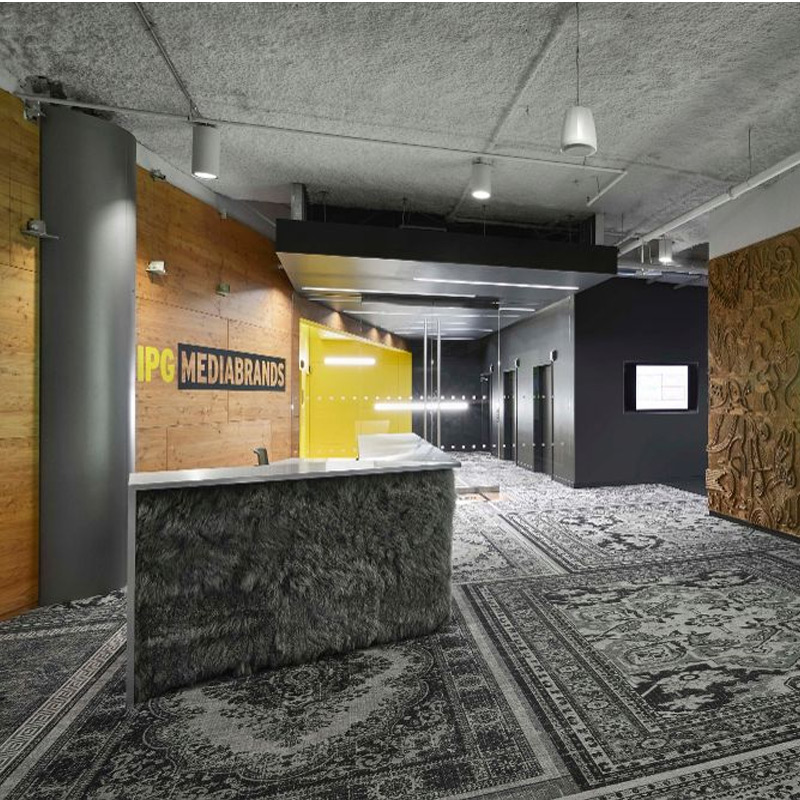
Tag: IPG Mediabrands

  • Madison Media’s Vikram Sakhuja takes over as chairman of MRUC

    Madison Media’s Vikram Sakhuja takes over as chairman of MRUC

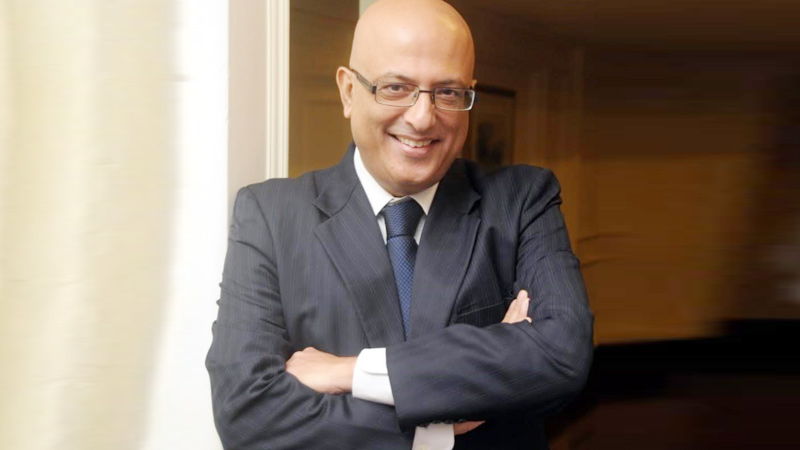
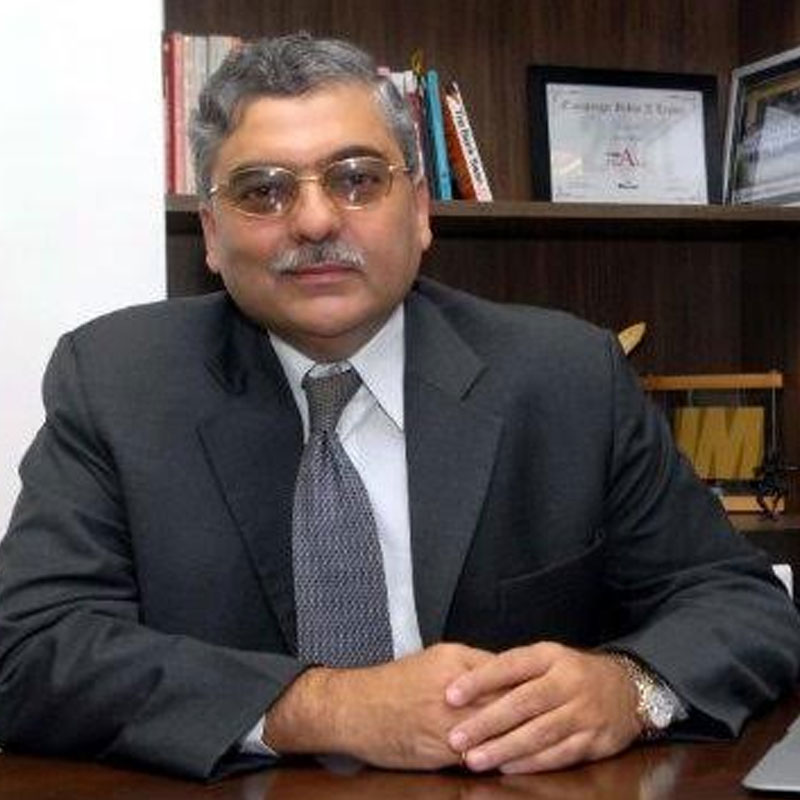
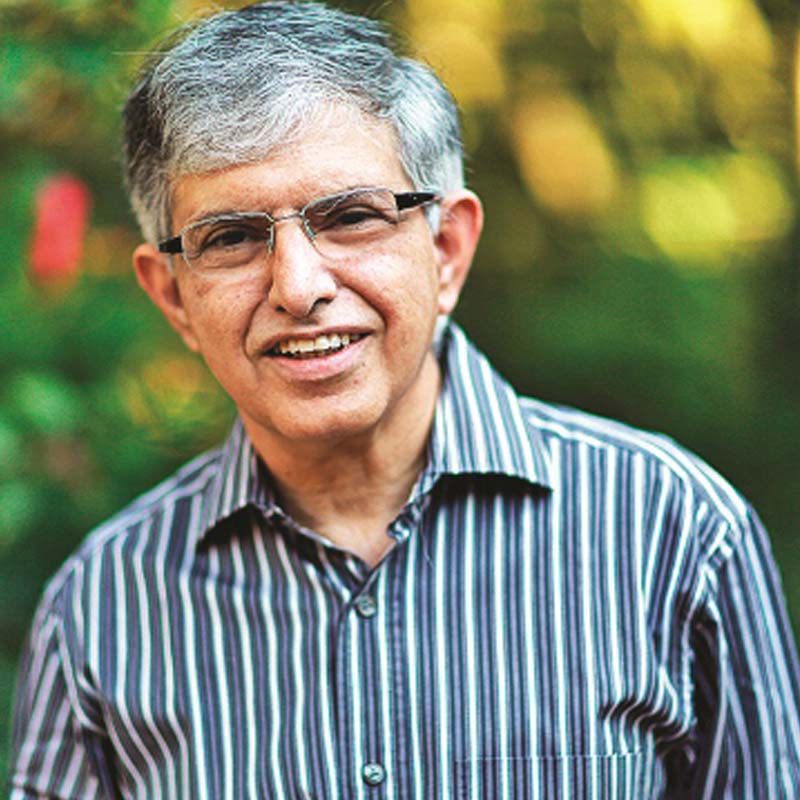
    MUMBAI: Madison World, partner group ceo, Madison Media & OOH, Vikram Sakhuja has been elected chairman of the MRUC (Media Research Users Council of India). The MRUCI board approved his appointment at its annual general meeting, with Sakhuja succeeding Shailesh Gupta of Jagran Media. He had been vice-chairman of the body since 2024.

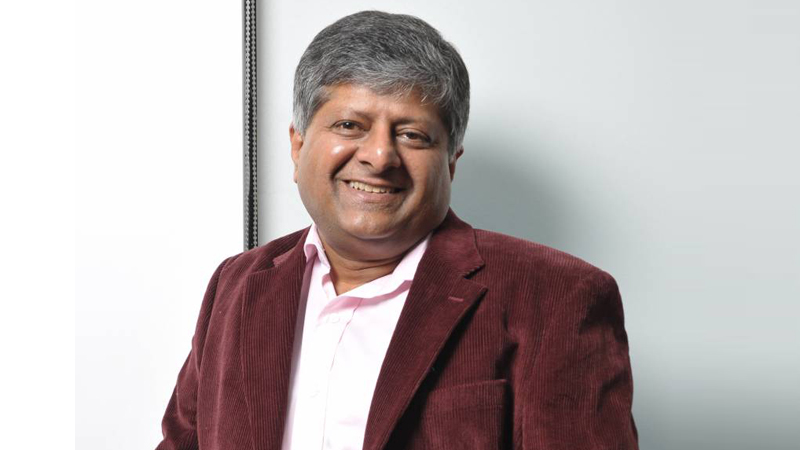
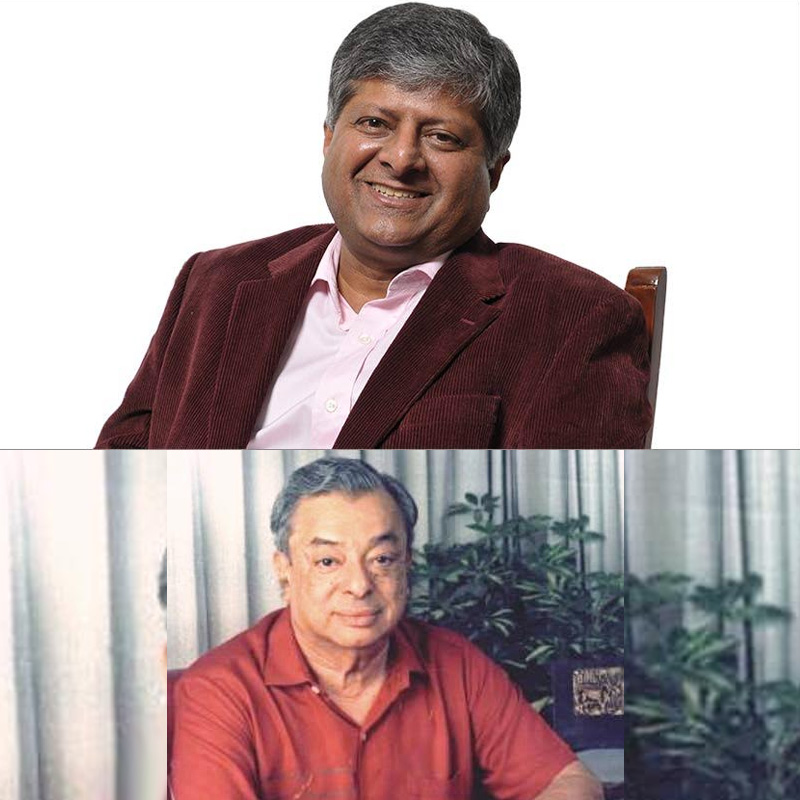
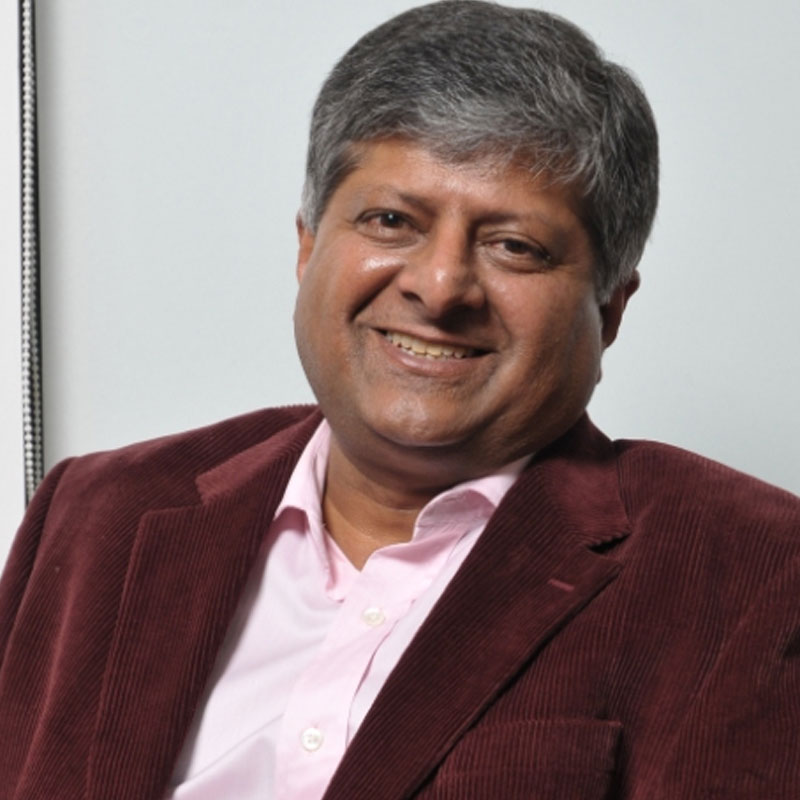
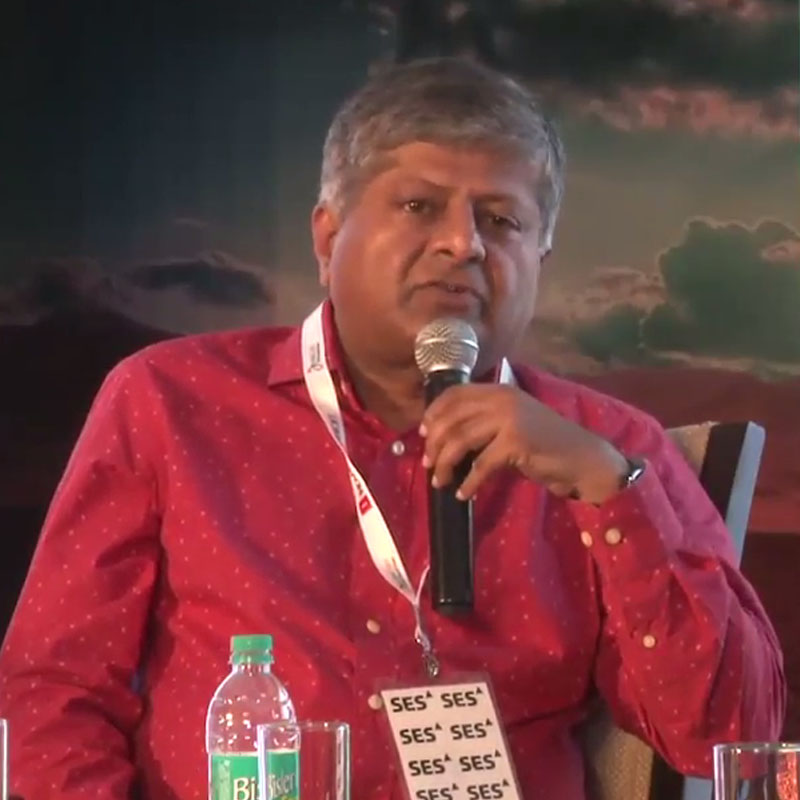
    Joining him on the new leadership slate, Dhruba Mukherjee, director at ABP Network, has been elected vice-chairman, while Shashi Sinha, executive chairman of IPG Mediabrands, will head the IRS technical committee, a role Sakhuja previously held.

    An alumnus of IIT Delhi and IIM Calcutta, Sakhuja brings nearly four decades of experience across marketing, media and advertising. He has held leadership roles at P&G (Procter & Gamble), Coca-cola, Star TV, Mindshare, Groupm and Maxus Worldwide, before taking over at Madison in 2015. 

  • OnePlus rides the rails with Bengaluru Metro’s first full-train wrap

    OnePlus rides the rails with Bengaluru Metro’s first full-train wrap

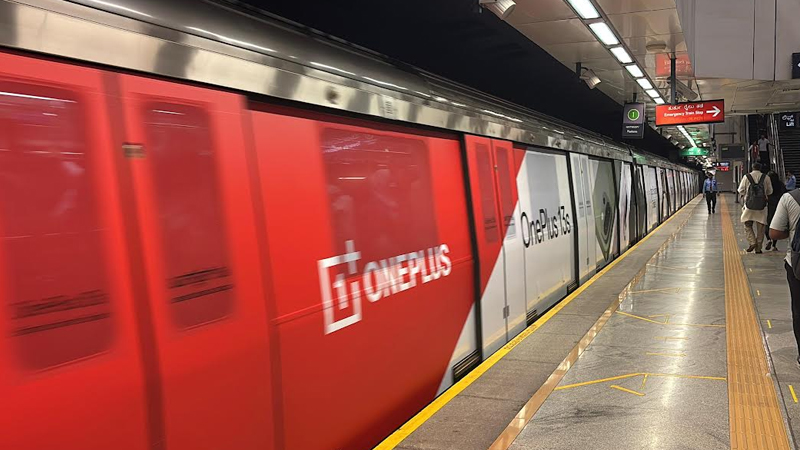
    MUMBAI: In a high-visibility move that fuses tech with transit, Rapport Chrome, the outdoor arm of IPG Mediabrands, has partnered with OnePlus India to unveil the first full-train wrap on Bengaluru’s Green Line Metro — a first-of-its-kind format introduced by Namma Metro (BMRCL).

    Dubbed as a window to innovation, the striking wrap-around design for the new OnePlus 13s turns the metro’s windows into camera lenses — cleverly mimicking the smartphone’s camera interface. As passengers zip through India’s tech capital, it appears they’re capturing the city through the eyes of the device itself. Inside, sleek branding and smart copy keep the vibe on-brand and high-impact.

    The Green Line, which cuts across key residential and commercial zones, offers prime real estate for eyeballs-on-the-go — making it the ideal canvas for a flagship like the 13s.

    Rapport Chrome president Vinkoo Chakraborty said “Collaborating with OnePlus on this trailblazing campaign has redefined the possibilities of creative contextualization in outdoor advertising in India. By combining innovative design with the strategic reach of the Green Line, we’ve created a powerful platform to showcase the OnePlus 13s to millions.”

    From station to screen, OnePlus is proving that bold creative and contextual genius can still turn heads in a mobile-first world.

  • IPG Mediabrands opens new global centre in Pune

    IPG Mediabrands opens new global centre in Pune

    Mumbai: IPG Mediabrands, the media holding company within Interpublic Group (NYSE: IPG), has announced the opening of its new global centre of excellence office at the International Tech Park, Kharadi, Pune India. In a significant expansion of the media network’s footprint in India, the Pune office will serve as a pivotal hub for media activation, product development, and engineering, to over 500 clients globally, spanning multiple industries.

    The new state-of-the-art office spans 62,000 square feet and offers a range of advanced amenities for employees including a rooftop sports area with facilities for basketball, tennis, and a gym, along with a walking track. It also includes a crèche facility for employees’ children, a 24-hour canteen service, agile workspaces designed for collaboration, and dedicated company transportation.

    “We are thrilled to expand our presence into Pune and create a world-class workplace for our talented team,” said KINESSO’s executive head of global operations Ankita Agarwal. “This office will be instrumental in implementing the highest standards of media activation, enhancing operational efficiency, and delivering exceptional value to our clients.”

    KINESSO is the tech-driven performance arm of IPG Mediabrands that currently accounts for 90 per cent of the headcount in Pune.

    KINESSO and Acxiom global CEO Jarrod Martin added; “We have built a network of global capability centres providing essential services, and India is our single biggest hub market, servicing other countries around the world. By centralising all these capabilities in one location, the Pune GCC will enable us to implement the highest standards media activation across all campaigns and brands, facilitate shared learnings, and enhanced product development. India is a world-leading source of advanced talent, and IPG Mediabrands is committed to tapping into this expertise to elevate our product and service delivery to clients.”

    IPG Mediabrands India CEO Shashi Sinha commented, “The launch of the IPG Mediabrands Pune GCC is a significant milestone in our growth journey, expanding our existing footprint which already includes offices across Mumbai, Bangalore, Delhi, Chennai, Kochi, and Kolkata. In the last 12 months, we have doubled in size, and with continued growth trajectory anticipate India becoming the second-largest IPG Mediabrands market by employee headcount over the next two years. This not only underscores our continued commitment to investing in India, but also highlights our strategic focus on leveraging advanced talent to drive media innovation.”

    The launch of IPG Mediabrands Pune is effective immediately and will deliver services across various crafts including biddable, analytics, and media operations, with an emphasis on innovation and execution.

  • Breaking news: Shifting gears from short-term rivalries to long-term triumphs in the news sector

    Breaking news: Shifting gears from short-term rivalries to long-term triumphs in the news sector

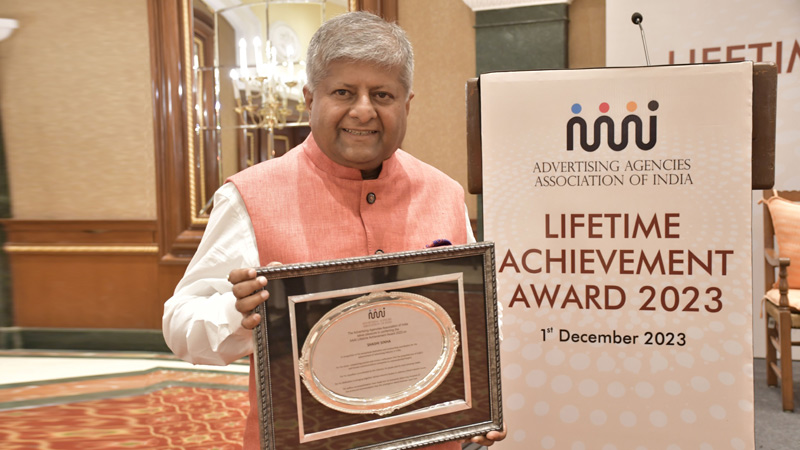
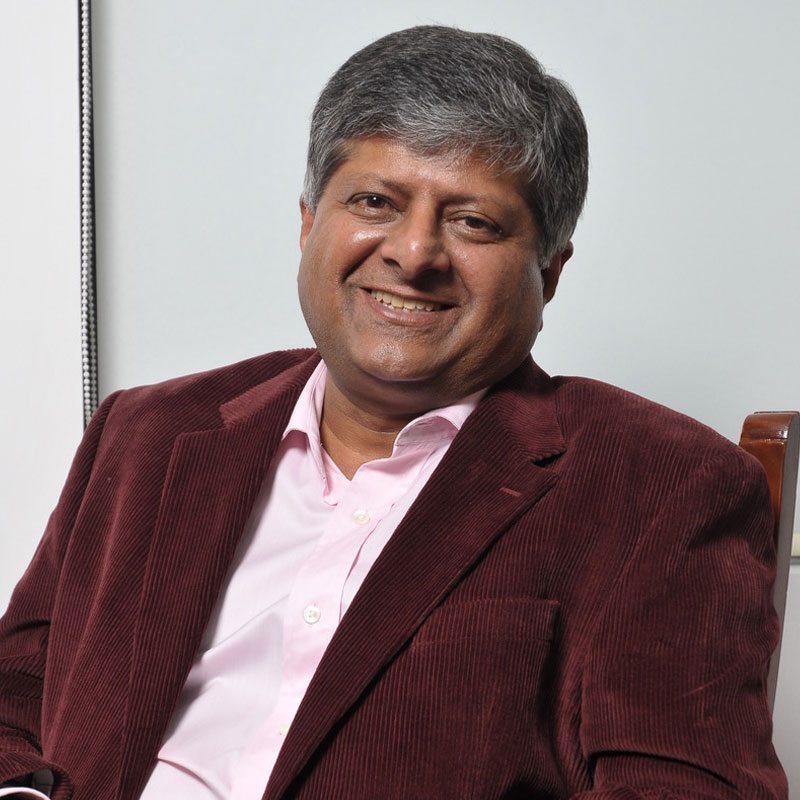
    Mumbai: Renowned industry stalwart Shashi Sinha, currently serving as IPG Mediabrands India CEO, is a prominent and influential figure in the advertising sector. With a career marked by numerous triumphs, Sinha has garnered a string of accomplishments and accolades. The most recent honour to grace his illustrious career was AAAI’s prestigious Lifetime Achievement Award on 1 December 2023, in Mumbai.

    Indiantelevision.com in a freewheeling candid chat with Sinha, delved into various facets of his life, career, and vision, Sinha candidly addresses a spectrum of challenges with his trademark rapid and concise speaking style. From the intricate task of retaining talent in the advertising realm to navigating controversies surrounding news ratings, he reflects on the evolution of media buying and planning functions. Sinha also shares insights on digital ratings and contemplates the future trajectory of the advertising industry.

    Edited excerpts

    On media & Advertising evolving over the years

    In the early days of my career, the media played a relatively minor role in the creative process, with print reigning supreme and television just starting to make its mark. Today, the significant evolution lies in the vast array of media options that were unimaginable back then. India’s advertising landscape appears underprivileged due to its low value in terms of GDP and a relatively small percentage compared to the global scale. However, in terms of volume, it is one of the largest markets globally, offering diverse options and varying budgets.

    Despite the rewarding nature of the industry, the unique challenges arise from the substantial difference in the strength of searches in businesses. Indian professionals exhibit considerable competence compared to their global counterparts. The downside, however, is the high effort required for outputting work due to the low value. While many claim a lack of profitability or margins, the workforce is abundant. This abundance leads to a significant volume of transactions, impacting work-life balance across creative and media spheres, and sparking ongoing debate.

    The current scenario sees a disparity in value, attributed to market fragmentation, intense competition, and numerous options. The global competition landscape is unparalleled, contributing to suppressed prices. Additionally, the exchange rate of the rupee to the dollar further suppresses the apparent value. When viewed from an international perspective, the value seems low due to these factors, particularly when measured in dollars.

    In a recent conversation with my international boss, who questioned the high number of professionals, I explained that looking solely at dollars can be misleading. The low value is a result of both intense competition and a suppressed exchange rate. However, I emphasized that our team is an asset, and with continued automation and improvements, the system is poised to get better. I predicted a jumpstart in strength and value in the coming years, bringing about positive change in the industry.

    On linear TV still being relevant

    There’s a recurring observation that certain structural issues need addressing in the industry. Currently, our focus on measuring TV is limited to certain elements, particularly content. This measurement approach views TV as a mass medium and lacks segmentation, which excludes individuals like you and me—the key lies in the will to change, not a lack of capability.

    Segmentation is crucial, and once implemented, it can lead to tailored content creation. Presently, most OTT players struggle to turn a profit, while TV players generally do well financially. This discrepancy arises from the fact that OTT is often funded by global money, whereas TV content is primarily supported by broadcasters.

    From my perspective, advocating for industry enablement is not just a measurement company’s standpoint but extends to a broader perspective within IPG. While change won’t occur overnight, enabling this shift over a 2-3 year period could yield significant results. The fundamental belief is that TV is a lasting presence, and overlooking linear TV does it a disservice. There’s a genuine conviction that sports will continue to drive linear TV forward.

    On Indian TV ratings and measurement issues

    I don’t hold any grievances against the news channels, but there are a few aspects of the current structure that need consideration. Firstly, it’s crucial to grasp the overall context. In India, there is a multitude of options, and while everyone desires regulation, the reality is that there isn’t much. Anyone can launch a channel, resulting in a situation where approximately 10 to 12 per cent of the TRP ratings are distributed among a vast number of news channels. While my figures may have a slight margin of error, the general point holds that a significant portion of ratings is shared among numerous news outlets.

    The issue arises when they seek revenue based on their numbers, without necessarily considering the individual strength and endurance of each channel. When comparing shares, there’s a tendency to downplay smaller percentages, saying, for instance, that a 0.1 per cent share is insignificant. However, this approach ignores the potential for significant errors within such small percentages, particularly in a diverse and fragmented market like India, where each state differs significantly.

    Moving on to distribution issues and data infiltration (part two), when news channels were initially established, there were defined error levels. However, these levels have become irrelevant due to a lack of measurement capability and disruptions in the industry. Furthermore, certain markets, such as those mentioned on the record, have experienced infiltration, complicating the overall landscape.

    In my perspective, the key point I emphasised is that BARC needs to be proactive in addressing the concerns of its stakeholders. One such stakeholder group that perceives the issues is the users, and their feedback holds significance. When stakeholders raise concerns, it becomes the team’s responsibility to channel energy into managing the future.

    To illustrate, consider the current situation where meters are placed in households, requiring individuals to press buttons for data collection. This method might not be remembered by everyone, especially in upscale homes where there may be a reluctance to engage in button pressing. The categorization of audiences into NCCS or ABC groups might not accurately represent the diverse viewership. The challenge lies in the broad definition, and ownership is not as comprehensive as it seems.

    To address this, a re-evaluation of instances where industry bodies like MRSI and LSA play a role is crucial. Progress is hindered by the slow response to industry challenges. A more elegant solution involves looking at upscale homes differently. Instead of relying solely on individual data, household data can be leveraged and later converted to individual data through analysis spanning 15 years.

    An ongoing effort, spanning a few months, involves working on something that can be scaled up. For example, deploying meters in premium homes, such as those with Tata Sky, can offer nationwide coverage, providing valuable data. This approach minimizes manipulation and allows for more accurate targeting of audiences.

    The collaboration of stakeholders is essential to comprehend the benefits and overcome challenges collectively. By addressing concerns and making informed decisions, the industry can progress. The installation of new technology might take time, but it is a necessary step to answer crucial questions and improve rankings. The fundamental issue remains striving to be number one, requiring a concerted effort and understanding among stakeholders.

    The industry currently lacks sufficient data, with BARC conducting a baseline every one to two years. The last data release was incomplete due to recalibration efforts in one or two markets. Some auditors argue that cord-cutting in India is minimal, as many people own both traditional TVs and streaming devices. Theoretically, TV measurements can be done more frequently, even on a yearly or two-year basis. Connected TV measurements can be conducted easily by watermarking the credit feed. The challenge lies in accessing homes not covered by the current panel, especially in upscale markets.

    The global trend indicates a rising interest in sports, regardless of the platform – whether on TV or Connected TV. The connection with Direct TV seems like a means to an end. The focus should be on representing the top 10 per cent of homes in the country, which constitute premium audiences. This approach could address various issues and contribute to the growth of the industry.

    Quarterly battles for supremacy among industry giants may be consuming, but the real challenge lies in looking beyond immediate concerns. The key players in the industry, the leaders driving growth, need to shift their focus from immediate competition to long-term strategies for business expansion. This shift requires more than just financial investment; it demands a mindset change.

    Fortunately, the TV side of the industry doesn’t face a technological problem but rather a mindset challenge. The emphasis should be on long-term planning, not just five years ahead but beyond. It’s crucial for stakeholders, especially in the news sector, to shift their perspective from short-term rivalries to long-term growth. This shift requires concerted efforts and a commitment to investing in the future.

    On digital measurement in the advertising industry

    Ensuring stakeholder alignment is crucial, and the Industry Stakeholders’ Association (ISA) hasn’t exerted enough pressure in this regard. Various methods exist to apply pressure, with third-party measurement emerging as a critical aspect. While our capabilities are in place, some fine-tuning is necessary, addressing concerns about small inputs.

    Digital measurement isn’t a one-size-fits-all solution, but rather a combination of concurrent and cross-media measurements. This requires a shared panel, and BARC has maintained a common panel for digital measurement over the past five to six years, incurring an annual cost of 12 to 15 crores. Despite my suggestion to close it down due to perceived inefficiency, it continues, with limited public awareness.

    Our capability extends to CTV measurement, but the accuracy hinges on reaching upscale homes. While we can measure CTV, it might not align precisely with what others are working on.

    The crux of the matter is stakeholder agreement. Currently, there are three essential decision-makers, and their alignment is critical. Communicating this alignment to the public is equally crucial. Despite public reports from stakeholders, there is a noticeable absence of measurement and financial commitment. Notably, substantial funds are being invested in digital platforms.

    For a successful transition, stakeholders need to be in agreement, but it’s uncertain whether this alignment has been achieved or if it will take the anticipated six to eight months or longer. The challenge lies in fostering consensus among stakeholders.

    On the performance of industry, as there were many big-ticket properties like the ICC World Cup, Asian Games, Asia Cup, the festive season and now the Pro Kabaddi League and the first quarter of 2024

    Although there is growth, it hasn’t been as rapid as anticipated. The overall space, particularly the start-up sector, faced challenges, and CPD volumes may have increased to extract value. The issue this year lies on the supply side, with many companies facing supply chain disruptions. It has indeed been a tough year, but fortunately, events like the World Cup provide an additional boost. Looking ahead, elections and increased spending on the ground and digital platforms indicate a focus on value over volume. Despite the challenges, the government is expected to implement various measures to maintain a robust economy, attracting advertisers. In India, the share of voice game prevails – when one advertiser spends, others tend to follow suit. This trend was evident during the World Cup, where one company’s advertisement prompted 4-5 others to follow suit, reflecting the nature of the market.While the instinctive answer suggests a positive quarter, accurately predicting how well it will fare remains a tough task. People are cautious, and although the World Cup yielded good returns, the absence of a significant property in the first quarter adds an element of uncertainty.

    On being an industry veteran and what is the forecast for 2024

    The expected growth will be moderate and not exuberant. Anticipating decent but not extraordinary progress, it’s advisable to approach with caution and be prepared for various outcomes. Revenue numbers tend to be overly optimistic and can create unwarranted excitement. Learning from past experiences, such as the chaos witnessed during course corrections this year, it’s prudent to be careful and adopt a moderate stance.

  • Shashi Sinha receives AAAI Lifetime Achievement Award 2023

    Shashi Sinha receives AAAI Lifetime Achievement Award 2023

    Mumbai: IPG Mediabrands CEO Shashi Sinha, the media holding company within Interpublic Group (NYSE: IPG), has been honoured with the prestigious AAAI Lifetime Achievement Award 2023. This recognition underscores his exceptional leadership and profound impact on the advertising industry.

    The Advertising Agencies Association of India (AAAI) bestowed the AAAI Lifetime Achievement Award upon Shashi Sinha in acknowledgment of his visionary contributions, unwavering dedication, and tireless efforts in advancing the advertising landscape in India.

    In his illustrious career spanning close to four decades, Sinha has played a pivotal role in shaping the media and advertising domain. From his early leadership position at FCB Ulka to assuming the role of CEO of all media units under IPG Mediabrands (India) in 2013, Shashi has consistently demonstrated a deep commitment to the industry.

    Commenting on the award, Sinha remarked, “Heartfelt thanks to AAAI for this esteemed recognition. I extend my gratitude to IPG Mediabrands, my family, the advertising industry, and everyone who has been part of this incredible journey. While humbled by the Lifetime Achievement Award, it’s not the end. I believe there’s much more to explore and contribute on this journey.”

  • IPG Mediabrands India launches ‘Media Responsibility Index’

    IPG Mediabrands India launches ‘Media Responsibility Index’

    Mumbai: IPG Mediabrands, the media holding company within Interpublic Group (NYSE: IPG) has unveiled its inaugural Media Responsibility Index (MRI) in India, marking a significant milestone in India’s media landscape by championing responsible media practices. Collaboratively compiled by IPG Mediabrands and its intelligence arm, MAGNA, the MRI aims to elevate awareness and set a higher industry standard for safety in advertising for both brands and consumers. It serves as a guiding resource for marketers, allowing them to prioritise brand and consumer safety in their investment decisions across diverse media platforms.

    IPG Mediabrands India chief investment officer Hema Malik commented, “The MRI India is a testament to our commitment to responsible media practices in India. Our MRI report propels responsible media practices to the forefront of India’s media landscape, providing brands and marketers with essential tools to navigate the media terrain conscientiously. It reaffirms our dedication to ethical advertising, safety, and shared responsibility in media. While we take pride in Indian media companies leading in Safety and corporate responsibility, the MRI also underscores the imperative for Digital Platforms to elevate their efforts in Data Ethics. It highlights that while Indian media excels in several areas, there’s room to advance Sustainability and Diversity, Equity, and Inclusion, further progressing responsible media practices in our country.”

    The MRI India evaluates media platforms across four crucial environmental, social, and governance (ESG) aligned priorities: safety, inclusivity, sustainability, and data ethics. This comprehensive approach equips brands to make discerning investment decisions, with consideration for brand and consumer safety in media strategies. The survey encompasses an extensive questionnaire containing over 200 questions, covering key principles such as promote respect, children’s wellbeing, misinformation, and data collection & use, providing a deep-dive analysis of each platform’s performance within these domains.

    The response from media platforms is a weighted index of all 10 principles across four priorities: safety, inclusivity, sustainability and data ethics. The index reflects the platforms’ position in the priority areas. Broadcast platforms surveyed cover close to 70 per cent of television Adex in India.

    Key findings specific to the Indian media landscape include:

    1. Broadcast and digital platforms excel in safety: Both Broadcast and Digital platforms exhibit consistency in safety with robust processes aligned with industry ethics and standards.

    2. Broadcasters face sustainability gap: Foundational sustainability efforts are needed from Broadcast platforms through measuring emissions, ESG frameworks and making public commitments on net zero goals. Digital is a mixed bag, some platforms have plans to improve energy efficiency and mitigate greenwashing.

    3. Inclusivity metrics highlight opportunity for growth: DE&I efforts need to be stepped up in broadcast and digital. Significant opportunity exists in enhanced measurement and statistical validation.

    4. Digital platforms urged to prioritise data ethics: Digital platforms are encouraged to bolster efforts in data ethics, in alignment with the Digital Personal Data Protection regulation.

    IPG Mediabrands APAC director, standards and investment product Harrison Boys said, “MRI India heralds a new era in media responsibility. It underscores the importance of putting safety, inclusivity, sustainability, and data ethics at the forefront of media strategies. Notably, the MRI showcases how Indian broadcasters excel in Safety, setting industry benchmarks. Furthermore, India’s substantial commitment to CSR projects mandated by the CSR Law aligns perfectly with the UN Sustainable Development Goals, demonstrating a unique opportunity for responsible media practices on a global scale. It is noted, however, that there is a significant opportunity in Sustainability, as well as ensuring Data Ethics practices are class leading in recognition of the regulation.”

    In an era where brands and consumers emphasise ESG criteria, the MRI emerges as an invaluable annual resource to support these objectives and champion higher media standards. It advocates for responsibility in media, mitigating concerns surrounding the societal impact of media and misinformation.

  • Shashi Sinha takes over as new Barc India chairman

    Shashi Sinha takes over as new Barc India chairman

    Mumbai: IPG Mediabrands India CEO Shashi Sinha has been unanimously elected as the new chairman of Broadcast Audience Research Council (Barc) India, following the board meeting held on Friday. 

    Sinha takes over from Zee Entertainment Enterprises Ltd MD and CEO Punit Goenka, who served as Barc chairman for the last three years.

    Sinha, who also represents the Advertising Agencies Association of India as its board member, has played a key role in the formation of Barc, said the industry body in a statement.

    He is also actively involved in various industry bodies such as the Advertising Standards Council of India (ASCI); past chairman of Audit Bureau of Circulation (ABC); past president of The Ad Club; current chairman of Media Research Users Council (MRUC) and till very recently, before becoming a board member, was the first chairman of the technical committee of Barc India. 

    Sinha is also an honourable member of Facebook India Client Council.

    “I am excited to be given this opportunity as the chairman of Barc at a time when the industry is undergoing many changes and the measurement body continues to grow,” said Shashi Sinha. “Over the last decade, Barc has evolved to become a robust currency and developed into a strong base for decision making for all stakeholders. I look forward to continue working with the team at Barc and I am confident that together we will be able to add and bring in more value to the broadcast ecosystem.”

    “It has been a privilege to lead and serve Barc India as the chairman, for two terms. The organisation has indeed grown and progressed substantially since its inception,” commented Punit Goenka. “I would like to welcome Shashi as he takes the helm of an industry-critical operation in a fast-changing landscape. I am sure that Barc India will soar to newer heights under his guidance. I also wish Nakul and the team at Barc all the very best.”

    “It gives us great pleasure to welcome Sinha as our new chairman. He is recognised for his deep understanding of the media industry, especially the broadcast sector and has been an integral part of Barc’s journey as well as India’s M&E industry,” stated Barc India CEO Nakul Chopra. “It was under his leadership that the Barc tech comm played a significant role in the formation of the world’s largest television measurement system. We look forward to working closely with him.” 

    Chopra further said, “We would like to thank Goenka, who has also been the founder chairman of Barc India, playing an instrumental role in setting up this measurement system. His strategic guidance and contribution made to Barc India, as its chairman for two tenures, has added immense value.”

  • Shashi Sinha, Vikram Sakhuja join Axis My India advisory board

    Shashi Sinha, Vikram Sakhuja join Axis My India advisory board

    Mumbai: Consumer data intelligence company Axis My India on Tuesday announced the constitution of a pioneering advisory board with IPG Mediabrands CEO Shashi Sinha and Madison Media Group CEO Vikram Sakhuja joining the board. Sakhuja is nominated as chairman of the board.

    “The company has embarked on an audacious mission of solving the problems of 25 crore Indian households and transforming a billion lives, and the advisory board will serve as the guiding ship to enable the success of these endeavours,” it said in a statement.

    “Our company is certainly at an inflection point, as we look to take to fruition some marquee ideas – India’s first offline-online people empowerment platform focused on listening and facilitating resolution of various issues of an everyday Indian, the country’s largest syndicated brand study, Consumer Trust Index, as well as aggressively expanding by engaging with all echelons of industry with our superior data and research offerings,” stated Axis My India CMD Pradeep Gupta. “Shashi and Vikram along with other advisory board members, with their deep understanding of India’s business landscape will be invaluable as guides and mentors as we navigate challenges in our trajectory towards rapid growth and disruption.”

    The board’s primary responsibility would be to keep track of the big picture of the organisation, anticipate challenges in the ambitious path and suggest mitigation tools to avoid the same.  Board members would also be expected to bring in diversity of thought and action, and help broaden the company’s horizons to engage with constituencies and stakeholders out of its conventional realm, said the statement.

    “Axis My India has over the years established itself to be the most accurate psephologist in India. Underlying that is one of the most innovative organisations I have encountered, in terms of their leadership, team and processes,” said Vikram Sakhuja. “As they now roll out more exciting products, they have the potential to provide not only authoritative insights about both Bharat and India, but also create a platform for meaningful dialogue with consumers that can be invaluable for marketers and policy makers. It is my privilege to be able to participate in this journey as an outside-in advisor.”

    “There is tremendous innovation and bustling activity coming out of India’s non-metros. India’s small towns and villages will power its rise to an economic powerhouse in the 21st century,” remarked Shashi Sinha. “It is my privilege to be able to engage with Axis My India on its larger vision to empower these communities and to be a part of this exercise underpinned in nation-building.”

    Axis My India, recently launched Consumer Trust Index (CTI) which is India’s largest syndicated consumption study measuring current product consumption and future purchase intent across 40 categories with yearly one million+ sample spread across 737 districts. The All-Media Measurement module (AMMS) of CTI will capture media consumption habits across touchpoints – TV, print, OTT, digital, social media, daily used apps, radio, cinema, OOH. As part of CTI, brands will also be able to do media and product consumption linkage analysis.

  • India advertising market to see 15% growth in 2022: Magna advertising forecast

    India advertising market to see 15% growth in 2022: Magna advertising forecast

    New Delhi: Advertising revenues swung back to a healthy growth rate of 14 per cent in 2021, rising from Rs 577 billion to Rs 657 billion. The growth is likely to accelerate further in 2022, with a 15 per cent rise in advertising revenue according to the Magna Global Forecasting Report released on Thursday.

    While the digital ad formats grew by 20 per cent to Rs 214 billion this year, the traditional media rose 12 per cent. Ecommerce, Retail, Durables, Beverages, Pharma, Real estate, Finance, and Education remained the most active categories while automobile, government, personal care, and communication brands continued to hold back their spending.

    TV to grow by 11 per cent to reach Rs 294 billion by 2022 end 

    Despite the Covid-led disruptions, television performed well in 2021 with original programming and Live sports events including the IPL and ICC T20 World Cup which boosted its revenue growth. With IPL media rights coming up in 2022, valuation this time is going to be even higher with the increase in the number of teams and the number of matches. With this factor, coupled with a few critical state elections, TV is expected to maintain momentum and grow by +11 per cent to reach Rs 294 billion by the end of 2022, according to the forecast.

    Video and Social Media to lead Digital ad-spends

    Digital advertising is currently the second-largest segment at 33 per cent market share. As per the forecast, Video and social platforms are likely to gain significant advertising share followed by audio and display. Overall, digital advertising revenues are expected to grow 18.5 per cent next year to top Rs 250 billion, as per the forecast.

    Growth of print to be broad-based

    In 2021, overall print grew +12 per cent from a low base (2020: -40 per cent), despite the slowdown in business. Growth has come from Retail, Durables, Finance, Real Estate, and Government spending. 2022 growth is expected to be broad-based, with most categories increasing spends and elections in a few large states helping to drive an increase of +14 per cent. With all Covid-19 restrictions lifted, the wedding season (which typically begins in October and lasts through March/April) will present another opportunity for print to thrive.

    Radio to witness growth of 21 per cent in 2022. 

    Radio is expected to gain back the transit audience listeners lost during the lockdowns. Growth in both listenership and revenue is expected to come from tier 2 and tier 3 markets. Overall, radio advertising revenues grew +20 per cent in 2021 to reach ₹16 billion, nearly 70 per cent of the pre-Covid market size.  Growth was driven by e-commerce, food, pharma, and retail advertising. Growth of +21 per cent is expected for 2022. 

    OOH growth to accelerate

    OOH traffic numbers are already reaching pre-Covid levels, with passenger footfall in airports and the metro increasing rapidly. OOH, (digital & static, not including cinema) revenues rebounded by +17 per cent in 2021 and an acceleration (+20 per cent) is expected in 2022, with revenues reaching 67 per cent of 2019 pre-Covid market size at the end of the year. Automobile, real estate, OTT and finance are a few categories driving OOH advertising growth.

    Major Sectors

    According to the forecast, travel & hospitality will see a resurgence in 2022, with the relaxation in travel regulations. The automobile and handset sectors that experienced supply-side issues will bounce back, too, along with education, realty, retail, and fashion sectors. Traditionally TV-heavy categories, like FMCG, personal products, and food are expected to increase their share of digital advertising. Advertisers will also pursue every shoppable moment to offer “anywhere commerce” to their consumers. With local players in Reliance and Tata e-commerce platforms gaining more traction, the sector will further increase its share of advertising. 

    IPG Mediabrands India CEO Shashi Sinha said, “Waning fear of the virus, along with the opening of economic and leisure activities, has given a boost to demand and improved business sentiment. The Indian advertising marketplace is experiencing recovery and accelerated adoption of non-conventional methods by all forms of media to engage consumers is helping along the recovery path. Though the second Covid wave in 2021Q2 disrupted the momentum, ad revenue in 2021 will grow at a healthy rate after contracting -22 per cent in 2020