Tag: IoT

  • IoT conversations will promote interoperability: NASSCOM, Georgia Tech tie up

    IoT conversations will promote interoperability: NASSCOM, Georgia Tech tie up

    NEW DELHI: The National Association of Software and Services Companies (NASSCOM) and the Georgia Tech Advanced Research Corporation (GTARC) joined to advance Internet of Things (IoT) and fostering IoT-based innovation through the development of a conducive ecosystem in India.

    The partnership will also help drive conversations around IoT that will promote interoperability across industry and geographic markets. Both the COE-IoT and the GTARC will also get the opportunity to showcase their individual efforts to raise awareness on the subject.

    An MoU between the two provides for both NASSCOM and GTARC cooperating to address technological and non-technological challenges that surround the adoption of IoT technologies, creating an amiable environment for all organizations in the industry.

    The agreement between NASSCOM’s Center of Excellence on the Internet of Things (COE-IoT) based out of Bangalore and GTARC’s Centre for the Development and Application of Internet of Things Technologies (CDAIT) will see both organizations combine their individual efforts to raise awareness on IoT and drive topic related events for the purpose of developing a vibrant global IoT ecosystem facilitating the effective and efficient adoption of IoT technologies.

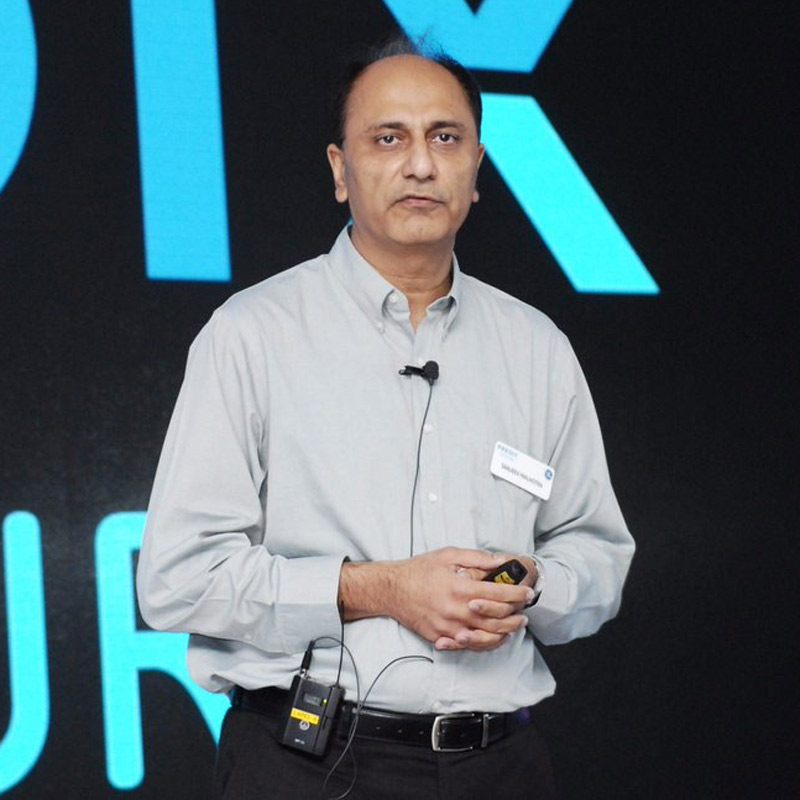
    NASSCOM COE-IoT CEO Sanjeev Malhotra said: “The disruptive nature of IoT will have a major impact in all areas of the consumer’s life – across all industries including industrial, healthcare, agriculture and smart homes. IoT will also be used across these industries to improve productivity with minimum usage of natural resources. We are happy to be partnering with GTARC, a leading institute with a focus on emerging technologies, leading to a mutually beneficial agreement that will help us combine GTARC’s advanced technology research along with the thriving innovation ecosystem in India.”

    Centre for the Development and Application of Internet-of-Things Technologies (CDAIT), GTARC, MD Alain Louchez said: “In close cooperation with NASSCOM’s IoT center, we intend to explore ways to leverage IoT technologies to accelerate and optimize the pace of digital transformation throughout the economy.”

    Through its COE-IoT located in Bangalore, NASSCOM is focusing on systemically expanding the technology ecosystem, with the Center providing a platform to address challenges such as the lack of understanding that leads to low adoption levels and security issues faced by the industry. The CoE – IoT is a joint initiative between the Department of Electronics and Information Technology (DEITY), Education and Research Network (ERNET) and NASSCOM and features laboratory that provides IoT focused startups the usage of various facilities that help them develop IoT solutions in application areas like Agriculture, Automobile, Telecom, Healthcare and Consumer IoT.

  • IoT conversations will promote interoperability: NASSCOM, Georgia Tech tie up

    IoT conversations will promote interoperability: NASSCOM, Georgia Tech tie up

    NEW DELHI: The National Association of Software and Services Companies (NASSCOM) and the Georgia Tech Advanced Research Corporation (GTARC) joined to advance Internet of Things (IoT) and fostering IoT-based innovation through the development of a conducive ecosystem in India.

    The partnership will also help drive conversations around IoT that will promote interoperability across industry and geographic markets. Both the COE-IoT and the GTARC will also get the opportunity to showcase their individual efforts to raise awareness on the subject.

    An MoU between the two provides for both NASSCOM and GTARC cooperating to address technological and non-technological challenges that surround the adoption of IoT technologies, creating an amiable environment for all organizations in the industry.

    The agreement between NASSCOM’s Center of Excellence on the Internet of Things (COE-IoT) based out of Bangalore and GTARC’s Centre for the Development and Application of Internet of Things Technologies (CDAIT) will see both organizations combine their individual efforts to raise awareness on IoT and drive topic related events for the purpose of developing a vibrant global IoT ecosystem facilitating the effective and efficient adoption of IoT technologies.

    NASSCOM COE-IoT CEO Sanjeev Malhotra said: “The disruptive nature of IoT will have a major impact in all areas of the consumer’s life – across all industries including industrial, healthcare, agriculture and smart homes. IoT will also be used across these industries to improve productivity with minimum usage of natural resources. We are happy to be partnering with GTARC, a leading institute with a focus on emerging technologies, leading to a mutually beneficial agreement that will help us combine GTARC’s advanced technology research along with the thriving innovation ecosystem in India.”

    Centre for the Development and Application of Internet-of-Things Technologies (CDAIT), GTARC, MD Alain Louchez said: “In close cooperation with NASSCOM’s IoT center, we intend to explore ways to leverage IoT technologies to accelerate and optimize the pace of digital transformation throughout the economy.”

    Through its COE-IoT located in Bangalore, NASSCOM is focusing on systemically expanding the technology ecosystem, with the Center providing a platform to address challenges such as the lack of understanding that leads to low adoption levels and security issues faced by the industry. The CoE – IoT is a joint initiative between the Department of Electronics and Information Technology (DEITY), Education and Research Network (ERNET) and NASSCOM and features laboratory that provides IoT focused startups the usage of various facilities that help them develop IoT solutions in application areas like Agriculture, Automobile, Telecom, Healthcare and Consumer IoT.

  • Maxus partners IoTBLR to create unique campaigns & product prototypes

    Maxus partners IoTBLR to create unique campaigns & product prototypes

    MUMBAI: With an aim to co-create unique campaigns and product prototypes, Maxus has entered into a partnership with the IoTBLR Foundation for Pervasive Computing, which is one of world’s largest IoT (Internet of Things) focused meet up group.

    Maxus and IoTBLR will work together with brands in building new products and consumer engagement solutions.

    Talking about the partnership, IoTBLR founder Nihal Kashinath said, “We are very excited about working with Maxus and look forward to co-creating more campaigns and product prototypes that have rarely, if ever, been conceptualised before. We bring in a lot of technological firepower around the Internet of Things, wearable tech, virtual and augmented reality, rapid prototyping, etc as well as a massive developer network from which to crowd-source ideas plus expertise. To put these to work in the context of a brand’s story is terribly exciting for us. There is a symbiotic relationship between creative campaigns and bleeding-edge technologies, and from our interactions so far with the Maxus team, we can confidently say that this partnership is going to push creative technology to stratospheric levels (possibly literally). So get ready to see futuristic tech come alive today.”

    Maxus chief digital officer Unny Radhakrishnan added, “We have been working with IoTBLR for some time now and it is a great learning experience. We had earlier launched Maxus Metalworks, our R&D lab, to work in the areas of emerging technologies and completed a couple of projects. Our teams have been conducting specialised workshops for some of our clients as well. This new partnership will help us keep our pace in understanding technology and leverage it for marketing and consumer services.”

    IoTBLR was founded as an open community by Kashinath with a vision to grow awareness on IoT, empower individuals and organisations to build connected products, and create impact by leveraging pervasive computing solutions. Today IoTBLR has entrepreneurs, working professionals, students, researchers, investors, journalists, hobbyists, etc. as its members. Members can attend workshops/talks/hackathons, work together on IoT projects, share equipment and resources, build IoT solutions and startups, and generally stay updated about the latest developments in the connected world.

  • Maxus partners IoTBLR to create unique campaigns & product prototypes

    Maxus partners IoTBLR to create unique campaigns & product prototypes

    MUMBAI: With an aim to co-create unique campaigns and product prototypes, Maxus has entered into a partnership with the IoTBLR Foundation for Pervasive Computing, which is one of world’s largest IoT (Internet of Things) focused meet up group.

    Maxus and IoTBLR will work together with brands in building new products and consumer engagement solutions.

    Talking about the partnership, IoTBLR founder Nihal Kashinath said, “We are very excited about working with Maxus and look forward to co-creating more campaigns and product prototypes that have rarely, if ever, been conceptualised before. We bring in a lot of technological firepower around the Internet of Things, wearable tech, virtual and augmented reality, rapid prototyping, etc as well as a massive developer network from which to crowd-source ideas plus expertise. To put these to work in the context of a brand’s story is terribly exciting for us. There is a symbiotic relationship between creative campaigns and bleeding-edge technologies, and from our interactions so far with the Maxus team, we can confidently say that this partnership is going to push creative technology to stratospheric levels (possibly literally). So get ready to see futuristic tech come alive today.”

    Maxus chief digital officer Unny Radhakrishnan added, “We have been working with IoTBLR for some time now and it is a great learning experience. We had earlier launched Maxus Metalworks, our R&D lab, to work in the areas of emerging technologies and completed a couple of projects. Our teams have been conducting specialised workshops for some of our clients as well. This new partnership will help us keep our pace in understanding technology and leverage it for marketing and consumer services.”

    IoTBLR was founded as an open community by Kashinath with a vision to grow awareness on IoT, empower individuals and organisations to build connected products, and create impact by leveraging pervasive computing solutions. Today IoTBLR has entrepreneurs, working professionals, students, researchers, investors, journalists, hobbyists, etc. as its members. Members can attend workshops/talks/hackathons, work together on IoT projects, share equipment and resources, build IoT solutions and startups, and generally stay updated about the latest developments in the connected world.

  • GSAT-7 Transponders successfully switched on as scheduled

    GSAT-7 Transponders successfully switched on as scheduled

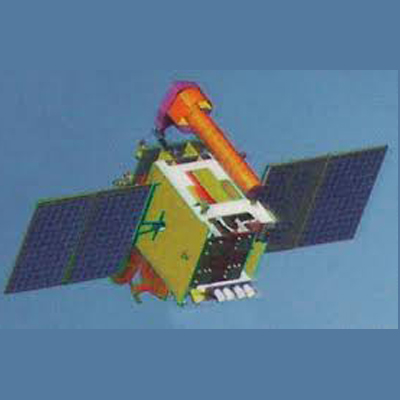
    NEWDELHI: All the 11 communication transponders operating in UHF, S, C and Ku-bands of India’s advanced multiband communication satellite GSAT-7 have been successfully switched on and their performance is found to be normal.

    GSAT-7 is now positioned at its designated orbital slot of 74 deg east longitude in the geostationary orbit and In Orbit Testing (IOT) of the 11 transponders is in progress.

    GSAT-7 was launched from Kourou, French Guyana in the early hours of 30 August and was successfully placed in the Geosynchronous Orbit with an altitude of about 36,000 km above Earth’s surface on 3 September morning, after successfully completing the last of the three orbit-raising maneuvers commanded from ISRO`s Master Control Facility (MCF) at Hassan.

    Earlier in 3 September, the communication antennae of GSAT-7, including the UHF Helix antenna, were deployed successfully. Following this, GSAT-7 was put in its final orbital configuration, stabilised on its three-axis by the momentum wheels.

    The GSAT-7 Satellite was expected to reach its assigned orbital slot of 74 degree east longitude in the Geostationary Orbit within 10 days.

    Based on current availability of hardware and components, the GSLV Vehicle assembly and checkout is expected to be completed at the Vehicle Assembly Building by the first week of December 2013 and the launch could take place by December 2013.