Tag: Interview

  • “We are confident, people have unstinted faith in PM Modi’s leadership”: Nirmala Sitharaman in her first interview post-budget

    “We are confident, people have unstinted faith in PM Modi’s leadership”: Nirmala Sitharaman in her first interview post-budget

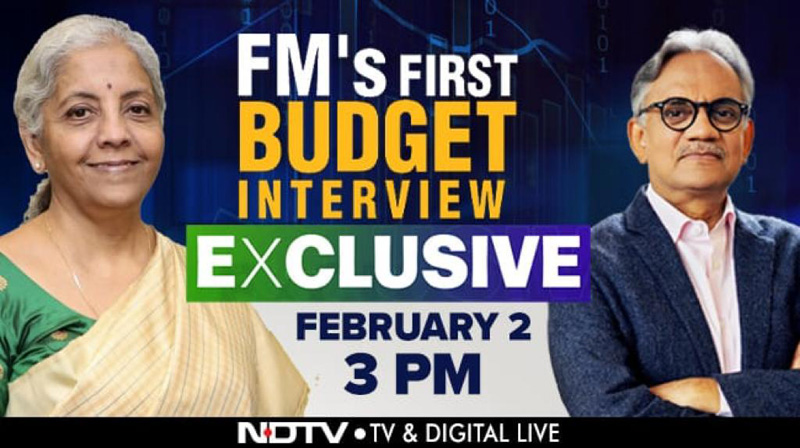
    Mumbai: In her first post-budget interview to any private network, finance minister Nirmala Sitharaman has highlighted what she called people’s unshakeable faith in prime minister Narendra Modi, emphasizing that this trust gave the government confidence to focus on empowerment instead of populism just before elections

    In an exclusive interview with NDTV’s editor-in-chief Sanjay Pugalia, Nirmala Sitharaman said the unflinching public faith in prime minister Modi empowered the government to prioritize long-term fiscal responsibility without compromising on the allocation to welfare schemes.

    “We are confident because, in the last 10 years, we have consistently launched schemes that benefit the people. And we don’t just launch the schemes, we ensure that the benefits reach the last person in the queue,” the finance minister said, to a question on the confidence on display with a budget that skipped any populist measure, including tax changes.

    “This is why we are confident that we have got the people’s blessings twice and will get it again. The people’s confidence in Prime Minister Modi is unshakeable and that gives us confidence.”

    Sitharaman, in the last budget before national polls, also trimmed the subsidy spend to Rs 3.81 lakh crore for FY25 compared to Rs 4.13 crore for FY24. Resisting the temptation of spending on schemes for the poor in the pre-election budget, the government stayed firm on fiscal consolidation to attract investors.

    “Our initiatives are not about populism or entitlement but of empowerment,” Sitharaman said, “We don’t believe in handholding people in a way which hampers their own decision-making. We will do welfare spending for healthcare and education.”

    Fiscal discipline and subsidies, she explained, are not substitutes to one another.

    To NDTV’s question on plans to raise capital expenditure, the finance minister said, “We will treat capex exhaustively in July (Union Budget).”


  • News18 Tamil Nadu to air MK Stalin’s first interview as chief minister

    News18 Tamil Nadu to air MK Stalin’s first interview as chief minister

    Mumbai: Tamil Nadu’s leading news broadcaster, News18 TN, will air the first-ever interview of Tamil Nadu’s chief minister MK Stalin, on Tuesday.

    The CM’s exclusive one-on-one conversation with News18 Tamil Nadu editor Karthigaichelvan S will go on air at 8 a.m.

    The interview, which promises to be explosive in nature, will touch upon a range of contemporary issues concerning the state, such as the opposition alliance, the BJP, and the odds of him being a king or kingmaker in the 2024 general elections. This is MK Stalin’s first-ever interview with a media house since becoming Tamil Nadu chief minister on 7 May 2021.

    The much-anticipated interview will summarise a range of political concerns, including his estimation of DMK’s performance in the upcoming polls and his increasing interest in an alliance with Congress. The chief minister may also share his thoughts on possibilities after the general election of 2024.

  • 75 years of Indian Independence, but where are women, asks SheThePeople’s Shaili Chopra

    75 years of Indian Independence, but where are women, asks SheThePeople’s Shaili Chopra

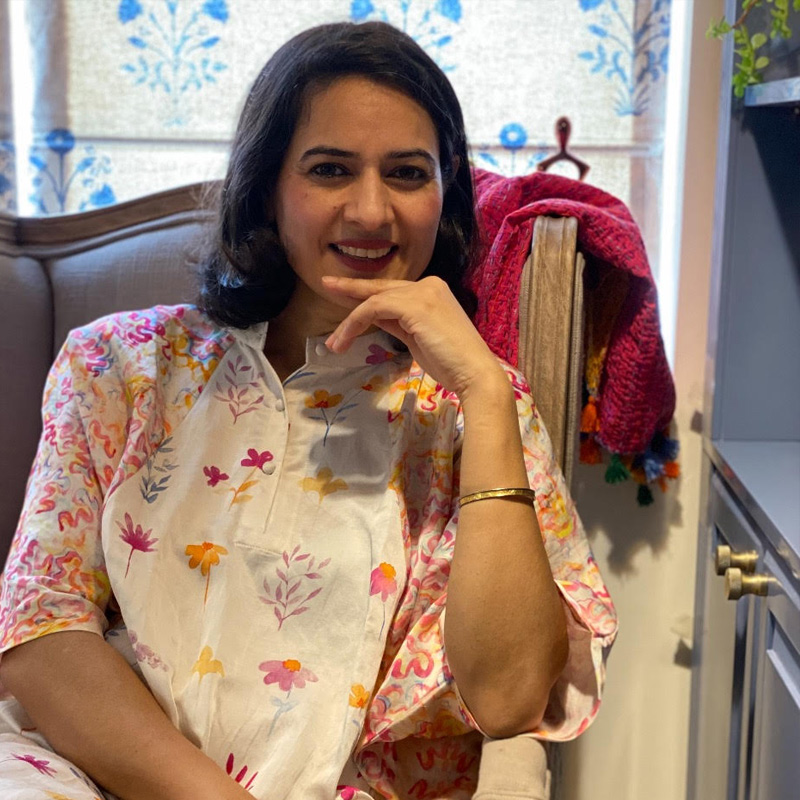
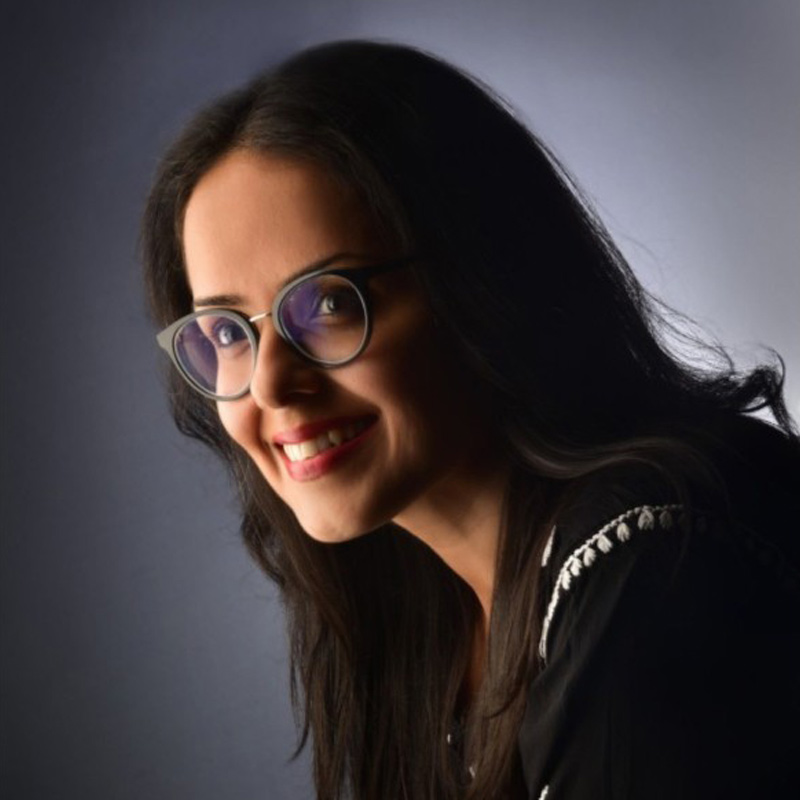
    Mumbai: As India turns a grand 75, have we forgotten to bring to the fore women’s issues in the media, or are we merely indulging in tokenism by scratching the surface? In an interaction with Indiantelevision.com, journalist turned entrepreneur, Shaili Chopra, reflects on the critical role that the media can play in changing perceptions of women in India and how gender equality can be achieved with the media as allies.

    As a thought leader on women’s issues and now a digital entrepreneur and observer, and as someone who has worked extensively in the media sector with 18 years of television journalism behind her, Chopra shares her insights on what’s missing in mainstream Indian media today, even 75 years after the country gained its freedom.

    Chopra is the founder of SheThePeople, a digital platform that helps shape new initiatives to support women to claim their rightful space at decision-making tables. With a focus on content, community, and skill development, it covers issues like women’s health, careers, and sexuality. She was awarded the Entrepreneur of the Year award by Entrepreneur India in 2017.

    Named one of India’s 50 most influential women in media, marketing and advertising by UK-based Impact Magazine in 2016, Chopra has authored four books. Her fifth book on women’s contribution in economic growth called ‘Sisterhood Economy’ came out last week.

    Her experiences at SheThePeople have led her to her next femtech venture, Gytree, which will launch next month and aims to provide primary and preventive healthcare to Indian women. According to Chopra, Gytree.com is a fearless and comfortable space for women to discuss their sexual and gynaecological health issues and needs. 

    Edited excerpts

    On Indian media’s portrayal of women and what more needs to be done on the front

    Shaili: We are behind the curve in how we cover women. We are slow to recognise that women’s issues are headline issues and must not be relegated to the city/inside pages of the newspaper. Things have moved for the better in the last few years. However, we are still way, way behind.

    It’s not just good enough to talk about women as women. We need to showcase female mathematicians for their math, and not just because they are women. We need to talk about the politics, health, and economics of women. We are not yet there at all. We are too busy doing tokenism and celebrating the ‘womanhood’ of these females, who in fact are way beyond that in their journey of growth and success. Let’s not just celebrate their gender, but what they do and bring to the table.

    And so, I urge all that, over the next few years, let’s prove that patriotism isn’t just about hoisting a flag in every home but also about providing equal opportunity, access, and space to half of the country’s population. If India must grow to a 4.5 trillion dollar economy by 2025, be sure it won’t just be one gender that will take us there. 

    On what has changed for women in India over the last few years

    Shaili: When I set up SheThePeople in 2015, they asked me, why do women need a separate channel? With more than 700 million women and half of the country’s population, we deserve our own space, our own voice, and a return on investment for our vote.

    As we celebrate 75 years of Indian independence, I believe things are changing and I am proud to be part of changing that narrative. There is a growing sisterhood of women in the world’s largest democracy who want to get their voices heard, their presence felt, and their economics to matter.

    On why it’s vital to talk about women’s stories and what makes the media a significant tool

    Shaili: Around the world, women are far less likely than men to be seen in the media. As subjects of stories, women only appear in a quarter of all television, radio, and print news. In a 2015 report, women made up a mere 19 per cent of experts featured in news stories and 37 per cent of reporters telling stories globally. The world is becoming more diverse, and it’s a newsroom’s responsibility to reflect this.

    Today, the media as a tool is important and necessary to move beyond traditional stereotypes of women and have diverse storytellers share their unique perspective in the media. While we are at it, it’s time that the media wakes up to include voices from marginalised communities, become caste-inclusive, and go beyond the gender binary to accurately represent the society we live in and tell relevant and impactful stories. We, at SheThePeople, have used the digital platform successfully to help amplify diverse voices and help women’s issues be heard. 

    On increased representation of women as media persons

    Shaili: If seeing is believing, then we need to have far more female representation across the board, across segments of the media (front-facing on-air as well as in business). 

    Like in many sectors, in the media too, the funnel of female leadership shrinks at higher positions. At the moment, there are many top anchors, but how many of them are driving the business or managing it? very few. I think that’s part of the problem.

    A study has also found that women continue to be given what are essentially “soft” beats like lifestyle and fashion, leaving the “hard” beats like politics, economy, and sports to the men.

    The Indian media, by marginalising women’s voices, denies the rights of nearly half the population. By having more women in leadership positions in the media, we can produce more gender-sensitive and gender-transformative content. As a participant and observer of the media industry for over a decade, I have always said that women and men need to be provided the same opportunities. This includes decision-making in all kinds of activities, so that the path to gender equality is sustainable and both women and men’s interests are accounted for..

  • We have addressed inflation concerns by understanding the needs of the consumers: GCPL CMO Somasree Bose Awasthi

    We have addressed inflation concerns by understanding the needs of the consumers: GCPL CMO Somasree Bose Awasthi

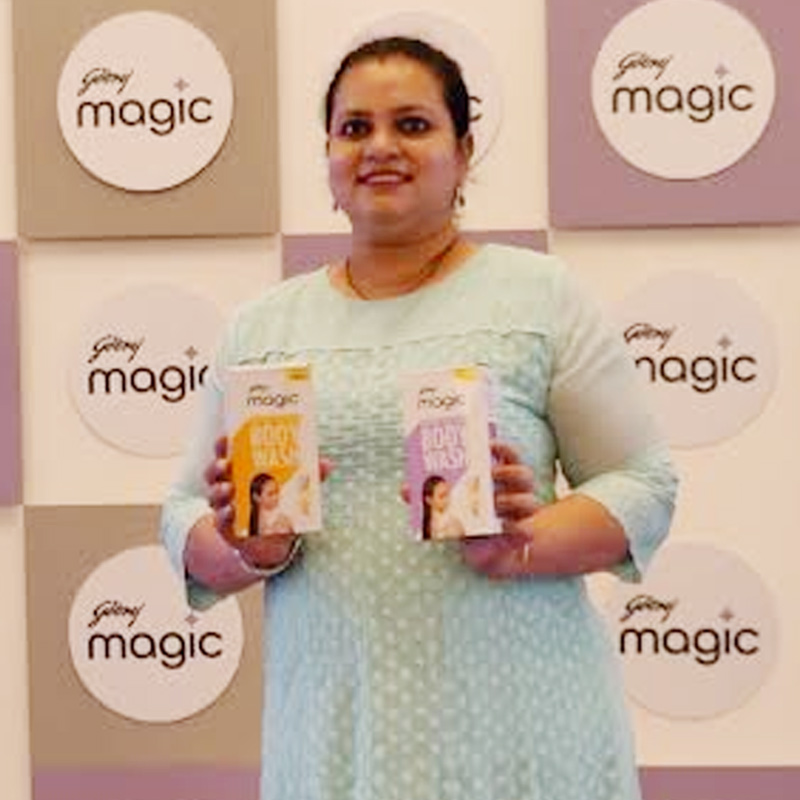
    Mumbai: Godrej Consumer Products Ltd (GCPL) on Tuesday unveiled Godrej Magic Bodywash, a ready-to-mix bodywash that aims to offer consumers a bodywash experience at the price of a soap, while ensuring it is eco-friendly by encouraging the habit of “reuse and reduce.” Actor Shah Rukh Khan has been roped in as the brand ambassador for the product and will feature in a mass awareness campaign.

    In 2018, under the ‘Magic’ portfolio, the Godrej Group’s FMCG arm launched its powder-to-liquid handwash, Godrej Magic Handwash. The bodywash is the second addition to the ready-to-mix category with which the brand hopes to empower people to make a sustainable choice for their daily life activities.

    The company also pledged Rs 100 crore to be spent over the next three years towards mass awareness initiatives endorsing the message of an environment-conscious lifestyle along with social initiatives.

    On the sidelines of the event held at Mumbai, IndianTelevision.com had an exclusive interaction with Godrej Consumer Products Ltd (GCPL) India chief marketing officer Somasree Bose Awasthi to know more about the FMCG’s sustainable initiative and what it hoped to achieve through it, both in the short as well as long terms. Awasthi also highlights the company’s plans to extend the concept of the ready-to-mix format across its other product categories, such as liquid detergent.

    A Godrej group veteran, Awasthi completes two decades at the conglomerate, having joined as a management trainee in 2003 and working her way up. She was appointed as GCPL associate vice president-marketing (personal care) & aircare in 2014 and elevated as the chief marketing officer (India) in October 2021.

    She also discusses the steps Godrej Consumer is taking to mitigate the effects of soaring inflation on the FMCG sector as a whole, as well as its marketing strategy and whether the company has reduced its AdEx and/or marketing spends to protect its bottom line in the current uncertain market conditions.

    Edited excerpts…

    On launching a new product category at a time when most FMCG companies are cost-cutting and postponing or putting on hold new launches due to rising inflation.

    Awasthi: Actually, the timing itself was an inspiration for us to launch this product. As you rightly pointed out, because of inflation, prices are only going up. Today, a 200 ml body wash would cost anywhere between Rs 100 and Rs 200, and people are possibly dropping the category. This was the time when we thought that if we cut down on the “low-utility items” (of the product), can we bring down the cost? It may sound like an oxymoron that at a time like this, we talk about reducing costs. But we realised that there was this formulation which allowed us to reduce plastic to only 16 per cent, reduce fuel to less than half, and reduce energy to just 19 per cent compared to the current body wash. Then we went right to the root and put in our margin, etc., and we realised that we could actually give it to the consumers at one-third of the cost (of a bodywash) and actually at the cost of a soap!

    So, for someone who wants to upgrade from soap to bodywash for a better experience (because it is usually softer on the skin than soap), but is unable to do so due to the inflationary pressure of rising prices, we are offering this at the price of soap.

    Thus, the timing was just right in terms of both the inflationary pressure, which we handled, while also making it environmentally sustainable.

    On whether the FMCG company hopes to target the youth and form a connection with the youth consumer segment through this “sustainable” outreach.

    Awasthi: Today, right from the youth to everyone, talks about wanting a better earth. Everybody’s aware of the climatic conditions, global warming, etc. Without a doubt, the youth enters the picture because they have strong opinions and questions about everything. This is something that they care about, so yes. But is youth the only target? No! Our TG is the changing mindset of every consumer group. Hence, this product that uses less plastic, energy, and fuel is for all those who believe that this behaviour change is critical.

    On whether the brand would look to expand the ready-to-mix concept across its other product categories, like liquid detergents.

    Awasthi: So, we have done this in the handwash category in 2018 with the powder-to-liquid handwash. Now, three to four years after that, we have incorporated it into the body wash category. And more is coming, but for that we’ll have to wait and watch.

    On addressing the challenges posed by soaring inflation in the FMCG sector, such as increase in input costs, fuel price increase, shipping costs, and so on.

    Awasthi: What we have done is try and keep the consumer at the heart of our efforts to tackle inflationary pressures. And that’s how this new product development happened. If I talk about other categories, like hair colour, for instance, we realised that people want to use the better quality of hair colour with the crème, but are unable to do so because it comes at a price of Rs 30 plus. So we launched a smaller sachet priced at Rs 15. Thus, in this inflationary environment, the smaller packet helped retain consumption behaviour without denting the pocket.

    Similarly, in other categories like soaps, we have been careful to not completely pass on the inflation to the consumer. We have also taken a hit, but we have ensured that we do not tamper with the quality of the soap.

    Thus, we have addressed the inflation concerns by understanding consumer needs at such a time. Firstly, by reducing the price, or by coming up with smaller sachets, or else by passing on some part of the inflation but not the full burden of it onto the consumer and by launching innovations like this. So there are a plethora of activities that we have undertaken to ensure that people can still afford and access our products. And this is the reason why we have been able to sustain our market leadership and also the consumer’s goodwill.

    On the overall market outlook on the FMCG sector currently- have the market conditions improved in the face of macro uncertainty and inflation?

    Awasthi: Inflationary pressures continue, and that is making us, the marketers, think differently. In the boardroom, the discussions are always around how we can ensure consumption continues. And that’s where these strategies are coming from. In such an environment where people are being very careful about what they spend, how do you ensure that your share in that pocket doesn’t come down? Hence, strategies like those spelled out earlier—reducing the product quantity, making it affordable, not touching the quality but absorbing some of the pressure, and hoping that consumers are not negatively impacted and are still able to get access to them. That’s what we are trying to do.

    On the effect on Adex, has there been a dip in the resources allocated towards advertising & marketing spends

    Awasthi: We are proud to say that we have continued launching our products and have been repositioning our advertisements. In fact, we have been adding to our advertising expenses by investing in newer products. For example, we recently shifted our Goodknight positioning from efficacy-led campaigns to a “full night’s sleep” campaign. The highlight of that campaign is the amazing bond that the father and child share and how he tries to ensure that the baby’s sleep is not disturbed. It has made it to some of the top ads recently.

    We also invested in a new category altogether. We used to advertise the toilet variant. Now we have started advertising for the aer-matic, the automatic fragrance diffuser. We are the first brand to start advertising in mass media for this premium product category (priced at Rs 570). Because even in today’s uncertain environment, there’s a certain kind of lifestyle that people want to have. It’s for those premium consumers’ benefit-seeking campaigns that we have launched this campaign.

    We are also advertising the smaller sized sachets of hair dye through Anoushka Sharma. Thus, we have relaunched, launched new products, and started new campaigns. So overall, the ATL expenditure has only gone up for us. What we believe is that at this point in time, the consumer is super-conscious of where he’s putting his money. So, if our brand is the one that is present-giving the right, relevant message to the consumers, we will get picked up. And we are seeing the fruits of that.

    On optimising the company’s advertising expenditure, which medium sees the major portion of the advertisement pie? Also, have there been any changes in ad spend allocation in the last two years since the pandemic?

    Awasti: We are chasing the consumer where they are. So we are present across 360-degree media, whether it is television, whether it is increasing investment in digital, whether it is going on print or on outdoor media. What we’re doing is segmenting the market by consumer profile and investing where we can reach the most relevant consumers. And that’s the whole strategy because every product is different.

    On changes in adspend post-pandemic, I would say, yes, there’s been a rise in the way we spend beyond television. Digital obviously has been a rightful candidate because more and more people have shifted to digital quite a bit during the pandemic, and that’s one place where we have raised our investment. Apart from that, we are doing quite a bit of print, quite a bit of outdoors etc. As I said, wherever we are getting maximum reach for our TG we are there.

    On tackling emerging competition from D2C brands in the personal care sector and marketing strategies to enhance penetration.

    Awasthi: The marketing strategy is very simple. It’s like the basics of marketing: understand the consumer’s needs in each of the categories that we are present in and, possibly, even not present in but seeing a trend. And enter the newer markets with products that are differentiated and relevant to consumers. That would be our objective. And for products where we are already leaders and doing well, that’s where we would be investing very hard to maintain our leadership.

    The emerging D2C brands are still in a very niche space, I would say, with the economy today still limited to a few. Of course, it’s growing and we have to take cognisance of it. But having said that, at the moment it’s still the general trade which is ruling the roost and that’s where Godrej has the power of distribution.

    The majority of Indian consumers still prefer to interact with their friendly neighbourhood kirana and to touch & feel a product before purchasing it. So as of now, we still have that strength. But yes, D2Cs are an emerging segment, and as and when we see fit, we will adapt our strategy to the changing environment.

  • People want choices, and it is happening with the arrival of OTT streaming services, says filmmaker Pan Nalin

    People want choices, and it is happening with the arrival of OTT streaming services, says filmmaker Pan Nalin

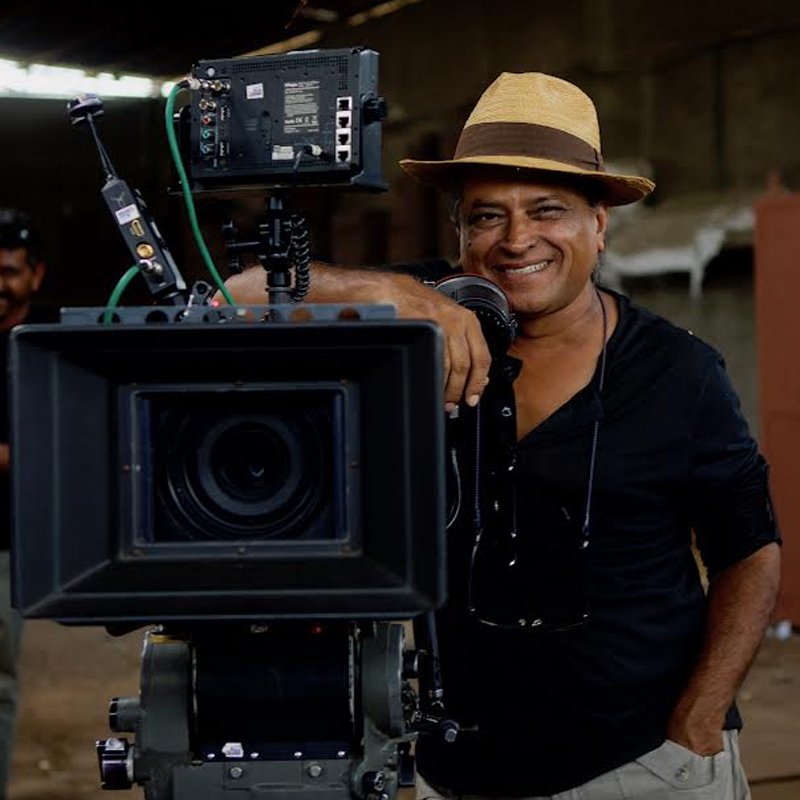
    Mumbai: An invitation to join the Academy of Motion Picture Arts and Sciences has been offered to rising talent and Gujarati-born filmmaker Pan Nalin. Nalin becomes the first Gujarati to join the Oscar organiser’s membership ranks in 2022. Other invitees include the actors Kajol and Suriya, as well as the filmmaker Reema Kagti, Rintu Thomas, and Sushmit Ghosh.

    Nalin’s most recent release, “Last Film Show,” which is partly based on his own childhood, had its global premiere at the Tribeca Film Festival and is distributed by Samuel Goldwyn Films. Since then, the movie has picked up dozens of awards, including Best Picture, Best Director, Best Actor, and multiple Audience Choice Awards.

    Prior to “Last Film Show,” Nalin is best known for directing award-winning movies like  “Samsara,” “Valley of Flowers” and “Angry Indian Goddesses.” His debut feature “Samsara” (Miramax) won worldwide critical and commercial acclaim and went on to win awards like Best First Feature Film at Durban International Film Festival and Grand Jury Prize – Special Mention at AFI Fest.

    His journey, from his remote village of Adtala, Gujarat, India where he helped his father sell tea on a railway platform on Khijadiya Junction Railway Station, to worldwide recognition as a filmmaker has not always been easy and one filled with its own twists and turns.

    In a fascinating interview with Indiantelevsion.com, Nalin shared his views on topics ranging from his early fascination with films to the future of entertainment and the Oscar buzz surrounding his latest work, “Last Film Show.”

    Edited Excerpt:

    On becoming the first Gujarati member of the Academy of Motion Picture Arts and Sciences.

    As a filmmaker, I chose a very difficult path in the kind of cinema I was doing, and I didn’t realise that such high-profile directors were watching my work and decided to invite me. So, I kind of feel this is finally some kind of recognition for two decades of work and that I must be doing something right. My manager told me I am invited to join in the director’s category and that is very prestigious. As a filmmaker, you always want to keep your craft updated and at its best and this will give me the opportunity to interact more with members and participate in Academy events, seminars and retreats and I feel very honoured and privileged by this.

    On his most recent film, “Last Film Show.” What drew him to filmmaking?

    I grew up in a very remote village in Gujarat and I don’t remember seeing any movie until I was around eight and a half years old. At that time, I remember, the preparation to go see a movie in a theatre started three days ahead of time. You know, you get new clothes and the barber would come and my mother and sister would go brag to the neighbour about it. We would start out very early and take a train to a town called Lathi, which had an actual movie theatre. My mother would prepare food ahead of time that we would eat, some on the train and some during the intermission. Oftentimes, we would come out of the theatre and have to wait for the train and would arrive back at our village very late in the night. That was my early movie-going experience. It was on these first trips, I saw the movie, “Jai Mata Kali” and was totally blown away…mesmerised. Since that day, I wanted to be a filmmaker and never really wanted to do anything else.

    On his distribution deals throughout the world for “Last Film Show” but not yet in India.

    We are still in talks for distribution in India. The main issue in India is that the distributors and movie theatre owners decide what people are going to like and what not and in some cases I feel they are very wrong. People want to be given a choice and they saw that now with the arrival of streaming. Indian people are now watching South Korean shows, Mexican novellas, South Indian movies are big now, they are watching everything. Theatre owners still prefer movies with big name stars with big songs. Independent filmmakers don’t have the marketing budget to go up against this. So, distribution can be a big problem. However, things are changing now, they’ve gotten shaken up. People in India are showing that they are ready to embrace change and that they want choices now.

    On the Oscar buzz for “Last Film Show.”

    There are people in Hollywood who are very interested but of course it’s up to the Indian government to submit this film. The US distributor, Samuel Goldwyn Films, has written a letter to concerned persons in India spelling out why they believe this film is a serious Oscar contender. Distributors, like Samuel Goldwyn, know how to market films. In 2020, they acquired a Danish film, “Another Round,” and it went on to win the Oscar for Best International Feature. In India, the committee that decides on the Oscar entry is not really allowed to talk with distributors so their reasoning is not factored in. This is unfortunate because these distributors, oftentimes, know what the Academy may like because they know the members and what they would be more likely to vote for.

    On “Angry Indian Goddesses,” his most popular film in India till date and the challenges occurred during the making of this movie.

    I believe it came at the right time where no one was making movies with women as heroes in India. You know, the popular Bollywood cinema is always about two or three guys that go off somewhere and have a great time. Urban women, in particular, were asking why can’t three girls go off to somewhere like Spain or Switzerland and bond? The main reason was it was thought women can’t carry the box office.

    After a time, two of my female assistant directors, along with myself, started doing some research. We observed that there were many films about women in villages with problems and being repressed but realised we also need to talk about urban women. There are about 200 million women who live in urban areas. So, we started talking to these women: the CEO, the pilot, the struggling actresses in Bollywood, the dancers, etc. We did a lot of interviews and started getting very excited. These were stories of comradery, of sexual harassment and even rape. Many opened up with heart wrenching stories. We found that the common thread among many of these stories was anger. Anger about women not succeeding in society. Anger about the Nirbhaya rape case, which had recently happened.

    So, we decided to move forward and make a movie. We found a private investor in India and also investors in Germany who believed in the story. We decided to make a film about women and what they had to say. I made sure the crew was made up of women. We developed characters but it was, more or less, a script-free film where the actresses shared their stories in an organic way. It was a beautiful experience in many ways. The film received critical and commercial success in global markets and was also acclaimed in India although it was censored and many cast and crew members, at the time, received death threats. The movie particularly resonated with urban women and the word of mouth helped push it forward.

    On his views on OTT platforms vs a theatrical release. Where do you see the future of entertainment going?

    Creatively as a storyteller I like to embrace whatever changes are coming and so I do see value in accessibility in terms of OTT platforms. The market for theatrical distribution has been tougher because of the pandemic for independent filmmakers in the US with the bigger films creating a kind of monopoly. Movie theatres are being taken over by big corporate chains that factor into how much popcorn and Coca-Cola they sell, so smaller films are being shut out. At the same time, the problem with OTT platforms is they are becoming so abundant with Netflix, Hulu, HBO Max, etc…it’s endless. You end up getting multiple subscriptions in order to watch all the shows you want and how many subscriptions are you going to have?

    I can’t say what the future will be but, as a filmmaker, ideally and from a profitability standpoint, it’s great to have, what I call, the “3S’s.” Which is a star, a studio and then a streaming platform.

    However, I do feel the future will bring a hybrid of OTT and theatrical and also a new frontier where different forms of entertainment are blurring. Even before the pandemic, video games have taken over and have become huge and we see here the merger of cinema happening. Entertainment may no longer be passive but an immersive and interactive experience. Instead of being a spectator, we will become a participant.

    On one piece of advice for young filmmakers in India.

    First thing I believe they should do is to be honest with themselves as to the kind of storytelling that inspires them. It’s easy to get lost. Oftentimes, I find young filmmakers go to school and get  lost in formulas. They need sometimes to go back to their roots as to who they are. The more original they are and honest they are, I think the better the film will be, because then at least, they will be offering something new.

    On Pan Nalin’s future projects.

    I’m in post-production with a movie called, “The Disappearance of Eva Hansen,” a spiritual thriller set in the Himalayas, it’s the first New Zealand – India co-production. I’m also in the development phase for a trilogy called “Santori Trilogy.”  Three films that are a high-voltage, action-packed adventure about an Asian superhero. Also, I’ve just started talks to shoot a Bollywood type feature in India. There may be a big name star attached but too soon to share much about that now.

  • Customer centricity is our single biggest USP, says Fantasy Akhada’s founder SK Jha

    Customer centricity is our single biggest USP, says Fantasy Akhada’s founder SK Jha

    Mumbai: In the fast growing world of gaming there are several players in Fantasy Sport. Fantasy platform Fantasy Akhada, while being a late entrant, says that it has managed excellent growth. Backed by popular cricket commentator Harsha Bhogle, the company says that it is an initiative of hard core sports lovers who understand the fan and fantasy sports. Fantasy Akhada provides a platform, covering fantasy cricket, fantasy kabaddi, fantasy basketball and fantasy football, where users can come, play, and win contests.

    The brand claims to have close to 2.5 million users currently. The platform has held 40 lakh contests and claims to have disbursed Rs 200 crore in cash winnings. Indiantelevision.com caught up with Fantasy Akhada founder Sumit Kumar Jha to find out more on the company’s plans.

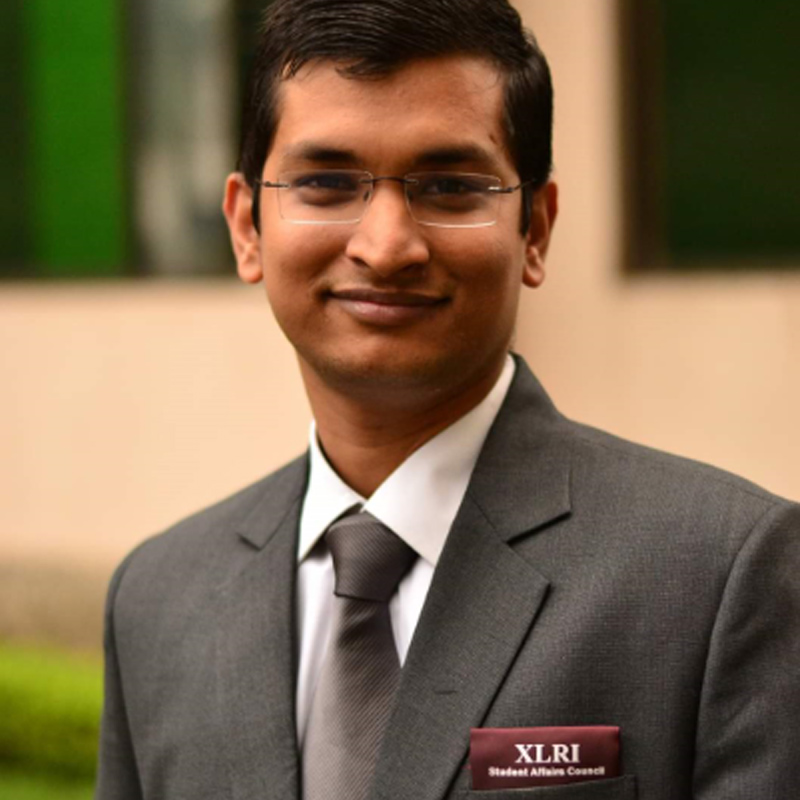
    Jha is an alumnus of leading universities like XLRI Jamshedpur and NIT Jamshedpur. Being a business enthusiast who strives for growth, he has a demonstrated history of experience in Product Management, Customer Analytics, Customer Life-Cycle Management, Loyalty Program Management, Mobile Internet, and P&L Management. Sumit Kumar Jha has profound domain knowledge and hands-on experience of over 8 years across different industries including Automobile, Telecom, Fashion & Retail industries and furthermore, earned 7 months of international project work experience.

    He began his career with Tata Motors and after completing his MBA, joined the coveted Aditya Birla Group Leadership Program. He was deputed at Idea Cellular Limited (Now Vodafone Idea Limited) where he worked for 5 years prior to beginning his own venture-Fantasy Akhada. The rich experience that he gained in his professional journey has moulded a solid foundation of his entrepreneurial vision.

    Edited excerpts:

    On the traction that fantasy sports are getting vis-a-vis other areas of gaming and esports.

    The love for cricket and the development of other sports, on the back of domestic leagues, has increased the level of interest in sports for all Indians. Fantasy sports share a very symbiotic relationship with live sports and thus the excitement of FS coupled with the love for sports is driving major growth in the Fantasy Sports market in India.

    However, we believe that the growth of the overall gaming ecosystem will drive individual growths like fantasy sports, e-sports, etc. There must be an overall acceptance of the gaming community in Indian households; to ensure the next level of growth for this sunrise sector.

    On the challenges that Fantasy Akhada faced as a late entrant

    We believe that if we let the timing of entry into the industry bother us, Fantasy Akhada would not have been able to become one of the top five fantasy sports apps in the country. All of us, founders, were ardent fantasy sports users before launching Fantasy Akhada. We realised that there is a clear need for a platform that believed in the highest level of customer and sports centricity.

    While we believed in our vision and the need for such a product, it took a lot of marketing push as well as the highest level of customer service to stand out amongst the clutter of the other 180 platforms. Post the IPL in 2022, on the back of a viral marketing campaign feat. Ali Fazal and Harsha Bhogle, we can confidently say that we have been able to make a significant mark in the space.

    On the sports that the company is actively involved in

    We currently provide customers with the opportunity to play four sports. The number was three until a week back; we added fantasy basketball in the first week of July. So as of today, Fantasy Akhada offers fantasy cricket, fantasy football, fantasy kabaddi and fantasy basketball.

    On whether cricket dominates activity on the platform.

    Cricket, no doubt, is by far the most loved sport on all Fantasy Sports platforms in the country. However, owing to our sports centricity, we have always done our 100 per cent towards each sport; and that shows in the numbers as well. Football, for example, contributes almost 15-20 per cent of our overall revenue and this has been made possible by hosting games, even in major leagues, that are exclusively available on Fantasy Akhada.

    Kabaddi, also, was an excellent launch for us with the Pro Kabaddi League in December 2021. We are hoping to get some good traction on basketball as well, a sport that has been launched in response to rising customer demand.

    On Fantasy Akhada’s USP is in a competitive arena where the entry barrier is very low

    As mentioned earlier, our single biggest USP is customer-centricity. In the context of fantasy sports, it means doing the basic tasks well like instant withdrawal, 24*7 customer service to customer delight activities like international trips, regular leader boards with amazing prizes, etc.

    Apart from this, we focus on our commitment to increasing sports engagement and ensure that all our marketing activities are in line with sports development.

    On the impact of Covid on fantasy sports

    Barring the first month of the worldwide lockdown, when the sport was either not happening or restricted to smaller leagues in countries like Belarus, etc. Covid has not had a very negative impact on our business.

    Personally, for us at Fantasy Akhada, it was the time that we had just started, and it gave us the opportunity and time to work on a lot of things which we hadn’t envisaged before the launch. To summarise, we came out stronger and provided a better experience post with the initial Covid blip.

    On the direction that regulation should take

    We believe that more clarity on regulation will help the Industry grow multifold. The lack of clarity on the regulations hurts the business. We, along with other FS platforms, are working with the central government to build a well-structured framework that will help all platforms in the country.

    On the role that Harsha Bhogle plays

    Harsha Bhogle joined the Fantasy Akhada team in June 2020 as a brand ambassador and investor. Since then he has been, more than his role, a great mentor for the entire organisation. We have been lucky to have his guidance in various decisions and also his support in getting a lot of things done, which would have otherwise been very challenging for us.

    On the activity seen on the platform during the recently concluded IPL

    IPL is the highlight event for all FS platforms in India; primarily due to the love for cricket that the customers have and also the short duration of matches – which helps them rotate money quickly. Apart from the growth in value of transactions, it is one of the best times for user acquisition, not only for FS platforms but for brands across industries.

    In terms of Fantasy Akhada, we had the biggest IPL, on the back of our first IPL campaign that went live on the Star Sports Network. The virality of the campaign, backed by our previously highlighted USPs, helped us catapult the growth of users to the next level. We had set out on a target of 100 per cent increase in our numbers over the two months of IPL, and we were able to comfortably achieve the same. Another great success has been that these users have stayed back with the platform post the IPL, increasing the overall base of our transactions.

    On expansion plans abroad

    Currently, we are present only in India – and allow only residents of India to play on our app. We have plans to spread our wings to other nations and currently, we are evaluating the right countries that fit our business and plans.

  • Solid content planning, programming & marketing strategy makes CNN-News18 industry leader: Smriti Mehra

    Solid content planning, programming & marketing strategy makes CNN-News18 industry leader: Smriti Mehra

    Mumbai: CNN-News18 emerged as the leading English news channel in terms of relative market share during weeks 15-18 2022, as per Broadcast Audience Research Council (Barc) India. The channel garnered a relative share of 29 per cent followed by other channels Republic TV (25.90 per cent) and Times Now (23.80 per cent). 

    The channel’s lead became even more remarkable during the primetime hours between 18:00-23:00 pm where its relative share reached 37.3 per cent with Republic TV in second place trailing far behind at 28.7 per cent.

    The leap in the channel’s ratings were supported by a sustained strategy by the broadcaster to broad base its programming to cater to all geographies in the country and build its content strategy around news that the consumer wants to see. This strategy was implemented during the ‘ratings dark’ period that lasted from October 2020 until March 2022 (week 10 2022) where there was no Barc data available for individual news channels.

    With 19 years of experience, Smriti Mehra leads Network18 Group’s news brands such as CNBC TV18, CNBC Awaaz, CNBC Bajar and CNBCTV18.com. She’s an experienced revenue head with a demonstrated history of working in the media industry across mediums.

    Her expertise lies in customer relationship management, market research, management, marketing, and business development.

    Her past associations include stints at Bennett Coleman and Company, Discovery Communications, Turner Broadcasting and Arré.

    In conversation with Indiantelevision.com, Network18 Media and Investments CEO – business news Smriti Mehra who speaks about the business strategy, brand positioning and marketing initiatives by the network to become a leading brand in the English news genre.

    Edited Excerpts

    On the programming strategy adopted by Network18 during ‘ratings dark’ period

    In the 18 months when there were no ratings, we consciously took a step back from everything we were doing. When you work in a faced-paced industry some paradigms and templates are formed that everyone conforms to. We took that time to reflect and it was not just a passive process, it involved social listening and observing the content offtake. We asked if there was a sharper target group that we wanted to aim at. We decided that we have to diversify beyond just serving political news to understanding what the consumer really wants to watch.

    The channel built its content strategy around multiple layers of content. Now, it shows content on start-ups and sports while there is still political news at the centre.

    Network18 has a massive network of 1200 reporters across the length and breadth of the country that helps us go hyperlocal. There’s also a strong international presence with brands like CNN and CNBC. This helps us cover an entire palette in our content strategy and that’s what we offered to the consumer.

    The amalgamation of all of this has been an evolved content strategy. Along with distribution, it has led to a dramatic surge in CNN-News18’s performance and I think this strategy, where we put the consumer at the centre and build content around them, is here to stay. CNN-News18 is not just a debate-only channel, we’re doing story-led content that’s really working with our viewers.

    On broad basing programming to attract a wider audience to the channel

    To widen our content offering, what we’ve done is integrate our newsroom. The content needs to be offered across multiple platforms and in multiple formats but at the centre the product remains the same, which is news. That has helped us attract eyeballs or target audiences beyond the core T.G of the news genre that every channel goes after.

    On the brand positioning – ‘news over noise’

    What I’ve spoken to you about kind of reflects our positioning as well. We want to invest our mind space, energy and efforts into actually doing the news. It’s also about breaking the existing mould of TV programming and moving away from the standard template. This is an experiment that we’re trying and some of the experiments may succeed and others may not succeed but at the end the consumer is at the centre of the news programming that we’re building.

    There has been a positive response to our efforts from the viewers and acceptance of our programming. Not to say that this strategy is fixed and not open to change as some things will work and others will not. By and large, we are constantly putting pressure on ourselves to evolve as the demand from the viewer changes and the audience asks for something different from news programming.

    On consumption trends of the English-speaking audience in the news genre

    Broadcast is seeing an increasing need to converge. The offtake of news consumption is moving to screens beyond television. TV content is also moving from being just cable and DTH driven to being powered by the internet.

    The sources of news and credibility of news brands, however, are not changing. There are still people who want to listen to brands like ours whether it is CNN-News18 or CNBC-TV18.

    We’re moved beyond just doing TV news. Our brand is across formats like platform video, audio and we’re investing in products like Local18, our hyperlocal news platform, and we’re building our social media content as well. This is the need of the hour and there’s no running away from it. 

    On the revenue outcomes for the channel

    The revenue outcomes for the channel change in two ways.

    One is just the television ratings. Not just now but even during the Covid phase when ratings were there, since there was no fresh content on entertainment channels and live sports was not happening, the news genre saw a huge upsurge in viewership.

    The news cycle became extremely relevant in the backdrop of Covid and the economy. People were turning to news and being an essential service, we were up and running at all points in time. During this period, we saw a huge amount of viewer interest and because of that a whole lot of advertisers partnered with us. This was an industry phenomenon and not confined to CNN-News18.

    The return of TV ratings has only helped us substantiate our position and supersize our association and commercial arrangements with a lot of advertisers.

    The second part is Network18 Group at large is diversifying its content and bringing news at the centre of all its programming efforts. And I think advertisers have taken notice of our efforts. We’re become so much more brand safe and have created a non-volatile environment to advertise in.

    We’ve created solutions for big name advertisers like Reckitt who partnered with us for the social campaign ‘Mission Paani’. P&G partnered with us on the ‘Period of Pride’ campaign around menstrual health education. These are brands of repute who are wanting to affect behaviour change through social campaigns.

    When you do all these things, my experience of 19 years has shown that revenues generally follow. This strategy has not been taken up with just revenues in mind but as an overall business strategy upholding all the pillars of Network18.  

    On partnering with brands for larger initiatives

    There’s a lot more appetite among brands to do socially conscious messaging campaigns. On 5 June, World Environment Day, you must have observed that a plethora of brands put out messaging celebrating the day. Climate change is a reality and as the country experienced one of the harshest summers in decades, brands want their communication to reflect what the consumer is going through.

    A lot of brands want to partner with a larger platform like ours to co-create and build large campaigns that speak to the consumer. At Network18, we’re brilliantly poised to deliver such campaigns as we have a national presence, a regional presence and speak across 12 Indian languages. We report news from every corner of the country and there’s a big digital reach as well.

    On the business strategy of the channel going forward

    We want to continue our content and performance leadership. We’ve been able to reach there very quickly during the financial year. Our efforts will be to remain in this position and grow bigger from here. There will be endeavour to experiment with more content formats as we continue to stay committed to our diversification intent for CNN-News18. Beyond that, we’d like to partner with advertisers to work on contextual campaigns and co-create large campaigns that really bring their message across in a credible way.

    English news content will become multi-screen sooner than any other language. The response to this trend is not bifurcating your business into silos. Network18 has a very large TV business and digital business and we’ve seamlessly converged on the content side and business side everywhere. That’s a step that most companies haven’t taken.

    For us, digital business is growing at a hyper-speed and it is happening because there is excellent monetisation of the audiences that come on digital.

    On the marketing initiatives undertaken by the network to strengthen its positioning

    During the two years of the pandemic, we constantly rolled our campaigns that had nothing to do with CNN-News18 brand or TV ratings. Our marketing was about building a responsible voice and communicating what was important to the consumer. We executed a campaign that celebrated frontline workers ‘Extraordinary Among Us’ and another one that was about India supporting Covid orphans. There were campaigns on masking-up and social distancing because the community needed to know.

    In the coming months, you’ll see fresh intellectual properties (IPs) coming from our stable that capitalise on the leadership position of CNN-News18.

  • International Art Machine’s content lens

    International Art Machine’s content lens

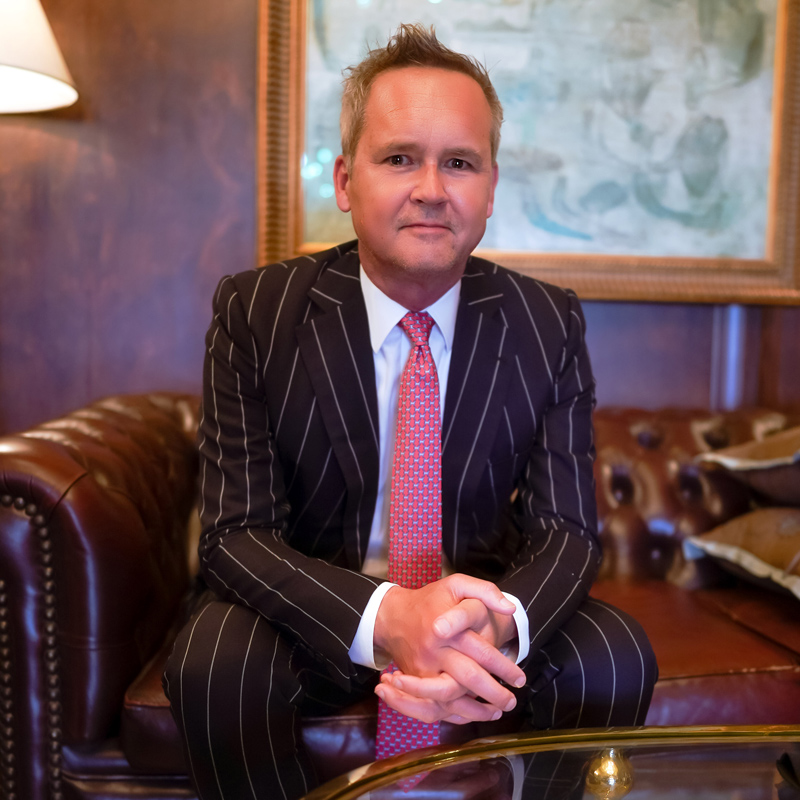
    Soon after moving on as president of Amazon Prime Video and Amazon Studios, Los Angeles-based media executive Roy Price booked a flight to Hong Kong to incorporate the name ‘International Art Machine.’ A journalistic outfit reported that Price was resuscitating his career as an art dealer but the simpler truth is that he was planning his comeback in the content business.

    Price is the executive behind many of Prime Video’s Emmy and Golden Globe-winning shows like “Fleabag,” “Marvellous Mrs Maisel,” “The Boys,” “Maid In Heaven,” and “Patriot” during his over 13-year association with the global streamer. Prior to Amazon, he was a consultant at global management consultancy McKinsey and Co. He also ran content development for Walt Disney Content Animation.

    With International Art Machine, Price has hit the ground running by announcing three projects in association with known names from the Indian media and entertainment industry. This includes projects like Amish Tripathi’s “The Shiva Trilogy” helmed by Shekhar Kapur and Suparn S Varma, “The Kitty Party” with Preity G Zinta and “Gods” with Dibakar Banerjee.

    Roy’s vision is to create originals that will move the needle in their local markets while at the same time whetting the appetite of an international audience. Just the kind of shows that global streamers are desperately trying to make. Netflix has had some success with shows like “Squid Game,” “Money Heist,” and “Dark” and Prime Video showcased the Bong Joon-ho’s acclaimed film “Parasite” but Price believes the best is yet to come.

    In a freewheeling conversation with IndianTelevision.com International Art Machine founder and CEO Roy Price speaks about shuttling between Mumbai and Tokyo, assembling his team, the potential of the ‘Shiva trilogy’ and more.

    Edited Excerpts:

    On being mistaken for an art gallery

    There was an article at one point that I was starting an art gallery and that tells you something about the importance of careful journalism because I’ve never been in the fine art business in my life. I guess someone just looked at the name of the company and decided that was the news story. People perceived it as a sophisticated name, so I never corrected it with anyone.

    On setting up International Art Machine

    When I left Amazon, the major theme I felt in international TV was the growth of Asian originals coming from Mumbai to Tokyo. Almost immediately I booked a ticket and was in Hong Kong and Mumbai within a week. I set up International Art Machine with a vision for a studio that could work locally and serve the growing multinational streamers. I called the studio International Art Machine because I think of TV and film as art. Not because we deal in paintings…although we could extend it to NFTs.  

    Primarily, we’re looking at Asian originals as we’ve seen content like “Parasite,” “Squid Game,” “Drive My Car” mostly from Korea come from Asia since 2017. This trend is going to continue Asia-wide and I knew this was the place to be.

    First, I set up in Hong Kong as it was a convenient mid-point between Tokyo, Seoul, and Mumbai but then switched corporate headquarters to Singapore. Karishma (Naina Sharma) is based in Mumbai and I’m based in LA going back and forth to Mumbai and Tokyo, though mostly on Zoom now.

    Focus on Asian markets

    India, South Korea and Japan are the primary markets followed by Indonesia. There’s China but it is more complicated than it used to be. There’s a robust market in Asia for the kind of international series that we tend to focus on.

    The studio’s content lens

    We want to create a series that could work for the global streamers. Not to say that they primarily cater to international audiences but they have the scope that global streamers are looking for. They would move the needle in a given country and be led by fantastic talent.  It should also have the chance to travel and be appreciated elsewhere just for its terrific quality.

    At the end of the day, streamers want the kind of ambitious shows that are going to stand out in the market. Those shows don’t always have massive special effects or tremendous budgets but are usually creatively ambitious, and have a great team and spellbinding storytelling. It could be like a “Game of Thrones” or something much more personal. For a streaming service, the shows that really make a difference are the top few shows of the year. These top shows will drive 80 percent growth of the platform and bring people through the door. Those are valuable shows.

    Those kinds of shows tend to be non-intuitive game-changers. The thing they have in common is that they’re trying to be different, trying to be new, and tend to have ambitious teams. That’s our mindset and we’re trying to internalise that perspective and find exactly that kind of show.

    ALSO READ | International Art Machine forays into India, unveils content lineup

    On the potential of the “Shiva trilogy”

    The “Shiva trilogy” just seemed like the ultimate web series that had to be made. To bring Shekhar (Kapur), Suparn (S Varma) and Amish (Tripathi) together to tell the story of the novels would make for a compelling watch. To be honest, ‘Shiva’ is a multi-dimensional and complicated character that lends to an interesting story. That’s why the novels have done so well. The Shiva trilogy is a story that delves deep into the complexities of mankind. It is layered with philosophy that’s not only relatable but as relevant then as it is now. We’re really excited about this series and it fits with what we want to do. It is going to be done in the best possible way and will move the needle in India and even outside of India could be interested in the show.

    On creating a show that has legs to travel outside of India

    It is a matter of time before we see a show coming from India that is a global success. There wasn’t a Korean show that really travelled before “Squid Game.” There really hasn’t been a Japanese one either that has been a global hit. We’ve only been making web series and higher budget series for a few years and the number of shows is still small.  As there are more shows and ideas, I’m sure we’ll see a global hit from India. There are so many stories and storytellers that one of them is certainly going to catch on more broadly.

    It is a mistake to overthink it and try to create a show that appeals to a global audience but misses the mark with the local market. We’re going to do it the right way for the local market and it’s going to catch on elsewhere because it is a great show.

    On the timeline to bring projects to screen

    I would like to sit down in Mumbai and watch some of these projects on TV by next year. We’re looking at finishing some of them by the end of this year or at the beginning of the following year. The safer bet would be to actually premiere at the beginning of 2024 but it really depends on what happens in the next four to five months.

    Web series or film?

    At the moment, we’re doing a web series. We’re inventing the web series process as we go along. Since India has only produced so many web shows to date, there are only so many writers who’ve worked on it. As more writers get experience working on web series in the next decade it’ll be easier to create TV shows. We’re working on the scripts for our current projects and are excited to move forward with them.

    There’s such an exciting market in India for film that it is easier to do. The process of filmmaking is well oiled in Mumbai because that’s what the industry has been working on for a long time. It is definitely tempting to work with some of the great filmmakers and move into the film side later on.

  • GSEAMS hits its stride with a foray into web series

    GSEAMS hits its stride with a foray into web series

    Global Sports Entertainment and Media Solutions (GSEAMS), chiefly involved in film production, started creating content for OTT players beginning with their first project “Samantar” streaming on MX Player from 13 March 2020. The company hit its stride ever since, with a successful run of series on various platforms including “Raktanchal” on MX Player and “Naxalbari” on Zee5. This year, they are yet again collaborating with MX Player on three projects, two of which are successive seasons of their hit franchises. A new web series is also in the pipeline for the OTT platform Voot.

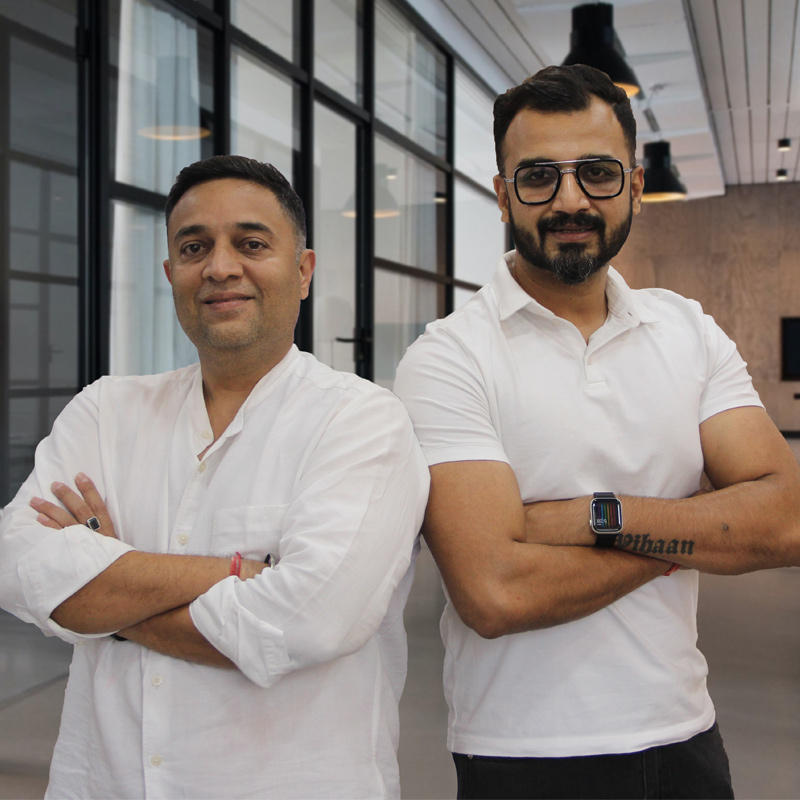
    The company was founded in 2013 by Arjun Singgh Baran and Kartk D Nishandar who quit their corporate roles to get into the content business. The duo saw an opportunity to create films for Marathi-speaking audiences, who at the time was only served by two major companies Zee and to some extent Viacom18. In a short span, they produced about 15 Marathi films with hits such as “Mogra Phulaalaa,” “Ranangan,” “Tula Kalnnaar Nahi,” “Bhikari,” “Vicky Velingkar,” “Bonus,” and “Bali” and produced more than 500 episodes of a popular TV show “Nakalat Sare Ghadale” for Marathi general entertainment channel Star Pravah.

    GSEAMS is now involved in the production of films, TV shows, and web series content for various media platforms. Their original Marathi films are available on Amazon Prime Video and the latest film “Bali” was released last year as an Amazon Prime Video Original.

    In his past tenure as a corporate executive, Baran was associated with Reliance Broadcast Network Ltd as West India business head for BIG 92.7 FM. He’s been in the media industry for over two decades, has produced numerous hit films and provides strategic direction at GSEAMS. Nishandar was also at Reliance Broadcast Network Ltd in the role of national head and has a background in marketing. During their tenure in the production business, they have produced three web series, 11 films and nine television shows, becoming prolific showrunners.

    GSEAMS directors Arjun Singgh Baran and Kartk D Nishandar talk to IndianTelevision.com about their journey into content production and their foray into the OTT space.

    Edited Excerpts:

    On the inception of GSEAMS

    Arjun: Kartk and I started this company in 2013. We had been professionals working in different media companies. I was a business head and Kartk was head of marketing. GSEAMS started off as a company providing marketing solutions for films and managing talent but we quickly moved into production. Unlike other production houses that first get involved in TV production, we got into film production from the get go and started making Marathi movies. At that time, not many corporate companies were making Marathi films with only major producers being Zee and to some extent Viacom18. That’s when GSEAMS came into the picture.

    We have worked on about 15 Marathi films since 2013 and today half of the Marathi directors either work with us or with Zee. We’ve worked with Swapnil Joshi on many films that appear often on TV channels. We also began purchasing a lot of Marathi films and today we have a bank of 80 films that most of the Marathi channels are airing.

    In time, we realised that we need to move into the OTT space. Any project takes us about two years to develop and we got into the OTT space at the right time in 2019. We got in touch with MX Player and produced “Samantar,” which was a hit with 100 million views.

    Kartk: Now, we’re producing another three shows for MX Player. We’ve done one for Zee5 that is “Naxalbari” and we’re doing a show for Voot.

    Arjun: We started shooting for “Naxalbari” when the whole world was in lockdown. The shooting happened in Goa with 250 people and the cast included Rajeev Khandelwal, Tina Dutta, Shakti Anand, Satyadeep Mishra, Sreejita De. Our main lead Rajeev Khandelwal was staying in Goa at the time. We discovered the entire team from the director, DOP, and artists in Goa and were shooting there with Covid tests and checks. The show began streaming on Zee5 in July 2020.

    Arjun: We are partnering with Voot and Jio Studios for our next web series. The show is called “Rafuchakkar” and it has Maniesh Paul, Priya Bapat and it is directed by Ritam Shrivastava who’s also done “Raktanchal 1” and “Raktanchal 2” for MX Player. It is a story of a con man.

    Kartk: Amazon Prime Video is our partner for Marathi content and hence all the movies that we’ve produced are available on the streaming service. Our latest film “Bali” released in 2021 was a Prime Video Original.

    On the hits produced under GSEAMS banner

    Kartk: Our film “Fugay” released in 2017 starring two superstars of Marathi cinema Swapnil Joshi and Subodh Bhave was well received. We also released a film called “Tula Kalnaar Nahi” in the same year that did well. Another film of ours “Mogra Phulaalaa” released in 2018 cast Swapnil Joshi and Sai Deodhar in the lead and did extremely well with the theatre audience. We made a remake of a South film called “Pichaikkaran” into a Marathi film called “Bhikari” which was released in 2018. The production had a huge scale with ace choreographer Ganesh Acharya as the director.  Our recent release “Bonus” featuring Gashmeer Mahajani and Pooja Sawant in lead roles received 12 nominations from the Maharashtra Times Sanman Awards.

    On their content philosophy

    Arjun: We want to make films that appeal to everybody and have done that by continuously studying what the audience wants and understanding the art and science of production. There are few production houses like ours who are creating content because they know what the audience wants. We’ve had hits and misses like everybody else. But the people who survive in this industry are the ones who continuously work on one project after another. If you wait for something to become a hit then you’ll never become a big company.

    We also thought about ‘how do we do production in a much smarter way’ because the industry is very unorganised. If you go and shoot in Goa, Satara or in the North it’s not compatible for everybody. We are able to manage costs while comfortably completing the entire shooting process. We approach production with the mindset of a corporate company and every project that we do is a little better than the last one. That’s helped us survive over the last nine years. God has been kind.

    When the content is good people will come and watch it. Word of mouth is extremely important. That’s what Kartk and I are looking at ‘how do we create content that will have word of mouth?’

    On the expansion of GSEAMS

    Kartk: Around 2018, we created a writer’s room where we took on close to 10-12 writers. To date, we’ve also blocked around 20 book rights. “Samantar” was a great example for us which showed that a bestselling book will work out as a screenplay. Today, we have a large team of writers working across genres and languages, writing screenplays for production. We also began developing our own content by investing our own money before we approached any platform. We would never wait for the platforms to give us approval for content and that’s why we are managing to produce series back-to-back.

    On content that resonates with digital audience

    Arjun: As filmmakers, everything is 120 minutes long and larger than life stories are told where you shoot in different locations. Television is about telling stories that revolve around characters in a single location.  

    When we look at OTT, you see shows that have done well like “Scam 1992: The Harshad Mehta Mehta Story” to “Samantar.” It is about taking the audience to a particular place or time period and getting it as real as possible. On digital, the audience wants to get immersed in the characters’ lives. In the case of “Samantar” to get it as real as possible we visited 42 different locations and shot in chawls and ‘thanas’ so when you watch the show you get transported to their reality. The basic difference is how real and interesting you make the setting.

    While our strength is in creating Marathi content, recently we’ve been making Hindi content like “Raktanchal” and “Naxalbari.” The setting for these stories is in Maharashtra and Goa so even though the language is Hindi we’re able to depict the cultural nuances.

    Kartk: Every OTT platform has its own audience base. For MX Player, their major markets were in Maharashtra and the Hindi heartland. We study a platform before we create a piece of content. We dive into the culture, say for example a Maharashtrian couple who are staying in a Lalbaugh chawl and how they function. In the end, it is about understanding the dynamics and how the audience relates to the content.

    Recently, a lot of shows based on books have been working in the OTT space. From “Sacred Games” to “Scam 1992,” “Rocket Boys” to “Samantar.” We’re also looking at the biopic space that is becoming popular with digital audiences.

    We’re going to keep creating content that is based in Maharashtra. The show “Raktanchal” was based in the Hindi heartland and did really well. But our core strength is in Maharashtra and we have a dedicated writer’s room that works writing Marathi stories.

    On creating more shows with OTT players

    Kartk: In the two years of Covid, we transitioned heavily towards producing content for OTT platforms and we have kept that process going on. In 2020, we produced two series, followed by three series in 2021 and six shows underway in 2022. Our web division is growing. Films are also coming back. Currently, we’re working with director Vishal Furia of “Chhori” fame who recently created the web series “Forensic” featuring Vikrant Massey and Radhika Apte for Zee5. He’s going to direct the Hindi remake of Prime Video Original film “Bali” in collaboration with a top Bollywood actor. This year we have two theatrical releases, six web series and a major biopic starring a top Bollywood actress.

    We also do a lot of work on TV but only in the form of finite series. We have a finite series in development for a TV channel. Our scope of expertise is in telling finite stories though we produced 500 episodes of a successful show on Star Pravah called “Nakalat Sare Ghadale” which was the Marathi remake of the show “Yeh Hai Mohabbatein.”

    On their business model

    Arjun: When we are producing films the Intellectual Property (IP) always belongs to us. We have put in the investment and are taking the risk. Then we sell the media rights for so many years to various channels or platforms. For our web series, the IP belongs to the platform. Initially, we took the risk and made content because we didn’t want to wait for funds to get started.

    Still, we are continuously buying book rights and investing in screenplays. You start investing in a project on the basis of your faith in the writers and the content. In the content business, out of ten things that you’re working on, only three may go to production. As a production house, you need to keep investing money and pitch to platforms because they expect ideas from you. So, there’s a lot of investment that goes in.

    On the growth of the company and future outlook

    Kartk: We’ve been growing steadily since 2013 at an EBIDTA of 30-35 per cent annually. The biggest growth for our company comes from the IPs that we create. We keep adding new films to our library including ones that we create and acquisitions. If a web series is successful, platforms commission us to do the second and third seasons. Hopefully, we will be able to get to a stage where we create bigger series that are our own IPs like to do with our films and syndicate them to OTT platforms. Developing IP that we own is our ultimate goal.

    Arjun: There are around 300-400 people working for us every year on various projects. Every project has about 250 people working on it. We want to keep creating good content for TV, OTT and theatres which entertain people and give them something to talk about.

  • There is strong demand for our content in India: NBCUniversal’s Hendrik McDermott

    There is strong demand for our content in India: NBCUniversal’s Hendrik McDermott

    OTT streaming service hayu was launched in 2016 in the United Kingdom, Ireland, and Australia targeting major English-speaking markets to advance the unscripted reality genre. The content on the service was provided by NBCUniversal, one of the world’s leading unscripted production companies, that adds 2000 hours of unscripted content every year primarily through their flagship pay TV brands in the United States – Bravo, E!, and Oxygen.

    Today, hayu platform boasts 10,000 hours of content all focused on reality TV. While the content library swells predictably each year, the platform’s strategy is focused on bringing that content to more English speakers across the globe. It does this in three ways, launching in new English-speaking markets, increasing its distribution reach, and onboarding platform partners.

    In 2017, hayu launched in the Nordic region (Norway, Sweden, and Denmark) and then into the rest of Europe. The service was launched in Canada and Benelux in 2018. The expansion continued to Southeast Asia including the Philippines, Hong Kong, Singapore, and finally India in December 2021.

    Leading hayu’s charge across the globe is NBCUniversal managing director of direct-to-consumer global Hendrik McDermott, who’s been at the media and entertainment company for over 16 years. Based in London, McDermott is responsible for the territorial expansion and P&L including subscriber acquisition, retention, customer lifetime value, and revenue growth. The platform hayu has completed six years since its launch and is currently present in 29 countries.

    In an exclusive conversation with IndianTelevision.com, McDermott shares his focused strategy for hayu’s international expansion and approach to the Indian market.

    Edited Excerpts:

    On the launch in India three months ago

    Our research showed that there’s a huge appetite for reality TV in this country. As we look at our addressable base (English-speaking audiences), 33 per cent of that base are huge fans of reality TV in some shape or form. Out of that group of people, three-quarters are very interested in subscribing to a US content service. That’s a very high percentage in our addressable base. So, there is a strong demand for the content that we have in this market.

    On monetising unscripted content via subscriptions

    We view our platform as a premium service. Our research shows that people are happy to pay for content and they don’t want advertising on the service. Our platform is an ad-free service and we do not have advertising on our platform in any of our other markets so it’s something that we’ve stayed true to in India. That’s the area (subscription) we hope to grow for now.

    On distribution strategy and partnering with Prime Video Channels

    Partnerships are a hallmark of our strategy and we’re very active in partnership discussions. We are partnered with every kind of platform you can imagine including cable platforms, satellite platforms, OTT platforms, and telcos. In every market that we’re present, we have at least one platform partner. We launched with Prime Video Channels here in February but we have a longstanding partnership with Amazon in other markets as well.

    The types of integrations that we do differ from market to market. For example, in Canada, which is a cable TV-led market, we partnered with all the cable TV operators and built a bespoke app that sits on their set-top-box. The Nordic markets are much more SVOD-led and so we’ve done integrations with the other SVOD platforms. We’re open to all kinds of different partnership conversations. We are partners with almost every App Store and Smart TV across Apple, Google, Roku, etc.

    In India, I can’t speak about specific partners but we are in active conversations for further distribution. The deal with Amazon is a structure where the partner platform ingests our content and we’re open to that. We’re looking to bundle with different smart TV and telco operators as well.

    On a localisation strategy for India

    We are an English language service. The content itself is very topical and when our new shows come out it is written about in the newspapers. We prioritise the speed at which the content comes to our platform and therefore our shows air in India on the same day as the US within two hours of broadcast transmission.

    In India, we’re subtitling some of our content knowing that there is a desire to watch content in local languages. About 4000 hours of content has been subtitled to Hindi.

    On beating the competition in the unscripted content space

    We bring our US-based shows that feature some of the most popular and famous people in the world. These are franchises like “The Real Housewives” and “The Kardashians.” These are premium franchises targeting a specific demographic. We’re not a general entertainment service so we’re not going to try and address the entire market. Our target audience is young, female, and English-savvy.

    Obviously, we’ll sell our service to anyone but we do tend to skew more females than males with 90 per cent of our user base outside of India being female. We also understand that this is a mobile-led market but we’re trying to keep our platform available to as broad a selection of people as possible. So, we’re present on all devices.

    On growing the platform in India

    The performance metric that we’ve been looking at is our viewing engagement i.e., how much content is being viewed by people on our platform. I think that’s important at the launch phase because we’re brand new to the market. Our benchmark in terms of average viewing per person per month varies between 16-20 hours of content. That is broadly speaking the performance of our content in other markets. We’re pleased to note that in India the average at the moment is 17 hours per person per month which is within our target performance.  

    On marketing the service in India

    Marketing in India is no different from other markets. When we launch our service, we were very active in building brand awareness since the brand is new to the market. This includes pay TV advertising and out-of-home advertising that we’ve been active in starting from December. Then we’ll shift our tactics towards digital because globally we’ve seen it is much more common to get people to subscribe to services via digital. You will see our presence on social media channels, influencers, podcasts, and everything else. Once we’ve invested in building our brand, we can shift our tactics to drive subscriptions via digital.

    On making the customer onboarding journey as frictionless as possible

    Our service is accessible via numerous touchpoints. We have a whole suite of apps, 13 different apps, and have made it seamless for people to connect with the platform in any way they want. The simplest is the web where there is a basic sign-up flow. In this market, we offer two subscription packages i.e., a three-month package and a 12-month package. Adding more payment options is in our product roadmap for the coming months. Payment modes like Paytm will be enabled over the course of the year.

    On driving viewership via connected TVs versus mobile devices

    Even in markets where we’ve had integrations with cable TV platforms, the primary viewing of our content genre is happening on the small screens. This includes mobiles and tablets but also to a certain extent laptop computers. While there is some variation from market to market, this is consistent across the board. In India, we found that about 50 per cent of the viewing is happening on the mobile phone. It also skews towards Android devices over iOS devices. Mobile viewing in this market is broadly speaking higher than we’d see in other markets.

    On hayu’s upcoming content slate

    We recently launched a new franchise called “Below Deck Down Under” that’s exclusively on hayu platform. In May, we have a big premiere when the “Real Housewives of Beverly Hills” returns to the platform with season 12. On an annual basis, we add about 2000 hours of content and on any given day four to ten new episodes are coming in from our partners in the US.