Tag: Insurance

  • TV producers haunted by rental costs

    TV producers haunted by rental costs

    MUMBAI: The pandemic may have halted production activities, but the costs are mounting, especially the rent, according to ANM Global managing partner Nidhish Mehrotra.

    He was speaking at a virtual round table conference organised by indiantelevision.com that included some of the television eminent producers who came together to discuss the challenges faced by TV producers during the Covid2019 pandemic.

    "I possibly see that currently and post Covid2019, the major concern is of rentals. We are commissioned by the channel and then we produce the show and bring the artists and crew together. We have the privity of contract with broadcasters and artists and crew have the privity of contract with producers. Most of the producers hire studios on rental; very few producers own their intellectual properties (IPs). Rentals are expensive at Rs 15 to 25 lakh per month,” he said.

    He added that nobody had thought of adding pandemic as force majeure clause in the contract globally. If your insurance talks about a pandemic in your contract then you're covered, but if it doesn't mention it, then you are not eligible for the same. And to include force majeure in your insurance cover, one needs to pay a premium price. 

    He mentioned that a couple of lawyers have filed a petition in the supreme court saying that their earning has gone for a toss and that they are unable to pay rentals. But the apex court has denied any intervention in this matter. The supreme court in the hearing clarified that it cannot give any favours to the lawyers as every organisation would come to them. There are people in India whose livelihood is completely dependent on real estate and rentals. 

    The order, passed on 30 April 2020, stated that it depends on the understanding between the licensor and the licensee.

    Mehrotra suggested that if the licensee feels that the licensor can terminate the contract or may reduce the rental fee by 50 per cent, it is essential to immediately make the contract. 

    “Producers are left with no option, either they can pay the rent or they cannot. You can suspend or waive off only when it is written in your contract otherwise you will have to pay the rent,” he concluded.

  • Exide Life Insurance urges to strengthen Diwali checklist

    Exide Life Insurance urges to strengthen Diwali checklist

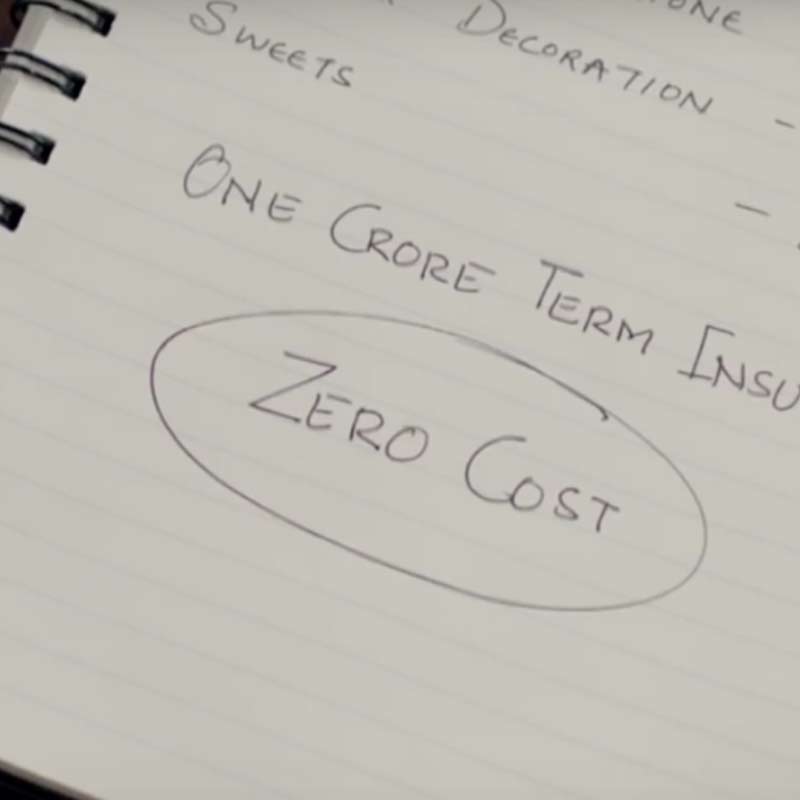
    MUMBAI: This festive season, Exide Life Insurance took the unconventional route to reign in a Happy Diwali with its Zero Cost Term Insurance.

    Through its latest video led campaign using digital and social media, Exide Life Insurance urged people to make it a time to contemplate and dispel darkness of ignorance by securing your loved ones. By adding adequate term insurance in your Diwali checklist so that your family remains protected. 

    The film tugs at the heartstrings, highlighting the idea of an unconventional inclusion in the Diwali Checklist – by securing financial protection for the family. The film shows a woman sitting and making a checklist for Diwali. She feels like her Diwali checklist is incomplete and asks her husband to take a look. The husband spots the missing link and adds term insurance to the checklist. The wife is sceptical of the purchase due to increase in the expenses and is surprised when the husband calls it as a Zero Cost plan. The husband goes on to explain how the plan can help secure their future during the policy term and on completion of the policy term, all premiums paid are returned. Hence, making the total cost Zero.

    The first of its kind communication exercise using the concept of ‘Zero Cost Term Insurance’ was kick-started by Exide Life Insurance where its brand ambassador Mahendra Singh Dhoni was seen playing out the role of a new age insurance buyer who invests in a One Crore Term Insurance policy.

    Taking a leaf from its predecessor, this new Diwali campaign is expected to garner viewership and interest from its audience.

  • Saba Adil gets additional responsibility at Aegon life insurance

    Saba Adil gets additional responsibility at Aegon life insurance

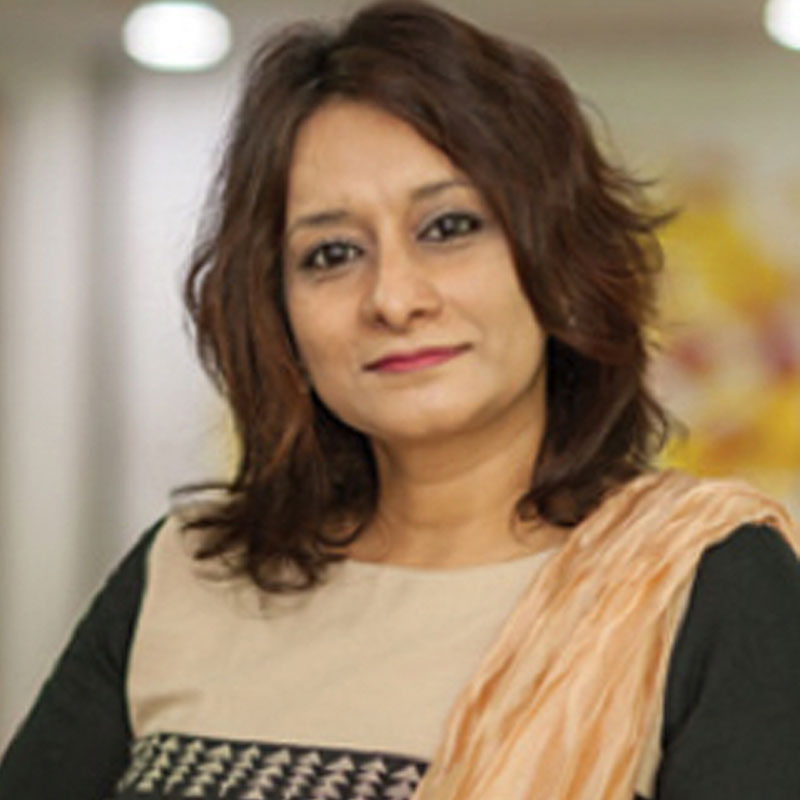
    MUMBAI: Online insurance company, Aegon Life Insurance, has appointed Saba Adil as the chief operating officer with a mandata to drive the strategic goals and operating plans of the company. Along with this new responsibility, Saba will continue to serve as the chief people officer. 

    In the new role, Saba will be responsible for creating a differentiated and superior customer experience and will continue reporting to the MD and CEO Vineet Arora.

    Arora says, “Her rich experience of over 18+ years in diverse roles including human resources, project management, customer insights and operations will be very relevant and valuable for Aegon Life Insurance. She has led transformational roles in digital innovation; created and launched a well thought business strategy working with a core group of people as well as led a recent project on customer driven innovation. Saba has been a part of the Aegon Life family since inception and we are very delighted to have her in the new role.”

    Aegon Life Insurance chief people and operating officer Saba Adil mentions, “Aegon Life, over the years, has established itself as a digital specialist in the Life Insurance sector. We have constantly redefined the space we operate in and have set a clear vision and roadmap for the benefit of our customers. I am excited about this new role and look forward to be a strategic partner as we continue our growth journey.”

    Saba joined the company in 2007 as one of the founding members and has since played an important role in creating a powerful culture, aligning the organisation to company values, building a strong employee value proposition, capability building for a future fit organisation and personalised employee experiences.

    Aegon Life Insurance Company Limited launched its pan-India operations in July 2008. The company is headquartered in Mumbai serving over 4.4 lakh customers across India.

  • Insurance a push product in India, says IndiaFirst Life’s Rushabh Gandhi

    Insurance a push product in India, says IndiaFirst Life’s Rushabh Gandhi

    MUMBAI: Life insurance ads with depressing thoughts about the future and forcing you to invest to avoid gloomy situations like an accident, health failure, etc aren’t the most alluring to consumers. Indeed, just a fraction of the country ends up taking the plan and quite a few of them stop paying the premium in the first three years itself.

    But this outlook is exactly what the country’s youngest life insurance player wants to change in its latest advertisement. IndiaFirst Life Insurance launched a one-of-its-kind advertising campaign last week titled – Because Life is Full of Certainties. Launched in 2010 by the then President of India, Pranab Mukherjee, IndiaFirst Life Insurance is present in over 1000 cities across India. It is a joint venture between Bank of Baroda with 44 per cent stake, Andhra Bank with 30 per cent stake and UK’s leading risk, wealth and investment brand Legal & General group with 26 per cent stake in it.

    Created and conceptualised by Ogilvy & Mather, the campaign seeks to appeal to customers’ own reasoning by advocating prudence in planning for events or life goals that have a greater likelihood of happening such as getting married, having children, fulfilling responsibilities towards them and retiring. This is a step away from the generally promoted outlook to insurance that hinges on a person’s fear of the unknown. IndiaFirst Life Insurance director of sales and marketing Rushabh Gandhi mentions that the company wanted to differentiate itself from the existing norms of advertising and didn’t want too much of emotional jargon or overdose.

    public://inside_2.jpg

    Although Gandhi did not disclose the allocated budget for the said campaign, he revealed that this is the biggest brand campaign IndiaFirst has undertaken in the last three to four years. The campaign will run till the end of this financial year (31 March 2018) and if things go as planned, it will be pushed to the next financial year as well.

    The company will shell out 55 per cent of the total advertising budget on the out of home medium followed by regional print (15 per cent), radio (15 per cent), social and digital (15 per cent). With most of the business coming from Bank of Baroda and Andhra Bank, the firm will be setting up hoardings around the banks’ regional and zonal offices.

    The insurance player wants to steer away from television for the campaign and will not be investing at all on the medium. Gandhi says, “We thought: why to spend big bucks on TV when you can get the same result in terms of eyeballs with lower spends.” The company is also not looking at investing in in-cinema advertising where insurance and financial products form a bulk of the promotions.

    The insurance industry of India consists of 57 insurance companies of which 24 are in the life insurance business and 33 are non-life insurers. The number of lives covered under health insurance policies during 2015-16 was 36 crore which is approximately 30 per cent of India’s total population. While Gandhi does admit that insurance in India is not where it should have been, he is optimistic about its growth in the years to come. It requires a mind change, positive publicity and awareness for it to bloom. He says that insurance is currently a push product and not a pull one in India. “Insurance in India is growing at a fast pace although it had its blips sometime back. There is good headroom for players but we need to address the issue jointly as an industry,” he adds. The company reported a net profit of Rs 35 crore in 2016-17 and is aiming for a net profit of over Rs 50 crore in the current financial year.

    The future looks promising for the life insurance industry with several changes in the regulatory framework which will lead to further changes in the way the industry conducts its business and engages with its customers. With a growing middle class, young insurable population and increasing awareness of the need for protection and retirement planning, the industry is set to see some good times ahead and as Gandhi believes, “Life is not a series of accidents to happen as most of the things in life are certain, so might as well get a cover for them.”

    ALSO READ:

    BFSI’s changing communication in the digital era   

    Religare aims to change the youth mindset to health insurance

    Aditya Birla launches health insurance campaign

  • BFSI’s changing communication in the digital era

    BFSI’s changing communication in the digital era

    MUMBAI: BFSI equals boring. That is usually what people think about anything to do with banking, financial services and insurance (BFSI). You may have witnessed how their ads tend to be dull and monotonous. But, lately, the BFSI companies have been the forerunners in the digital revolution and the drab tones have given way to smarter messaging.

    The sector comprises of commercial banks, insurance companies, non-banking financial companies, cooperatives, pensions funds, mutual funds and other smaller financial entities. This industry’s clear shift toward digitisation and virtualisation of communication, despite the highly regulated market, is transforming the banking experience for consumers and representatives. BFSI sector was one of the earliest entrants to leverage digital medium to connect with consumers by proving online banking and insurance facilities.

    IDBI BANK true friendship ad:

    The BFSI sector has seen a shift in behaviour and communication plays a part in both capturing and supporting the change. Over the years, as digital caught pace, BFSI companies have tried to leverage it differently from offline. At the forefront was building communication and conversations that speak to the attitudes and trends of online consumers. Moreover, digital also allows the sector to have direct contact with the consumer in a controlled and transparent way, which the traditional model limits.

    BankBazaar #GoPaperless ad:

    Lately, the sector has experimented with creative and innovative ads through good storytelling rather than just promoting the product, which was the case earlier. Businesses are opening their eyes to the value of using video for their marketing and communications. This involves breaking down information into easily digestible sound-bites and not having customers pour over hundreds of words to understand the technical aspects of the products/services they are purchasing. Kotak Mahindra Bank even came up with India’s first downloadable bank account – 811, which has made opening a fully functional bank account a matter of 5 minutes or less.

    The tough task for BFSI is to make a low-involvement area a very attractive one for customers. Kotak Mahindra Bank executive vice president Elizabeth Venkatraman points out, “The effectiveness of the communication depends on the apt choice of media. Marketers have been closely observing the changing customer segments and their behaviour, and have been trying to create distinctive ideas, each time.

    #LaterMaybeLate – Kotak Life Insurance ad:

    With fin-tech startups like BankBazaar.com and paisabazaar.com trying to change the market, customers can get instant loan or policy online without having to step out of the house.

    Today, banks and insurance companies are ardent social media users to communicate to customers about their offerings like credit card offers, life insurance policies or home loans. While Aegon Life Insurance spends more than 90 per cent of its brand money on digital media, Kotak Mahindra and IDBI Federal Life Insurance shell out 40-50 per cent of their advertising budget on digital platforms.

    BFSI ads work best when the communication is two-way, which is restricted on TV. Unlike FMCG, where a brand can mass-target, BFSI needs to focus on individual needs. In-cinema advertising, a favourite spot to pick customers, may soon wither as the spends in this area are already being reallocated to other mediums.

    Aegon Life Insurance chief digital officer Martijn De Jong says, “We tried using in-cinema couple of years back and the medium is not very cost effective compared to other forms. The only advantage is its localised reach.”

    On a similar note, IDBI Federal Life Insurance CMO head product & strategy Karthik Raman believes that in-cinema advertising is not as effective as it was earlier because the cost of advertising has risen but the effect has reduced. Venkatraman points out that though the medium gives quick impact and is less cluttered, the effectiveness still depends on perception as there is no industry metric for measurement.

    Print, a medium that has been around for centuries is starting to lose its sheen among the BFSI sector as the cost per ad is very high, forcing the industry to shift to cost-effective mediums such as OOH (Out Of Home), digital and BTL (Below The Line).

    It is left to see whether BFSI can make it to the top of the memory rank of customers when recollecting their most memorable ads.

  • Bajaj Allianz launches #HealthKaNotification with WatConsult

    Bajaj Allianz launches #HealthKaNotification with WatConsult

    MUMBAI: Bajaj Allianz General Insurance has launched a one-month digital campaign #HealthKaNotification, to create awareness about the importance of Health Insurance amongst consumers.

    Conceptualised and executed by WATConsult, the campaign was unveiled with a video featuring an interesting fictional conversation amongst the organs of our body on a WhatsApp group.

    The unique vertical video consists of quirky messages among the different organs of the body like liver, lungs, lips, eyes, brain and heart about their owner – Rahul. Within a week of going online, the video received over 210,000 views and reached out to 380,000 + people.

    WATConsult CEO and founder Rajiv Dingra says: With the trend of vertical video emerging, we decided to use it for this campaign. The format is true to the user’s experience on mobile as it fits across the screen, thus providing a seamless experience. In the next phase of the campaign, we will using a lot of features that are native to platforms like Facebook.”

    Speaking from Bajaj Allianz General Insurance digital sales and marketing SVP Sourabh Chatterjee said, “We believe in constantly enhancing customer experience and providing value to our customers through targeted information – that is relevant and something that they can easily identify with. As a platform, Social Media has been a powerful tool for us, where we have run campaigns with social messages and ones where the content is packaged in such a way that it is easily understood by our target audience. This is our humble attempt at saying ‘we care’ and in taking our customer relationship beyond the realm of only providing insurance solutions. It truly embraces our motto, which is – ‘Relationship beyond Insurance.”

  • Bajaj Allianz launches #HealthKaNotification with WatConsult

    Bajaj Allianz launches #HealthKaNotification with WatConsult

    MUMBAI: Bajaj Allianz General Insurance has launched a one-month digital campaign #HealthKaNotification, to create awareness about the importance of Health Insurance amongst consumers.

    Conceptualised and executed by WATConsult, the campaign was unveiled with a video featuring an interesting fictional conversation amongst the organs of our body on a WhatsApp group.

    The unique vertical video consists of quirky messages among the different organs of the body like liver, lungs, lips, eyes, brain and heart about their owner – Rahul. Within a week of going online, the video received over 210,000 views and reached out to 380,000 + people.

    WATConsult CEO and founder Rajiv Dingra says: With the trend of vertical video emerging, we decided to use it for this campaign. The format is true to the user’s experience on mobile as it fits across the screen, thus providing a seamless experience. In the next phase of the campaign, we will using a lot of features that are native to platforms like Facebook.”

    Speaking from Bajaj Allianz General Insurance digital sales and marketing SVP Sourabh Chatterjee said, “We believe in constantly enhancing customer experience and providing value to our customers through targeted information – that is relevant and something that they can easily identify with. As a platform, Social Media has been a powerful tool for us, where we have run campaigns with social messages and ones where the content is packaged in such a way that it is easily understood by our target audience. This is our humble attempt at saying ‘we care’ and in taking our customer relationship beyond the realm of only providing insurance solutions. It truly embraces our motto, which is – ‘Relationship beyond Insurance.”

  • Radical changes in FDI regime; Most sectors on automatic FDI route

    Radical changes in FDI regime; Most sectors on automatic FDI route

    MUMBAI: The Union Government has radically liberalized the FDI regime today, with the objective of providing major impetus to employment and job creation in India. The decision was taken at a high-level meeting chaired by Prime Minister Narendra Modi today. This is the second major reform after the last radical changes announced in November 2015.  Now most of the sectors would be under automatic approval route, except a small negative list. With these changes, India is now the most open economy in the world for FDI.

    In last two years, Government has brought major FDI policy reforms in a number of sectors viz. Defence, Construction Development, Insurance, Pension Sector, Broadcasting Sector, Tea, Coffee, Rubber, Cardamom, Palm Oil Tree and Olive Oil Tree Plantations, Single Brand Retail Trading, Manufacturing Sector, Limited Liability Partnerships, Civil Aviation, Credit Information Companies, Satellites- establishment/operation and Asset Reconstruction Companies. Measures undertaken by the Government have resulted in increased FDI inflows at US$ 55.46 billion in financial year 2015-16, as against US$ 36.04 billion during the financial year 2013-14. This is the highest ever FDI inflow for a particular financial year. However, it is felt that the country has potential to attract far more foreign investment which can be achieved by further liberalizing and simplifying the FDI regime.  India today has been rated as Number 1 FDI Investment Destination by several International Agencies.

    Accordingly the Government has decided to introduce a number of amendments in the FDI Policy. Changes introduced in the policy include increase in sectoral caps, bringing more activities under automatic route and easing of conditionalities for foreign investment. These amendments seek to further simplify the regulations governing FDI in the country and make India an attractive destination for foreign investors.  Details of these changes are given in the following paragraphs:

    1. Radical Changes for promoting Food Products manufactured/produced in India

    It has now been decided to permit 100% FDI under government approval route for trading, including through e-commerce, in respect of food products manufactured or produced in India.

    2. Foreign Investment in Defence Sector up to 100%

    Present FDI regime permits 49% FDI participation in the equity of a company under automatic route.  FDI above 49% is permitted through Government approval on case to case basis, wherever it is likely to result in access to modern and ‘state-of-art’ technology in the country. In this regard, the following changes have inter-alia been brought in the FDI policy on this sector:

    i. Foreign investment beyond 49% has now been permitted through government approval route, in cases resulting in access to modern technology in the country or for other reasons to be recorded.  The condition of access to ‘state-of-art’ technology in the country has been done away with.

    ii. FDI limit for defence sector has also been made applicable to Manufacturing of Small Arms and Ammunitions covered under Arms Act 1959.

    3. Review of Entry Routes in Broadcasting Carriage Services

    FDI policy on Broadcasting carriage services has also been amended. New sectoral caps and entry routes are as under:


    http://www.indiantelevision.com/sites/drupal7.indiantelevision.co.in/files/styles/large/public/fdi.jpg?itok=yfNxkWYk


    4. Pharmaceutical

    The extant FDI policy on pharmaceutical sector provides for 100% FDI under automatic route in greenfield pharma and FDI up to 100% under government approval in brownfield pharma. With the objective of promoting the development of this sector, it has been decided to permit up to 74% FDI under automatic route in brownfield pharmaceuticals and government approval route beyond 74% will continue.
    5. Civil Aviation Sector

    (i) The extant FDI policy on Airports permits 100% FDI under automatic route in Greenfield Projects and 74% FDI in Brownfield Projects under automatic route. FDI beyond 74% for Brownfield Projects is under government route.

    (ii) With a view to aid in modernization of the existing airports to establish a high standard and help ease the pressure on the existing airports, it has been decided to permit 100% FDI under automatic route in Brownfield Airport projects.

    (iii) As per the present FDI policy, foreign investment up to 49% is allowed under automatic route in Scheduled Air Transport Service/ Domestic Scheduled Passenger Airline and regional Air Transport Service. It has now been decided to raise this limit to 100%, with FDI up to 49% permitted under automatic route and FDI beyond 49% through Government approval. For NRIs, 100% FDI will continue to be allowed under automatic route. However, foreign airlines would continue to be allowed to invest in capital of Indian companies operating scheduled and  non-scheduled air-transport services up to the limit of 49% of their paid up capital and subject to the laid down conditions in the existing policy.

    6. Private Security Agencies

    The extant policy permits 49% FDI under government approval route in Private Security Agencies. FDI up to 49% is now permitted under automatic route in this sector and FDI beyond 49% and up to 74% would be permitted with government approval route.

    7. Establishment of branch office, liaison office or project office

    For establishment of branch office, liaison office or project office or any other place of business in India if the principal business of the applicant is Defence, Telecom, Private Security or Information and Broadcasting, it has been decided that approval of Reserve Bank of India or separate security clearance would not be required in cases where FIPB approval or license/permission by the concerned Ministry/Regulator has already been granted.

    8. Animal Husbandry

    As per FDI Policy 2016, FDI in Animal Husbandry (including breeding of dogs), Pisciculture, Aquaculture and Apiculture is allowed 100% under Automatic Route under controlled conditions. It has been decided to do away with this requirement of ‘controlled conditions’ for FDI in these activities.

    9. Single Brand Retail Trading

    It has now been decided to relax local sourcing norms up to three years and a relaxed sourcing regime for another five years for entities undertaking Single Brand Retail Trading of products having ‘state-of-art’ and ‘cutting edge’ technology.

    Today’s amendments to the FDI Policy are meant to liberalise and simplify the FDI policy so as to provide ease of doing business in the country leading to larger FDI inflows contributing to growth of investment, incomes and employment.
  • Radical changes in FDI regime; Most sectors on automatic FDI route

    Radical changes in FDI regime; Most sectors on automatic FDI route

    MUMBAI: The Union Government has radically liberalized the FDI regime today, with the objective of providing major impetus to employment and job creation in India. The decision was taken at a high-level meeting chaired by Prime Minister Narendra Modi today. This is the second major reform after the last radical changes announced in November 2015.  Now most of the sectors would be under automatic approval route, except a small negative list. With these changes, India is now the most open economy in the world for FDI.

    In last two years, Government has brought major FDI policy reforms in a number of sectors viz. Defence, Construction Development, Insurance, Pension Sector, Broadcasting Sector, Tea, Coffee, Rubber, Cardamom, Palm Oil Tree and Olive Oil Tree Plantations, Single Brand Retail Trading, Manufacturing Sector, Limited Liability Partnerships, Civil Aviation, Credit Information Companies, Satellites- establishment/operation and Asset Reconstruction Companies. Measures undertaken by the Government have resulted in increased FDI inflows at US$ 55.46 billion in financial year 2015-16, as against US$ 36.04 billion during the financial year 2013-14. This is the highest ever FDI inflow for a particular financial year. However, it is felt that the country has potential to attract far more foreign investment which can be achieved by further liberalizing and simplifying the FDI regime.  India today has been rated as Number 1 FDI Investment Destination by several International Agencies.

    Accordingly the Government has decided to introduce a number of amendments in the FDI Policy. Changes introduced in the policy include increase in sectoral caps, bringing more activities under automatic route and easing of conditionalities for foreign investment. These amendments seek to further simplify the regulations governing FDI in the country and make India an attractive destination for foreign investors.  Details of these changes are given in the following paragraphs:

    1. Radical Changes for promoting Food Products manufactured/produced in India

    It has now been decided to permit 100% FDI under government approval route for trading, including through e-commerce, in respect of food products manufactured or produced in India.

    2. Foreign Investment in Defence Sector up to 100%

    Present FDI regime permits 49% FDI participation in the equity of a company under automatic route.  FDI above 49% is permitted through Government approval on case to case basis, wherever it is likely to result in access to modern and ‘state-of-art’ technology in the country. In this regard, the following changes have inter-alia been brought in the FDI policy on this sector:

    i. Foreign investment beyond 49% has now been permitted through government approval route, in cases resulting in access to modern technology in the country or for other reasons to be recorded.  The condition of access to ‘state-of-art’ technology in the country has been done away with.

    ii. FDI limit for defence sector has also been made applicable to Manufacturing of Small Arms and Ammunitions covered under Arms Act 1959.

    3. Review of Entry Routes in Broadcasting Carriage Services

    FDI policy on Broadcasting carriage services has also been amended. New sectoral caps and entry routes are as under:


    http://www.indiantelevision.com/sites/drupal7.indiantelevision.co.in/files/styles/large/public/fdi.jpg?itok=yfNxkWYk


    4. Pharmaceutical

    The extant FDI policy on pharmaceutical sector provides for 100% FDI under automatic route in greenfield pharma and FDI up to 100% under government approval in brownfield pharma. With the objective of promoting the development of this sector, it has been decided to permit up to 74% FDI under automatic route in brownfield pharmaceuticals and government approval route beyond 74% will continue.
    5. Civil Aviation Sector

    (i) The extant FDI policy on Airports permits 100% FDI under automatic route in Greenfield Projects and 74% FDI in Brownfield Projects under automatic route. FDI beyond 74% for Brownfield Projects is under government route.

    (ii) With a view to aid in modernization of the existing airports to establish a high standard and help ease the pressure on the existing airports, it has been decided to permit 100% FDI under automatic route in Brownfield Airport projects.

    (iii) As per the present FDI policy, foreign investment up to 49% is allowed under automatic route in Scheduled Air Transport Service/ Domestic Scheduled Passenger Airline and regional Air Transport Service. It has now been decided to raise this limit to 100%, with FDI up to 49% permitted under automatic route and FDI beyond 49% through Government approval. For NRIs, 100% FDI will continue to be allowed under automatic route. However, foreign airlines would continue to be allowed to invest in capital of Indian companies operating scheduled and  non-scheduled air-transport services up to the limit of 49% of their paid up capital and subject to the laid down conditions in the existing policy.

    6. Private Security Agencies

    The extant policy permits 49% FDI under government approval route in Private Security Agencies. FDI up to 49% is now permitted under automatic route in this sector and FDI beyond 49% and up to 74% would be permitted with government approval route.

    7. Establishment of branch office, liaison office or project office

    For establishment of branch office, liaison office or project office or any other place of business in India if the principal business of the applicant is Defence, Telecom, Private Security or Information and Broadcasting, it has been decided that approval of Reserve Bank of India or separate security clearance would not be required in cases where FIPB approval or license/permission by the concerned Ministry/Regulator has already been granted.

    8. Animal Husbandry

    As per FDI Policy 2016, FDI in Animal Husbandry (including breeding of dogs), Pisciculture, Aquaculture and Apiculture is allowed 100% under Automatic Route under controlled conditions. It has been decided to do away with this requirement of ‘controlled conditions’ for FDI in these activities.

    9. Single Brand Retail Trading

    It has now been decided to relax local sourcing norms up to three years and a relaxed sourcing regime for another five years for entities undertaking Single Brand Retail Trading of products having ‘state-of-art’ and ‘cutting edge’ technology.

    Today’s amendments to the FDI Policy are meant to liberalise and simplify the FDI policy so as to provide ease of doing business in the country leading to larger FDI inflows contributing to growth of investment, incomes and employment.
  • ‘Wealth Manager’ – Coming soon on Bloomberg TV India

    ‘Wealth Manager’ – Coming soon on Bloomberg TV India

    Mumbai: Bloomberg TV India, the country’s leading English business news channel, will unveil the show “Wealth Manager”. The first ever show on Wealth management will highlight the challenges, opportunities and risk of managing wealth in a growing market like India.

    Bloomberg TV India will focus on the crucial sectors of Wealth Management like Insurance, Mutual Funds, International investments, Equity, Real Estate, Estate planning and Gold to give a 360-degree view on each sector. The Channel will bring together the very best financial advisers, wealth managers and private bankers to share insights, analysis and advice.

    Wealth management as an investment-advisory discipline incorporates financial planning, investment portfolio management and a number of aggregated financial services.

    Commenting on the show launch, Ms. Mini Menon, Executive Editor, Bloomberg TV India said, “Looking at the way the markets have run up so intensely in the last few months, there is still a lot of opportunity waiting to get invested in the Indian market. Managing wealth will be a bigger challenge in 2015. ‘Wealth Manager’ is our attempt to look at the reality and on ground picture of the sector and the show will enable the viewers to take informed decision. We are delighted to start our series with a focus to provide deep insights on the industry and highlight emerging trends to our viewers.