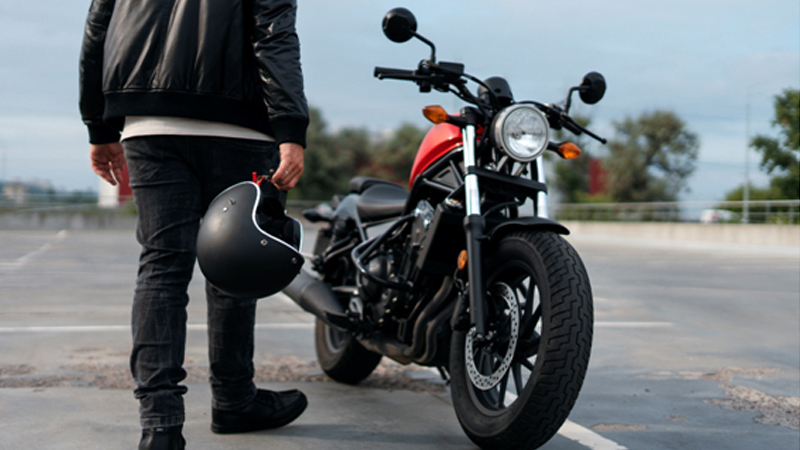
The number of two-wheelers on Indian roadways has increased street traffic, raising the chances of an accident. To reduce these risks, the Indian government has made it essential for every automobile owner to get insurance. As a bike owner, you must invest in goodbike insurance coverage to not just stay protected but also comply with the law (Motor Vehicles Act) and not face any monetary penalties.
In this article, our main focus will be the aspects/factors that influence the cost of your two-wheeler insurance policy. But before that, let’s first discuss why getting a bike insurance policy is crucial. Keep reading!
Why is Bike Insurance Important?
Accidents are unpredictable while you are driving a vehicle. Accidents happen unexpectedly when driving. Because of this unpredictability, having insurance for yourself and anybody else who may be affected by the vehicle you drive is critical. Regarding bike insurance coverage, it protects you in two ways — against legal liabilities and financial losses caused by bike-related accidents.
Now, two main types of bike insurance policies are available in India – third-party liability and comprehensive bike insurance. Out of these, the liability plan is mandatory. The comprehensive plan provides extensive coverage, including mandatory coverage. As a result, regardless of the plan you choose, you will receive the mandatory cover.
What are the Factors That Affect the Two-Wheeler Insurance Costs?
1. The Make and Model of Two-Wheeler
Your bike’s brand and model significantly impact the premium value of your insurance. A sports or expensive bike will have a higher insurance premium than a standard scooter or geared two-wheeler. This is because replacement and repair components are readily accessible for standard bike models. However, repairs for luxury or sports bikes would be expensive, hence expensive premiums.
2. Type of Coverage
Bike insurance policies are primarily of two types – third-party insurance and comprehensive insurance. Third-party insurance covers damages only associated with a third party involved in an accident.
A comprehensive policy will include third-party and other incidents, including natural calamities, theft, fire explosions, malicious acts, burglaries, terrorist attacks, etc. Since comprehensive policies offer more, the bike insurance policy costs of those policies are relatively on the higher side.
3. Insured Declared Value
Your two-wheeler’s value depreciates as your vehicle ages. Depreciation also affects the insured declared value or IDV of the motorcycle, which reduces yearly. You can, however, boost the bike’s IDV by paying a greater price for two-wheeler insurance at the time of renewal.
4. Age of Bike and Riding History
The older your bike is, the less expensive the premium. Newer models have a larger probability of being stolen. Also, replacement components for later versions are significantly more expensive. Furthermore, modern bikes have a higher market value than older ones, which raises the IDV. Given all of this, the premiums for new two-wheelers have increased.
Furthermore, how you maintain and use your bike affects the premiums. For example, your rates will increase if you spend more time on the road.
5. Engine Capacity or Cubic Capacity (cc)
The engine capacity of your bike or two-wheeler indicates the volume of the cylinders in the engine. The larger the engine, the higher its cc and power will be, and the higher the cost of maintenance. This ultimately leads to a higher premium charge for bikes with a higher cc and reduced costs for bikes with a lower cc.
6. Add-on Covers
These are additional features to add to your existing bike insurance policy (comprehensive bike insurance policy) costs. Examples include zero depreciation, roadside assistance, engine protection, etc. These add-ons give you more coverage than your standard insurance policy. The insurance for your bike price increases with these add-ons.
7. No-claim Bonus
NCB is a discount (in %) offered by insurance companies to their policyholders who do not file a claim in a given year. Your NCB discount increases with each subsequent claim-free year and is an excellent means to reduce two-wheeler insurance costs. Under NCB, one can avail of a 50% discount on bike insurance premiums.
8. Anti-theft Devices
It is important to install anti-theft devices, as they help protect your bike from theft and lower any risk for the insurance provider. The insurer will reward you for reducing their risk or liabilities by offering discounts on premiums and bike insurance renewal prices.
9. Modification in Bike
Although modifying your bike’s components might improve its appearance, the cost of your bike insurance coverage will increase to cover the expenses of these parts. Your premium payout will rise in proportion to the alterations you make to your car.
10. Gap in the Renewal Process
In an unforeseen tragedy, a lapse or gap in bike insurance renewal will result in financial loss. Thus, set a reminder to complete the bike insurance renewal procedure. Typically, your insurer will allow a 30-day grace period to renew the coverage. If you miss the renewal date, you must purchase new insurance coverage. This new policy’s rate may be higher because you are no longer eligible for the NCB.
How to Calculate Premium Using Bike Insurance Calculator?
The bike insurance calculator helps owners estimate and calculate the premium amount and the coverage their two-wheeler requires. It helps them make an informed choice about bike insurance.
Thus, taking note of the factors that influence the cost (of bike insurance) and entering them into a bike insurance calculator is the most effective approach to modifying the cost of a bike insurance policy. Using the online calculator for different plans will show you the approximate cost of the policy and provide you with a pricing list for bike insurance. You can then use the bike insurance price list to finalise the policy.
Final Words
You can lower your insurance premiums even if the factors above could impact the cost of your bike insurance policy. For example, you can purchase only the necessary add-ons, install anti-theft devices, and refrain from filing claims until necessary. Moreover, an online application called a two-wheeler insurance premium calculator or bike insurance premium calculator may be used to determine the insurance premium amount.