Tag: Insurance

  • Cashless For Celebrities, Chaos For The Rest: What Saif Ali Khan’s Case Reveals About India’s Insurance Divide

    Cashless For Celebrities, Chaos For The Rest: What Saif Ali Khan’s Case Reveals About India’s Insurance Divide

    A high-profile hospital visit can make cashless treatment look effortless. The reality for most people, however, is far messier, especially when navigating policy wording, network rules, and on-the-spot documentation. This article looks at why the experience feels unequal and how to approach health insurance with clear-eyed expectations.

    The Cashless Spotlight and the Everyday Reality

    Celebrity admissions tend to run on rails: fast authorisations, dedicated liaison teams, and seamless discharge. For regular households, the same pathway may involve multiple checks and a longer approval loop.

    That perception gap fuels frustration. Understanding why it exists helps you choose and operate a plan more confidently.

    How Cashless Actually Works Behind the Scenes

    Cashless is a contract between the insurer, the hospital network, and you. Pre-authorisation rests on your policy terms, the hospital’s tie-up, and how precisely the treatment maps to the wording.

    When any one of those pieces is shaky, unclear documents, a non-network facility, or a mismatch in definitions, cashless can stall or convert to reimbursement.

    Where the Divide Shows up Most Clearly

    Inequity isn’t only about fame; it’s about familiarity with the system and the resources available at admission.

    ●  Policy Wording Versus Reality: Clauses on room eligibility, sub-limits, and day-care can trim admissible bills.

    ●  Network Negotiations: Hospitals may prioritise known coordinators or established channels that move faster.

    ●  Document Readiness: Missing prescriptions, IDs, or reports can delay authorisation, even when the treatment itself is straightforward.

    ●  Communication Gaps: Jargon-heavy updates confuse families, leading to avoidable escalations at the billing desk.

    The Role of Networks, Rooms, and Rates

    Network choice shapes whether cashless is even possible. Within a network, room category rules influence how much of each line item is admissible under the mediclaim policy.

    If the chosen room exceeds what the policy allows, proportionate deductions may follow, turning a “cashless” expectation into a part-cash, part-out-of-pocket reality.

    Documentation, Pre-Authorisation, and Timelines

    Hospitals usually submit a treatment estimate, past records, and a proposed plan. The authorisation team checks eligibility under your medical insurance, seeks clarifications, and issues approvals with conditions.

    Tidy paperwork speeds this cycle. Sloppy paperwork slows it. Celebrities often have handlers who keep files pristine; most families don’t.

    Why Senior Citizens Face a Steeper Slope

    Older members can have longer medical histories, multiple prescriptions, and prior procedures. That raises the paperwork burden and the number of queries during cashless approval.

    When exploring health insurance for senior citizens look closely at pre-existing disease terms, waiting periods, co-pay language, and the clarity of day-care and OPD provisions.

    Digital Convenience is Real, But not a Magic Wand

    It’s easier than ever to compare, propose, verify, and receive an e-policy. Yet the hospital floor still runs on documents, definitions, and processes.

    If you plan to buy health insurance online, use the digital journey to prepare your claim kit in advance, not just to finish payment.

    What to Look for in a Workable Policy

    A workable policy is one you can run without panic on a busy day. Read the wording slowly and focus on operability, not hype.

    ●  Network Fit: Facilities you will actually use, across specialities you rely on.

    ●  Room Eligibility: Clear rules that won’t surprise you at discharge.

    ●  Cost Sharing: Co-pay or deductibles you can handle without stress.

    ●  Definitions and Limits: Disease-wise clauses that mirror real care patterns.

    ●  Claims Pathway: Step-by-step instructions for cashless and reimbursement, with contact points you can reach.

    Navigating The “Best” Label Without Getting Misled

    Lists of the best health insurance often ignore how families really seek care. A plan that shines on paper may wobble at the admission desk if its rules don’t match your hospital choices.

    Treat rankings as conversation starters. The real test is whether your preferred hospitals are in-network and whether the policy language fits your routine healthcare usage.

    Preparing Your Paperwork Like a Pro

    What feels like “celebrity privilege” is often disciplined preparation. You can replicate the method, if not the entourage.

    ●  Keep ID proofs, past reports, prescriptions, and scans in a single, backed-up folder.

    ●  Store the e-policy, endorsements, and premium receipts with clear file names.

    ●  Maintain a one-page claim checklist, pre-authorisation steps, helplines, and the documents each step requires.

    ●  After every health event, update your folder so nothing is missing at the next admission.

    Mind The Fine Print on Add-Ons and Exclusions

    Add-ons can be helpful, but not all are worth keeping year after year. Choose riders you’ll genuinely use and avoid stacking features that complicate authorisations.

    Exclusions and sub-limits deserve a slow read. They decide whether cashless is smooth, partial, or denied at the window.

    Conclusion

    A star’s smooth cashless experience may spotlight what the system can do at its best. For everyone else, the same result depends on wording, networks, documents, and discipline. Read slowly, prepare thoroughly, and choose a health insurance plan you can operate without second-guessing. When you finally buy health insurance or buy medical insurance, let fit and clarity, not headlines, decide the winner.  
     

  • The Essential Guide to Third-Party Car Insurance for Vehicle Owners

    The Essential Guide to Third-Party Car Insurance for Vehicle Owners

    Owning a vehicle comes with more than just the freedom to travel at will—it also comes with legal responsibilities. One of the most important is having an active and valid car insurance policy. Among the various options available in India, third-party car insurance remains the most widely mandated and crucial form of cover for vehicle owners. But what makes it so essential, and how does it actually work?

    Understanding Third-Party Car Insurance in India

    Third-party car insurance is a legal necessity under the Motor Vehicles Act of 1988. This policy covers you against any liability that arises due to damage or injury caused to a third person, their vehicle, or property in an accident where you are at fault. Essentially, it ensures that you don’t bear the financial burden for harm caused to others while using your car.

    This type of insurance does not extend coverage to your own car or personal injuries, but rather acts as a safety net for everyone else affected by the incident. It is the most basic and compulsory form of motor insurance you must have to operate your vehicle legally on Indian roads.

    How Does Third-Party Insurance Protect You?

    Imagine being involved in a road mishap where your car damages another vehicle or causes injury to someone. Without the right insurance, you could be liable for paying medical bills, legal costs, or property repair expenses out of your own pocket. This is where third-party insurance steps in, covering all such costs within the limits set by regulatory authorities.

    Not only does this shield you from sudden financial stress, but it also ensures that the affected parties receive the compensation they deserve. By shifting this liability to the insurer, you avoid the emotional and monetary distress that could arise in such unfortunate events.

    Why It’s Mandatory—and Rightly So

    The law mandates at least third-party cover because it supports the wider safety net of road users. Accidents can be unpredictable and sometimes involve people or properties that are completely unrelated to the driver. By enforcing minimum coverage, the government ensures that victims in road incidents receive due compensation without unnecessary disputes or delays.

    From a governance standpoint, this also reduces the burden on public systems, such as hospitals or civil courts, by routing settlements through insurers. It contributes to a more structured and predictable system of accountability.

    What’s Actually Covered in a Third-Party Plan?

    The scope of third-party insurance is straightforward yet effective. It covers:

    ●    Property damage caused to third parties, including vehicles, walls, fences, etc.

    ●    Bodily injury or death of another person caused by your insured car.

    ●    Legal liabilities, including expenses involved in defending you in court if a claim is raised.

    While the sum insured for property damage may have certain limits, coverage for bodily injury or death is typically unlimited as per the law. This ensures victims of serious accidents are adequately compensated.

    Where It Falls Short: Key Exclusions To Know

    Although a third-party plan covers external damages, it excludes coverage for the policyholder’s own vehicle damage or personal medical expenses. So, if your car is badly dented in an accident, you would need to bear those repair costs unless you have a more comprehensive policy.

    It also doesn’t cover incidents where the policyholder was driving under the influence, without a valid license, or using the vehicle for unauthorised purposes like racing or commercial transport if the policy does not include those terms.

    How the Claim Process Works

    Once an accident occurs, the injured third party (or their representative) can file a claim under your insurance policy. The insurer, in turn, will assess the claim, verify documentation, and facilitate the settlement—whether through repair costs, hospital expenses, or legal support. Some insurers may even assist in court proceedings if a lawsuit is filed.

    Insurers like TATA AIG often handle these claims with a dedicated support system that helps you through documentation, estimation, and final settlement. This makes the process relatively smooth and much less stressful than going at it alone.

    Premiums and How They Are Calculated

    In India, premiums for third-party insurance are regulated by the Insurance Regulatory and Development Authority of India (IRDAI). The amount is mainly based on your vehicle’s engine capacity (in cc). A car with a smaller engine pays a lower premium, while a larger engine commands a higher rate. This system ensures fair pricing while keeping the policy affordable for the masses.

    These rates are revised periodically and applied uniformly across all insurers. This means there’s not much room for variation when it comes to premium costs for third-party coverage.

    Why More People Are Buying Third-Party Car Insurance Online

    In the age of digitisation, more and more consumers are turning to digital platforms to handle their car insurance needs. Buying third party car insurance online offers a number of advantages, such as quick policy issuance, ease of comparing multiple options, and convenient claim tracking—all without the need for an agent or paperwork.

    Moreover, most insurers now offer mobile apps or web portals that let you download your policy instantly, raise a claim, or renew your policy with minimal effort. This shift towards online insurance makes it easier to stay compliant with legal requirements while enjoying round-the-clock service.

    When Should You Upgrade From Just Third-Party Coverage?

    While third-party insurance is a legal must-have, it may not be enough if you’re looking for complete financial protection. If your car is new or you frequently drive in high-traffic areas, you might want to consider upgrading to a comprehensive plan. This would not only include third-party liabilities but also offer coverage for damages to your own vehicle due to accidents, theft, or natural disasters.

    Think of it as upgrading your basic safety net to a complete financial shield—one that takes care of both your liabilities and your assets.

    Conclusion

    Third-party car insurance is more than just a box to tick for legal compliance. It’s a fundamental form of protection that ensures your responsibilities as a car owner don’t turn into financial burdens. From compensating accident victims to shielding you against costly legal claims, this policy offers peace of mind every time you hit the road. Whether you’re a new driver or a seasoned commuter, understanding how this insurance works is the first step towards driving smarter and safer. 
     

  • ASCI fine-tunes rules for health and finance influencers

    ASCI fine-tunes rules for health and finance influencers

    MUMBAI: The Advertising Standards Council of India (ASCI) has given its influencer guidelines a much-needed shot in the arm — and a dose of financial clarity. In a fresh update to its Influencer Advertising Guidelines (Addendum 2), ASCI has introduced sharper distinctions for influencers operating in the health and finance sectors.

    Previously, anyone posting about commercial goods and services in BFSI (banking, financial services, and insurance) or health and nutrition needed proper qualifications and certifications to avoid leading consumers astray. Now, the rules add a pinch of nuance: qualifications are mandatory only if influencers are dishing out technical information or advice likely to be interpreted as expert opinion.

    If it’s just generic promotion — say, an insurance company urging annual health check-ups through a lifestyle blogger, or a food influencer whipping up excitement for a health meal service — formal qualifications need not clutter their bios.

    ASCI  chief exective & secretary general Manisha Kapoor commented, “Influencer marketing has matured beyond simple endorsements and now often involves strategic partnerships for various aspects of brand communication. The updated guidelines bring in the required nuance for influencers operating in the BFSI and health & nutrition space.”

    Influencers keen to stay out of regulatory hot water can dive into the full update here.

  • Types of Commercial Vehicle Insurance in India

    Types of Commercial Vehicle Insurance in India

    Commercial vehicle insurance is a kind of policy designed to protect businesses and individuals who use vehicles for commercial purposes. Unlike private vehicle insurance, it offers coverage against accidents, damages, third-party liabilities, and other risks.

    Whichever kind of commercial vehicle you own, having the right insurance ensures financial security and compliance with legal requirements in India.

    Read on to explore the various types of commercial vehicle insurance available and choose the one that best suits your needs.

    What are the Types of Commercial Vehicle Insurance?

    Choosing the right commercial vehicle insurance is crucial for protecting your business against financial risks. Here are the main types of commercial vehicle insurance available in India:

    Third-party Liability Insurance

    This is a mandatory insurance policy under the Motor Vehicles Act, 1988. It covers damages or injuries suffered by a third party, including property damage and medical expenses. However, it does not cover any damage to the insured vehicle.

    Comprehensive Commercial Vehicle Insurance

    This policy provides extensive coverage, including damages to your vehicle due to accidents, theft, fire, natural calamities, and vandalism. It also includes third-party liability, ensuring complete financial protection for vehicle owners.

    Types of Commercial Vehicles Covered

    Commercial vehicle insurance in India provides coverage for a wide array of vehicles used for business. Here are the key categories of commercial vehicles that can be insured:

    . Passenger-carrying Vehicles: This includes buses, taxis, auto-rickshaws, e-rickshaws, and other vehicles used for transporting passengers. Insurance for these vehicles covers damages, liabilities, and accidents to ensure passenger safety and financial security.

     . Goods-carrying Vehicles: Trucks, lorries, tempos, trailers, and other transport vehicles that carry goods fall under this category. A commercial truck insurance policy covers damages to the vehicle and goods in transit, as well as third-party liabilities.

     . Light Commercial Vehicles (LCVs): Small cargo carriers, pickup trucks, mini trucks, and delivery vans used for business operations are covered under LCV insurance. This is ideal for businesses involved in local transportation and logistics.

     . Two-wheeler Commercial Vehicles: This category includes motorcycles and scooters used for delivery services, such as food delivery and courier services. Insurance protects against accidental theft, damages, and third-party liabilities. 

    . Miscellaneous Vehicles: Special-purpose vehicles like ambulances, cranes, tractors, excavators, and construction vehicles are also covered under insurance. These policies are tailored to provide protection based on the vehicle’s specific use.

    Benefits of Commercial Vehicle Insurance

    Commercial vehicle insurance provides essential financial protection for businesses that depend on vehicles for operations. Here are the key benefits:

    . Financial Protection Against Damages: The policy covers repair and replacement costs if the insured vehicle is damaged due to accidents, fire, natural calamities, or vandalism.

     . Third-party Liability Coverage: It provides compensation for damages or injuries caused to third parties, including property damage, medical expenses, and legal liabilities. 

    . Protection Against Theft and Loss: If the commercial vehicle is stolen or irreparably damaged, the insurance policy helps recover the financial loss, minimising business disruptions. 

    . Employee and Passenger Safety: Insurance policies often include personal accident cover for the driver and passengers, ensuring financial security in case of injury or loss of life. 

    . Business Continuity: With insurance covering damages, theft, and liabilities, businesses can continue operations without major financial setbacks. 

    . Coverage for Goods in Transit: Goods-carrying commercial vehicles can opt for additional coverage to protect the transported goods from damages or loss. 

    . Legal Compliance: Having a valid commercial vehicle insurance plan ensures adherence to Indian motor laws, preventing penalties and legal complications. 

    . Customisable Add-on Covers: Businesses can enhance their insurance with add-ons such as roadside assistance, zero depreciation, and engine protection for comprehensive security.

    Inclusions, Exclusions and Add-on Covers

    Understanding the coverage scope of commercial vehicle insurance is essential for making an informed decision. Here’s what is included, excluded, and available as additional protection.

    Commercial Vehicle Insurance Inclusions

    Commercial vehicle insurance provides coverage for the following:

    . Accidental Damage: Covers repair or replacement costs if the insured vehicle is damaged due to an accident.

     . Theft or Total Loss: Provides compensation if the vehicle is stolen or suffers irreparable damage. 

    . Fire and Natural Calamities: Protects against losses due to fire, floods, earthquakes, cyclones, and other natural disasters. 

    . Third-party Liability: Covers injury, death, or property damage caused to a third party by the insured vehicle.

     . Personal Accident Cover: Offers financial assistance for medical treatment, disability, or death of the owner-driver.

    Commercial Vehicle Insurance Exclusions 

    The insurance plans do not cover:

    . Wear and Tear: Damages due to normal aging or depreciation of the vehicle. 

    . Drunk Driving or Illegal Use: Accidents occurring under the influence of alcohol/drugs or during unlawful activities.

     . Mechanical or Electrical Breakdown: Repairs for mechanical failures or manufacturing defects are not covered.

     . Driving Without a Valid License: If the driver does not have a valid license at the time of the accident, the claim is not honored.

     . War or Nuclear Risks: Damages caused by war, nuclear hazards, or terrorist activities.

    Commercial Vehicle Insurance: Add-ons

    You can enhance your coverage with optional add-ons, including:

    . Zero Depreciation Cover: Offers full claim settlement without deducting depreciation on vehicle parts. 

    . Roadside Assistance: Provides emergency services like towing, fuel delivery, and minor repairs.

     . Engine Protection Cover: Covers engine damage due to water ingress or oil leakage.

     . Loss of Revenue Cover: Compensates for financial loss if the insured vehicle is under repair and out of service. 

    . Personal Belongings Cover: Provides compensation for loss or damage to personal items kept in the vehicle.

    Factors Affecting Commercial Vehicle Insurance Premiums

    The premium for these insurance plans is determined by several factors. Understanding these factors can help business owners and vehicle operators make informed decisions while purchasing or renewing their policies.

    . Type of Vehicle: The make, model, and category of the commercial vehicle—whether it is a truck, bus, taxi, or auto-rickshaw—impact the premium. Larger and high-value vehicles typically have higher premiums.

     . Vehicle Age and Condition: Newer vehicles have higher premiums due to their higher market value, while older vehicles may have lower premiums but higher depreciation. Well-maintained vehicles may also attract better premium rates. 

    . Usage and Purpose: The nature of usage affects the risk factor. Vehicles used for transporting hazardous goods or covering long distances regularly tend to have higher premiums compared to those used for limited local transport. 

    . Insured Declared Value (IDV): IDV represents the vehicle’s current market value, which directly influences the premium. A higher IDV means a higher premium, while a lower IDV reduces the premium but may lead to lower claim payouts. 

    . No Claim Bonus (NCB): If the policyholder has not made any claims in the previous policy term, they can avail of a discount on the renewal premium through the No Claim Bonus, which can go up to 50% for consecutive claim-free years. 

    . Location and Operating Area: Vehicles operating in high-risk areas, such as urban locations with heavy traffic or regions prone to theft and accidents, may have higher premiums compared to those in low-risk rural areas. 

    . Coverage Type and Add-ons: Comprehensive policies with extensive coverage cost more than third-party liability insurance. Additional coverage like zero depreciation, engine protection, and roadside assistance further increase the premium.

     . Driver’s Profile and Experience: The driving history, experience, and claims record of the driver play a crucial role in determining the premium. A driver with a history of accidents or traffic violations may result in higher premiums.

     . Fuel Type: Diesel vehicles usually have higher insurance premiums than petrol or CNG vehicles due to maintenance and repair costs. Electric vehicles may also have different premium structures. 

    . Modifications and Accessories: Any modifications to enhance vehicle performance or aesthetics, such as engine upgrades or custom bodywork, can increase the premium due to the added replacement or repair costs.

    Commercial vehicle insurance is an important safeguard for businesses that depend on vehicles for transportation, logistics, or passenger services. It not only offers financial protection against theft, damages, and third-party liabilities but also complies with legal requirements.

    Choosing the right kind of insurance-whether comprehensive, third-party, or with add-on covers—can help businesses mitigate risks effectively. Investing in a suitable commercial vehicle insurance plan ensures smooth business functioning and long-term financial security.

  • Reasons Why Term Plan is Important in India

    Reasons Why Term Plan is Important in India

    Introduction to Term Insurance

    When it comes to securing the future, we are often reminded to plan for unforeseen circumstances. While talking about making investments, things like mutual funds, fixed deposits, and the stock market emerge as top financial options, making us overlook something really important: term insurance. Term insurance is a simple yet powerful tool that holds the key to ensuring your loved ones’ financial security in case something unexpectedly happens to you.

    Think of it like this: You are a contributor towards your family expenses. Have you considered whether your family will be able to manage financially in case of your untimely death? This is when term insurance, with its straightforward promise, offers your family adequate financial support upon demise during the term policy period. Even with that fundamental knowledge, a lack of information and not being aware of the benefits of term insurance can influence your decision to buy one. So, make a smart choice and read further to know all about it.

    What are the Benefits of a Term Insurance Plan?

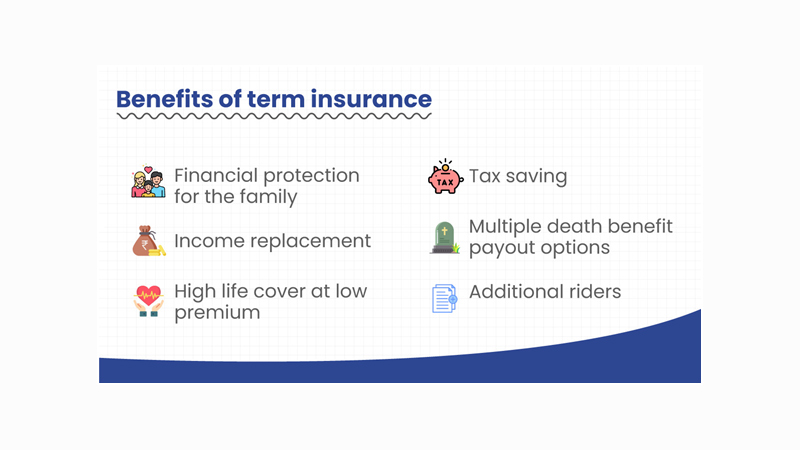
    Term insurance, in essence, is everything mentioned above. However, the following benefits will catalyse your decision to secure your family’s future with a robust term insurance plan:

    Simple: Term insurance is easy to understand; it is a straightforward life cover without any investment complexities. All you have to do is pay your premiums, and your life is covered for a set period, providing clear benefits for your family.

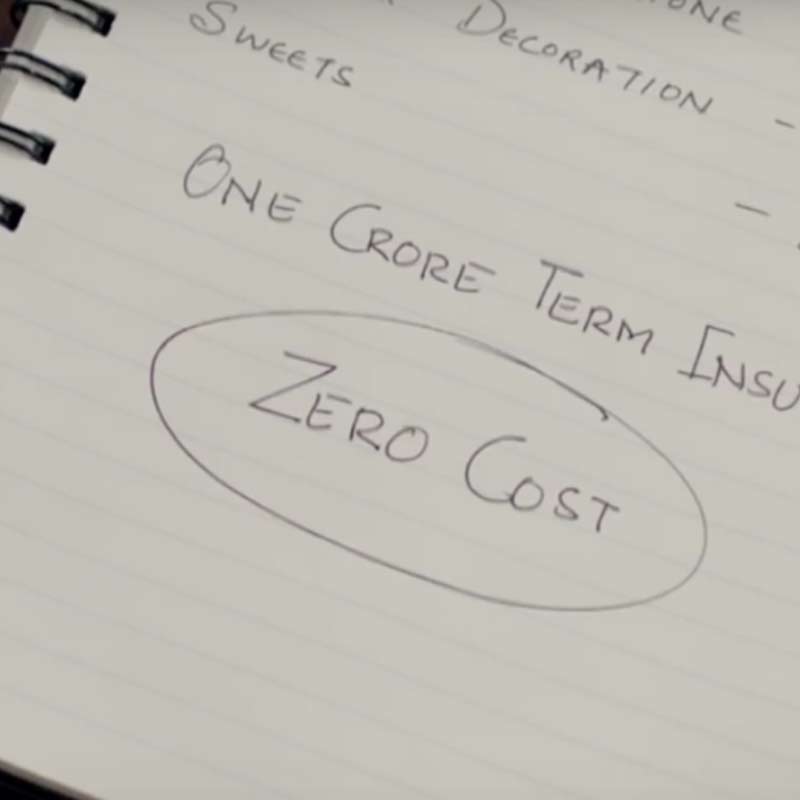
    Affordable: Even though it is remarkably affordable, term insurance offers substantial financial security for your loved ones. For instance, with as little as ₹500 per month, you can provide your family with a ₹1 crore life cover, ensuring they can manage regular expenses, settle debts, and maintain their lifestyle.

    Tax benefits: With term insurance, you can also enjoy tax benefits, ensuring not just financial security for your family but also savings for yourself throughout the process.

    Peace of mind: Term insurance is the best way to reassure yourself that in your absence, your family will have enough financial support to navigate any challenges that arise, offering you peace of mind and security.

    Financial Planning: None of us know what’s in the future. In the event of an untimely demise, relying solely on investments may not prove a wise decision, as they will not suffice to financially protect your family. A term plan, on the other hand, guarantees a substantial payout for considerably affordable annual premiums, ensuring your family’s financial security.

    Income Replacement: Term insurance acts as a vital income replacement tool, ensuring financial stability for your loved ones in your absence. It provides a reliable source of income to sustain their needs and lifestyle.

    Additional Riders to Strengthen the Policy: Term insurance plans often come with riders that you can choose to boost your basic insurance benefits. You can add them to your term plan by paying a nominal additional premium.

    Return of Premium Option: A pure-term insurance plan offers life cover to beneficiaries upon the insured’s death without providing any maturity benefit. However, you can opt for the return of premium option, which entails higher premiums, ensuring a refund of total premiums paid if you outlive the policy tenure.

    Please note: Taxes, levies, rider premiums, and modal amounts are excluded from the refunded premium.

    We hope this blog helps you understand why term insurance is important and brings an end to your contemplation of the benefits mentioned above. To know more, you can access an easy term guide and make a sound decision about buying term insurance for your family.

  • FGII launches #DontBeAPlus1 campaign urging women to be mindful of their unique health needs while purchasing insurance

    FGII launches #DontBeAPlus1 campaign urging women to be mindful of their unique health needs while purchasing insurance

    Mumbai: Future Generali India Insurance marked International Women’s Day 2024 with the launch of a trailblazing initiative, the #DontBeAPlus1 campaign. Aimed at raising awareness about the necessity of having a comprehensive cover addressing the varied needs of women across different stages of her life, rather than being relegated to the status of a ‘plus1’ in a man’s health insurance policy, the campaign seeks to address gender disparity in health insurance.

    Unveiling the #DontBeAPlus1 campaign, renowned author, columnist, and women’s rights advocate Twinkle Khanna emphasised the importance of women taking control of their health and financial well-being.

    The campaign underscores the importance of women taking charge of their health and well-being by securing insurance coverage tailored to their specific needs. Future Generali India Insurance aims to empower women to prioritise their health and financial independence through this initiative, urging them to break free from the traditional norm of being added as a secondary beneficiary and opt for comprehensive health insurance plans.

    Future Generali India Insurance CMO Ruchika Varma said, “At Future Generali India Insurance, Diversity, Equity and Inclusion is in our DNA, and all our efforts are aligned with this vision, be it at the workplace as an inclusive employer or as an inclusive insurer by way of the policies we design. Our market insights suggest that there is a gap between what women need in their insurance policy and what is currently being offered. Given their distinct anatomies, women’s health needs vary from those of men, their health protection requirements differ and hence they need products that caters to their unique needs. With #DontBeAPlus1, we are encouraging women to give due importance to their specific health needs while signing up for an insurance policy.”

    With a view to bridging the demand gap, Future Generali India Insurance has launched a comprehensive insurance plan “HEALTH POWHER” to empower women and cater to their varied health needs.

    Commending Future Generali India Insurance for spearheading such a significant initiative and encouraging women to prioritise their health by opting for comprehensive health insurance plans, Twinkle Khanna, said, “I think it’s great that Future Generali is helping women focus on their health by offering comprehensive women insurance solutions and they are leading the way in supporting their independence too. I’m excited to be part of this campaign, where women are taking care of themselves.”

    Future Generali India Insurance’s latest film – A World full of +1s – showcases a literary award ceremony with the presenter on stage announcing the best author award going to Kumar’s+1. Reacting to this, Twinkle Khanna says, while it may sound a little absurd but it does happen, particularly in health insurance, wherein women get added as +1 in a man’s health insurance policies all the time. She then goes on to say women’s bodies and needs are different from men and hence it would not be right to settle for a health insurnace that is not designed keeping women’s needs in mind.

    Mullen Lintas CCO Ram Cobain said “What looks jarring in fiction doesn’t raise an eyebrow in real life. We played on this absurdity to highlight how women are added as ‘+1s’ in men’s health insurance. Our idea was launched on Women’s Day with a social disruption. Twinkle Khanna, our brand champion, changed her Instagram bio to ‘Kumar’s +1’ before explaining why she did so, via the film. ‘Don’t be a Plus One’ isn’t just a campaign; it is a movement to get women to reconsider their health cover. After all, women’s bodies and needs are different from men – their health insurance better be, as well.”

  • Capri Global Capital to develop an insurance platform

    Capri Global Capital to develop an insurance platform

    Mumbai: Capri Global Capital Limited (CGCL) received a composite Corporate Agency license from the Insurance Regulatory and Development Authority of India (IRDAI) in December 2023 to distribute life, general, and health insurance products.

    CGCL is planning to leverage technology to revolutionise the way insurance products and services are delivered to customers. The Company is planning to use data analytics, artificial intelligence, and blockchain to deliver insurance solutions. This will enable CGCL to automate claims processing and customer support services, thereby reducing the cost of operations while improving customer satisfaction. Hence, the key goal of the Insurtech platform will be to create an ecosystem of insurers who can offer coverage in a more affordable, customer-friendly way. This in turn will assist the Company to immensely contribute to the ‘Insuring India by 2047’ mission of IRDAI.

    The Company’s basic motto is to offer a customer-centric approach to insurance. CGCL will provide a wide range of insurance products and services through its website, app, and call centers. Moreover, the platform will adopt a customer-friendly payment policy too that will allow customers to pay in several ways, including through digital wallets, credit cards, net banking, and debit cards.

    With this tech-centric focus, CGCL aims to leverage its robust active client base of 270K as of Sep’23 to cross-sell insurance products. In H1 FY’24, CGCL disbursed total loans amounting to Rs. 62 Bn and added 107K live clients. Further, the Company has on behalf of the partner Banks originated a Car Loan of Rs. 44 Bn i.e. 39K new clients. The rapidly increasing client relationships offer CGCL a captive base to improve insurance penetration and help CGCL strengthen its fee income and deliver better returns to its stakeholders. The Company expects to generate a net fee income of Rs. 200 Mn from insurance cross-sell in FY’25.

  • Capri Global Capital receives corporate agency license from IRDAI

    Capri Global Capital receives corporate agency license from IRDAI

    Mumbai: Capri Global Capital Limited (CGCL) has received a Composite Corporate Agency license from the Insurance Regulatory and Development Authority of India (IRDAI) to distribute life, general, and health insurance products. This will help CGCL further diversify its product offerings and strengthen its fee income.

    CGCL aims to leverage its robust branch network in north and west India to cross-sell insurance products. CGCL shall offer tailored insurance solutions to its borrower clients giving them an option to cover themselves comprehensively against life and non-life risks.  

    CGCL offers retail loans in MSME, affordable housing, and gold loan segments. The company mainly lends to borrowers in the self-employed non-professional category. CGCLs consolidated AUM stood at Rs123.6 bn (59 per cent YoY) as of September 2023. The non-interest income for half-year ended Sep23 was Rs1, 607mn (58 per cent YoY).

    Speaking on the occasion, CGCL MD & CEO Rajesh Sharma stated, CGCLs active client base increased 5x YoY to 270 K as of September 2023.The rapidly increasing client relationships offers CGCL a captive base to improve insurance penetration and contribute to the Insuring India by 2047 mission. This will also help CGCL strengthen its fee income and deliver better returns to its stakeholders. The company expects to generate a net fee income of Rs 200 mn from insurance cross-sell in FY25.

  • Niva Bupa adds a fresh perspective to Diwali gifting with new campaign

    Niva Bupa adds a fresh perspective to Diwali gifting with new campaign

    Mumbai: Niva Bupa Health Insurance, formerly known as Max Bupa Health Insurance, has launched a digital campaign to kickstart the Diwali festivities. The campaign, conceptualised and executed by Leo Burnett, has been designed to celebrate the festival of lights with more enthusiasm and joy this year by giving a token of good health to our loved ones to enable them to live life to the fullest, without any financial constraints.

    Since the tradition of gifting is synonymous with Diwali, on this occasion, Niva Bupa is introducing a new concept of gifting this festive season and urging everyone to light up each other’s lives by gifting a comprehensive health policy to secure the near and dear ones against any kind of medical emergency.

    In the digital film, the protagonist, who is visiting home for his first Diwali since he started working, can be seen exploring Diwali gift options for his parents. He wants to give them something special to make the occasion memorable. He asks his friends for recommendations but is unable to decide on the perfect gift. Just then, a eureka moment strikes him when his mother is urging him to take care of his health. That’s when it occurred to him that the gift of health would be the best gift for his parents. Therefore, on the day of Diwali, he hands over a Niva Bupa health insurance policy to his parents so that they can live their life carefree without worrying about their medical expenses.

    Speaking of this campaign, Niva Bupa Health Insurance senior vice president and head of marketing Nimish Agrawal said, “We are happy to announce the digital campaign this Diwali, in our attempt to light up the lives of everyone around us. Let’s celebrate this festive season by securing the lives of our loved ones and special ones by gifting them health insurance to secure their health and wealth for the future. The campaign has been designed to add a new flavour to Diwali gifting and we hope it nudges everyone to give a gift of good health to the ones who gave us the gift of life. This Diwali, ‘Zindagi Ko Claim Kar Le.’”

    Sharing his thoughts on the creative front, Leo Burnett executive creative director Mayuresh Dubhashi said, “Usually communication around health insurance tends to be grim. With this campaign, we wanted to celebrate good health, and our film brings this forth with a heart-warming story. Gifting your loved ones an insurance plan which helps them live life to the fullest.”

  • PhonePe unveils new brand campaign on motor insurance renewals

    PhonePe unveils new brand campaign on motor insurance renewals

    Mumbai: PhonePe has launched an integrated multi-media brand campaign focused on tension-free motor insurance renewals. The campaign drives awareness around the benefits of renewing motor insurance tension-free on PhonePe.

    The campaign was designed by The Script Room agency and is produced by Zig Zag. It highlights real, everyday problems that consumers face with sales pitches that have now become an unpleasant purchase experience.

    It is a pan-India campaign that will be launched in a phase-wise manner with eight ad films in total.

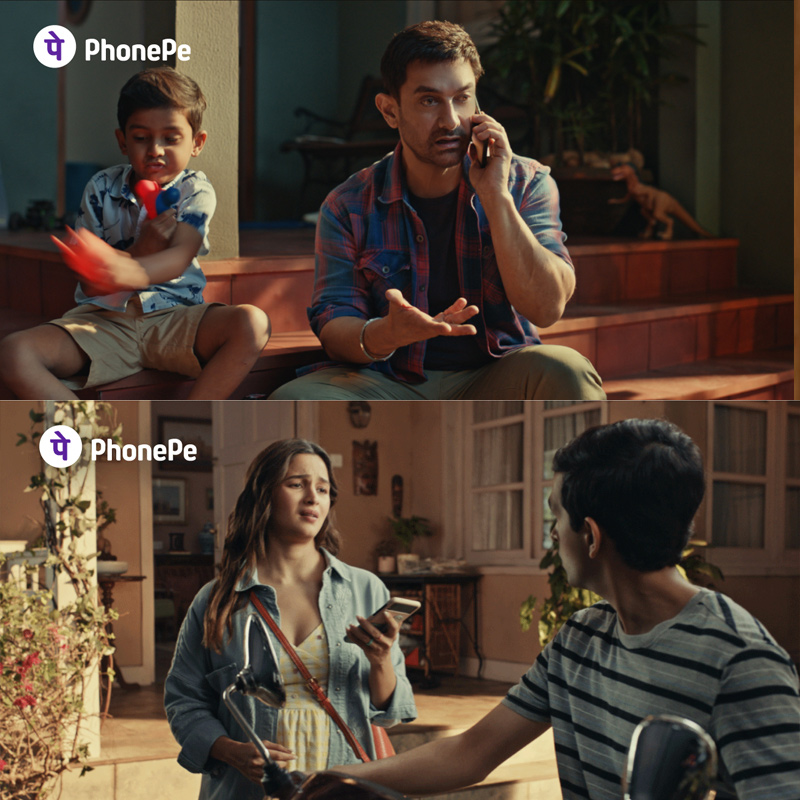
    Focused on category creation and driving consideration for motor insurance renewals on the PhonePe platform, this campaign inspires consumers to question the way bike and car insurance are traditionally sold to them. It uses creatives specially crafted for Hindi-speaking audiences in the north markets, starring Aamir Khan and Alia Bhatt, while for the south markets of Tamil Nadu, Karnataka, Kerala, Andhra Pradesh, and Telangana, the campaign features Dulquer Salmaan.

    The light-hearted series of films highlights how, with PhonePe, consumers don’t have to settle for unwanted sales calls, unnecessary add-ons, and other limited options. Both bike and car insurance products on the platform come with a wide range of options that empower consumers to choose the best price.

    It also gives potential buyers the power to choose any add-ons rather than setting them as defaults. Once done, the insurance is renewed instantly, does not need an in-person inspection, and is available at affordable prices. This conscious brand stance makes the purchase experience simple, easy, and tension-free while also setting PhonePe apart in this category.

    Speaking on the launch of this new brand campaign, PhonePe director of brand marketing Ramesh Srinivasan said, “Based on our recent consumer research, we have been able to identify some of the current challenges in the insurance industry. The results highlight a general discontent from a consumer point of view with unwanted sales calls or unnecessary add-ons. We have built our latest motor insurance campaign sharply on these consumer insights to invest in our audience’s needs. At PhonePe, we have eliminated the problem of consumers facing unsolicited sales calls, thereby keeping up the product promise of ‘tension-free insurance’ on the platform. We have also continued with our brand approach of driving localised connect with our audiences with not one but two separate campaigns for the north and south Indian markets with a full 360 media mix.”