Tag: Instagram

  • OPPO partners with Instagram for the ‘Challenge Yourself’ campaign for OPPO Reno 2

    OPPO partners with Instagram for the ‘Challenge Yourself’ campaign for OPPO Reno 2

    MUMBAI: OPPO India announced the launch of a new marketing campaign, ‘Challenge Yourself’, in partnership with Instagram, to challenge GenZ and millennials to visually imagine the unthinkable with the OPPO Reno2. The campaign aims at highlighting the revolutionary OPPO Reno2 features such as the 20x Zoom, Ultra Dark Mode and the Ultra Steady Video, that empower people to discover new perspectives in photography.

    For years, people have stood in front of the Taj Mahal and got their pictures clicked in the same way. People click the same pictures of airline wings or the sunset or of feet on the beach. OPPO’s ‘Challenge Your Perspective’ campaign and the Indian version ‘Challenge Yourself’ campaign is built on this insight. OPPO has partnered with Instagram for the campaign to drive awareness and share the campaign message in a creative and authentic way.

    Commenting on the campaign and the collaboration OPPO India VP – product & marketing Sumit Walia said, “Targeting at the creative young trendsetters with a passion for self-expression, we have partnered with Instagram to provide our youthful consumers a platform to create the most imaginative and unique content. To further fuel their creativity, we have launched the #ChallengeYourself campaign, which encourages them to challenge their perspective and unleash their playful imaginative spirit using the Reno 2 series.”

    Facebook director and head of India GMS Sandeep Bhushan said, “Visual storytelling is now mainstream, with Instagram playing a lead role as people widely share their passions on it. Businesses of all sizes are on Instagram to drive awareness, increase customers and share their story amongst a highly engaged audience. We’re glad to have co-created the ‘Challenge Yourself’ campaign with OPPO, to challenge millennials to even better visual storytelling by working with creators who influence culture today.”

    The campaign leverages the power of influencers to best represent the creativity and authenticity desired by the campaign. A #ChallengeYourself contest has also been initiated on Instagram to crowdsource meaningful consumer engagement. To participate, users need to visit the nearest OPPO store, capture creative content from Reno2 and upload it on OPPO’s Instagram handles using #OPPOReno2 and #ChallengeYourself. The best entries will stand a chance to win a new OPPO Reno2 EVERY HOUR! As an additional reward, few lucky winners will also have an opportunity to attend an Instagram mentoring session by Facebook India.

    Dedicated to pushing the boundaries in smartphone photography, the OPPO Reno2 comes equipped with 20x zoom quad camera that provides a full focal length imaging system; offering a 5x Hybrid Zoom with Optical Image Stabilization. The device is also packed with OPPO’s industry-leading Ultra Dark Mode that helps in capturing brilliant images even in dark environment and Ultra Video Stabilisation Mode technology which ups the stability of videos, enabling users to capture steady videos.

  • Godrej Expert along with Avadhoot Gupte set to create first-ever crowd sourced Ganpati Aarti

    Godrej Expert along with Avadhoot Gupte set to create first-ever crowd sourced Ganpati Aarti

    Mumbai: On the occasion of Ganeshotsav, music composer and singer Avadhoot Gupte, popularly known for his work in the Marathi entertainment industry, is collaborating with Godrej Expert Rich Crème hair colour to create first-ever crowdsourced Ganpati Aarti. Both Avadhoot and Godrej Expert Rich Crème hair colour is all set to welcome Lord Ganesha by encouraging people to contribute towards the lyrics of this new avatar of Ganpati Aarti.

    On Thursday evening, Avadhoot took to his Instagram & Twitter profile and shared this news of creating the first-ever crowdsourced Ganpati Aarti with Godrej Expert Rich Crème hair colour. The video begins with the composer stating that Lord Ganesha fills our lives with colours though his several avatars. He further goes on to state that for a God as versatile, his aarti should be just as diverse with his praise. i.e. a NayaAvataar for Bappa’s Aarti. Giving an example to create aartis, Avadhoot designs a line of his own; “Life ko rangon se bharne tu aaya, sabka tu deva, sabka tu deva” – You have come to fill our lives with colours, you are the God of everyone. He further encourages devotees to provide lines and specific words of praise for Lord Ganesha that he would then compose a song out of and create Bappa ke aarti ka naya avatar.

    Commenting on the initiative with Godrej Expert Rich Crème and new avatar of Ganpati Aarti, Avadhoot Gupte, said, “For many years, Ganeshotsav has been a festival that traditionally brought people together to celebrate Lord Ganesha. This year, I and Godrej Expert Rich Crème Hair Colour, thought of doing something different by creating a new version of Ganesh aarti. However, this new aarti had to be made in connection with the traditional belief of this festival which is uniting the people. Thus, we have decided to crowdsource lyrics of the aarti and encouraging patrons to share praises of Lord Ganesh and welcome him in a new way this year. The new aarti will definitely add more colour to the festivities of Ganeshotsav.”

    Speaking on the first-ever crowdsourced Ganpati Aarti, Mr. Sunil Kataria, CEO – India and SAARC, Godrej Consumer Products Ltd (GCPL), said, “As a brand, Godrej Expert Rich Crème has been an expert of accessible hair transformation. Not only in our offerings but also the consumer initiatives taken by us are unique. Ganeshotsav is one of the biggest festivals celebrated in Maharashtra and across India. Through Godrej Expert Rich Crème initiative of creating the first crowd-sourced Ganpati devotion song, we aim to make this festival a memorable and engaging one for people. By partnering with Avadhoot Gupte, who is listed amongst India’s leading musician, the song’s rendition will be interesting and make the Ganeshotsav festivities more colourful.”  

    From next week, Avadhoot will start working on the lyrics and compositon of the Ganesh Aarti. Individuals from any part of India can contribute by visiting Avadhoot’s Instagram, Facebook and Twitter profiles and posting the lyrics in the comments section. The crowd-sourced Ganpati Aarti will be released by him and Godrej Expert Rich Crème hair colour on their social media profile during Ganeshotsav.

  • Nikon creates personalized #NikonInstaBadge for its user community

    Nikon creates personalized #NikonInstaBadge for its user community

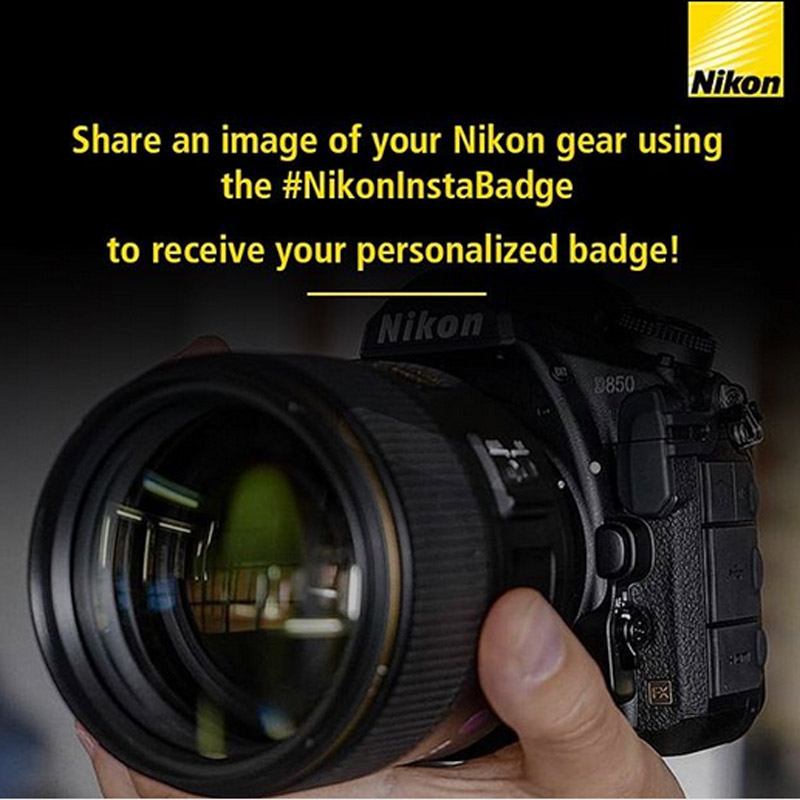
    Mumbai : Amalgamating the brand philosophy of ‘Trustworthiness and Creativity’ with the event of World Photography Day, Nikon, a leading brand name in the photography industry, created a first-of-its-kind engagement campaign the platform feature on Instagram. The activity named #NikonInstaBadge urged regular and passionate users to avail their personalized stickers by simply sharing a picture of their Nikon gear using the exclusive hashtag.

    The brand understood the importance of cameras in people’s day-to-day lives, helping capture moments both big and small.

    This innovative campaign stemmed from a simple insight of photographers seeking validation from the brand by employing various hashtags while showcasing their work and additionally use watermarks to create identity of their work. Hence, Nikon decided to give the users a new experience of validation to enable continued sharing of inspiring work. Personalized badges were awarded to the users within 24-48 hours after they shared a picture of their gear with the brand.

    The brand also created generic badges of all their D-SLRs for the brand loyalists to use while uploading their stories. Within a few hours of the launch, Nikon saw an influx of 800+ images. The Instagram-specific campaign also successfully brought on board the impaneled influencers, commonly referred to as the #NikonExpertive by the brand.  

    On the occasion of World Photography Day, Mr. Sajjan Kumar, Managing Director, Nikon India said, “World Photography Day is a reminder for us to reflect on how essential photographs and videos have become in our lives. Today I would like to take this opportunity to appreciate and encourage the photographer and videographer community for creating bespoke work and inspiring us and the coming generation to be passionate towards creating such master pieces.

    He added, “On World Photography Day, as a token of appreciation from our end, we have launched an initiative #NikonInstaBadge for the community, with this we aim at providing personalized product badge to users to be used as stickers on the content. We have several members of the community, interacting with us daily. Their love for Nikon is undying and their photography & videography skills are remarkable. Hence, this World Photography Day, we wanted to display our love to our special audience by introducing the #NikonInstaBadge – an identity they can use as a watermark on their stories.”

    Be it amateurs or professionals, Nikon has always wished to inspire the users in their quest to capture raw, beautiful moments and memories. #NikonInstaBadge is yet another step taken by the brand to boost pure enthusiasm for photography among one and all.

    Also Here is the link: https://www.instagram.com/p/B1U-jSUHEmt/?igshid=1bz38dj1ax5os

  • Influencer-led brand marketing is the way to target GenZ and millennials

    Influencer-led brand marketing is the way to target GenZ and millennials

    MUMBAI: In terms of media consumption patterns GenZ has the lowest attention span, which comes to only eight seconds and video being the viewers’ choice of content consumption, one-third of them watch videos for at least an hour a day.

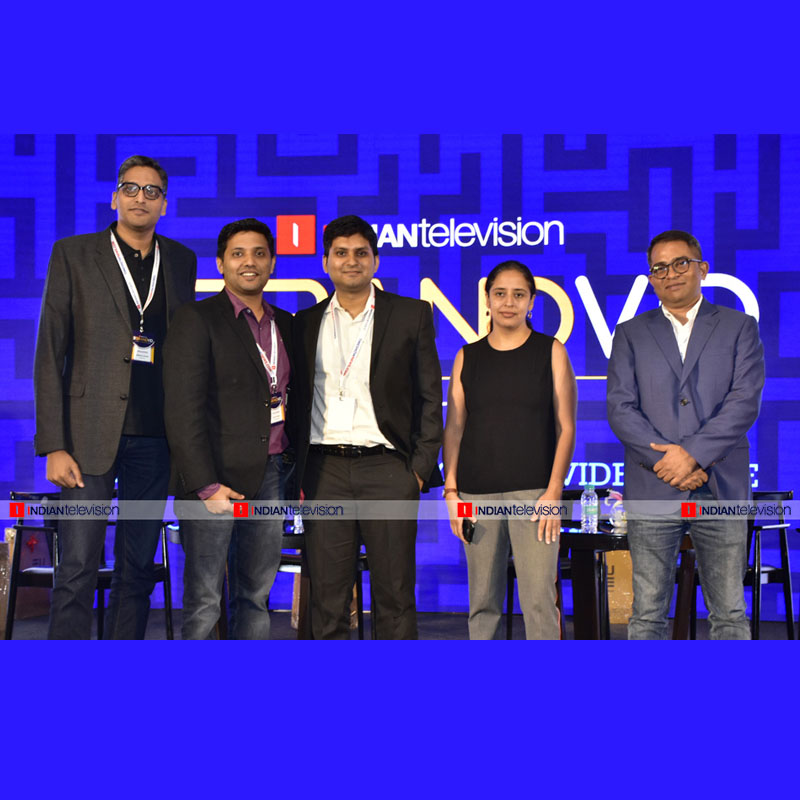
    Gen Z was the topic in focus at BrandVid 2019 session ‘GenZ: The new video sticklers’. The session included speakers– Burger King India CMO Srinivas Adapa, Leo Burnett Orchard COO Prashanth Challapalli, Onida CMO Pratyush Chinmoi and MediaCom west head Priya Choudhary. It was moderated by Worldwide Media VP – Content Studio Vidyut Patra.
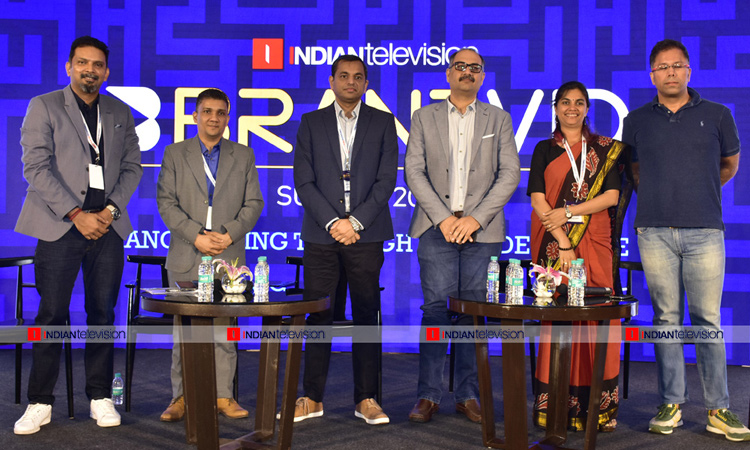
    The panellists agreed that YouTube is for getting reach and long-form content, TikTok is for user-generated content while Instagram is for sharp targeting. “Not all brands have a content strategy. They all have a brand strategy. Therefore, they go after influencers. But, people are on Instagram because they are following their interest, not brands,” said Challapalli.

    To which Choudhary said that influencers play a role especially with GenZ and even millennials. She said that the lure of brands is going down and the new generation trusts these influencers. Hence, a long term content strategy is extremely important to make it work. “We have done extensive consumer work with GenZ and they are smart. They see through brands using influencers so the minute an influencer starts endorsing the brand they stop trusting the influencers so we have to figure out a very smart way of doing it. And it cannot be in-your-face it has to be subtle. So influencers are worth investing but there has to be a right way to use them,” she said.

    In the case of long term content, Adapa feels that it is a struggle. He explained the two ways to look at it, one way could be a story told from the lens of the brand without force fitting the brand plug-in.  The second way could be running a series of episodes where a brand can be deeply integrated inside the show. Adapa went on by saying, “From a Burger King perspective, one is from the US and one is from India. In the US we just launched something called an ‘Upside Whopper’ which is a tie-up with Stranger Things since season 3 is launching. Back in India, we launched the limited edition Big Boss whopper which is in line with the reality show. So yes, the straight forward answer is that we need much deeper integrated brand integration.”

    Choudhary chipped in and said that the thumb movement today is almost a microsecond and Facebook even believes there are brands can make meaningful content in just two seconds, thus putting pressure on brands. According to her, there are also categories in which a longer video is required. It depends on what job the brand is trying to do, what the category is and which environment one is looking into. “I would like to add that we used to believe that 30 seconds is enough to tell a story, more and more we are realising that better stories can be told in short form,” she said.

    Adapa said that in today’s data-driven age, it does not take too long to know if people are really completing your video online or not. “GenZ is very kind with comments, they will let you know very quickly saying you are wasting my time or it is wow, but even in terms of analytics, both Google and YouTube are very clear in terms of x or y percentage of people who actually have crossed this much seconds in a video so it’s very quick and easy to learn and adapt and develop from there,” he said.

    When Patra questioned about how home-grown brands are treating this format, Challapalli said that a brand like Ola does not do much of TV commercials. It believes in digital content. He added that Ola doesn’t look at the age of the target audience or where do they come from, it looks at what their pain points are. He gave the example of its April Fool’s day campaign that had nothing to do with mobility but about lack of public toilets. It was later that they realised that every ride will contribute to the creation of public toilets.

    Chinmoi comes from a brand that is popular with the earlier generations. Recently, Onida resurrected its devil mascot to target the new generation. “Gen Z customers are the ones who are going to be the major future buyers,” he said.

    Challapalli also said, “We do a lot of social listening and data analytics and look at the larger cultural trends that are happening and think that can we do something around it,” he concluded.

  • Influencers, advertising, data and tech at the core of BrandVid 2019

    Influencers, advertising, data and tech at the core of BrandVid 2019

    MUMBAI: The second edition of the Indiantelevision.com’s marquee summit BrandVid 2019 concluded with some interesting and insightful discussions around the video content industry in Mumbai yesterday. The day-long conference saw some of the leading geniuses from the marketing industry talking about how to optimise video content as a brand communication tool and get better results in terms of consumer engagement as well as revenues.

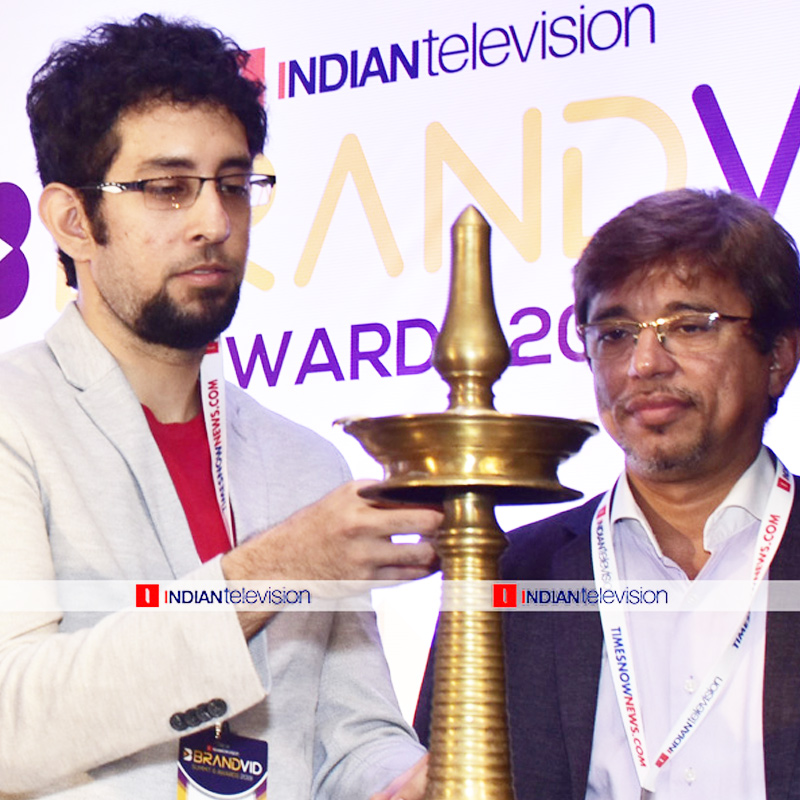
    Indiantelevision.com founder, CEO and editor-in-chief Anil Wanvari opened the event. He mentioned, “Branded content has an emotional connect; it has a story to tell. The global content market is expected to grow to about $412 billion as per various reports out of which 10-20 per cent will be led by branded content.”

    The day was divided into five in-depth sessions and a fireside chats covering the various aspects related to the world of branded video content and was kickstarted by MullenLowe Lintas Group group CCO and chairman Amer Jaleel. He highlighted a key point that most brands seem to have forgotten today – that of not being very obvious to the consumer. “Brands today want to be obvious because of the insecurity of the clutter. Fuzziness is going and directness is returning. If brands want to be relevant today then the way forward is to be random, obscure and slanted,” he highlighted.

    Jaleel went on to make the point that it is impossible for creativity to catch up with the speed at which technology is moving. “Technology is synthetic and artificial and craft needs talking to people, which needs time,” he said.

    The events of the day continued with a panel discussion on ‘Branded Video Rewind’, which covered all the aspects of the evolution of branded video over the years and how the past fiscal was for the industry in terms of video spends, creative allocation, number and nature of brand films.

    Moderated by L&K Saatchi & Saatchi India CEO and Managing Partner Anil Nair, the panel had Sony Pictures Networks India Pvt Ltd head – content, partnerships, new initiatives – digital business Amogh Dusad, Shemaroo Entertainment Ltd COO Kranti Gada, GroupM South Asia president growth and transformation Tushar Vyas, Eros Now group CMO Manav Sethi, and Bajaj Consumer Care president Sandeep Verma sharing their views on the evolution of branded videos.Varma mentioned that today video content is no longer just for virality but is more holistic in the content marketing approach. However, the panellists agreed that there is no sure-shot way to guarantee that your content will hit the right note. Gada said, “Brands are not yet focusing on branded content as a core strategy. It is sporadic.” The panel also drove the point that in branded content, the creative thought should be the main driving force and the brand needs to ride on it not vice versa. The idea is to not force fit the content.

    The next item on the agenda was a fireside between YouTube India director Satya Raghavan and Indiantelevision.com founder, CEO, and editor-in-chief Anil Wanvari. Raghavan voice the opinion of many that today’s thumb-based apps have reduced the attention span to single digit numbers. In such a scenario, YouTube helps its content creators in getting reach. “YouTube’s algorithm helps the average content creator to get 50-60 per cent of its views. People are now optimising their content to get into the algorithm. So, content creators don’t have to worry about reaching the target audience,” he revealed.

    It was followed by a panel discussion on ‘GenZ: The New Video Sticklers’ between Burger King India CMO Srinivas Adapa, Leo Burnett Orchard COO Prashanth Challapalli, Onida CMO Pratyush Chinmoi     and MediaCom west head Priya Choudhary. It was moderated by Worldwide Media VP – Content Studio Vidyut Patra.

    The session covered how the brands are using video as a vehicle to achieve greater engagement and build personal connects with GenZ. Since Gen Z has a variety of apps to choose from and each with a different mode of working, brands need to pick the platform that is appropriate for its message. For instance, YouTube is for getting reach and long-form content, TikTok is for user-generated content while Instagram is for sharp targeting. “Not all brands have a content strategy. They all have a brand strategy. Therefore, they go after influencers. But, people are on Instagram because they are following their interest, not brands,” said Challapalli. To this point, Choudhary added, “Gen Z sees through influencers who are promoting brands so you have to smart in your strategy.” This is also the generation that is averse to seeing ads.

    The conference further continued with a panel discussion on ‘Moving the needle from exposure to engagement: Still the challenge?’. The session saw L'Oréal India head of media Neel Pandya, Colgate-Palmolive associate director and head – integrated marketing communication and e-commerce marketing Priyanka Gandhi, Syska CMO Amit Sethiya, Mondelez India Foods Pvt. Ltd. sr. category manager – equity and activation: chocolate marketing Sameer Yadav, and ITC Limited head – consumer health care Sanjay Srinivas in a deep discussion on how effective branded content offers advertisers a chance to engage with consumers in a rather intimate manner, incentivising brands to build ongoing relationships and how its vulnerability stands as a challenge to the marketers. The session was moderated by Tonic WorldWide CEO Chetan Asher.
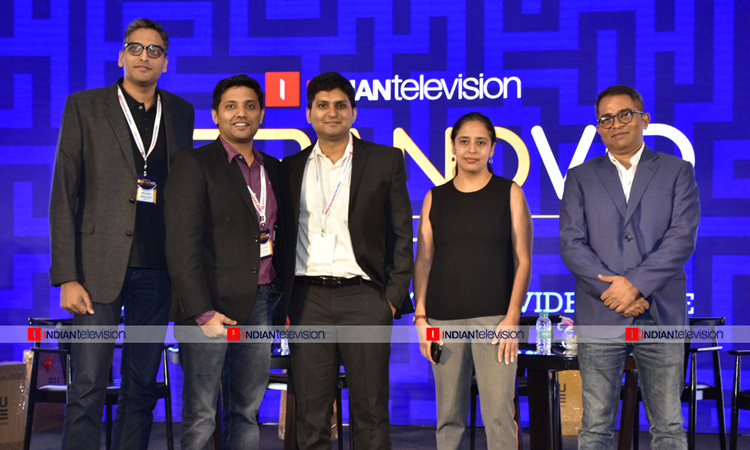
    The panel made the point that content marketers need to decide what does engagement mean to them; whether that is the number of likes and shares or beyond that. “Brands need to know how to integrate with authenticity. Your brand should not stick out. For this, first, there needs to be a purpose and then relevance,” said Gandhi. Pandya also added that brands need to realise that not every avenue can drive sales. The purpose of branded content is generally not to get more sales but to get engagement and visibility.

    The events of the day progressed with a panel discussion on ‘Driving Social’, with TVF global head content and business Rahul Sarangi, ISOBAR COO Gopa Kumar, Mastercard director marketing Puneeth Bekal, GoZoop director strategy Amyn Ghadaili, and Lokmat Media Pvt Ltd senior EVP and head of digital business Hemant Jain. The session moderated by Nirvana Digital CEO Pinakin Thakkar covered all the important aspects of using social media and related technologies effectively for telling memorable brand stories.
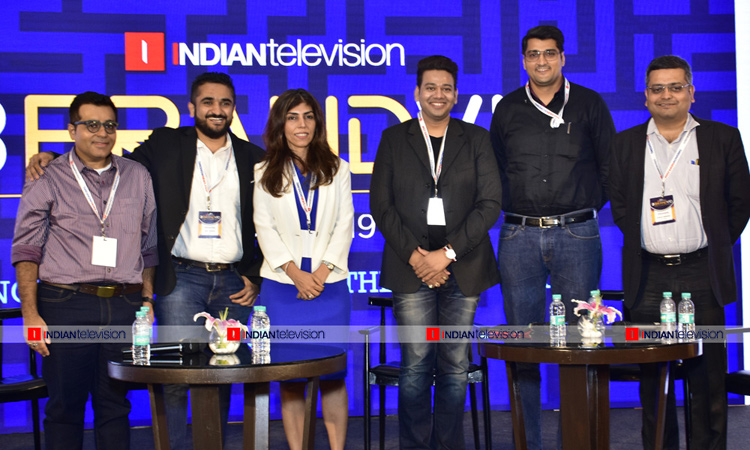
    TVF’s Sarangi said, “Brands need to have a personality for people to engage with them.” On the current trend of using influencers to drive sales and visibility, he pointed out that they themselves are content creators. While everyone is thinking of digital as the upcoming big medium, Ghadaili said, “Digital is not a medium. It is a space that has many mediums.” The panel also made the point that in this space what is important is that the product has value and the influencers also believe in it.

    The final session on the agenda was a panel discussion on “Understanding the audience: Data & tech in content creation (Brandfilm breakthrough)” spanning insights into how data can be better used to understand audience and what role can technology play in compelling storytelling.

    Part of the panel were Prime Focus Technologies VP creative services Bhaskar Sitholey, Shemaroo head of marketing Rahul Mishra, Byju's App marketing head Atit Mehta, Logicserve Digital co-founder and CEO Prasad Shejale, JioGenNext VP advertising Mohit Kapoor, and VDO.ai co-founder Arjit Sachdeva. The session was moderated by Qyuki Digital Media co-founder and managing director Samir Bangara.

    Mishra highlighted that digital had shifted the content creation balance. “Nowadays, consumers are creating content on digital and they are the content creators now,” he said. On the usage of data, Mehta felt that data inspires marketers to take bold steps. “If someone is spending on the world cup, then he is also spending on digital,” he said. To this, Shejale added the way forward is both data-driven and data inspired content.

    The event concluded with a gala awards event night, the first Indiantelevision.com BrandVid Awards

  • Digital is the backbone of Tata Motors’ IPL 2019 marketing mix

    Digital is the backbone of Tata Motors’ IPL 2019 marketing mix

    MUMBAI: It is the second year of association between Tata Motors and the Indian Premier League (IPL), and the former is pretty positive that the season is going to help it in boosting the recognisability of its new launch, ‘Harrier’. This premium flagship SUV from the Tata Motors’ portfolio was announced as the official partner of the game recently.

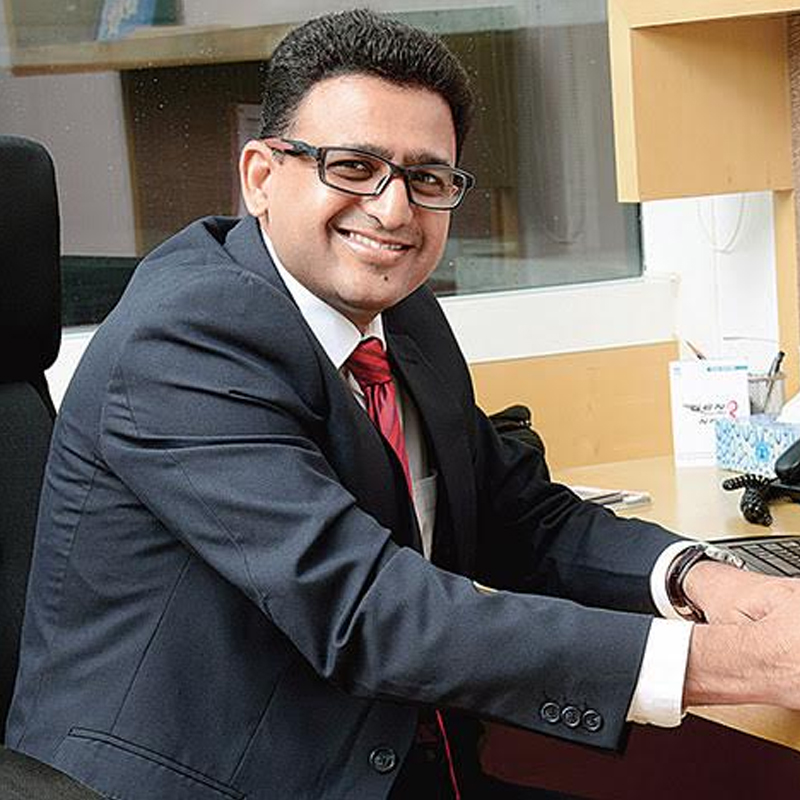
    Talking to Indiantelevision.com at the event, Tata Motors head – marketing, passenger vehicles business unit Vivek Srivatsa shared that it is extremely difficult to get a wider penetration into a diverse country like India, especially in the smaller towns but platforms like cricket play a great role in taking the brands to each household. He said, “What we found very endearing and attractive about IPL is how it has a national fervour as well as a regional flavour. Thanks to the broadcaster Star’s initiative, it has got transmission in all the four Southern languages, Marathi, and Bengali as well. I think it has allowed us to go very deep into and achieve a great level of relevant reach. It also creates good awareness and this it has helped the brand really well.”

    He added, “We have already got good momentum and with IPL we would like to take it even further. With Harrier, fortunately, the customer response has been extremely strong since its launch in December. With IPL, we want to only improve it.”

    Definitely, IPL has a strong viewership and it draws a lot of interest from each section of the society. Thereby, Tata Motors has a strong planning perspective as to how to leverage this platform in the best manner possible. For Srivatsa, digital is at the core of each marketing strategy, “For Harrier, we already have an extremely strong Instagram handle. It already has 25,000 organic followers. Thus, you will see a lot of Instagram activity happening this season.”

    He shared, “Digital will provide the backbone for every activity that we do. There is ‘Super Striker’ and then there is ‘Fan Catch’, the two strong properties already established by us in the last season, which we will continue to grow this time as well. With Super Striker, every match has a player who is awarded a very unique award scale model of the car. I see that the players get excited and they go on their own social media handles to celebrate. It has become good content for us. Also, there are almost 400-500 sixes that are hit during the IPL. Now, every time a sixer is hit, people start looking out for who will catch the ball and win the ‘Fan Catch’. For us, this means a brand recall of 600 times during a season.”

    Apart from this, Tata Motors is also planning to give the cricket fans an online virtual reality cricket game experience. “This will probably be in our showrooms and a few malls. I have already tested the game and it is fantastic. It feels like playing a real match,” said Srivatsa.

    He added that there will also be an online ‘choose your dream team’ kind of championship from last year. Since the IPL trophy tour will be covering two cities-Bengaluru and Delhi, it will also be promoted heavily on digital platforms.

  • Influencer marketing firms will always be in beta: BuzzOne founder

    Influencer marketing firms will always be in beta: BuzzOne founder

    MUMBAI: Influencer marketing is one of the fastest growing phenomena in the marketing mix of brands today. As per ‘The Influence Report’ released by Zefmo Media Private Limited in 2018, 89 per cent of marketers believe that influencer marketing is effective in driving brand message across, and 62 per cent were planning their budgetary allocation towards engaging social influencers.

    Peer-to-peer interaction, an influx of trust from people with whom the customers can relate to on a personal level and comparatively lower cost to get engagement on digital platforms are some of the few factors that have been propelling the growth of this medium. To get some more insight into how this whole gamut of social influencing works, what the ticks and tricks of the trade are, and how can the brands make maximum out of this trend, Indiantelevision.com got into a candid conversation with BuzzOne Infuencer Marketing’s founder and CEO Sanjay Vasudeva on a rainy afternoon in Delhi.

    Vasudev started BuzzOne Influencer Marketing a few years back as a one-stop marketplace for brands and influencers to create conversations on social media using the great reach the latter had on various platforms. Over the years, the agency has created successful campaigns for a number of brands including Volkswagen, Nissan, Veet, Kissan, Britannia, ICICI and Future Generali, among others.

    Since then, it has come a long way. What has made influencer marketing popular today? Vasudev says, “Influencer marketing is social word of mouth. If you compare all the media of communications—be it print, TV, or digital—word-of-mouth has always been considered the biggest and most powerful of them all. I will give you a simple example; when you want to buy a car, you take opinions from your peers or family members who already have bought it and are using it. That’s how most of us make our choices.”

    He added that brands want more conversation on social media and influencers accelerate it by conveying the brand message in a style relatable to their followers.

    Sanjay contributes this exemplary growth to the dynamism of the industry as well. He mentions, “When we started four years back, influencer marketing was still in its infancy. It was based mostly around Twitter. But now, the spectrum has become so much larger; you have Instagram, Facebook, YouTube, and of course newer platforms like Snapchat and TikTok.”

    He adds, “Looking at this what I can say is that in the app business, we will always be in beta because platforms would keep changing and also new platforms would emerge. The platforms which were there earlier would become not so popular, for example, we have seen Twitter going down.”

    On being asked how does the influencer marketing firm like his keep pace with this dynamic shift, Vasudev says, “We have a propriety tool by which we keep a constant vigil on what kind of influencers are doing what and on what platforms. We then bucket them into various categories and genera. Further, the brands also have a point of view on certain influencers and platforms. We do our best to provide them with the best match.”

    Vasudeva also shares the perfect recipe to sort out the best face and medium to associate with any campaign. He notes, “Essentially, the first filter that should happen is to look at in what space the brand is operating and in what space it wants the communication to happen. For example, if an automobile brand wants to talk about the core features of the car, then it will be an automobile blogger’s dialogue. But if the same automobile brand wants to promote itself from the lifestyle perspective, then we will either pick people who talk about lifestyle or sometimes, maybe, fashion bloggers.”

    “Also, the biggest trend nowadays is that the content is moving from static images to videos. Thus, bloggers are becoming lesser and lesser relevant as people do not have time to read long write-ups. With content getting shorter, the impact of platforms like Instagram is gaining momentum. Another amazing platform is TikTok. The only problem with TikTok is that it doesn’t have any reporting API’s to keep a tab on the performance of the videos but it is still one of the most used platforms by influencers. It gives greater views at a much less cost than any other platform,” he shares.

    On a final note, he said that brands should not try to push their own ideas of the kind of content that influencers should create. “An influencer is very loyal to its audience and knows what kind of content works with them. Thus, brands should be very careful about their demands and should allow them to create content in their own style.”

  • Tata Motors, WATConsult unveil ‘Apni Hatchback’

    Tata Motors, WATConsult unveil ‘Apni Hatchback’

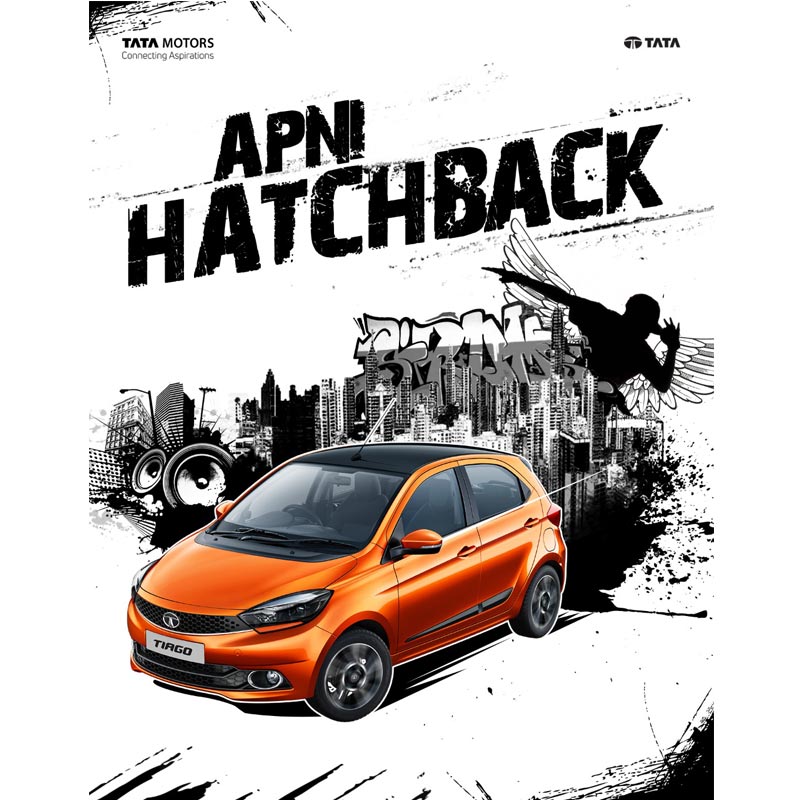
    MUMBAI: Tata Motors, a global automobile manufacturer, unveiled a new music video titled ‘Apni Hatchback’ for the brand's bestselling hatchback- the Tiago. This is in collaboration with WATConsult, a digital and social media agency from Dentsu Aegis Network’s bouquet.

    Released across Tata Motors’ digital platforms, the music video leverages the growing acceptance and popularity of the rap music culture in the country and is an ode to the Tata Tiago community. Looking at the pace at which ‘Indie Hip Hop’ is cutting through the clutter of Bollywood among the audience, ‘Apni Hatchback’ is a testament to Tata Motors’ ability and efforts in catching the pulse of the audience. The music video is conceptualised and executed by WATConsult, the digital media partner for Tata Motors’ passenger vehicle business.

    Speaking on the same Tata Motors, head – marketing, passenger vehicle business unit Vivek Srivatsa said, “Raising a toast to all our Tiago customers, we are elated to launch this music video – ‘Apni Hatchback’. The video has been made keeping in mind our consumers, who are young, cool and fun loving. The Tiago has been one of our best-selling brands and we plan to continue leveraging newer trends and keep engaging with our audience in innovative ways. We are confident that our customers will shower as much love upon this video as they have on our product.”

    WATConsult founder and CEO Rajiv Dingra said, “Tata Motors in the last few years has been consistently innovating, not only in terms of bringing world-class vehicles on the road but also banking on the power of digital to deliver dynamic and unique communication through regular interventions. This music video is yet another shining example of how the brand has leveraged popular culture to create distinctive digital content.”

    The video that embraces the rap culture talks about the safety and the love customers have for the car, was released two days before Valentine’s Day and leveraged all social media platforms like Facebook, Twitter, Instagram, and YouTube. 

  • Ola collaborates with the makers of Gully Boy

    Ola collaborates with the makers of Gully Boy

    MUMBAI: Ola, a ride sharing platforms has collaborated with Excel Entertainment and Tiger Baby – the makers of upcoming film Gully Boy. Conceptualised with the intent of encouraging the people from all walks of life to showcase their talent, the participants are required to record a rap song while sitting in an Ola, using the Gully Beat app.

    Speaking on the activity, Ola senior director – marketing communications Anand Subramanian said, “At Ola, we are thrilled to bring unique experiences to our customers that go beyond their mobility needs. Every corner of this country is filled with youthful energy and gifted artists, and through this activity, aspiring rappers get a platform to showcase their talent. We are happy that we found a like-minded partner in Excel Entertainment and we hope to discover some great talent together.”

    Under the partnership, Ola, Excel Entertainment and Tiger Baby are offering a unique platform to the country’s aspiring rappers, wherein they are invited to share their songs and win a chance to showcase their talent to the entire country!

    Commenting on this initiative, Excel Entertainment head of marketing Vishal Ramchandani said “Ola as a new age brand has collaborated with ‘Gully Boy’ to inspire a generation of entrepreneurs to defy the status quo and make a career for themselves. We are proud to partner with Ola to encourage music enthusiasts to come forward and provide them with a platform to showcase their talent.”

    Videos can be submitted on Ola’s Facebook, Twitter, or Instagram; using #GullyGullyOla before 13 February 2019.

  • Facebook fuelling growth story via ‘Stories’

    Facebook fuelling growth story via ‘Stories’

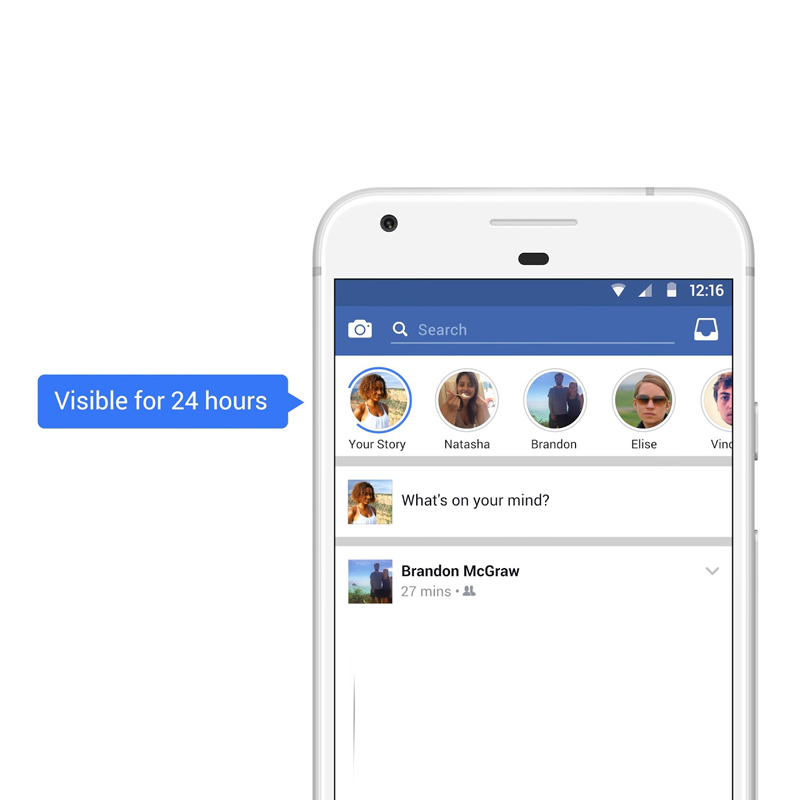
    MUMBAI: Facebook CEO Mark Zuckerberg's vision of Stories as the future of the social media giant is gradually becoming a reality. While investors kept an eye on the advertising revenue coming from Stories, the company definitely did not disappoint. More importantly, Stories is growing quickly not only on Instagram which just passed 500 million daily active users on stories but also on the Facebook blue app.

    The media tech company claimed in an earnings call after posting Q4 results that 2 million advertisers are using Stories to reach customers across all its apps. As more users are also starting to use Stories, this is emerging as a promising area of opportunity for marketers. According to Facebook, it is trying to make it easier for advertisers to adopt its campaigns for Stories. It even launched ads in Messenger Stories in the last quarter but feels it is too early to talk about monetisation.

    Mumbai-based Digital marketing agency DigiChefs co-founder Deep Mehta also thinks Stories will gain more popularity as the language of communication moves to more instantaneous and visual ones. According to him, users today have a tendency to first see what's happening 'right now' as soon as they open their favourite social media app via the Stories and then move to the newsfeed.

    Mehta said that from the advertising point of view as well it's no secret that brands running ads in Stories usually end up seeing a better Click Through Rate. He added that if someone has not exploited the power of Story ads yet, it's time to jump in.

    “Though for now, there's quite some time for advertisers to have their campaigns circled only around Stories and the feed ads are pretty much indispensable, it will be interesting to see how advertisers use the AR enabled stories and features like Instagram carousel ads to their advantage. As a performance agency, I would definitely insist my clients to bet their monies on Story ads in the long run with a creative strategy suited to showcase their propositions visually without being to pushy,” he added.

    However, compared to Facebook, there has been a faster adoption of the feature on Instagram. Despite the decrease in the average price per ad, the number of ad impressions across Facebook apps increased by 34 per cent. According to Facebook, the impression growth was primarily driven by ads on Instagram, including both feed and Stories.

    “While we have opportunities to grow impressions on Facebook and Instagram, that's less so in feed, where we already have healthy ad loads in – on both surfaces and more in Stories where we have lower CPMs. So – whereas in 2018, we benefited from strong impressions growth on Instagram in both feed and Stories. We'll be more reliant on Stories impression growth in 2019,” Facebook CFO David Wehner commented.

    Facebook rolled out ephemeral stories in its mobile apps back in 2017 resembling Snapchat, which invented the Stories format way earlier in 2013. While the success of the feature was uncertain, Facebook first spoke about its growth in 2018. After acquiring a 150 million daily active user count for its Snapchat Stories clone, the social media network went down the path of advertising.

    It is now gearing up to put more efforts into popularising it on Facebook too. As the platform is eying more advertisers for Stories, Facebook will bring more ad formats for the product also. Facebook COO Sheryl Sandberg said it is focusing on making the format of Stories easier for marketers to help them to get the best ROI. According to Sandberg, both large advertisers and small advertisers are adopting the format.

    “Now right now, one of the interesting things about Stories is there's a benefit to being an early adopter. So the pricing is really attractive. And so we think the mix shift to Stories is a big opportunity for us and it's going to take time to continue to get advertisers in, but we're very happy with demand to date,” Sandberg added.

    "From a pricing perspective, we've got to improve our ability to grow the number of advertisers using Stories and improve price there, but it's going to be more reliant on that in terms of revenue growth,” Wehner added. However, he also added there’s a scope to improve pricing as well as number of advertisers using Stories.

    Facebook's CEO also spoke on a highly optimistic note about the potential of Stories. Zuckerberg has put his faith on Stories too along with core News Feed work for growth of the business over the next year. But he admitted that they have to work a lot to monetise Stories at the same level of News Feed.

    “Stories on Facebook is growing quickly. I think we're going to get to where we need to get to there. We started a little bit later, and some of the early execution, I think, wasn't as good as it needed to be. But I think we're doing good work there now and it's growing quite quickly. So I'm confident about where we're going to be there,” Zuckerberg added.

    Though the feature is being adopted first on WhatsApp also, Facebook does not have a plan to launch ads there in near term given the consumer experience-centric focus on the messaging app.