Tag: influencer marketing

  • Badshah’s fake views controversy highlights influencer marketing inadequacies

    Badshah’s fake views controversy highlights influencer marketing inadequacies

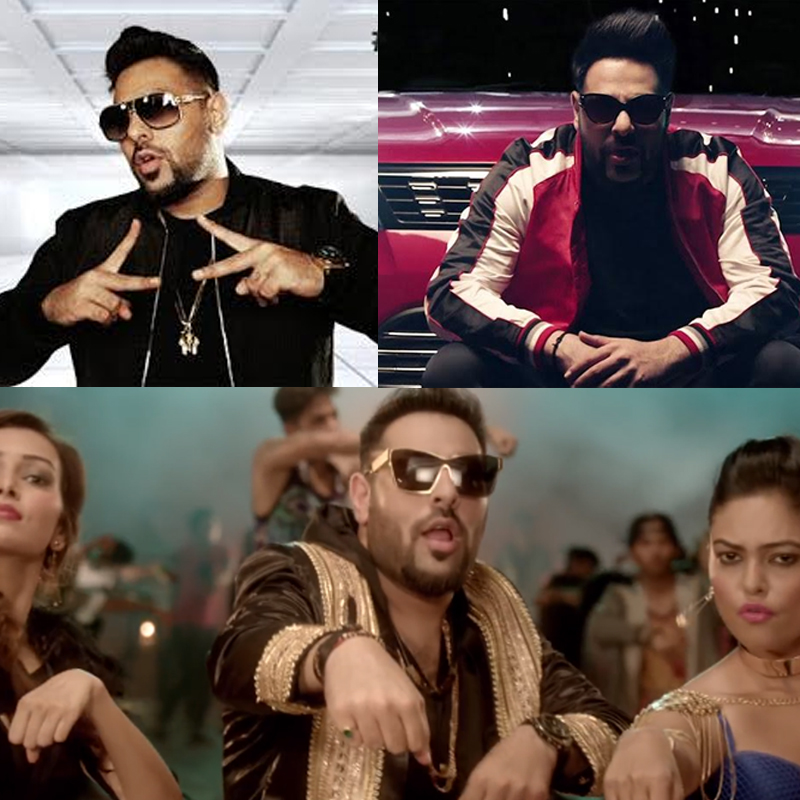
    NEW DELHI: Bollywood rapper Badshah has come under scrutiny for allegedly buying fake views for one of his music videos. This has, once again, opened up the debate on the ‘fake followers’ strategy prevalent in the social media landscape and how celebrities and influencers are highly involved in this practice.

    According to media reports, Badshah confessed that he had purchased around 7.2 crore views for Rs 72 lakh to set a world record for the most-viewed YouTube video in the first 24 hours. He had claimed that the music video for 'Pagal Hai' was watched 75 million times on the first day of its release, beating previous records set by Taylor Swift and the Korean boy band BTS. However, the claim was rejected by Google.

    Monk Media Network assistant vice president Pranav Nair explains, “In this scenario, he's paid to get more numbers on his content and not a brand's. So, from a brand management perspective, one can accept the fact that he's investing money to grow his metrics on social media.”

    The issue has come at a time when digital consumption spiked in the lockdown period and advertisers are spending a hefty amount on influencer marketing. As per reports, influencer marketing is seen as one of the fastest-growing categories in the Rs 21,000 crore digital advertising space.

    Buying fake followers is the unpalatable side of the digital marketing industry and the way brands invest in followers for reach, reflects how deep the problem is. Brands that take decisions based on one post or just the number of followers will see reality when the ROI hits them.

    Lets Influence founder Bhawna Sethi opines, “The major issue faced by brand managers is that it's not possible to dissect every single profile they are planning to collaborate with. Hence, big brands prefer hiring influencer marketing agencies as they have expertise in a specific service, industry, audience, channel, etc., and can help them avoid collaborating with such fake profiles.”

    Nair advises that brands should not collaborate with such an influencer as it cuts the organic reach of the brand, which is one of the reasons why brands collaborate with influencers.

    In recent times, many in-house tools have been launched to help identify fake followers, their percentage share and the impact of engagement. However, the rampant problem of vanity metrics, bots and others in the digital domain still lingers. A lot of celebrities have also been a part of it and measures are needed to control the growing menace.

    Sethi says, “While working with celebrities, we realised that more than being a part of it, celebrities are victims of this. There are many instances when they engage with agencies for paid promotions and aren't even aware that the followers joining them are not real people. It won't be right to say that they bought fake followers with full awareness.”

    Badshah has also been associated with brands like Pepsi, Yamaha, Hitachi, Mahindra and OPPO. This incident is likely to have an impact on his associations. It has also led to many people unfollowing his social media accounts.

    MAD Influence founder and CEO Gautam Madhavan says, “It's very disheartening for the viewers to know first that their favourite celeb has bought fake followers and on the other hand, agencies like us won't also promote such celebs in suggesting to various brand campaigns. Thus, they lose the brand credibility and the money too.”

  • Influencer marketing back in vogue amid COVID-19 lockdown

    Influencer marketing back in vogue amid COVID-19 lockdown

    NEW DELHI: It was just a few months back that the marketing industry was in the process of re-evaluating the perks of influencer marketing against the many losses it carried, including fake influencers, low conversion rates, and the omnipresent nature of it taking away its novel charm. Many argued that this could be the time when influencer marketing will lose its momentum.

    However, the current times have made, once again, influencer marketing a popular phenomenon amongst marketers. Be it the government using Bollywood celebrities to promote hygiene and urging people to follow the lockdown or brands using them to promote various products, influencers are a raging phenomenon once again.

    The Maverics founder and CEO Chetan Mahajan notes, “COVID-19 has left most of us with a lot of spare time, anxiety and depleted avenues of earning. The internet has been the saviour both for news updates and entertainment. Staying connected has never been more important, with people and businesses relying on social media to stay connected with friends and consumers, apart from being entertained. Facebook and Instagram have seen a 40 per cent increase in usage due to COVID-19.”

    Surely, people are increasingly relying on digital mediums to keep themselves sane and kicking in these tough times. As per BARC and Nielsen, time spent on smartphones by a single user has gone up by at least 6.2 per cent, while video-on-demand apps have gone up by at least three per cent during the lockdown period.

    Television has also attained popularity in these times, with Doordarshan, to the envy and surprise of many leading the game, gaining upper hand. However, most advertisers are not able to cash in on the opportunity, given the market uncertainty.

    Do Your Thng founder Ankit Agarwal explains the phenomenon. “The COVID-19 pandemic has two direct impacts. One is that the global spend on TV, print and OOH ad market declined. This has compelled companies to prioritise digital strategies. Two, the consumer began devoting extraordinarily more time to social media and creators who dominate the platform. This led to the realisation that there is no better, unobtrusive way to stay on top of consumer’s minds right now than cashing in on creators.”

    He adds, “As a consequence, influencer marketing has seen a significant upturn. The Drum even predicts a more than 22 per cent increase in social media spending because of the pandemic.”

    Media Moments MD Sandeep Sreekumar contributes further, “The outburst of COVID-19 has gripped almost every sector and brands are battling it out to retain their position in the market. In a scenario such as this, it is essential for brands to stay relevant to their consumers. Brands are leveraging influencer marketing more to keep the customers engaged. Brands are involving influencers at a faster pace than before to churn out significant content laced with key brand messages that are high on ROI and specific in terms of targeting.”

    Brands are also relying on the great connect and goodwill that these influencers have among their followers to drive positive messaging. Not every plug is an ad, but is, in fact, a positive contribution towards keeping the society educated and motivated.

    Everymedia Technologies Pvt Ltd CEO Gautam B Thakker highlights, “The brand’s approach to the audience has become more sensitive and relevant with the aim of helping the situation. They are mindful of tone and messaging now more than ever. As the COVID-19 pandemic has unfolded, we’ve seen influencers help spread the message, first on social distancing and then on self-isolation.”

    “We could see brands getting more involved in these types of influencer partnerships going forward or enlisting influencers to promote their own initiatives which aim to spread a positive message as well as generate funds for those in need,” he said.  

    The Marcom Avenue director Divanshi Gupta believes that the trend has also earned the influencers the right to better pay. “Now, brands have to highly depend on the creativity of the influencers they are in collaboration with and expect them to produce content and weave storytelling in their branding. This add-on responsibility on the influential celebrity (be it nano, micro or people with huge followership) has earned the right to better pay, regardless of the volume increase in the opportunities.”

    However, Agarwal feels that influencers are not free from the ripple effect of the crisis and might bear a brunt on their fees.

    Sreekumar agrees that with all organisations deploying strategies to reduce costs, the budgets allocated by the brands for influencer marketing might still be restricted considering the uncertainty of the situation.

    “Few brands are also considering other means of engagement such as half-barter and half-paid in order to mitigate the situation,” he says.

    Mahajan says that renegotiation and re-strategising are going to be the natural outcomes of this situation like any other financial crisis. “Most of the marketers will go back to the drawing board to rehash their marketing strategy for the post-COVID-19 world which is likely to be very different from where we left it in February 2020. Influencers who are creative and get high engagement will emerge as winners while others will bear the brunt of renegotiated contracts.”

    Thakker feels that even influencers are willing to rework their rates given the nature of the market. “Marketing budgets, in general, are being tightened exponentially with every penny spent being much more scrutinised. Campaigns are definitely being paused and influencers are reducing rates.”

  • VMate ropes Bhuvan Bam, Ashish Chanchlani for Holi campaign #VMateAsliHolibaaz

    VMate ropes Bhuvan Bam, Ashish Chanchlani for Holi campaign #VMateAsliHolibaaz

    MUMBAI: Influencer marketing is the latest trend in promoting a brand. The marketing being cost-effective and less expensive, a video platform VMate has roped in YouTubers, Bhuvan Bam and Ashish Chanchlani, for a short campaign movie — #VMateAsliHolibaaz, produced by the company itself.

    This is the first time that the two Youtubers, termed as rivals/competitors, will be seen together in one campaign film.

    “The Youtubers’ only condition was that they wanted to be in their ‘own character and zone’ and wanted to remain themselves in the video,” said a VMate’s press statement.

    Bhuvan Bam, who tops all lists of YouTubers in India, feels that VMate is a new platform that would be loved by all. Asked about the collaboration with VMate, he mentioned that his mother is also fond of the trending in short-video platforms.

    Ashish Chanchlani, known for his slapstick comedy, added: “When VMate came to us, we both mutually agreed. We had just one condition that we will be ourselves. I am happy with the way things have shaped up.”

    The YouTubers also dismissed all speculations of rivalry, referring to each other as the “closest friend in the community”.

    It isn’t the first time that artists like Bhuvan Bam and Ashish Chanchlani have forayed into the world of short-video platforms. While the former has appeared on TikTok, the latter has earlier integrated some of VMate’s previous campaigns, such as New Year and #HappyValentinesDay challenge.

    The emergence of short-video platforms has provided an unprecedented opportunity to several artists, who earlier thrived solely on the popularity of YouTube. For instance, popular YouTuber Awez Darbar, who choreographs songs featuring famous celebrities, has now become a prominent TikTok influencer.

  • Brands venturing into tier 2, 3 cities rely heavily on influencer marketing

    Brands venturing into tier 2, 3 cities rely heavily on influencer marketing

    DELHI: Influencer marketing has been picking up the pace at an unpredictable rate for the past two years. 2019, in fact, saw it touching a new high. Influencers found themselves not just at top business conferences but also participating in bigger projects on television, films, and OTT. Influencer marketing firms also gained much prominence as they tried to streamline this haphazard industry.

    In India, one of the top performers was One Impression, a Gurgaon-based influencer marketing and branded content solutions company. Founder Apaksh Gupta told Indiantelevision.com that 2019 was so far the best year for One Impression. It recorded revenue growth of around 900 per cent and managed to create an influencer network of 12 million people globally.

    Gupta noted that brands became more aggressive and started taking the channel of influencer marketing more seriously. “Influencer marketing became first channel of marketing for at least some of the categories. I agree that there was a lot of discussion around the pros and cons of the medium but eventually came out shining, giving a great ROI to the brands. So, the brands are increasing their budgets for the medium," he said.

    He added that new categories that have started investing in influencer marketing are technology companies like Uber and Zomato and fintech companies like HDFC Bank, which used it for launching its new range of credit cards.

    “With influencers penetrating the tier 2 and tier 3 cities, newer categories are investing in the medium. We are doing campaigns for companies like Uber on Tik Tok who are trying to acquire new consumers in tier 2 and tier 3 cities now. We are also seeing a lot of gaming companies investing in influencer marketing. For example, we are working closely with PubG for their influencer marketing programmes,” he added.

    With so much clutter in the influencer marketing arena, One Impression has come up with a more streamlined and scientific method of helping brands connect with the right faces and voices. It uses a complex mix of data and manual segregation to handpick the right influencers who align with the brand image.

    Gupta elaborated, “What happens is that the agencies usually have a pool of 1000 to 3000 influencers and they try to fit in the same pool into the requirements of each brand. But we have introduced an objective and subjective filtration in the process. The objective parts include if the influencers' audience is aligned with the target consumers of the brand. That’s where our data team comes into play. The data team is able to filter our pool of over 3 million Indian and 12 million global influencers by looking into the audience of the influencer.”

    He added, “Now, the subjective part is handled manually where we look at the influencer’s personality, pricing, and availability. As a company, we have our own pricing algorithm that helps us pick the right influencers for each branch.”

    The company expects a 40-50 per cent year-on-year growth for the influencer marketing industry in the coming times. To tap on that, the company is looking to strengthen its influencer pool and data abilities. It will soon come up with an app called One Sponsor for micro-influencers to develop a niche audience and help businesses identify the right partners early on.

  • Instagram most preferred platform for influencer marketing: Report

    Instagram most preferred platform for influencer marketing: Report

    MUMBAI: Around 70 per cent of brands, which participated in a survey done by Buzzoka – influencer marketing company, have bet on Instagram, a Facebook-owned photo-sharing app, as the best platform for influencer marketing in 2019, followed by LinkedIn & Tik Tok at 8 per cent each.

    In its third edition of Influencer Marketing Outlook, Buzzoka surveyed over 500 brand custodians and content creators in December. The brand custodians included agency and brand folks across the Indian eco-system.

    While 50 per cent of surveyed brands see influencer marketing as an important tool, at least 52 per cent of them believes that it gives better reach and engagement with audiences.

    According to the report, the majority of brands look for the quality of content, influencer produces before finalising; with a maximum spend of $50,000 for each campaign in a year of a brand.

    Over 30 per cent of surveyed brands believe influencer marketing has been the fastest growing online customer acquisition method.

    Meanwhile, around 60 per cent of the brands believe that Instagrammers are the most effective in the influencer marketing system compare to other social media platforms.

    Over 45 per cent of brands are of opinion that around 5-7 per cent of the overall budget is spent on influencer marketing in 2018. However, over 70 per cent of the brands are ready to increase the percentage spends in the influencer marketing budget in 2019.

    Out of the surveyed brands, 50 per cent of them are okay with influencers disclosing the content they are putting is sponsored, whereas 50 per cent are not comfortable with revealing it.

    Over 75 per cent of brands see ‘determining the ROI (return on investment) of my influencer marketing programs’ as one of the major challenges for influencer marketing in 2019.

  • Vegan handbag brand Baggit to up marketing spends to 8% of overall budget

    Vegan handbag brand Baggit to up marketing spends to 8% of overall budget

    MUMBAI: Veganism has taken the world by storm. Surprisingly, the cruelty-free lifestyle has found a space not only in the kitchens but also in the wardrobes of its patrons. Much before the wave of vegan lifestyle rose to its crescendo, a home-grown brand had adopted this into its products exceptionally. Baggit, founded by Nina Lekhi in 1990, creates stylish vegan handbags for women. In fact, it pioneered and perfected the concept of using traditional handicraft skills to create modern designs with non-leather, eco-friendly materials.

    Last year, as per reports, Baggit’s revenue touched around Rs 160 crore and this year the brand is looking at 25 per cent revenue growth. The brand has 52 exclusive Baggit stores and is present in more than 1,000 retail outlets through large format stores as well as multi-brand outlets across the country at present. It has also entered international markets like Sri Lanka, through a multi-brand outlet, and is planning to launch in Dubai soon.

    Indiantelevision.com recently got in touch with Baggit MD and chief design curator, Nina Lekhi and talked to her about the amazing journey this brand has taken and how marketing it the right way without spending much helped in making one of the most preferred handbags brands.

    Lekhi sees the vegan market in India only growing. She says, “When we talk about the vegan product market specific to India, it is classified based on the offerings – you get a variety of products, from vegan foods to vegan cosmetics, vegan bags and shoes etc. There are brands in the lifestyle space offering vegan cosmetics, shoes, and handbags, and in the coming years we will see more of vegan products in the market.”

    Talking about incepting Baggit with a vegan approach, she shared, “I wanted to bring in the concept of cruelty-free in my handbags. At Baggit, our USP lies in being an eco-friendly brand with a wide range of vegan products which helps us create a special niche for Baggit in the hearts of our consumers.”

    Not just with the brand concept, Lekhi has always been very particular about her marketing approach as well. The brand has never incorporated the vegan approach in its communications. Lekhi shared, “Marketing and promotion are what Baggit as a brand believes in to reach out to right target audience. Last year our marketing spends were around 5 per cent while this year we will increase it to 7-8 per cent of our overall budget. We have introduced an omnichannel approach in our marketing plans which is doing well. To meet high customer expectations, we’ve been doing a lot of digital activities. We seek to provide customers with a seamless shopping experience whether the customer is shopping online or in the stores. We do more of digital and OOH activities and limited print advertisements.”

    She adds, “At Baggit, we are quite active on digital platforms, the influencer and blogger space – not only for promoting the product but also creating awareness about the brand, new offerings and developing and building on our relationships with fans and customers. We do contest-based activities with bloggers and influencers on Facebook and Instagram.”

    On being asked what role does the e-commerce platforms play in promoting brands like hers, Lekhi quipped that it is not about sales but providing more opportunities to the consumers. She said, “Today e-commerce offers a lot of options to a variety of audience. Unlike in past years, the approach of buyers and sellers has changed. The audience has become smarter and the majority fall into the millennial category. We are available on e-commerce platforms like Myntra, Amazon, Paytm Mall etc. but having said that we are also expanding our reach through physical stores in tier II, tier III cities and the international market. It’s not about sales but about providing more opportunities to customers as per their convenience which will eventually help in increasing sales. Baggit receives 3-4 per cent sales through online platforms.”

  • Brandie to focus on brand loyalty and community building in India

    Brandie to focus on brand loyalty and community building in India

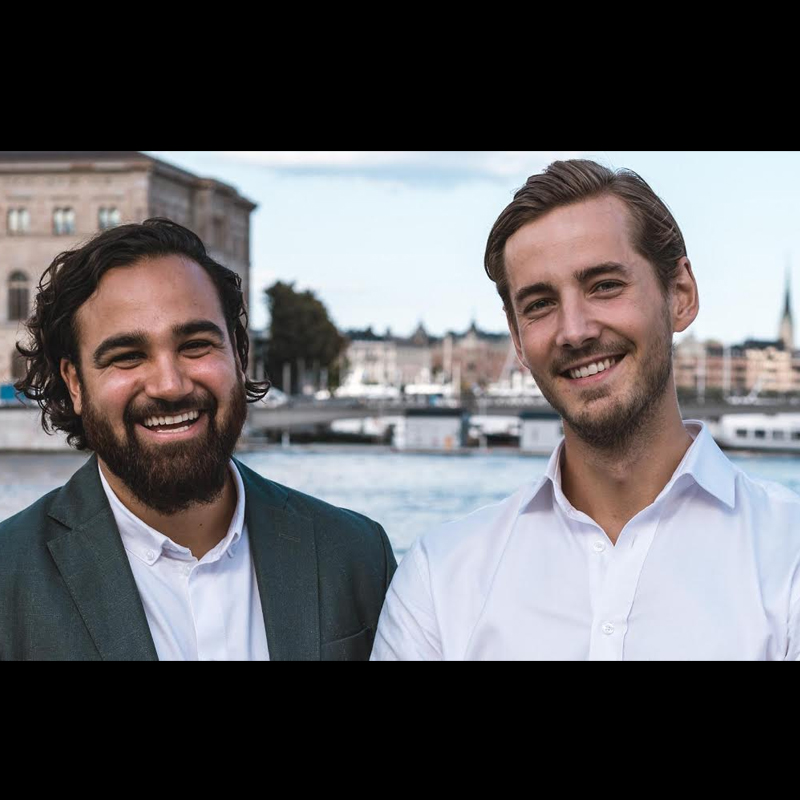
    MUMBAI: Taking the trend of influencer marketing one step further by introducing real brand loyalists and customers in the paradigm, the world’s first crowd marketing platform, Brandie recently entered India after creating a lot of buzz in Sweden and the US.

    Indiantelevision.com took the opportunity to interact with Brandie founders Pranav Kosuri and Douglas Andersson to understand what Brandie is all about and how it can prove useful in attracting a larger consumer base to partner brands. The duo shared insights into a number of aspect related to the company including their strategies, plans, and the basic business module.

    Speaking about the idea behind Brandie, Kosuri and Andersson revealed, “Brandie was created after testing and analysing the brand’s main source of revenue and what actually affects the bulk number of sales.”

    They elaborated, “We believe that every voice has a value no matter the size of social following. In fact, the most powerful way to influence people's purchasing decisions is through friends and family. We reckon that people already are actively sharing their positive experiences with the brands they love and thought that they deserve to be acknowledged by the brands for that.”

    “Thus, playing on this concept of word-of-mouth marketing we decided to provide a powerful tool where brands’ loyal fans can be rewarded by opting into a social media loyalty program where they earn points depending on the content they create and share to social media. When we then introduced the Brandie tool the brands could see a consistent increase in sales with a decreased media spend in traditional media channels. Our mission is to democratise marketing and help brands that are loved by their customers, grow and get the exposure they deserve," the pair added.

    On being asked what are their expectations from the Indian market, given it is quite different from their past two ventures, the duo said, “We see a great product-market fit for Brandie in India; both from the brands point of view and user point of view. Our market test in the Indian souk has proven to us that we can expect great traction here for the Brandie tool.”

    Highlighting their strategy to win over the Indian market, Kosuri and Andersson noted that brand loyalty and community building are currently high up on the agenda. "We also see that for consumers the behaviour of wanting to be associated with the brands they love is closely linked to the social media behaviour of the Indian youth today.  We are growing our operations in a controlled and orderly fashion tuning the Brandie tool to meet our initial partner's needs before we expand; we also want to make sure that the users get the best experience possible before scaling. Brandie is the platform and tool for brands to engage and reward their loyal customers and fans, not for discount hunters and the masses.”

    Brandie has entered India with a very impressive portfolio of 11 highly stylish and popular brands, including Anand Ahuja’s Bhaane, Pipa Bella, Le15 Patisserie by Pooja Dhingra, and Godrej Nature’s Basket among others. But what made the two to zero in on these names?

    To this Kosuri and Andersson replied, “The brands are carefully selected by our team. They have been identified as trendsetters and market leaders within their respective verticals. In the process of selecting these companies, we have looked for partners that have a strong digital strategy, a strong brand and who we believe will be able to grow their presence on social media.”

    On being quipped what other brands can one see entering this lavish portfolio the duo asserted, that currently, no new brands are being added to the Brandie platform since the primary focus is on launching partners' success. However, the response from brands since we went live here in India has been tremendous and the inbound traffic of other brands requesting to join has been overwhelming. Since Brandie is an exclusive platform we have a pipeline and evaluation phase for brands that have requested to join and our team is gauging and assessing their profiles basis which we will incorporate them into the programme.”

    India is a market of interest for a lot of brands that Brandie has worked with in Europe and the US, some already having a presence in the Indian market. "You will be seeing a lot of international brands from Europe and the US joining Brandie in the near future,” they added.

    How does Brandie stack up against today's influence marketing model? To this, Kosuri and Andersson had an interesting perception to share. They said, “Definitely, traditional influencer marketing is a powerful tool when used in the correct way. However, the effectiveness and return on investment (ROI) can be debated. We see that integrating a real consumer in the marketing efforts makes all the difference; by having genuine customers as an integral part of your strategy building and growing, the brand resonates better with the early majority/majority on the bell curve of marketing.”

    Not only does Brandie help one get mass adoption of the product, it also gives insight into how the actual customers are communicating around the brand to their friends and family. "This is something that, today, is lost on brands since the majority of social media accounts for regular people, meaning not public figures, are private accounts and brands don't see the content being shared by them. With Brandie, the brands are now able to see this content and with our photo recognition tools and machine learning products, we are able to provide invaluable insights on how to adapt their marketing strategies,” the duo contended.

    Kosuri and Andersson went on to conclude, “Brandie is a tool digitising the concept of word-of-mouth and we think that our tool is the most cost-effective and powerful one. Therefore, we put our ‘money where our mouths are’, meaning that in the coming months, when we decide to start communicating about Brandie outside our partners' existing communities, our primary tool to help brands reach a larger audience is through our own tool, Brandie.”

  • Influencer marketing firms will always be in beta: BuzzOne founder

    Influencer marketing firms will always be in beta: BuzzOne founder

    MUMBAI: Influencer marketing is one of the fastest growing phenomena in the marketing mix of brands today. As per ‘The Influence Report’ released by Zefmo Media Private Limited in 2018, 89 per cent of marketers believe that influencer marketing is effective in driving brand message across, and 62 per cent were planning their budgetary allocation towards engaging social influencers.

    Peer-to-peer interaction, an influx of trust from people with whom the customers can relate to on a personal level and comparatively lower cost to get engagement on digital platforms are some of the few factors that have been propelling the growth of this medium. To get some more insight into how this whole gamut of social influencing works, what the ticks and tricks of the trade are, and how can the brands make maximum out of this trend, Indiantelevision.com got into a candid conversation with BuzzOne Infuencer Marketing’s founder and CEO Sanjay Vasudeva on a rainy afternoon in Delhi.

    Vasudev started BuzzOne Influencer Marketing a few years back as a one-stop marketplace for brands and influencers to create conversations on social media using the great reach the latter had on various platforms. Over the years, the agency has created successful campaigns for a number of brands including Volkswagen, Nissan, Veet, Kissan, Britannia, ICICI and Future Generali, among others.

    Since then, it has come a long way. What has made influencer marketing popular today? Vasudev says, “Influencer marketing is social word of mouth. If you compare all the media of communications—be it print, TV, or digital—word-of-mouth has always been considered the biggest and most powerful of them all. I will give you a simple example; when you want to buy a car, you take opinions from your peers or family members who already have bought it and are using it. That’s how most of us make our choices.”

    He added that brands want more conversation on social media and influencers accelerate it by conveying the brand message in a style relatable to their followers.

    Sanjay contributes this exemplary growth to the dynamism of the industry as well. He mentions, “When we started four years back, influencer marketing was still in its infancy. It was based mostly around Twitter. But now, the spectrum has become so much larger; you have Instagram, Facebook, YouTube, and of course newer platforms like Snapchat and TikTok.”

    He adds, “Looking at this what I can say is that in the app business, we will always be in beta because platforms would keep changing and also new platforms would emerge. The platforms which were there earlier would become not so popular, for example, we have seen Twitter going down.”

    On being asked how does the influencer marketing firm like his keep pace with this dynamic shift, Vasudev says, “We have a propriety tool by which we keep a constant vigil on what kind of influencers are doing what and on what platforms. We then bucket them into various categories and genera. Further, the brands also have a point of view on certain influencers and platforms. We do our best to provide them with the best match.”

    Vasudeva also shares the perfect recipe to sort out the best face and medium to associate with any campaign. He notes, “Essentially, the first filter that should happen is to look at in what space the brand is operating and in what space it wants the communication to happen. For example, if an automobile brand wants to talk about the core features of the car, then it will be an automobile blogger’s dialogue. But if the same automobile brand wants to promote itself from the lifestyle perspective, then we will either pick people who talk about lifestyle or sometimes, maybe, fashion bloggers.”

    “Also, the biggest trend nowadays is that the content is moving from static images to videos. Thus, bloggers are becoming lesser and lesser relevant as people do not have time to read long write-ups. With content getting shorter, the impact of platforms like Instagram is gaining momentum. Another amazing platform is TikTok. The only problem with TikTok is that it doesn’t have any reporting API’s to keep a tab on the performance of the videos but it is still one of the most used platforms by influencers. It gives greater views at a much less cost than any other platform,” he shares.

    On a final note, he said that brands should not try to push their own ideas of the kind of content that influencers should create. “An influencer is very loyal to its audience and knows what kind of content works with them. Thus, brands should be very careful about their demands and should allow them to create content in their own style.”

  • Blogmint launches responsible blogging adoption programme

    Blogmint launches responsible blogging adoption programme

    MUMBAI: Blogmint, India’s 1st automated marketplace that connects brands with bloggers, vloggers and micro-bloggers has launched a pan India program to educate social influencers on the adoption of Responsible Blogging. Influencer Marketing, which is already a global marketing phenomenon is increasingly being adopted in India and there is an urgent need for Influencers to adopt the ethical ways of promoting content be it on blogs, vlogs or micro-blogs.


    Influencer Marketing is the fastest growing channel for digital customer acquisition as per a recent publication in AdWeek. As a consequence, Indian brands are increasingly engaging social media influencers as part of their marketing mix for creating brand awareness and product launches. The rationale is that the new age consumers spend more time online and digital starts have more appeal to them than traditional stars. A feedback from social influencers is akin to what a recommendation from family members and peer groups use to do earlier. As their opinions are followed by thousands, it becomes utmost necessary for social influencers to share their opinions in a responsible and ethical way.  


    The campaign is backed by a series of workshops with social influencers across India and a knowledge center that propagates the message in the social influencer community. 


    Irfan Khan, CEO, Blogmint.com said, “Blogmint being India’s leading influencer Marketing platform considers Responsible Blogging adoption program as a duty it has to fulfill to ensure content guidelines are in place much before there is a specific law for it.” 


    Blogmint has suggested specific guidelines that an influencer needs to follow ranging from respecting copyright and tax laws to disclosing professional relationships to considering the implications of what they write. The effort will lead to cementing the trust and transparency between social stars like bloggers, vloggers and micro-bloggers and their followers.