Tag: influencer marketing

  • Amazon Prime Video launches #TheFamilyManJobHunt

    Amazon Prime Video launches #TheFamilyManJobHunt

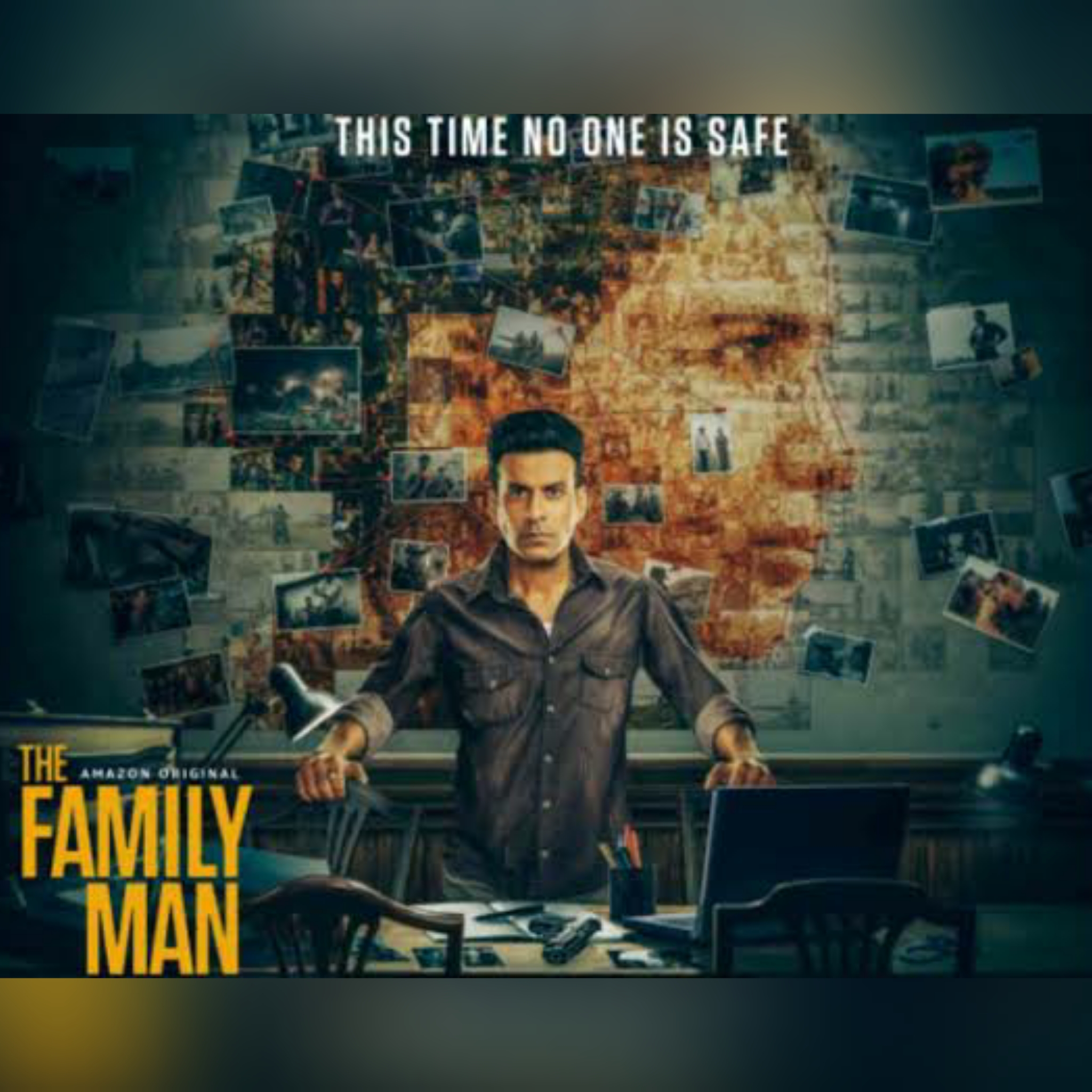
    KOLKATA: As we inch closer to the release of the new season of the eagerly awaited Amazon original series – The Family Man, Amazon Prime Video has launched an innovative engagement initiative with India Inc. and startups to stir-up the excitement quotient for the series.

    Titled #TheFamilyManJobHunt, this unique influencer campaign follows Srikant Tiwari’s (Manoj Bajpayee’s character in the series) quest for a new job, with him being interviewed by business stalwarts like Ritesh Agarwal, founder & chief executive officer of OYO Hotels & Homes, Manu Kumar Jain, vice president of Xiaomi, Kabeer Biswas, chief executive officer & co-founder of Dunzo and Ankur Warikoo, co-founder of Nearbuy. The engagement initiative picks up from last season’s story-arc where Srikant faces an uphill task of finding a decent desk job for himself, having just quit TASC (a fictitious arm of the Indian intelligence agency) to spend time with his family.

    Kick-starting the digital campaign, lead actor Manoj Bajpayee took to his social media to share that Srikant Tiwari has finally chosen to be an ideal Family Man and is on the lookout for a corporate job. His post triggered a round of fun and quirky conversations among fans, celebrities and social media influencers who replied to his tweets with bizarre job recommendations. Industry leaders like Ankur Warikoo (Nearbuy), Kabeer Biswas (Dunzo), Ritesh Agarwal (OYO) and Manu Kumar Jain (Xiaomi) are seen joining in the fun banter as well, proposing to interview Srikant. What follows are a series of interesting virtual interviews with these renowned business leaders that has created quite the stir in the corporate world and even amongst internet users.
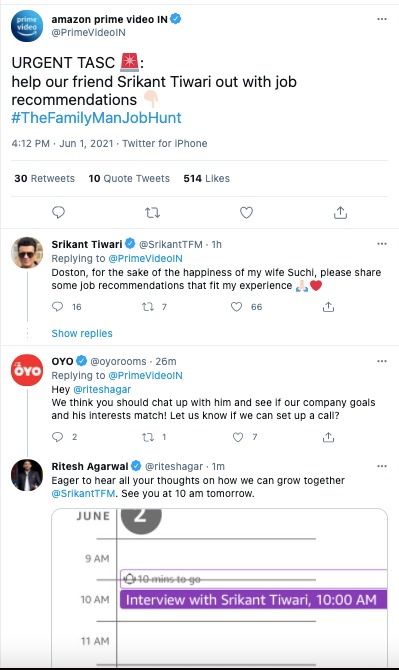
    Nearbuy co-founder Ankur Warikoo said, “Srikant (Manoj Bajpayee’s character in the show) is a super talented guy. (I) would have loved for him to be part of Nearbuy. Not sure why the reference checks aspect of his interview made him get all weird. Love such talent, sad he could not join us!”
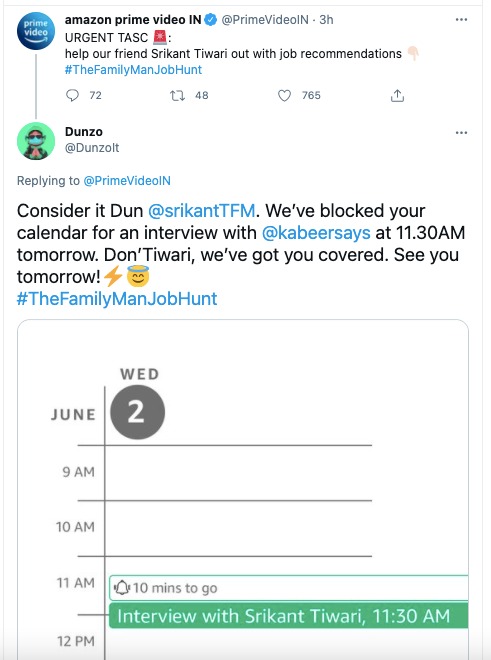
    Dunzo CEO & co-founder Kabeer Biswas said, “Working with The Family Man team has been a thrilling experience much like the show itself.  It was a natural extension for Dunzo – through the pandemic, our team has worked to keep Indian citizens safe. No mean-feat, if you think about it! Just like Srikant, we have had to balance multiple priorities. As we continue to deliver essentials across the country, we’re sure that the series will deliver on the intrigue and entertainment it did with the first season. And Srikant, the job offer is always open!” 
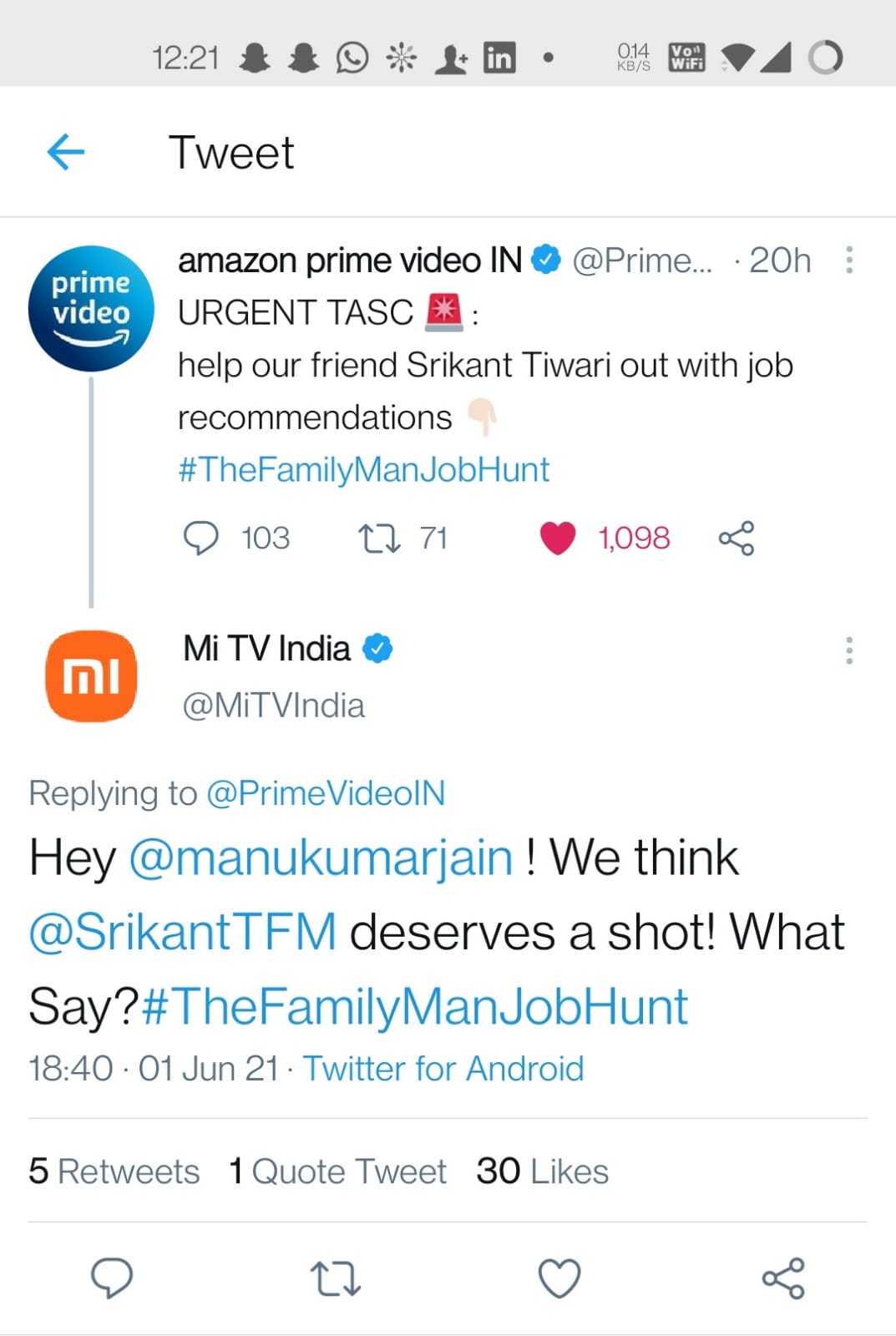
    Xiaomi vice president Manu Kumar Jain added, “It was an absolute delight to collaborate with the team of Amazon Prime Video for the upcoming season of The Family Man. It was great to have Srikant interview with us. He promises to be a high performing individual both on reel and in real life much like Mi TV, India’s no. 1 smart TV brand. We are confident that with the passion he has, the new season of The Family Man will continue to be one of the most popular shows amongst the audiences.”

    Amazon Prime Video India, marketing director Sushant Sreeram said, “As India’s much loved video streaming service, we have had the opportunity to build immersive worlds for our viewers with blockbuster series like The Family Man. A big part of building that on-going relationship with our viewers is to bring elements from reel life to real life and vice-versa. Srikant Tiwari (being) on a job-hunt is just that – a much loved character doing something many of us have experienced in real life. We had a ball working with leaders of some of the most exciting startups in the country right now, putting together this fun job-hunt campaign for our customers. Who is going to hire the not-so-minimum guy? Tune in to Amazon Prime Video on the 4th of June to find out!”
  • QYOU Media to acquire influencer marketing firm Chtrbox

    QYOU Media to acquire influencer marketing firm Chtrbox

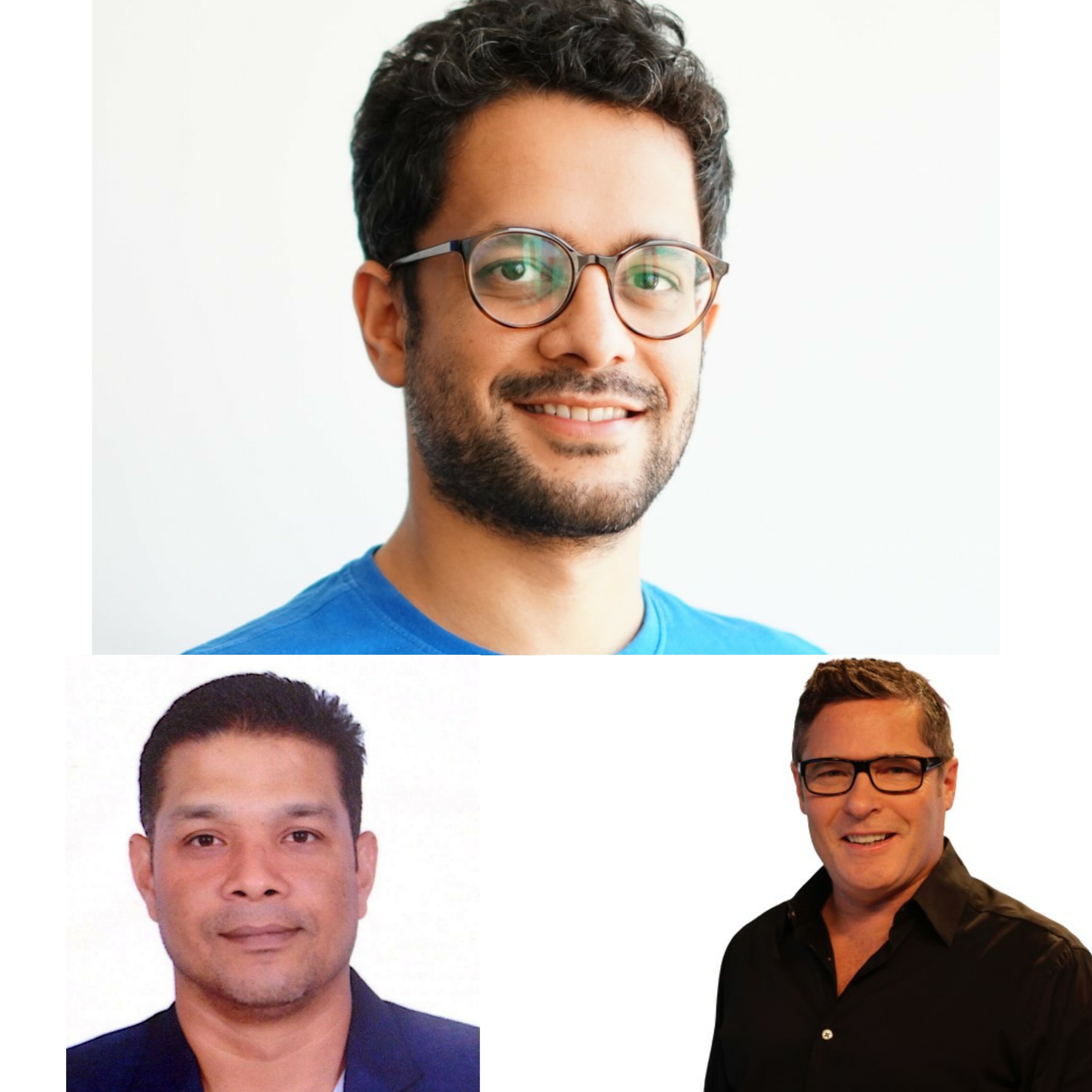
    Mumbai: QYOU Media Inc on Tuesday announced that it has entered into a definitive share purchase agreement to acquire leading Influencer marketing company Chtrbox in India.

    The acquisition is part of the company’s continued focus on India, and in the creator economy and content domain. QYOU Media will initially purchase a majority stake in Chtrbox, with a three year earn out. Founder and CEO Pranay Swarup and COO Julie Kriegshaber will continue in their leadership roles with Chtrbox.

    Founded in 2016 Chtrbox is a data-driven influencer marketing, with a diverse pool of over three lakh influencers, from celebrities, social media stars, Gen-Z creators to micro and nano influencers. According to the company, it will continue to run as an independently positioned brand, while benefiting from QYOU Media’s complementary businesses including the TV channel – The Q.

    Highlighting the common goals shared by the companies QYOU Media Inc., CEO and co-founder, Curt Marvis, said collective synergies between the two businesses could not be better aligned. “Our channel in India, The Q, with its massive recent ratings growth shows the power of the right creator led content. When we combine this with Chtrbox’s digital acumen and unparalleled knowledge of the world of influencer marketing, it is truly a match made in heaven,” he said.

    QYOU Media has been built with ‘influencers’ at its core. Its India TV Channel, The Q is also primarily creator-led and records nearly 100 million viewer impressions weekly. The acquisition is aimed at substantial expansion of QYOU’s influencer marketing business in India and also deliver immediate and accretive capabilities to QYOU’s India broadcast operations, said the company.

    Chtrbox, CEO and founder, Pranay Swarup said, “With QYOU, we gain access to massive distribution reaching millions of households, while we continue to power awesome creator-led content across digital platforms and apps. Our biggest stakeholders are influencers and brands and they now have the opportunity to positively influence millions more.”

    The Q India, chief operating officer, Krishna Menon said, “Chtrbox will also help strengthen our presence in the rapidly rising digital streaming space. Together, we are perfectly positioned to consolidate and advance influencer marketing, content development, distribution and engagement to the next level in India. We welcome Chtrbox to The Q family.”

  • “Need of the hour”- industry hails ASCI’s new guidelines

    “Need of the hour”- industry hails ASCI’s new guidelines

    MUMBAI: Is the party over for influencer marketing in India? Or does it get bigger hereon? These are some of the questions playing in the minds of industry players and consumers as the Advertising regulatory body (ASCI) unveiled its long-overdue guidelines for influencer advertising, here on Thursday. The new rules come into effect on 14 June.

    The Influencer advertising market in India is booming across social media platforms and is estimated to be worth $75-100 million, as per digital marketing agency AdLift. And, it’s only getting bigger. With people unable to indulge in retail therapy and check products & services in person, watching an influencer talk about the product or following the social media talk seems like the next best option for many.

    Brands too have recognised its burgeoning potential and allocated a significant share of their digital ad spend on the segment. Needless to say, Influencer marketing does help a brand in multiple ways. Apart from product trials and reflections, it helps them bring out their brand’s story organically and establish trust with their target audience. In fact, as per Forbes 54 per cent of people have visited a website to purchase after seeing a product or service mentioned on Instagram.

    However, there was no way for consumers to make a distinction between promotional content for a brand and genuine user-generated content- unless the influencer chose to make the disclosure. Well, all that is going to change now.

    The new ASCI guidelines make it mandatory for social media influencers to label the promotional content they post: “All advertisements published by them on their accounts must carry a disclosure label that clearly identifies it as an advertisement.” And it is not limited to “monetary compensation”, but “anything of value given to mention or talk about the Advertiser’s product or service, like free or discounted products or service or other perks.”

    So what does the industry have to say about these regulations in what was so far a free-for-all market?

    “It is a step forward in the right direction,” says branded content marketplace Do Your Thng founder Ankit Agarwal. “The blurring of the line between ads and simple user-generated content needed to be corrected. Users not only have the right to know the difference between the two, but it was also their demand. Besides helping bolster the trust audiences were increasingly haemorrhaging in content creators, the guidelines will hold brands and marketers more accountable. I am gratified ASCI has moved the needle in organizing a niche where entropy was just about beginning to reign supreme.”

    According to ClanConnect co-founder & COO Kunal Kishore Sinha, the guidelines will shape the future of sponsored posts and influencer-brand collaborations in India. “Going forth, consumers can expect much more transparency as they navigate through the social media universe. On our part, we are geared up to guide influencers through the intricacies of the newly-launched guidelines, helping them meet all the requirements so they can focus on what they do best – create impactful content,” he says.

    Whoppl managing partner Jennifer Mulchandani says agencies now need to make sure brands & influencers still stand out by staying relevant and engaging their audience through content that resonates with them. “It’s important to pick the right influencer mix that caters to the specific TG that would benefit from the product in question, and not just result in a sale for the brand but also greatly positively impact the consumer, thereby using their power of influencer responsibly,” she adds.

    According to SoCheers director Rajni Daswani, many brands are still averse to the whole #Ad & #Sponsored and may now start drawing parallel compared to paid media, which might see the investment in influencer marketing take a slight hit, after the phenomenal growth year that it had in last few years. “The guidelines could be like a double-edged sword for creators as influencers/creators who are doing a lot of branded content might see a hit in their engagement & reach numbers, but quality content will continue to win nonetheless,” adds Daswani.

    Terming it as the need of the hour, OpraahFx founder Pranav Panpalia says it will also help elevate creators’ reputation and help brands to connect to their exact audience set while aiding consumers to make informed decisions. “Giving a disclaimer of a brand being promoted (prior to the content), helps viewers make an upfront choice about whether they want to continue to consume the said promotional content. Continuing to consume such content simply implies that s/he indeed is interested to listen to the brand’s promotional pitch,” he says.

    However, industry experts also believe that there may be some teething issues during the initial days and the content creator also has to know in detail what they are marketing to their audience and exercise a sense of responsibility, says Divo founder and director Shahir Muneer.

    Influencers, on their part, have also welcomed the move, albeit a tad cautiously. According to some influencers, the guidelines put more onus on the creator than on the brand and could lead to a disengagement of a section of their audience, once they realise its paid content. Some voiced their concern on social media, that even when they organically endorse a product or service, it could be misconstrued by their followers as a mere sponsored promotion.

    Some like Nikunj Lotia, popularly known as BeYouNick told a publication that brands are often involved in specific parts of the content, instead of the entire, and labelling it may confuse the audience.

    Allaying fears that it might restrict creativity, Grapes Digital founder & CEO Himanshu Arya says, consumers are smart enough to make a distinction between a material connection and an organic post. “It is the first step towards making transparency and trust the ethos of influencer marketing,” says Arya.

  • AcneStar face wash launches digital campaign with regional influencers

    AcneStar face wash launches digital campaign with regional influencers

    Mumbai: AcneStar face wash from the house of Mankind Pharma has streamlined its marketing strategy with digital campaigns on their YouTube and social media platforms. The brand has come up with a digital campaign with regional influencers to leverage different audience bases from their digital affinities and demographics.

    With the rise in the number of internet users in India, the brand has decided to adopt newer languages to engage with their audience in their local language. To capture the different regional speaking markets the brand has collaborated with four leading actresses from different regional markets.

    The brand has collaborated with model, actor, and singer Himanshi Khurana who has worked in Punjabi-language films to boost brand affinity in the Hindi and Punjabi speaking market. Another actress who has predominantly appeared in Kannada, Telugu, and Tamil language films, Pranitha Subhash for the southern region has also been roped in. Priyanka Sarkar, a Bengali film actress will help the brand to double down its presence in the Bengali speaking audience and to tap into the Marathi speaking audience the brand has leveraged actress Hruta Durgule.

    Keeping in mind the diverse audiences across the country, the brand has planned to rope in more regional influencers in the coming days to establish a stronger presence across the nation. The campaign is designed and planned based on consumer insights and learnings from the past campaigns, it said on Monday.

    Mankind Pharma, general manager, sales & marketing Joy Chatterjee said, “AcneStar is an anti-inflammatory and antibacterial face wash which plays an important role in everyone’s life and we are trying to create awareness for our brand through a regional approach. We are confident that this campaign will help us build deeper and newer connections with our audiences.”

  • How MX TakaTak plans to sustain its initial success

    How MX TakaTak plans to sustain its initial success

    KOLKATA: MX Player entered the short video race with the launch of MX TakaTak when the Indian audience was looking for a TikTok alternative. It was just one aspirant among a bunch of homegrown apps that were looking to fill the void created by the abrupt ban on Chinese-origin apps. These short form video platforms have been aggressive in customer acquisition but some of them clearly have emerged as leaders; MX TakaTak is one of them.

    It is comparatively easy to acquire a bunch of new users but much harder to retain them. The homegrown short video app is focusing on a couple of factors to hold on to the initial success; consumer experience, creation experience being key components of the strategy, said MX TakaTak business head Janhavi Parikh.

    “One is consumption experience on the platform, that is driven by content, content partnerships as well as the creators that we onboard. It is also driven by our ability to provide the right kind of recommendations to the users so that they get the content they are looking to consume. Those are two very big focus areas for us – building our content and continuing to improve our recommendation,” she elaborated.

    The platform is focusing on the right kind of tools, effects, filters, video editing capabilities to help create better content and retain top creators on the platform. Moreover, there is another segment of creators who are not professional, but just enjoy creating content. For the second segment, MX TakaTak is trying to build a product that can be used easily as the platform has a huge number of long-tail creators as well, Parikh added.

    A recent study by RedSeer Consulting had quantified the market leadership enjoyed by MX TakaTak. Interestingly, the report said the app leads in the net promoter score in the metro cities as opposed to the common notion that “I don’t think it is necessarily just metro cities, we have quite a wide audience” held by its peers.

    “Compared to some other players in the market, we are viewed as a good alternative or a good option because of the kind of content, creators we have onboarded so far,” Parikh remarked, further cementing the claim by adding that MX TakaTak has welcomed 11-12 influencers out of the top 20 former TikTok stars.

    The content they create sort of addresses the sensibility of the metro audience, she noted. In addition to that, the app has managed to create a high quality product from camera, effects, as well as overall user experience perspective which has played a critical role to attract those consumers.

    Is it helping the platform rope in premium brands? There are such brands carrying out campaign experiments on the platform but a number of long-tail of brands are also interested in working with MX TakaTak, Parikh claimed. “Because our audience is very large that cuts across all demographics. We have the premium brands on board with us because short video is such a high engagement platform but we also have other brands interested to work with us,” she stated. Nonetheless, it’s very early days for them from a monetisation perspective.

    Right now, most of the traction for MX TakaTak is coming from the Hindi-speaking market, followed by Maharashtra, Gujarat, South India. As part of its push into building regional content and diversity, the platform has started to focus and onboard creators in south India. However, 60-70 per cent focus is on Hindi content currently, followed by regional content.

    One of the major initiatives that has driven engagement for the app is the Famehouse property. The idea is to create a location where creators from different backgrounds, different stages in their career can come and collaborate, create very engaging content, detailed Parikh. This a very exciting proposition for creators as small-scale influencers get to meet some of the larger creators and learn from each other.

    “As long as we sort of focus on the user experience and keep creating a quality supply of content on the platform, make sure the environment is safe for users which we are doing through a variety of steps, there is a huge opportunity to grow,” Parikh signed off.

  • Nearly 60% of Indian CMOs have dedicated budgets for influencer marketing, study finds

    Nearly 60% of Indian CMOs have dedicated budgets for influencer marketing, study finds

    NEW DELHI: The growing affinity of consumers towards digital platforms to connect with brands has elevated the popularity of influencer activities in India. Moreover, the Covid2019 outbreak has made brands focus more on affirming their online presence, and it has made influencers a part of the mainstream marketing plans. And now, a new study conducted by AI-driven influencer marketing platform ClanConnect.ai has found that more than half (58.7 per cent) of Indian CMOs have dedicated budgets for influencer marketing in 2021. 

    According to the report, 78 per cent of marketing leaders leveraged influencer marketing in 2020, while a little over 13 per cent dabbled in the segment for the first time last year. Interestingly, 52 per cent of brands engaged more than 10 influencers in 2020, which coincides with the accelerated growth of the sector in the last year.

    The study found that budgets allocated to influencer marketing grew significantly in 2020 as compared to 2019. In fact, 39.13 per cent of the CMOs mentioned an increase in spends on influencer marketing. The other 60.87 per cent saw no change in spends between 2019 and 2020. Furthermore, more than 50 per cent of the respondents increased their marketing spends in 2020, a clear indication of the growing trust that industry-leading brands are placing in influencers for bolstering their brand message among the target audience. 

    58.7 per cent of CMOs are allocating separate budgets for influencer activities in their 2021 marketing plans. Simultaneously, 52.17 per cent have decided to increase spends in 2021 as compared to 2020. It is not surprising, then, that almost 90 per cent of CMOs are considering aligning up to a quarter of their entire marketing budget towards influencer-led activities in the current year. Moreover, over half of the respondents are interested in increasing budgets by up to 25 per cent in 2021. 

    While 50 per cent of the respondents find Instagram to be the most effective platform for these campaigns, 23.91 per cent prefer LinkedIn, and 15.22 per cent identify YouTube as their go-to platform. 

    In another interesting finding, the survey revealed that almost 87 per cent marketing heads prefer to conduct up to 25 per cent of their influencer campaigns with micro-influencers. This proves that brands prefer to engage with influencers who have a dedicated, loyal following even if the number of followers does not go into the millions. 

    Over 41 per cent of brands have taken the onus of managing influencer marketing mandates. On the flipside, 15 per cent of them are employing dedicated influencer marketing platforms and marketplaces to create and manage highly targeted and impactful campaigns. However, 89.13 per cent of CMOs are concerned about influencer fraud in the form of fake followers and engagement.

    "Influencer marketing is at the cusp of exponential growth. It is the veritable future of marketing, a fact that is evident from this first-of-its-kind survey report," said ClanConnect.ai co-founder and COO Kunal Kishore Sinha. 

  • Influencer marketing ready to explode in India: ClanConnect’s Kunal Kishore Sinha

    Influencer marketing ready to explode in India: ClanConnect’s Kunal Kishore Sinha

    MUMBAI: Even as the economy and businesses were reeling under the global upheaval in 2020, there were some that saw an opportunity in the disruption and took off during this tumultuous period. One such business was ClanConnect, a start-up born during the lockdown. Inspired by the growing investor interest in the digital and influencer marketing sector and the sustained visibility of brands on it during the lockdown, the ClanConnect team decided to take the plunge six months earlier than they had initially planned. In an in-depth conversation with Indiantelevision.com’s Anupama Sajeet, ClanConnect COO and co-founder Kunal Kishore Sinha talked about the booming influencer marketing industry, the impact of the recent ASCII guidelines, and how the fledgling firm plans to transform the digital marketing landscape with artificial intelligence and machine learning.

    Edited excerpts:

    On ClanConnect’s business model and what it means to be ‘India’s only AI-driven influencer marketing agency’.

    Influencer Marketing (IM) is in its infancy in India right now. It has opened up lots of opportunities for brands to connect with their consumers. But, it remains largely unorganised, which also led to fraudulent activities as creators began exploring unethical means to increase their followers. There was no scientific method to decide which influencer would be most suitable for a brand or campaign.

    We started ClanConnect to make this entire process more scientific with the help of machine learning. We came up with a marketplace where a brand has all possible tools to discover the right influencer for its campaign, engage with them online and also help them to manage its entire end-to-end campaign in an automated form.

    The technology engine is an amalgamation of some of the leading influencers across scale, categories, and geographies. Our AI recommendation tool can pull out any data point of any influencer with a following of more than 1000, across any geography in less than 24 hours. It also distinguishes between genuine and fake followers. We are trying to build an ecosystem where technology becomes the big differentiator.

    On the size of the influencer-driven market in India and globally.

    A global survey done by Business Insider on 5,000 marketers showed that 80 per cent of the marketers budgeted 10 per cent of their total advertising spend in influencer marketing. Globally, the influencer marketing spend was $9.7 billion for 2020 and it is expected to go up to $13.8 billion in 2021. It can be more in the case of some categories like online gaming. In 2019, the ad spend on gaming influencers in the US was $849 million. In India, companies engaging in mobile phones, automobiles, fashion, lifestyle, entertainment use a huge chunk of their ad spend on this segment.

    Two platforms have emerged in a big way – Twitch, an online game streaming company, and TikTok, though the latter has been banned in India. There are Indian companies like Rooter which provide a platform for online gamers to stream their game. With the increasing number of user-generated content platforms, there will be more and more content creators and this will translate into more advertising budgets. So this market is only going to explode.

    On the Tiktok ban effect.

    We were going live with our Instagram and YouTube and our next platform was TikTok. But, by the time we were ready with the TikTok platform engagement, it was banned and our six months of technology development work went down the drain. By far, TikTok is leading in the global IM space in terms of ad marketing spend. We are hopeful that other equivalent players will emerge. In short video format, we already have Instagram Reels, Mitron, Chingari, Moj, and some other local players. Each of them has some share of the market. The scale of the market is huge and I am sure brands are not going to wait to invest in it.

    On the new ASCII guidelines and challenges it entails for the industry.

    ASCII came out with these policies because they realised that influencer marketing was becoming a mainstream advertising space. We welcome this move because it highlights the potential of this market. We do not expect the guidelines to affect the influencer business per se, because most influencers anyways tag the brand while sharing a post. Instagram had, in fact, started this concept of tagging the brand when it’s a paid content much before ASCII came out with the policy.

    Also, I do not think any brand wishes to short-change their users by pushing something as organic when it’s a paid content. The influencers too want to ensure authenticity in their content. Now, if the influencer can provide visibility and awareness to a product that helps translate into sales, it generates RoI. It does not change if they mark it as a sponsored content. I believe this is going to help the market to become better. The problem, however, lies in implementation as there is still a grey area as to what is organic and what is paid content. How will you define the transaction between two parties when it’s a self-regulatory guideline? That will be a challenge for ASCII.

    On the way ahead for digital IM trend for consumers and brands.

    We are starting to see brands – be it hotels or cruise companies – who want to get their customers back after a year of bad business and less revenue. But they want to do it at a cost that has a larger RoI. They are following a cautious, focused approach. We have also had brands that had not experimented with influencer marketing until the lockdown happened. They saw the impact of the campaign on digital and increased their budget for influencer marketing.

    There are many young start-up d2c (direct to customer) brands, whose influencer spend is as much as 50 per cent of their total marketing spend. This is only going to grow. The pandemic opened up opportunities, which were previously not considered by the brand managers. Even in a back to pre-Covid scenario, the immersive valuation that an influencer could bring about a product or service would be difficult to achieve through say, an outdoor campaign, internet banner, or a newspaper ad. So there will always be space for all categories of advertising, including influencer marketing, in times to come. And just like digital marketing fought for its place in the past, this is a digital disruption that will eventually become the mainstay.

  • Punjabi singer-actor Parmish Verma partners with Jeevansathi

    Punjabi singer-actor Parmish Verma partners with Jeevansathi

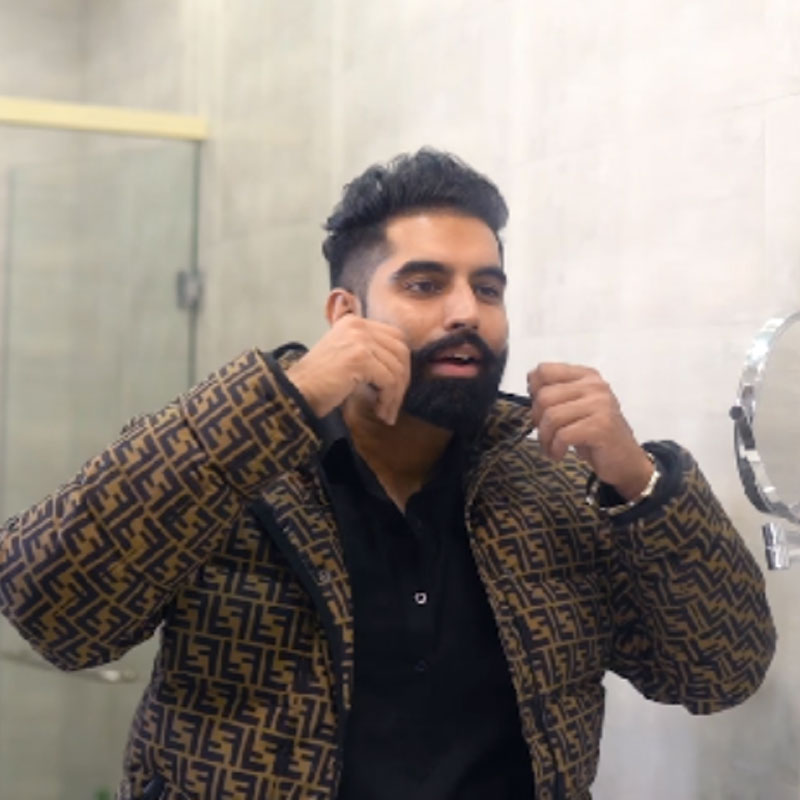
    NEW DELHI: Matrimonial platform Jeevansathi.com has roped in Parmish Verma, a celebrated Punjabi singer, actor, and music director for its social media and digital brand promotions. The brand has partnered with the regional star to reach out to the Punjabi audience across north India and consolidate its leadership position in the north-west. 

    The video-led social media campaign is designed to woo the Punjabi youth who wish to find the right life-partner, but do not find enough avenues to meet prospective matches.

    Info Edge CMO Sumeet Singh said, “Parmish is a youth icon and appeals to our core audience. He fits well with our brand and lends a credible voice to Jeevansathi.com’s endeavour to help find the perfect soulmate. The idea is for the campaign to not just be mutually beneficial for the brand and the influencer, but also to give our followers the kind of content that they love to engage with.”

    Parmish Verma said, “The pandemic has impacted everyone and young people have realised the importance of companionship. For many, this has felt like the time to start the journey towards finding that special one who can love you unconditionally. With young people now getting used to doing almost everything online, I believe that a platform like Jeevansathi.com makes it really easy to choose a life-partner as per your own preferences and the best is it’s easy to use.”

    Jeevansathi has lately been focusing on influencer marketing and video campaigns with multiple celebrities. Recently, the brand also partnered with celebrity couple Debina-Gurmeet Choudhary to stress on the importance of compatibility and understanding in a long-term partnership.

  • Guest column: A favourable ROI is a must for a successful influencer engagement

    Guest column: A favourable ROI is a must for a successful influencer engagement

    It has become quite evident that influencer marketing is gaining popularity and prominence rapidly over a span of 3-4 years. There are reports after reports that depict how this form of social media marketing is growing in leaps and bounds. These reports also showcase how companies are increasingly devoting a considerable amount from their marketing budget to influencer marketing. While it has been established that influencer marketing has flourished quite a bit, it is also crucial to develop a framework to evaluate its effectiveness.

    In order for a brand to evaluate the effectiveness of an influencer engagement, it needs to focus on gaining maximum ROI in terms of reach, conversions, awareness, etc. For assessing the ROI of an influencer engagement activity, a brand needs to keep a few factors in mind.

    Firstly, the goal and objective of the marketing campaign need to be clearly established. The brand might want to reach new target audiences, improve brand advocacy, increase product sales, generate more leads, manage the reputation of the company or just simply increase brand awareness.

    Second of all, the brand should clearly establish the key performance index (KPI). This takes into account how much success the company is getting with respect to the investments it is making in an influencer engagement activity. If a brand is investing 3 lakhs in an influencer campaign and getting 6 lakh-worth of impressions, reach and other parameters, the brand has attained a KPI of 1:2 that signifies a favourable ROI.

    Thirdly, the influencer should ensure that the content created is visually and aesthetically pleasing. So all the background elements, characters, plot, props, etc. need to be in line with the campaign objectives. Along with that, they should be visually attractive to grab attention.

    After that, one needs to ensure that there is some synergy between the brand and the influencer. Apart from fulfilling the campaign objectives, the influencer should be a right for the brand’s overall tonality and ethos. For instance, an influencer who is big on spirituality and natural living may be a suitable fit for promoting a herbal soap/supplement brand. The influencer’s content and tonality will be in line with the herbal brand. Not just that, his/her followers would expect brand content similar to that.

    Lastly, a brand should be able to identify the key messaging used in the influencer engagement. Ths key messaging can act as the unique selling proposition of the influencer campaign. Whether its the dialogue delivery, the funny music or the emotions the video espouses, as long as there is a touchpoint,  the campaign ROI would be in the brand’s favour.

    So every brand should invest in an influencer engagement strategy that promises a favourable ROI as only then will the brand achieve success.

    (The author is founder & CEO, Whoppl. Indiantelevision.com may not subscribe to her views.)