Tag: influencer

  • Real Bazar pitches AI matchmaking for the creator economy

    Real Bazar pitches AI matchmaking for the creator economy

    MUMBAI:The influencer marketing game is worth $24bn, yet brands still struggle to find creators who actually suit them—and creators still struggle to get paid properly. Real Bazar, a Mumbai startup launched on October 1st, reckons it has the answer: artificial intelligence that plays cupid between companies and content-makers.

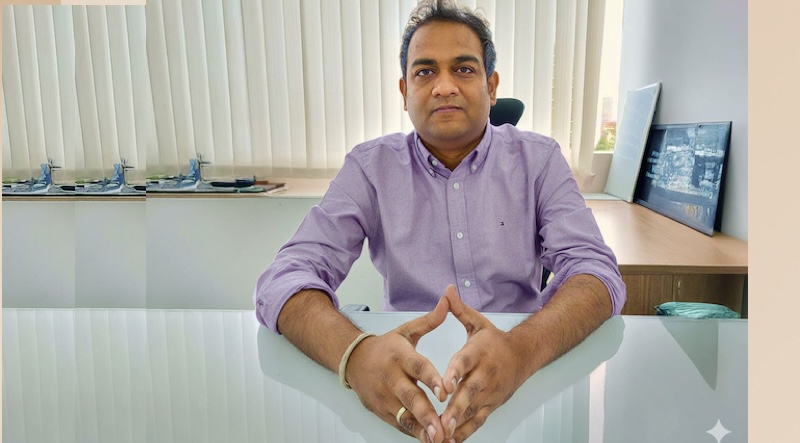
    Co-founded by Abhishek Mittal and Viraj Dave, the platform uses AI to match brands with creators whose audiences and styles align with their needs, then handles everything from brainstorming reels to tracking performance and processing payments. The pitch is simple: stop wasting time on mismatched collaborations and botched content.

    “The creator economy is at a critical inflection point,” says co-founder Mittal. Brands face mounting pressure to produce short-form video content that resonates, he argues, whilst creators struggle to monetise their work effectively. Real Bazar’s gambit is to transform what he calls “transactional collaborations” into sustained partnerships.

    The platform offers three core functions. Its AI-integrated reel studio helps companies draft and optimise video content at speed. Its matchmaking engine analyses brand objectives against creator profiles, pairing them by niche, engagement and audience fit. And its collaboration hub manages negotiations, payments and performance tracking in one place.

    Whether Real Bazar can solve influencer marketing’s thorniest problems—authenticity, transparency and return on investment—remains an open question. But in a market where brands are desperate for content that converts and creators are hungry for fair pay, the startup is betting that algorithmic efficiency beats human intuition.

    The platform launched with little fanfare beyond its press release. Time will tell whether its AI can truly decode the alchemy of viral content—or whether it simply adds another layer of technology to an already crowded market.

  • I don’t believe that every learner comes to become an artist: Artium Academy’s Ashish Joshi

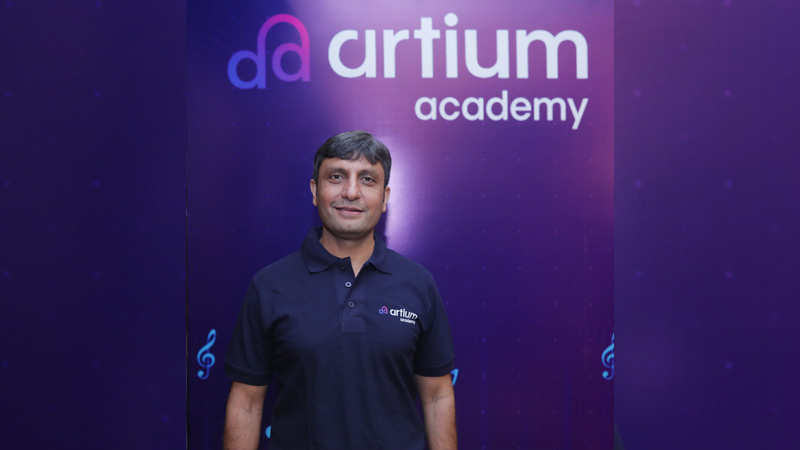
    I don’t believe that every learner comes to become an artist: Artium Academy’s Ashish Joshi

    Mumbai: As technology and artificial intelligence (AI) continue to reshape music creation, education is also evolving to keep pace with these changes. AI offers musicians advanced tools for creativity and efficiency, while independent music is gaining prominence worldwide.

    Artium Academy steps into this space, offering a forward-thinking approach to music learning. By combining modern pedagogy with AI, they provide a personalised learning experience, nurturing talent from the grassroots level. With guidance from industry legends like Sonu Nigam, Shubha Mudgal, KS Chithra, among others, Artium Academy is transforming the way music education is delivered, helping students evolve from learners to creators.

    Indiantelevision.com’s Arth Chakraborty caught up with Artium Academy founder and CEO Ashish Joshi to discuss the academy’s innovative approach to music education, the role of AI in enhancing learning experiences, the importance of nurturing talent for the independent music scene, and much more…

    Edited Excerpts:

    On the inspiration behind founding Artium Academy, and the evolution of its mission since its inception

    Despite the depth, diversity, and richness of Indian music, which is probably deeper and more diverse than the global music ecosystem, India has never had a music education brand that is truly global. Just imagine the Berklee College of Music, New York and The Juilliard School in the West. That was one of the first thoughts that came to my mind and that’s when we realised that there was also a lack of an outcome-driven education platform globally.

    What I mean is that, once you finish learning, whether on your own or through an institution, you are left to fend for yourself. There is no creative assistance, no creative guidance, or no financial support. Even if you manage to create something of your own, there’s no help with monetisation or distribution. So, the value chain was dysfunctional. Also, the current music education ecosystem in India is rigid and has not evolved. It’s not a globally standardised process like you see in the West or Southeast Asia, where programs are standardised right from school. That’s not the case in India. These were the gaps we saw, which inspired us to start Artium. Today, we are proud to be the largest outcome-driven music education platform.

    On Artium Academy differentiating itself from other music education platforms

    The outcome-led approach I mentioned is one of our key differentiators. There are a few aspects that really stand out. First, we are fortunate to have some of the top maestros in the industry, individuals who have dedicated their life, heart, and soul to music across various genres, such as Sonu Nigam, Shubha Mudgal, K.S. Chithra, Louis Banks and Aruna Sairam. These maestros have come together as part of the academic board at Artium, which is one of our biggest differentiators. The second is that we are the first outcome-driven music education platform. When I say outcomes, they come in two forms: one is a globally certified music education program, and the other is the journey from being a learner to becoming a creator, and eventually an influencer. This comprehensive vertical music play is what sets us apart from other players who are solely focused on music education.

    Additionally, we’ve launched our own music label, where we give opportunity to our talent. Every album we launch includes a collaboration between a superstar from the industry and our talent, giving them a fast track in their growth journey. So, real outcomes are being driven.

    On AI transforming music education and enhancing creativity and efficiency in music production at Artium Academy

    I wouldn’t say that we are using AI to teach learners because I still believe that the learning process is creative, and you can’t depend on AI to start teaching. However we are using AI to enable the post-class practice experience. We’ve built a picture recognition platform as part of our practice studio. So, after the class is over and the learner goes home, they have the content they learned in the class. Through the practice studio, which has an AI-enabled platform, learners can practice and submit their assignments based on the practice they’ve done.

    I feel AI plays a vital role in enabling these self-paced practice sessions when the teacher isn’t available after the live class. That’s one area where AI plays a very important role, and we’re trying to use that as much as possible. We’re also using AI for generating video content. For instance, at Juju Baby Music, all our video content is AI-enabled. This means we don’t have to go outdoors to shoot for any concepts we create around the videos; all the videos are AI-enabled or rather AI-led.

    On the current trend of underdeveloped music styles gaining popularity as compared to the polished styles valued in the past; and this trend affecting young artists’ creative processes

    I believe Lo-Fi is a format of music, but an artist doesn’t have to sing in Lo-Fi. The core process of music learning remains the same, although new genres, such as hip-hop, may be introduced along the way. However, this doesn’t change the approach to vocal training. An artist’s journey typically has two or three key phases: learning, creating (which involves songwriting), and finally, performing. The performance stage is crucial, as it requires the artist to have mastered the fundamentals during their learning phase to excel as a live performer.

    While new formats like Lo-Fi have gained popularity thanks to advancements in technology, they are more about how the music is presented than how it’s learned. Lo-Fi works because most devices can handle stereo sound well, but it’s not a style of singing. The learning process shouldn’t shift based on these evolving formats. More and more artists realise that mastering versatility is essential for them to become multi-genre singers. The nuances of these new formats are tied to production, not to the foundational aspects of learning music.

    On AI tools used in your teaching methods

    Once learners complete their live classes, they have content available on their dashboard for post-class learning. This phase focuses on the practice process, where they can use AI tools to practice with original content and receive feedback on how well they are doing with pitch, sur, and taal. We are efficiently utilising AI here and continue to evolve as we move forward on this journey.

    On Artium Academy supporting aspiring musicians in today’s rapidly evolving industry

    Most music education platforms in the world leave you to fend for yourself once you finish your learning journey. However, at Artium, we have our own music label, Juju Baby Music, where the idea is to take learners journey from being just learners to creators. Once they become creators, we help them through the entire A&R process of grooming them to be the artists of the future. We launch these talents on our own label, and in every album, we feature singles by our creators/artists, along with collaborations between our talent and maestros from the industry. This provides emerging talent with some of the finest exposure they can receive because all they need is a platform for visibility. That’s how we’re progressing with Artium Originals, with Juju Baby being a part of it.

    On Artium Academy defining and measuring success for its students, particularly in terms of their career growth in the music industry

    First, I don’t believe that every learner comes with the intention of becoming an artist; every learner has different reasons for learning. For instance, kids and their parents often want them to acquire cognitive skills, confidence, and the right growth. In that process, they may not focus on performing better.

    For us, the measurement of growth is in three formats. For a group of kids who want to acquire knowledge of music, we offer global certification programs to enable that process. For middle-aged individuals who see music education as a stress buster and seek social equity, we also facilitate their learning journey. For those who come with the intention of becoming creators or influencers of the future, there’s a specific journey we enable. As I mentioned before, these individuals move from being learners to creators.

    We provide them with creative assistance and a platform like Juju Baby Music to create and distribute their music. We also assist them in securing live shows and brand partnerships. So, the whole Juju Baby support system is what we offer to the talents who come to Artium with the intention of becoming the artists of the future.

    On the future of music education evolving and your vision for Artium Academy over the next few years

    I believe music education is growing rapidly for two key reasons. First, there’s a rising narrative among new-age parents that music education is an essential life skill for children. Much like enrolling kids in sports, more young parents are encouraging their children to start learning music as early as five or six years old. Second, India has never had a globally certified music education program, especially for Indian classical music, and I see that now emerging strongly. Moreover, with the government of India’s new education policy (NEP 2020) making music education an elective subject in CBSE and ICSE schools, this will further boost its growth.

    Overall, I see the growth of music education across different age groups and demographics as a healthy and positive trend. I also envision Artium Academy becoming the leading outcome-driven music education platform, starting with global Indians and eventually expanding across all cultures to become a truly global platform. By offering a platform for future creators, I see us as the foundation of talent, uniting creators under one umbrella within the next three to four years. Our goal is to be the largest hub for music creators, and with these creators as part of our ecosystem, we will generate significant independent music intellectual property (IP).

    In this way, we aim to build the largest independent music IP platform. On one side, we’ll be the largest education platform, on the other, the largest hub for music creators, and simultaneously, the biggest platform for producing independent music IP. That’s the future I see for Artium.

  • Niharika NM to attend the Cannes Film Festival for the third consecutive year

    Niharika NM to attend the Cannes Film Festival for the third consecutive year

    Mumbai: The prestigious Cannes Film Festival is set to witness a familiar face yet again as Niharika NM prepares to attend the iconic film festival for the third consecutive year. Niharika has become a staple at the world-renowned festival, captivating audiences and fashion enthusiasts alike with her appearances. Having made her debut in Hollywood with her cameo in Netflix’s widely popular series Big Mouth alongside Megan Thee Stallion, Jordan Peele, Padma Lakshmi earlier this year, Niharika is set to take the global stage yet again at the Cannes Film Festival.

    Her splendid selection of outfits at the Cannes Film Festival last year further solidified her status as a fashion icon, turning heads and garnering praise from critics and fans alike. Having been there twice in the last two years, Niharika is no stranger to the grandeur of the Cannes Film Festival. Following on from last year, Niharika will be dressed in outfits from the top-most designers from India and the world over like Indonesia, New York, London, Lebanon and Australia.

    Reflecting on her past Cannes experiences, Niharika shared, “Being invited to witness the grandeur of the Cannes Film Festival for the third time feels lovely. For the film enthusiast in me, it’s like a dream I don’t wake up from. I’m looking forward to experiencing cinema at its finest yet again. ” Niharika NM’s journey from newcomer to Cannes regular is a testament to her passion for the arts and her dedication to her craft. Beyond the glitz of the red carpet, she remains committed to using her platform to champion entertaining and relatable storytelling through her videos.

    Having worked with the creme-de-la-creme of the Indian film industry, right from Aamir Khan to Mahesh Babu, from Yash to Priyanka Chopra, Niharika has stamped her authority through her shareable videos. Stay tuned as Niharika NM takes Cannes by storm for the third consecutive year, promising yet another unforgettable moment at the world’s most prestigious red carpet.

  • Metaverse ecosystem opening up new influencer opportunities for brands, creators, & consumers: FleishmanHillard report

    Metaverse ecosystem opening up new influencer opportunities for brands, creators, & consumers: FleishmanHillard report

    Mumbai: FleishmanHillard and its research practice, True Global Intelligence, in partnership with Eleve Media, have released the ‘Web 3.0 Influencer and Intelligence Report 2022.’ It showcases the ways that conversation and influence are quickly changing in India around the rising evolution of the metasphere.

    Both the creator economy and the topics driving discussion of web 3.0 on social media have sharply increased over the past 12 months. The report research included a survey of over 500 influencers, content creators and select web 3.0 players from March through April 2022, in addition to the analysis of more than 12 months of social conversations. The research confirms the massive excitement around web 3.0, as well as specific areas of interest, including education, regulation and the need for re-imagined communities. 

    “Our report confirms the rapidly growing appetite for news and views about the metaverse and web 3.0-related trends. These advancements are already setting a precedent for brands and content creators who can design highly engaging and differentiated campaigns that leverage this advantage. We hope this report will increase our understanding of the subject and contribute toward the adoption of Web 3.0 in a meaningful way for brands and creators,” said FleishmanHillard India MD and partner Munavar Attari.

    The report also provides a detailed conversation analysis and an overview of the web 3.0 landscape in India.

    “Our research inspected the developments in the web 3.0 space over the past year and highlights just how dynamic the topic is, and how much open territory still exists for brand communications that satisfy this hunger. As brands adopt new technologies in web 3.0, understanding the velocity and direction of the current conversation can be valuable to start from a place of intelligence and understanding in India,” said FleishmanHillard TRUE Global Intelligence, managing director of APAC and global head of analytics Michael Rinaman.

    Major themes and findings are discussed in detail in the report, including how:

    •     The popularity of web 3.0 content reveals a dire need for a better understanding of the new generation of web technologies.
    •     The evolving landscape requires close attention to shifting conversations to understand emergent trends, nuances, and new risks.
    •     Most influencers want to create a community (web 3.0) over algorithms (web 2.0) in the metaverse.
    •     Influencers are on the lookout for next-gen tools to strengthen the creator economy.
    •     Creators and non-fungible tokens (NFTs) have paved the way for the metaverse to become an accelerated reality.
    •     Creators vote for Discord, virtual influencers, and social interactions as key web 3.0 tools.

    “Web 3.0 promises a more direct relationship between brands and consumers. And we would want brands to be equipped to experiment and explore web 3.0 platforms and opportunities. The ‘Web 3.0 Influencer & Intelligence Report 2022’ is a joint effort with FleishmanHillard in India to help brands strategically leverage this societal shift,” said Eleve Media CEO and founder Prince Khanna.

    From the web 3.0 Influencer and Intelligence Report 2022, the research from FleishmanHillard in India and Eleve demonstrates a sense of urgency that brands need to start to develop web 3.0 strategies now while there is still room for differentiation and partnership. As audiences become more familiar with web 3.0 topics such as NFTs, cryptocurrencies, blockchains, and tokens, there will be fewer opportunities to differentiate.

    Web 3.0 is set to change the influencer ecosystem and continue to drive conversation. In the report, brands can learn more about immediate opportunities to act – from embracing the key trio with creators (creation, consumption, and compensation) to crafting the right strategies and messaging to be considered relevant.

  • Brands are allocating nearly 25-30% of their budgets to influencer marketing: GroupM’s Ashwin Padmanabhan

    Brands are allocating nearly 25-30% of their budgets to influencer marketing: GroupM’s Ashwin Padmanabhan

    The advertising & media landscape in the country is evolving every day, especially with the exponential growth of all things digital during the pandemic. According to market research firm Statista, the influencer marketing industry in India- a relatively new-age advertising segment- has grown robustly and is worth Rs 9 billion, as of 2021. It is projected to grow at a compound annual growth rate (CAGR) of 25 per cent over the next five years to reach Rs 22 billion by 2025. There has also been a perceptible paradigm shift from banking on celebrity endorsers to engaging influencers for product placements in recent years.

    On the sidelines of its flagship content summit Brew, IndianTelevision.com had an in-depth conversation with GroupM’s president of partnerships and trading Ashwin Padmanabhan, to find out whether influencer marketing has finally come of age in India.

    Padmanabhan also weighs in on the importance of responsible advertising, while sharing insights on the marketing & advertising strategies brands and OTT platforms are adopting to improve the bottom lines in today’s uncertain inflationary times, with consumers tightening their purses.

    Edited Excerpts:

    On has influencer marketing reached a stage in India where brands are now keeping aside a substantial part of its annual adspend towards it

    Absolutely. If we look at our clients in the GroupM universe, currently, close to 150 odd brands actively use influencer marketing as a strategy to reach their consumers. Importantly, they are using it in more than one area. One is to drive consideration because the nature of influencer marketing is such that influencers create content which their followers are highly engaged with. That’s one of the reasons that influencers are becoming very relevant in a brand’s marketing mix: to drive engagement.

    We are also seeing some brands now moving from driving consideration to engagement to actual action, as the tech infrastructure becomes increasingly better, to enable a call-to-action where the consumer can directly click on a link to buy a service or product. So we are seeing that shift too with brands in a mid-to-lower funnel.

    In fact, during the lockdown, nobody could go out & shoot content or create TVCs, etc. That’s when we started working with a lot of brands as an alternative to traditional television commercials or traditional web commercials, and influencers became very relevant in that environment. But as brands started working with them, they realised that they can start working with influencers on a standalone basis- as an integral part of their marketing strategy, and not just because they can’t do something else. And that’s the shift that has happened in the last two years.

    On how much percentage of a brand’s annual marketing/ ad spends is allocated today to influencer marketing

    The way we look at brands right now we see three buckets of clients: There are brands which have become native to influencer marketing who allocate close to 25-30 per cent of their budgets to influencer marketing. It’s a very integral part of their marketing strategy. D2C brands make up a large mix within this, but we are seeing even FMCG and especially, personal care brands allocating more than 15-20 percent of their budgets on influencer marketing. They may not be in the top four or five, but they are surely in the mid to lower funnel range. These brands have realised that it’s a great way to create ‘Share of Voice’ (SOV). They can’t fight the ‘big boys’ in the media space, especially in the CPG (consumer packaged goods) category, SOV is very critical. And influencer marketing becomes a great tool to drive SOV. And hence these brands are over-indexed in influencer marketing than their peers, which are the larger organisations.

    Loreal- one of our clients- although a big name, in specific categories like personal care and especially in cosmetics range like Maybelline, they are highly over-indexed in influencer marketing. They had an ‘always-on’ influencer marketing strategy throughout the year. And that’s the other shift we are seeing from stand-alone campaigns. It also allows you to have a threshold level of visibility, engagement, and driving action from the consumer through the year- that’s the beauty of influencer marketing.

    Also, there’s the middle bucket of the brands which have become mature, that would have anywhere from 10 to 25 per cent of its ad spend allocation. These are brands which have tried using influencer marketing and continue using it but it’s not part of their ‘always on’ strategy for them. They look at it very tactically, a lot of their influencer marketing is around events that they do. And then the set of influencers they work with amplifies the work they do. So, they use it differently as a strategic mix. But even here we see anywhere from five to ten per cent spending allocation.

    And then there’s still a very large bucket of clients who are curious and they are wondering how to work with influencer marketing. They are trying to gauge and test the waters & see what’s in it for them, and what kind of metrics they can work with. So they have a lot of questions in their mind on how they quantify their investment, how they define ROI in this case, is there some kind of measurement that’s credible. And that is where we come in with INCA. With the tech that we have built, today we can analyse anywhere close to 45,000 influencers in India & have a very detailed understanding of not only what space they create content in. We also have a detailed understanding of their audiences, their demographic, and what part of geography they come from. Stuff like this has not been organised in many years as it’s an evolving space,  which is also why we took out the INCA influencer marketing report- the first edition of which came out last year.

    Our estimate about the industry last year was close to Rs 900 crore, and this is not the money being spent on media or the money being spent on boosting the content being created. This is money being spent specifically and directly on influencers, which is a significant number. And it’s only growing 25-30 per cent YoY.

    And not just data, but also a lot of qualitative research as well that’s going into it, to quantify the ROI or shift that’s happening when we work with an influencer or celebrity influencers. And the more we do it, the more we see brands getting warmed up to it. It’s suddenly moving out of a space they didn’t understand to a space they can make sense of their investment.

    On ASCI stricture of ‘paid sponsorship’ tag affecting the influencer marketing revenue

    Not really because the way we advise our clients to work with influences is not to force the influencer to post your content. The idea is to create content that’s organic to the influencer and has a brand message embedded. As long as brands do that, there’s content for their followers to consume that’s in line with their expectations. The moment you stray from that and you start using the influencer purely as a reach medium then I think we are moving away from the basic principles of influencer marketing. So it’s not really about the guidelines, which are only making it clear that whatever content you are consuming is sponsored by someone. It’s a disclaimer or statement we are making upfront so it’s transparent. That’s a good thing, and as long as the content remains true to what the influencer makes regularly there’s no difference. On the other hand, even without that paid content tag if you stray away from this principle you’ll not get the required reach.

    On how GroupM ensures it stays in the realm of “responsible advertising”

    Creativity doesn’t mean a licence to abuse or licence to harm someone. Creativity is about connecting with people in ways that surprise them positively, not negatively. And for us “responsible investment” is a very huge part of what we do at GroupM. We have something called the Responsible Investment (RI) framework that we started applying to the content that we produce.

    One is the content that we produce with influencers around INCA. Then there is the long-form content we produce in the motion content group, such as web series, films as well as TV shows where we are bringing RI.

    From this perspective we have defined four goals or areas for us: The first is around sustainability, second is DEI (Diversity, equity and inclusion) with a magnifying glass into gender equality. The third is around primary education, because in India about 40 percent of kids drop out of school after fifth grade, and there are a lot of companies which are trying to do something to change this. The fourth is around financial inclusion. So these are the four pillars that we have defined.

    So the question we are asking is how can we bring any of these themes into the shows we are doing. And we believe that if we need to truly make a difference in the world then habits have to change. And I think “content” is the most powerful way to do that. Content creates cultures, passion and habits, even the way we behave with each other. And one of the routes to driving RI is how we create this content. We believe as an organisation we have to be the catalyst for the world to come around these four principles. 

    Creators and platforms are forever chasing a formula that they think works. Today, there’s a conflict in the creative space when it comes to content. Where at one level we are probably becoming more regressive because we have seen that certain regressive content has worked, and everybody wants to do the same kind of thing. On the other side, we see a lot of independent creators who want to create content which makes a positive difference. That’s why we are committed to them and putting our money behind them. These productions are investments done by GroupM, as we believe as such an important player in the media space in India if we don’t do it then we can’t expect others to do it.

    On how Netflix introducing ad-supported plans impacts OTT viewership

    The fact is that there’s some great content being produced today, but the access to that content is limited today because of the sheer investment a subscriber/ audience has to make to watch that content.

    On OTTs, unlike on TV, if somebody wants to watch content across different platforms and different languages, then they need to be in the top one per cent in the country, otherwise, nobody can afford it. So clearly, from an economic perspective while it does make sense for the channels as they will be able to get more viewership. But from the audience’s perspective, it makes the content more democratic. So I think it’s great if more platforms open up to that and understand that.

    On getting brands to achieve cost efficient & strategic ad spends during these times of rising inflation, and the impact on AdEx

    We don’t anticipate it to impact AdEx as much, it’s more about how those spends can stretch longer or do more for me. What it is potentially doing is, forcing organisations to go back to the question of efficiency. So, you start moving towards value communication at such times. But the value in the equation is being driven by questions such as how can we make it reach more people, are there different ways to reach them, and can I engage with them more and drive more actions?

    One big trend I’m seeing is that it’s forcing organisations to look inwards. And ask what are those systems and processes that they can build more efficiency to save cost, so as to reduce impact on the consumer. Be it in the way they are packaging their products, or the way they are distributing them physically. So, they are trying to build more efficiencies into their own processes to be able to cut costs, so they don’t need to pass on the burden of inflationary pressure they are facing onto the consumers.

    The other question is, how do they help the consumer get to their product in different ways which are not necessarily the way in which they have been used to buying the product. So new distribution channels, whether its D2C or e-marketplaces or whether its small kiosks or QSRs that have been set up to create a physical space as well. So there’s a lot of innovation happening at the ‘point of sale’ and how the consumer accesses the product.

    Yes, there is some part of the pressure which gets passed onto the consumer but that’s being done in different ways. Like, probably reducing the size of the product while keeping the price same as before, so it won’t pinch your monthly budget as much. The reality is that outside of the one per cent of the country’s population, these pressures that we are going through mean a lot to everybody else. If you are not sensitive to what consumers are going through, it’s not good business as well. And honestly, we are seeing this sensitivity very clearly across our clients. These are some of the biggest CPGs (consumer packaged goods) that we manage. And CPG is where one feels the pinch the most because these are staple, everyday items which you need to run your home. These organisations are being extremely realistic about the fact that they need to start at home before they start putting pressure on the consumer.

  • GUEST COLUMN: How the metaverse, web3, and blockchain are changing the dynamics of marketing

    GUEST COLUMN: How the metaverse, web3, and blockchain are changing the dynamics of marketing

    Mumbai: Web3, blockchain, and metaverse are three concepts that are generating a lot of buzz and enthusiasm in the domain of business technology right now. There are new technologies emerging all the time, and web 3, blockchain, and metaverse are among those that have the potential to change many industries. Digital marketing is always evolving and developing as new technologies emerge. We now have a much better approach to connecting consumers and companies as we go to Web 3. The metaverse, on the other hand, is now a catch-all term for virtual worlds in which users may connect with one another and interact using applications and services in a significantly more realistic manner. With the advent of digital marketing, various new and innovative internet marketing trends have emerged to target customers. Things are set to change again, especially with the advent of blockchain technology.

    Let’s have a close look at what Web3, blockchain, and metaverse play in digital marketing and how these three are changing the dynamic of the industry-

    1)   Web3

    What really is the purpose of the name web3? because it is expected to be the third significant development of the internet, following the worldwide web (web1) and the consumer web (web2, or social media). The idea behind the creation of web 3 was to create a more democratic internet. No single party will be able to restrict the information flow or “pull the plug” and terminate a network just because they possess the hardware on which it runs.

    Web 3 undoubtedly raises the bar in order to provide something innovative and remarkable, but also engaging and uplifting in the digital marketing industry. Web 3 seems to be something that allows businesses to engage with customers and give them reliable solutions. It clearly works, and if used correctly, it may yield fantastic benefits. Web3 intends to be wiser and more knowledgeable than earlier internet eras. We can anticipate digital marketing changing as a result of newer, more immersive technology. Digital marketing is by far the most effective method of reaching out to audiences and consumers.

    2)   Blockchain

    Blockchain technology improves transparency, prevents fraud, and ensures that data collection is done correctly and without issues. It undoubtedly contributes to this element and experience, yet pushes the boundaries in a really unique way. Blockchain marketing is a modern digital marketing method that makes use of blockchain technology. A blockchain is a database that enables transactions to be safe, transparent, and tamper-proof. It is an ideal marketing tool since companies can trace data transfer and guarantee its accuracy.

    Blockchain technology overcomes this problem by bypassing networks such as Facebook and Instagram, providing companies with immediate access to their clients. As an outcome, companies may be more creative in their marketing strategies and more proactive when anything goes wrong.

    3)   Metaverse

    Marketing in the metaverse is still very much in development. While everyone wants to enter the metaverse, leading companies say that the industry is still trying to figure out what marketing in the virtual world entails, whether through social media, public relations, or digital marketing. An entrepreneur evaluates and understands if marketing in a metaverse leads to a greater return on investment (ROI) or more engagement with their end customers than marketing in the digital or physical worlds where they are directly targeting their consumers.

    Old-fashioned advertising methods are being phased out in favour of fresh concepts that reach individuals of all ages. Influencers, who post photos or videos on social media platforms like Instagram and other platforms to show off their products in an engaging way, are the most popular type of digital marketing—it’s not uncommon for personal sponsorships from everyday people with a large number of followers (or “influencer”) accounts to attract thousands, if not millions, more views than traditional ads alone!

    Web3, metaverse, and blockchain are technologies that will influence our future. As we speak, the way we live, earn, and socialise is changing dramatically. The greatest method is to have an open metaverse in which everyone may come and depart whenever they choose. This is where everyone may explore projects and communities that they are interested in. Blockchain technology is changing not just the way digital marketers buy advertisements, but it is also opening up new prospects for small companies. Blockchain’s security, transparency, and simplicity will revolutionise the way businesses do business online, including making their social responsibilities more visible to customers.

    The author is Hyper Connect Asia co-founder and business & growth lead Ankur Pujari.

  • GUEST ARTICLE: How is the growth of podcasts changing the media landscape and consumption?

    GUEST ARTICLE: How is the growth of podcasts changing the media landscape and consumption?

    Mumbai: Amidst a video-obsessed world where ‘shorter is nicer,’ a quiet revolution has been brewing—of audio content that is immersive, habit-forming, and poised for greater growth.

    Long stories are here to stay

    The pandemic changed a lot in terms of our consumption habits. This also extended to our content preferences. With theatres shut, shopping going online, and content being on tap-OTT took over. And this has extended to audio content as well.

    What’s changed?

    Over the last two years, consuming entertainment and information through audio has become a viable option. What has been driving this growth?

    “Better content” is the simple, most important factor. Equally important is the availability of local content, which has attracted more listeners. But what is the impact of this growth on the media landscape and how content is being consumed?

    Before we answer this, it’s important to understand who’s listening to this content. A large chunk of podcast content is being heard by a younger audience—typically 18–30 years old. This audience is based in urban and semi-urban areas. The content they truly love to listen to includes self-help, motivational, fiction (crime and love do well together!) and a whole lot of content created by the people they like, look up to, or want to know more about—in short, influencers.

    The impact

    For most digital content, we are now attuned to thinking that ‘shorter is better’. Thanks to TikTok and other short-form video content platforms, short content rules the roost. But in podcasts, length is not a deterrent. A typical interview-format podcast can range from 20 minutes to 5 hours! Yes, five hours! And it has a large audience too.

    Why are so many youngsters listening to long-form podcasts? A quick survey revealed that this mode allows them to go into depth about the topics they really care about. Plus, the fact that it is coming from a place of credibility and a source they trust makes it more compelling.

    Another major reason for the increase is the ability to consume podcasts and audio content passively. Press play, stow away the mobile, and you’re good for a while. For price-sensitive consumers, data consumption is also less than video.

    Should we all talk for hours?

    Of course not! Especially if you aren’t an authority on your subject of choice! Long form audio will do well for knowledge-based content—whether it is a monologue or a dialogue. For fiction podcasts, keeping it short (in the podcast context) to about 20–30 minutes per episode is a sweet spot. Let the listener pace their listening… like with a good TV series, develop the story and put in hooks to keep the listener coming back for more.

    This also begs the question of whether there is any place for short-form content (like with video) in the audio space. The answer is a resounding yes! But choose topics carefully. We are still in the early stages of discovering what works and what doesn’t. So expect a lot more experimentation in formats, lengths, genres, and topics.

    In the last few years, a lot of news outlets have also taken to podcasts actively. The ease of reaching a large audience (about 95 million) that is engaged is a strong pull. The audio-led feature story will soon start to be an important part of content strategies. Whereas creating video documentaries can be cumbersome, expensive and time-limiting, audio will be able to offer a strong alternative.

    And the money?

    The short answer is that there is money for creators. Over the next few months, audio-first influencers will emerge. As the audience grows, brands have started exploring the medium.

    Many have already made investments and had their first taste of the medium. Branded content, brand integrations, pureplay sponsorships, and advertising have all started the cycle of monetisation for creators and publishers.

    To sum up, the biggest change that podcasts are bringing to the media landscape and how we consume content is they are putting the limelight back on in-depth storytelling and immersive experiences for audiences.

    The author is Ideabrew Studios co-founder & CEO Aditya Kuber.

  • CNBCTV18.com launches OTT platform ‘CNBCTV18 Binge’

    CNBCTV18.com launches OTT platform ‘CNBCTV18 Binge’

    Mumbai: Digital business news platform CNBCTV18.com has launched an exclusive, video-only OTT platform for its millennial audience – CNBCTV18 Binge. Launched in June, the service is available for users on CNBCTV18.com and the CNBCTV18 app.

    CNBCTV18 Binge will be the millennial’s one-stop digital destination for all news and guidance related to finance, business, investments, and a lot more. The clutter-breaking content will be driven by ideas that inspire and series that educate. This diversified platform will have video insights for all genres ranging from investments, sports, business, economics, and a lot more.

    Some of the exclusive shows include CNBCTV18 Classroom, which will feature information and guidance for the viewers regarding different investments and business opportunities. Tech at Work, the show focuses on news and videos related to technological advancements. Tokenomics is a show which gives an insight into the amalgamation of technology and economics. The Anatomy Series is a detailed explainer series that dives deep into the anatomy of different lifestyle topics. Viewers can explore CNBCTV18 Binge and look for more such video-only content and learn about business, investments, and other insights.

    CNBCTV18 Binge focuses on providing its viewers with a dedicated team of researchers and experts giving their points of view and opinions in different video shows. This will feature some of the biggest influencers of the business domain, as also the Group’s own repertoire of celebrated and recognized anchors.

    Network18 Media & Investments CEO – business news Smriti Mehra stated, “We are extremely excited with the launch of CNBCTV18 Binge, a video-streaming platform that will marry the acumen, incisive insights and clutter-breaking content offerings from CNBC TV18 with content formats that the millennial audience understands. Boasting some marquee digital exclusives series available both on CNBCTV18’s website and app, we aim to create a strong brand presence on digital and want the end user to discover and consume the best of content.”

  • How do the new TDS rules impact influencer marketing in the country?

    How do the new TDS rules impact influencer marketing in the country?

    Mumbai: If you are a social media influencer, then, come July, you will have to take a tax cut on the gifts or freebies received from brands for the sales promotions of their products. The Central Board of Direct Taxes (CBDT) recently announced that gifts, samples and other promotional stuff that is given to a social media influencer will be treated as an “income” for the influencer and will attract TDS (or tax deducted at source). As per the new income tax rules, a 10 per cent TDS will be mandatory on “benefits received in cash or kind in a business or profession.” The new TDS Rules will come into effect from 1 July.

    In recent years, influencer marketing has been growing by leaps and bounds. What was a $1.7 billion industry in 2016 has since grown to become a $9.7 billion industry in 2020. In 2021, it grew to $13.8 billion and this year, the market is projected to expand to a whopping $16.4 billion industry.

    IndianTelevisionDotCom spoke to various stakeholders from the industry to find out how the new tax rules will impact the burgeoning influencer marketing industry in the country.

    While a lot of intricacies in terms of the legalities involved and how exactly it will function need to be figured out, some industry players quantified that the guidelines issued by the CBDT for social media influencers is a step in the right direction that will have a positive impact in the long run. Several believe that it will lead to a more regularised industry in the long run, but that its implementation, perhaps, requires more thought.

    According to Langoor co-founder & CEO Venugopal Ganganna, the new guidelines are an effort at bringing a greater degree of reliability and accountability to the products being promoted since the influencers will now be forced to collaborate only with those products and services they believe in.
    “Today, an influencer’s fee depends wholly on the size of their audience and following. The influencer economy is also largely driven by the promotion of free products. Taxing this freebie forces both the brand and the influencer to be more intentional about their partnership making it a win-win-win not just for the both of them, but also for the end customer,” stated Ganganna.

    TheSmallBigIdea associate director – new business Kruthika Ravindran believes the new guidelines come with its own pros & cons. “There definitely is going to be an inflation in the rates since influencers would look at paid deals with brands where they can recover their money, as compared to barter deals”. However, she adds, this will also lead to the influencers being more credible & accountable for the brands they represent and the products they endorse.

    Pointing out the challenges related to the guidelines’ implementation, Alpha Zegus founder & director Rohit Agarwal said, “The guideline requires people who are benefiting from sales promotions to ‘report’ the same in their tax returns and pay 10 per cent TDS. Problem 1 – How do you ensure that everyone reports every freebie that they have received? .

    He further added, “Many social media influencers are young, and receive products from various brands quite regularly. Some of them don’t even fall under the taxable age, while some don’t have the funds to pay TDS out of their pockets (since the product does not have a liquid monetary value).

    A lot of electronic gadgets (and similar products) have a certain MRP, but are actually sold at a much lower value than the MRP, he said. “Is the influencer expected to pay 10 per cent TDS on the MRP, or on the in-store value? All in all, the move is understandable but comes with a lot of challenges in terms of opportunities and execution.”

    On the new CBDT guidelines for social media influencers, Mirum India joint CEO Hareesh Tibrewala marked that TDS is not a new concept and when payments are made to another person, TDS is deducted and the recipient of the payment can claim a TDS credit while filing his return of income.

    Tibrewala was more scathing in his criticism of the move, however, calling it a “bit of a retrograde measure” listing out three reasons for the same: The revenue that the govt generates will be extremely minimal. Secondly, it is going to increase paperwork for the brand and the influencers. And, lastly, he feels the gifts given to an influencer are not really an income for the influencer.

    “A social influencer is able to promote a product (say a new shampoo launch) or a service (promoting a hotel) only if he is able to ‘experience’ the product or service,” he said. “Hence the product or promotional material that is given to a social influencer is not in lieu of his professional fees for doing the promotion (unlike in the case of saying the medical fraternity where the doctors are given gifts and gratification as a part of compensation for their services).”

    In the realm of influencer marketing, free goodies sent to the influencers indeed generate substantial PR for the brand. But they’re also a little one-sided, with the influencers having less to no say on whether they would be interested in receiving the freebies.

    The new rule, says SoCheers director – digital marketing Rajni Daswani, will allow for a more respectful and understanding relationship to be fostered between the brands and the influencers. “It will now require a two-way conversation when it comes to sending free packages, where both the parties can agree from the very beginning. This will also lead to setting more clear expectations between the two,” she mentioned.

    According to Tonic Worldwide director strategy Ankita Chauhan, as social media and related businesses continue to grow, the changes in the regulations and policies are going to be inevitable. Just like the past regulations of declaration of sponsored content, this too will become a part of the working process between the parties, she believes.

    Last year in June, the Advertising Standards Council of India (ASCI) issued guidelines making it mandatory for influencers to label all kinds of promotional content they post, in order to create a distinction between user-generated content and promotional advertisements. 

    According to Scrollin’ Media co-founder Samridhi Goel, the government sees as much potential in this industry to grow as much as it sees in crypto and hence they are taking steps to generate more revenue from such streams. However, she added, it should phase out in a more structured way so that it does not impact the earnings and businesses of either of the parties involved.

    Socxo CMO Ajit Narayan said that Influencer marketing is an abused channel, where influencers, be it celebrities, macro or micro-influencers are all in the game of leverage. So, if they are a business by itself, should they be exempt from taxes, he asks. “On one side is the monetary remuneration. Which is directly proportional to their fees which already is within the ambit of TDS. And why not, this is income and should be treated so.”

    However, this blanket tax on products is ‘taking it too far’. “It would have been a more thought-through approach if there were limits on freebies,” adding that the most affected will be micro and nano influencers for whom this business might be a side hobby or a corporate program. Not a good move for this segment, he concluded.

    IPLIX Media founding member & head- talent management & client servicing Arpan Soni is in agreement with Narayan, noting, “The new TDS rule will undoubtedly have an impact on the revenue of nano and micro-influencers as most of their associations are barter. However, it will not impact macro influencers to such an extent as they majorly undertake paid collaborations only.”

    The best strategy for aspiring and budding creators will be to charge a nominal fee for the amount they’ll have to pay later on, Soni adds. “While we’ll definitely have to wait and watch to see the real impact it will have, at this juncture, creators, brands, and even agencies are waiting for more clarity.”

    On the other hand, influencer marketing startup ClanConnect co-founder and COO Kunal Kishore Sinha believes that there will be minimal impact on micro and nano influencers, who will continue to work on barter and paid collaborations on a scale that isn’t taxable.

    He stated, “The only big difference, then, will be that brands that currently offer such freebies will minimise making payments in kind and prefer cash transactions. Simply put, this is a positive move and will only lead to the growth and evolution of the influencer marketing ecosystem with no major change in influencer activities and opportunities.”

    He also agrees that the government recognising the influencer marketing space as a mainstream business worthy of regulation is a positive development for the entire industry.

    Gaming talent management agency 8bit Creatives founder and CEO Animesh Agarwal too believes it to be a logical step. “Given that influencers receive the products, in exchange for providing the promotional service, it is income for them, and liable to tax, as per the fundamental principles of income tax. This move is also one of the first few official recognitions of the creator economy by the tax department, which is important for any industry to grow.”

    “The 20K threshold is a welcome exception because it spares smaller creators and numerous modest home brands the hassle. Additionally, this TDS is not applicable in the case of returnable products, which is also logical. All in all, I feel the move is an indication of how bullish the government is on the creator economy, and how far we have come,” he further says.

    Several of the influencers themselves while being sceptical about the impact of the move believe the new guidelines will definitely lead to a drop in barter deals being undertaken, making it slightly difficult for new influencers to enter the market.

    Social media influencer Cherry Mardia shared, “A lot of influencers are lured by corporate freebies like vacations & gadgets. Since there will be a tax on this, both parties now- the brand & the influencer being taxed, both will be equally involved & mindful while promoting it vs an influencer being a passive consumer of a free gift.”

    Content creator, podcaster, entrepreneur, and author Varun Duggirala added that while the idea comes from the right place, the system needs to be thought through. “For any regulation to work the system or process needs to be in line with how these transactions happen in reality, and therein lies the concern with this announcement. The creator space is still largely chaotic and this can very easily add to the chaos rather than help in systematising it.”

    According to another influencer, The Bajis, “Collaborations like this foster the relationship between the creator and the brand and thus, help both of them grow parallelly. Therefore, eradicating them from the picture completely might become an obstacle to the growth of small and medium businesses along with creators.”

    Aaliya Ilyasi, another influencer with a sizeable following, states that the problem arises because the creator now has to pay tax on a good/ service that they are not getting paid for in the first place! “Small-scale influencers and even small businesses start with barter collaborations to build a portfolio and it helps them get recognised by other creators and brands which then leads to more monetary gigs for these influencers and low-cost high return sales for the brands.”

    On the bright side, several of them feel that this also recognises ‘being an influencer’ as ‘an actual job’, and dignifies the hours that they put into content creation as work, which will essentially translate into growth and progress for the industry.

  • How do Influencers perceive the ASCI code on Influencer advertising

    Mumbai:  The 14 June deadline for the Advertising Standards Council of India (ASCI) code on influencer advertising to be implemented is just around the corner, even as we reach out to some of the primary stakeholders- the social media influencers themselves. We share their take on the rules that will govern all their future branded collaborations (and already too), with creative content creators being popular and credible voices of society.

    While most agree that the Influencer advertising guidelines released last month has transparency at its core to help customers discriminate between a paid content and an organic post, the underlying concern that emerged was whether the new code proposes to shift the onus (of falling foul of the law) on the content creators more than the brand.

    To fully understand the implications of the guidelines on the fledgling Influencer marketing industry, it is only fair that we listen in to the influencer’s side- especially now that the deadline to implement the code looms large.

    Indiantelevision.com spoke to some of the leading influencers from disparate genres like Fashion, Tech & Social satire to understand their thoughts on how they perceive the guidelines, whether they have started implementing them, and if they have noticed any changes in their traction or engagement.

    Fashion & Beauty content creator Sakshi Sindwani, owner of the Instagram handle @stylemeupwithsakshi with over four lakh followers believes the guidelines will enable content creators to make an informed decision on the ‘what’ and ‘how’ of branded content, and relevance of collaborations. “However, there is a rider in terms of engagement,” she says, “It impacts the numbers. So, content creators and brands will have to go the extra mile to ensure that content is creative and integrated, rather than exclusive. Furthermore, creators will need to identify what makes their audience remain loyal.”

    Comedy content creator & popular Social satirist Saloni Gaur @salonayyy aka Naazma Aapi aka ‘pados wali aunty’ and a plethora of other satirical characters, with 5.5 lakhs followers on Instagram says: “A few brands don’t like to put labels like paid promotion on your content, it reduces engagement and people don’t like to consume branded content.”

    Known for her biting, humorous take on everyday issues and for calling a spade a spade, Saloni agrees that it makes sense from a consumer point of view as it is important to maintain transparency and authenticity. “While the labels might impact the viewership/ engagement, creators need to believe that at the core of creation lies relevant and organic content. And content is king! Creators hold the power in their hands to make it engaging and entertaining for the audience,” she adds.

    According to Tech Blogger Shlok Srivastava aka Techburner, with 4.78 lakh followers on Instagram it is a step in the right direction, however, “the nuances of guidelines are not thought through for different platforms or genres.”

    The guidelines define ‘influencers’ as those having access to an audience with the power to affect the purchasing opinion and decisions of the consumers. “Social media is a vast pool with so many creators. Some of them are sceptical about the implementation of these guidelines for the kind of content that they create. For instance, in a space like Tech or Auto, 90 per cent of the products are given by the brands for reviews owing to the credibility that we hold. So, if we label such content as paid or branded, it’ll create confusion amongst the audience and they’ll doubt our authenticity which will destroy the whole purpose of establishing regulations,” says Srivasatava.

    Pulp Strategy founder & MD Ambika Sharma says, the reception to the reining in by ASCI has been a mixed bucket. While most Influencers understand that the move is a positive one, they have concerns around the impact it would have.

    “We are currently working with over three dozen influencers for different campaigns, the sentiment is mostly positive. There is a lack of awareness and we are building compliance alongside campaign execution,” she says.

    IPLIX Media co-founder Neel Gogia states that as with every new initiative a debate is necessary to create a sustainable solution.

    “The lines are a little blurred. For instance, a non-monetary association under which an influencer shares an unbiased product review will be labelled as an Ad, leaving consumers in a tough spot. This will be difficult to implement for a tech or an auto influencer as they cannot buy every product for review as they are of high monetary value, and in fact, not all the reviews are positive as well so they cannot be labelled as an Ad,” he says.

    Furthermore, Gogia says that the current recommendations might not be aligned with the objective of organic and value-added content creation with genuine product integration. “For a YouTube content creator with long-format vlogs labeling the entire integration section as an Ad will lead the audience to ignore the content even if it is adding value to them”, he adds, saying that we will just have to wait and watch how this unfolds.

    In recent times, a significant portion of the marketing budget of brands or businesses is allocated to social media advertising. Influencer marketing has witnessed a surge in India, especially in the pandemic period. Nielsen studies have shown that home-bound consumers during the pandemic have led to a 60 per cent spike in the amount of video content watched globally.