Tag: Industry

  • Jewellery brands turn on the sparkle this festive season

    Jewellery brands turn on the sparkle this festive season

    Mumbai:  What’s the festive season without some beautiful lights, smiles, and jewellery? India is a country of festivals, and people look forward to the festival season. The joy of celebration and the shopping that entails brings a boost to the entire industry. Talking about the jewellery industry, it is widely believed that shopping for them during the festive season brings good luck and prosperity in one’s life. Riding on this belief, the jewellery industry witnesses a lot of sales. And since it’s the first Diwali after two years of low-key celebrations, trade veterans and leaders in the jewellery industry have well equipped themselves to cater to the ongoing demand. In this story, I explore the advertising and marketing strategies of jewellery brands this festive season, including trends, innovations, and more.

    Understanding that this festive season is not similar to the ones in the previous two years, the consumer has been spending differently, in fact, lavishly, to be precise, this time around. Candere by Kalyan founder & CEO Rupesh Jain feels that the kind of consumer spending that he is noticing during the festive season this time is interesting.

    “The affinity of people towards gold ornaments seems to be dropping and the inclination towards fine diamond jewellery can be evidently seen. One of the reasons attributed to this could be that people are making fine jewellery a part of their daily fashion. Being dainty and elegant in design, it never fails to glam up your everyday look,” he expressed.

    Talking about the numbers, Jain states that their average order value has increased by 20 per cent and that their average order value ranges between Rs 25,000 and Rs 30,000.

    On the other hand, Tanishq CEO Ajoy Chawla believes that the predominant sentiment is for gold during the festive period, and this year, too, it’s no different.

    Consumers’ spending patterns across brands

    Jain observes that during this festive season, a lot of customers are buying jewellery for gifting purposes for their loved ones. “Our data suggests that over 50 per cent of Candere’s occasion-based purchases are intended towards festive gifting to family and friends. This could be a differentiating point between the customers we are serving this year and the customers we served in the last two years. Also, the kind of jewellery that is being purchased is fine diamond jewellery,” he elucidates.

    “We are seeing a lot of traction for all our new collections with record sell-through rates, particularly Chozha for Tamil Nadu and Alekhya for the rest of the country,” says Tanishq’s Chawla, confirming the woman’s desire for new designs to adorn as she prepares to socialise once more this Diwali.

    They also see continued interest in light weights, layering and colour that validates their belief that the new-age consumer values adornment over keeping jewellery in the locker—a secular trend now for the last two years, he discloses.

    BlueStone head of marketing Harshna Pasari explains that their consumer profile has stayed stable over the past few years. The brand predominantly serves cosmopolitan couples between the ages of 25 and 45 years old. “These consumers, unlike previous generations, are looking for wardrobe jewellery, not locker jewellery. The creations they prefer are more modern and suited to multiple occasions rather than only grandiose celebrations,” she says.

    “While they see jewellery as a mode of investment, it is a vital marker of style and individuality for them, driving them to wear a variety of jewellery more often for unique occasions like the workplace, casual events and more. They’re also open to experimenting with trends and new categories to make a statement—especially ones that fit into their lifestyles, like watch jewellery,” adds Pasari.

    Advertising and marketing strategies to rake in the festive moolah

    Jain believes that the festive season is always a good time for the jewellery industry. For Candere, it is no different. Even in the last two years, they were overwhelmed by the response of their customers. “Now, with life getting back to normal and everything opening up, people are really excited to step out and are engaging in offline shopping at their favourite shopping destinations during the festive season. For Candere, a growth of 25 per cent is predicted by our analysts’ team this year,” he points out.

    Candere is going aggressive with its campaign this festive season. Jain says, “Now that we are an omnichannel brand, we have to make sure that our customers know what we have to offer. We are tapping many new channels and platforms to promote our phygital presence. To be present wherever our customers are, we have raised our advertising budget by 40–50 per cent. In an attempt to maximise the brand connect, the traction and customer engagement, we have been constantly innovating our marketing strategies.”

    What is the advertising and sales mantra of brands to boost brand sales and increase consumer spending this festive season? And how are these tactics different from those that these brands applied during the festive season in the last two years?

    “Despite the high base of a record-breaking festive season last year, Tanishq is anticipating and targeting strong growth, and we are not sparing any efforts in new launches, marketing, and promotions,” Chawla says.

    From an advertising perspective, BlueStone’s mantra has been to break out of the festive clutter. Their recently launched TVC ‘Love Is In The Little Things’ is a fresh respite from the over-the-top festive visuals by celebrating the small moments of love and a very innovative category—watch jewellery.

    “Over the past two years, the world has completely shut down and reopened. The period when consumers could not step out into the real world has led to a craving for it. Anticipating this, we’ve scaled up our omnichannel play.”

    With 140+ stores across the country and services like ‘try at home,’ the brand is giving consumers the option to experience BlueStone across multiple channels, be it in-store, on their screens or on their couches. “With a range that encompasses gold, platinum, diamonds and gemstones, we ensure designs that suit every mood, moment and budget—especially with competitive festive offers on solitaires and making charges,” says Pasari.

    Candere’s advertising and sales mantra revolves around the theme of its Diwali ad campaign. In this year’s campaign, Candere celebrates togetherness. Jain elaborates, “We want people to walk down the lanes of nostalgia and celebrate Diwali like the old times, where every member of the family comes together to celebrate the occasion.”

    This year, the Kalyan brand’s Diwali campaign has been channelled through various media platforms to create a massive attraction among the buyers. “We have tapped several new modes, ranging from OTT (online video) to multiplex platforms. We are aiming to reach somewhere around 100 million people with this move,” says Jain.

    Bling trends this festive season

    Discussing the trends that have been observed in the jewellery category this festive season, Jain clarifies that the ongoing trend shows people leaning more towards traditional essences and yet comes with a modern touch, making it more unique. “To cater to such demands, Candere has come up with many collections that are in the light-weight jewellery segment, which combine and feature both traditional and contemporary aspects, defining the new-era woman and jewellery. Our data shows there is a significant jump when it comes to preferring fine diamond lightweight jewellery over heavy or chunky ones,” he says.

    BlueStone chief merchandising officer Vipin Sharma is of the view that this festive season, they’ve seen watch jewellery as a category trending for them. “The designs offer a new expression of ornamentation with a deep connection to the lifestyle of our consumers who are tech-savvy. We’ve also seen an uptick in consumers wanting to express themselves with innovative products like multi-threader earrings,” he says.

    He continues, “There’s also been a steady rise in interest in the men’s category, especially in steel bracelets with gold accents. This alternative material, with a dash of gold, gives an elevated sense of style.”

    Script jewellery, as a trend, has continued with consumers wanting to flaunt their or their loved ones’ initials or something significant to them. BlueStone offers script jewellery with various techniques and designs across various budgets. Timeless festive styles like necklaces, bangles, and other statement pieces continue to do well, says Sharma.

    Chawla also expects that this festive season will see significant wedding purchases for the season to follow Diwali and has stocked up Tanishq stores with adequate and appropriate Rivaah merchandise to serve all communities. “Gold rates have moderated from their peak, which was about six-seven months ago, and are also quite stable, hence we are optimistic for this Dhanteras, besides the upcoming wedding season thereafter,” he elucidates.

    Natural Diamond Council, too, in collaboration with the Style Collective, released the second edition of their Jewellery Trend Report 2022. The report explores the latest trends in the jewellery world which are going to reign in this festive season as well as the coming seasons, being absolute hits with the young consumer today. These trends range from mismatched fancy cut diamonds to vintage cuts such as rose cuts and briolettes, along with hoops with a twist.

    “Encompassing everything from memorable statement pieces featuring mismatched diamonds to daily wear options like hoops with a twist, the trend report encapsulates the changing dynamic of today’s youth who use jewellery as a means of self-expression. Versatile diamonds complement both ethnic or modern ensembles, elevating every look. As natural diamonds never go out of style, they make for great heirlooms which can be cherished by each generation in their own way,” says Natural Diamond Council – India & Middle East managing director Richa Singh.

    Innovations witnessed this festive season

    Jain expresses that at Candere, they are always looking out for innovations that can help them improve their customers’ experience with the brand. “Our website is equipped with many cutting-edge technologies like ‘try-on’ and ‘voice search’ that offer a store-like experience to customers from the comfort of their homes. But the differentiating point is our customers’ ability to customise their jewellery in just a single tap.”

    “Right from choosing three metal colours, different qualities of gold and five different diamond qualities, our customization feature has everything that someone might need to get jewellery that resonates with them and reflects a lot about their personality,” he explains.

    For BlueStone, watch jewellery remains one of the key innovations. It offers a subtle way to make a statement and a new way to flaunt ornaments. Offered in a range of fine metals, diamonds, gemstones and pearls, the versatile category suits festive and non-festive occasions.

    Sharma elaborates, “Consumers are hunting for jewellery that tells a story beyond its design, inspired by a more profound idea. It gives the consumer a meaningful experience in addition to making a stylish statement. One of our festive collections, Ashta, is an excellent example of that, having been inspired by the eight manifestations of the goddess divine.”

    This festive season sees an increased focus on personal style, he says, with young Indians preferring contemporary or Indo-Western fashion and giving prominence to unique styles like Y necklaces, chevron rings and more.

  • How do the new TDS rules impact influencer marketing in the country?

    How do the new TDS rules impact influencer marketing in the country?

    Mumbai: If you are a social media influencer, then, come July, you will have to take a tax cut on the gifts or freebies received from brands for the sales promotions of their products. The Central Board of Direct Taxes (CBDT) recently announced that gifts, samples and other promotional stuff that is given to a social media influencer will be treated as an “income” for the influencer and will attract TDS (or tax deducted at source). As per the new income tax rules, a 10 per cent TDS will be mandatory on “benefits received in cash or kind in a business or profession.” The new TDS Rules will come into effect from 1 July.

    In recent years, influencer marketing has been growing by leaps and bounds. What was a $1.7 billion industry in 2016 has since grown to become a $9.7 billion industry in 2020. In 2021, it grew to $13.8 billion and this year, the market is projected to expand to a whopping $16.4 billion industry.

    IndianTelevisionDotCom spoke to various stakeholders from the industry to find out how the new tax rules will impact the burgeoning influencer marketing industry in the country.

    While a lot of intricacies in terms of the legalities involved and how exactly it will function need to be figured out, some industry players quantified that the guidelines issued by the CBDT for social media influencers is a step in the right direction that will have a positive impact in the long run. Several believe that it will lead to a more regularised industry in the long run, but that its implementation, perhaps, requires more thought.

    According to Langoor co-founder & CEO Venugopal Ganganna, the new guidelines are an effort at bringing a greater degree of reliability and accountability to the products being promoted since the influencers will now be forced to collaborate only with those products and services they believe in.
    “Today, an influencer’s fee depends wholly on the size of their audience and following. The influencer economy is also largely driven by the promotion of free products. Taxing this freebie forces both the brand and the influencer to be more intentional about their partnership making it a win-win-win not just for the both of them, but also for the end customer,” stated Ganganna.

    TheSmallBigIdea associate director – new business Kruthika Ravindran believes the new guidelines come with its own pros & cons. “There definitely is going to be an inflation in the rates since influencers would look at paid deals with brands where they can recover their money, as compared to barter deals”. However, she adds, this will also lead to the influencers being more credible & accountable for the brands they represent and the products they endorse.

    Pointing out the challenges related to the guidelines’ implementation, Alpha Zegus founder & director Rohit Agarwal said, “The guideline requires people who are benefiting from sales promotions to ‘report’ the same in their tax returns and pay 10 per cent TDS. Problem 1 – How do you ensure that everyone reports every freebie that they have received? .

    He further added, “Many social media influencers are young, and receive products from various brands quite regularly. Some of them don’t even fall under the taxable age, while some don’t have the funds to pay TDS out of their pockets (since the product does not have a liquid monetary value).

    A lot of electronic gadgets (and similar products) have a certain MRP, but are actually sold at a much lower value than the MRP, he said. “Is the influencer expected to pay 10 per cent TDS on the MRP, or on the in-store value? All in all, the move is understandable but comes with a lot of challenges in terms of opportunities and execution.”

    On the new CBDT guidelines for social media influencers, Mirum India joint CEO Hareesh Tibrewala marked that TDS is not a new concept and when payments are made to another person, TDS is deducted and the recipient of the payment can claim a TDS credit while filing his return of income.

    Tibrewala was more scathing in his criticism of the move, however, calling it a “bit of a retrograde measure” listing out three reasons for the same: The revenue that the govt generates will be extremely minimal. Secondly, it is going to increase paperwork for the brand and the influencers. And, lastly, he feels the gifts given to an influencer are not really an income for the influencer.

    “A social influencer is able to promote a product (say a new shampoo launch) or a service (promoting a hotel) only if he is able to ‘experience’ the product or service,” he said. “Hence the product or promotional material that is given to a social influencer is not in lieu of his professional fees for doing the promotion (unlike in the case of saying the medical fraternity where the doctors are given gifts and gratification as a part of compensation for their services).”

    In the realm of influencer marketing, free goodies sent to the influencers indeed generate substantial PR for the brand. But they’re also a little one-sided, with the influencers having less to no say on whether they would be interested in receiving the freebies.

    The new rule, says SoCheers director – digital marketing Rajni Daswani, will allow for a more respectful and understanding relationship to be fostered between the brands and the influencers. “It will now require a two-way conversation when it comes to sending free packages, where both the parties can agree from the very beginning. This will also lead to setting more clear expectations between the two,” she mentioned.

    According to Tonic Worldwide director strategy Ankita Chauhan, as social media and related businesses continue to grow, the changes in the regulations and policies are going to be inevitable. Just like the past regulations of declaration of sponsored content, this too will become a part of the working process between the parties, she believes.

    Last year in June, the Advertising Standards Council of India (ASCI) issued guidelines making it mandatory for influencers to label all kinds of promotional content they post, in order to create a distinction between user-generated content and promotional advertisements. 

    According to Scrollin’ Media co-founder Samridhi Goel, the government sees as much potential in this industry to grow as much as it sees in crypto and hence they are taking steps to generate more revenue from such streams. However, she added, it should phase out in a more structured way so that it does not impact the earnings and businesses of either of the parties involved.

    Socxo CMO Ajit Narayan said that Influencer marketing is an abused channel, where influencers, be it celebrities, macro or micro-influencers are all in the game of leverage. So, if they are a business by itself, should they be exempt from taxes, he asks. “On one side is the monetary remuneration. Which is directly proportional to their fees which already is within the ambit of TDS. And why not, this is income and should be treated so.”

    However, this blanket tax on products is ‘taking it too far’. “It would have been a more thought-through approach if there were limits on freebies,” adding that the most affected will be micro and nano influencers for whom this business might be a side hobby or a corporate program. Not a good move for this segment, he concluded.

    IPLIX Media founding member & head- talent management & client servicing Arpan Soni is in agreement with Narayan, noting, “The new TDS rule will undoubtedly have an impact on the revenue of nano and micro-influencers as most of their associations are barter. However, it will not impact macro influencers to such an extent as they majorly undertake paid collaborations only.”

    The best strategy for aspiring and budding creators will be to charge a nominal fee for the amount they’ll have to pay later on, Soni adds. “While we’ll definitely have to wait and watch to see the real impact it will have, at this juncture, creators, brands, and even agencies are waiting for more clarity.”

    On the other hand, influencer marketing startup ClanConnect co-founder and COO Kunal Kishore Sinha believes that there will be minimal impact on micro and nano influencers, who will continue to work on barter and paid collaborations on a scale that isn’t taxable.

    He stated, “The only big difference, then, will be that brands that currently offer such freebies will minimise making payments in kind and prefer cash transactions. Simply put, this is a positive move and will only lead to the growth and evolution of the influencer marketing ecosystem with no major change in influencer activities and opportunities.”

    He also agrees that the government recognising the influencer marketing space as a mainstream business worthy of regulation is a positive development for the entire industry.

    Gaming talent management agency 8bit Creatives founder and CEO Animesh Agarwal too believes it to be a logical step. “Given that influencers receive the products, in exchange for providing the promotional service, it is income for them, and liable to tax, as per the fundamental principles of income tax. This move is also one of the first few official recognitions of the creator economy by the tax department, which is important for any industry to grow.”

    “The 20K threshold is a welcome exception because it spares smaller creators and numerous modest home brands the hassle. Additionally, this TDS is not applicable in the case of returnable products, which is also logical. All in all, I feel the move is an indication of how bullish the government is on the creator economy, and how far we have come,” he further says.

    Several of the influencers themselves while being sceptical about the impact of the move believe the new guidelines will definitely lead to a drop in barter deals being undertaken, making it slightly difficult for new influencers to enter the market.

    Social media influencer Cherry Mardia shared, “A lot of influencers are lured by corporate freebies like vacations & gadgets. Since there will be a tax on this, both parties now- the brand & the influencer being taxed, both will be equally involved & mindful while promoting it vs an influencer being a passive consumer of a free gift.”

    Content creator, podcaster, entrepreneur, and author Varun Duggirala added that while the idea comes from the right place, the system needs to be thought through. “For any regulation to work the system or process needs to be in line with how these transactions happen in reality, and therein lies the concern with this announcement. The creator space is still largely chaotic and this can very easily add to the chaos rather than help in systematising it.”

    According to another influencer, The Bajis, “Collaborations like this foster the relationship between the creator and the brand and thus, help both of them grow parallelly. Therefore, eradicating them from the picture completely might become an obstacle to the growth of small and medium businesses along with creators.”

    Aaliya Ilyasi, another influencer with a sizeable following, states that the problem arises because the creator now has to pay tax on a good/ service that they are not getting paid for in the first place! “Small-scale influencers and even small businesses start with barter collaborations to build a portfolio and it helps them get recognised by other creators and brands which then leads to more monetary gigs for these influencers and low-cost high return sales for the brands.”

    On the bright side, several of them feel that this also recognises ‘being an influencer’ as ‘an actual job’, and dignifies the hours that they put into content creation as work, which will essentially translate into growth and progress for the industry.

  • Can creativity and consumer protection go hand in hand? Industry experts weigh in at Goafest 2022

    Can creativity and consumer protection go hand in hand? Industry experts weigh in at Goafest 2022

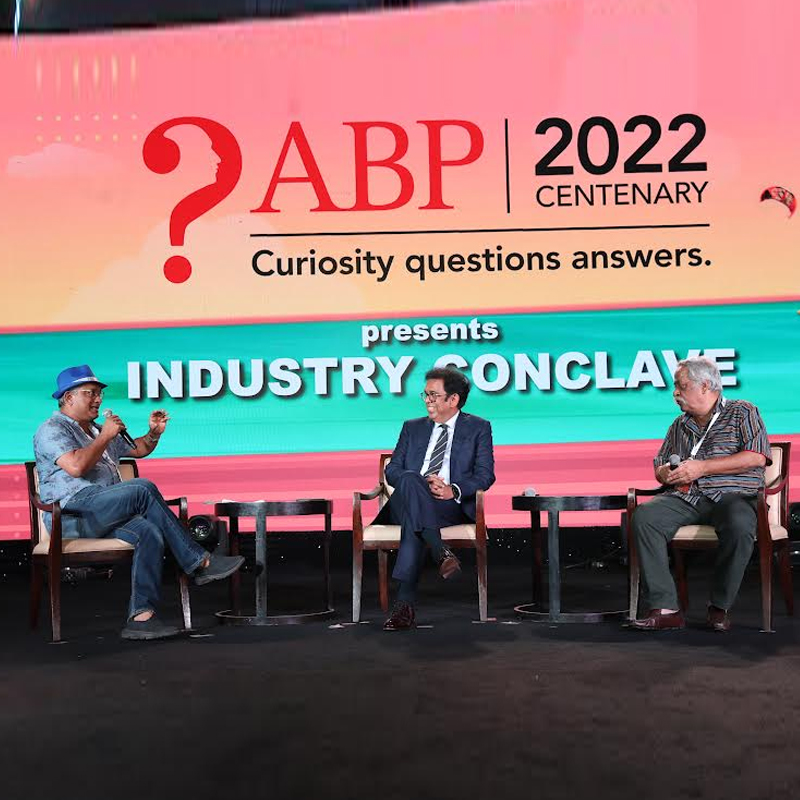
    Mumbai: Goafest 2022 kicked off with a bang after a two-year pause at Goa’s Grand Hyatt Hotel on Thursday, featuring some of the industry’s brightest minds along with the industry awards felicitating notable creative thinkers from South Asia. This year marks the advertising, media and marketing symposium’s 15th edition.

    The day one of the adfest saw an interesting mix of panels and speaker sessions with bristling conversations. There was also a knowledge session in partnership with the Advertising Standards Council of India (ASCI), wherein the ministry of consumer affairs & food distribution secretary (CA) Rohit Kumar Singh spoke with Ogilvy India chairman of global creative Ogilvy and Worldwide and executive chairman Piyush Pandey on consumer safety. The panel discussed the importance of consumer protection and the responsibility that we have as professionals. The session was moderated by ASCI chairman and BBH India CEO Subhash Kamath who asked some pertinent questions regarding brands promoting and marketing misleading information, bait advertising, and those compromising consumer interest.

    “Conceptually, creativity by its very nature doesn’t like boundaries, constantly looking at pushing the envelope and thinking out of the box,” observed Kamath, kicking off the session. “And yet consumer protection does require some responsibilities and boundaries to reign it in. So can creative ideas and consumer safety coexist and go hand in hand?”

    Singh spoke about how the keyword is that creativity is not “misleading ” the consumer and taking him for a ride, adding that the moment it crosses that line “we need to intervene.”

    “Creativity should raise the bar without crushing or at the expense of someone else’s life,” weighed in Pandey. “If you cannot show any piece of communication to your family then you can’t show it to anyone else’s family.”

    “Now, with the CPA 2020 (Consumer Protection Act) in place over the last few years, what are the priorities of the government from the consumer protection perspective, what are the things that you would really keep your eye on.”

    Singh spoke about firstly focusing on brands making tall claims and leading the consumer with false expectations and the second is on bait advertising. We have to impose penalties on such brands who try to fool the vulnerable consumer with misleading claims.

    He explained how in the new paradigm that has emerged in the past few years, there is a mad race for Customer acquisition and valuations, what is getting compromised is probably “consumer interests.” “And that is the only thing of concern for us, whether you are compromising consumer interest?”

    “While there is increased consumer awareness today, there’s also an increased risk of vulnerability with the consumer’s data, because their entire data is now available to marketers,” observed Kamath.

    “When they shop, what they do. The data that comes out is mined and those insights and that mining of those in favor leading to performing targeted marketing so is there something that we need to look at for protection from targeted marketing with data mining as well,” Kamath maintained.

    Singh said that unless a customer has permitted you to use their data, one cannot use that data. “The Data Protection Bill is before the parliament. And that will define the boundaries of what data can be shared, and widely covers all. You cannot share my data without my permission,” he emphasised.

    Singh also called out the taxi aggregators Uber and Ola on their unfair pricing algorithms. “Just last week, I personally issued notices to, I said your algorithms, cancellation charges, and the way you calculate fields are not fair,” adding that here it is literally about taking the consumer for a ride! “If we don’t look out for consumer interests, who will?” he asked.

    Singh also spoke about making the grievance redressal system more robust. The national consumer helpline gets over 4000 calls every day and over the last four years, analytics showed that calls pertaining to e-commerce have grown from eight per cent to 44 per cent. “Now, that means there’s something wrong somewhere in this rat race for customer acquisition. Something is going wrong somewhere,” he asserted.

    Appreciating that the administration was trying to have a dialogue with the rule violators, Piyush Pandey said it is heartening that the government is trying to have a more robust system in place by guiding and cautioning, rather than by ruling with fear. Speaking about creativity in advertising, he said, “Creativity is about touching millions of hearts, sometimes in three seconds. The consumer is not a moron who can get influenced easily.”

  • Akamai Tech & AVIA partner for Asia Pacific Media Summit

    MUMBAI: Where do you get 20 of the brightest minds in the media and gaming industry under one umbrella? Well, come 23 Jun 2021, they will be converging at the second virtual APAC Media Summit, which global cloud technology and security leader, Akamai Technologies, is producing in association with the Asian Video Industry Association (AVIA). 

    “It’s an event that both Akamai and Industry leaders look up to ever since we started in 2019. We had a phenomenal debut when we kicked it off in Mumbai, and we are happy that the journey did not stop because of the pandemic,” said Akamai India, Solutions engineering lead, Deepa Parikh. “2021 is going to be an interesting year. The pandemic has led to increase in digital adoption and increase in digital transformation, across industry sectors and especially in media. In that context, this APAC summit gains significance because the region has so much in common in terms of the operating environment, learnings and outlook.”

    The event will include a keynote conversation around content and monetization strategies and the future of streaming and an overview of the APAC media and gaming industry which has been growing by leaps and bounds. It will also focus on the innovations and tools that could help media houses and esports organizations to secure and protect their content and connect with key players.

    Registered users will get a chance to hear the experiences of industry leaders such as Disney+ Hotstar, president & head, Sunil Rayan; Seven West Media, Technology director, Scott Favelle; Rooter, founder and CEO, Piyush Kumar ; Kayo Sports & Binge, CEO, Julian Ogrin; IQyi, head of international business development, Anna Pak Burdin; Viettel Media, CEO, Vo Thanh Hai; Viacom18 Digital Ventures, COO, Gourav Rakshit; Akamai Technologies, vice president sales, and MD APJ, Parimal Pandya; Sky TV New Zealand, head of information and media security, Steve Lang; Akamai Technologies, APAC marketing director, Sheng Thong Hsin; Akamai Technologies, Regional VP sales APJ, Sid Pisharoti; Mobile Premier League, senior vice-president, strategy and operations, Naman Jhawar and Picture Board Partners, founder, Unmish Parthasarathi among many others. 

    Some of the key issues that are to be discussed during the summit include 

    • The future of video and its impact on business strategies 

    • Securing your content and customers – How is the ecosystem adapting together?

    • Protecting your video consumption journey – Is your bottom line protected? 

    • Creating esports experiences during Covid and beyond – What are some of the recent/popular moats in enhancing gaming experiences whilst staying protected?

    The Indian media houses have been going through a digital transformation for a long time now and Akamai has been a long-term partner to many of them in India, right from being their technical infrastructure partner to being a trusted advisor helping them accelerate this evolution online and through their digital transformation journey. 

    Through this event, both Akamai and AVIA hope to highlight how some of the new trends in the video industry will play out over the coming year in the Asia Pacific region and how media organisations can position themselves for greater success in the new normal.

    “Over the last year, the pandemic gave another push to help these media houses further this digital transition. It has forced media houses to diversify, to pivot to new revenue streams and to secure their content and data. In addition, Akamai has also enabled Media houses to transition seamlessly to working remotely,” said Parikh adding that a lot of these digital media houses have been innovating their new revenue models and moving towards more subscription-based services and having new products bundled in.

    “They are not just relying on ad revenue but exploring other newer formats like podcasts, video reportage, webinars, and Artificial Reality/Virtual reality to enrich their information delivery. Another key trend has been growing vernacular language content consumption both digital print and video largely due to the growing mobile user base,” added Parikh, discussing some of the new trends that have shaped the industry over the last decade.

    This digital transformation has also been accompanied by the rapid growth of streaming video services, especially over the last six years. . According to a report by Media Partners Asia (MPA), the Asia Pacific online video industry grew revenue by 14 per cent to reach $30.5 billion in 2020, mainly due to the lockdown which scaled the adoption of online services. Total online video revenues are projected to reach $54.5 billion by 2025.

    With the rise in engagement during the pandemic, a lot of new data was generated by publishers, OTT providers, and social media platforms, which faced emerging issues around privacy, content scraping, and large-scale cyberattacks.

    “Content lies at the heart of any digital media platform. In today’s digital age, cyber-threats are common and happening in all different forms all across the globe. The most common form of attack on corporate enterprise networks is phishing and the presence of malware. The third layer that needs protection is the End-user data, which can come under threat of credential stuffing attacks and account takeovers. We, at Akamai, feel that digital publishers need to adopt a multi-layered approach and rely on a zero-trust framework to protect themselves from various cybersecurity attacks, ransomware, phishing, advanced persistent threats, identity frauds, web skimming and content encryption to keep them away from content piracy,” added Parikh.

    Some of these issues and topics will also take centre stage at the upcoming event. To know more about how these and other challenges can be addressed by Media companies, interested participants can register at https://www.tickettailor.com/events/mediasummitapac/524244/r/indianongamingnc

    “The attendees can really benefit from the collective insights of industry veterans, analysts, and thought leaders from across the APAC region. We look forward to hosting the summit this year,” she added.

  • IBF ropes in Siddharth Jain as secretary general

    IBF ropes in Siddharth Jain as secretary general

    New Delhi : The Indian Broadcasting Foundation (IBF), the apex body of broadcasters, on Thursday appointed Siddharth Jain as its secretary general.

    An industry veteran, Jain’s career spans over three decades. Until 30 April, he was working with Turner International India Pvt. Ltd. as SVP and managing director – South Asia.

    Commenting on the appointment, IBF president, K. Madhavan said, “Siddharth has demonstrated great competency in nurturing efficient, talented cross border teams of industry experts and is highly adept in driving innovation to turn adversities into opportunities. Given his remarkable expertise in leadership and advocacy, business strategy, corporate governance and compliance, we are confident in his ability to steer the IBF on a path that helps realize the sector’s value chain to the optimum. I, along with the rest of the IBF members, welcome Siddharth and wish him the very best for his new role.”

    Jain is an accomplished enterprise business leader known for expertise in business strategy, revenue/profitability/EBITA growth, financial management, sales & marketing, business development, international brand launches & development, account management, strategic alliances & partnership development, relationship management, and corporate governance and compliance stated IBF in a release.

    Meanwhile, IBF is being renamed as Indian Broadcasting & Digital Foundation (IBDF), as it expands its purview to cover digital platforms to bring all digital (OTT) players under one roof. IBF is also in the process of setting up a separate subsidiary to facilitate the entry of OTT players.

    The subsidiary will be carrying out various activities for its member OTT players including handling the day-to-day activities of the industry-led Level-II appellate Self-Regulatory Body (SRB) called Digital Media Content Regulatory Council (DMCRC) for non-news digital OTT platforms, similar to Broadcast Content Complaint Council (BCCC).

  • Former Maruti MD Jagdish Khattar no more

    Former Maruti MD Jagdish Khattar no more

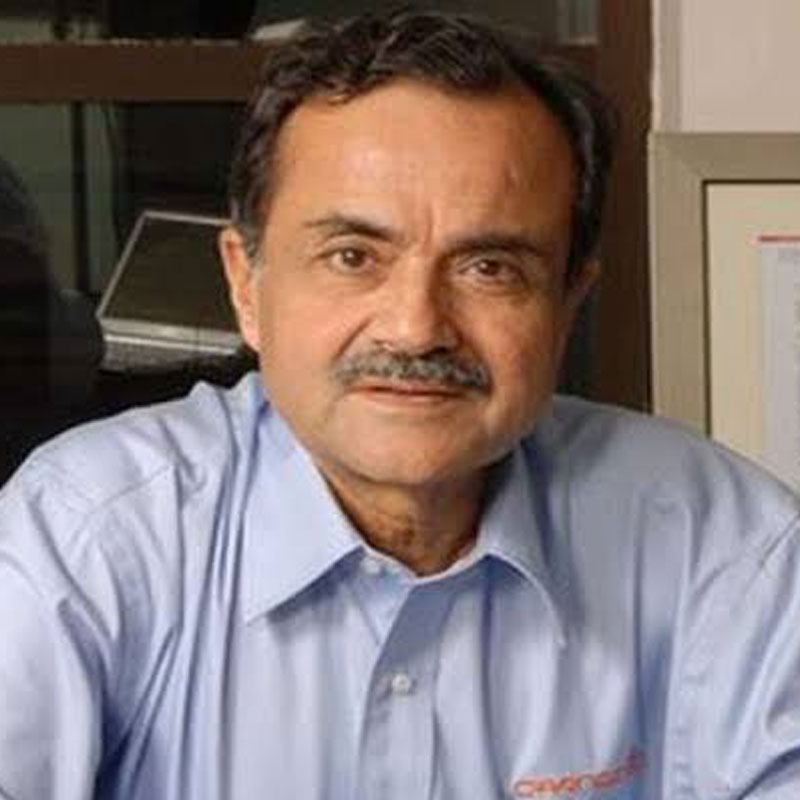
    New Delhi : Former managing director of Maruti Suzuki India, and veteran of the Indian automobile industry, Jagdish Khattar passed away on Monday due to cardiac arrest. He was 78.

    Khattar had joined the company as director (marketing) in July 1993 and went on to become the managing director in 1999. He was first appointed as a government nominee, and then in May 2002 as Suzuki Motor Corporation (SMC) nominee.

    He had served Maruti Udyog for 14 years and steered the company towards remarkable growth. His last day at Maruti as MD, at age 65, was on 18 December 2007.

    Prior to this he had worked as joint secretary in the ministry of steel, government of India, for about five years and held several administrative positions in the Uttar Pradesh government before that.

    In 2008, Khattar launched his next venture – Carnation Auto to develop a multi-brand automobile sales and service network.

  • Industry needs lighter touch on regulations to achieve its potential: K Madhavan, CII

    Industry needs lighter touch on regulations to achieve its potential: K Madhavan, CII

    NEW DELHI: The ninth edition of CII Big Picture Summit kickstarted today. The three day-long event will see several eminent industry leaders sharing their thoughts. These include BARC CEO Sunil Lulla, Roy Kapur Films MD Siddharth Roy Kapur, senior journalist and former advisor to the prime minister Pankaj Pachauri, Viacom18 Digital Ventures COO Gaurav Rakshit, Amazon Prime Video India country GM Gaurav Gandhi, and many others.

    There will be over 100 speakers, from both government and the industry. Some of the speakers are also joining the summit virtually from overseas. Sessions with state governments as well as with representatives of the regional entertainment industry will be hosted. The platform aims to give industry a chance to discuss what has worked, and what hasn’t – and how it can put India’s M&E sector on the global stage.

    A special curtain-raiser for the upcoming India International Film Festival in Goa in January 2021 will be presented by the ministry of information and broadcasting.

    The opening remarks for the event were delivered by CII national committee – media and entertainment chairman and MD Star & Disney India K Madhavan.

    He started by sharing his thoughts on how 2020 has taken a massive toll on the industry and how it is trying to fight back. “In my many years in the industry, disruption on this scale had never before been imagined. Content production was halted, live sports and events were cancelled, cinema halls and theatres were shut down. With a worldwide reduction in demand for services and major cuts in advertising spends – the pandemic enforced a long pause across the entire industry. However, the entire M&E industry came together to engage and entertain millions of viewers while they were homebound.”

    Madhavan stated how the entertainment consumption has surged across mediums such as television, gaming, and digital streaming platforms. TV and video streaming rose to a peak of 37 per cent higher than pre-lockdown levels.

    He also touched upon live sports making a stupendous comeback with the IPL 2020, lifting sentiments and the economy. “Not only was the IPL the biggest live cricketing tournament to be held during the pandemic, but it was also a beacon of hope and normalcy for the nation. The tournament broke all the previous records – with a 23 per cent increase in viewership over last year. The response from the fans and advertisers was heartening and it set a positive tone for the festive season. It acted as a game-changer for the sector and helped revive the media spends for the whole industry,” he added.

    He went on to talk about the film industry, and the innovations and breakthroughs it made to fight the crisis. “The film industry showed resilience and adapted to the ‘direct-to-digital’ model which helped launch new movies across digital streaming platforms. Cinema halls have taken longer to reopen, but I am confident that fans will soon be watching their favourite movies on the big screen, in safety.”

    The industry has what it takes to grow from the present $24 billion to $100 billion by 2030, but its potential is currently untapped in many ways, said Madhavan. “Pay TV is still at 120 million of the 300 million households in India, we only have 500 million smartphones in a country which has over 950 million mobile subscribers. The pandemic has driven customers to adopt technology as never before – as seen in the growth in e-commerce, online video, and digital gaming – and this can drive the sector to new heights.”

    To achieve this potential,  a lighter touch on regulation and a much simpler governance structure is needed in place, he stressed.

    “There are various kinds of restrictions that this sector is being subjected to although it has within it to make India truly atmanirbhar. We can increase our exports, increase the number of jobs being given to young talent, and most importantly, make India a global leader in content if policies are shaped as per the requirements of the industry,” Madhavan added.

    A CII report on the Big Picture Summit will also be released to present a panoramic view of the Indian media and entertainment industry – how it fared in 2020, what were the viewership trends, what was the impact of the pandemic on advertising, which medium got an edge, and going forward, what will be the role of Indian content in the global arena.

  • NT Awards 2020: And the winners are…

    NT Awards 2020: And the winners are…

    NEW DELHI: Indiantelevision.com concluded the much-coveted News Television Awards in a virtual ceremony today. Conferring the honours was Indiantelevision.com founder and editor-in-chief Anil Wanvari. The event was powered by TVU Networks.

    Over 120 awards were presented to multiple news media groups and eminent personalities in the industry. News channels were awarded in multiple categories – Programming Awards, Promo – Design – Packaging Award, Sales & Marketing Awards, Special Awards. These included the likes of Zee, Aaj Tak, NDTV, India Today, Wion, TV9 Telugu, ABP News, Odisha TV, ABP Ananda, Zee Rajasthan, News18 Lokmat and others.

    A round of personality awards were conferred to anchors, journalists, producers, cameraperson, video editor, and others. Some of the winners in the category include CNBC TV18 managing editor Shereen Bhan, India Today & Aaj Tak news director Rahul Kanwal, Aaj Tak’s Rohit Sardana, Zee 24 Kalak’s Janak Sutaria, Wion’s Digvijay Singh Deo, NDTV India's Nidhi Kulpati and others.

    The Hall of Fame Award went to India Today vice-chairperson Kalli Purie.

    The complete list of winners is shared here.

  • Catch NT Awards Live today

    Catch NT Awards Live today

    New Delhi: Last week, Indiantelevision.com concluded a successful two-day News Television Summit powered by TVU Networks, where eminent broadcast news industry leaders discussed imminent opportunities and challenges that lay ahead of them. They touched upon several core subjects like ad-volumes, subscriptions, pay-TV, ratings, regulations, and technology.

    Industry leaders such as TV9 News Network CEO Barun Das, ABP CEO Avinash Pandey, Zee News CEO & editor-in-chief Sudhir Chaudhary, Times Network MD & CEO MK Anand, Wion executive editor Palki Sharma Upadhyay, India Today & Aaj Tak News director Rahul Kanwal, Times Now editor-in-chief Rahul Shivshankar, PolicyBazaar head of brand & marketing Samir Sethi, and TVU Networks VP of sales – South Asia & MENA Sushant Rai participated in the discussion.

    Up next is the News Television Awards, also powered by TVU Networks. The awards will felicitate the best in broadcast news industry across multiple categories such as – Programming Awards, Personality Awards, Promo Design & Packaging Awards, Sales & Marketing Awards, and Special Awards.

    Read more about NT Awards

    Indiantelevision.com received over 500 entries that were rigorously screened by a 37-member jury that includes senior personages of the industry.

    The awards will be handed over to the winners in a virtual ceremony by Indiantelevision.com’s founder and editor-in-chief Anil Wanvari. The event begins at 2.30 pm today.

    Join the festivities here.

  • 2018 will be a year of video campaigns: WATConsult’s Rajiv Dhingra

    2018 will be a year of video campaigns: WATConsult’s Rajiv Dhingra

    MUMBAI: If you see an advertisement on a website or your app, you are a well defined consumer of digital advertising. Thet ads on the website you visit are primarily revenue source for internet companies.

    Digital advertising is no longer a joke. The emails were considered pointless and annoying and banner ads used to be laughed at but today, with smartphone penetration being higher than ever and decreasing low data costs, digital advertising needs to be done and done well as the market is highly saturated and consumer’s attention span is shorter than ever.

    Some twenty years ago, digital advertising was just a couple of banners placed cleverly on websites. They were considered super annoying, as if you happened to click on one of them intentionally or unintentionally, you would soon be bombarded with banners all over your website. Today, digital advertising has become extensive with different types of online ads being produced based on the website content and target audience. Online advertising is one of the fastest growing way to reach an audience which includes banner ads to social media networking, email marketing, site takeovers, online classified ads, Search Engine Optimisation (SEO) and even

    SPAM.

    With the accessibility of internet on smartphones and low data cost, companies are now spending millions of rupees trying to find a way to advertise on digital platforms without creating an unpleasant experience for the consumer.

    Digital advertising doesn’t come cheap but it is far more affordable for marketers than traditional advertising model. There are over hundreds of different digital advertising models available today and every ad we see on digital platforms today is paid by one of those models. The most popular method though are CPA (Cost Per Action), PPC (Pay Per Click) and CPM (Cost Per Mille).

    To get some insights on the changing face of digital industry in India, Indian Television Dot Com got talking to WATConsult founder and CEO Rajiv Dhingra who has seen and been a part of the digital revolution in India and recently completed 11 years in digital advertising business.

    The company which started off as a social media specialist in 2007 has expanded its reach and portfolio to become the most sought after full service digital agency in the country. WATConsult today specialises in digital marketing, social media marketing, search marketing, mobile marketing, digital analytics and digital video production.

    How has the digital ecosystem in India evolved along with WATConsult?

    When I look back to the industry’s growth in context of the past 11 years, there has been a tremendous change in the digital industry. Digital industry has become so large today in terms of advertising yet it is only 15 per cent of the overall market advertising and there is so much more growth opportunity left. While digital has been around for around 20 years, the industry has just started to become significant in terms of advertising efficiently on the platform.

    Since the market is highly competitive today, how does associating oneself with a bigger network help since WATConsult was also acquired by Dentsu Aegis Network back in 2015?

    It is the comfort of being associated with a large network that helps in getting global processes in line. That is the core level where a global network helps. Beyond that, every agency is unique and every agency has to work hard to earn its bread. I don’t think you can credit any agency or network all the accolades they achieve and if that was the case, all agencies under a network would work equally efficiently which is not the case.

    How is the Indian digital ecosystem different from the rest of the world as it sure does have its own challenges and uniqueness?

    India is still a very small market for advertising and within the small market, it has an even smaller advertising pie for digital. But what is similar is that Indian marketers are now open to new ways of leveraging digital. Execution and creative wise digital is not a very backward market as we see some amazing work happening in digital which is globally comparable as well.

    and the challenges…?

    In India, we need to up our ante when it comes to our creative and overall work level. Only that will help in bringing more clients and get them to spend more money. Digital still needs to simplify in our country as to what it is that an agency or marketer is trying to tell and achieve. Today, there are too many people selling digital in 100 different ways. We need to focus on business and brand objectives rather than focusing on 100 different t metrics that digital brings.

    How much do you project the ad spends to increase by 2020?

    There are no doubts about it that ad spends will definitely increase on digital. Ad spends will increase by 32 per cent CAGR y-o-y  and by 2020 it is going to be 24 per cent of the market which is almost 1/4 of the advertising market.

    How soon will the shift happen where digital becomes a dominant medium over television?

    I believe for digital to become dominant over television medium will take another 5-6 years in my mind and it is not going to happen by 2020. Although it is definitely going to happen by 2022-23 and that is when it will come very close to the advertising share of television.

    We have been hearing a lot about AI, Big data and Machine Leaning and the buzzwords lately. Is the Indian media ready and understands the concepts or we still have a long way to go?

    I don’t see these as buzzwords or jargons. Social media 10 years ago was considered a jargon and a buzzword but today it is an accepted reality. 10 years from today, AI, big data and machine learning will become accepted reality. Although they may not be called what they are called today and will be referred to as something else entirely. For instance, when social media was launched, it was called, Web 2.0. Similarly, 10 years from now, these new technologies will have a huge impact not only on digital adverting but on businesses in general.

    But why are marketers still reluctant on investing in these newer technologies?

    That is imply because marketers were also reluctant about social media 10 years ago. Marketers are always reluctant because they don’t want to spend their money on or betting on future technology which may or may not happen. They want results of today and hence they will always stay reluctant. Technology moves faster than marketing moves and users move even faster as far as technology adoption is concerned. Globally marketers have got there and back in India, some mature marketers have started experimenting with the technologies. Some of the large FMCG companies in India are looking to create their own data repository data lake to make sure they have detailed data analytics. One of our own automobile client has insisted that we get a data scientist on board for their brand. These are early but significant times of how data, AI and machine learning are going to be big part of digital advertising as we go forward.

    Do you believe influencer marketing is here to stay was that just a passing phase in 2017?

    Influencer marketing is becoming more and more of a professional industry and it is going to only grow. Three to four years from now, marketers will end up spending so much more on this medium and as internet grows and the frequency grows, word of mouth is going to be even more important than paid media as it has its own challenges in terms of cost and credibility.

    Facebook recently announced that it will filter the newsfeed by removing marketing ads to ensure better user experience. Will this hamper businesses in any way?

    Facebook has always focussed on user experience. I am sure they will find other ways to make sure marketers who spend money do reach their audiences. But yes, marketers who would like to use Facebook as a free tool will be hit because clearly Facebook doesn’t think that free advertising should be allowed on Facebook itself.

    What would be the game-changer in digital adverting this year ? How does 2018 look to you?

    Video has been a huge growth factor in 2017 and it is going to continue at a break next speed in 2018. With data consumption going through the roof, you wont see a digital campaign that does not have a video. 2018 looks like a year which has a lot of opportunities and it could be the best year for digital industry ever with so many interesting things happening in the industry.

    ALSO READ:

    How iProspect’s Vivek Bhargava foresaw a digital future two decades ago

    2017 – The year of long-format ads

    Going from clicks to bricks

    Martin Sorrell on how WPP is combating ad world slowdown

    BFSI’s changing communication in the digital era