Tag: indiantelevision

  • AAAI comes out in support of TAM

    AAAI comes out in support of TAM

    MUMBAI: The Advertising Agencies Association of India (AAAI) has come out strongly in support of TAM and stated that discontinuing its ratings service as the broadcasters have been wanting to do is not a good step.

    “Ratings are absolutely central to conducting advertising business with TV channels. Their absence will lead to chaos in the short term and to a decline in TV advertising in the medium term,” says AAAI president Arvind Sharma.

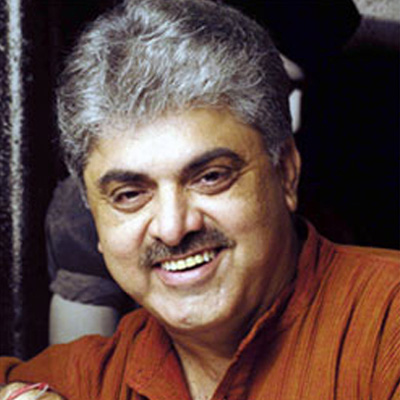
    AAAI president Arvind Sharma TAM should continue; BARC is sometime away

    Sharma points out that through the last three decades and across media, clients have preferred to invest in media where there is reliable measurement. “It is therefore in the best interests of broadcaster, agencies and advertisers not to disrupt the current system until the alternative BARC system starts bringing out data. I would urge the constituents to continue to support the current system until then,” he reiterates.

    Media observers have lauded Sharma‘s and AAAI‘s support. But old-timers pointed out to indiantelevision.com, that a stronger response is needed to a very strong IBF.

    To read the official release: Click here

  • ‘Our goal is to make UFC the No. 2 property for Six after IPL’: UFC Chairman and CEO Lorenzo Fertitta

    ‘Our goal is to make UFC the No. 2 property for Six after IPL’: UFC Chairman and CEO Lorenzo Fertitta

    Founded in 1993, the Ultimate Fighting Championship (UFC) has gone on to become the largest Mixed Martial Arts brand in the world. Having established itself in markets like US, Canada, and Brazil, the UFC has made its first big push in India through a broadcast deal with Sony Six.


    Apart from having a television presence in the country, UFC also plans to build the sport with on-ground activities and talent hunt initiatives. Its ultimate aim: to make UFC the second biggest property for Sony Six after the cash-rich Indian Premier League (IPL).


    Indiantelevision.com‘s Ashwin Pinto caught up with UFC Chairman and CEO Lorenzo Fertitta to find out the organisation‘s plans for India and the strategy it will be following to grow the sport in the country.


    Excerpts:


    Q. When you bought UFC in 2001 what was the aim and to what extent has this been achieved?
    A. At that time what we wanted to do was create a combat sport organisation that had some structure and brand around it. We looked at boxing as we have always been boxing fans. Big fights occur in Las Vegas.


    But what we found is that boxing was very fragmented. There was no brand and structure which a lot of times prevented the sport from putting on the fights that fans wanted to see. So we saw an opportunity in the UFC to take combat sport to a new level because there would be an organisation, structure and a brand.


    Our vision was to take the UFC from a niche sport to a global brand. We wanted to create a great entertainment product for the fans. We have accomplished our aim. We are the largest combat sport organisation. We are broadcast in 150 countries to a billion homes in 22 languages.


    Q. You once said that when you bought UFC it was the worst brand in the US because of all the negativity. Could you talk about the strategy followed that helped the company turn things around?
    A. Firstly we developed rules and regulations that we now call Unified Rules of Mixed Martial Arts. We worked with various state governments to have them recognise those rules and UFC as a sport. The third thing was really promoting the athletes and presenting them as being world class. The previous owners really focussed on the violence and spectacle of the sport.


    We focussed on the athleticism of the fighters and the competition. The aim is to have athletes compete in a safe way. The sport is a combination of martial arts like Judo, Jujitsu, Boxing and Taekwondo.


    Q. As per research how is the UFC brand perceived in India and globally today?
    A. Globally we are looked at as the market leader in mixed martial arts. We are seen as the premier organisation. In India it is too early to tell. I don’t think that there is a lot of awareness in India about mixed martial arts. I think that people are intrigued about the success that we have had around the world. The question is can we replicate that success here?


    Q. What would you say is your USP vis-a-vis other events like Bellator and boxing?
    A. Relative to other sports, what we do is put on fights that fans want to see. All fighters are contracted by us. It is easy to put matches together. Our aim is to never have a mismatch. So we put fighters in an event who are evenly matched. Most fights don’t go to a decision. Matches are fast paced and you have outcomes that are very definite and defined.


    Boxing is one dimensional. In the UFC, on the other hand, you can grapple, kick, punch and put the opponent in a submission hold. It is interesting from a strategic standpoint and more fast paced. That is why younger people like it. In 2006 UFC overtook boxing as the biggest provider of pay per view events. Last year in November over nine million Americans watched a heavyweight fight on Fox. Bellator would be lucky to get 90,000.

    ‘We liked the approach that Sony was going to take. We also liked being affiliated
    with the IPL. And we wanted to be on a sports channel‘

    Q. So is MMA more mainstream compared to a decade ago?
    A. Without question! In the markets where we have a presence in, it is a mainstream sport. We produce more than 30 live events in a year.


    Before we acquired the UFC mixed martial arts was a fringe attraction, largely unregulated and unable to appear even on pay per view platforms. All that has changed.


    Q. MMA like soccer is a sport that works everywhere, unlike cricket which works in some markets, NFL which is only present in the US and baseball which is only present in the US and Japan. Is that because viewers can identify with the aggression and competitive nature of the fighters?
    A. I think the reason is that it is simple and easy to understand. A lot of other sports have rules. If you have not grown up watching cricket or the NFL, you will never understand how the game is played.


    When you put two athletes in the Octagon and make them compete everybody gets it. It is not hard to explain.


    Q. Is there an entertainment quotient in the UFC or is the focus just on the sport?
    A. The way we present the product is very important. We spend a lot of money putting on a big show. At the end of the day it is the fighters, the action and the quality of the fights that sells. We broadcast all our events in HD. We have aired some events in 3D. We look at emerging technologies to make the viewer experience better.


    Q. What revenue growth does UFC expect this year and how much comes from television fees?
    A. Sixty per cent comes from television fees. Then you have live ticket sales. Beyond that you have sponsorship.


    The US accounts for over half our revenue. Canada would be second, Brazil third and Europe next.


    Q. Which are the top three markets for UFC?
    A. The US is number one. Canada is number two and Brazil is number three. We see a lot of similarities between Brazil and India. Both are emerging economies. There is a growing educated class of younger people who are looking for a new and exciting sport. We think that is what the UFC represents.


    Q. How big is Europe?
    A. Europe is big, particularly the UK as well as the Baltic states like Sweden and Denmark where the UFC is very popular. We are just starting in Italy, France, Spain and Germany and we plan to bring events to
    Central Europe sometime next year.


    Q. Where does Asia fit in the scheme of things?
    A. 2013 and 2014 are important years for us in Asia. We did our first event in February in Tokyo and it was a success. Our second event was in Macau in November. Then we want to do events in the Asian capitals like Shanghai, Singapore, Taipei, Hong Kong and Kuala Lumpur.


    Q. How did the deal with Six come about and what are the terms of the deal?
    A. This is a four-year deal. Hopefully we will be able to extend it and make it a long term relationship. Our goal is make UFC the number two property for Six after the IPL.


    We came to India two years ago. We started looking here and have worked for a long time. We have had interest expressed from every major media company here. We have had discussions with companies like Zee, NDTV and Star.


    We liked the approach that Sony was going to take. We also liked being affiliated with the IPL. And we wanted to be on a sports channel.


    Q. What is the gameplan to grow the UFC brand in a country where WWE is hugely popular?
    A. When we started the UFC, WWE was popular in the US. But people figured out quickly that while we were real, the WWE was fake. We were, thus, able to migrate a lot of fans over to the UFC.


    In India, we see the same thing happening, particularly with the younger demographic base. Once they see how exciting the UFC is and that it is real, they will migrate from WWE.


    The gameplan is firstly using the distribution of Six and airing live events. They also use our library to educate fans on what is going on in the UFC. Then there is the reality show ‘The Ultimate Fighter’.


    This will develop Indian fighters and is the most important thing for us. In order to be successful, we have to have Indian fighters that can compete at an international level. We appreciate Sony‘s dedication in producing ‘The Ultimate Fighter: India’ with us.


    Q. Could you talk more about Ultimate Fighter?
    A. This is a reality show which is in its 17th season. We have done versions in the US, Australia, Brazil and the UK. It is about 16 young fighters who live in a house together. They train together. At the end of each episode there is a fight and the winner progresses. The event takes place over 13 weeks.


    The Indian edition takes place next year. The two semi finalists fight together to determine who gets the UFC contract.


    Q. When does the first season kick off?
    A. We are looking at a time frame of September next year. We will spend the next six months looking at different fighters around the country and do casting calls. In terms of venues, Mumbai and Delhi will be important. We will be looking at facilities that a city can provide.


    Q. How did the idea of doing reality television come about?
    A. When we bought the brand, it was tarnished. People associated it with violence. We knew that we needed to do something that was different that explained why it was not about violence and why these athletes were so special.


    We created the reality show so that people were not just watching a fight. They were watching how these guys lived, interacted, what their background was, their family life, and how they train. It helped change the perception of the sport. This show has changed the face of mixed martial arts.

    ‘When we started the UFC, WWE was popular in the US. But people figured
    out quickly that while we were real, the WWE was fake. We were, thus, able to migrate a lot of fans over to the UFC. In India, we see the same thing happening, particularly with the younger demographic base‘

    Q. Is there cross viewership happening between UFC and WWE as athletes like Brock Lesnar and Ken Shamrock have competed in both?
    A. There is some cross viewership. Our TG is males 18-34. WWE skews a little bit younger – teenagers. I see UFC’s appeal spreading across India including in the wrestling belts in the rural areas.


    Q. Has UFC considered launching its own TV channel?
    A. Not yet! We felt that we needed to make an investment and grow the brand before making this move.


    Q. What growth has there been in the amount of content UFC offers in the past three years?
    A. We have increased it significantly. A lot of this is driven by our television deal in the US with Fox. We went from being on a one cable channel which was Spike TV to being on the Fox platform which includes programming for four networks that they own. Our programming has tripled year on year.


    We felt that there was a demand that people wanted to see more fights. We wanted our product on multiple platforms in the US. We are on a free to air channel Fox, on a cable channel FX and on a smaller sports cable channel which is called Fuel TV. Hitting every tier within the US media market was important to help us continue to build our brand.


    Q. What challenges does the economic slowdown pose for UFC?
    A. We have been fortunate that we have not been affected very much by the economy. The reason for that is that no matter how bad things are, people still want to consume entertainment. All sports whether it is
    the UFC, NFL, NBA are doing well.


    Q. Sports entertainment outfits like Super Fight League have come in. How do you think it will push the sport in the country?
    A. It will boost popularity. Competition is a good thing. We come in as a premier organisation which if we succeed will help other leagues.


    Q. There is a view that UFC has followed NBA’s approach to grow which lies in buying rival promotions. Is that a fair assessment?
    A. I don’t know that we are following anybody’s strategy. We have over time acquired a number of leagues to get their athletes over to the UFC. We also got their library. Strategically it made a lot of sense. The biggest acquisition was Pride Fighting Championship which was based out of Japan.


    We also bought Strikeforce which was based in the US. Female fighters take part here. We could license these rights to Six as well. There is potential for that. As all these athletes are under one company it allows us to put on fights that fans want to see.


    Q. How do you view new media platforms like Internet and mobile?
    A. Our core customer base is very proficient online. They consume a lot of their entertainment on YouTube. They are on Facebook and Twitter; it is important to our strategy. We have a large portion of our library online. You can subscribe and go back and watch fights, interviews, updates etc. We try to use Facebook, Twitter to market UFC and spread the word about the upcoming fights.


    Q. Has China been a difficult market to crack due to government regulation?
    A. We are taking it very slow. We have not had any issues or any problems. China is the birthplace of martial arts. There is a huge appetite for this sport there.


    Q. Where do you see the UFC in India five years down the line?
    A. I think that we could be the number two sport after cricket. In Brazil we are not just the number two sport but are also getting close to the popularity of soccer. Many times we get more viewership than the Brazilian national soccer team does.

  • ‘Segmentation in kids TV genre makes biz sense in digital era’ : Viacom18 EVP & business head – Kids Cluster Nina Elavia Jaipuria

    ‘Segmentation in kids TV genre makes biz sense in digital era’ : Viacom18 EVP & business head – Kids Cluster Nina Elavia Jaipuria

    Kids channels, bogged down in an analogue cable TV environment, suddenly find space to grow. Segmented channels is the new mantra. After launching an action and adventure channel Sonic in 2011, Viacom18 has launched another dedicated offering in the form of Nick Junior, a preschool channel targeted at 2-6 years.


    Nickelodeon‘s move follows Disney‘s foray into the preschool space and Zee‘s entry into the kids broadcasting space with the launch of its edutainment channel ZeeQ. The common thread between the three channels is that they are pay-driven, unlike the earlier ad supported models.


    Nick Jr. makes its arrival at a time when India is moving towards mandatory digitisation of cable networks.


    In an interview with Indiantelevision.com‘s Javed Farooqui, Viacom18 EVP & business head – Kids Cluster Nina Elavia Jaipuria shares her enthusiasm about why she is bullish about the preschool segment and the impact that digitisation will have on the kids TV genre.


    Excerpts:


    Preschool blocks had existed on kids channels. Now we are seeing full-fledged channels being launched targeting preschoolers. How has the business climate changed?
    The biggest change is digitisation. We are seeing that happen now. The segmentation in the kids TV genre makes more business sense now because we will have transparency. Subscription revenues will also increase.


    Does digitisation make more sense for segmentation in the kids TV genre primarily because of carriage being corrected or you see a substantial gain in subscription revenue as well?
    It‘s both. It will allow us to try very focussed segmentation which we could have not done in analogue cable TV environment. Today in digital, we can segment as much as we can. Carriage payouts will no longer be a deterrent and pay revenues can only grow. So we are all riding the wave of digital right now and hoping that while we cater to need gaps, we also make business sense.


    That is not to say the launch of Nick Junior is a sudden development. Since I started working with Nickelodeon, I always wanted to bring Nick Jr. to India. But then it had to make business sense for everyone.


    Are we in a situation where full-run preschool programming on a channel is not yet commercially viable?
    I don‘t think so.


    Why then did BBC shut CBeebies in India despite knowing that digitisation of cable TV networks is happening?
    Actually, I am very suprised that it happened so abruptly. I am sure they have their reasons for moving out of the country.


    Why do you then have this dual slot (Nick Jr. and Teen Nick) on Nick Jr.?
    We could have gone either way — done a 24-hour channel or have the model of preschool content till 7 pm and teenage programming after that. We have the product and the content that is our own, so it‘s just a matter of dishing it out to them.


    But we seriously believe that towards the evening this channel will get switched off as most toddlers and their mothers are winding down for the day. So it‘s a good idea to use a frequency that is going to be switched off and wanting to keep them switched on. We are also assuming that in a one television household you always have younger siblings and older siblings and when the younger siblings go away, the older siblings take care of the remote.


     ‘We will see a lot of localised content as digitisation picks up. In all this, what will continue is animation. No matter how hard you try, live action can never help children to transport to their imaginary world. We will stick to animation‘

    How do you differentiate Teen Nick from Nickelodeon?
    Nick is hardcore animation and will run from 6 am to 7 pm. Teen Nick, on the other hand, is only live action and has all the sitcoms and dramas that are rocking internationally. Most of the kids in India are watching them on YouTube. So you will have Victorious and Unfabulous and those kind of shows which have made it really big in the West but haven‘t really got the chance to come to India. They are very teenager shows because they are based on college, music, internet, digital and a lot of comedy. So there are sitcoms and drama that are very different from Nick.


    Since Nick Jr. is targeting 2-6-year-olds, wouldn‘t the upper end of this age group want to watch television even after seven in the evening?
    We have seen that post 7 pm, kids are winding down; most of the remotes are also not in toddlers hands. Even at dinner time, it‘s not the toddler that has the remote. I don‘t think even the kids category has the remote post 7 because it‘s the GECs and News channels that take over. You have this trend in a single television household. That way the battle for remote will continue across every segment.


    What kind of research went into launching this channel?
    There was no rocket science really about the research. To me every parent would like to do what is best for their child and in today‘s competitive world you want your child to learn and develop fast. Therefore, parents are doing everything they possibly can to ensure that their kids are learning and developing and this (Nick Jr.) is filling that need gap to my mind. There certainly was a gap there and there was no offering. The research to that extent is that there is a need gap and parents are looking for this kind of learning and development. What happens in school is hardcore education. We are only complementing that with edutainment.


    What is researched is the content and we do this internationally. It‘s content that is made worldwide, so the curriculum is set in place. Every show, therefore, teaches a particular skill . So if you look at Team Umizoomi, it‘s really maths.


    And you must remember that we are getting our international content here. There is even research going on there before they produce any preschool content. We are very careful in keeping Nick Jr. a destination for safe viewing with no violent content.


    How important is the preschool segment within the kids genre?
    It‘s very important from perspectives. One is it allows you to cater to the entire range of kids right from zero to teenage which is what we are now looking at. This was the missing gap that we had in Viacom18. But it‘s also important from the consumer products business point of view. We all are trying to create ancillary revenue streams for ourselves outside of ad sales and outside of subscription. Nick Jr. will play a very large role in driving this part of the business.


    Will it be an ad-free channel?
    Currently it is an ad-free channel, but I don‘t think we can continue to be ad-free. Despite everything being said about digitisation, the ratio of subscription-to-ad sales is still skewed. In the Western world, subscription contributes about 65 per cent of the revenues and in India we are not even half of that. However being a responsible broadcaster, we will be very selective of how much and what ads we put.


    How much is the subscription revenue for kids channels?
    It is under-indexed, I don‘t think it will even hit Rs 200 crore (Rs 2 billion).


    What kind of an upside do you see with digitisation?
    Nobody has any answer to this question.


    Why is Nick Jr. only in English?
    It is inherent in India for every parent to learn English. This is an aspirational channel which teaches your child English. If we do this in regional languages, it will defeat the very purpose of being aspirational. The shows are very easy to understand. So when Dora teaches to say A for Apple, that is what causes the child to learn.


    So is Dora the link between Nick and Nick Jr.?
    Dora has been on Nick and we will keep her there as well because that is the driver show. It also help us from the consumer products perspective.


    Will you have local productions for Nick Jr.?
    No, because we believe that for this kind of a product there is no boundary. In fact, even as kids grow older it doesn‘t matter to them whether it‘s a Japanese show or an American show. Therefore you will see a lot of animation featuring on normal kids category. There is no need to create so much desi content and the pipeline we are creating for Nick where we have Keymon Ache and Motu Patlu for this audience is done after a lot of research. It takes a lot of time to make a show.


    Disney also launched its preschool channel. What impact will competition have on the genre?
    It will only grow the category as there will be more choice. It‘s the best thing that can happen to the category. It will only grow the preschool category that was almost non-existent until all of us launched.


    How do you see segmentation within Nick?
    Nick is the mother brand and it delivers a very core need of a child, which is humour. Nick will continue in that space. While we talk about Nickelodeon audience being very universal, I think it‘s 4-14 years, so I never like to box it at any level. I think the core really lies at 6-12 if you really ask me and we will continue to cater to them in humour and comedy.


    Within comedy, you have action comedy, family comedy, silent comedy and slapstick comedy. The character either becomes a role model or a superhero and it‘s the character that takes over after a point. As you move along, you will see newer episodes of Ninja coming in and that‘s how we drive our viewership. You will see the mother brand engaging on the television platform and outside the platform. The Keymon game had 3 million downloads on Nokia Ovi, so we are dealing with what I call the ‘screenagers‘. It‘s all about staying ahead of the curve and engaging with kids across various screens.


    Will Nick have more localised content?
    I see more localisation happening on that front. But that is also a chicken and egg situation and we have to look at the investment-to-revenue ratio. We don‘t know when the subscription revenues will start getting corrected. After that happens, you will see more focus on local content. But having said that, we have two shows and we have a third in the pipeline; you will see a lot more progress on that front. In all this, what will continue is animation. No matter how hard you try, live action can never help children to transport to their imaginary world. We will stick to animation.


    Will we see more movies coming out?
    We had Keymon Ache & Nani in Space Adventure movie
    and you will see movies from Motu Patlu because Bollywood and Hollywood have become not just kids but also family entertainment. As we move from kids to family, you will see more extensions happening.


    But till now Nick has not been airing movies?
    Series is the bread and butter for us. Kids like to watch, as Farah (Khan) was saying, repetitive content. They want to watch more of the same, so that‘s what we give in the weekend as well. We don‘t miss not having movies on the channel.


    Has ad growth stayed flat for the kids genre this year?
    Ad revenue will grow anywhere between 10 to 14 per cent. If you look at the last five years, the CAGR is 14 per cent.


    Isn‘t the space tough as we have 12 channels fighting for Rs 2.5-3 billion ad revenue market?
    It is a hugely under-indexed market. From viewership perspective, we have eight per cent genre share while ad revenue share is just two per cent. Correction is bound to happen. A few years back, this revenue share was just one per cent. So we are growing, although we don‘t get what we deserve.


    Do you see room for local players entering this space?
    We saw UTV launch Hungama years ago. Zee has already made an entry. Let digitisation complete, then only there will be space. In the current scenario, it will be a tough proposition for local players.

  • ‘India is one of the few markets where making positive impact is possible’ : Wolff Olins MD Charles Wright

    ‘India is one of the few markets where making positive impact is possible’ : Wolff Olins MD Charles Wright


    Q. Why has Wolff Olins not set up shop in the rapidly growing market of India when it has caught the attention of every big global agency?
    We have no such plans to enter India soon as Mumbai is a very expensive real estate city. We do work for a lot of clients in India. But we have created Dubai as a hub from where we serve a much wider region. We service India from Dubai as a base.


    Q. So how do you get a feel of the local needs of the Indian clients?
    In our Dubai office, we have Westerners, Indians and Arabs working together. The mix is very important. If we only have an American or European team, there would have been huge cultural misunderstandings. So what we are offering clients is the best of both worlds. The benefit from this is that clients can be assured that while we are adding an international flavour, we are also taking into account the local needs.

    Q. Isn’t India a difficult market from a brand perspective as it is very price sensitive?
    I think we have now figured out a model for working in India. You have to, if you are to do business here. Everyone here likes to negotiate. People will bargain even if they don’t need to. I have seen people haggle when you think “why are you even bothering?” But I guess it’s a cultural thing.

    Q. So how do you deal with this?
    Initially, it was irritating but now I enjoy it. That is, perhaps, because Indian businesses do not have the luxury of money. The idea of everything being done frugally is something I have learnt from here. If you were working for a big corporation in America, you would be accustomed to spending large amounts of money. So you could do all sorts of things which here would be considered to be frivolous. It’s something like an athelete that has trained hard and we have now become fitter at running the race the Indian way.

    ‘We have no such plans to enter India soon as Mumbai is a very expensive real estate city. We have created Dubai as a hub from where we serve a much wider region‘

    Q. What other lessons have you learnt from here?
    Having Indians on the team have helped because people are direct even with me and say, “Don’t do that!” What I have learnt working here is that while in Europe modesty is a virtue, here modesty is a weakness. We have to be more forceful. As a foreigner, one might mistake forcefulness for rudeness, but it’s not so! It’s being just honest. I am still learning to be much more direct. There is a big positivity that comes from working in India.

    Q. What about growth?
    There are a number of clients that are super ambitious. Here more than most of the countries I have worked in, making positive impact is possible. It’s not easy, but it’s possible.

    Q. Do Indians value brands as much as the matured consumer markets?
    The word brand identity has been devalued today to mean logo – not just in India but everywhere. Having said that, I find there is a lot of interest in branding in India. You have special supplements and shows about advertising and branding. In the US, which is the most developed market, there are no TV shows on this topic. There are columns in the newspapers and trade magazines like Advertising Age, etc. Perhaps the reason behind this is that the stuff is fairly new here following liberalisation. More people can afford more things, so there is that interest in the topic. There is a curiosity about lots of things. India is like a sponge soaking up stuff not just about branding but a lot of things.

    Q. Isn’t that good news for a branding company?
    Being a branding company, we create or refresh brands. What makes us special is that first of all we try to work for companies that are ambitious and want to do something important. From our point of view, we also want that the work has a big impact. Our internal line is that we are optimistic and ambitious for our clients. So we are looking for clients that are looking at doing good for the world rather than just making money.

    Q. Are Indian brands receptive to this? 
    Hero is a company we have worked with and if you see the ads, they all tell a story or sing a song about how each of us is a hero. I think where we got to our work is that the motor bike isn’t the point. The point is what the two-wheeler or the bike can do for the guy. This ad is a dramatic example of what I am talking about; it reflects the optimism and the ‘doing good for the world’ concept. When you give a young guy or a young couple a bike when they get married, their life takes a different shape. And that, in a small way, is about celebrating the common man as opposed to the high fancy stuff, which to my mind is brilliant.


    In a similar way but in a different segment, Tata Docomo talks about enabling ordinary people to do stuff that they couldn’t do before. The common thread in these two brands is the positive impact we are trying to create.


    I would love to do work in the healthcare sector and financial services. Why is there no big financial group from India like in America and Europe? How come so many families do not have access to clean water? We would love to work with companies that are addressing the big issues of our times. We want to do stuff which has positive impact.

    Q. How do you select brands?
    We want to work with ambitious Indian clients. It could be a small company of designers or it could be companies that know about digital stuff. But they should allow us to do interesting stuff in tune with our philosophy.

    Q. Doesn’t this sound like you were born in a different age and era?
    The company is a child of the 60s. It was the decade of the Beatles in England. In fact, they were one of the first clients of the company. That was the time when the mood was for optimism, equality and freedom. One of the characteristics of the 60s was a desire to do good. There is a sense that the culture from back then has still lived on. These kind of things get us excited – and the good news is that there is lots of such work to do in India.

    Q. With such independent thinking, wouldn’t you have been better off staying separate rather than selling to Omnicom?
    A small group of us actually bought out the company in the mid 90s from the founders. We had an office in London and were active in Europe. We had another office in Spain and one in Portugal. But we had the dream of going fully international. We, thus, set shop in New York and started doing business in Japan because we thought that Asia would be the future.


    America, however, was a very tough market. So we approached Omnicom and told them that we needed their help to go international. We were willing to be acquired but wouldn’t want to be bulldozed because it’s the way that we work that makes us successful and not the size of what we do. So if we get acquired, it is on the understanding that the culture is what makes us successful and Omnicom has to trust us on this one.


    Omnicom agreed to our terms. The way it works is that at the start of the year we tell them what we are going to achieve and as long as you do that, they leave you alone. It is a very fertile environment for us.

  • ‘No concrete offer has come from Jain Group’ : Rajasthan Royals CEO Raghu Iyer

    ‘No concrete offer has come from Jain Group’ : Rajasthan Royals CEO Raghu Iyer

    Rajasthan Royals recently grabbed media attention for a reported $200 million offer from Kolkata-based Jain Group of Industries to acquire majority stake. The deal failed to fructify and the Indian Premier League (IPL) franchise is busy working out its future growth plans.


    Amid controversies over shareholding issues, Rajasthan Royals has furiously pursued its low cost model and is one among the few franchises who have broken even. It has kept its costs under control even as revenue from central pool and team sponsorship has grown year-on-year.


    Despite being profitable, the franchise has had its fair share of challenges, the biggest one being the termination of franchise agreement by the BCCI. While the franchise was reinstated into the IPL after winning the legal battle, the arbitration with the BCCI is still on.


    In an interview with Indiantelevision.com‘s Ashwin Pinto, Rajasthan Royals CEO Raghu Iyer shares the franchise‘s journey and its plans to become a successful sporting franchise.


    Excerpts:

    Q. Is it true that Rajasthan Royals was offered $200 million for diluting majority stake?Are you now waiting for the BCCI‘s permission before cashing out?
    Many offers keep coming our way. Interested parties come and talk to franchise owners. One of them was from the Jain Group, but it is not on the table anymore. So far no concrete offer has been made. We are not waiting for the BCCI’s permission to sell the franchise.

    Q. Has Rajasthan Royals broken even?
    We have. We run a tight ship and are in the black. We have not gone berserk on buying players, which is a big cost area. You need to spend only where it is necessary.

    Q. Does the arbitration process with the BCCI make it harder to plan long term?
    No, the arbitration process continues. Our operational business also moves along.

    Q. Are Lachlan Murdoch and Suresh Chellaram silent investors or are they active in the team‘s functioning and operations?
    We are a professionally managed franchise and owners don’t get into day to day activities.

    ‘Very seldom does a property come and take over the entire playing field. The IPL has changed the business of sport. It is one of the largest brands that India has created and is one of the largest sporting brands globally‘

    Q. What impact has the IPL had on the business of cricket and sports marketing?
    Very seldom does a property come and take over the entire playing field. The IPL has changed the business of sport. It is one of the largest brands that India has created and is one of the largest sporting brands globally. If you look at the various stakeholders, everybody has gained significantly from it.


    The most important part is that the domestic cricketers have a platform to perform and also an opportunity to earn a very decent living. You can earn between Rs 1-3 million which is a decent amount of money for somebody who five years back would have struggled to make good money. Next comes the broadcaster Max who is very happy and has really raked in the moolah. Sponsors have been happy like DLF.


    The franchisees bought into the league and did not think that it would grow so much. The growth has been helped by the investment that each franchisee has put in. The paying public are also happy. One thing that is significant for this year’s IPL is that all the stadiums are pretty much full. Our home matches have been sold out. Barring one odd match here and there, most matches are full.

    Q. But the ratings this year are showing a downward trend. Is this because the IPL has lost some of its novelty sheen and matured as a property?
    I wouldn’t call it a downward trend. The cumulative reach has plateaued at the 140 million level. In terms of ratings, even the average of 3.6 is a success. Name one property on television that delivers this rating day in and day out – whether it is at 4 pm or 8 pm. Of course, if you compare it to the initial years where the IPL managed a 4.8 rating, it is low. I will give you the example of KBC which launched with a rating of 20 and then settled down at a rating of 5-6. Even soaps like Kahaani had a rating of 10 and then settled down.


    I wouldn’t say that the IPL has matured as other leagues have been around for 40-50 years. The IPL is still a baby. The fact of the matter is that with so many ups and downs, it is still delivering ratings and advertisers are coming in for the teams, Max (the official broadcaster) and the BCCI. This shows that the IPL is heading in the right direction.

    Q. In hindsight was adding two more teams a possible mistake as a longer tournament means increasing the danger of viewer fatigue? 
    I don’t think that there is a viewer fatigue at play. Fans are flocking to the stadiums for tickets. A rating of 3.5 is not fatigue. There are other factors – perhaps, there is fragmentation of media. And it is not that ratings have dropped drastically – it is a marginal drop in the initial period. The number of close matches has increased and if you observe the buzz, people are following the league.

    Q. Do you feel that it might be a mistake to hold an auction every few years which leads to confusion among fans regarding who is playing in their team?
    I wouldn’t call it a mistake. Having an auction is so that the teams have an even playing field. The idea of the auction and a salary cap was that all the franchises taking part would have an equal opportunity to pick up players and build decent teams. In order to address viewer confusion, the IPL introduced player retention. As a franchise what we would want is for the fans to remember Rajasthan Royals for the brand of cricket that we play.


    That is the challenge that is not unique to us. It is present for all teams. Our motto is find a way to win from anywhere. We did this under Shane Warne. This character was shown in the match against the Deccan Chargers when we chased down an almost impossible score. We want fans to remember our brand of cricket rather than this being Shane Warne’s team or Rahul Dravid’s team.


    The underdog story was something that people identified with. People thought of us as underdogs. We have built on this story. We have romanticised the story of us winning from nowhere. Over the last four years from research, we realised that fans remember that we have the X factor that is mercurial at times and can surprise the opposition. This is something we want to build on.

    Q. Is it fair to say that Chennai and Mumbai are at an advantage in terms of fan following because they have managed to retain the nucleus of their sides?
    These teams along with Bangalore are at an advantage due to the cities. The people in those cities are loyal and passionate about their team and this is evident from how the local film industries are passionate about their team. The fans there are more loyal than the fans in some of the other cities. Player retention was allowed to all the teams. Some franchises chose to retain. We chose to retain Warne
    and Watson as we felt that those were the two players around which the Rajasthan Royals name was pretty synonymous with.

    Q. Does the IPL Governing Council need a franchise representative?
    It would be nice if the IPL governing council had franchise representatives. Having said that, the IPL has interactive workshops with the franchises. As long as the IPL Governing council is addressing our problems, it is fine. The IPL makes it a point to ensure that franchises points are addressed.

    Q. One thing that is plaguing the IPL is the lack of fan engagement activation being done by franchisees during the off season. It is just about two months and then it is forgotten. Why isn‘t more being done
    in this regard?

    This issue has been brought up in the workshops. To be fair to the IPL, they have taken cognizance of this and have promised to address this. One challenge is the lack of availability of players. There is the Champions Twenty20 League but the franchises who have not qualified have to think of interesting things to keep their brand alive. We tied up with a school in Jaipur and ran a school tournament in November.


    Then in January we tied up with the Jaipur Marathon. Ideally it would be great if we could have Rajasthan Royals B and C teams playing cricket. This would keep the younger boys well oiled. Bit cricketers have commitments. They either play in the Ranji Trophy, Duleep trophy or the national side. It is not an IPL issue; it is a cricket issue. Franchises try to get around this. Delhi Daredevils has a soccer tournament. KingsXI Punjab does a talent hunt.

    Q. What marketing initiatives have the Rajasthan Royals been doing to boost fan loyalty this season?
    We started off with Rahul Dravid as the captain. Once he retired, his brand value shot up to a different level. We piggy backed on this to some extent. Locally in Rajasthan we did on-ground activities. The aim was for the fans to meet and greet players. We also had a huge bunch of local Rajasthan players in the team which was not there earlier like Pankaj Singh and Ashok Maneria. Along with Dravid, we took them to hangouts like malls where they could meet fans.


    In terms of above the line we always look at support from our sponsors. There is an HDFC ad which is about the values that Rajasthan Royals brings to the table. It is about promoting youth, it is about Dravid increasing the challenges to the youth within the team. It is about how the youngsters rise to the challenge. We are a team that promotes youngsters. We have 19 partners, up from 17 last season. Each one activates it in a different manner. TCS is doing a different activation for instance.

    Q. What was the brief given to FoxyMoron?
    Social media is growing in importance. All franchises have focussed on this area this season. This is the best way to keep in touch with fans and get responses. Post the player auctions, we got fan responses about whether they were happy or not happy with our picks. Post the sale of Ross Taylor, some fans were disappointed and wrote in.


    We are number four among IPL teams in terms of social media. So for a Mumbaiite if the first most popular team isMumbai Indians, the second is Rajasthan Royals. FoxyMoron’s role is to ensure that content remains fresh.

    Q. Has this been a challenging season in terms of mopping up revenues due to the economic slowdown?
    We have a hard working team and have managed good results. We have got a 15 per cent hike in sponsorship revenue. To be honest, it did take some amount of selling to get in the sponsors. We have 19 partners brands on board including Ultratech, Puma, Pepsi, and HDFC Life who have come back as sponsors. There was a question mark initially about how good the IPL would be after last year. But this year we are happy about how things have gone so far.

    Q. How do you break through the clutter to offer maximum returns to sponsors?
    Creative initiatives come from the clients as they want to break clutter in their category. For example, Ultratech Cement is with us and in their category there is only one company associated with another franchise in a smaller manner. In life insurance, HDFC Life is with us and I don’t see any brand in that category in the IPL. They take the trouble to do some really good advertising. Clients are with
    us not just as advertisers but also to gratify their sales force and distributors.


    Another important thing is that four local brands have tied up with us which is something that was not there last year. This shows the penetration that the IPL and Rajasthan Royals give. Bikajee is with us as a snack partner and it was a matter of prestige for them to tie up with us. They are doing good stuff in the interiors of Rajasthan which will in turn grow our brand.

    Q. What is the split in the local revenue streams?
    The trading window is starting to generate good revenue. It can become a significant area if teams look at this in a serious manner. Ticketing has been fantastic. Sponsorship, though, accounts for 60 per cent of revenue, followed by ticketing. Licensing and merchandising is the item that should show exponential growth this area. It is waiting to explode. I don’t think that it has done that for any franchise so far. To go back to your earlier question on how to keep the brand alive throughout the year, this is it: L&M has to come into play.

    Q. What is the split between central and local revenue and by when will local revenue dominate?
    55 per cent of our revenue comes from the central pool. The key is licensing and merchandising. Once that takes off, then local revenue will go past what we make from the central pool. The healthy share of television revenue will hopefully still be there. It will take four years for licensing and merchandising to grow.

    Q. What are the plans in terms of growing licensing and merchandising?
    The first plan is to keep the franchise brand alive across the year because if you sell merchandise for just two months, then it will not work. It has to be available for at least 10 months in a year. The second issue is to make merchandise more affordable.


    Teams come out with Jerseys for Rs 800-1000. I don’t think that Indians can afford this. It has to come down to Rs 200. For the next season, we want to tie up with a merchandise partner. Puma has been our merchandise partner and they have been pushing our brand, but the challenge is to penetrate into the interiors of the market to ensure that merchandise is sold.


    There are different reasons why franchises have not turned licensing and merchandising into a serious revenue stream so far. In the first year, nobody knew about the IPL and in the second edition, the IPL went to South Africa. This is the first year where franchises have been able to sit down properly and think about how they want to go about things. Licensing and merchandising is a long term play.

    Q. Have you approached ticketing and hospitality in a different manner this time?
    We brought down the ticket prices starting at Rs 200 for stands that are price sensitive. Some of the hospitality tickets are at Rs. 4000-5000 compared to previous years when it was only Rs 30,000-40,000. For the first four matches, we really stripped it down. We needed to see what the off take would be. We have done well.

    Q. After this year, central revenue contracts (like DLF‘s deal) come to an end. How do you see the BCCI faring in terms of stitching together new deals with more value, given that viewership has fallen?
    The IPL is a unique property and platform. It is something that people will be willing to pay a premium. I don’t see the BCCI not being able to get in sponsors at the value that they are forecasting.

    Q. Champions Twenty20 League doesn‘t seem to be going anywhere in terms of viewer interest despite getting Bollywood stars to promote it. What is the reason?
    It will take some more time to deliver as far as ratings are concerned. The quality of cricket is excellent. They will get in ratings when the same foreign teams play in it more often.


    Then the local audience will identify with those teams. One team that will get a big fan following is Trinidad and Tobago. They have been coming and doing pretty well. This season will be their third season. If a team comes in three to four times, fan following will go beyond the IPL teams.

  • ‘We are looking at 20% revenue growth this year’ : India Cements joint president marketing Rakesh Singh

    ‘We are looking at 20% revenue growth this year’ : India Cements joint president marketing Rakesh Singh


    IPL franchise Chennai Super Kings has been slowly and steadily building its brand over the past four years on the back of its iconic captain Mahendra Singh Dhoni. The sustained efforts of the last four years are beginning to show result as the franchise looks at a 15-20 per cent revenue growth this year.


    By retaining its key players, the franchise has managed to build a loyal fan base not just in Tamil Nadu but also among the Tamil diaspora. The two time IPL champions is leaving no stone unturned as far as engaging with fans is concerned and is stepping up efforts on the merchandising front to grow this revenue stream.


    In an interview with Indiantelevision.com’s Javed Farooqui,India Cements joint president marketing Rakesh Singh shares the franchises journey so far and the growth path ahead.


    Excerpts:

    Isn‘t Chennai Super Kings targeting a revenue of Rs 1.7 billion this year? What is the break-up?
    We did Rs 1.40 billion last year and are looking at a 15-20 per cent increase this time. It’s difficult to give a break-up for the simple reason that a major chunk of revenue comes from the central pool. There are components in our revenue pool – one is central pool which to my mind was Rs 60 crore (Rs 600 million) plus last year; then there are our sponsors and gate collections.

    Have you reached operational break even?
    In the first IPL edition, we broke even. We lost money in the second season (due to shift to South Africa). While we made marginal profits in the third IPL, we widened that in the fourth edition.

    How has IPL season 5 been for CSK?
    The IPL season has been good for us. Our total number of sponsors have gone up. Aircel is our main sponsor. Gulf Oil is our principal sponsor and then we have Life Ok and Washington Apples as new sponsors. We also have Amrapali Group, Hercules, and Usha International as sponsors.


    While our revenue continues to grow at a steady pace, what we are also trying to do is step up the merchandising efforts. We plan to grow merchandising by positioning it as a lifestyle brand so that fans not only buy CSK T-shirts during the IPL season but also wear them during the non-IPL season.

    How did the deal with a Hindi GEC like Life Ok happen with a team franchise from the South?
    There is a study done by one agency which says that 46 per cent of the fans support Chennai Super Kings andMumbai Indians. Now if that is the case, anybody who wants to take full advantage of the IPL needs to come to one of us. For somebody who wants make a Hindi GEC popular, it is a nice way of riding on the popularity of Chennai Super Kings. Another thing is that while we are the most popular team in Tamil Nadu, in most other cities we turn out to be the second most popular after the home franchise. I think that is because of the kind of team that we have with four Indian players – MS Dhoni, Suresh Raina, Ravindra Jadeja and R Ashwin.

    ‘We had made Rs 1.4 billion last year with revenue from central pool contributing over Rs 600 million. We have got new sponsors in Life Ok and Washington Apples‘

    The IPL has seen a lot of sponsor switches. How did CSK manage to retain its sponsors?
    We believe in consistency and that is the reason we don’t believe in changing our players. We don’t change our management and we don’t believe in changing sponsors. That has clicked because that does not confuse the fans. We treat our sponsors well and we give them a value for their money for at the end of the day sponsors look at RoI.

    There are reports that title sponsor DLF is not sure of continuing its IPL sponsorship?
    I don’t know about that but what I would like to say is that when the BCCI terminated the Nimbus contract, everybody was saying that the BCCI won’t get Rs 31.25 crore (Rs 312.5 million) per match. But ultimately the rights were sold for a much higher price. I think it has become a favourite time pass for everybody to talk ill of the only sporting brand that India has today.

    So are the team loyalties settling down?
    I think so. If you see the matches where Mumbai or Chennai are involved, the viewership will be high due to team loyalties. That is also the case globally where matches involving Man-U or Chelsea will have higher viewership as compared to other smaller teams. In the first three IPLs, most of the matches were 8 pm matches and the number of teams were less. But now we have more teams and the number of matches have gone up.

    What do you think is CSK’s USP?
    Our USP is that we always focus on cricket, unlike other teams who are focussed on glamour and parties. Not to say that these things don’t work but IPL at the end of the day is a cricket tournament. We have a disciplined team; so whether its on-field or off-field, our team carries a certain character. We have a very strong fan following in Tamil Nadu and Chennai in particular. As per one survey report, 96 per cent of Chennaites support Chennai Super Kings, which is the highest for any franchise in their home city. Mumbai Indians come second with 86 per cent fan support.

    How did you engage with fans?
    Besides youngsters between 15-24 age groups who form our vital fan base, we believe that we have also get a lot of support from families. If you look at our merchandise, there is a lot of emphasis on women and children – it’s not just the typical male cricket fan. A lot of families come to watch our matches in the stadium. To reach out to our fan base, we have also tied-up with Radio Indigo besides The Hindu and Dina Thanthi. Our media tie-ups is a cash plus barter deal. But the barter part is helping us a lot on activation. That is something that was missing last year. What it has done is bring down our marketing cost.


    We also launched a new video ‘Wave your hands” which has got one lakh views within no time that it was uploaded on YouTube. We launched this campaign sometime in the first week of April, and by the third week we already have one lakh views on YouTube. Earlier we had done “Whistle podu” which was also a big hit. Every fan wants to do something to support his or her team, so that way we are channelising their energy into doing something to support the team.

    How is licensing and merchandising doing?
    We have been giving merchandising a big push since last year, but it takes time. For example, we got almost Rs 4 crores (Rs 40 million) through merchandise sales last year but what comes to us is only 10-15 per cent after excluding the costs. What we are seeing is that it is a good platform to engage with fans. But in terms to revenue contribution, it is only about five to seven per cent. But internationally this percentage is 60 per cent and that is what our goal is: how to grow this stream. This year we have opened an exclusive in the Chennai airport where you get all kinds of stuff. We have also partnered UniverCell for distribution of merchandise in North America and Europe.


    In terms of licensing, for the first time we have partnered with Café Coffee Day to make it a hub for Chennai Super Kings fans. Similarly Park Sheraton has converted their lounge into a CSK Bar. So we want to see how these deals work and whether we can make it a yearlong thing. We are working on a fixed fee basis wherein licensees can use our name and do certain things. This year we aim to double our licensing and merchandising revenue.

    How has been the response been to ticketing? There were lots of empty seats during your home matches?
    There are three stands in the stadium which, due to certain clearances issues, the state government has not allowed us to use. On the rest of the stadium, we are overselling. Till we get the clearance, we won’t be able to sell tickets for those stands.

  • ‘We have no intentions of selling Deccan Chargers currently’ : Deccan Chargers COO Venkat Reddy

    ‘We have no intentions of selling Deccan Chargers currently’ : Deccan Chargers COO Venkat Reddy

    For IPL franchise Deccan Chargers, it has been a story of ups and downs. The team had a miserable run in the inaugural season but bounced back strongly in the second edition to walk away with the title.


    Even off the field, Deccan Chargers had to deal with uncertainty what with the main shirt sponsor changing hands every year. However in the fifth edition of the IPL, the franchisee has finally found its true calling striking a multi-million dollar three year sponsorship deal with Emirates besides roping in a host of other national and local sponsors.


    The franchise has also been in the news frequently that it is on the blocks. Deccan Chronicle Holdings had mandated KPMG Corporate Finance to find a buyer and was looking at a valuation of $250 million in 2008.


    In an interview with Indiantelevision.com‘s Ashwin Pinto, Deccan Chargers COO Venkat Reddy clears the air about the team’s sale reports by asserting that it is committed to the team and is not planning to presently sell the team. Reddy, a man of few words, also said that the franchise has broken even and is looking at good revenue growth this year.


    Excerpts:

    Will Deccan Chronicle sell IPL franchise if the valuation is attractive or will you wait for it to mature further?
    Presently, we have no intentions of selling the team. Deccan Chargers is very much owned fully by Deccan Chronicle Holdings Limited.

    Deccan Chargers posted revenues of Rs 1.15 billion in 2010. What has the growth been since then and have you operationally broken even?
    We have achieved break even and expect the growth to be good this year. It is an exciting season for us and we have got good response from sponsors.

    How did the deal with Emirates come about? Which are the other new sponsors who have joined?
    IPL 2012 is a huge opportunity to leverage revenues with the Deccan Chargers being a well known and growing brand. Strategic trading in auction without compromising on the team balance has brought in sizeable revenue in its kitty. We are privileged to have Emirates as our team sponsor. And our other main sponsors are Jaypee Cement, TVS Motors, United Spirits, Kingfisher, Xenoh and Puma. We were associated with Jaypee for the inaugural IPL season and are pleased to have them back. We are reaching out to our fan base, taking the matches to the catchment areas of Vizag and Odisha.

    Is the Telangana issue going to affect your ticketing revenues once again?
    This year we have three confirmed cities as Deccan Chargers home grounds – Vizag, Cuttack and Hyderabad. Our matches are well distributed in these three cities, which will see a considerable growth in gate revenues. Added is the special hospitality seating areas created for the spectators to enjoy the matches and have a great experience. The match entertainment is also very carefully planned, keeping the local flavour in view.

    ‘We have achieved break even and expect the growth to be good this year. Emirates is our team sponsor. Our other main sponsors are Jaypee Cement, TVS Motors, United Spirits, Kingfisher, Xenoh and Puma‘

    Given that it has been four years since IPL started, has licensing and merchandising become a serious revenue stream or is there still a long way to go?
    Yes, it is and there are challenges yet to be faced.

    Has Deccan Chronicle got what it aimed at when it decided to be involved with the IPL franchise?
    Deccan Chronicle has always supported sports and has nurtured the Deccan Chronicle cricket team for years. IPL was a great opportunity to get into big league and cricket is religion for us Indians. We are now a well known sports brand globally and want to extend further. T20 cricket is challenging. We have emerged as winners in 2009 after suffering a major setback in the inaugural season. We believe in working hard and motivating our team to perform well without putting any pressure. We have seen a tremendous growth trend in our fans base, which continues. As per the latest study on Top Ten Social Media Influencers by DataQuest, Deccan Chargers has been in the Top Ten Indian Brands.

    How do fans perceive the Deccan Chargers and how do you maintain a relationship with them across the year even after the IPL season gets over?
    Deccan Chargers is always full of surprises. We have a loyal fan base that supports us thick and thin. We maintain interaction through the social media sites like Facebook and Twitter.

    What marketing activities are being done to create excitement?
    Our local campaigns have already started. We recently organised events in Hyderabad and Vizag like the See U in Blue event, Buildings lit in blue, Cycle rally, Beach Corporate Cricket etc. A separate fans blog, selecting some active fans on social media sites and giving away DC goodies and many other fan engagement activities are lined up. unstoppabulls.deccanchargers.com/ featured a contest to find “Super Blogger, Photographer & Videographer” who‘ll be part of DC Crew to follow & cover team DC.

    Could you talk about your deal with My Rewards International?
    We have agreed to market membership based programmes under a co-branding arrangement. This will give our members and their family access to the My Rewards benefits which are available throughout India and the world. Similarly, over one million My Rewards members throughout India, Australia, Hong Kong, New Zealand and the Philippines will have the opportunity to join the Deccan Chargers and enjoy all the benefits of being a member of one of the premier IPL teams. I am sure our fans will enjoy the plethora of rewards.

  • ‘For strong ROI in India’s TV biz, price controls must go’ : Fox International Channels president & CEO Hernan Lopez

    ‘For strong ROI in India’s TV biz, price controls must go’ : Fox International Channels president & CEO Hernan Lopez

    Price controls are limiting the revenue growth for broadcasters in India as they earn net income of $700 million from subscription after paying out carriage fees of $400 million. Investments in programming are muted and, as a result, India is not able to export television formats and finished content while software, music and animation is travelling overseas.


    In an interview with Indiantelevision.com‘s Ashwin Pinto, Fox International channels president, CEO Hernan Lopex says price controls have to go if the industry is to see strong ROI. He also talks about the company‘s growth plans worldwide.


    Excerpts:

    Q. Do you see India‘s television broadcasting industry growing at the right pace?
    Broadcasters in India earn net income of $700 million from subscription after paying out carriage fees of $400 million. This is holding back investments in programming. India, as a result, is not able to export television formats and finished content while software, music and animation is travelling overseas. If the industry is to see strong ROI which would encourage greater investments in programming, then price controls must go.

    Q. What you are suggesting is that pay-revenues should scale up. What is the ideal revenue mix between subscription and advertising revenues?
    It should be in equal ratio, which is what it is in the US. But in India it is heavily skewed towards advertising. Broadcasters generate $2.6 billion a year in advertising. Subscription income is dismally low in comparison.


    Relative to the size of the Indian economy as measured by GDP, this is only 0.04 per cent, and this ratio keeps declining. By contrast, in Colombia, a country with 1/25th of the population, broadcasters get over $200 million in subscriber fees. That is equivalent to 0.07 per cent of the GDP in Colombia, and that ratio keeps rising – partially due to the efforts that Colombia is doing to fight content theft and subscriber under-declaration.

    Q. So India should learn from Colombia and allow its content industry to flourish?
    Price controls lead to creative shackles. At Fox we buy formats and content from different markets, but India is not there. This is surely not due to lack of talent, ambition and vision.


    In Colombia a TV episode costs $150,000 compared to India where an episode costs around $20,000. The turnaround there was the emphasis on creating a dual revenue stream. New channels were launched for underserved audiences. Consumers also wanted content in Spanish and Portugese.


    That is because Colombia has a strong system of TV production, has great writers, animators, actors and the country also fights strongly against piracy. In India under declaration, along with controls, means that the broadcasters are getting squeezed.


    Q. But ARPUs (average revenue per subscriber) are low in India. How do you make consumers pay more for quality content?
    When consumers see that spending more money results in better content, then they will be happy to pay more. In some markets, initially consumers thought that cable and satellite services were not worth paying for. But as more options were added, they realised that they were getting value. I am looking forward to a time when my children, when searching for content, find choices that come out of India. I am keen on buying Indian formats that can be shown elsewhere.

    ‘We have seen double-digit growth year-on-year. We run a profitable business in India that is based on strong fundamentals with dual revenue streams of affiliate and advertising‘

    Q. So you are not happy with FIC‘s growth in India?
    We have seen double-digit growth year-on-year. We run a profitable business that is based on strong fundamentals with dual revenue streams of affiliate and advertising, which are both showing a steady upward trend. Currently, we have six of our channels in the Documentary and Lifestyle space in India.

    Q. As a market how is India different from the rest of Asia in terms of challenges and opportunities?
    We run our channels in over 100 countries around the globe. While there are big similarities across markets, each has some of its own peculiarities and challenges. I think that the challenge of scarce bandwidth for channels coupled with price control and carriage fees put a limit on the revenue potential. However, India is a land of huge opportunity and with mandatory digitisation in the Metros slated to kick off in 2012, we believe that a very bright future is ahead.

    Q. With digitisation set to take off in India, do you see the carriage fee structure being rationalised based on the experience in other markets or will disputes happen with big operators like what happened in the US with Comcast?
    We believe that digitisation will help all the stakeholders in the business to realise the true value – Last Mile Operators, MSOs and broadcasters.


    There will be teething issues like in any new technology, but market forces will aid the stakeholders in arriving at an understanding.

    Q. News Corp restructured the Fox Networks Group last year. What was the aim and how did this impact Fox International Channels?
    The goal was to foster stronger cooperation between various units. As a result, Fox International Channels has strengthened its ties with the US networks in entertainment, factual and sports.

    Q. Aren‘t you looking at doubling operating profit and reaching $1 billion by 2015? 
    The gameplan is very simple: to continue to deliver to platforms, advertisers and viewers a portfolio of must-have brands.


    This is what we call “brands with fans” – and get a fair share of wallet for it. In order to do that, we are investing more in content (both global and local), marketing and our teams.

    Q. How much revenue does Fox International Channels contribute to News Corp’s TV business and what growth has been experienced year on year?
    In FY‘11, we made a little over $1.5 billion in revenues and we‘re growing at double-digit rates.

    Q. How do you split up the global market into regions and which are your three biggest markets globally?
    We run Latin America and US Hispanic; Italy and Germany; the rest of Europe and Africa; and the Asia/Pacific/Middle East. We don‘t disclose the ranking at the country level.

    Q. Globally what is the split between subscription and ad sales and which area do you see growing faster?
    About two-third of our revenues come from subscription, with the balance coming from advertising, syndication, and other fees. We strive to make all revenue sources grow at the same rate.

    Q. Pay TV you have said is turning from a “nice to have” to “must have” service. How is this changing the dynamics of your business?
    Whereas in the past we programmed primarily shows produced in the US, we are now broadening the scope of our lineup. The aim is to include more local shows, as well as different genres.

    Q. What challenges is the current economic slowdown posing?
    In a handful of cycles we‘ve seen ad revenues decline, but overall our profits continue to increase.

    Q. Has Fox International Channels done recent research to find out what consumers globally want and how they view your brands?
    We are indeed finalising a brand audit in 10 countries as we speak.

    Q. Digitisation globally is allowing FIC to have more specialised offerings in genres like Crime. How has their offtake been?
    Very positive! Fox Crime, for instance, is the number one channel in Italy, surpassing even Fox.

    Q. Are there any genres that are currently underserved globally? If so, how do you plan to service them?
    Our portfolio globally includes entertainment, sports, factual and lifestyle – we‘re quite content with it.

    Q. What role does sports play in your portfolio as it is a challenge to control costs given the intense competition for rights?
    Sports is the ultimate must-have content. But because of it, there is intense competition for rights.


    We simply must be disciplined in our approach, but we have the benefit of a wide portfolio of channels – includingentertainment channels – that can both contribute to and benefit from having sports in the portfolio.

    Q. Globally, how has FIC expanded?
    These are exciting times! We now have 1.1 billion cumulative subscribers, and have a presence in 57 offices. I have been to 40 of them.


    We have added Fox Sports to our portfolio in Latin America, and continue to increase ratings at the National Geographic Channels. And yet there is still so much more to be done.

    Q. How difficult is China due to government regulation?
    We have a small but profitable business in China.

    Q. New media is growing globally. Are you launching channels for the mobile and Internet?
    We are launching mobile extensions of our TV brands, like the Fox Movies Premium Player in Asia.

    Q. How is Fox International Channels leveraging high definition?
    My goal is to launch nearly every TV channel from now on simultaneously on HD and SD.

  • ‘We expect to break even this year’ : Kings XI Punjab COO Col Arvinder Singh

    ‘We expect to break even this year’ : Kings XI Punjab COO Col Arvinder Singh

    Kings XI Punjab is yet to recover from the shock, its break even target having gone haywire after the Board of Control for Cricket in India (BCCI) terminated its franchise contract in October 2010 for breaching ownership rules. The Bombay High Court came to its rescue, allowing it to be a part of the Indian Premier League (IPL) after submitting $20.7 million in bank guarantee.


    Having paid $76 million to acquire the IPL franchise, Kings XI Punjab is now on recovery course. Sponsorship deals have been stitched and the Mohali franchise is hoping to improve its performance this year.


    In an interview with Indiantelevision.com‘s Ashwin Pinto,Kings XI Punjab COO Col Arvinder Singh says the franchise should break even this year and post a revenue growth of 15-20 per cent.


    Excerpts:

    Q. Could you talk about how the IPL as a property has grown year on year?
    Cricket has achieved cult status in our country. In last four years since its inception in 2008, IPL has further strengthened the bond it has with the people of India.


    With time it has also amassed worldwide audiences. The league has grown beyond the realm of cricket and is considered as a complete entertainment package encompassing the entire family.

    Q. Kings XI Punjab had expected to break even in the fourth year. Has this happened or did the BCCI termination play spoilsport?
    We have not yet broken even. Break even is expected this year, for sure.


    Not everything goes as per plan. Ups and downs are a part of every business and they should not deter from chasing our dreams – that is to get the Cup home this year. We are constantly working towards creating a team which is extremely valuable and as partners, we will give all it takes – time, energy and resources for the love of the game.


    And yes, the arbitration process is yet to conclude.

    Q. What revenue growth do you expect this year and who are your sponsors?
    We expect 15-20 per cent growth this year and are on course to meet that target. ACC, ONN, USL, Kingfisher, Coca-Cola and Max Healthcare are some of our sponsors.

    Q. Emirates has not renewed its deal with you. Is the economic slowdown forcing brands to look at the cost of association more carefully compared to earlier years?
    We have been extremely fortunate that we have had the right partners since the inception of this tournament. This year too we have some of the best brands on our side – and we hope that there will be many more to come. When we enter in to a partnership with any brand, it is based on a set of mutually agreed and understood objectives.

    “We expect 15-20 per cent growth this year and are on course to meet that target”

    Q. IPL ratings fell last year, making it more expensive for marketers and sponsors. Do more efforts need to be taken in terms of marketing the event to consumers?
    IPL’s fan following is not limited only to India; it has also gathered audiences worldwide. While the ratings went down because of the World Cup just preceding the IPL season, the overall reach did see a substantial increase. IPL is looked as a complete entertainer and it will be interesting to see the ratings this year.

    Q. Has the licensing and merchandising area grown?
    This is a crucial source of revenue for the franchise. Having experimented with a few models in the past, we have now tied up with an international company to increase the reach of our L&M programme worldwide. This is a unique and long term agreement.

    Q. A sports marketing expert noted that the IPL has become more an icon-led rather than a franchise event. This means that if icons like Sehwag and Dhoni do not perform, viewership will get affected as people mainly want to watch icons. Do you agree with this?
    Our belief is that cricket is a team and not an individual game. Although iconic players have a definite rub off on the likeability of a team, this is but limited appeal to start with.


    For a more concrete connection with the fans, the franchise must establish itself as a custodian of the values and attitude that the region represents. This kind of association will withstand any player movement.

    Q. If you look at the IPL so far, which three players have been the most value for money in terms of performance for the franchise?
    Every player in our team is a performer and we do not undermine their strength. Each one of them is a valuable asset and we are confident of bringing the IPL trophy home this year.

    Q. On the field, Kings XI Punjab did not fare well in the previous couple of seasons. How much has this affected your brand valuation?
    Brand value is a cumulative total of a number of factors. Our performance last season almost ensured that we made it to the playoffs and this year we are pretty sure that our team has in it to make it there.


    We have been able to establish ourselves as a local team; we also have a loyal fan following in our catchment and also have a very huge fan following internationally. We have been growing for the past four seasons and we can only see it growing further this year.

    Q. What strategy was followed during the two player auctions and were you affected by not being able to retain some of them?
    We are very happy with the way the team has shaped up. We have great cricketing talent like Adam Gilchrist, Shaun Marsh, David Hussey, Praveen Kumar and Piyush Chawla, to name a few.


    We believe that we have the required strength in our team to take us all the way. Based on lessons learnt last season, we have enhanced the team strength with players like Azhar Mehmood and James Faulkner. We also have a great mix of experienced and young domestic players.

    Q. What are Kings XI Punjab‘s marketing efforts this year?
    Marketing is an integral part of our overall strategy; it helps us build a stronger connection with our fans. Our efforts are aimed at reaching out to our fans through all possible mediums.


    Currently one of the unique activities undertaken by us is our association with Indraprastha All India Sports Foundation for the ‘Cricket Champs‘ reality show. This initiative aims at nurturing youth to develop skills which not only will make them successful cricket captains but also help them in their personal endeavours.

    Q. Is Kings XI Punjab able to do activation during the off-season once the IPL gets over or is non availability of players an issue?
    We are there in our catchment area throughout the year whether through our presence on the social media like Facebook or with activities like KXIP Cup, Rocky and Ranjit Voice Hunt. We have always been doing activities to connect with our fans from time to time. Player availability is not an issue.

    Q. With the Big Bash league doing well in Australia, the debate about club versus country has again raised its ahead given how financially lucrative it is to play for clubs. How do you see things shaping up going forward?
    I see this format of the game with different perspective rather than just the financials. We believe that the club / IPL format provides the budding cricketers to showcase their talent and further hone their skills as they get an opportunity to play with and learn from experienced players. IPL has been a suitable platform to judge performance.

  • Indiantelevision announces 5th News Television Summit and Awards

    Indiantelevision announces 5th News Television Summit and Awards

    MUMBAI: The stage is set for the fifth edition of the most prestigious News Television Summit and Awards, organised by Indiantelevision.com.

    Endorsed by the Information & Broadcasting Ministry, the Summit will be be held at The Lalit, New Delhi on 28 March. Held amid a troubled global economy, the theme of the summit is ‘Seeking a growth injection: Is digitisation the answer?’

    The Summit will try to answer some of the most burning issues that the TV news industry faces today. The industry continues to see new entrants by the droves. It has, however, got its house in order on the editorial front to a large extent. Loyal audiences tune in to news and events, providing peaks in viewership.

    But advertising is not keeping pace and losses continue to dog TV news. So what is the way forward? Will subscription revenues save the day as channels turn pay in a digitised environment? Will the plethora of channels consolidate in every state through mergers and acquisitions? Or will madness and the status quo continue? Be a part of the summit to know more.

    Says Indiantelevision.com founder, CEO & Editor in chief Anil Wanvari, “The news television industry, along with the rest of the broadcast sector, is at an interesting juncture with digitisation set to hit cable TV over the next two years. Additionally, with online and DTH spreading, and 4G set to emerge, it will have newer revenue streams to tap into. The NT Summit 2012 gives industry leaders a chance to pause and examine how best to build a robust news television ecosystem.”

    This year, the Summit will see four sessions, starting 3 pm, followed by the Awards. The first session, ‘Tech Trends’, will have technology guys from the news networks sharing the podium. This will be followed by a session on “A look at the Genre”, in which all the aspects of the industry – marketing, advertising, content and distribution will be discussed.

    The session on content will have news channel editors brainstorming on the right content mix.

    The last session of the Summit will be the “leader panel” in which chief executives of TV news companies will talk about the biggest problem the industry faces – How to run a profitable TV news biz in the wake of high distribution and personnel costs, slowing revenue, supply of plenty, scarce capital and a halt to expansion drives?

    The closing address will be delivered by an I&B ministry representative.