Tag: indiantelevision.com

  • Tele-wise Bangla to bring together top names from media and advertising

    KOLKATA: Several players including big broadcasters have a strong presence in the West Bengal market. Zee Entertainment and Star TV Network were among the fast movers in the Bengali entertainment industry, followed by Sony, Viacom18, and Sun TV. Over the years, the market has grown to be one of the most important ones for those planning to expand their national footprint.

    The increase of original content, viewership, and advertisers also led the industry to turn its eyes towards the market. Several local brands, pan-India advertisers also began investing in the market. Even amid the pandemic, Bengali GEC and Bengali News continued to contribute three per cent of total volumes each in 2020. Regional growth is here to stay, at least for some time now.

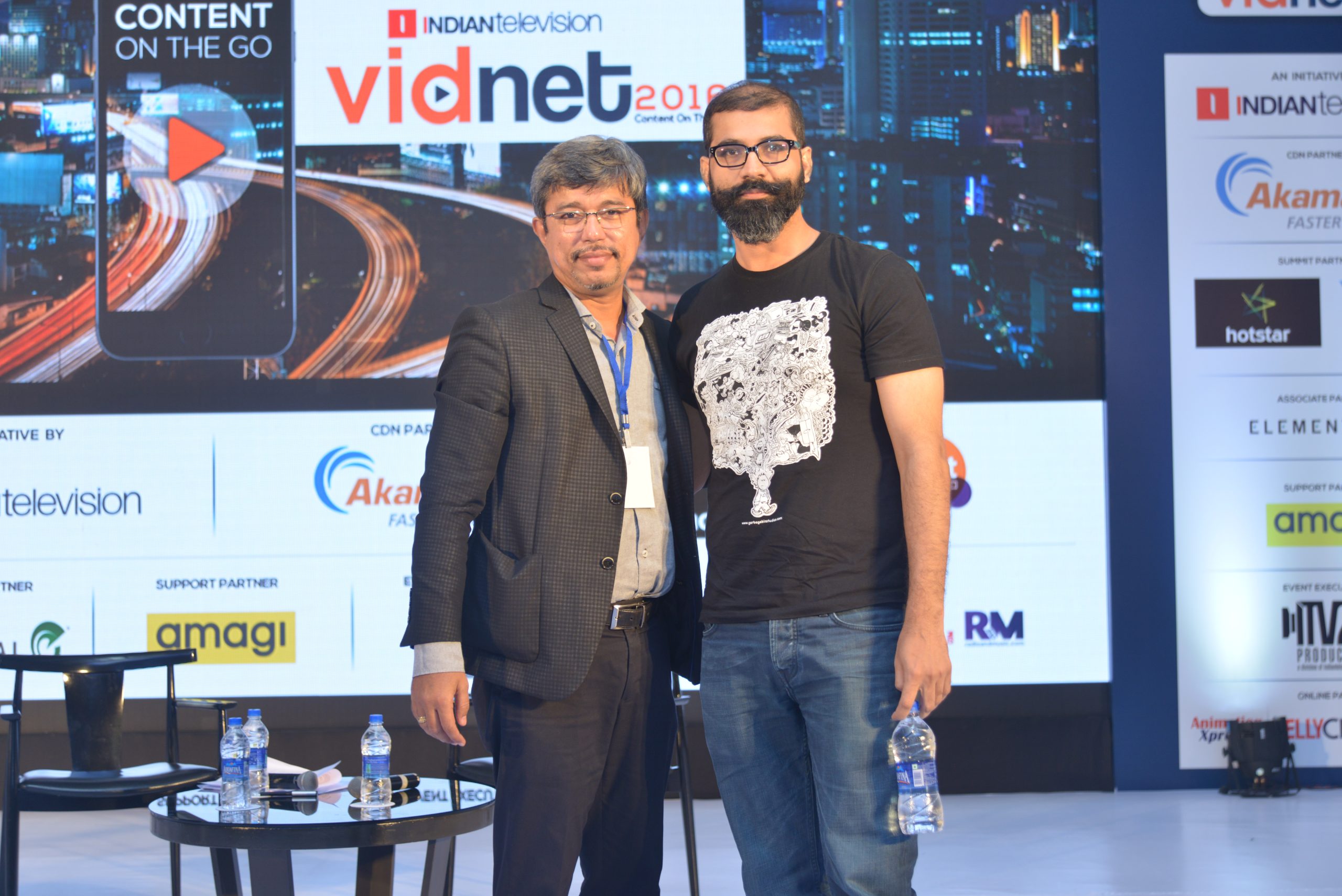
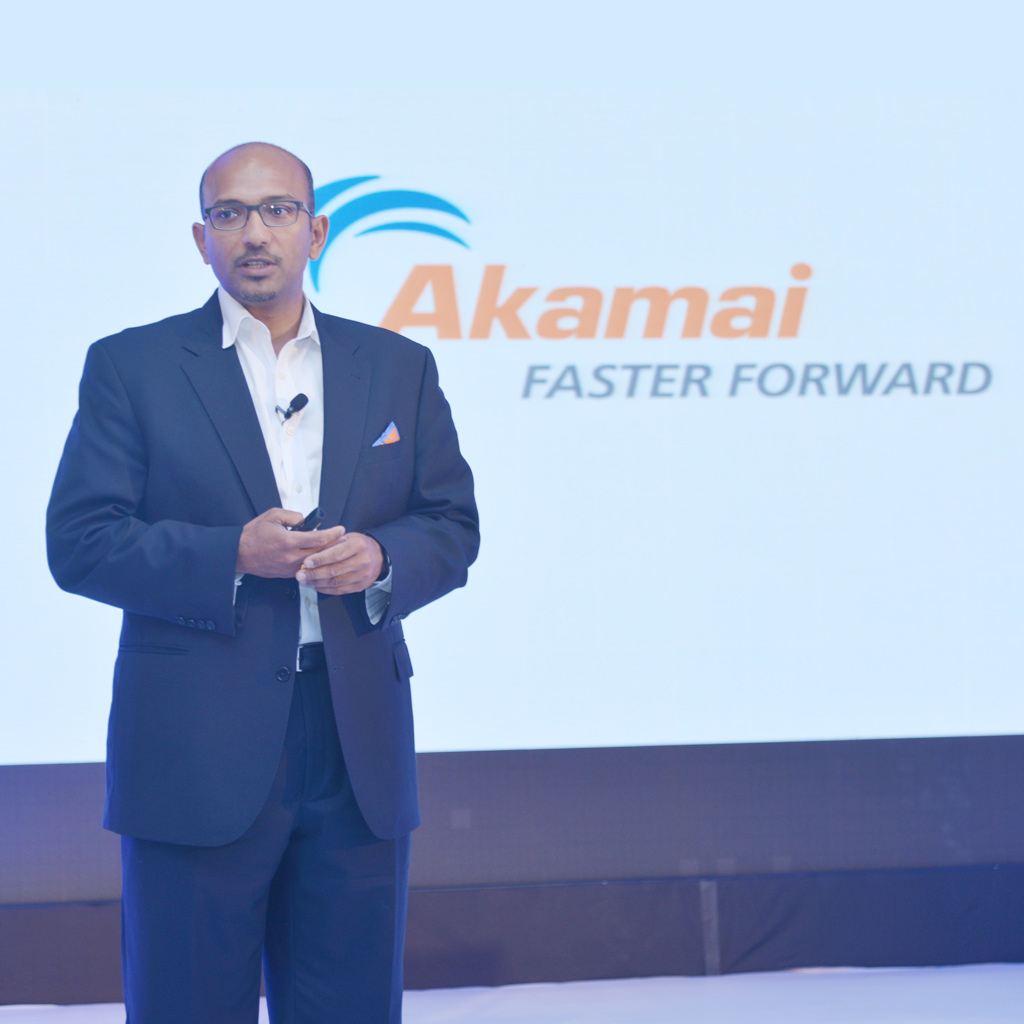
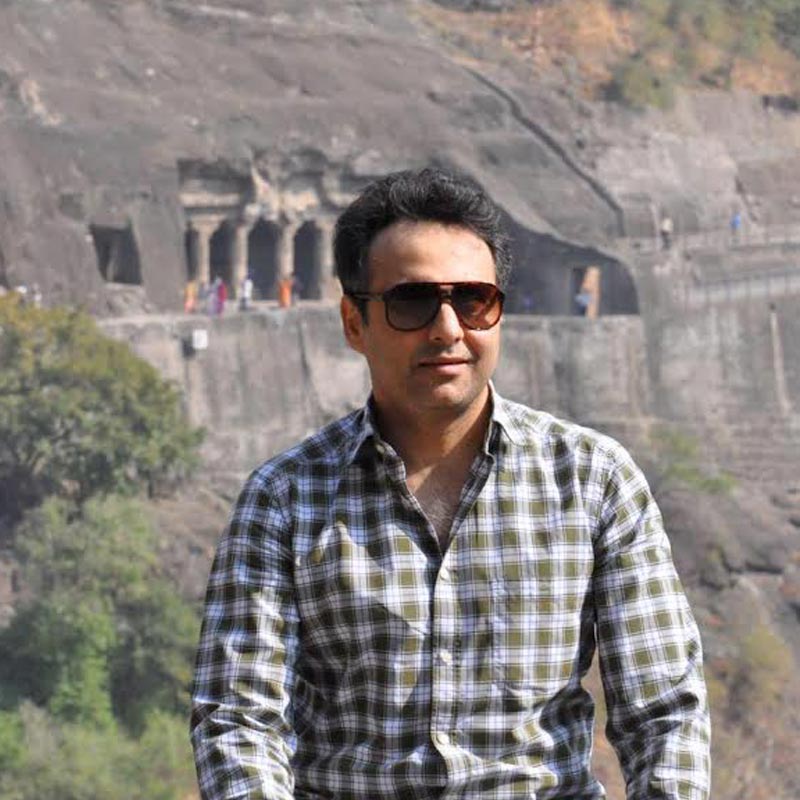
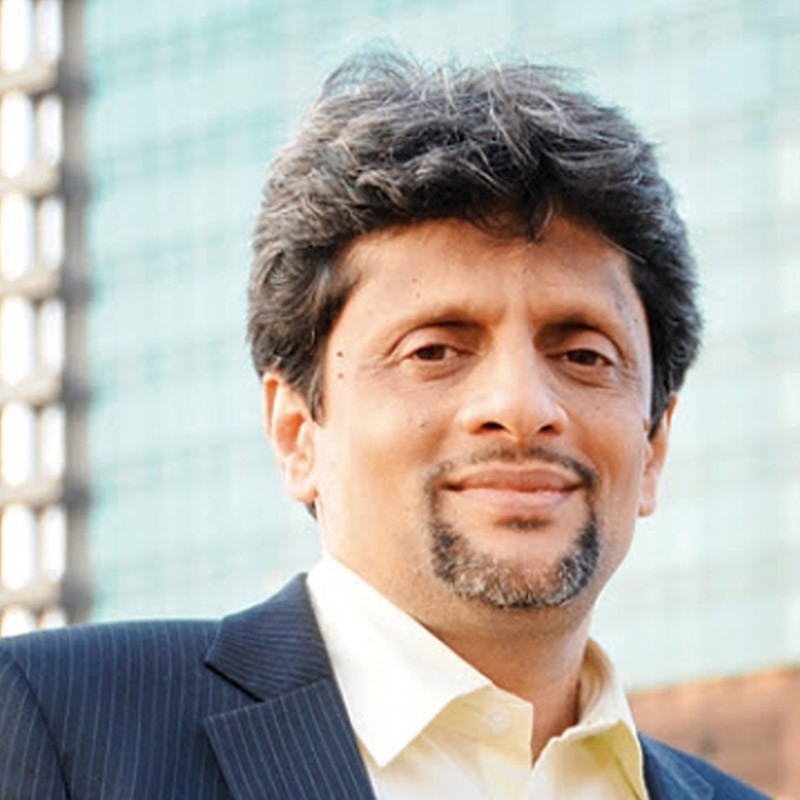
    This Tuesday, 29 June, Indiantelevision.com is all set to bring together some of the industry’s biggest names from the world of advertising, advertising, broadcasting, and production to understand the potential of the market. The leading b2b publication will host the inaugural edition of Tele-Wise Bangla, presented by Zee Bangla.

    The day-long virtual summit will open with a welcome note by Indiantelevision.com founder, CEO, and editor-in-chief Anil Wanvari. BARC India client partnership and revenue function head Aaditya Pathak will share insights on the viewership trends in the market. Kantar Insights Division director Puneet Avasthi will give a glimpse into the consumer profile in West Bengal.

    EMBED PIC 1

    In the session ‘Gauging the Might of the market’, representatives from Big Bazar, Godrej, ITC, Maruti Suzuki, Shyam Steel, Wavemaker India will discuss questions like what are the opportunities leveraged by brands on Bengali channels, how different are the approaches to strike a chord with Bengali audience, what are the most lucrative genres to invest in along with many other pertinent issues.

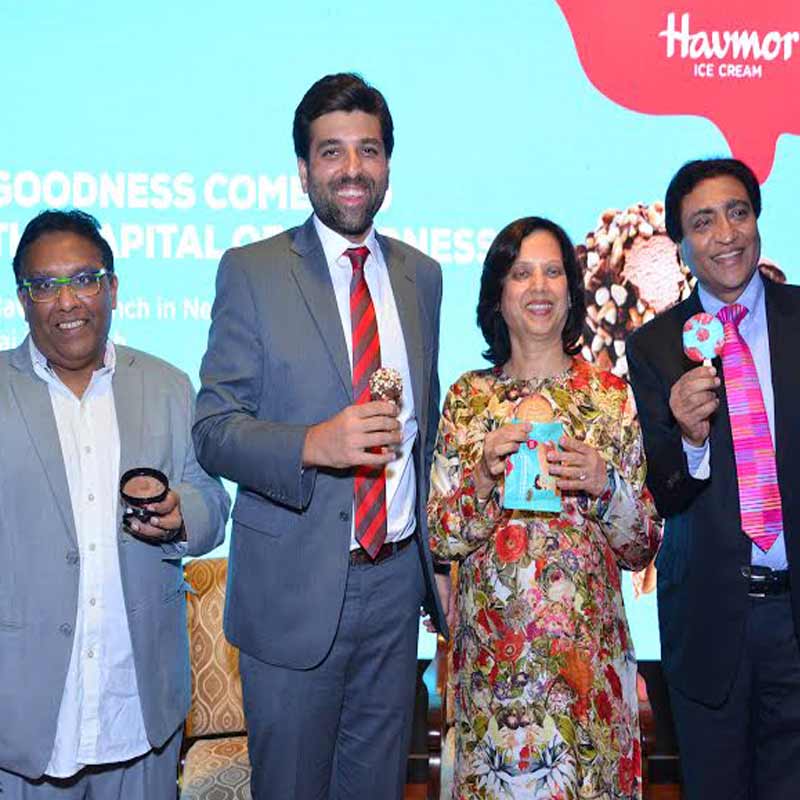
    As the regionalisation of TV channels has made it easier for the local brands to reach a specific audience, advertising spends on the channels have also risen. Leaders from Rollick Ice Cream, Ajanta Shoes, Initiative Media, Keya Seth Aromatherapy will deliberate on the growth of media spends in the last few years, challenges post-Covid, media spend ratio of local to national brands in the session ‘New Bastions for Growth’.

    EMBED PIC 2

    From a content perspective, the market has always seen progressive shows and experimentation with new concepts. With more formats of content now available, the audience has grown to accept content that is pushing the boundary of creativity. The panel will focus on the evolving content consumption trends, innovations, content investment in the West Bengal market in presence of spokespersons from Zee Bangla, Colors Bangla, Shashi Sumeet Productions, Acropolis Entertainment.

    To register: https://www.indiantelevision.com/events/telewise-bangla/

    The virtual event will begin at 3:00 pm on 29 June and will be live-streamed on YouTube, Facebook, and Twitter. 

    Join us for an insightful discussion! 

  • VBS 2021: The way forward for linear TV ecosystem

    VBS 2021: The way forward for linear TV ecosystem

    KOLKATA: The debate of over-the-top (OTT) platforms versus pay TV has been centre stage in media and entertainment conversations over the last couple of years. More recently, the subject has died down as the industry reached the conclusion that both linear TV and on-demand TV will co-exist in India for a long time, unlike the markets in the west. But the change in technology and consumer behaviour have definitely thrown challenges at the traditional TV ecosystem. At the Video and Broadband Summit (VBS) 2021, the industry discussed how to stay resilient even amid the flux.

    The summit started with a welcome note by Indiantelevision.com founder, CEO and editor-in-chief Anil Wanvari as the prestigious conference marked its seventeenth edition this year. Back in 2003, when the summit (earlier IDOS) was held for the first time, the industry was much more disorganised. Over the passage of nearly two decades, the industry has gone through multiple changes like digitisation, new price regime etc.

    India has escaped cord-cutting, TV viewing is growing but the industry cannot afford to lean back, Wanvari said. He also cautioned alarm that despite the projections of the Indian pay-TV ecosystem reaching $15-16 billion revenue, it still stands at around $11 billion.

    “Only about 800 million are being served by linear TV. Another 500 million are yet to be served. Traditional TV is definitely strong here but it has come under attack. Broadcasters have to find ways of combating the surge of edgy and almost meaningful content which has recently been brought under the regulation of I&B ministry that is being put out by OTT platforms to hook and retain customers. Now DTH operators, HITS providers, Cable TV players have to find ways of making their operations even more scalable, provide additional services,” Wanvari commented.

    Post the welcome note, VBS 2021 hosted its first panel discussion, moderated by Wanvari, bringing together top executives from broadcasters and distribution platform operators (DPOs). In ‘The leaders speak laying out a profitable future’ session, Indiacast Media Distribution president Amit Arora, Siti Networks CEO Anil Malhotra, Star & Disney India- India & International TV distribution president Gurjeev Singh Kapoor, Travelxp 4K founder & CEO Prashant Chothani, Fastway Transmission & Netplus Broadband group CEO Prem Ojha, and NXTDigital MD & CEO Vynsley Fernandes discussed the industry’s recovery post-Covid2019 and the way beyond.

    The leaders agreed that the industry has come out of the Covid2019 impact and is bouncing back gradually, although there are still some hiccups. “We all had to recast our business models, there were a lot of learnings that happened. One was that the government ensured that cable TV and broadband were treated as essential services,” Fernandes stated. Fastway’s Ojha added that technology took a big leap catalysed by the pandemic situation.

    “Majority of content consumption still happens on DPO level. They were keeping up the service level in the pandemic. I am really amazed to see how all of them were able to put up that spirit to their team that let’s not get frightened, let’s get the connectivity going. DPOs are the real media Covid warriors. This is my learning from the pandemic – that there has to be cross-dependency and there has to be faith between the entire ecosystem, then we are going to have much bigger recovery, much bigger growth going forward,” Chothani said. While the subscription count went down during the crisis due to migration, MN Vyas asserted that the numbers are bouncing back. “We’re looking forward to the good fiscal year 2022,” Arora said.

    Other than a dip in subscriber addition due to the Covid crisis, the broadcasters and DPOs could not undertake any price revision due to the lack of clarity on NTO 2.0. Kapoor said there is now competition in every genre reducing the risk of monopoly, both for broadcasters and MSOs. Hence, the pricing of content should be left with market forces rather than implementing heavy regulations.

    Talking about future opportunities, the leaders agreed that the conversion from SD to HD can be one potential area if communicated properly to consumers. Along with that, wired broadband is another potential growth driver for MSOs as the penetration is very low currently. Even if deep-pocketed players like Jio starts aggressive acquisition, there will still be enough opportunities left for other players given the fact there are only 22 million home broadband subscribers currently, Malhotra noted.

    Along with a robust business model, technology acts as the deciding factor in today’s fast-moving era. The second session discussed ‘Future proofing DPOs on video delivery solutions’ in the presence of NXTDigital group CTO Ru Ediriwira, Asianet Satellite Communications Ltd vice president & technology head Salil Thomas, Broadpeak Business Development vice president  Xavier Leclercq, and Planetcast Media Services founder director MN Vyas.

    Ediriwira said it is important to focus on future proof technology but new technology can come anytime and disrupt the industry despite the precautions. According to her, it is important to keep abreast of current developments and be open to new opportunities. Thomas echoed a similar sentiment, saying every organisation should be ready to adapt to changes, no matter what.

    “I think futureproof is something which is never possible. We have to really look at what is needed –at least what is needed in the next five years. We have to make a sea change in our distribution system. TV has to be more intelligent,” Vyas added.

    The panel also discussed the possibility of IPTV as a solution to simplify the network. Although it needs long-term investment and has not been considered widely, it could be the right direction to look at. Leclercq said, “Everywhere in the cable network, efficiency is reducing, complexity is moving everything to IP based delivery. I think one of the encouraging steps in this direction is seeing some big scale MSO in Europe, US launching IP only set top boxes.”

    The summit rounded off with a session focusing on ‘Customer First’ moderated by PwC India’s partner and leader – media, entertainment & sports advisory Raman Kalra. The panelists included some of the top names from the broadband and cable industry, such as JioFiber president Anuj Jain, Siti Networks ‘ DGM Strategy Anurag Nigam, UCN Cable Network operations head Debashis Mohanty, GTPL Hathway vice president Yatin Gupta and Shemaroo Entertainment broadcasting business COO Sandeep Gupta.

    Kalra opened the session by mentioning how customers today are spoilt for choice when it comes to choosing content to consume, what with video on demand and OTT platforms mushrooming with ever increasing channels of entertainment. Despite demands for content and internet broadband having skyrocketed during the pandemic, the challenge of remaining relevant is a concern for both the service and content provider, as well, in the highly competitive market. So the question arises on how to acquire and retain a customer base with the constantly changing customer demands and behaviour.

    The panel debated the pros and cons of the pandemic and the post-Covid market scenario. Everyone agreed that the period was a huge shot in the arm to the industry as people were confined to their homes with increasing digital requirements for their work, study and entertainment. It resulted in a major spike in cable TV and broadband consumption in the initial months of the pandemic, which flattened out towards the latter half of the lockdown.

    Strategies were discussed on how best to meet consumer needs and ensure customer stickiness. The session concluded by summarising that there’s a need for businesses to invest deeply in knowing and engaging with their customers. Analysing customers’ content consumption data can also lead to rich dividends.

  • What 2020 taught me about the advertising business

    What 2020 taught me about the advertising business

    MUMBAI: Indiantelevision.com is happy to bring you the year ender 2020 series Throwback 2020– a wrap  up of major developments in the media, entertainment, advertising and marketing sectors during one of the most challenging 12 months mankind has faced in a century. We are also bringing you perspectives from executives – their POVs – of the year just gone by. Here’s one from Dentsu Webchutney CEO Gautam Reghunath, wherein he talks what the annus horribilis has taught him and his team at the agency. Read on to learn more from him. 

    Your Core Team Will Make or Break You.

    Great teams aremade through endless iterations of roles cultures, processes, structures and tackling problems when they emerge. They are more than a bunch of well performing people put together. The only way to build these teams is through endless optimisations of how this team works together. I’ve never been more thankful to have had this core in place. Investing in culture and setting up a great core team has always been a priority at Webchutney but the last 12 months have just solidified how it is especially important during a rough year. 

    Agency creativity is now a rare product. We’re doubling down on it. 

    The truth is that over the past decade, creativity as a service has taken a back seat at most big agencies. In our industry right now distribution, productivity and  efficiency are what’s valued, but the side effects are that they are all becoming commoditised. There’s little differentiation between agencies. As for Webchutney, it is only smart for us to maintain our focus of differentiation to creativity, a truly scarce resource whose value is always on the rise.

    Remote-talent might just have saved advertising.

    Clever, creative people don’t just live in big cities. Social media platforms have thrived on it but advertising will have to learn to embrace creativity from across the country for its own sake. But not before a serious change to what’s required. Remote work requires new infrastructure and management styles that we aren’t used to or taught. The hardest challenge with remote is trying to change the fundamental nature of agency floors: we're social creatures, we communicate synchronously, we ideate together, often loud. Self-discipline is hard. In advertising, it’s even harder. Companies which figure it all out have a massive talent arbitrage opportunity.

    Resourcefulness and initiativestood out more than ever this year.

    Resourcefulness is a competitive advantage. Too many organizations hire when they should be optimizing the people they’ve already got. Efficient people want to work in an efficient environment. The people who have stood out for me this year are the ones who’ve shown excitement about the opportunities for us this year, an ability to contribute the right way and those who’ve displayed apotential to learn and adapt. Initiative is contagious.

    Client relationships – stop taking them for granted.

    Over a period of time, agencies typicallystart takingclient relationships for granted. But the reality is that every day, they’re choosing to be your client or not. No year has this played out more than 2020. Somewhere a client relationship starts resembling a subscription you renew every year. Digital agencies who’ve grown up on project work might deal with this better. We’ve fought so hard for a seat at the table over the years that because we were always pitching, we developed a skill of communicating who we are and what we’re bringing that some of the older agencies forgot to do consistently. 

    Make a Plan, But Don’t Plan on Sticking to It.

    Dwight D. Eisenhower once said, “Plans are nothing; planning is everything.” The key decisions this year challenged my willingness to evolve more than my aptitude or intelligence. 2020 taught me that you can make progress by planning but it’s more by deviating that the chances of success increase. It’s also proven to us in advertising that that we have so much more to learn as an industry on how to reinvent ourselves. Nobody ever regrets making fast and decisive adjustments to changing circumstances.
     

  • Webinar: Building a homegrown content distribution security system

    Webinar: Building a homegrown content distribution security system

    KOLKATA: Taking ahead its webinar with experts across media and entertainment industry, Indiantelevision.com will be hosting a panel discussion on content security distribution ecosystem.

    Moderated by Indiantelevision.com founder, CEO and editor-in-chief Anil Wanvari, the discussion will revolve around – “Television: getting back to business; building a homegrown viable content security distribution ecosystem.” It will focus on other areas like acceptance of Indian origin CAS, digital TV tech, and how the vocal for local narrative will yield results for operators.

    Some of the prominent speakers include MyBox Technologies MD and CEO Amit Kharbanda, SITI Networks Ltd CEO Anil Malhotra, TRAI advisor Arvind Kumar, among others. It will be held on Wednesday, 16 December at 4 pm.

  • Audiences realise that they need to pay for quality news: Alistair McEwan

    Audiences realise that they need to pay for quality news: Alistair McEwan

    NEW DELHI: 2020 has been an interesting year for news organisations, their journey marked by various peaks and troughs. It was no different for the global news outlet BBC, too. From gaining the highest spike in audience numbers on both TV and digital format to struggling with lower ad revenues, the firm managed to clock in a rather productive year. In a recent chat with Indiantelevision.com founder, CEO, and editor-in-chief Anil Wanvari, at the recently concluded Pubnation (print & digital), BBC Global News SVP – commercial development for Asia & ANZ Alistair McEwan talked in details about the same. Edited excerpts follow: 

    On how BBC tackled the Covid2019 lockdown

    Our experience was, probably, not dissimilar to many publishers around the world, where we have been on a roller coaster. I think there is a sweet irony in the fact that we’ve never seen bigger audiences coming to our platforms, whether that’s television or digital. And that has pretty much sustained through the year. We saw about a 180 million unique visitors coming to BBC.com in March and we have just beaten the figure in November with the US elections. 

    But whilst the audience flocked to BBC in millions, advertisers who were deeply impacted by the lockdown remained cautious. So, in ordinary times, you would hope to be able to monetise that effectively but of course, at the moment, that has not been the case. 

    On how they managed to deliver to the audiences 

    We have seen massive audio and digital growth this year. For us, TV production remained a challenge with lockdown norms and 
    health hazards. Albeit, one good thing that this crisis promoted was the agility and the ability of the people to pivot into new processes. And that’s what we have exactly done at BBC. It has driven high levels of productivity. 

    For example, on the news side, we’ve been creating a lot of Covid-related content. And it is not just reporting but also solutions-oriented stories and non-news reporting. That’s where we have seen, probably, the biggest growth levels coming across all the verticals. So, from a consumer consumption perspective, we have grown immensely. 

    Read more on BBC News 

    On Indian audiences

    Indian audiences have stayed very true and loyal to us, certainly through the early stages of Covid. We saw significant growth on both television and BBC.com. We saw a 5X growth in our audience. We have 18 to 20 million unique audiences on our digital side and through our television channels. We have over 300 journalists across the BBC World Service Group, including our Delhi bureau. We prioritise our investment into India as a market – we now publish in eight different languages in India in addition to our English language output. 

    On virality and its rules

    My personal line on virality is that it's almost completely unpredictable anywhere in the world. There are so many different levellers that are variables to it but there are certain sort of formats that you can use to try to encourage it; for example, ensuring the format fits the devices, the context is right, and you are having a singular message across the products. With respect to BBC, we are globally producing world-class output that becomes highly emotive and highly shared. 

    It is much more difficult to achieve that kind of virality effect with branded content, which is why we always sort of try to pin our branded content style right back to what we do in the editorial. 

    On offerings to the advertisers

    For advertisers, we bundle and package our offerings across TV, radio and digital media. All of these have a fundamentally important part in the way you bring a holistic solution to an advertiser. And, of course, audiences exist independently in all of those different areas. So for us on the commercial side, it's really all about where the target audience is, discovering those audience insights and then being able to deliver to those custom targets across group assets and really utilising all of the data insights. 

    The media industry, so far, has not been able to drive empirical measurement of the content it produces; how the audience feels about it and how it impacts society. We are using a variety of neuroscience technology, eye-tracking, and facial decoding to be able to track emotional engagement. That's actually allowed us to measure all the different suites of platforms that we have there. 

    On taking news industry behind the paywall

    The industry has reached a tipping point and it has been a while back that we have consumer acceptance towards paying for quality news content. Take the New York Times, for instance. They have been the benchmark international news organisation in this space. They started way back in 2008 and the initial commentary was that they would struggle to survive post this move. But today, they are earning 64 per cent of their revenues from paid subscriptions. So that boat has sailed. Audiences have been conditioned to understand and accept the need to pay for quality news. We have to fund it. You can be the Guardian and ask people to fund it out of goodwill and love for the brand or whether you are requiring people to pay through a paywall; you need to figure out a sustainable way to go ahead. In India, it will take some time to evolve. 

  • PubNation: How print players expanded digital operations amid Covid

    PubNation: How print players expanded digital operations amid Covid

    MUMBAI: The process of the digital transformation of the print industry has been ongoing for a while now, but the Covid2019 crisis accelerated the need for news publications to realign their objectives and operational model, and to look toward creating new avenues to diversify offerings. More than ever, media businesses will have to act now in order to capitalise on this current growth and ensure success in this new landscape and beyond. 

    Different news organisations came forward to discuss the effect of pandemic and how it accelerated their business at the two-day-long summit – PubNation (print and digital), organised by Indiantelevision.com in partnership with Quintyoe Technologies and Gamezop. The panel was moderated by Omdia content strategies senior principal Tim Westcott and included ET Online editor Deepak Ajwani, Moneycontrol editor Binoy Prabhakar, HT digital streams chief content officer Prasad Sanyal, Amar Ujala Ltd state editor Uttrakhand Sanjay Abhigyan, The Hindu strategy & digital editor Sriram Srinivasan and Mathrubhumi assistant editor-online K A Johny.

    During the pandemic a lot of publications were forced to take the digital route to stay in business. As the movement of people, transport and delivery came to a complete halt owing to lockdown, and readers unsubscribed due to economic constraints or risk of contracting the virus off of newspapers, the e-paper played an important role in these tough times.

    Starting off, Srinivasan revealed that The Hindu was among the first few publications to go digital and adopt a subscription-based model two years back. It is also among first few organisations to launch a paid version of the website. He added, “We have an e-paper, we provide dozens of newsletters. So, everything that is required for a digital publication is there. Then there are our sister publications also, including Business Line, political magazine Frontline and a sports magazine.”

    Amar Ujala, which has a very strong presence in Hindi heartland and is among the top five newspapers in the country, has shifted its focus towards creating digital content. The organisation is present in eight to nine states with more than 250 print editions. Amar Ujala has a very vibrant digital presence in the form of a website, YouTube and Facebook. 
     
    Echoing the sentiment, Sanyal mentioned that Covid20919 has accelerated the digital journey for Hindustan Times and the brand is looking forward to expanding its offering. “All the three outlets Hindustan Times, Hindustan and Live Mint are digitally present. During the pandemic, the company has launched three new segments HT automobile, HT tech and HT Bangla,” he added.

    A large number of media groups were already digital first and working towards ensuring that the customer experience is right and they were abreast with the content trends. Ajwani revealed that in March 2020, ET doubled its viewership. Said he: “We were effective, productive and were making a difference with whatever content we were producing from home. A lot of technology, collaboration with our print team has been around for the last three-four years. We have been connected with each other via multi-modes of technology. So, using our feet on the ground, and the skills of technology and the skills we have built online, we have had a very integrated approach from day one.”

    He further added, “Somewhere in the month of July, we saw that Covid2019 pandemic has accelerated our offerings. I believe there is no transition from print to digital. They both work in synergy. It is an omnipresent world, we are present wherever the reader wants us to be.”

    When the novel Coronavirus arrived in India, it came with more than its fair share of misinformation and fake news. People were in desperate need of verifiable, trustworthy news and they turned to print publications and their digital arms for it. In this regard, Prabhakar mentioned that Moneycontrol was focused on reaching out to its audiences and providing all the necessary information related to the pandemic. “Seeking viewer attention was never a problem for the organisation. Today, the lockdowns have been lifted and many of our readers have gone back to their daily routines, now the challenge once again is to how to seek the user’s attention,” he rued.

    The brand had diversified its offering to acquire and retain new users by expanding into the regional language space. It has three subscription-based products — Moneycontrol Pro, Moneycontrol Hindi and Moneycontrol Gujrati. 

    HT is also doing something similar, said Sanyal, and offers products for Gujarati and Hindi speaking audiences. The network closely works with all partners to deliver content.  

    K A Johny disclosed that it has a very powerful presence in both print and TV. He also shared that the driving force for Mathrubhumi is the trust of people. Covid2019 has only revived things for the organisation. Irrespective of the medium, he thinks that a platform of trust and credibility is the need of the hour.

  • PubNation: Are paywalls the future of digital news?

    PubNation: Are paywalls the future of digital news?

    MUMBAI: Covid2019 has impacted industries across the board but it also gave a massive fillip to digital adoption. People are using digital more than ever for most of their requirements – from buying groceries, to reading news, and seeking entertainment.

    The massive change in consumption habits has not gone unnoticed by media organisations and while some may think that the print industry is on the cusp of a digital revolution, the truth is that they have been preparing for this for a while now; upgrading their capabilities by investing in technology, video, content formats, creating properties and, most of all, training editorial teams. 

    In order to understand the new form of print media, its relevance as an advertising medium, the content that will define print publications in future, and technology that will shape the copies of tomorrow, Indiantelevision.com is hosting a two-day-long summit – PubNation (print and digital) in partnership with Quintyoe Technologies and Gamezop.

    One of the virtual panels focused on the convergence of print and digital, and how news will evolve and be consumed in the next three years. The panel was moderated by Omdia content strategies senior principal analyst Tim Westcott and included ET Online editor Deepak Ajwani, Moneycontrol editor Binoy Prabhakar, HT digital streams chief content officer Prasad Sanyal, Amar Ujala Ltd state editor Uttrakhand Sanjay Abhigyan, and Mathrubhumi assistant editor-online K A Johny.

    Abhigyan opened the session by sharing that till recently, Amar Ujala was known as a print maven, but the organisation has adopted digital at a rapid speed. It has a vibrant online presence in the form of a website, YouTube and Facebook pages. In current times, content diversification is of utmost importance, he stated. 

    But going digital also raises the question of modes of monetisation. Will the future of the digital news content be obscured behind paywalls?  

    The Hindu strategy & digital editor Sriram Srinivasan shared that the group was one of the first ones in the country to figure out that getting into a subscription model was inevitable. “We identified it a few years ago, before we even did it. We all saw where the online advertising was going and a lot of publishers were struggling to make it as a main source of revenue and it is still a problem. There is a limit to which the online advertising can support a publication,” he said.

    Prabhakar mentioned that Moneycontrol has a subscription product – Moneycontrol Pro, which has been around for the last two years and has managed over three lakh subscribers in the last 18 months. “We have been doing this because our business ambitions and editorial objectives were clearly aligned.” 

    Ajwani, who was representing one of the biggest publishers of the country, mentioned that for the last two years, ET Prime was running without any ads. However, they were the first website in the realm of business mulling to go the subscription route. Initially, the print team was helping them with great paywall content. Then they started with video content, deep-dive stories and experimenting with formats and graphics. Covid2019 further hastened the process of segueing from partial to complete paywall.

     “Initially we put out three articles with in-depth analysis and graphics behind the paywall on ETPrime.com. This July we integrated it into the ET platform and it became the membership platform for us. We redesigned an integrated website, launched a paywall mechanism, and a lot of changes were made and all this was done from home,” he detailed. 

    During the conversation, K A Johny disclosed that Mathrubhumi is planning to go behind a paywall and the teams are working towards this end. 

    Westcott wondered how these industry giants were going to make readers pay for their digital platform, to which Prabhakar admitted that building a subscription-based model is not easy. There are also hefty production costs to contend with. To make the content look worthy enough so that the readers pay for it, the organisation uploads weekly stock results and in-depth investigative reports.

    Adding to this, Ajwani said that it is important to make the user-experience more hassle-free and enjoyable. "I think both science and content are the subscription mantra." Sanyal agreed, chiming in with the reveal that the organisation is aware of what audiences read, and discovery of the kind of content that will be run on the site is driven by algorithms and not individuals. 

    It will be interesting to see how the content strategies of these platforms unfold in the long run and how willing users will be to pay for the content.

  • Virtual Fireside Chat with Puneet Gupt, Coo, Times Internet Ltd

    Virtual Fireside Chat with Puneet Gupt, Coo, Times Internet Ltd

    Taking ahead its virtual fireside series with experts across media and entertainment industry, Indiantelevision.com will be hosting Times Internet COO Puneet Gupt on 25 November. The session will be hosted by founder, CEO and editor-in-chief Anil Wanvari.

    Gupt drives the strategy, vision and execution for all the internet mobile and properties of the group. He has close to two decades of experience in identifying market opportunities, product management, digital marketing, app growth and retention, monetisation of digital assets.

    He has been associated with Times Group over a decade. He was elevated as COO in 2018.He played a critical role in Times Internet’s news business when he was heading the segment.

    Tune in to know more!

  • The world of Indian e-sports, according to Nodwin Gaming’s Akshat Rathee

    The world of Indian e-sports, according to Nodwin Gaming’s Akshat Rathee

    MUMBAI: Perhaps because people have been stuck in their homes due to the Covid2019 pandemic, the e-sports industry is bigger and bolder than ever before. For many gaming platforms, user engagement was at an all-time high during the lockdown and even now, the revenues are continuing to pour in.

    Nodwin Gaming MD Akshat Rathee, an avid e-athlete himself has revolutionized the e-sports industry in India and has almost single-handedly expanded the company to the middle east and south Africa. In a virtual fireside chat with indiantelevision.com founder, CEO and editor-in-chief Anil Wanvari, Rathee spoke at length about e-sports in India and the international market and the challenges faced by the industry.

    Online games have three key segments: casual games, e-sports, and real money games (RMG) that are basically skill-based online games played for stakes. However, Rathee said that there is no clear bifurcation between games in India, anything that is digital and has competition is termed as e-sports by people. This is not the case in the US or UK.

    He also highlighted that outside India, the law is clearer on what constitutes gambling, skill-based games and real money gaming. He explained: “In terms of practical implications, an American or European customer is worth far more than the Indian one. But during the pandemic, physical events were cancelled and that impacted the value of sponsorship more in the western world.”

    In India online viewership counts for a lot, said Rathee, citing PUBG live streams that millions tune into. “Even after the ban, the entire segment has grown… In the 45 days since the downfall of PUBG in India, a lot of other games have cropped up,” he observed.

    According to Rathee, game publishers did really well during the Covid2019 pandemic. “New games were being discovered, games like The Fall Guy started becoming very popular. Apart from this, game casters benefited a lot but the algorithms did not favour the smaller players in the market,” he added.

    Read more news on Gaming Industry

    Answering Wanvari’s question on how to clear the clutter and mess that has mucked up the e-sports and gaming ecosystem, Rathee opined that bringing in clear and well-defined regulatory measures is the only option.

    “Having a differentiated definition of the word e-sports that is as per Indian regulation and doesn’t apply to the rest of the world will not work. E-sports is a speed competition. Just because a person has more money doesn’t mean he can play twice. The e-sports game needs to be fair as well so that everyone gets equal opportunity to win the competition,” he explained.

    Rathee defined e-sports as something that has physicality of results. It is the physicality of moves and actions that is the differentiator between the results of the participants. For instance, chess.com clearly mentions that chess is not a sport but a game. He further added, 

    “E-sports are and need to be dependent on publishers. We are the world’s first sports category that is owned by someone from the very beginning. Owner of Kings belongs to Tencent, Bluehole owns PUBG, while Call of Duty is an Activision entity. So it is someone’s property – everything about the game, from the IP, data, rules, players and to the systems belongs to them,” he clarifies.

    Rathee went on to say: “Another important thing is to understand the business of sports. The question arises – is e-sports a B2C business anywhere in the world without the publisher?” In his opinion, e-sports has always been a B2B business, for the simple reason that a sports organization is making money from sponsorship and media rights.

    The gaming industry is at a watershed moment where the youth, information and technology, finance and IT ministry are actively making plans to regulate the sector. But there exists the roadblock of censorship and data privacy. The gaming industry is also stuck between the state and central government over GST issues. Rathee asserted that while the gaming industry is valued at less than Rs 10,000 crores, it’s like the goose with the golden egg for the government – precisely because it holds sway over the millennials and Gen Z, as well as the future of social media.  

    Rathee argued that it is not easy to remove one country from the ecosystem. China also has a regulatory body that makes it mandatory for companies to license the games.

    “China is in a position to ban many e-sports and games because they run the ecosystem. China already has a regulatory body which could say that you have to license games through us without which we won’t let you do it. Due to the fragmentation of the internet, the Middle East is raising concern over their cultural sensibilities. So, it is a very thin line if you put a regulatory framework in place that can be exploitative,” he shared.

    At the end, the question raised is whose interest you are working for. “It is important to have a proper regulatory body in place so that the industry grows,” he emphasised.

    It is high time the industry developed a strident voice of its own, declared Rathee, because most of the world outside India often looks at mobile gaming and mobile e-sports as second-class citizens to the e-sports ecosystem.   

  • Industry bigwigs sound the alarm on piracy from OTT platforms

    Industry bigwigs sound the alarm on piracy from OTT platforms

    KOLKATA: Digital piracy is nothing new. But it has registered a massive uptick as millions of people have been forced to stay cooped up in their homes because of the Covid2019 pandemic. Illegal streaming could cost the industry around $12.5 billion by 2024 and the only way to curb the threat is a concerted effort by policy makers and service providers, according to experts.

    In a webinar hosted by Indiantelevision.com, panellists agreed that a 360 degree approach can help win the battle against piracy. ZEE5 India technology head Tushar Vohra, SonyLIV technology head Manish Verma, Synamedia intelligence and security operations VP Avigail Gutman participated in the discussion, which was moderated by Indiantelevision.com founder, CEO and editor-in-chief Anil Wanvari.

    Gutman elaborated on how piracy from streaming platforms has come to be the most significant problem in the last five-ten years. Content is being extracted from the devices from where it is legitimately supplied, says Gutman. Along with that, another kind of copyright violation has emerged including identity theft and skimming of customer credentials. While there are many security solutions that prevent older forms of piracy, streaming is now “the lowest hanging fruit” for pirates.


    With more and more people switching to digital platforms, piracy is also increasing in tandem, states SonyLIV’s Manish Verma, agreeing to the fact that the issue is ever-evolving. He explained that it started with a very simple process like deep linking of content. It went one step further when people started using proxy and VPN to stream content illegally. This gradually devolved into credential theft, identity sharing, screen mirroring and copying the content on screen.

    Read more news on OTT

    Verma believes that the rise in content piracy has a lot to do with malpractices on social media platforms like Telegram, which allows people to share large multimedia files without supervision. The messenger app became immensely popular after the government crackdown on peer-to-peer file sharing sites, better known as torrents. While the company behind the app claims to have a zero tolerance policy on pirated content, its encryption makes it nearly impossible to find out what users are sharing.

    “With content acquisition and content production costs increasing – whether it is for original content or live sports events –it is very important for us to see what all we can do to stop piracy,” he added.

    ZEE5’s Vohra pointed out how they witnessed a big spike in piracy in the wake of Covid2019 crisis. As TV content dried up with the beginning of lockdown, the platform saw a huge increase in credential theft, and original content getting pirated. This is only going to increase as people have now already tasted original premium content, he warned. 

    “It is easy for pirate services to lure audience as they combine content from several platforms and offer it freely or for a much lower price,” Vohra said. Clearly, 360 investment from content owners, communities, governments and lawmakers is the need of the hour to tackle this challenge.

    With the evolution in the nature of piracy, security solutions have also changed. Verma said that at the outset, the platform used to take basic steps earlier as the volume of traffic and impact wasn’t very high. Then they went from encrypting content, user URLs, using DRMs to blocking proxy and VPN access. Now, they’re looking at more advanced measures at different layers to make the service completely watertight against piracy.

    On the other hand, ZEE5’s Vohra said that the company believes in creating a barrier. It is trying to warn pirates that ZEE5 can catch them by figuring out their IP, user id, device etc. The platform is working on a forensic watermark to be launched on the web player in October. Later, it will be launched on all applications expect for KAIOS by end of December. He is optimistic that the OTT service will be in a better position after six months.

    “We were engaging with the government of India for data protection laws and we stressed content protection as one of the most important clauses that the lawmakers should take up. We are seeing good results from that engagement. We are hopeful that a new law that doubles down on copyright protection will be introduced by April,” Vohra added.

    Gutman concurred that there is great need for stricter law enforcement as hackers are attacking DRMs exploiting the loopholes, legitimate CDNs, video services. As piracy becomes increasingly sophisticated, it demands equally progressive regulations to check it.