Tag: indiantelevision.com

  • NDTV denies rumours of MetroNation shutdown

    NDTV denies rumours of MetroNation shutdown

    NEW DELHI: Speculation has been doing the rounds that NDTV might bring the shutter down on its city centric news channel MetroNation, which is currently operational in Delhi. However, the media company has cleared the air saying, that there is no question of a shutdown, rather it will go ahead with its planned launch of its MetroNation Chennai though a date has not been fixed yet.

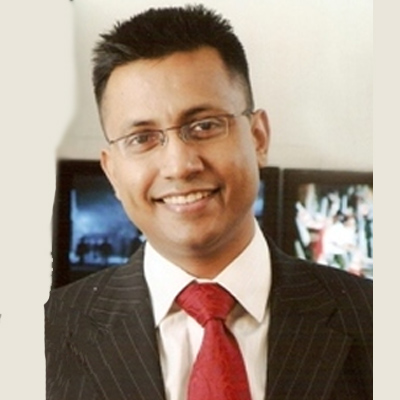
    Speaking to indiantelevision.com NDTV MetroNation CEO Rajiv Lulla said, “We know there are lots of rumours doing the rounds with regards to MetroNation, but we are not going to close down the channel. Also our plan to launch the channel in Chennai is very much in progress. We have already hired about 90 people down south. However, we have not fixed the date for launching the channel yet.”

    NDTV has partnered with Kasturi & Sons Ltd, publisher of The Hindu to launch MetroNation Chennai.

    Kastrui & Sons managing director N. Murali added, “We will definitely launch the channel, but we are yet to decide the timing.”

    Earlier in August, 2008, Lulla had told indiantelevision.com that the NDTV Group will roll out the channel in Chennai by October-end followed by the launch of MetroNation Mumbai by end fiscal 2008-09.

    And while, NDTV Group is rationalising costs, the media company has not handed pink slips to its MetroNation employees in and continues to produce programming. Explained Lulla: “At this time of recession like every other company, we are also trying to control our costs as best as we can. But we have not cut any jobs as of now. Also the channel has fresh content on air till date.”

    MetroNation Delhi has about 165 employees at the moment.

  • ‘The downturn will bring in corrections not just in carriage but in every other aspect’ : Barun Das – Zee News Ltd CEO

    ‘The downturn will bring in corrections not just in carriage but in every other aspect’ : Barun Das – Zee News Ltd CEO

    Churn. The television industry has been going through turbulent times with the economy downsliding and ad growth decelerating. Like its peers Zee News Ltd (ZNL) too has been riding the wave of turbulence with its unique mix of national news and regional language channels.

    While Zee News, Zee Marathi and Zee Bangla have been growing rapidly and notching up profits, Zee Telugu has turned operationally cash positive. The management has managed to keep losses from its ‘new businesses’ (channel launches in the south and Zee Talkies) under control; full fiscal loss forecasts stay unchanged at Rs 700 million, even though it is planning to launch a regional channel targeted at Uttar Pradesh. Simultaneously, it has decided to pull the shutters down on Zee Gujarati from 30 April as it was bleeding.


    ZNL is also pursuing growth through the franchisee model, an experiment not tried yet by the other news broadcasters. After partnering with SB Multimedia for a regional news channel in Chattisgarh, the company is keen to tap local entrepreneurs who desire to get into the TV news space in regions which do not occupy Zee’s immediate direct expansion plans.


    In an interview with Indiantelevision.com’s Sibabrata Das, Zee News Ltd CEO Barun Das talks about the success of the Zee News channel following a repositioning exercise, the turn around of Zee Business, the emergence of new driver channels within the bouquet, the challenges of tiding over the global economic turmoil, and the company’s growth plans.


    Excerpts:

    Media companies are reeling under a severe ad slowdown. How has Zee News Ltd bucked this trend so far?
    We are helped by the fact that the regional language markets are growing faster. What is working for us is the composition of the bouquet. Some of the new regional channels have started delivering while the driver channels continue to post strong growth. The positive thing is that more channels like Zee Telugu, Zee Kannada and Zee Business are positioning themselves to get into the driver category over the next 12-18 months.

    Isn’t the economic downturn affecting regional markets as well?
    There is an overall slowdown. But regional television media markets are still in their nascent stages. The size of these markets is small and there is a lot of potential to grow them. The Marathi news market, for instance, is new. Even in the general entertainment space, the regional channels arrived much later than the invasion of private satellite television in national languages. Outside the southern region, it is the Marathi and Bengali markets that really matter. The other regional markets are small and I don’t see them growing to any significant size in the near future.

    Is this the time to take hard calls like shutting down Zee Gujarati?
    We critically reviewed the channels that are not likely to make profit in the near future and decided to close down Zee Gujarati with effect from 30 April. Our learning in that market shows that the revenue is too small as entertainment consumption happens primarily in Hindi. It didn’t make sense to linger with the channel and burn cash any more. We would rather focus on the bottom line of the company while strategically expanding our presence in other markets, products and services.

    Has the break even success of the Telugu general entertainment channel put you in a comfort zone in the southern region to launch more channels?
    We are backing up the progress of Zee Telugu with the launch in this quarter of Zee 24 Ghantalu, a Telugu news channel. Though Zee Kannada will not break even this fiscal, it would happen in the first or second quarter of FY’10. So yes, we have managed to open up the southern space for ourselves.

    How bullish are you about cracking the Tamil market, particularly when the Marans (Sun TV promoters) and DMK party chief and Tamil Nadu chief minister M Karunanidhi have smoked the peace pipe?
    We are investing Rs 900 million for the Tamil channel in the first year (capex+one year opex). We expect Zee Tamil to break even over 36-48 months. We have signed up with Sun Group’s cable TV arm SCV and the channel is well distributed. We are also in talks with Sun Direct for a presence of the channel on the DTH platform.


    What makes us stay bullish is that Tamil Nadu is the biggest regional market. Besides, there is only one player (Sun TV) in that market, giving us space to climb the ladder. We feel we have a good opportunity to be a strong No. 2 or No. 3. Also, we have started understanding the nuances of the southern market from our experience, planning and research in running a Telugu and a Kannada channel.

    What is working for us is the composition of the bouquet. Some of the new regional channels have started delivering while the driver channels continue to post strong growth. The positive thing is that more channels like Zee Telugu, Zee Kannada and Zee Business are positioning themselves to get into the driver category over the next 12-18 months

    How much is ZNL going to lose from its new businesses this fiscal?
    We are sticking to our original guidance of an EBITDA loss of Rs 700 million from our new businesses (Zee Telugu, Zee Kannada, Zee 24 Taas, Zee Tamil, Zee Talkies and Zee 24 Ghantalu) this fiscal. There is no revision upwards despite us planning to launch a regional news channel in Uttar Pradesh.

    With the Indian economy coming under the shadow of a global recession, have you shelved plans to launch an English news channel?
    There is no additional expansion plan at this stage outside the launch of Zee 24 Ghantalu and a regional news channel in Uttar Pradesh. But we are exploring opportunities in the English business news space. There is a lot of potential, but we have not concretised our plan as yet.

    Marathi movie channel Zee Talkies got transferred from Zee Entertainment Enterprises Ltd (ZEEL) to ZNL. Will the company launch regional movie channels in each market where it runs a GEC?
    Theoretically, we should have a GEC, a news, a movie and a music channel in each regional market where we have a presence. But we are not getting into that gear at this stage. Our Marathi presence is the most widest, followed by Bengali where we are involved in two GECs. While we have the market leader in Zee Bangla, we have taken a 26 per cent stake in Akaash Bangla along with a channel management agreement.

    Will you be expanding in the near future through the franchisee model?
    After launching Zee 24 Ghante Chattisgarh under this model, we are exploring more such opportunities. There is a huge upside in revenues when the economic climate is more favourable; and the money goes straight into the bottom line.

    Is the flagship Hindi news channel growing at a slower pace?
    Along with the growth in viewership share, there is a significant revenue growth as well. After we relaunched the channel with a game-changing strategy, premium brands from sectors like cosmetics, automobiles, and IT – who were earlier not present as our advertisers – have come on board.

    How are you planning to push Zee Business which is considered as a laggard in comparison to its competitive channels?
    Zee Business has made rapid strides over the last several weeks and has moved up from a 11 per cent share in a four-channel market to a 26 per cent share in a five-channel market scenario. We have changed the look and feel of the channel, beefed up our research team, took it beyond a eight metro approach, targeted specific audiences, and focused on the SME sector. We have also concentrated on events; we would have conducted 47 events in the second half of the year. All this seems to be working for us.


    In fact, 2008 is also the year when 24 Ghanta went ahead to emerge as a leader in the Bengali news market with its focus on content, events and communications. We nullified Star Ananda’s strength in football coverage by acquiring the rights of the National Football League.

    Do you have plans to launch add-on channels like Tez to guard your flagship Hindi news channel?
    Primarily, our strategy is to have state-based news channels. This will continue to be our going-forward direction in the near future.

    Is subscription revenue looking positive with the entry of more DTH players?
    DTH is a growing segment and we stand to benefit from it. It currently accounts for 32 per cent of our subscription income.
    Will carriage costs continue to climb as more channels launch and continue to jostle for space on cable networks?
    With digitalisation growing, carriage rates will continue to slide. The downturn will bring in corrections not just in carriage, but in every other aspect.
    Including downsizing staff?
    Retrenchment is not required. But going forward, we will see how much we need to rationalise on our costs. We will scrutinise every cost, review every deal, and re-negotiate with our suppliers.
    In such a tough market, will you cut down on rates and play the volume game to consume ad inventory?
    The right strategy would be to provide better value than cut rates. Our plan is to offer tailor-made solution for clients and work on innovations. We are, for instance, getting four co-branded programmes on Zee News channel. The truth is that all of us have to stretch more than what we have ever done so far.
    How do you plan to survive the woes of 2009-10?
    It will probably be the worst year any of us have ever seen. Our endeavour will be to strongly hold on to the ground and use this period to prepare ourselves for being able to take the next big leap when we finally move out of the global recession.
  • ‘Scaling up through film acquisitions is a risky model’ : Mahesh Ramanathan- Big Pictures COO

    ‘Scaling up through film acquisitions is a risky model’ : Mahesh Ramanathan- Big Pictures COO

    Rock On! was only the beginning. After going on to create a new set of cult audience with their first co-production, Reliance ADAG's Big Pictures is bullish on its 18-movie slate for 2009.

    On the distribution front, Big Pictures rode on the success of Ghajini at the fag end of 2008 to get a slice of the overseas business with Rs 390 million. The challenge this year is to step up the film production and distribution business.

    In an interview with Indiantelevision.com's Anindita Sarkar & Gaurav Laghate, Big Pictures COO Mahesh Ramanathan talks about the company’s production plans and the revenue scope that the film business offers as different studios scale up.

    Excerpts:

    Big Pictures had made a grandiose announcement of producing 18 movies in 2009. But with the economy slowing down, is there a revised plan?
    With the Indian film industry growing at a CAGR of 17 per cent, which is almost double the GDP growth rate, box office definitely remains unaffected. Though there is a slowdown in the economy, that definitely does not lead to any de-growth in demand. If the content remains right, there can't be any downturn in consumer sentiments when it comes to movies.

    Having the financial muscle of Reliance ADAG, why has Big Pictures gone in for six Bollywood co-productions out of this roster of 18?
    Co-production deals for us actually bring in a perfect marriage between creativity and commercial acumen. While we bring in certain virtues like financing, marketing, promotion and distribution of content through our various platforms (online, home video, mobile, DTH), the director still calls the shots. However, he has to align his creativity with us to bring in the viability for the product for commercial exploitation.

    You will also be producing seven regional films this year. What kind of potential do you see in the regional film space?
    The regional film space currently accounts for 50 per cent of the Indian film market and is growing. While there is a huge appetite for Bengali films, the Southern region is definitely a huge market to tap. Marathi film industry is also revamping. So the potential to commercially exploit these markets remains huge.

    Any plans of entering the Bhojpuri market?
    We don't plan to step into the Bhojpuri market as of now as there are huge distribution challenges.

    Recently, we have seen a lot of small and mid budget films raking in good numbers at the box office which also includes your first Hindi production Rock On. Do you plan to create more small budget movies?
    Our business model is not based on budgets. While we do have a few low budget films like Sikander and Chaloo lined up for 2009, we will begin the year with our big budget Luck By Chance. Budget is purely a derived figure based on the demands of the script. Our approach is more towards building a portfolio across a variety of genres that include small, medium and mid-budget movies.

    'Our business model is not based on budgets. Our approach is more towards building a portfolio across a variety of genres that include small, medium and mid-budget movies'
     

    Year 2008 was a year of film acquisitions for some major studios. Why did you decide to stay away from it?
    Scaling up through film acquisitions remains a very risky model. When you are acquiring a film, there is a lot of producer profit that is built in which jacks up the price. Our business model focuses on creating original content. Not only can you keep your costs low but also ensure that the viability of the film remains secured.

    If you are into acquiring of films, you are entitled to exploit the product only for a stipulated time period. This is not the same case with content creation. Original content helps you build your own catalogue and once the catalogue is built you can use it to create more revenue streams.

    What role does marketing and promotion play in increasing a film's occupancy in theatres and multiplexes?
    Huge! Take Ghajini for example. The pre-release marketing and promotional activities for the film induced extreme interests amongst audiences and as a result Ghajini witnessed almost 100 per cent occupancy in its first week at theatres. The marketing activities that we did across 40 territories overseas also helped us generate a lot of eyeballs. So marketing is definitely very important to tap the right audiences.

    How difficult is it to tap the right set of audiences?
    Because of media fragmentation, it is becoming very difficult to reach the right set of audiences and engage them. Today, you cannot pin your hopes onto only the press and television. You have to have a 360 degree approach and mass customise your communication to audiences – and this is where we score. We have a presence across almost all media and entertainment platforms – be it radio, home video, online, mobile, social network etc. Thus, synergising all these platforms helps market and promote our films in a much focused way. It is also very cost effective.

    How do you strategise your film marketing activities in the international space?
    Unlike India, it is more of micro-marketing in the overseas market where you target the diaspora. Hence, the choice of media vehicles is more local there. You have to be aware of the local newspapers and have to have a local expertise and channelise them smartly.

    Though in terms of value the Indian film industry is only 2 per cent of the entire global box office, it is generating interests across international studios. Why?
    When it comes to the number of films produced in a year, we are definitely the largest in the world. India produces over 1000 films a year. We are also the largest box office in the world with 3.5 billion admissions a year. While Hindi films account for approximately Rs 50 billion, a similar amount is generated from regional movies. So it's definitely an attractive market for international studios that have long term plans in this country.

    When it comes to value, our box office stands at only 2 per cent of the global box office. But that is because our collections are still dependent a lot on single screens where ticket rates are really low. However, with the establishment of 3700-3800 multiplex screens in the next five years, we will see a lot of value being added to the box office.

    How much of the revenue generation potential of a film is inflicted by piracy?
    Between theatrical, home video and cable, it is estimated that the overall piracy eats away almost 80 per cent of the film's entire revenue potential.

  • ‘Media and entertainment sector has lost a whopping Rs 640 billion of market value since last year’ : Sadanand Shetty – Kotak Securities vice president

    ‘Media and entertainment sector has lost a whopping Rs 640 billion of market value since last year’ : Sadanand Shetty – Kotak Securities vice president

    Media and entertainment companies have been riding the market boom to expand and fund their diversified ventures. But the tide has turned against them and they are faced with a scarce capital situation.

    Being in the equitties market for over 14 years, Kotak Securities vice president Sadanand Shetty knows best how rough the path is going to be for media companies to tide over the slowdown phase. Managing money on behalf of investors, he is one of the few fund managers to have caught early the trends across verticals within the media and entertainment sector.

    In an interview with Sibabrata Das, Shetty talks candidly about the massive erosion of values media companies have seen over the last one year and how grim the real world is for most of them.

    Excerpts:

    Aren’t these companies seeing a massive skid in valuations?
    The media and entertainment sector has lost a whopping Rs 640 billion of market value since last year due to the global economic meltdown. There is a massive collateral damage to the wealth of media owners. Valuation corrections for most of these companies are far greater than the broad market.

    Most media companies fall under mid cap and small cap categories. These categories have lost much more in stock value than the large cap companies. September ’08 has been the worst quarter in recent times for most media companies that are part of the broad-based BSE 500 Indices. The profits of aggregate listed companies are down by 60 per cent for the said quarter, including losses of new Hindi GECs (general entertainment channels). Slowdown in revenue and rising costs have hit earnings.

    The market has not even spared large companies like Zee Entertainment Enterprises Ltd and Sun TV Network Ltd; they together have lost market value of close to around Rs 160 billion (as of 10 January 2009 over the year ago period). The broadcasting space has alone lost market value of nearly Rs 280 billion. Economic slowdown in general has impacted the advertising revenues of the sector. Subscription revenues, to some extend, provide the much needed cushion to falling profitability of the broadcasting companies.

    Why were media valuations so unrealistic?
    Being emerging businesses, the Indian media and entertainment companies commanded higher valuations. Most media companies have demonstrated robust sales, expanding margins and rapid growth in profits in recent times. The stock market rewards high growth with high valuations. A favourable equity market has also helped companies to raise large funds and command these valuations.

    Weren’t companies stretching themselves too thin in a market hype situation?
    Still, I wouldn’t call these moves as mistakes. Expansions were planned in a growth environment, which now, though, is hitting the speed breakers. But certainly in some cases large capacities have been created ahead of demand curve and investors are suffering in those ventures.

    The industry also witnessed entry of new players with other objectives. For some it was pure market capitalisation as easy money poured into the sector. Investors – foreign and local – have jumped the gun and funded some of the unviable projects. Shortsighted foray into ‘new media’ business verticals that some companies have ventured into will be hard hit.

    What are the lessons to be learnt from this?
    This is the first true slowdown that the industry is witnessing today. It would be interesting to see how managements of the media companies respond to the situation. In general, business plans built on easy liquidity do not sustain for long. Vision, commitment and excellent execution do. Media, like any other services business, is people driven. Backing the right talent with appropriate incentives will yield large gains.

    ‘Economic slowdown will force companies to focus on few verticals. They will have to maintain their market share without burning too much cash

    Have media companies become dependent on foreign capital?
    Global media companies except perhaps News Corp. were late to react to opportunities in India. But today almost all the top studios of the world have their presence in India across different media verticals. Favourable economic growth and rapid rise of domestic companies have compelled the global media giants to look at India. For some of these companies, Indian operations have started contributing majorly to their profits in the Asian region.

    We are also witnessing rapid rise in FDI (foreign direct investments) and portfolio investments in media companies. You, after all, can’t ignore the second fastest growing economy of the world. India is also in a sweet spot today because of its huge youth population.

    What are the challenges the Indian media companies face due to slowdown?
    Slowing ad spend, increase in operating costs (specially distribution), and tight liquidity will impact the industry in the medium term. The sector will also have to grapple with excess inventories that have been created in the last few years. Most importantly, economic slowdown will force companies to rethink on their expansion plans and focus on few verticals. Companies will have to maintain their market share without burning too much cash in the process.
    The process of consolidation will also accelerate. I expect incumbents with sound financials to take advantage of the current dismal valuations to further their business interests. Venture capital and private equity participation can’t also be ruled out. We have already seen certain GECs feel the heat. Consolidation in regional markets is also happening and expansion plans have been put on hold in some cases.

    Overall, the economic slowdown will impact the growth plans of most of the companies. Priorities have shifted to consolidating the existing businesses; expansion can wait.

    It is testing time for media companies. There will be no better time to demonstrate the strength of their respective market/channel shares as we expect ad spend to consolidate towards the top.

    TV content companies have suffered for long due to their fractured business model. Lack of revenue visibility and pricing power have impacted them. There is also lack of long term relationship between content and broadcasting companies

    Will news channels have a free fall as they operate in a highly cluttered environment?
    News channels in India have grown significantly over the last few years. But for most companies, it has not significantly added to their profitability due to high operating costs (including distribution). Lack of robust subscription revenues have also impacted the bottom lines of many of these companies. Noise value has gone up due to entry of players with other objectives. We have witnessed the entry of so many non-serious players in the market that I think most of them will fold up in the next two years.

    Only few news channels with strong brand equity and distribution network would be able to make reasonable profits. Companies with strong balance sheets will survive. Rest all will fade away.

    What do you think of the television content companies?
    TV content companies have suffered for long due to their fractured business model. Lack of revenue visibility and pricing power have impacted them. There is also lack of long term relationship between content and broadcasting (who own the IPR) companies. The benefit of new distribution platforms has not reached most of these companies.

    Unless there is substantial change in the current business model, I do not see real scalability coming to companies. TV content companies also suffer from fragmentation. Having said that, this year has been particularly good for content companies as some of the dominant incumbent players have witnessed loss of market. New players have emerged and done well. I expect few credible players to emerge in the future.

    Do you find the cable industry attractive?
    Institutional investors have shown interest in the sector in recent times. Investments have flown into the large incumbents and fledging entrepreneurial-led companies. Investors are betting on eventual consolidation and digitalization of last mile to unlock huge value in the sector. Investors seem to be willing to wait for the interim painful process to unlock long term value. We expect increased investments will go into infrastructure creation and customer acquisition.

  • TV9 launches city-centric channels in Mumbai and Bangalore

    TV9 launches city-centric channels in Mumbai and Bangalore

    MUMBAI: Beating the recession, Hyderabad-based Associated Broadcasting Company Ltd (ABCL), which operates news channels under the brand name TV9, is investing Rs 380 million to launch two city-centric news channels in Mumbai and Bangalore.

    TV9 Mumbai and News 9, the channels for Mumbai and Bangalore, will be launched simultaneously on 9 January.

    ABCL will invest Rs 220 million in the Hindi news channel TV9 Mumbai and Rs 160 million in the English news channel News 9.

    “We are investing Rs 380 million and will be launching the two city-centric channels tomorrow,” ABCL vice president operations KVN Murthy tells Indiantelevision.com.

    TV9 will follow up the launch of TV9 Mumbai with Bollywood news channel Lehrein. “We are adding three channels in the quarter to take our total number of channels to eight,” says Murthy.

    With the launch of News 9, the group will, thus, have two news channels in Karnataka. “News 9 will be targeted at the upmarket, young audiences in Bangalore. It will complement our Kannada news channel,” says Murthy.

    TV9 Mumbai will have 70 per cent of its programming on news and current affairs while the balance 30 per cent will be a mix of lifestyle and entertainment news content.

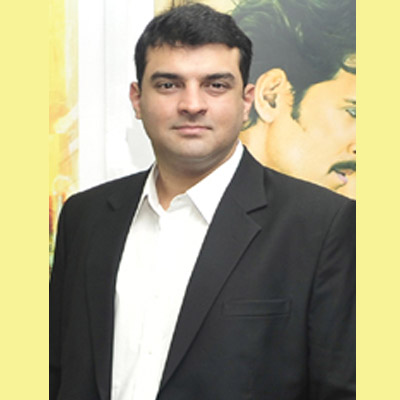
  • ‘We want to be strategically well entrenched in the Bollywood market’ : Siddharth Roy – UTV Motion Pictures CEO

    ‘We want to be strategically well entrenched in the Bollywood market’ : Siddharth Roy – UTV Motion Pictures CEO


    UTV Motion Pictures Plc (UMP Plc) has emerged as one of the top film production companies, challenging established players in scale and box office hits across different genres and budgets. The roster includes Jodhaa Akbar, Race, Fashion and Mumbai Meri Jaan.

    Listed in Alternative Investment Market (AIM) of the London Stock Exchange, UMP has set its eyes on good scripts, filmmakers, and talent while scaling up. Taking a cautious approach on film acquisitions, the company’s focus has been to set up a good team and produce movies on their own.

    UMP has also attempted to line up an international IPR basket with movies like The Namesake and The Happening. The adventure has been mixed so far and 2009 could see a retrenchment of such plans, though a $2 million project is being produced singularly by UTV for the first time in the US.

    Riding with a series of hits, UMP targets a revenue of Rs 3-3.5 billion this fiscal. The company has also inked syndication deals with Zee and Colors to maximise revenue opportunities while retaining the first airings for UTV’s Hindi movie channel.

    Finding the turf too competitive and price-driven at this stage, UTV has exited the home video business. The company inked a deal with Moser Baer, licensing for five years the home video rights for 25 movies produced till June 2009.

    With Walt Disney an equity partner, UTV has grabbed the distribution rights of Disney’s Hollywood content for the Indian market. This has not halted UTV from entering into a string of relationships with Hollywood majors including Fox.

    In an interview with Sibabrata Das, UTV Motion Pictures CEO Siddharth Roy Kapur talks about the challenges that film producers face with pressure on star costs and RoI (return on investments) and how the company has grown into a powerhouse in such a short span of time.

    Excerpts:

    UTV has cut costs in its broadcasting operations due to economic slowdown. Will the motion pictures business see a similar scale back plan?
    We will maintain the same pace as we did in 2008. There is no scale back plan. We released 10 movies in 2008. For 2009, we have 15-18 movies in the release pipeline.

    The capital employed in the movie business till the first half of Fy’09 is Rs 7.26 billion. Will the deployment see the same pace?
    Yes, we will maintain that pace – or even deploy more capital. We could see some rationalisation in star prices and production costs. We have started talking to talent and they are being receptive. We are also trying to generate more efficiencies in the production process and in the print and publicity expenditure.

    The Namesake and The Happening has been UTV’s efforts to build an international IPR basket. Will 2009 see a retrenchment in these plans as we don’t hear of any movie with Will Smith or others kicking off in the year?
    We are making a $2 million film called Ex Terminators. This is the first time that UTV will be producing on its own a film in the US. We realise that holding an IPR for Hollywood movies has great value as the DVD market is very strong in the US. The threatical exploitation is, in any case, a perishable commodity. But we want to be strategically well entrenched in the Bollywood market. We will be involved in international projects on an opportunistic basis. We are still in talks with Will Smith and are trying to find the right script and movie to make with him.

    In a bid to scale up, several Indian film studios have burnt their fingers by acquiring movies at high cost. Has UTV consciously decided to stay out of such acquisitions?
    A few months ago, acquisition costs had really shot up, making it difficult to recover money from some projects. But studios have their own strategies as they are in different stages of life cycle. Our focus, though, has been to put in place a production and development team. We have also cemented a strong relationship with talent.

    Acquisition prices will see a change as we are entering a period of economic slowdown. Though we acquired two movies (Race and Kismat Konnection) out of the 10 that we released in 2008, it is not part of our overall business plan. Our strategy is to produce our own movies. We are not looking at acquisition to scale up.

    Do you see pressure on revenues this fiscal because of recession?
    We expect our turnover to grow to Rs 3-3.5 billion this fiscal. And in FY’10 we hope to notch up Rs 4-5 billion. This will not include the revenues from The Namesake and The Happening.

    ‘We could see some rationalisation in star prices and production costs. We have started talking to talent and they are being receptive

    How much did two of your biggest hits – Jodhaa Akbar and Race – contribute to the kitty?
    They accounted for 30 per cent of our total revenues in 2008. But we also had hits in Fashion, Welcome, Aamir, Mumbai Meri Jaan, Oye Lucky! Lucky Oye! and The Happening.

    Our business model is to produce a few big budget movies while lining up mid-range and small films. We do not want to put all our eggs into one basket. We make movies in different genres, with different makers, and in different budgets. We are developing various labels to address different segments. The common thrust across all the segments is to have quality that is really consistent.

    Will the RoI improve in the coming years?
    The RoI for studios is dicey. While for single producers it is good, for distributors it is difficult. For us, it falls in the 10-15 per cent range. It should stay similar in FY’09. Cost structures (star cost) make any change in RoI difficult.

    UTV Motion Pictures did a deal with Disney to distribute their Hollywood content in India. How big a revenue opportunity will this throw up?
    India is a small market for Hollywood content. We will be paid a commission by Disney for disitributing the movies. We want to maintain the revenue opportunities with more prints and language dubs.

    Walt Disney has done a co-production with Yash Raj Films. But despite having a stake, why haven’t they gone ahead with a joint Bollywood movie project with UTV?
    We are talking to them on various scripts.

    Why did UTV decide to exit the home video business?
    We want to focus in the content creation and aggregation business. We will be in the theatrical distribution business because we want to have a presence in the last mile to the exhibition theatre. There is tremendous competition in the home video segment and based on commercial and strategic considerations, we decided to license our home video rights to Moser Baer for the next five years. Moser Baer will have the rights to all our movies that are released till June 2009.

    We will handle the home video business in overseas markets and have offices in US, UK and Dubai.

    Will we see a more aggressive regional movie lineup from UTV in 2009?
    Mainstream film producers getting into regional cinema will happen, but it will not be their main activity. Regional language films are heavily dependent on theatrical revenues. Satellite TV and home video rights, in fact, are sold together and form a minor portion of the revenue mix. Though the launch of regional channels has led to a rise in revenues from TV rights, it is still not large enough for us to justify making more movies in this space.

    For us, the RoI falls in the 10-15 per cent range. Cost structures (star cost) make any change in RoI difficult

    Do Bollywood films make a more strong multiple revenue stream?
    Theatrical accounts for 55-60 per cent of the total revenue kitty while satellite rights make up 15 per cent and home video 5-7 per cent. Music and overseas rights contribute 10 per cent each. Going forward, home video and music will increase while satellite rights will fall as broadcasters come to terms with the slowdown in the economy.

    Will UTV continue to do syndication deals?
    We have done syndication deals with Zee and Colors. We will continue with the syndication model as we have our own Hindi movie channel. Unless, of course, we get a very good pricing for a 3-year or 5-year deal.
    Will UTV’s big drive in 2009 be scaling up?
    Our focus in 2008 was to get the team in place and work with right scripts and talent while scaling up. We will continue to build on that in 2009. We will explore all revenue opportunities including new ones like pay-per-view (PPV) on DTH. We offered Oye Lucky! Lucky Oye to DTH operators on PPV mode within a short time of theatrical release. This is a massive opportuinity in future and we intend to properly monetise the satellite market in a big way.
    UTV has invested in gaming companies. How are you exploiting the new media opportunities?
    We have mobile gaming for all our movies. For developing console gaming, it would require a long lead time and we do not have the product yet for it.
  • ‘Pricing and creation of bouquets is our big differentiator’ Tony D’silva – Sun Direct COO

    ‘Pricing and creation of bouquets is our big differentiator’ Tony D’silva – Sun Direct COO

    Kalanithi Maran is building his DTH empire on one key proposition: pricing. Mopping up two million subscribers in his home turf, Maran expects to taste success in the northern pockets of the country with the very same recipe.

    Armed recently with Hindi content and sports channels, Sun Direct has launched in Mumbai and will be quickly moving to other markets as a pan India direct-to-home service. The target: six million subscribers by FY’10.

    Sun Direct plans to invest Rs 35 billion in the venture over two years, out of which Rs 20 billion will have been consumed by the end of this fiscal. A large chunk of this will be towards providing set-top boxes (STBs) free.

    Malaysia-based Astro has taken a 20 per cent stake in the company for Rs 5.90 billion. Sun Direct is a zero-debt company and there are no plans to raise further money through dilution of equity.

    Sun Direct’s ARPU (average revenue per user) is the lowest among all the DTH operators, ranging between Rs 85-90. But the costs are tightly controlled and the company hopes to break even in six years.

    In an interview with Indiantelevision.com’s Sibabrata Das, Sun Direct COO Tony D’Silva speaks about the company’s ambitious growth plans.

    Excerpts:

    How much is Sun Direct investing in the DTH venture?
    We have an investment plan of Rs 35 billion over two years. We would have consumed Rs 20 billion by the end of this fiscal. We are pumping in the balance Rs 15 billion by FY’10.

    How much has Astro put in so far?
    Astro had made a commitment of putting in Rs 5.90 billion for a 20 per cent stake in Sun Direct. The full amount has already come in. The promoters have invested the rest of the amount. We are a zero debt company.

    Is there a plan to raise further money through equity?
    We have no such plan. We are considering whether it would make sense for us to raise debt and sit in excess liquidity at a time when the money market is tight. No decision has been taken in this regard. The promoters are ready to pump in whatever it takes to grow the business.

    Since Sun Direct is offering STBs free, wouldn’t the company have to absorb huge losses?
    The loss for this fiscal would be in the region of Rs 4.50 billion. This is very much a part of our business plan. For anybody who wants to build scale, the only way forward is to acquire customers with high subsidy offers. We have already mopped up two million subscribers and are looking at ending FY’09 with a base of three million. High volumes will help us reach break even as our costs are not as high as the others.

    Even when Sun Direct’s ARPU is the lowest among all the DTH operators?
    We have grown in the southern region and our current ARPUs are at Rs 85-90. We don’t see them going up significantly even after our launch in Mumbai and the rest of India. In the volumes game, the margins will improve once you reach a particular threshhold of numbers. Our infrastructure cost is also less than the other DTH operators. We will break even in six years.

    Astro has put in Rs 5.90 billion. We are a zero debt company and expect to break even in six years

    Is your content cost also lower than many of the other DTH operators?
    Our content cost is 45-50 per cent, one of the lowest in the industry. We have not done MG (minimum guarantee) deals with broadcasters. Our main strategy is a la carte pricing.

    What is your customer acquisition cost?
    When we made our initial purchases, the STBs were costing us $55. But the economic meltdown is driving down the prices and our STBs currently cost $45.

    The advertising budget for this fiscal is Rs 1.5 billion. We aim to spend a similar amount in the next fiscal unless the market dynamics changes drastically.

    Our customer acquisition cost is Rs 4500. But with our pricing strategy, we expect to garner six million subscribers by FY’10.

    The pricing strategy can attract wrong customers. Isn’t it a dangerous model to have if your churn rate is high while the customer acquisition cost is steep?
    We have a five per cent churn rate. We realise that it is important to have a lower churn.

    What is the strategy Sun Direct has adopted to repeat its success model outside its home turf?
    While 99 per cent of our current two million subscriber base comes from the south, we have an aggressive pricing policy which will help us garner subscribers from the other pockets of the country. Our regional package, “My Pack,” will create hype in the market and drive our growth everywhere. Our bouquet of packages are value for money as we have custom designed packages for every state and region. We spent considerable amount of time since our launch last December.

    We have also introduced a Hindi package. The ‘Shine Pack’ is available at Rs 499 and Rs 999 for five and 10 months respectively.

    We have the highest number of add-on packages, ranging from Rs 6 to Rs 195. And the sports channels are available on a la carte rates.

    Doesn’t it make sense to offer sports channels in packages?
    The rates are too high for us to offer the sports channels in basic tiers or in bundles. We recently added the three ESPN Star Sports channels into our offerings. They are available on a la carte rates – ESPN and Star Sports are priced at Rs 38 each per month while Star Cricket costs Rs 32. Ten Sports is priced at Rs 20 while Zee Sports costs Rs 15. We are in negotiations with Neo.

    Why was your launch in Mumbai delayed?
    Adding Hindi and sports channels in the bouquet took time and the launch in Mumbai was delayed by a shortage of supply in STBs. There has been heavy snowfall in China and Beijing Olympics also delayed the supply of boxes. So during the festival season of Diwali, we did not have STBs to sell. Now the supply is comfortable and we are in a position to launch in other parts of the country.

    Have you added more STB manufacturers into your list of vendors?
    Our STB suppliers are China-based Coship and Korean firm Homecast. We have just added Samsung into our list.

    Have you launched high-end STBs?
    We have, but only in the southern market. They are priced at Rs 10,000 and are made by Homecast. Only a couple of hundreds have moved and we are just testing the waters.
    Are you lining up premium content?
    We feel the market is too early for premium and interactive content. Our first task is to be successful as a pan India operator. The creation of bouquets and pricing has to be a big differrentiator.
    Some DTH service providers are advertising their Hindi movie offerings. Is Sun Direct going to create such content to grab viewers outside the south?
    We don’t have any such plan at this stage. We are examining whether we should do that or go for HD. We have space for 5 HD channels. This will be for the top-end of the market and give us higher ARPUs.
    Has Sun Direct approached Isro for more Ku-band transponders?
    We have asked Isro for two more transponders. We offer 200 channels including 23 radio channels and video-on-demand. We are fortunate that we are co-located on the same satellite used by DD Direct Plus and so can get their channels without consuming our own bandwidth.
  • ‘Pricing and creation of bouquets is our big differentiator’ : Tony D’silva – Sun Direct COO

    ‘Pricing and creation of bouquets is our big differentiator’ : Tony D’silva – Sun Direct COO

    Kalanithi Maran is building his DTH empire on one key proposition: pricing. Mopping up two million subscribers in his home turf, Maran expects to taste success in the northern pockets of the country with the very same recipe.

    Armed recently with Hindi content and sports channels, Sun Direct has launched in Mumbai and will be quickly moving to other markets as a pan India direct-to-home service. The target: six million subscribers by FY’10.

    Sun Direct plans to invest Rs 35 billion in the venture over two years, out of which Rs 20 billion will have been consumed by the end of this fiscal. A large chunk of this will be towards providing set-top boxes (STBs) free.

    Malaysia-based Astro has taken a 20 per cent stake in the company for Rs 5.90 billion. Sun Direct is a zero-debt company and there are no plans to raise further money through dilution of equity.

    Sun Direct’s ARPU (average revenue per user) is the lowest among all the DTH operators, ranging between Rs 85-90. But the costs are tightly controlled and the company hopes to break even in six years.

    In an interview with Indiantelevision.com’s Sibabrata Das, Sun Direct COO Tony D’Silva speaks about the company’s ambitious growth plans.

    Excerpts:

    How much is Sun Direct investing in the DTH venture?
    We have an investment plan of Rs 35 billion over two years. We would have consumed Rs 20 billion by the end of this fiscal. We are pumping in the balance Rs 15 billion by FY’10.

    How much has Astro put in so far?
    Astro had made a commitment of putting in Rs 5.90 billion for a 20 per cent stake in Sun Direct. The full amount has already come in. The promoters have invested the rest of the amount. We are a zero debt company.

    Is there a plan to raise further money through equity?
    We have no such plan. We are considering whether it would make sense for us to raise debt and sit in excess liquidity at a time when the money market is tight. No decision has been taken in this regard. The promoters are ready to pump in whatever it takes to grow the business.

    Since Sun Direct is offering STBs free, wouldn’t the company have to absorb huge losses?
    The loss for this fiscal would be in the region of Rs 4.50 billion. This is very much a part of our business plan. For anybody who wants to build scale, the only way forward is to acquire customers with high subsidy offers. We have already mopped up two million subscribers and are looking at ending FY’09 with a base of three million. High volumes will help us reach break even as our costs are not as high as the others.

    Even when Sun Direct’s ARPU is the lowest among all the DTH operators?
    We have grown in the southern region and our current ARPUs are at Rs 85-90. We don’t see them going up significantly even after our launch in Mumbai and the rest of India. In the volumes game, the margins will improve once you reach a particular threshhold of numbers. Our infrastructure cost is also less than the other DTH operators. We will break even in six years.

    Astro has put in Rs 5.90 billion. We are a zero debt company and expect to break even in six years

    Is your content cost also lower than many of the other DTH operators?
    Our content cost is 45-50 per cent, one of the lowest in the industry. We have not done MG (minimum guarantee) deals with broadcasters. Our main strategy is a la carte pricing.

    What is your customer acquisition cost?
    When we made our initial purchases, the STBs were costing us $55. But the economic meltdown is driving down the prices and our STBs currently cost $45.

    The advertising budget for this fiscal is Rs 1.5 billion. We aim to spend a similar amount in the next fiscal unless the market dynamics changes drastically.

    Our customer acquisition cost is Rs 4500. But with our pricing strategy, we expect to garner six million subscribers by FY’10.

    The pricing strategy can attract wrong customers. Isn’t it a dangerous model to have if your churn rate is high while the customer acquisition cost is steep?
    We have a five per cent churn rate. We realise that it is important to have a lower churn.

    What is the strategy Sun Direct has adopted to repeat its success model outside its home turf?
    While 99 per cent of our current two million subscriber base comes from the south, we have an aggressive pricing policy which will help us garner subscribers from the other pockets of the country. Our regional package, “My Pack,” will create hype in the market and drive our growth everywhere. Our bouquet of packages are value for money as we have custom designed packages for every state and region. We spent considerable amount of time since our launch last December.

    We have also introduced a Hindi package. The ‘Shine Pack’ is available at Rs 499 and Rs 999 for five and 10 months respectively.

    We have the highest number of add-on packages, ranging from Rs 6 to Rs 195. And the sports channels are available on a la carte rates.

    Doesn’t it make sense to offer sports channels in packages?
    The rates are too high for us to offer the sports channels in basic tiers or in bundles. We recently added the three ESPN Star Sports channels into our offerings. They are available on a la carte rates – ESPN and Star Sports are priced at Rs 38 each per month while Star Cricket costs Rs 32. Ten Sports is priced at Rs 20 while Zee Sports costs Rs 15. We are in negotiations with Neo.

    Why was your launch in Mumbai delayed?
    Adding Hindi and sports channels in the bouquet took time and the launch in Mumbai was delayed by a shortage of supply in STBs. There has been heavy snowfall in China and Beijing Olympics also delayed the supply of boxes. So during the festival season of Diwali, we did not have STBs to sell. Now the supply is comfortable and we are in a position to launch in other parts of the country.

    Have you added more STB manufacturers into your list of vendors?
    Our STB suppliers are China-based Coship and Korean firm Homecast. We have just added Samsung into our list.

     
    Have you launched high-end STBs?
    We have, but only in the southern market. They are priced at Rs 10,000 and are made by Homecast. Only a couple of hundreds have moved and we are just testing the waters.
     
    Are you lining up premium content?
    We feel the market is too early for premium and interactive content. Our first task is to be successful as a pan India operator. The creation of bouquets and pricing has to be a big differrentiator.
     
    Some DTH service providers are advertising their Hindi movie offerings. Is Sun Direct going to create such content to grab viewers outside the south?
    We don’t have any such plan at this stage. We are examining whether we should do that or go for HD. We have space for 5 HD channels. This will be for the top-end of the market and give us higher ARPUs.
     
    Has Sun Direct approached Isro for more Ku-band transponders?
    We have asked Isro for two more transponders. We offer 200 channels including 23 radio channels and video-on-demand. We are fortunate that we are co-located on the same satellite used by DD Direct Plus and so can get their channels without consuming our own bandwidth.
  • NBA to create emergency protocol for news channels

    NBA to create emergency protocol for news channels

    NEW DELHI: News Broadcasters Association under the chairmanship of former chief justice of India JS Verma, will work towards creating an emergency protocol for all news channels within 10 days.

    Speaking to indiantelevision.com NBA secretary general Annie Joseph said, “The NBA would issue an emergency protocol for news channels in another 10 days time. The protocol will cover various issues like reporting on war, communal riots, terror attacks and any kind of lawlessness event coverage.”

    Earlier in the day, the Minister of State for Information and Broadcasting Anand Sharma had held a meeting with NBA and other television broadcasters. Sharma once again pressed for the need of self restraint in coverage of news events like the Mumbai terror attack.

    The broadcasters on their part reaffirmed their commitment to strengthen self-regulation guidelines in the light of dramatic events of Mumbai terror attack on 26 November and its aftermath.

  • I&B officials to meet news broadcasters on 10 December

    I&B officials to meet news broadcasters on 10 December

    NEW DELHI: The Ministry of Information and Broadcasting officials will be meeting news broadcasters tomorrow in the afternoon to discuss the way the television media has covered the Mumbai terror attack.

    Speaking to indiantelevision.com, a senior official of the I&B Ministry said, “We will be meeting representatives from the television news channels tomorrow to discuss about how the Mumbai terror attack was covered by them.”

    Earlier the Ministry had issued issued advisories and an oral warning to the Indian Broadcasting Federation (IBF) expressing concern over some parts of the coverage. The MIB asked all the private news channels to exercise restraint while airing news related to Mumbai terror attacks and the subsequent developments.

    The advisories were sent to the channels to ask them to be a bit more considerate in their coverage of the incident, despite all of them showing a lot responsibility.

    The Ministry had issued show cause notices to India TV for airing a telephonic conversation with two terrorists involved in the terror attack and to Aaj Tak for creating public panic.

    Meanwhile, the ministry is also working towards tightening laws governing cable television broadcast, for which it is planning to introduce changes in Cable Television Networks (Regulation) Act, 1995.