
Tag: Indian TV shows

  • High Stakes and High Drama: The Portrayal of Gambling in Indian TV Shows and Movies

    High Stakes and High Drama: The Portrayal of Gambling in Indian TV Shows and Movies

    Gambling has always held a place of intrigue and excitement in popular culture. In Indian television and cinema, this fascination is evident through numerous depictions that range from high-stakes drama to moral cautionary tales. This article delves into how gambling is portrayed in Indian TV shows and movies, exploring its cultural impact and underlying themes.

    The Glitz and Glamour of Gambling

    Indian cinema has a long history of showcasing the allure of gambling. Classic films like “Shree 420” and “Jewel Thief” introduced audiences to the thrill of high-stakes games. More contemporary movies such as “Teen Patti” and “The Great Gambler” continue this tradition, depicting gambling as an activity filled with suspense and excitement. These films often glamorize the world of gambling, presenting it as a domain of the rich and daring. This is akin to the allure of a high limit online casino, where the stakes are higher, and the rewards are greater.

    Gambling as a Plot Device

    Gambling serves as a compelling plot device in many Indian TV shows and movies, creating tension and driving the narrative forward. In “Baazigar,” for example, the protagonist’s gambling prowess is central to his quest for revenge. Similarly, TV shows like “Kumkum Bhagya” use gambling to introduce twists and turns, keeping viewers on the edge of their seats. 

    In addition to mainstream movies and TV shows, regional cinema has also explored gambling themes. Films like “Soodhu Kavvum” in Tamil and “Anjaneyulu” in Telugu highlight gambling’s role in both plot development and character arcs. These stories illustrate how deeply ingrained gambling is in the cultural and entertainment fabric of India.

    The Moral Quandary

    While gambling is often depicted with glamour, Indian media also addresses its darker side. Movies like “Gambler” and “Oye Lucky! Lucky Oye!” highlight the moral and ethical dilemmas associated with gambling. These stories often serve as cautionary tales, illustrating the potential for addiction and the impact on personal relationships. They reflect societal concerns about gambling’s influence and the consequences of indulgence. 

    Television series also explore these moral complexities. Shows like “Crime Patrol” and “Savdhaan India” frequently feature episodes where gambling leads to criminal activities and personal downfalls. These narratives underscore the risks involved and serve as a reminder of the potential negative outcomes associated with gambling.

    Cultural Reflections

    The portrayal of gambling in Indian media is a reflection of broader cultural attitudes. On one hand, it represents aspiration and the desire for quick success. On the other, it acknowledges the risks and moral complexities involved. This duality resonates with audiences, offering both escapism and a mirror to societal issues. 
    Moreover, gambling in Indian media often intersects with themes of power, wealth, and status. Characters involved in gambling are frequently depicted as affluent or striving for wealth, reflecting societal aspirations. This intersection adds another layer of complexity to the portrayal of gambling, making it a rich and multifaceted subject.

    Technological Influence

    The advent of digital platforms has also influenced the portrayal of gambling in Indian media. Online gambling and high limit online casinos are becoming increasingly popular, and this trend is reflected in newer films and TV shows. For instance, movies like “Rummy” and web series like “The Casino” explore the world of online gambling, highlighting its growing significance in modern entertainment. 

    These digital narratives often emphasize the convenience and accessibility of online gambling, appealing to a younger, tech-savvy audience. This shift in portrayal indicates a broader trend in the entertainment industry, where digital platforms are increasingly shaping content and themes.

    Disclaimer: This article does not have journalistic/ editorial involvement of indiantelevision.com. indiantelevision.com group or its websites does not endorse/ subscribe to the contents of the article/advertisement and/or views expressed herein.

    The reader is further advised that Online Casino, Betting, Online Gaming , Crypto products, Financial Investments/Engagement , NFTs, Products associated with health, wellness, and food are unregulated and can be highly risky. There may be no regulatory recourse for any loss from such transactions or risk associated with health conditions.

    Indiantelevision.com group shall not in any manner, be responsible and/or liable in any manner whatsoever for all that is stated in the article and/or also with regard to the views, opinions, announcements, declarations, affirmations etc., stated/featured in the same. The decision to read hereinafter is purely a matter of choice and shall be construed as an express undertaking/guarantee in favour of indiantelevision.com (indiantelevision.com group) of being absolved from any/ all potential legal action, or enforceable claims. The content may be for information and awareness purposes and does not constitute financial advice. 
  • Depictions of Forex Trading in Indian TV Shows: Fact vs. Fiction

    Depictions of Forex Trading in Indian TV Shows: Fact vs. Fiction

    The allure of forex trading has captivated many, and Indian TV shows have not been immune to this trend. These shows often dramatise the high-stakes world of currency exchange, weaving it into their storylines with varying degrees of accuracy. For those comparing platforms such as Vantage vs Exness, understanding how TV shows portray forex trading can help distinguish entertainment from reality. This article explores the depictions of forex trading in Indian TV shows and separates fact from fiction.

    The Glamour of Trading

    Television frequently glamorises forex trading, presenting it as a glamorous and lucrative venture. Characters are often shown making rapid trades and reaping massive profits, living extravagant lifestyles as a result. While forex trading does offer potential financial rewards, this portrayal is overly simplistic. In reality, successful trading requires extensive knowledge, strategic planning, and disciplined risk management. The notion of instant riches is more fiction than fact, as the forex market is highly volatile and unpredictable.

    The Reality of Risk

    TV shows tend to minimise the inherent risks associated with forex trading. Characters often appear to win more than they lose, giving the impression that trading is a mostly profitable endeavour. However, the reality is that forex trading carries significant risks, and even experienced traders face substantial losses. The dramatised success stories on TV can mislead viewers into underestimating the challenges and volatility of the forex market. It’s crucial for aspiring traders to understand that losses are a natural part of trading and that effective risk management is essential for long-term success.

    The Need for Expertise

    In many Indian TV shows, characters with little to no financial background are depicted excelling in forex trading with minimal effort. This portrayal overlooks the complexity and expertise required in real-world trading. Understanding market indicators, economic factors, and technical analysis are essential skills for any trader. Shows that trivialise these aspects do a disservice by suggesting that anyone can easily master forex trading without proper education and practice. In reality, platforms like Vantage and Exness provide extensive educational resources to help traders build their knowledge and skills.

    The Role of Technology

    Modern forex trading relies heavily on technology, with traders using sophisticated software and platforms to analyse data and execute trades. However, TV shows often portray trading as a predominantly manual process, with characters making trades over phone calls or in person. This depiction is outdated and ignores the technological advancements that have revolutionised the trading landscape. Real-life traders utilise advanced trading platforms like Vantage and Exness that offer real-time data, automated trading options, and analytical tools, making the process far more efficient and accessible.

    Conclusion

    Indian TV shows often present a skewed version of forex trading, emphasising glamour, quick profits, and minimal risk while downplaying the expertise and technology required. For viewers interested in forex trading, it is essential to distinguish between these dramatised portrayals and the real-world complexities of the market. Platforms like Vantage and Exness offer valuable resources to educate traders about the true nature of forex trading.

    Disclaimer: This article does not have journalistic/ editorial involvement of indiantelevision.com. indiantelevision.com group or its websites does not endorse/ subscribe to the contents of the article/advertisement and/or views expressed herein.

    The reader is further advised that Online Casino, Betting, Crypto products, Financial Investments/Engagement , NFTs, Products associated with health, wellness, and food are unregulated and can be highly risky. There may be no regulatory recourse for any loss from such transactions or risk associated with health conditions.

    Indiantelevision.com group shall not in any manner, be responsible and/or liable in any manner whatsoever for all that is stated in the article and/or also with regard to the views, opinions, announcements, declarations, affirmations etc., stated/featured in the same. The decision to read hereinafter is purely a matter of choice and shall be construed as an express undertaking/guarantee in favour of indiantelevision.com (indiantelevision.com group) of being absolved from any/ all potential legal action, or enforceable claims. The content may be for information and awareness purposes and does not constitute financial advice. 
  • “Let India open its market, we will open ours” – PEMRA chairman Absar Alam

    “Let India open its market, we will open ours” – PEMRA chairman Absar Alam

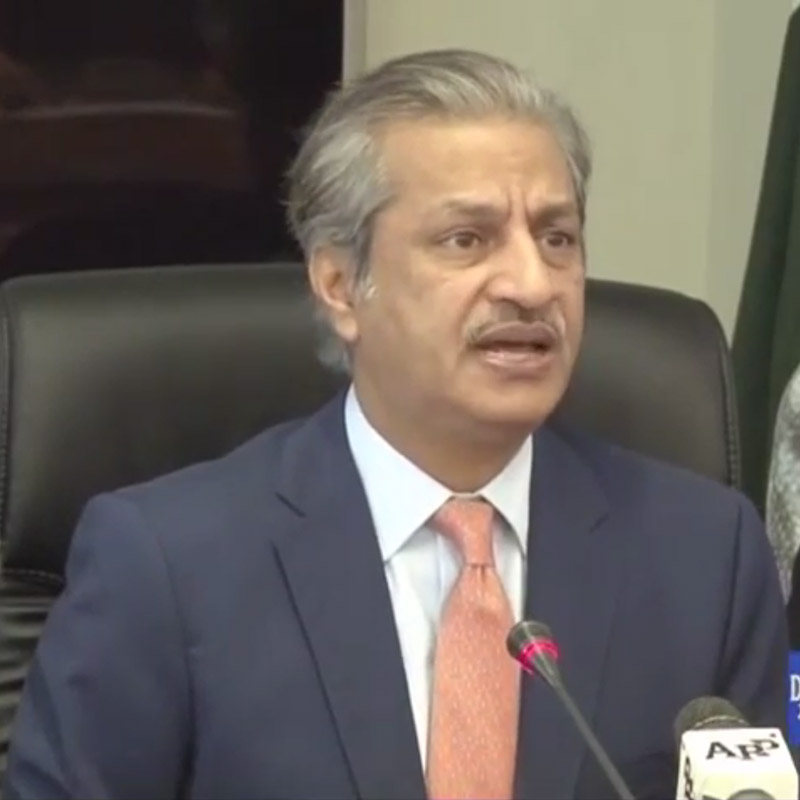
    Pakistan’s TV watchdog – the Pakistan Electronic Media Regulatory Authority (PEMRA) – charimanAbsarAlam was in the line of Pakistan’s Geo News anchor Shahzaib Khanzada’s fire last week. In his Monday to Thrusday current affairs talk show Aaj ShahzaibKhanzada Kay Sath – the anchor grilled him time and time again on PEMRA’s one-sided decision to ban Indian content.

    Alam, a former journalist, answered as best as he could, but not to Shahzaib’s satisfaction.The interview on Geo News was hard hitting and no-holds barred. Shahzaibwas clear that while he was in favour of blocking Indian content which could cause unrest in Pakistan, PEMRA’s decision to take away choice from the Pakistan consumer was unwelcome.

    We, at indiantelevision.com, believe that the interview could help throw some light on what transpired from Pakistan’s viewpoint that forced the watchdog to pull the plug. Read on for the excerpts from the interview:

    Why have you taken a decision to blanket ban Indian content?

    Pakistan industry was being hit courtesy the Indian TV shows, films and music. But the reason is not only because all Indian dramas are popular; there are others too. Probably one or two are popular. The problem is low quality Indian dramas are made in India and are made available to Pakistani channels at low prices who then air them in prime time. The lay Pakistan viewer then watches them as he has to watch something or the other when he sits in front of the TV, especially during prime time. The thing is if cheap Indian dramas are airing during prime time, expensive Pakistani dramas and series will not  get space.

    Indian dramas want to enter Pakistan, they will have to open on a reciprocal basis to Pakistani dramas. I don’t think Indian dramas are so popular that Pakistan viewers will come down to breaking windows. I am not talking about films I am talking about TV dramas.

    How are you going to stop Indian DTH?

    These days illegal Indian DTH is not flocking in to Pakistan.  If it is anywhere, please let me know, I will crack down on it. Indian DTH is running in rich households in Pakistan. Cantonments, DH (defence housing).

    Islamabad’s E7, Karachi has Clifton, Lahore’s Gulburg are the places where Indian DTH has popped up. We will go there also. We have written to the defence ministry to stop Indian DTH in their cantonment and DH houses.  The second line we are taking is on their subscription payment methods. We will start working on their money trail of the monthly renewal from next week. I hope to block this totally so that Pakistan can have its own DTH too.

    Will you raid people’s homes, which have DTH dishes?

    Why would we want to do that? We will not be raiding houses, we don’t want to intrude on people’s privacy. In most societies, there are laws that prevent you from hanging your clothes on the railing, then how are they allowing illegal Indian DTH services to run? The housing societies will have to cooperate. And people will themselves cooperate with us and remove the dishes that are already installed.  

    In the past, Pakistan banned Indian films. That did not help, it encouraged the parallel economy or piracy, which did not allow tax to come Pakistan’s way. Yet it also enriched the pockets of a few. Won’t this current ban result in the same what with the internetand DTH proliferating now?

    We have studied and tracked that at least 36 arab rupees are going India’s way courtesy its DTH services. When we tackle this through the banking sector, you will see results. People will not swing towards Indian DTH.

    In India, Zee Zindagi dropped Pakistani shows without any government interference. Almost 73 per cent of Pakistan’s revenue is coming courtesy Indian films. Ever since Indian films were shown, Pakistan films also got an audience. It is the choice of Pakistani viewers to watch what they want to watch. Aren’t you doing away with that freedom by regulating what comes on the screen. Why is the government intervening?

    We have our own drama industry. It is our duty to protect their rights. We have our artistes. In India, there are some forces which are not allowing a film starring Pakistani artistes not to be released. In Pakistan, there are media houses insisting which want Indian dramas to be shown. Is it not ironical?

    Be that as it may. India’s foreign minister has said he has not banned any film. There are right wing fundamentalists who are taking that stance. The Indian government is not imposing anything. Why are you?

    The government there is resorting to double speak. It is saying we are not compelling anyone. But tell me: is everything happening there without the government’s consent? You have an entertainment channel, try playing your entertainment dramas there now? Try getting an entertainment licence for GEO Entertainment from India.  Can you get it? I will give Zee a licence for the landing rights. I am giving you that assurance (if a Pakistani channel gets one)

    Once again, I am reiterating, it is about restricting choice. And it’s about the government being unable to reverse a legislation in future about banning Indian content.

    Who told you it is going to be difficult to reverse any decisions. You have a misunderstanding that PEMRA takes its decision under someone’s pressure. It takes its own decisions.

    Remember YouTube. You could not open it up after you restricted it.

    YouTube has opened up.

    For two and a half years it was shut.  Yes, but you were constrained from making any announcements. And are you reacting now to India’s position on Pakistan?

    Comparing YouTube and this is not proper. The reason why we banned Youtube was a sensitive issue. It did not shut down because of Indian content. It is open now. Should not there be parity between India and Pakistan? Should there not be reciprocity? Let India open its market, we will open ours.

    No1. Anything that is happening in Pakistan which is illegal under PEMRA’s framework, we will act on it – whether it is Pakistan’s news channels. Or entertainment channels. Or FM Radio channels. Or cable operators. Or excessive Indian contentWhoever is violating laws, we will go after them from time to time with increasing frequency.

    And it was part of our campaign, our schedule to do away with Indian DTH. Which we have now done.

    The third reason is that our local drama industry is getting destroyed. We have to protect their rights. Like Indian cars that cannot be sold in Pakistan though they are cheaper to make there. Or you allow free trade with India on all goods. Why should only drama come, why not others? Why should not our goods go there? This one way traffic cannot go on. We are not being reactive.

    On the music front, will you allow Hindi songs sung by Pakistani singers in Indian films to be played on Pakistan FM radio?

    The songs sung by Pakistani singers are our songs sung by our artistes. They are ok if they have sung the songs here. And on radio you will not come to know what is the background of the songs, whether it is a film or not. Even on TV if Rahat Fateh Ali Khan or Atif Aslam have made videos of the film songs they have sung, they can play those.

    It was six per cent earlier of Indian content on FM radio. One hour 15 minutes Indian content. You mean to say that Pakistan’s stations can’t fill that up with Pakistan songs?

    But you could have been firm on the six per cent rule. You could have enforced it. Why did you go for a ban?

    We did. We did. We are under tremendous public pressure and we have done it in the public interest. People did not want Indian music to come on Pakistan radio. I don’t want to provoke people, there was a lot of anti-India sentiment. People were asking why are Pakistani songs playing on Indian radio?

    You are becoming a victim of populist speak.  Indian right-wingers are doing the same. If someone does not like content on a Pakistan a channel, he can change it? Why do away with choice of Pakistani people?

    I agree if someone does not like Pakistani content, he can switch it off.

    So if someone does not want to watch Indian content, can’t he switch it off?

    This will not happen. It is damaging our economy – our dramas are suffering. There was so much of Indian content being shown there was very little space for Pakistani shows.

  • “Let India open its market, we will open ours” – PEMRA chairman Absar Alam

    “Let India open its market, we will open ours” – PEMRA chairman Absar Alam

    Pakistan’s TV watchdog – the Pakistan Electronic Media Regulatory Authority (PEMRA) – charimanAbsarAlam was in the line of Pakistan’s Geo News anchor Shahzaib Khanzada’s fire last week. In his Monday to Thrusday current affairs talk show Aaj ShahzaibKhanzada Kay Sath – the anchor grilled him time and time again on PEMRA’s one-sided decision to ban Indian content.

    Alam, a former journalist, answered as best as he could, but not to Shahzaib’s satisfaction.The interview on Geo News was hard hitting and no-holds barred. Shahzaibwas clear that while he was in favour of blocking Indian content which could cause unrest in Pakistan, PEMRA’s decision to take away choice from the Pakistan consumer was unwelcome.

    We, at indiantelevision.com, believe that the interview could help throw some light on what transpired from Pakistan’s viewpoint that forced the watchdog to pull the plug. Read on for the excerpts from the interview:

    Why have you taken a decision to blanket ban Indian content?

    Pakistan industry was being hit courtesy the Indian TV shows, films and music. But the reason is not only because all Indian dramas are popular; there are others too. Probably one or two are popular. The problem is low quality Indian dramas are made in India and are made available to Pakistani channels at low prices who then air them in prime time. The lay Pakistan viewer then watches them as he has to watch something or the other when he sits in front of the TV, especially during prime time. The thing is if cheap Indian dramas are airing during prime time, expensive Pakistani dramas and series will not  get space.

    Indian dramas want to enter Pakistan, they will have to open on a reciprocal basis to Pakistani dramas. I don’t think Indian dramas are so popular that Pakistan viewers will come down to breaking windows. I am not talking about films I am talking about TV dramas.

    How are you going to stop Indian DTH?

    These days illegal Indian DTH is not flocking in to Pakistan.  If it is anywhere, please let me know, I will crack down on it. Indian DTH is running in rich households in Pakistan. Cantonments, DH (defence housing).

    Islamabad’s E7, Karachi has Clifton, Lahore’s Gulburg are the places where Indian DTH has popped up. We will go there also. We have written to the defence ministry to stop Indian DTH in their cantonment and DH houses.  The second line we are taking is on their subscription payment methods. We will start working on their money trail of the monthly renewal from next week. I hope to block this totally so that Pakistan can have its own DTH too.

    Will you raid people’s homes, which have DTH dishes?

    Why would we want to do that? We will not be raiding houses, we don’t want to intrude on people’s privacy. In most societies, there are laws that prevent you from hanging your clothes on the railing, then how are they allowing illegal Indian DTH services to run? The housing societies will have to cooperate. And people will themselves cooperate with us and remove the dishes that are already installed.  

    In the past, Pakistan banned Indian films. That did not help, it encouraged the parallel economy or piracy, which did not allow tax to come Pakistan’s way. Yet it also enriched the pockets of a few. Won’t this current ban result in the same what with the internetand DTH proliferating now?

    We have studied and tracked that at least 36 arab rupees are going India’s way courtesy its DTH services. When we tackle this through the banking sector, you will see results. People will not swing towards Indian DTH.

    In India, Zee Zindagi dropped Pakistani shows without any government interference. Almost 73 per cent of Pakistan’s revenue is coming courtesy Indian films. Ever since Indian films were shown, Pakistan films also got an audience. It is the choice of Pakistani viewers to watch what they want to watch. Aren’t you doing away with that freedom by regulating what comes on the screen. Why is the government intervening?

    We have our own drama industry. It is our duty to protect their rights. We have our artistes. In India, there are some forces which are not allowing a film starring Pakistani artistes not to be released. In Pakistan, there are media houses insisting which want Indian dramas to be shown. Is it not ironical?

    Be that as it may. India’s foreign minister has said he has not banned any film. There are right wing fundamentalists who are taking that stance. The Indian government is not imposing anything. Why are you?

    The government there is resorting to double speak. It is saying we are not compelling anyone. But tell me: is everything happening there without the government’s consent? You have an entertainment channel, try playing your entertainment dramas there now? Try getting an entertainment licence for GEO Entertainment from India.  Can you get it? I will give Zee a licence for the landing rights. I am giving you that assurance (if a Pakistani channel gets one)

    Once again, I am reiterating, it is about restricting choice. And it’s about the government being unable to reverse a legislation in future about banning Indian content.

    Who told you it is going to be difficult to reverse any decisions. You have a misunderstanding that PEMRA takes its decision under someone’s pressure. It takes its own decisions.

    Remember YouTube. You could not open it up after you restricted it.

    YouTube has opened up.

    For two and a half years it was shut.  Yes, but you were constrained from making any announcements. And are you reacting now to India’s position on Pakistan?

    Comparing YouTube and this is not proper. The reason why we banned Youtube was a sensitive issue. It did not shut down because of Indian content. It is open now. Should not there be parity between India and Pakistan? Should there not be reciprocity? Let India open its market, we will open ours.

    No1. Anything that is happening in Pakistan which is illegal under PEMRA’s framework, we will act on it – whether it is Pakistan’s news channels. Or entertainment channels. Or FM Radio channels. Or cable operators. Or excessive Indian contentWhoever is violating laws, we will go after them from time to time with increasing frequency.

    And it was part of our campaign, our schedule to do away with Indian DTH. Which we have now done.

    The third reason is that our local drama industry is getting destroyed. We have to protect their rights. Like Indian cars that cannot be sold in Pakistan though they are cheaper to make there. Or you allow free trade with India on all goods. Why should only drama come, why not others? Why should not our goods go there? This one way traffic cannot go on. We are not being reactive.

    On the music front, will you allow Hindi songs sung by Pakistani singers in Indian films to be played on Pakistan FM radio?

    The songs sung by Pakistani singers are our songs sung by our artistes. They are ok if they have sung the songs here. And on radio you will not come to know what is the background of the songs, whether it is a film or not. Even on TV if Rahat Fateh Ali Khan or Atif Aslam have made videos of the film songs they have sung, they can play those.

    It was six per cent earlier of Indian content on FM radio. One hour 15 minutes Indian content. You mean to say that Pakistan’s stations can’t fill that up with Pakistan songs?

    But you could have been firm on the six per cent rule. You could have enforced it. Why did you go for a ban?

    We did. We did. We are under tremendous public pressure and we have done it in the public interest. People did not want Indian music to come on Pakistan radio. I don’t want to provoke people, there was a lot of anti-India sentiment. People were asking why are Pakistani songs playing on Indian radio?

    You are becoming a victim of populist speak.  Indian right-wingers are doing the same. If someone does not like content on a Pakistan a channel, he can change it? Why do away with choice of Pakistani people?

    I agree if someone does not like Pakistani content, he can switch it off.

    So if someone does not want to watch Indian content, can’t he switch it off?

    This will not happen. It is damaging our economy – our dramas are suffering. There was so much of Indian content being shown there was very little space for Pakistani shows.