Tag: Indian Television Dot Com Exclusive

  • Influencer marketing firms will always be in beta: BuzzOne founder

    Influencer marketing firms will always be in beta: BuzzOne founder

    MUMBAI: Influencer marketing is one of the fastest growing phenomena in the marketing mix of brands today. As per ‘The Influence Report’ released by Zefmo Media Private Limited in 2018, 89 per cent of marketers believe that influencer marketing is effective in driving brand message across, and 62 per cent were planning their budgetary allocation towards engaging social influencers.

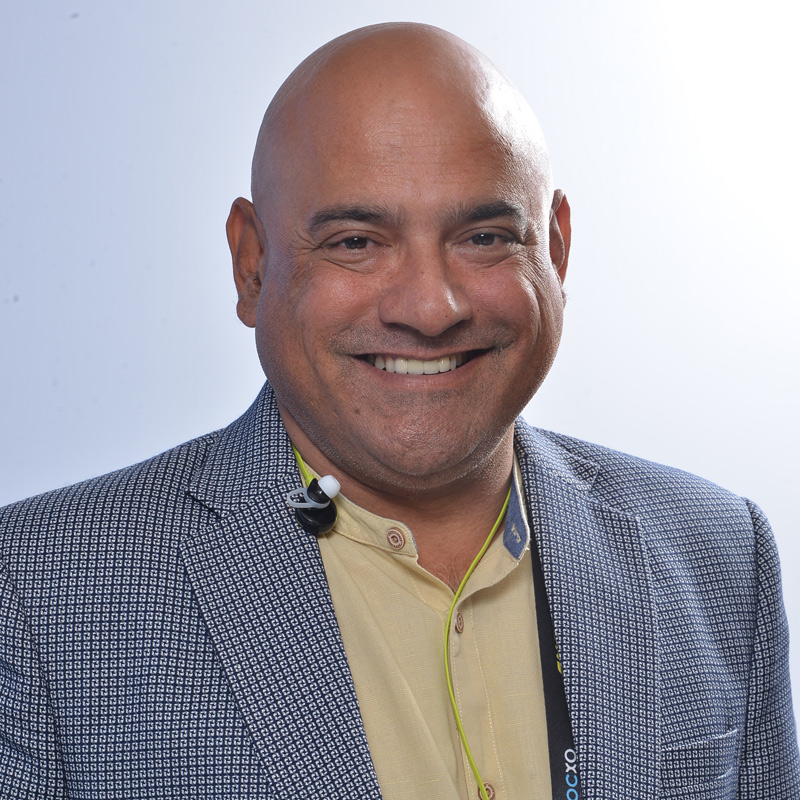
    Peer-to-peer interaction, an influx of trust from people with whom the customers can relate to on a personal level and comparatively lower cost to get engagement on digital platforms are some of the few factors that have been propelling the growth of this medium. To get some more insight into how this whole gamut of social influencing works, what the ticks and tricks of the trade are, and how can the brands make maximum out of this trend, Indiantelevision.com got into a candid conversation with BuzzOne Infuencer Marketing’s founder and CEO Sanjay Vasudeva on a rainy afternoon in Delhi.

    Vasudev started BuzzOne Influencer Marketing a few years back as a one-stop marketplace for brands and influencers to create conversations on social media using the great reach the latter had on various platforms. Over the years, the agency has created successful campaigns for a number of brands including Volkswagen, Nissan, Veet, Kissan, Britannia, ICICI and Future Generali, among others.

    Since then, it has come a long way. What has made influencer marketing popular today? Vasudev says, “Influencer marketing is social word of mouth. If you compare all the media of communications—be it print, TV, or digital—word-of-mouth has always been considered the biggest and most powerful of them all. I will give you a simple example; when you want to buy a car, you take opinions from your peers or family members who already have bought it and are using it. That’s how most of us make our choices.”

    He added that brands want more conversation on social media and influencers accelerate it by conveying the brand message in a style relatable to their followers.

    Sanjay contributes this exemplary growth to the dynamism of the industry as well. He mentions, “When we started four years back, influencer marketing was still in its infancy. It was based mostly around Twitter. But now, the spectrum has become so much larger; you have Instagram, Facebook, YouTube, and of course newer platforms like Snapchat and TikTok.”

    He adds, “Looking at this what I can say is that in the app business, we will always be in beta because platforms would keep changing and also new platforms would emerge. The platforms which were there earlier would become not so popular, for example, we have seen Twitter going down.”

    On being asked how does the influencer marketing firm like his keep pace with this dynamic shift, Vasudev says, “We have a propriety tool by which we keep a constant vigil on what kind of influencers are doing what and on what platforms. We then bucket them into various categories and genera. Further, the brands also have a point of view on certain influencers and platforms. We do our best to provide them with the best match.”

    Vasudeva also shares the perfect recipe to sort out the best face and medium to associate with any campaign. He notes, “Essentially, the first filter that should happen is to look at in what space the brand is operating and in what space it wants the communication to happen. For example, if an automobile brand wants to talk about the core features of the car, then it will be an automobile blogger’s dialogue. But if the same automobile brand wants to promote itself from the lifestyle perspective, then we will either pick people who talk about lifestyle or sometimes, maybe, fashion bloggers.”

    “Also, the biggest trend nowadays is that the content is moving from static images to videos. Thus, bloggers are becoming lesser and lesser relevant as people do not have time to read long write-ups. With content getting shorter, the impact of platforms like Instagram is gaining momentum. Another amazing platform is TikTok. The only problem with TikTok is that it doesn’t have any reporting API’s to keep a tab on the performance of the videos but it is still one of the most used platforms by influencers. It gives greater views at a much less cost than any other platform,” he shares.

    On a final note, he said that brands should not try to push their own ideas of the kind of content that influencers should create. “An influencer is very loyal to its audience and knows what kind of content works with them. Thus, brands should be very careful about their demands and should allow them to create content in their own style.”
  • Brands likely to prefer OTT over linear TV, says DViO founder & CEO Sowmya Iyer

    Brands likely to prefer OTT over linear TV, says DViO founder & CEO Sowmya Iyer

    MUMBAI: In today’s digital-led world, brands need to reposition themselves and DViO Digital is doing its bit being one of the largest integrated marketing companies in India. The company takes pride in its creative, technical, and digital expertise. It also runs a startup incubator of over 18 companies and a research lab to work towards meaningful application of new age technologies like AI, ML, VR, and AR in marketing ecosystem for brands.

    Started in 2007 as Xebec Digital (rebranded as DViO in 2017), the company, in the past few years, has handled a number of successful campaigns for brands like Star World, Star Movies, Star Gold, Hotstar International, Gaana.com, Reliance Mutual Fund, Cox and Kings, Protinex, among others. for brands like Star Gold Select,Gaana, Aldo, Aurelia, Protinex, and Signature Tours.

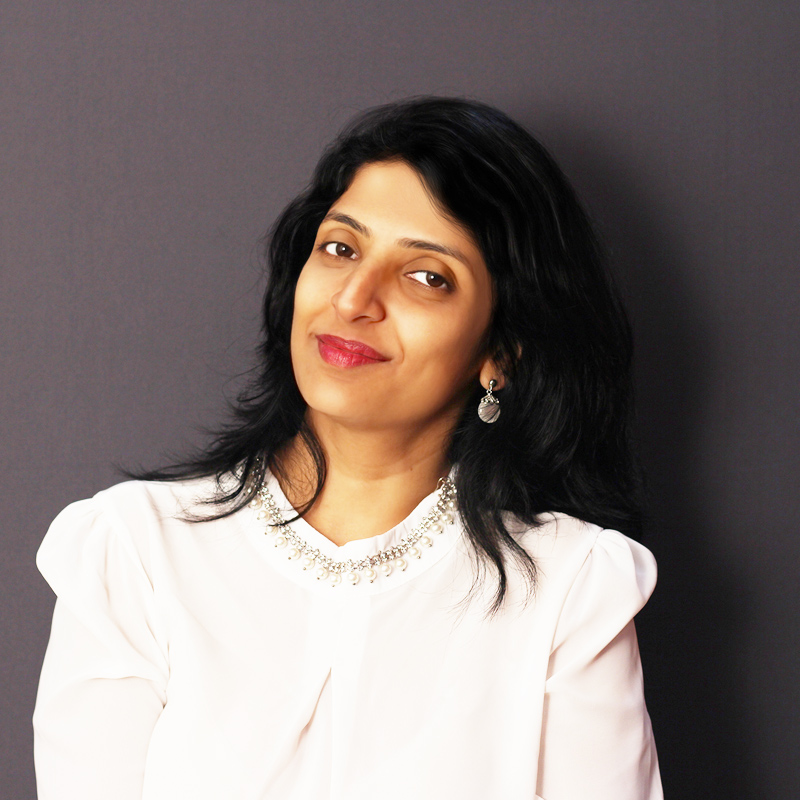
    Founder and CEO of the company, Sowmya Iyer, in an exclusive conversation with Indiantelevision.com’s Mansi Sharma, shares how the digital ecosphere has evolved in the past decade.

    According to her, the biggest transformation has been the blurring of the line between traditional and digital media. She says, “Brands don’t look at media as traditional v/s digital anymore. The media investment decisions are taken based on the consumer’s environment and media consumption patterns.”

    Sowmya quips that digital is no longer the ‘new media’ and OTT is well-positioned to take over linear TV if 5G is delivered as promised. “In fact application and integration of VR, AR, chatbots and voice search in marketing are adding new and very interesting dimensions to digital marketing.”

    “If you look at the figures – ad spends in digital are at 17 per cent of the total media spends. It is expected to grow to 29 per cent share by 2021. In fact, media like TV, radio, and print are expected to see a decline. This only points towards a change in media consumption habits owning to smartphones and smart TV.”

    But this massive growth also brings along a few challenges for the market. Sowmya contends, “The key challenge, which can also be a huge opportunity, is the pace at which digital marketing platforms and technology are innovating and changing.”

    She adds, “The onus lies on marketers to adopt, internalise and apply at a rapid pace. Whether it’s new formats of content for social media platforms or introduction of advanced filters to look at data by publishers or new tech which can be applied for innovative marketing — the pace can be exciting as well as chaotic. Training and processes to ensure the adoption of learning across organisations and brands is the key.”

    Sharing how marketing agencies can brunch on this feast of endless possibilities and transformations, Sowmya tells that they need to move away from some passé trends like buying fans to gain followers and using influencers to trend on Twitter.

    “There is a general decline in trust of what people see online. A HubSpot study suggested that people are more likely to believe data coming from their peers or people like them. Therefore, influencer marketing definitely cannot be applied across brands like a checklist,” Sowmya mentions.

    She also shares findings from DViO’s research to study the effectiveness of influencer marketing. “We observed that campaigns, which got the lowest ratings, had largely used influencers only as an amplification channel. The influencers were not seen as to have any brand connect, or the believability of content shared was low. Whereas, the top campaigns were those with majority of influencers were actual users or patrons of the brand. Also, micro-influencers seemed to create a lot more intimate engagement with their fans on the endorsed brand content.”

    According to her, other top trends that are to be followed for driving a successful business include smart usage of social media that is not only focused on driving engagement but also contributes towards attracting commerce and provides a good ROI. “Better data science and analytics will help group programmatic buying as brands see ROI coming from programmatic as well,” she adds.

    She sees video dominating the digital content and massive adoption of messaging apps changing how brands communicate with customers in the near future.