Tag: Indian Performing Right Society

  • IPRS champions copyright management at WIPO mentorship programme in Bangladesh

    IPRS champions copyright management at WIPO mentorship programme in Bangladesh

    Mumbai: The Indian Performing Right Society Ltd (IPRS) continues to lead in collective rights management and uphold creator rights across the sub-continent. Recognised for its role in establishing a sustainable revenue stream for Indian creators through royalties, IPRS has bolstered India’s global standing in rights management.

    Recently, IPRS participated in a significant event organised by WIPO (World Intellectual Property Organization) in cooperation with the Copyright Office Bangladesh and supported by the Bangladesh Lyricist, Composers, and Performers Society (BLCPS). The national event, titled “Wipo Mentorship Program for CMOs Engaged in Copyright Management,” brought together international delegates from WIPO, CISAC (International Confederation of Societies of Authors and Composers), and IPRS (The Indian Performing Right Society Ltd). The delegates addressed several topics and provided recommendations to participants through their detailed presentations.  

    Inaugurated by Copyright Registrar Md Daud Miah NDC (additional secretary), the day-long event then proceeded with five engaging sessions on five different and important topics, explaining the activities of the participating organisations.

    The inaugural topic was “WIPO’s activities in the area of collective management and new projects to support the growth and development of local CMOS,” conducted by WIPO program officer of copyright management division, copyright, and creative industries sector Miyuki Monroing.  The second topic, “CISAC’s roles and initiatives to seamlessly represent creators across the globe and ensure the royalties flow to authors effectively,” was addressed by CISAC regional director for Asia-Pacific Benjamin Ng.

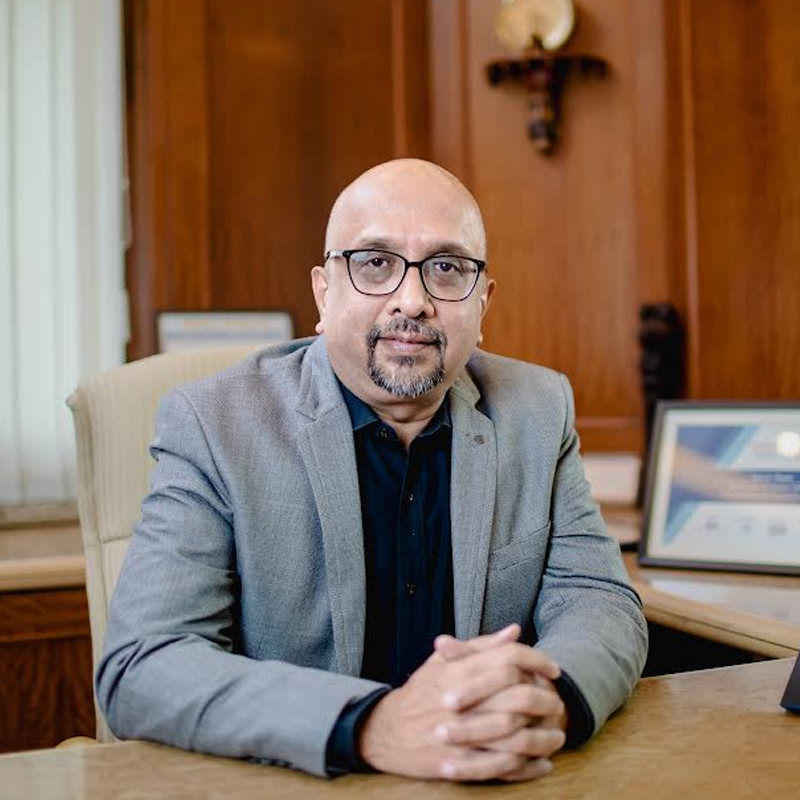
    The third topic, titled “The role of local CMOs in building a creative ecosystem for creators and users: What can CMOs contribute to you,” highlighted the significance of CMOs in the music landscape of the country. IPRS CEO Rakesh Nigam shared insights and best practices in rights and royalty management, showcasing IPRS’s path breaking journey in creator’s rights management and its pivotal role in the Indian music industry.

    IPRS’s participation at the WIPO mentorship programme highlights India’s strong bilateral relations with Bangladesh, particularly underscored by the IP Trade Treaty between the two nations. IPRS’s participation in this event signifies a step towards supporting Bangladesh in strengthening its intellectual property rights management mechanisms and fostering a robust society for creators.

    The interactions continued on day two at the copyright office Bangladesh, where a comprehensive action plan was formulated. IPRS actively participated in these discussions and endorsed its commitment to supporting BLCPS in its journey towards strengthening copyright management and creator rights in Bangladesh.

    Under the guidance of CISAC, IPRS has extended support to neighbouring countries like Nepal and Bangladesh, aiming to develop robust music rights management societies in these regions. Plans are also underway to engage with Sri Lanka, further advancing collective rights management practices across South Asia.

    “It was a great pleasure to host the  first of its’ kind – national mentorship program for the copyright management organisation in Dhaka, Bangladesh on the 4 & 5 June 2024 along with Bangladesh copyright office which was a resounding success with the participation and support from such esteemed organisations as WIPO, CISAC and IPRS, India.

    On behalf of BLCPS, the only Collective Management Organisation for music in Bangladesh, I extend our heartfelt gratitude to Rakesh Nigam and Surhit Bhattacharyya for their invaluable participation in the national mentorship program from IPRS, India.  Their insightful presentations and discussions on the journey of IPRS, India since its inception, were both eye-opening and encouraging to say the least. The experiences and knowledge shared by both have provided tremendous value to all the attendees and were pivotal in making the mentorship program a significant success.

    As the first and only CMO in Bangladesh for Music, BLCPS is eager to collaborate with IPRS India during these early days and in the days to follow. We believe that through our partnership, we can build a thriving ecosystem for music in Bangladesh that mirrors the remarkable success story of IPRS in India. We look forward to the opportunity of working closely with IPRS, India to achieve this shared vision”, said BLCPS CEO Hamin Ahmed.

    Commenting on IPRS’s participation and role, IPRS CEO Rakesh Nigam said, “IPRS is proud to contribute to the WIPO Mentorship Programme, advocating for strong copyright management and creator rights. Our collaboration with Bangladesh underscores our commitment to fostering a sustainable music ecosystem in the region. By sharing our learnings and best practices, we aim to empower our neighbouring countries Bangladesh, Nepal and Sri Lanka and build a robust framework for intellectual property rights that supports and uplifts creators across borders.”

    Govt of India’s proactive measures in supporting the development of a robust copyright protection regime in the sub-continent have been instrumental in shaping IPRS’s meteoric success and establishing its pivotal role in safeguarding the rights and royalties of music creators. This commitment has not only elevated IPRS’s position but also contributed significantly to nurturing a sustainable music ecosystem in the region.

    As IPRS continues to advocate for collective rights management and support music creators across borders, it remains dedicated to fostering partnerships and initiatives that uphold the integrity and value of creative works in the global marketplace.
     

  • IPRS to empowering new and upcoming artists at Deccan Alternative Music Conference 2024

    IPRS to empowering new and upcoming artists at Deccan Alternative Music Conference 2024

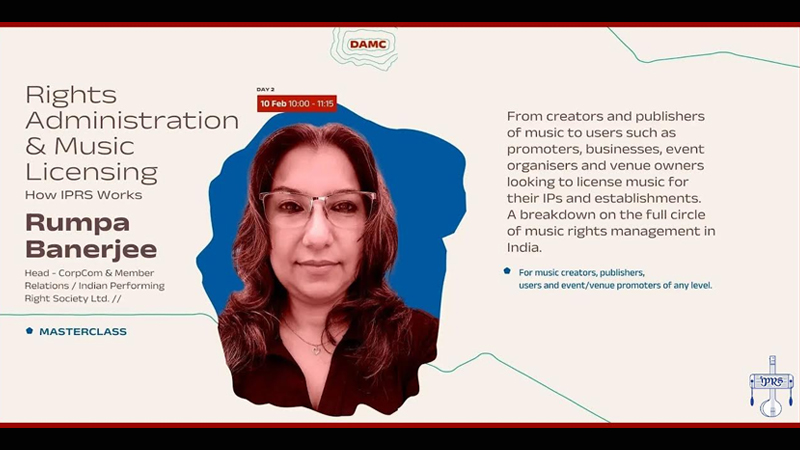
    Mumbai: The Indian Performing Right Society (IPRS) is set to mark its presence at the Deccan Alternative Music Conference, scheduled from 9 to 10 February in Bengaluru. This initiative aims to enlighten and empower musicians from the region, shedding light on crucial aspects of the music business covering copyright, royalties, and the role of music copyright societies in safeguarding creators’ rights.

    In an era where music is not just an art but a thriving industry, understanding music copyright is paramount, IPRS has always endeavoured to make musicians aware of their rights. Music copyright protects the intellectual property of creators, ensuring they receive due recognition and compensation for their work. It encompasses the rights of composers, songwriters, and independent artists, offering them a legal shield in the ever-evolving music landscape.

    Music copyright societies play a pivotal role in safeguarding the interests of creators. Rights management societies, like IPRS, act as custodians of creators’ rights, managing and licensing their music to ensure fair compensation. By joining a copyright society, music creators gain a powerful ally in navigating the complexities of the music industry, ensuring that their music is duly protected and monetized.

    For creators, royalties serve as a consistent source of income. IPRS, as a govt. authorised music copyright society, actively collects and distributes royalties on behalf of its members, turning creative endeavours into a sustainable livelihood. Understanding the nuances of royalties is crucial for artists to maximize their earnings and foster a thriving music-creator economy.

    As part of the Deccan Alternative Music Conference, IPRS is hosting an insightful workshop aimed at demystifying music copyright and licensing, the role IPRS plays in managing creator and publisher rights, and their right to royalties. IPRS will guide participants through the benefits of being represented as a community, ensuring due credits through data registration, and providing valuable insights that will help boost their musical journey.

    In addition to the workshop, IPRS is organizing an exclusive enrolment boot camp during the conference. Independent artists, songwriters, and composers can seize this opportunity for on-the-spot registration. This initiative is designed to empower creators by facilitating seamless access to the benefits of IPRS membership.

    Creators attending the Deccan Alternative Music Conference, are encouraged to participate in the workshop and enrolment boot camp, gaining valuable insights and establishing direct connections with the IPRS team. The conference promises not just a platform for musical expression but also a gateway to unlocking the full potential of a creator’s work.

    IPRS invites all independent artists, bands, songwriters, and composers to be part of this enriching experience. Mark your calendars for the Deccan Alternative Music Conference, and embark on a journey to enhance your understanding of music copyright, royalties, and the transformative role of IPRS in shaping the music industry.

    Commenting on this, singer, composer and IPRS member Bindhu Malini said, “As a member of IPRS, I am aware of how critical it is to understand and protect our rights as a creator in the dynamic music business. The Deccan Alternative Music Conference offers a priceless forum for knowledge, networking, and understanding the nuances of the music business to new and upcoming artists and music creators. Being a member of IPRS means more than just financial returns; it’s about joining a global community of music creators, where IPRS acts as a strong ally, advocating for my cause and safeguarding my rights. Glad to be part of this journey.”

    Adding to this, The Indian Performing Right Society Ltd CEO Rakesh Nigam said; “As we participate in the Deccan Alternative Music Conference, our focus is on empowering creators hailing from the vibrant musical landscapes of the region. A special thanks to the organisers of the Deccan Alternative Music Conference, for crafting this unique space where regional talents can amplify their understanding of the music business. Through strategic collaborations and extensive outreach, our goal is to reach every artist, transcending geographical boundaries, and making sure they are well-versed about the opportunities and protections that await them in the rapidly evolving music industry.”

    The Indian music industry is witnessing unprecedented growth, transcending borders. Independent and non-film music is gaining popularity and winning fans across geographies. But it is alarming that a vast majority of songwriters are unaware of their rights, the clauses outlined by the Copyright Law in favour of music creators, and how to protect their rights and rightful dues. IPRS has been incessantly working towards empowering and educating music makers on matters that shape their careers and help them reap more from their creations. IPRS’s participation at the Deccan Alternative Music Conference, is a step towards that.

  • Indian Performing Right Society targets Rs 60 crore revenue from public performance, says CEO Rakesh Nigam

    Indian Performing Right Society targets Rs 60 crore revenue from public performance, says CEO Rakesh Nigam

    Mumbai: During the past two Covid infected years on-ground events took a severe hit. This had an extremely negative impact on the revenues generated from live events and public performance of music. However, with normalcy returning The Indian Performing Right Society (IPRS) CEO Rakesh Nigam is optimistic about generating revenue of Rs 60 crore from public performance for the current fiscal. The revenue generated will increase from fiscal 2019-2020 (pre-covid), which was Rs 52 crore. The overall revenues generated at IPRS from across verticals for the fiscal are pegged to be above Rs 300 crore.  

    “IPRS has started engaging with a lot of people. We have taken a proactive stand with the users, who are also coming out of the pandemic. We will consider giving them discounts and ask them to pay for music.  People are now positive about taking licences. We have boosted our on-ground team to meet the growing requirement. We have adopted a 360-degree approach and are trying to motivate people to get licences to play music in public. We also try and give discounts to coerce them to take licences.”

    He adds that there is more advertising taking place on digital platforms like YouTube which will benefit the music industry. There is a revenue share and so there will be income growth. However for subscription-driven OTT platforms or music used for television, there won’t be an impact from ad revenue. The festive season has more of an impact on public performance and on anything that is driven by revenue share. “The festive season for us in public performance is a full six-month period. It starts in October and goes on till March. In the summer, things slow down and during the rainy season not much happens. Apart from this, in October corporate events, general events, parties, etc., all start taking place.

    The mood today is very positive. We expect a growth in consumption, which was on a standstill for the past two years.  As malls have opened, footfalls in theatres have increased. Things are looking bullish across the country. Recently, malls had stopped using music to cut down on costs and save every penny. Now they are willing to spend money and take licences. They use music in the background to create the right ambience.,” Nigam points out further.

    “The fervour is across the country. Everyone is waiting to go out and break the shackles, be free and enjoy. So, retail sales are going up. Malls are quite positive. The mood picked up in August. The festive season is Diwali through Christmas.” IPRS, he says, has started engaging with clients. They had asked for discounts in the previous two years which the IPRS had agreed to help during a very difficult period.

    In terms of the growth in the number of artists and music publishers, the growth has been over 50 per cent, he says. “During the lockdown, we made everything digital. We made the online application process as smooth as possible. Only the signature on the statutory documents has to be done offline. We have also held digital seminars and campaigns to reach out to music creators and publishers to tell them that IPRS is a society to extend support. We also reached out to music authors and composers who felt the brunt of Covid. We gave financial support. This sent out a positive message that we are an organisation that does not just collect royalties. We also help when it is required. As a society, we help the less privileged members. We gave financial relief to a lot of members during the pandemic. As a result of all our initiatives to help and support we have also grown in numbers. From 4,000+ we are now a community of over 9000 songwriters, composers and music publishers from across the country. We have seen this growth in the past three years. During seminars, we focused on the fact of learning and earning. We educated people on the new things that are shaping the music industry and careers of those associated with it. How can they be at par with things happening around beyond music creation? What is happening on platforms like Youtube? What is metadata? And all that is relevant for them to reap the best benefits as a creator and publisher.”

    IPRS also aims to educate music users through our campaign that speaks about fair pay and fair play of music. #LicenseLiyakya? is the message. “Why not pay fairly for the usage of music? This encourages creativity. 90 per cent of people online listen to music. We are bullish. Why not ensure that you subscribe and pay for music? That is how we have come up with the campaign. If there is no music at your event, how will it sound? Please help us serve you better by paying for the music. This will encourage authors and composers to create better music for them.” In terms of IPRS members, he said that they can play their role by letting copyright societies like IPRS know where their music is being played. “They also have to push to see that those places obtain a licence as that will only benefit the music creators and publishers.”

  • IPRS launches a campaign ‘#ImagineLifeWithoutMusic’ this festive season

    IPRS launches a campaign ‘#ImagineLifeWithoutMusic’ this festive season

    Mumbai: With the arrival of the holiday season, the Indian Performing Rights Society (IPRS) has launched a campaign titled “#ImagineLifeWithoutMusic.” IPRS said that it is India’s only registered copyright society representing authors, composers, and music publishers.

    The campaign intends to draw attention to Fair Pay and Fair Play of Music. Music is an integral part of our lives, and as we grow up, it finds new meaning and relevance. It adds to the fervour when we celebrate and buoys us up when we feel low. Indian ceremonies and milestone moments are incomplete without music! According to Nielsen, 94 per cent of online consumers in India listen to music, and 71 per cent of them say that music is an important part of their lives.

    The last few months of the calendar year in India are punctuated with a slew of events and festivals. Celebrations through congregations of family and friends are a common sight. It is only expected that music will be one of the primary and most popular means of entertainment during these ecstatic moments. Emanating from every nook and corner around the country, music consumption at these celebrations is sky-scraping. Resonating with this, IPRS sets sail with its campaign to make us ponder what our lives would be like without music and to instil a sense of responsibility toward building a sustainable future for music and its creators.

    The campaign will emphasise the relevance of music and how mundane our lives and special occasions would be without it. IPRS stands for protecting its members’ bodies of work and their creation. Today, the copyright society has a robust domestic repertoire of over one million songs.

    As music is erroneously presumed to be free and readily available for consumption, IPRS is constantly working towards bringing a mindset change and going all out to right this wrong. IMI-IFPI Digital Music Study 2021 reveals that almost half of the survey respondents felt that they did not need to pay as anything they wanted to listen to was available for free.

    Lyricist and IPRS board member Sameer Anjaan said, “Even beginning to imagine life without music is one of the scariest thoughts one could have. How would it be possible to be deprived of the very aural oxygen that makes us savour every memorable moment? It is the music that makes them all the more extraordinary.

    “Music encompasses our lives since the moment we set ourselves afoot on the planet and remains an indelible part all the way through our journey. The importance of life in music cannot be overstated. As creators of music, we are overwhelmed by its gentle hold over us and give it our everything: imagination, thinking, skill, time, and energy. In fact, it would not be stretching the truth to say that, as music creators, we give it our life. This sojourn has to continue unabated for a better, happier, more complete world around us. It would be our best legacy for the coming generations.”

    IPRS CEO Rakesh Nigam said, “We are happy to announce our new campaign, “#ImagineLifeWithoutMusic,” to create awareness and highlight the importance of music in our lives and the institutions that depend on music to run their business. We want to encourage music users and organisers to purchase a music licence for playing music at events and commercial outlets. Hope we realise that, like other things in our daily life, we need to pay for music too. Music is more than an industry. It is a cultural powerhouse. Though music creators have embraced this profession through passion, we cannot retain talent if we do not pay their rightful dues. To deny royalties to the creators will ultimately weaken the cultural fabric of the nation. We take this opportunity to thank our Fair Music Partners for their support in upholding music licensing and ensuring those behind the music get their rightful dues.”

    According to the EY-FICCI report, the Indian music segment grew by 24 per cent in 2021. About 90 per cent of revenues were earned through digital means, though most of it was advertising-led, with only three million paying subscribers. An overwhelming majority of people still refrain from paying for the music they listen to.