Tag: Indian market

  • Danube Properties hosts roadshow in Pune to built ties with Indian investors

    Danube Properties hosts roadshow in Pune to built ties with Indian investors

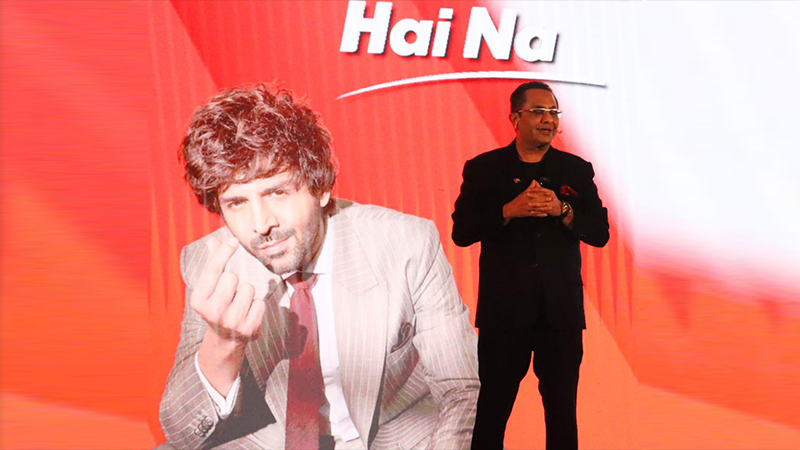
    Mumbai: Danube Properties, recently hosted an exclusive roadshow in Pune, Maharashtra, aimed at fostering stronger connections with Indian investors and expatriates. The event showcased the developer’s premium property portfolio in the UAE, underscoring its commitment to expanding its footprint in the Indian market.

    At the roadshow, Danube unveiled its latest campaign, “Danube Hai Na!!”, which highlights over 40 exclusive amenities across its projects. The campaign focuses on intelligently designed living spaces, with standout features like 24/7 Doctor-On-Call services, reinforcing the company’s dedication to convenience and holistic living. The slogan, “Whatever convenience you think of, it’s there in Danube’s projects,” reflects the developer’s aim to blend luxury with practical, resident-focused solutions.

    Danube Group, founder and chairman, Rizwan Sajan said, “India remains a key focus area for us, and the roadshow is designed to bring Dubai’s world-class real estate closer to Indian investors and expatriates,” he stated, further promoting Danube’s affordable yet luxurious offerings in Dubai’s thriving property market.

    The event also served as a platform to recognise Danube’s Channel Partners in India, offering attractive incentives for their sales achievements. It highlighted the growing interest among Indian investors in Dubai’s real estate, particularly in Danube’s projects, which are renowned for their strong launch-to-delivery ratio.

    With the UAE’s Golden Visa programme opening doors to long-term residency and property ownership, the event emphasised the potential of Dubai’s real estate as a lucrative investment opportunity. Danube’s properties offer an impressive return on investment of 6-10%, along with flexible payment plans, making them particularly appealing to Indian investors.

    Pune was strategically chosen for the roadshow due to its dynamic business environment, flourishing IT sector, and active investor community. The event forms part of Danube’s ongoing efforts to expand its presence in India and connect with investors seeking high-quality, affordable homes in Dubai.

  • Nettlinx Q3 results shine PAT of Rs 13.87 lakh despite sector challenges

    Nettlinx Q3 results shine PAT of Rs 13.87 lakh despite sector challenges

    MUMBAI: In the wild, ever-changing jungle of technology and network solutions, Nettlinx Limited has swung in with its financial results for the quarter and nine months ended 31 December 2024.

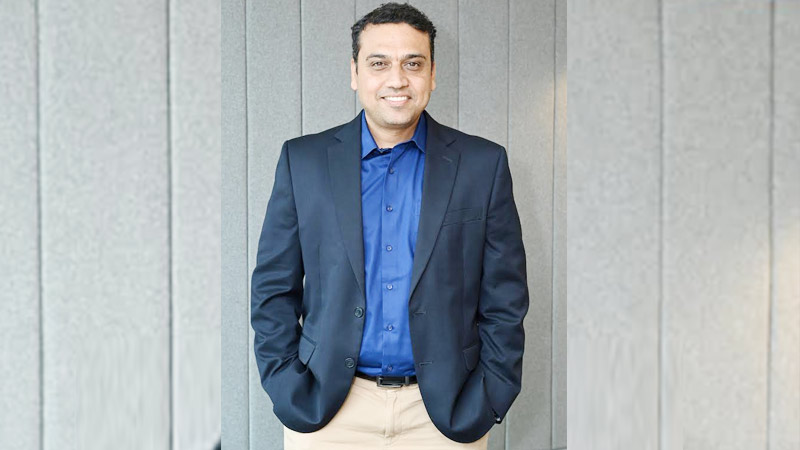
    But before we dissect those numbers, let’s meet the lion leading the pride – Nettlinx’s visionary managing director Manohar Loka Reddy, the kind of leader who turns challenges into stepping stones—and let’s not forget, he’s worth a pretty penny himself! With Nettlinx’s market cap roaring at Rs 172.62 crore, this Telangana-based powerhouse is proving it’s not just surviving the tech-sector jungle but thriving.

    Founded in 1994, the company started as a regional player, quietly building its empire. Fast-forward to today, and Nettlinx has muscled its way into the big leagues of tech stalwarts.

    So, what’s the secret sauce behind their rise? Is it Reddy’s razor-sharp vision, the team’s unyielding dedication, or maybe a pinch of both? Let’s not forget—every stronghold needs its moat, and Nettlinx seems to have found just that.

    Despite the stormy weather of economic headwinds, Nettlinx’s ship has stayed the course, delivering solid standalone and consolidated performances. With such a rich history and an inspiring trajectory, the company’s tale of growth and grit continues to keep investors intrigued and stakeholders on the edge of their seats. The big question, though, remains: Can Nettlinx keep the magic alive in the quarters to come?

    Standalone Results

    The quarter witnessed Nettlinx achieving standalone revenue from operations of Rs 777.45 lakh, a 6.1 per cent increase over the preceding quarter’s Rs 733.40 lakh. With additional contributions from other income, totalling Rs 4.49 lakh, the company’s standalone income reached an impressive Rs 781.94 lakh. EBITDA for the quarter came in at Rs 109.66 lakh, and PAT was Rs 13.87 lakh, reflecting a promising recovery from the narrow profit margins seen in Q2. Clearly, Nettlinx isn’t just surviving; it’s thriving. Who knew numbers could look this good?

    For the nine-month period, standalone revenues soared to Rs 2,417.56 lakh, marking a 12 per cent increase compared to the Rs 2,162.13 lakh reported in the same period last year. EBITDA for these nine months stood at Rs 314.18 lakh, and PAT registered a steady Rs 54.05 lakh.

    The performance suggests that Nettlinx has found its rhythm, balancing growth with operational efficiency. Still, can they iron out inefficiencies lurking beneath?

    Consolidated Results

    In Q3 FY25, consolidated results brought a show-stopping total income of Rs 1,592.59 lakh, while EBITDA flexed its muscles at Rs 467.42 lakh. PAT for the quarter stood at Rs 173.58 lakh, a testament to the company’s ability to maintain profitability in a challenging market environment. Nettlinx’s financial workout routine seems to be paying off. Can it keep up this streak without pulling a muscle?

    Over the nine months ending December 2024, consolidated revenues surged to Rs 2,477.66 lakh, showing consistent growth across all fronts. EBITDA hit a robust Rs 680.76 lakh, and PAT reached Rs 242.54 lakh. With earnings per share (EPS) at Rs 2.78, shareholders have every reason to celebrate. However, administrative expenses—the financial equivalent of carrying extra weight—remain a concern.

    Will Nettlinx embrace the Marie Kondo method to declutter its cost structure?

    Nettlinx’s resilience begs the question: How does the company sustain its upward trajectory despite market volatility? Is its diversified subsidiary structure the safety net it appears to be, or are there untapped potential efficiencies yet to be unlocked?

    Exceptional items, including a Rs 2.92 lakh provision, highlight the company’s cautious risk management strategy. Yet administrative expenses surged to Rs 442.79 lakh, calling for a closer look at streamlining operations.

    Key financial highlights

    .  Standalone EBITDA: Improved by 15 per cent, reaching Rs 109.66 lakh.

    .  Depreciation: Increased to Rs 80.18 lakh, reflecting sustained infrastructure investments.

    .  Earnings per Share (EPS): Stabilised at Rs 1.79 per share (basic and diluted) in Q3.

    .  Consolidated Operating Margin: Marginally improved to 18 per cent, signalling steady subsidiary performance.

    .  Administrative Costs: Increased, warranting cost rationalisation.

    As Nettlinx moves forward, its commitment to innovation and expanding its digital ecosystem remains evident. The company’s efforts to enhance its network capabilities are likely to strengthen its market presence in the coming quarters.

    The financial results underscore a dual narrative. On one hand, Nettlinx is showcasing solid growth. On the other hand, it needs sharper focus on profitability and cost containment. Investors and stakeholders alike will be keenly watching how the company navigates the evolving landscape while turning revenue gains into sustainable net income.


  • Media Matrix Worldwide surges despite mixed Q2 results

    Media Matrix Worldwide surges despite mixed Q2 results

    Mumbai: The financial landscape for Media Matrix Worldwide Limited (MMWL) in Q2 FY25 paints a nuanced picture, juxtaposing robust revenue growth with strained profitability. With consolidated revenue from operations skyrocketing by 44.5 per cent YoY to Rs 1,35,688.52 lakh, the company has demonstrated remarkable top-line momentum. However, mounting expenses and shifts in inventory dynamics tempered the gains, reflecting the challenges of navigating an evolving business ecosystem.

    Media Matrix’s consolidated revenue from operations surged, bolstered by a significant increase in the trading of electronic items. Compared to Rs 93,756.58 lakh in the corresponding quarter of FY24, the latest figures underscore a well-executed growth strategy. The sale of services, though contributing a modest Rs 304.15 lakh, remained stable, affirming the firm’s diversified revenue streams.

    Despite the impressive revenue trajectory, the company’s net profit declined to Rs 205.54 lakh, down from Rs 307.14 lakh a year ago. The dip largely stems from a substantial increase in finance costs, up 54.3 per cent to Rs 657.25 lakh, reflecting higher borrowings during the period. Other factors, including a rise in employee benefit expenses by 14 per cent, added further pressure to the bottom line.

    Operational Highlights

    – Inventory Adjustments: Changes in inventory of stock-in-trade significantly reduced expenses by Rs 2,240.92 lakh, indicating efficient stock management.

    – Employee Costs: Employee benefit expenses rose to Rs 249.66 lakh, up from Rs 218.95 lakh YoY, showcasing investments in human capital.

    – Depreciation: Marginally increased to Rs 39.81 lakh, signifying sustained investment in operational infrastructure.

    Notably, the quarter’s other comprehensive income recorded a dramatic turnaround, moving from a gain of Rs 3,280.91 lakh last year to a loss of Rs 2,089.96 lakh. This shift is attributed to fair value changes in investments held by subsidiaries, reflecting broader market volatility.

    Cash flows from operations reflected a net outflow of Rs 4,390.10 lakh, contrasting starkly with the inflow of Rs 3,057.53 lakh reported for FY24. However, the company’s liquidity position strengthened, with cash and cash equivalents rising sharply to Rs 470.93 lakh from Rs 89.40 lakh, thanks to effective management of short-term borrowings.

    Media Matrix Worldwide continues to capitalise on its expertise in digital media and electronics trading. However, the dual challenges of rising finance costs and a volatile investment climate demand strategic recalibration. While the revenue trajectory inspires confidence, sustaining profitability in the face of external headwinds will be key to maintaining investor trust.

  • The modern CMO: Driving growth and innovation in India

    The modern CMO: Driving growth and innovation in India

    Mumbai: In a world where screens dominate our lives, advertisements have evolved into captivating narratives that often capture more of our attention than the movies we adore or the podcasts we cherish. This relentless tide of digital innovation has placed marketing at the very heart of modern business. Behind every clever campaign or viral ad lies a creative mind weaving strategies that resonate deeply with audiences, shaping trends and subtly steering our choices.

    India, a land of infinite diversity and ceaseless contrasts, offers an unparalleled canvas for marketers. Here, chief marketing officers (CMOs) transcend their traditional roles, becoming architects of growth, pioneers of digital transformation, and custodians of trust. In this dynamic marketplace, where every consumer interaction carries the weight of cultural nuance, CMOs are tasked with not just adapting to change but leading it, forging a path toward a future brimming with opportunity and innovation.

    To delve deeper into this dynamic evolution, Indian Television dot com spoke with Danone’s marketing director, Sriram Padmanabhan about the challenges, opportunities, and expectations shaping the modern CMO’s role in India.

    How has the role of the CMO evolved in India over the years?

    The role of the CMO has expanded far beyond traditional marketing functions like advertising and brand building. Today, the CMO is a strategic leader who collaborates closely with the CEO and other C-suite executives. This transformation is driven by the need to integrate marketing with broader business goals, particularly in a market as diverse as India.

    CMOs must now navigate the complexities of digitised consumer touchpoints, leverage data-driven insights, and create personalised customer experiences. In essence, they’re not just marketers—they’re business architects who play a pivotal role in steering their companies toward growth.

    What are the biggest challenges CMOs face in the Indian market?

    India’s diversity is both a strength and a challenge. The country’s rich cultural tapestry means consumer preferences can vary drastically across regions. For a CMO, crafting marketing strategies that resonate deeply with such a varied audience requires not just creativity but also a deep understanding of market research and consumer behavior.

    Additionally, technological advancements have added layers of complexity. The integration of AI and machine learning into marketing is no longer optional. CMOs must be comfortable with these technologies to analyse consumer behavior, predict trends, and optimise campaigns effectively.

    How important is technology in redefining the CMO’s role?

    Technology is absolutely central. Tools like AI, machine learning, and advanced analytics have revolutionised marketing. They allow us to predict customer needs, create hyper-personalised experiences, and measure outcomes with unprecedented precision.

    In fact, a recent EssenceMediacom report highlights that 90 per cent of marketing leaders find their roles increasingly complex due to these technological demands. But this complexity also presents opportunities. By embracing technology, CMOs can drive efficiency, enhance engagement, and deliver measurable results.

    Can you elaborate on the leadership qualities a modern CMO needs?

    Today’s CMOs must be strategic visionaries who align marketing with business objectives. They need to inspire innovation within their teams and foster a culture of agility and creative thinking. This includes having a deep understanding of the broader business landscape, anticipating market shifts, and identifying new growth opportunities.

    More importantly, CMOs must embrace a mindset of continuous learning. In a rapidly changing environment, the ability to adapt, experiment, and take calculated risks is essential. Leadership isn’t just about managing—it’s about inspiring and guiding the organisation through transformation.

    What role does the CMO play in building trust and customer experience?

    At its core, the CMO’s role is to be the guardian of the brand and the customer experience. Trust is the cornerstone of any successful brand, and in today’s age of social media, maintaining that trust requires transparency, authenticity, and consistency.

    CMOs must ensure seamless interactions across all customer touchpoints, integrating marketing with sales, customer service, and product development. The ultimate goal is to create a unified, positive customer journey that strengthens brand loyalty.

    What advice would you give to aspiring CMOs navigating a dynamic market like India?

    The key is to be proactive rather than reactive. Don’t just follow trends—lead them. Understand the pulse of your market and leverage technology to your advantage. Invest in learning new tools and methodologies, and always keep an eye on how your strategies align with the company’s broader objectives. Finally, stay customer-focused. Every decision, whether strategic or operational, should ultimately enhance the customer’s experience with your brand. That’s where the true value of a CMO lies.

    The journey of a CMO in India is akin to navigating a vibrant mosaic—each piece representing a unique cultural nuance, consumer preference, and technological shift. As India’s market continues to evolve and diversify, the CMOs who embrace the art of storytelling, the power of technology, and the essence of trust will not just adapt to change—they will orchestrate it. Their leadership will illuminate the path to enduring growth, leaving a legacy that shapes the future of business in a world where innovation and authenticity reign supreme.

  • How to identify the top performing mutual funds for your portfolio

    How to identify the top performing mutual funds for your portfolio

    Mutual funds have become one of the most popular investment options for Indians looking to grow their wealth over the long run. With thousands of mutual fund schemes available across different categories like equity, debt, hybrid etc., choosing the right funds to build an effective mutual fund portfolio can be an overwhelming task. It is essential to identify top performing funds that have consistently delivered superior returns over various market cycles. This article discusses some key parameters and criteria that investors can consider to shortlist the best performing mutual funds for their portfolio in the Indian market.

    Factors to consider

    There are several factors an investor needs to analyze to identify top funds that have the potential to continue delivering strong returns in the future. Some of the important parameters are:

    ●    Past Performance – The track record and past returns delivered by a fund over various time periods like 1 year, 3 years, 5 years and since inception gives a good indication of its performance capabilities. Funds that have consistently outperformed their benchmark indices and category averages over longer periods should be preferred.  
    ●    Fund Manager – Stability and experience of the fund manager is an important determining factor in a fund’s performance. Funds managed by experienced managers who have successfully navigated different market cycles tend to deliver better long term returns. It is also good to check the track record of similar schemes managed by the same fund manager in the past. 
    ●    Portfolio Holdings – Analyzing the portfolio holdings and sector/stock allocation of a scheme gives insights into the fund manager’s investment style and process. Diversified portfolios with strong businesses and quality stocks tend to perform better through market ups and downs. Concentrated portfolios require more active monitoring. 
    ●    Expense Ratio – The total expense ratio indicates the fund’s operating costs which are deducted from the returns delivered to investors. Opt for funds with reasonably low expense ratios of less than 2-2.5% for actively managed equity funds.  
    ●    Benchmark – The benchmark index determines a fund’s benchmark to compare its performance. Equity schemes are generally compared with S&P BSE Sensex or Nifty 50 returns. Funds able to consistently beat their benchmarks after factoring in costs should be preferred. 
    ●     Risk Metrics – Other key risk metrics like standard deviation (volatility), Sharpe ratio and alpha should be analyzed to understand the fund’s risk-adjusted returns. Relatively lower risk funds delivering higher returns make for better long term investments. 
    ●    Rating – Ratings by independent agencies like CRISIL, ICRA etc. provide an indicative assessment of a fund’s portfolio quality, process consistency and risk management. Highly rated funds (4 or 5 stars) tend to be more stable long term performers.

    Monitoring and review

    While past performance is an important indicator, investors should also continuously monitor the selected funds on these performance parameters. Funds can go through style and market cycle changes which may impact future performance. An annual review is recommended to check if a particular fund needs to be replaced due to falling ratings, poor recent performance or strategy/management changes. This approach enables investors to optimize their portfolio and maximize long term returns.

    Conclusion

    By comprehensively analyzing metrics like long term track record, fund managers’ experience, portfolio quality, costs and risk-adjusted returns, investors can effectively shortlist the top performing equity and debt mutual funds to construct an efficient mutual fund portfolio. Regular monitoring and reviews further help optimize returns over various market cycles in the long run. Use systematic investment plans (SIP) for long term growth in top mutual funds
     

  • ICC to release media rights tender for Indian market on 20 June

    ICC to release media rights tender for Indian market on 20 June

    Mumbai: The International Cricket Council (ICC) will release its first invitation to tender (ITT) for media rights for the next cycle i.e., for 2024 of ICC events starting on 20 June, 2022. The ITT is for the Indian market only, with up to six packages available across TV only, digital only or a combination of both.

    For the first time ever, men’s and women’s rights will be sold separately, and prospective partners can bid for 16 men’s events (over eight years) and six women’s events (over four years), totalling 362 and 103 matches, respectively. Interested parties will be required to submit a bid for the first four years of men’s events. However, they also have the option of bidding for an eight-year partnership.

    “International cricket consistently attracts huge audiences and that is driving significant interest from broadcasters for ICC events. We have more than one billion fans that passionately follow the game globally, and they will be looking forward to seeing the best players in the world competing for cricket’s most prestigious trophies,” said ICC chief executive Geoff Allardice.

    He further said, “There has been significant growth in interest in women’s cricket over the last five years and we have made a long-term strategic commitment to accelerate that growth and unbundling the rights for our women’s events will play a huge role in that. We are looking for a broadcast partner who is excited by the role they will play in growing the women’s game and ensuring more fans than ever before can enjoy it.”

    The ICC board will take its decision to allot the media rights by September 2022. The ITTs for additional markets will be released following that.

  • Here’s how brands are counting on a post-Covid summer

    Here’s how brands are counting on a post-Covid summer

    Mumbai: With the Covid-19 third wave receding quicker than anticipated, the country is witnessing its first relatively ‘normal’ summer after a gap of nearly two years of the world going into shutdown mode. Little wonder then that with the soaring temperatures, hopes and anticipations of marketers and brands are soaring high, too.

    After what seemed like an endless phase of cautious optimism and playing the wait-and-watch game, summer-specific brands like beverages, consumer electronics such as fridge, AC, air cooler, and FMCGs can now finally look forward to what a ‘regular’ summer entails – with their advertising campaigns, promotions et al. While it remains to be seen whether it will lead to buoyant demand for these products, it promises to be an exciting summer as ad spends are expected to see a spike, more so with the IPL and upcoming cricket season doubling the anticipation levels.

    Beating the Covid-19 downturn

    There is zero impact of global factors on Indian brands’ marketing plans this summer, according to Carat India associate vice president of planning Anil Suryavamshi. “Retail will be back in a big way this season after two years of relative quietness and more consumers with increased availability of money in hand to spend this summer. Expect heavy advertising from FMCG, consumer electronics, auto, banking/insurance and investment brands,” he adds.

    Already the last few weeks have seen a flurry of campaigns for the summer with brands going all out to make the most of the current positive consumer sentiment by gaining visibility on media channels across the board. Summer drinks and beverage brands like Pepsi, Thums Up, Frooti, Slice, Tropicana, PaperBoat, etc have already rolled out their campaigns, positioning themselves as the go-to drink of the season.

    “We see huge demands for cooling products like air conditioners in the summers, however, the last two years were a setback for the business due to Covid and lockdown,” says consumer electronics major TCL India marketing head Vijay Kumar Mikkilineni. “But now with things coming back to normal brands have pulled up their socks and geared up for the upcoming season. The brands would look ahead for revival strategies and the spending would be realistic rather than bullish,” he further says while emphasising on the brand’s new range of AC.

    There has been a gradual increase in the ad spends as we travel into the peak of the season, with the Holi campaigns and activations setting the stage in a big way, affirms SoCheers co-founder and CEO Mehul Gupta. “Moreover, industries which were strongly impacted by the pandemic like travel & tourism, hospitality, cinema, events and more, have amped up their ad spends, and we can expect to see a further spike, given that the relative normalcy and the seemingly post-pandemic era re-opens the opportunities for them to engage and attract consumers.”

    Splitting the summer adex pie

    As the consumers overcome the effects of the pandemic and plan to ramp up their spends for the summer season, the brands are gearing up to meet the renewed and evolved demands. “Over the last year, we are expecting a growth of at least 12-15 per cent in overall ad spends in summer 2022. TV and digital will lead the advertising pie at par with the 2021 levels. Digital growth will continue with Youtube, Facebook, Sharechat, and OTT being on top for campaign considerations,” says Carat India’s Suryavamshi. “We can expect a high clutter on video, OTT, CTV through summer, which will further impact CPMs and buys,” he says, adding that, “the brands will continue to maintain their tried and tested strategy of either efficiency planning or impact (IPL).”

    “All major categories/advertisers have closed their IPL and non-IPL campaigns. GECs and movie channels are almost sold out for March and are reporting over 90 per cent sell rate for April,” he further says, while adding that except for Crypto brands, all major advertisers are back on IPL this year as well.

    The ad spending for the Summer 2022 campaigns is looking to be the period with the highest ever spending due to one major factor: mass digital adoption, according to Digimaze co-founder and CEO Vatsal Rajgor. “Previously, brands felt restrictive in the digital medium due to consumption issues, but as people have moved online, brands can now look at a holistic approach and tie their evolved strategy together, with digital being the main component. The bottom line is that more and more marketers and advertisers realise that investing their time, money, and effort into digital marketing will give them the ROI they need,” he says.

    Rajgor adds, “Now that we’re in the Summer season, we’ll see brands explore a healthy mix of mediums in their overall advertising strategy. While TV and digital remain the core of the strategy, we will see a large variety of different types of advertising. On-ground advertising especially will be a medium that many marketers will explore due to the surge of attendees in cinemas, concerts, festivals, meets, etc. “

    However, it’s not just video that is seeing a spike in ad spots – OOH (out-of-home), print and radio are back in the channel mix as well to capitalise on the season. The print inventory sell rate is 100 per cent for March/April and Covid induced rate benefits are no longer available for either print or radio, according to Suryavamshi.

    While retaining their efforts on digital, brands would be seen increasing their placement on outdoor media and ATL marketing, recognising the return of certain traditional mediums after the effects of the pandemic gradually wash away. The reopening of offices across the country and physical movement getting back in groove will lead to a steady and definite increase in the brands’ attention towards mediums like OOH.

    “As the situation normalises, we can certainly expect that now brands would look forward to investing in offline ads,” agrees TCL India’s Mikkilineni. “If we speak about the split in advertising we can expect 60 per cent for offline mode and 40 per cent for digital mode.”

    Riding the IPL wave

    With the IPL celebrating its return to the summer window, armed with a brand-new title sponsor and the addition of two new teams, there has been an added boom in the advertising market leading to further normalisation of spends this summer.

    Carat India’s Suryavanshi says IPL is the only performing impact property this summer despite losing 30 per cent ratings in 2021. “For regular IPL advertisers and cash-rich D2C apps economy brands, IPL is the #1 reach medium. Most of them have already closed IPL deals either on TV or Hotstar. Outlays are up by 5-15 per cent over the last year,” he adds, “A longer, bigger IPL will mean an increase of at least 15 per cent for the top brands on their summer campaign budgets. We see a majority of advertisers investing in multiple TVCs or Digital films for the same campaigns due to the longer advertising window. More brands are exploring Hotstar IPL this year due to high entry cost for TV.”

    This time around with the game making a comeback to the country and fans returning to the stadiums after a wait of two years, marketers believe it will help brands and spectators alike to get out of the pandemic blues. Brands are expecting the stadium to be the perfect place to showcase their most effective and hard-hitting advertisements, while delivering on their brand expectations.

    On brands going bullish on the hot cricket property, TCL India’s Mikkilineni is in complete agreement. The brand’s summer 2022 campaign starts with the much-awaited IPL 2022, having partnered with Sunrisers Hyderabad for the third time in a row. “In India, if there is one sport with a huge fan base it certainly has to be cricket. IPL being a shorter format of the game has a lot of thrill and yes, it’s one of the best properties and most of the brands would look forward to leveraging this opportunity to the fullest,” adding that the brand has started 360-degree activations to leverage the partnership.

    Leveraging celebrities or influencers to amplify the connect

    The use of celebrities has seen a big uptick with brands bringing on board all levels of cricket, regional and Bollywood celebs, and the trend is only expected to grow with social media influencers joining the bandwagon in recent times.

    Several beverage brands have in the recent past launched summer campaigns with celebrities such as Slice’s new brand film with Katrina Kaif, Pepsi’s latest TVC with Salman Khan, Sting’s ad with Akshay Kumar, and Thums Up’s latest campaign with Shah Rukh Khan to name a few. Leveraging celebrities and influencers for social media marketing campaigns has become, more or less, the norm and with the high consumer engagement that it attracts, it’s justified, say the marketers.

    A relevant celebrity can help a brand generate instant trust, brand recall and create a predisposition towards the brand thus reducing the time to connect with TG, believes Khabri co-founder and COO Dushyantt Kohli. “This summer, we can expect multiple startups to also start using celebrities considering the hyper-growth some of the startup are experiencing in India,” he adds.

    Another unprecedented shift observed during the pandemic was of brands investing heavily in influencers. “59 per cent of marketers have a standalone budget for influencers, while 75 per cent are looking at having a dedicated budget for influencers due to the quality of content they can produce, the relatable aspects in their content, and how they were able to reach an untapped market section,” remarks Digimaze’s Vatsal Rajgor.

    The kind of brand and budget availability also play a role in determining the brand’s choice of a celebrity or an influencer. Over the last two years, several brands have opted out of celebrity marketing in favour of influencer marketing due to the vital role played by influencers and the exponential growth in their following through the pandemic.

  • Disney+ Hotstar appoints Shweta Poojari as PR & publicity head for India

    Disney+ Hotstar appoints Shweta Poojari as PR & publicity head for India

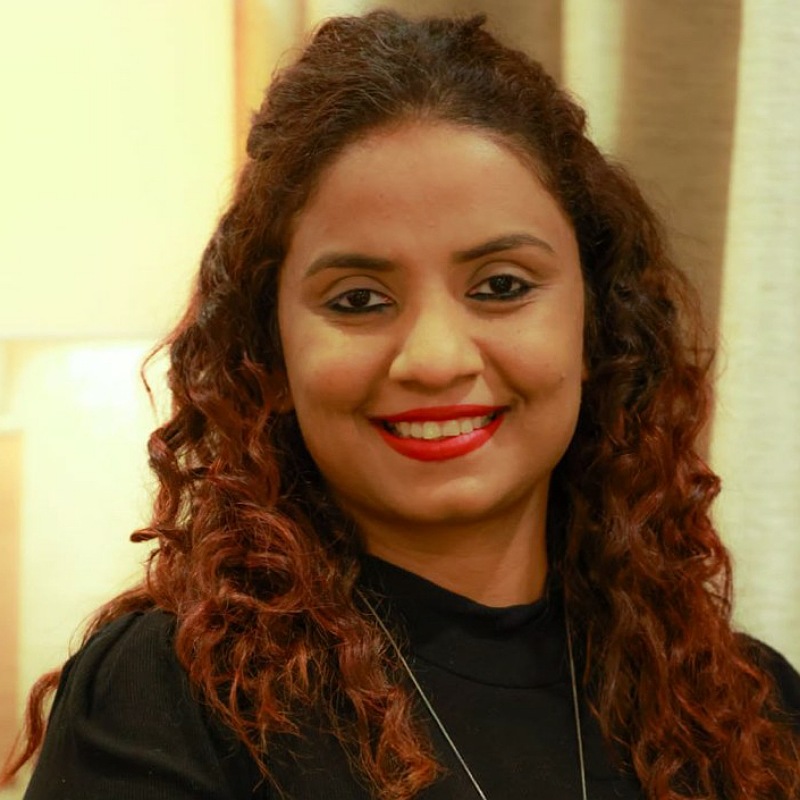
    Mumbai: Disney+ Hotstar has appointed Shweta Poojari as head of public relations and publicity for the Indian market. She will report to Disney+ Hotstar chief marketing officer Siddharth Sakdher. 

    She was previously managing publicity for Netflix originals in India for three years.

    “After an incredible three plus years at Netflix my exciting journey here comes to a close,” she announced on LinkedIn. “My time at Netflix has been something that I will cherish forever. It was an honour to be a part of the team that set the wheels in motion for the brand in the country. I am grateful to have worked alongside some of the brightest minds in the business. I am now excited to start this next phase of my life with Disney+ Hotstar.”

    A PR professional with over a decade of experience, Poojari has had stints at leading media organisations such as LINOpinion – the PR division of Lowe Lintas, Avian Media, Sony Pictures Entertainment and Inox Leisure.

  • Will Hero be the saviour Harley-Davidson needs?

    Will Hero be the saviour Harley-Davidson needs?

    NEW DELHI: The world's largest two-wheeler manufacturing brand Hero MotoCorp earlier this week announced a distribution agreement with Harley-Davidson for the Indian market. As per the agreement, Hero will sell and service Harley motorcycles across the country.

    The development comes closely after Harley-Davidson announced an exit from the Indian market in September this year. Harley Davidson has been present for over 11 years in India. The brand said it is discontinuing sales and production operations in India as part of a global restructuring plan.

    As per the new deal Hero Motocorp will sell and service Harley bikes in India. 

    "Per a distribution agreement, Hero MotoCorp will sell and service Harley-Davidson motorcycles and sell parts and accessories and general merchandise riding gear and apparel through a network of brand-exclusive Harley-Davidson dealers and Hero’s existing dealership network in India. As part of a licensing agreement, Hero MotoCorp will develop and sell a range of premium motorcycles under the Harley-Davidson brand name," the Pawan Munjal-led company said in a regulatory filing.

    Read more news on Harley Davidson

    It must be noted that the two brands and their positioning in the market are completely different. Hero Motorbikes are largely in the daily use segment while Harley’s bikes cater to the leisure rider. Hero as a brand is known for its economy two-wheelers and it failed to capture the higher end market share even after having a product like Karizma. Customers aren't willing to part with a hefty sum just for a Hero motorcycle. It will be interesting to see how the deal will help both the brands in terms of their brand equity.

    Business strategist Lloyd Mathias opined that Hero and Harley Davidson motorbikes are within the same category but they compete in totally different segments. “The association is a win-win for both companies as Harley-Davidson gets to ride Hero MotoCorp’s vast distribution network and extensive customer service, while Hero gets to develop and sell a range of premium motorcycles under the Harley-Davidson brand name and therefore make its way into the top end of the motorbike segment.”

    Harley-Davidson had earlier hinted at exiting some tough markets as part of its strategic plan, which entails pulling out of loss-making markets and focusing on the US, Europe, and parts of Asia Pacific.

    In spite of being an iconic brand worldwide, Harley-Davidson failed in India for various reasons – from a lack of understanding of the Indian consumer, to faulty product mix, pricing & distribution issues. Even the market strategies adopted by the brand in India did not help it in gaining ground.

    Aashaar Marcom brand and communications consultant Amitava Mitra shared that even after the collab, Harley Davidson will remain the iconic brand it is. In this segment, customers will not be purchasing a Hero Motorcycle. They will be buying into the Harley experience. “Whatever Harley-Davidson brand’s relaunch in India in association with Hero MotoCorp, it will maintain the image, value, experience, and other brand traits. What will get added to it is the trust associated with Hero.”

    Hero acquired US-based Erik Buell Racing in the year 2015 in order to expand its operation in the premium bike segment. However, the company was not able to successfully capitalise on its move, and as a result, we haven't seen any major growth in Hero's portfolio till now.  Only time will tell what is the company's road map to roll out Harley products in India but, is it a well-played move by Hero to establish itself as a premium bike company?

    Mathias held the view that it’s a good strategy by Hero MotoCorp. "The passion biking segment is small but lucrative and growing. It is difficult for a global company to set up and run full-fledged operations to cater to this tiny segment and stay profitable. For Hero MotoCorp there is perfect synergy in operations and huge leverage. In effect, it will now have a strong presence in all segments of the motorbike category.”

    Would it be right for Hero to cannibalize the brand equity it has created in the lighter bikes segment? According to independent communication and marketing consultant Karthik Srinivasan, a single brand having two different sub-brands meant for two different prices and audience segments is quite normal. “For instance, Toyota owns Lexus at the premium end, while also producing entry, mid-level cars under its brand. In this case, Hero simply needs to retain and build on Harley's existing premium value and perception.”

    Mitra also believes it’s a brilliant move to get in an established and iconic premium brand into its fold. “Worldwide, there are mass and popular brands that have not managed the same levels of success in their premium, luxury ranges. Two brands that immediately come to mind are Toyota and Maruti Suzuki. Toyota used the Lexus and Maruti the Nexa as independent premium and luxury brands to garner market share in their respective premium categories.”

    He went on to note that Hero has always struggled in the premium motorcycle segment and this approach will certainly create a huge positive impact on the homegrown company’s overall market share. It will also ensure a strong presence in the higher CC category, premium two-wheeler segment.

    Harley as a brand doesn't need overt publicity and it relies solely on the hallmark it has created for so many years. But now being a Hero brand, how will the advertising model differ, and what will be the go-to strategy in the market?

    Srinivasan explained that given the price Harleys usually sell at, even Hero would realize that they are not meant to be mass-market products and would target the range appropriately. To be sure, “Harleys won't be a Hero-brand. And Hero would ensure that this stays so, to ensure that the brand value of both the brands remains intact.”