Tag: Indian DTH

  • PEMRA announces DTH licence bidders; Indian DTH eviction to continue

    PEMRA announces DTH licence bidders; Indian DTH eviction to continue

    MUMBAI: The countdown has begun. Amidst protests from cable TV operators and even private broadcasters, the Pakistan Electronic Media Regulatory Authority (PEMRA) earlier this week announced the shortlist of 12 companies which will be participating in the bidding for the first direct to home service (DTH)  licences auction which is scheduled to take place on
    23 November. The Pakistan government is on a drive to evict Indian channels, DTH services and content from its shores following the border skirmishes between the two countries over the past few months.

    Among the firms which have got into the shortlist include: Lahore-based firms Orient Electronics and Mag Entertainment, Islamabad-based companies Skyflix, Smartimes Communications, Sardar Builders, Smart Sky, Parus Media and Broadcast, Naya Tel, Maestro Media Distribution, Shahzad Sky, and HB DTH and Karachi-based IQ Communications. This was revealed by PEMRA chairman Absar Alam.

    Alam told reporters that the auction of three licences would be held through open competitive bidding.

    Alam appeared unwavering in his intent to completely eliminate all Indian DTH services from Pakistan. The authority has been urging its ministry of defence to take action against residential and housing societies which continue to use Indian DTH services.

    He also emphatically stated that Indian content stands banned in Pakistan, and there was no going back on the decision.

    “A lobby seems to be working for ending the ban on airing of Indian content and dramas on Pakistani channel,” he informed Pakistani media on Monday. “But they will be unsuccessful in their conspiracy,” he said.

    Alam probably was also referring to the petition filed by the Pakistan Broadcasters Association’s  (PBA’s) petition filed in Pakistani courts against the ban. Around a dozen broadcasters took PEMRA to court late last month for issuing an order banning Indian content completely from Pakistan’s general entertainment channels.

    Also read:

    Pakistan Broadcasters Association to oppose PEMRA Indian content ban


  • PEMRA announces DTH licence bidders; Indian DTH eviction to continue

    PEMRA announces DTH licence bidders; Indian DTH eviction to continue

    MUMBAI: The countdown has begun. Amidst protests from cable TV operators and even private broadcasters, the Pakistan Electronic Media Regulatory Authority (PEMRA) earlier this week announced the shortlist of 12 companies which will be participating in the bidding for the first direct to home service (DTH)  licences auction which is scheduled to take place on
    23 November. The Pakistan government is on a drive to evict Indian channels, DTH services and content from its shores following the border skirmishes between the two countries over the past few months.

    Among the firms which have got into the shortlist include: Lahore-based firms Orient Electronics and Mag Entertainment, Islamabad-based companies Skyflix, Smartimes Communications, Sardar Builders, Smart Sky, Parus Media and Broadcast, Naya Tel, Maestro Media Distribution, Shahzad Sky, and HB DTH and Karachi-based IQ Communications. This was revealed by PEMRA chairman Absar Alam.

    Alam told reporters that the auction of three licences would be held through open competitive bidding.

    Alam appeared unwavering in his intent to completely eliminate all Indian DTH services from Pakistan. The authority has been urging its ministry of defence to take action against residential and housing societies which continue to use Indian DTH services.

    He also emphatically stated that Indian content stands banned in Pakistan, and there was no going back on the decision.

    “A lobby seems to be working for ending the ban on airing of Indian content and dramas on Pakistani channel,” he informed Pakistani media on Monday. “But they will be unsuccessful in their conspiracy,” he said.

    Alam probably was also referring to the petition filed by the Pakistan Broadcasters Association’s  (PBA’s) petition filed in Pakistani courts against the ban. Around a dozen broadcasters took PEMRA to court late last month for issuing an order banning Indian content completely from Pakistan’s general entertainment channels.

    Also read:

    Pakistan Broadcasters Association to oppose PEMRA Indian content ban


  • “Let India open its market, we will open ours” – PEMRA chairman Absar Alam

    “Let India open its market, we will open ours” – PEMRA chairman Absar Alam

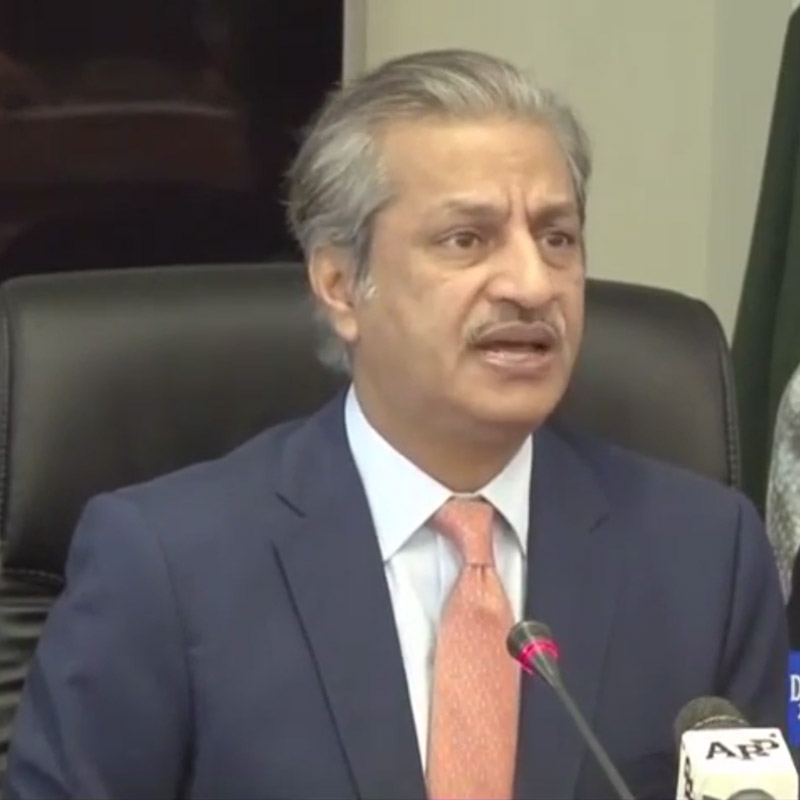
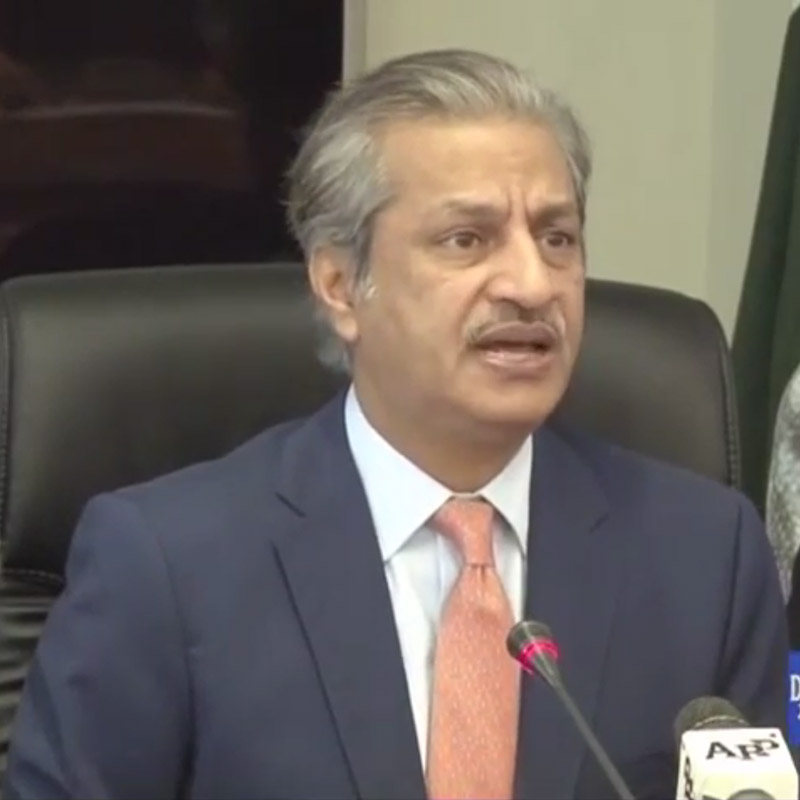
    Pakistan’s TV watchdog – the Pakistan Electronic Media Regulatory Authority (PEMRA) – charimanAbsarAlam was in the line of Pakistan’s Geo News anchor Shahzaib Khanzada’s fire last week. In his Monday to Thrusday current affairs talk show Aaj ShahzaibKhanzada Kay Sath – the anchor grilled him time and time again on PEMRA’s one-sided decision to ban Indian content.

    Alam, a former journalist, answered as best as he could, but not to Shahzaib’s satisfaction.The interview on Geo News was hard hitting and no-holds barred. Shahzaibwas clear that while he was in favour of blocking Indian content which could cause unrest in Pakistan, PEMRA’s decision to take away choice from the Pakistan consumer was unwelcome.

    We, at indiantelevision.com, believe that the interview could help throw some light on what transpired from Pakistan’s viewpoint that forced the watchdog to pull the plug. Read on for the excerpts from the interview:

    Why have you taken a decision to blanket ban Indian content?

    Pakistan industry was being hit courtesy the Indian TV shows, films and music. But the reason is not only because all Indian dramas are popular; there are others too. Probably one or two are popular. The problem is low quality Indian dramas are made in India and are made available to Pakistani channels at low prices who then air them in prime time. The lay Pakistan viewer then watches them as he has to watch something or the other when he sits in front of the TV, especially during prime time. The thing is if cheap Indian dramas are airing during prime time, expensive Pakistani dramas and series will not  get space.

    Indian dramas want to enter Pakistan, they will have to open on a reciprocal basis to Pakistani dramas. I don’t think Indian dramas are so popular that Pakistan viewers will come down to breaking windows. I am not talking about films I am talking about TV dramas.

    How are you going to stop Indian DTH?

    These days illegal Indian DTH is not flocking in to Pakistan.  If it is anywhere, please let me know, I will crack down on it. Indian DTH is running in rich households in Pakistan. Cantonments, DH (defence housing).

    Islamabad’s E7, Karachi has Clifton, Lahore’s Gulburg are the places where Indian DTH has popped up. We will go there also. We have written to the defence ministry to stop Indian DTH in their cantonment and DH houses.  The second line we are taking is on their subscription payment methods. We will start working on their money trail of the monthly renewal from next week. I hope to block this totally so that Pakistan can have its own DTH too.

    Will you raid people’s homes, which have DTH dishes?

    Why would we want to do that? We will not be raiding houses, we don’t want to intrude on people’s privacy. In most societies, there are laws that prevent you from hanging your clothes on the railing, then how are they allowing illegal Indian DTH services to run? The housing societies will have to cooperate. And people will themselves cooperate with us and remove the dishes that are already installed.  

    In the past, Pakistan banned Indian films. That did not help, it encouraged the parallel economy or piracy, which did not allow tax to come Pakistan’s way. Yet it also enriched the pockets of a few. Won’t this current ban result in the same what with the internetand DTH proliferating now?

    We have studied and tracked that at least 36 arab rupees are going India’s way courtesy its DTH services. When we tackle this through the banking sector, you will see results. People will not swing towards Indian DTH.

    In India, Zee Zindagi dropped Pakistani shows without any government interference. Almost 73 per cent of Pakistan’s revenue is coming courtesy Indian films. Ever since Indian films were shown, Pakistan films also got an audience. It is the choice of Pakistani viewers to watch what they want to watch. Aren’t you doing away with that freedom by regulating what comes on the screen. Why is the government intervening?

    We have our own drama industry. It is our duty to protect their rights. We have our artistes. In India, there are some forces which are not allowing a film starring Pakistani artistes not to be released. In Pakistan, there are media houses insisting which want Indian dramas to be shown. Is it not ironical?

    Be that as it may. India’s foreign minister has said he has not banned any film. There are right wing fundamentalists who are taking that stance. The Indian government is not imposing anything. Why are you?

    The government there is resorting to double speak. It is saying we are not compelling anyone. But tell me: is everything happening there without the government’s consent? You have an entertainment channel, try playing your entertainment dramas there now? Try getting an entertainment licence for GEO Entertainment from India.  Can you get it? I will give Zee a licence for the landing rights. I am giving you that assurance (if a Pakistani channel gets one)

    Once again, I am reiterating, it is about restricting choice. And it’s about the government being unable to reverse a legislation in future about banning Indian content.

    Who told you it is going to be difficult to reverse any decisions. You have a misunderstanding that PEMRA takes its decision under someone’s pressure. It takes its own decisions.

    Remember YouTube. You could not open it up after you restricted it.

    YouTube has opened up.

    For two and a half years it was shut.  Yes, but you were constrained from making any announcements. And are you reacting now to India’s position on Pakistan?

    Comparing YouTube and this is not proper. The reason why we banned Youtube was a sensitive issue. It did not shut down because of Indian content. It is open now. Should not there be parity between India and Pakistan? Should there not be reciprocity? Let India open its market, we will open ours.

    No1. Anything that is happening in Pakistan which is illegal under PEMRA’s framework, we will act on it – whether it is Pakistan’s news channels. Or entertainment channels. Or FM Radio channels. Or cable operators. Or excessive Indian contentWhoever is violating laws, we will go after them from time to time with increasing frequency.

    And it was part of our campaign, our schedule to do away with Indian DTH. Which we have now done.

    The third reason is that our local drama industry is getting destroyed. We have to protect their rights. Like Indian cars that cannot be sold in Pakistan though they are cheaper to make there. Or you allow free trade with India on all goods. Why should only drama come, why not others? Why should not our goods go there? This one way traffic cannot go on. We are not being reactive.

    On the music front, will you allow Hindi songs sung by Pakistani singers in Indian films to be played on Pakistan FM radio?

    The songs sung by Pakistani singers are our songs sung by our artistes. They are ok if they have sung the songs here. And on radio you will not come to know what is the background of the songs, whether it is a film or not. Even on TV if Rahat Fateh Ali Khan or Atif Aslam have made videos of the film songs they have sung, they can play those.

    It was six per cent earlier of Indian content on FM radio. One hour 15 minutes Indian content. You mean to say that Pakistan’s stations can’t fill that up with Pakistan songs?

    But you could have been firm on the six per cent rule. You could have enforced it. Why did you go for a ban?

    We did. We did. We are under tremendous public pressure and we have done it in the public interest. People did not want Indian music to come on Pakistan radio. I don’t want to provoke people, there was a lot of anti-India sentiment. People were asking why are Pakistani songs playing on Indian radio?

    You are becoming a victim of populist speak.  Indian right-wingers are doing the same. If someone does not like content on a Pakistan a channel, he can change it? Why do away with choice of Pakistani people?

    I agree if someone does not like Pakistani content, he can switch it off.

    So if someone does not want to watch Indian content, can’t he switch it off?

    This will not happen. It is damaging our economy – our dramas are suffering. There was so much of Indian content being shown there was very little space for Pakistani shows.
  • “Let India open its market, we will open ours” – PEMRA chairman Absar Alam

    “Let India open its market, we will open ours” – PEMRA chairman Absar Alam

    Pakistan’s TV watchdog – the Pakistan Electronic Media Regulatory Authority (PEMRA) – charimanAbsarAlam was in the line of Pakistan’s Geo News anchor Shahzaib Khanzada’s fire last week. In his Monday to Thrusday current affairs talk show Aaj ShahzaibKhanzada Kay Sath – the anchor grilled him time and time again on PEMRA’s one-sided decision to ban Indian content.

    Alam, a former journalist, answered as best as he could, but not to Shahzaib’s satisfaction.The interview on Geo News was hard hitting and no-holds barred. Shahzaibwas clear that while he was in favour of blocking Indian content which could cause unrest in Pakistan, PEMRA’s decision to take away choice from the Pakistan consumer was unwelcome.

    We, at indiantelevision.com, believe that the interview could help throw some light on what transpired from Pakistan’s viewpoint that forced the watchdog to pull the plug. Read on for the excerpts from the interview:

    Why have you taken a decision to blanket ban Indian content?

    Pakistan industry was being hit courtesy the Indian TV shows, films and music. But the reason is not only because all Indian dramas are popular; there are others too. Probably one or two are popular. The problem is low quality Indian dramas are made in India and are made available to Pakistani channels at low prices who then air them in prime time. The lay Pakistan viewer then watches them as he has to watch something or the other when he sits in front of the TV, especially during prime time. The thing is if cheap Indian dramas are airing during prime time, expensive Pakistani dramas and series will not  get space.

    Indian dramas want to enter Pakistan, they will have to open on a reciprocal basis to Pakistani dramas. I don’t think Indian dramas are so popular that Pakistan viewers will come down to breaking windows. I am not talking about films I am talking about TV dramas.

    How are you going to stop Indian DTH?

    These days illegal Indian DTH is not flocking in to Pakistan.  If it is anywhere, please let me know, I will crack down on it. Indian DTH is running in rich households in Pakistan. Cantonments, DH (defence housing).

    Islamabad’s E7, Karachi has Clifton, Lahore’s Gulburg are the places where Indian DTH has popped up. We will go there also. We have written to the defence ministry to stop Indian DTH in their cantonment and DH houses.  The second line we are taking is on their subscription payment methods. We will start working on their money trail of the monthly renewal from next week. I hope to block this totally so that Pakistan can have its own DTH too.

    Will you raid people’s homes, which have DTH dishes?

    Why would we want to do that? We will not be raiding houses, we don’t want to intrude on people’s privacy. In most societies, there are laws that prevent you from hanging your clothes on the railing, then how are they allowing illegal Indian DTH services to run? The housing societies will have to cooperate. And people will themselves cooperate with us and remove the dishes that are already installed.  

    In the past, Pakistan banned Indian films. That did not help, it encouraged the parallel economy or piracy, which did not allow tax to come Pakistan’s way. Yet it also enriched the pockets of a few. Won’t this current ban result in the same what with the internetand DTH proliferating now?

    We have studied and tracked that at least 36 arab rupees are going India’s way courtesy its DTH services. When we tackle this through the banking sector, you will see results. People will not swing towards Indian DTH.

    In India, Zee Zindagi dropped Pakistani shows without any government interference. Almost 73 per cent of Pakistan’s revenue is coming courtesy Indian films. Ever since Indian films were shown, Pakistan films also got an audience. It is the choice of Pakistani viewers to watch what they want to watch. Aren’t you doing away with that freedom by regulating what comes on the screen. Why is the government intervening?

    We have our own drama industry. It is our duty to protect their rights. We have our artistes. In India, there are some forces which are not allowing a film starring Pakistani artistes not to be released. In Pakistan, there are media houses insisting which want Indian dramas to be shown. Is it not ironical?

    Be that as it may. India’s foreign minister has said he has not banned any film. There are right wing fundamentalists who are taking that stance. The Indian government is not imposing anything. Why are you?

    The government there is resorting to double speak. It is saying we are not compelling anyone. But tell me: is everything happening there without the government’s consent? You have an entertainment channel, try playing your entertainment dramas there now? Try getting an entertainment licence for GEO Entertainment from India.  Can you get it? I will give Zee a licence for the landing rights. I am giving you that assurance (if a Pakistani channel gets one)

    Once again, I am reiterating, it is about restricting choice. And it’s about the government being unable to reverse a legislation in future about banning Indian content.

    Who told you it is going to be difficult to reverse any decisions. You have a misunderstanding that PEMRA takes its decision under someone’s pressure. It takes its own decisions.

    Remember YouTube. You could not open it up after you restricted it.

    YouTube has opened up.

    For two and a half years it was shut.  Yes, but you were constrained from making any announcements. And are you reacting now to India’s position on Pakistan?

    Comparing YouTube and this is not proper. The reason why we banned Youtube was a sensitive issue. It did not shut down because of Indian content. It is open now. Should not there be parity between India and Pakistan? Should there not be reciprocity? Let India open its market, we will open ours.

    No1. Anything that is happening in Pakistan which is illegal under PEMRA’s framework, we will act on it – whether it is Pakistan’s news channels. Or entertainment channels. Or FM Radio channels. Or cable operators. Or excessive Indian contentWhoever is violating laws, we will go after them from time to time with increasing frequency.

    And it was part of our campaign, our schedule to do away with Indian DTH. Which we have now done.

    The third reason is that our local drama industry is getting destroyed. We have to protect their rights. Like Indian cars that cannot be sold in Pakistan though they are cheaper to make there. Or you allow free trade with India on all goods. Why should only drama come, why not others? Why should not our goods go there? This one way traffic cannot go on. We are not being reactive.

    On the music front, will you allow Hindi songs sung by Pakistani singers in Indian films to be played on Pakistan FM radio?

    The songs sung by Pakistani singers are our songs sung by our artistes. They are ok if they have sung the songs here. And on radio you will not come to know what is the background of the songs, whether it is a film or not. Even on TV if Rahat Fateh Ali Khan or Atif Aslam have made videos of the film songs they have sung, they can play those.

    It was six per cent earlier of Indian content on FM radio. One hour 15 minutes Indian content. You mean to say that Pakistan’s stations can’t fill that up with Pakistan songs?

    But you could have been firm on the six per cent rule. You could have enforced it. Why did you go for a ban?

    We did. We did. We are under tremendous public pressure and we have done it in the public interest. People did not want Indian music to come on Pakistan radio. I don’t want to provoke people, there was a lot of anti-India sentiment. People were asking why are Pakistani songs playing on Indian radio?

    You are becoming a victim of populist speak.  Indian right-wingers are doing the same. If someone does not like content on a Pakistan a channel, he can change it? Why do away with choice of Pakistani people?

    I agree if someone does not like Pakistani content, he can switch it off.

    So if someone does not want to watch Indian content, can’t he switch it off?

    This will not happen. It is damaging our economy – our dramas are suffering. There was so much of Indian content being shown there was very little space for Pakistani shows.
  • Q1-17: Videocon d2h reports PAT, 15.5percent subscriber growth

    Q1-17: Videocon d2h reports PAT, 15.5percent subscriber growth

    BENGALURU: Videocon d2h is the second listed Indian DTH player to report a profit after tax (PAT), after the Essel group’s Dish TV that turned the numbers black last year. Videocon d2h reported PAT of Rs 2.7 crore for the quarter ended 30 June 2016 (Q1-17, current quarter). For the corresponding year ago quarter (Q1-16), the company had reported a loss of Rs 24.4 crore and for the immediate trailing quarter (Q4-16) reported loss was Rs 21.2 crore.

    The DTH major also reported 15.5 percent year-over-year (y-o-y) growth in net subscriber number growth at 122.9 lakh for Q1-17 as compared to 106.4 lakh and a 3.6 percent quarter-over-quarter (q-o-q) growth from118.6 lakh. Average revenue per user (ARPU) in the current quarter increased to Rs 219 from Rs 205 in Q1-16 and from Rs 214 in the immediate trailing quarter.

    Subscriber acquisition cost (SAC) in Q1-17 was higher at Rs 1,872 as compared to Rs 1,793 in Q1-16 and Rs 1,776 in Q4-16.

    Subscriber monthly churn in the current quarter was 0.49 percent; in Q1-16 it was slightly lower at 0.46 percent, while in the immediate trailing quarter it was much higher at 0.58 percent.

    Videocon d2h reported 23.5 percent y-o-y growth in total revenue from operations for Q1-17 at Rs 818.5 crore as compared to Rs 662.8 crore and a 6.1 percent q-o-q growth from Rs 771.5 crore.

    DAS III and IV are sunshine periods for the television carriage industry. Activation revenues have been adding to the top lines and bottom lines of most of the players. Videocon d2h subscription and activation revenue in the current quarter increased 23.9 percent y-o-y to Rs 752.3 crore from Rs 607.3 crore and increased 6.6 percent q-o-q from Rs 705.6 crore.

    Commenting on the results and company outlook, Videocon d2h executive chairman Saurabh Dhoot, said, “I’m delighted to share that the first quarter of fiscal 2017 has been a landmark quarter for our Company in its enduring journey. In this quarter, we have had a positive profit after tax and achieved free cash flow breakeven. This is a great achievement.

    “In line with our focus on paying down term loans, the Company recently pre-paid further term loans, strengthening our balance sheet further. We have significantly de-levered our balance sheet and become a stronger company going from strength to strength, reducing term loans by around $200 million since our IPO, with over $ 55 million repaid in the current fiscal year.”

    Speaking on the results, Videocon d2h CEO Anil Khera said, “We are happy to report that Adjusted EBITDA for the first quarter of fiscal year 2017 grew 32.4 percent year on year, which is primarily a result of strong subscriber growth, higher revenue realizations and better operating margins. During the quarter, we expanded our retail network in areas that come under India’s Phase III and Phase IV Digitalization program. We are happy to announce our strategic tie-up with Vodafone to enable recharge using their well-established m-pesa digital wallet and at Vodafone outlets, as it will give our customers an easy and efficient way to recharge their d2h account at their convenience.”

    Let us look at some of the other metrics reported by Videocon d2h

    Adjusted EBIDTA grew 32.4 percent y-o-y to Rs 251.9 crore (30.8 percent margin) from Rs 190.3 crore (28.7 percent margin) and grew 15 percent q-o-q from Rs 219.1 crore (28.4 percent margin). Videocon d2h reports that EBIDTA per subscriber has increased to Rs 70 in Q1-17 from Rs 61 in Q1-16 and from Rs 63 in Q4-16.

    Content costs margin in Q1-17 has reduced to 36.1 percent as compared to 37 percent in the corresponding year ago quarter and 37.5 percent in the immediate trailing quarter.

    Total expense in Q1-17 increased 19.7 percent y-o-y to Rs 739.8 crore from Rs 618.1 crore and increased 3.8 percent from Rs 721.8 crore.

    Selling and distribution expense in the current quarter increased 25.7 percent y-o-y to Rs 64 crore from Rs 50.9 crore, but declined 3.6 percent q-o-q from Rs 66.4 crore.

    Employee benefit expense in Q1-17 was 4 percent higher at Rs 32.2 crore as compared to Rs 30.9 crore in Q1-16 and 10.7 percent more than the Rs 29.1 crore in Q4-16.

    Net finance cost in Q1-17 was Rs 75.9 crore (9.3 percent of revenue from operations); in Q1-16 net finance cost was Rs 76.5 crore (11.5 percent of revenue from operations) and in Q4-16 it was Rs 77.8 crore (10.1 percent of revenue from operations).

    The company had term loans of Rs 2,187 crore and total cash and short term investments of Rs 612 crore as of June 30, 2016. Videocon d2h says that it has repaid term loans amounting to Rs 387 crore in the current fiscal year. With this, it has reduced total term loans by over Rs 1,300 crore since its IPO.

  • Q1-17: Videocon d2h reports PAT, 15.5percent subscriber growth

    Q1-17: Videocon d2h reports PAT, 15.5percent subscriber growth

    BENGALURU: Videocon d2h is the second listed Indian DTH player to report a profit after tax (PAT), after the Essel group’s Dish TV that turned the numbers black last year. Videocon d2h reported PAT of Rs 2.7 crore for the quarter ended 30 June 2016 (Q1-17, current quarter). For the corresponding year ago quarter (Q1-16), the company had reported a loss of Rs 24.4 crore and for the immediate trailing quarter (Q4-16) reported loss was Rs 21.2 crore.

    The DTH major also reported 15.5 percent year-over-year (y-o-y) growth in net subscriber number growth at 122.9 lakh for Q1-17 as compared to 106.4 lakh and a 3.6 percent quarter-over-quarter (q-o-q) growth from118.6 lakh. Average revenue per user (ARPU) in the current quarter increased to Rs 219 from Rs 205 in Q1-16 and from Rs 214 in the immediate trailing quarter.

    Subscriber acquisition cost (SAC) in Q1-17 was higher at Rs 1,872 as compared to Rs 1,793 in Q1-16 and Rs 1,776 in Q4-16.

    Subscriber monthly churn in the current quarter was 0.49 percent; in Q1-16 it was slightly lower at 0.46 percent, while in the immediate trailing quarter it was much higher at 0.58 percent.

    Videocon d2h reported 23.5 percent y-o-y growth in total revenue from operations for Q1-17 at Rs 818.5 crore as compared to Rs 662.8 crore and a 6.1 percent q-o-q growth from Rs 771.5 crore.

    DAS III and IV are sunshine periods for the television carriage industry. Activation revenues have been adding to the top lines and bottom lines of most of the players. Videocon d2h subscription and activation revenue in the current quarter increased 23.9 percent y-o-y to Rs 752.3 crore from Rs 607.3 crore and increased 6.6 percent q-o-q from Rs 705.6 crore.

    Commenting on the results and company outlook, Videocon d2h executive chairman Saurabh Dhoot, said, “I’m delighted to share that the first quarter of fiscal 2017 has been a landmark quarter for our Company in its enduring journey. In this quarter, we have had a positive profit after tax and achieved free cash flow breakeven. This is a great achievement.

    “In line with our focus on paying down term loans, the Company recently pre-paid further term loans, strengthening our balance sheet further. We have significantly de-levered our balance sheet and become a stronger company going from strength to strength, reducing term loans by around $200 million since our IPO, with over $ 55 million repaid in the current fiscal year.”

    Speaking on the results, Videocon d2h CEO Anil Khera said, “We are happy to report that Adjusted EBITDA for the first quarter of fiscal year 2017 grew 32.4 percent year on year, which is primarily a result of strong subscriber growth, higher revenue realizations and better operating margins. During the quarter, we expanded our retail network in areas that come under India’s Phase III and Phase IV Digitalization program. We are happy to announce our strategic tie-up with Vodafone to enable recharge using their well-established m-pesa digital wallet and at Vodafone outlets, as it will give our customers an easy and efficient way to recharge their d2h account at their convenience.”

    Let us look at some of the other metrics reported by Videocon d2h

    Adjusted EBIDTA grew 32.4 percent y-o-y to Rs 251.9 crore (30.8 percent margin) from Rs 190.3 crore (28.7 percent margin) and grew 15 percent q-o-q from Rs 219.1 crore (28.4 percent margin). Videocon d2h reports that EBIDTA per subscriber has increased to Rs 70 in Q1-17 from Rs 61 in Q1-16 and from Rs 63 in Q4-16.

    Content costs margin in Q1-17 has reduced to 36.1 percent as compared to 37 percent in the corresponding year ago quarter and 37.5 percent in the immediate trailing quarter.

    Total expense in Q1-17 increased 19.7 percent y-o-y to Rs 739.8 crore from Rs 618.1 crore and increased 3.8 percent from Rs 721.8 crore.

    Selling and distribution expense in the current quarter increased 25.7 percent y-o-y to Rs 64 crore from Rs 50.9 crore, but declined 3.6 percent q-o-q from Rs 66.4 crore.

    Employee benefit expense in Q1-17 was 4 percent higher at Rs 32.2 crore as compared to Rs 30.9 crore in Q1-16 and 10.7 percent more than the Rs 29.1 crore in Q4-16.

    Net finance cost in Q1-17 was Rs 75.9 crore (9.3 percent of revenue from operations); in Q1-16 net finance cost was Rs 76.5 crore (11.5 percent of revenue from operations) and in Q4-16 it was Rs 77.8 crore (10.1 percent of revenue from operations).

    The company had term loans of Rs 2,187 crore and total cash and short term investments of Rs 612 crore as of June 30, 2016. Videocon d2h says that it has repaid term loans amounting to Rs 387 crore in the current fiscal year. With this, it has reduced total term loans by over Rs 1,300 crore since its IPO.