Tag: Indian Broadcasting Foundation

  • MIB tells broadcasters to pay heed to hearing impaired  & visually challenged viewers

    MIB tells broadcasters to pay heed to hearing impaired & visually challenged viewers

    NEW DELHI: All television channels have been requested by the government to assign greater emphasis to programmes for disabled persons and to include the facility of providing captions in their programmes for the hearing disabled and audio support for programs for the visually disabled.

    In a notice put up on its website late in the evening, the Information and Broadcasting Ministry also requested the Indian Broadcasting Foundation (lBF), the News Broadcasters Association (NBA),the  Association of Regional Television Broadcasters of India (ARTBI), and the Advertising Standards Council of India (ASCI) to take steps in this direction.

    The notice, which was put up under directions of joint secretary (Broadcasting) R Jaya, said the request was being made as immense public interest is involved.

    The notice follows a meeting held between I and B secretary Sunil Arora and the secretary in the department of Empowerment of Persons with Disability (DoEPwD) to discuss advocacy and dissemination requirements for ‘Accessible India Campaign’ and other related issues .

    Certain areas were highlighted in the meeting where support of MIB was solicited, such as awareness generation about the Accessible India Initiative, increased frequency of programmes for disabled persons in TV channels, showcasing films on achievements of disabled persons through public and private TV channels, and working towards captioning for the hearing impaired and audio facility for the sight impaired in programmes on TV channels in a time frame.

    The note also said that the electronic media has played a crucial role in ensuring inclusiveness of all cilizens of the country in sharing information and entertainment.

    The concerned bodies and channels have asked to give details of the achievements of such actions taken to the ministry.


  • TDSAT rejects IBF plea for more time to sign RIOs with NSTPL saying HITS players get equal status with pan-India MSOs

    TDSAT rejects IBF plea for more time to sign RIOs with NSTPL saying HITS players get equal status with pan-India MSOs

    NEW DELHI: An application by the Indian Broadcasting Foundation seeking extension of time for its members to sign reference interconnect offers agreements with the Noida Software Technology Park Ltd (NSTPL)  has been turned down by the Telecom Disputes Settlement and Appellate Tribunal.  

    In a landmark judgment expected to have far reaching consequences on the Indian broadcasting industry, TDSAT had on 7 December last said that headend-in-the-sky (HITS) players should be treated on the same level as pan-India multi-system operators (MSOs) for commercial purposes.

    In its judgment on a petition filed by the NSTPL against Media Pro and others, the tribunal said its judgment would come into effect from 31 March 2016 by which time it hoped that the relevant reference interconnect offers will be revised wherever necessary.

    Apart from the IBF, some television channels had also filed applications seeking an extension, and the tribunal had addressed certain questions to the Telecom Regulatory Authority of India in this connection.

    In its order, chairman Aftab Alam and members Kuldip Singh and B B Srivastava said after hearing TRAI counsel Saket Singh on the questions addressed to the authority, “We take it to mean that TRAI does not wish any extension of the suspension of the judgment”.

    Answering the main of the four questions, Singh had told the Tribunal that the consultation paper dated 29 January 2016 under the caption ‘Tariff issues relating to TV services’ was part of an ongoing process which is undertaken by TRAI from time to time based on its assessment of the relevant issues in the sector. The exercise is undertaken independently though it may cover some of the issues highlighted in the tribunal’s judgment dated 7 December.

    The tribunal also noted that though the IBF had made the application for extension, it was ‘apparent’ from the hearings that took place on the previous dates that some of the major broadcasters ‘have divergent views not only inter-se but also at variance with the position taken the foundation in as much as none of the broadcasters has asked for any extension of the period of suspension of the judgment.’ The extension of the suspension of the judgment was primarily sought on the plea that following the judgment, TRAI had issued a consultation paper that intends to review the regulatory framework for the broadcasting sector.

    Naming the broadcasters – Star India, Taj TV, IndiaCast, and MSM who are all members of IBF, the tribunal said” “it appears that at least on the issue of enforcement or further suspension of the judgment, the foundation is not in a position to represent the collective views of all its members. We, therefore, see no reason to entertain the application on behalf of the foundation for any further suspension of the judgment.The application is turned down.” The tribunal directed the remaining cases in the batch to come up on 8 April.

    Expectedly, the judgment will also help the Hinduja Group’s HITS platform NXT Digital, which entered into the fray earlier this year.

    In the judgment of 7 December, the Tribunal had directed both Star and Taj, as well as the other broadcasters who have joined the proceedings as intervenors to issue fresh RIOs in compliance with the Interconnect Regulations, as explained in the judgment within one month from the date this order becomes operational and effective. It had said it would be then open to NSTPL to execute fresh interconnect agreements with Star and Taj, and with any other broadcasters on the basis of their respective RIOs or on negotiated terms within the limits.

    The tribunal said: “It is difficult to see a HITS operator as different from a pan-India MSO and in our considered view a HITS operator, in regard to the commercial terms for an interconnect arrangement has to be taken at par with a pan-India MSO and must, therefore, receive the same treatment.”

    The tribunal had noted that Star and Taj will have to execute fresh interconnect agreements with the petitioner within two weeks from the date of issuance of their fresh RIOs. The agreement with Star would relate back to 30 October 2015 and with Taj to 30 June 2015. The issuance of the fresh RIOs by the broadcasters will also give right to other distributors of channels with whom the broadcasters may be in interconnect agreement to have their agreements modified in terms of clause 13.2A.7.

    NSTPL had executed an RIO based agreement with Media Pro. At that time, it did not complain before the tribunal that it was being forced into the RIO based agreement even though it had ample opportunity to do so as the Media Pro application was pending before the tribunal. Later on, after Media Pro ceased to be an agent of the broadcasters, NSTPL, even after filing the present petition, signed RIO based agreements with both Star and Taj. The agreement with Star was for the period upto 30 July, 2015 and the two agreements with Taj were upto 31 March, 2015.

    The Tribunal had also said that NSTPL must therefore be held bound by those agreements till the periods of those agreements and further, three months beyond that in terms of clause 8 of the Interconnect agreement. After those dates (29 October in case of Star and 30 June in case of Taj) the arrangement will be governed by the fresh agreements.
  • TDSAT rejects IBF plea for more time to sign RIOs with NSTPL saying HITS players get equal status with pan-India MSOs

    TDSAT rejects IBF plea for more time to sign RIOs with NSTPL saying HITS players get equal status with pan-India MSOs

    NEW DELHI: An application by the Indian Broadcasting Foundation seeking extension of time for its members to sign reference interconnect offers agreements with the Noida Software Technology Park Ltd (NSTPL)  has been turned down by the Telecom Disputes Settlement and Appellate Tribunal.  

    In a landmark judgment expected to have far reaching consequences on the Indian broadcasting industry, TDSAT had on 7 December last said that headend-in-the-sky (HITS) players should be treated on the same level as pan-India multi-system operators (MSOs) for commercial purposes.

    In its judgment on a petition filed by the NSTPL against Media Pro and others, the tribunal said its judgment would come into effect from 31 March 2016 by which time it hoped that the relevant reference interconnect offers will be revised wherever necessary.

    Apart from the IBF, some television channels had also filed applications seeking an extension, and the tribunal had addressed certain questions to the Telecom Regulatory Authority of India in this connection.

    In its order, chairman Aftab Alam and members Kuldip Singh and B B Srivastava said after hearing TRAI counsel Saket Singh on the questions addressed to the authority, “We take it to mean that TRAI does not wish any extension of the suspension of the judgment”.

    Answering the main of the four questions, Singh had told the Tribunal that the consultation paper dated 29 January 2016 under the caption ‘Tariff issues relating to TV services’ was part of an ongoing process which is undertaken by TRAI from time to time based on its assessment of the relevant issues in the sector. The exercise is undertaken independently though it may cover some of the issues highlighted in the tribunal’s judgment dated 7 December.

    The tribunal also noted that though the IBF had made the application for extension, it was ‘apparent’ from the hearings that took place on the previous dates that some of the major broadcasters ‘have divergent views not only inter-se but also at variance with the position taken the foundation in as much as none of the broadcasters has asked for any extension of the period of suspension of the judgment.’ The extension of the suspension of the judgment was primarily sought on the plea that following the judgment, TRAI had issued a consultation paper that intends to review the regulatory framework for the broadcasting sector.

    Naming the broadcasters – Star India, Taj TV, IndiaCast, and MSM who are all members of IBF, the tribunal said” “it appears that at least on the issue of enforcement or further suspension of the judgment, the foundation is not in a position to represent the collective views of all its members. We, therefore, see no reason to entertain the application on behalf of the foundation for any further suspension of the judgment.The application is turned down.” The tribunal directed the remaining cases in the batch to come up on 8 April.

    Expectedly, the judgment will also help the Hinduja Group’s HITS platform NXT Digital, which entered into the fray earlier this year.

    In the judgment of 7 December, the Tribunal had directed both Star and Taj, as well as the other broadcasters who have joined the proceedings as intervenors to issue fresh RIOs in compliance with the Interconnect Regulations, as explained in the judgment within one month from the date this order becomes operational and effective. It had said it would be then open to NSTPL to execute fresh interconnect agreements with Star and Taj, and with any other broadcasters on the basis of their respective RIOs or on negotiated terms within the limits.

    The tribunal said: “It is difficult to see a HITS operator as different from a pan-India MSO and in our considered view a HITS operator, in regard to the commercial terms for an interconnect arrangement has to be taken at par with a pan-India MSO and must, therefore, receive the same treatment.”

    The tribunal had noted that Star and Taj will have to execute fresh interconnect agreements with the petitioner within two weeks from the date of issuance of their fresh RIOs. The agreement with Star would relate back to 30 October 2015 and with Taj to 30 June 2015. The issuance of the fresh RIOs by the broadcasters will also give right to other distributors of channels with whom the broadcasters may be in interconnect agreement to have their agreements modified in terms of clause 13.2A.7.

    NSTPL had executed an RIO based agreement with Media Pro. At that time, it did not complain before the tribunal that it was being forced into the RIO based agreement even though it had ample opportunity to do so as the Media Pro application was pending before the tribunal. Later on, after Media Pro ceased to be an agent of the broadcasters, NSTPL, even after filing the present petition, signed RIO based agreements with both Star and Taj. The agreement with Star was for the period upto 30 July, 2015 and the two agreements with Taj were upto 31 March, 2015.

    The Tribunal had also said that NSTPL must therefore be held bound by those agreements till the periods of those agreements and further, three months beyond that in terms of clause 8 of the Interconnect agreement. After those dates (29 October in case of Star and 30 June in case of Taj) the arrangement will be governed by the fresh agreements.
  • As DAS deadline approaches, Additional District Magistrates empowered to act under Cable TV Act

    As DAS deadline approaches, Additional District Magistrates empowered to act under Cable TV Act

    New Delhi: Even as the country marches towards total cable television digitization, Additional District Magistrates have been designated as authorised officers to exercise the powers conferred upon them under the provisions of the Cable Television Networks (Regulation) Act 1995.

    The powers are to be exercised ‘within the local limits of their jurisdiction’.The Information and Broadcasting Ministry issued a gazette notification on 7 March to this effect.

    The notification says that the Central Government has issued the orders “in exercise of the powers conferred by clause (a) of section 2 of the Act”. However, the powers given to the ADMs will not apply to Section Five relating to the Programme Code and Section Six relating to the Advertising Code.

    Complaints relating to the Programme and Advertising Code are generally handled by the inter-ministerial committee or the self-regulatory bodies of the News Broadcasting Association, the Indian Broadcasting Foundation, and the Advertising Standards Council of India.


  • As DAS deadline approaches, Additional District Magistrates empowered to act under Cable TV Act

    As DAS deadline approaches, Additional District Magistrates empowered to act under Cable TV Act

    New Delhi: Even as the country marches towards total cable television digitization, Additional District Magistrates have been designated as authorised officers to exercise the powers conferred upon them under the provisions of the Cable Television Networks (Regulation) Act 1995.

    The powers are to be exercised ‘within the local limits of their jurisdiction’.The Information and Broadcasting Ministry issued a gazette notification on 7 March to this effect.

    The notification says that the Central Government has issued the orders “in exercise of the powers conferred by clause (a) of section 2 of the Act”. However, the powers given to the ADMs will not apply to Section Five relating to the Programme Code and Section Six relating to the Advertising Code.

    Complaints relating to the Programme and Advertising Code are generally handled by the inter-ministerial committee or the self-regulatory bodies of the News Broadcasting Association, the Indian Broadcasting Foundation, and the Advertising Standards Council of India.


  • Viacom18’s Sudhanshu Vats appointed as chairman of IBF Credit and Collections Committee

    Viacom18’s Sudhanshu Vats appointed as chairman of IBF Credit and Collections Committee

    MUMBAI:  The Indian Broadcasting Foundation (IBF) announced the appointment of Viacom18 group CEO Sudhanshu Vats as the chairman of the IBF Credit and Collections Committee & co-chairman of the joint IBF- AAAI sub-committee.

    IBF, in association with AAAI (Advertising Agencies Association of India), had formed a joint credit collections committee which scrutinizes, regulates and evaluates the credit worthiness of the advertiser’s active through AAAI member advertising agencies on IBF member channels. It plays a pivotal role in dispute resolution between channels and agencies vis-a-vis advertisers.
    Vats, also an IBF Board member stated, “I am delighted to have been entrusted with this responsibility. Strengthening our relationship with the advertisers would be our goal and I look forward to introducing newer mechanisms in line with the global standards, to normalize the revenue mechanisms for all parties.”

    The outgoing chairman I Venkat said, “I know Sudhanshu would bring his ethos and greater clarity in the functioning of the committee. I am thankful to all the members for their support and  their valuable contribution and also to Ashish Bhasin , the co- chairman of the committee,  AAAI  who helped me conduct these meetings in a more organised and transparent manner”.

     Speaking on Vats appointment, IBF President Uday Shankar said, ”Both Mr Vats and Mr Venkat have been valuable colleagues in the IBF board and both deserve admiration and appreciation for taking up the task of revamping the broadcaster’s ad revenue flow. I am sure Sudhanshu will bring greater efficacy and democracy to the functioning of the committee.”

  • Viacom18’s Sudhanshu Vats appointed as chairman of IBF Credit and Collections Committee

    Viacom18’s Sudhanshu Vats appointed as chairman of IBF Credit and Collections Committee

    MUMBAI:  The Indian Broadcasting Foundation (IBF) announced the appointment of Viacom18 group CEO Sudhanshu Vats as the chairman of the IBF Credit and Collections Committee & co-chairman of the joint IBF- AAAI sub-committee.

    IBF, in association with AAAI (Advertising Agencies Association of India), had formed a joint credit collections committee which scrutinizes, regulates and evaluates the credit worthiness of the advertiser’s active through AAAI member advertising agencies on IBF member channels. It plays a pivotal role in dispute resolution between channels and agencies vis-a-vis advertisers.
    Vats, also an IBF Board member stated, “I am delighted to have been entrusted with this responsibility. Strengthening our relationship with the advertisers would be our goal and I look forward to introducing newer mechanisms in line with the global standards, to normalize the revenue mechanisms for all parties.”

    The outgoing chairman I Venkat said, “I know Sudhanshu would bring his ethos and greater clarity in the functioning of the committee. I am thankful to all the members for their support and  their valuable contribution and also to Ashish Bhasin , the co- chairman of the committee,  AAAI  who helped me conduct these meetings in a more organised and transparent manner”.

     Speaking on Vats appointment, IBF President Uday Shankar said, ”Both Mr Vats and Mr Venkat have been valuable colleagues in the IBF board and both deserve admiration and appreciation for taking up the task of revamping the broadcaster’s ad revenue flow. I am sure Sudhanshu will bring greater efficacy and democracy to the functioning of the committee.”

  • SC declines to crush TDSAT order that HITS players be treated at par with pan-India MSOs

    SC declines to crush TDSAT order that HITS players be treated at par with pan-India MSOs

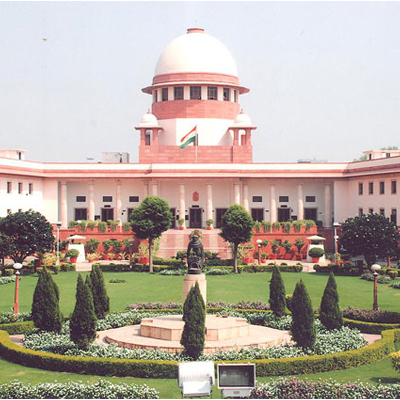
    NEW DELHI: In an order that will not only have far-reaching consequences for broadcasters but may encourage others to take the headend-in-the-sky (HITS) route, the Supreme Court today rejected the challenge to the Telecom Disputes Settlement and Appellate Tribunal (TDSAT) view that HITS players should be treated at the same level as pan-India multi-system operators (MSOs). 

    The Tribunal had on 7 December last mandated that the reference interconnect order would be the starting point for negotiations between them and the distribution platforms. 

    The apex court decided the matter after hearing both sides on the issues raised.

    The appeal had been filed by the Indian Broadcasting Foundation (IBF), Star India and Taj TV after a similar appeal had earlier on 22 Januarybeen dismissed in the Delhi High Court as not maintainable on the ground that the broadcaster had an alternative remedy of appealing in the Supreme Court.

    The Tribunal had said, “It is difficult to see a HITS operator as different from a pan-India MSO and in our considered view a HITS operator, in regard to the commercial terms for an interconnect arrangement has to be taken at par with a pan-India MSO and must, therefore, receive the same treatment.” 

    The broadcasters had contended that the Tribunal through its order dated 7 December had completely taken away the freedom of contract. They also contended that the Tribunal had crossed its jurisdiction by passing an order on the TRAI regulation.

    The High Court had said that it did not feel the need to examine whether TDSAT had the jurisdiction to direct broadcasters to treat the HITS operator Noida Software Technology Park Ltd (NSTPL) at the same level as pan-India MSOs.

    That Court had heard arguments presented by Star India and NSTPL, whose petition had been accepted on 7 December by the Tribunal, which had asked Star India and Taj TV to execute fresh agreements with NSTPL. However, TDSAT had kept the operation of the judgment pending till 31 March this year.

    It had said that on past occasions as well similar suggestions were made with the hope of nudging the TRAI to take proactive steps to reduce the scope of disputes arising out of the regulations. “At the same time, the fact that regulatory intervention may be the ideal way forward cannot and should not be an excuse for this Tribunal to shirk the interpretative issues that have come before us. This is particularly so when there appears to be regulatory inertia,” TDSAT had said.

    The Tribunal had, on 18 December, impleaded Zee Turner and others in another petition by Star India against NSTPL and asked the broadcasters to produce the agreements between the broadcasters and major MSOs. It opined that some agreements have to be suspended by Star and Taj TV. 

    Though the TDSAT petition had been filed by NSTPL, it will also help Hinduja Group’s HITS platform NXT Digital, which entered into the fray last year. 

    TDSAT had directed Star and Taj, as well as the other broadcasters who had joined the proceedings as intervenors, to issue fresh RIOs in compliance with the Interconnect Regulations, as explained in the judgment within one month from the date this order becomes operational and effective. It will be then open to NSTPL to execute fresh interconnect agreements with Star and Taj, and with any other broadcasters on the basis of their respective RIOs or on negotiated terms within the limits.

  • SC declines to crush TDSAT order that HITS players be treated at par with pan-India MSOs

    SC declines to crush TDSAT order that HITS players be treated at par with pan-India MSOs

    NEW DELHI: In an order that will not only have far-reaching consequences for broadcasters but may encourage others to take the headend-in-the-sky (HITS) route, the Supreme Court today rejected the challenge to the Telecom Disputes Settlement and Appellate Tribunal (TDSAT) view that HITS players should be treated at the same level as pan-India multi-system operators (MSOs). 

    The Tribunal had on 7 December last mandated that the reference interconnect order would be the starting point for negotiations between them and the distribution platforms. 

    The apex court decided the matter after hearing both sides on the issues raised.

    The appeal had been filed by the Indian Broadcasting Foundation (IBF), Star India and Taj TV after a similar appeal had earlier on 22 Januarybeen dismissed in the Delhi High Court as not maintainable on the ground that the broadcaster had an alternative remedy of appealing in the Supreme Court.

    The Tribunal had said, “It is difficult to see a HITS operator as different from a pan-India MSO and in our considered view a HITS operator, in regard to the commercial terms for an interconnect arrangement has to be taken at par with a pan-India MSO and must, therefore, receive the same treatment.” 

    The broadcasters had contended that the Tribunal through its order dated 7 December had completely taken away the freedom of contract. They also contended that the Tribunal had crossed its jurisdiction by passing an order on the TRAI regulation.

    The High Court had said that it did not feel the need to examine whether TDSAT had the jurisdiction to direct broadcasters to treat the HITS operator Noida Software Technology Park Ltd (NSTPL) at the same level as pan-India MSOs.

    That Court had heard arguments presented by Star India and NSTPL, whose petition had been accepted on 7 December by the Tribunal, which had asked Star India and Taj TV to execute fresh agreements with NSTPL. However, TDSAT had kept the operation of the judgment pending till 31 March this year.

    It had said that on past occasions as well similar suggestions were made with the hope of nudging the TRAI to take proactive steps to reduce the scope of disputes arising out of the regulations. “At the same time, the fact that regulatory intervention may be the ideal way forward cannot and should not be an excuse for this Tribunal to shirk the interpretative issues that have come before us. This is particularly so when there appears to be regulatory inertia,” TDSAT had said.

    The Tribunal had, on 18 December, impleaded Zee Turner and others in another petition by Star India against NSTPL and asked the broadcasters to produce the agreements between the broadcasters and major MSOs. It opined that some agreements have to be suspended by Star and Taj TV. 

    Though the TDSAT petition had been filed by NSTPL, it will also help Hinduja Group’s HITS platform NXT Digital, which entered into the fray last year. 

    TDSAT had directed Star and Taj, as well as the other broadcasters who had joined the proceedings as intervenors, to issue fresh RIOs in compliance with the Interconnect Regulations, as explained in the judgment within one month from the date this order becomes operational and effective. It will be then open to NSTPL to execute fresh interconnect agreements with Star and Taj, and with any other broadcasters on the basis of their respective RIOs or on negotiated terms within the limits.

  • SC dismisses as withdrawn IBF petition challenging Bombay HC’s DAS III stay order

    SC dismisses as withdrawn IBF petition challenging Bombay HC’s DAS III stay order

    NEW DELHI: The Supreme Court dismissed as withdrawn, the petition by the Indian Broadcasting Foundation (IBF) challenging the Bombay High Court order on the Digital Addressable System (DAS) Phase III implementation.

    The two-judge bench of the court headed by Justice Jagdish Singh Khehar said that a reading of the Bombay High Court’s order did not necessitate any action by the Supreme Court. The court asked the petitioners the grounds on which the High Court order were being challenged.

    Justice Khehar observed that a reading of Bombay High Court doesn’t imply any pan India’s stay. 

    Senior advocate Dr. Abhishek Manu Singhvi pointed out that other High Courts have also given stay orders in this matter.

    Thereupon, Justice Khehar said in that case IBF should have impugned the other orders and not merely to the Bombay High Court.

    Thereafter, Dr Singhvi withdrew the petition in light of observations made by the judge. It is learnt that a similar petition by the I&B ministry will be up for hearing on 24 February.

    Indiantelevision.com learns that several caveats have been filed by stakeholders who have approached various High Court in the country and got a stay of implementation of DAS Phase III.