Tag: Indian

  • Reverie Language Technologies’ video campaign appeals for language equality

    Reverie Language Technologies’ video campaign appeals for language equality

    Mumbai: Reverie Language Technologies, a leader in Indian language localisation and user engagement technology solutions, has launched a video campaign to raise awareness about India’s digital language divide.

    Today, enterprises want to engage with the next billion digital citizens, but a majority of the non-English-speaking Indian population may find the internet has little to offer in the languages they speak at home. Reverie is bridging this gap with its state-of-the-art technology, powered by AI and ML, by providing all 22 official Indian languages with a presence on the Internet.

    The video highlights how most of the Indian population is unable to fulfil even their fundamental rights like the right to education and the right against exploitation because the internet is really siloed for them.

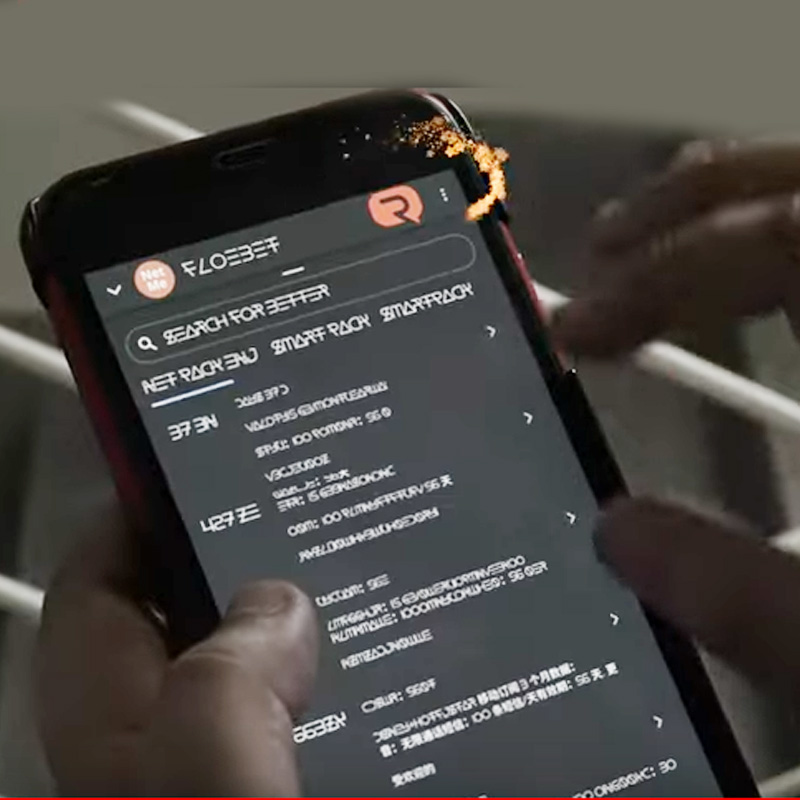
    The brand campaign is headlined by a video delineating how demarcated the Indian internet is for Indian language-literate Indians, limiting basic rights for almost 90% of the population.

    The New Education Policy 2020 recognises all Indian languages as ‘Bharat Bhasha’ and acknowledges the role of mother tongues in schools as a cornerstone in enabling access, retention, and preventing dropouts. Reverie Language Technologies aims to facilitate this by ensuring that the content is contextually localised, keeping in mind the aesthetics of Indian languages.

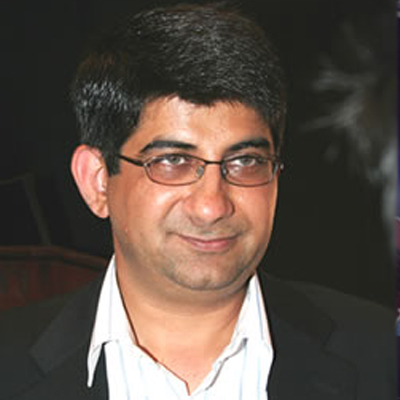
    “The video campaign is our humble effort to bring out that while the growth of the Indian Internet rides on our Indian-language literate digital citizens, the kind of Internet they deserve is a far cry. If we view the larger picture, the citizens are either categorised as browsers or ones that depend on OTP or QR verification, depriving them of the seamless Internet that English-literate citizens experience. Despite the massive strides India has made in the digital world, our natively literate citizens are still struggling to bridge the digital language divide and reap the benefits of the Internet and all it has to offer. Significant changes will not occur if languages on the Internet are not implemented through India-owned standards for our native languages. Through our campaign, we hope to build an equitable Internet for India,” said Reverie Language Technologies co-founder and CTO Vivekananda Pani.

    Amongst the nine pillars the government’s vision of a ‘Digital India’ infrastructurally thrives on are data, devices, and languages. With the advent of smartphones and cheap data plans, the first two have been achieved. However, language equality is the key to digital transformation – it must be accessible without any entry or engagement barriers.

    Imbalances in the information available in different native languages online affect who and what gets represented, and by whom. By partnering with businesses and government organisations, Reverie is filling this void by retaining the essence and nuance of all 22 official Indian languages across industries such as banking, fintech, education, healthcare, and gaming.

  • Which Indian show has 400m viewers across 50 countries?

    MUMBAI: It is the actual subject of the story and its treatment which attracts the viewers and not the platform on which it’s being aired or the marketing strategy or the dramatics. This has been proven, time and again. “Main Kuch Bhi Kar Sakti Hoon” on Doordarshan’s which deals with current issues impacting the society such as sex-selective abortions and acid attacks has over 400 million viewers across 50 countries and has been aired across 240 radio channels and over the internet.

    It has beaten favourite and most popular cult shows on HBO and Netflix as well as current favourite Indian prime-time channels. The soap opera has been showcasing women-centric issues — from menstruation to domestic violence to, and from acid attacks to child marriage.

    Having given shows such as ‘Shanti’ and ‘Swabhimaan’, Doordarshan even today upholds the best form of progressive ideology in terms of making TV soaps.

    The record daily soap that talks about prevalent issues such as the high incidence of abortion of female foetuses and acid attacks is on the way to become the world’s most watched show. “Main Kuch Bhi Kar Sakti Hoon” has been dubbed into 14 languages and its third season is in the development stage. The show has been endorsed by Shabana Azmi, Sharmila Tagore, Farhan Akhtar and Soha Ali Khan.

    The show traces the journey of a young female doctor named as Sneha Mathur (which is being played by Meinal Vaishnav), who quits her well-paying metro job to work in her village. The show, produced by Population Foundation of India and Bombay Local Pictures, is being directed by Firoz Abbas Khan, who is a well-known theatre director known for his work such as ‘Mahatma vs. Gandhi’ and ‘Tumhari Amrita.’

    Population Foundation of India executive director Poonam Muttreja told the Guardian that the massive reach of the radio and TV series was unexpected. About their hotline established for viewers’ feedback three years ago, Muttreja said that on the first day they got 7,000 calls — which was 30 times of their expectation.

    Since its launch, back in 2014, the TV series has completed two successful seasons with over 170 episodes. The foundation even conducted surveys across 3,200 men and women in villages, before and after the show aired to record whether or not the series had impacted positive change in its viewers, Muttreja revealed.

    In the show, Mathur returns to her village after her sister, who is forced into a late-term abortion dies during the procedure. Mathur’s other sister becomes a victim of acid-attack after she joins a mixed-gender football team.

    Muttreja told Thomson Reuters Foundation that there had been so many stories from villages across India of how attitudes changed as a result of watching the programme. She narrated an instance of a slew of villages where men decided against beating up their wives; and a girl who decided to fight her village in order to go to college—all, after watching this show.

    The show is being applauded across the globe for doing what some of the biggest names in the entertainment industry have not managed to do.

  • TVS TVC celebrates Indian youth’s go-getter spirit

    MUMBAI: TVS Motor Company launched a new advertising campaign for its motorcycle brand — TVS Sport. The campaign has been conceptualised by Mullen Lowe Lintas Group and follows the journey of a young boxer from a small village straight to the National Sports Training Facility in the city. He is abetted by TVS Sport, the perfect partner in his pursuit of success; the product’s unmatched fuel economy of 95 km/l, five-year warranty and affordable pricing; one that is an ideal fit for his requirement.

    The film opens with a young man riding out of his village on TVS Sport, reminiscing how his humble beginnings never stopped him from chasing his dreams. He rides past the local gym in the village, smiling at how his goals have changed over the years. Riding on the dusty roads in the outskirts, he passes by a broken bike and continues unperturbed on his TVS Sport. His determination is fuelled by the confidence that his bike is high on mileage and durability and is ready to be pushed to new limits. As the film closes, we see him take off his jacket, revealing his jersey with National Boxer imprinted on it thus cementing his position as a go-getter.

    The concluding voiceover reinstates that we must never let distances or difficult roads get into the way of achieving our dreams.

    TVS Motor Company VP – marketing (motorcycles) Arun Siddharth said, “The youth residing in small towns, harbour dreams of making it big in life and surpass every obstacle. TVS Sport with its unmatchable mileage, and durability gives them an edge on their path to achieving success beyond the prescribed boundaries. The film is an attempt to celebrate the spirit of such people who set their sights higher and overcome challenges.”

    MullenLowe Lintas Group executive director Rajesh Ramaswamy said, “We wanted to position the TVS Sport, which offers great mileage and durability, as the perfect partner for these young, go-getters who will stop at nothing to achieve their dreams. It’s a perfect fit and the ad captures both the mind-set of the youth today and the salient features of the bike.”

    Watch Here :

  • Future Watch: Expectations from Indian OTT Industry in 2017

    Future Watch: Expectations from Indian OTT Industry in 2017

    India has witnessed an over-the-top (OTT) explosion in 2016. The entry of leading international players, coupled with the rise of local OTT ventures, has only intensified the competition in a market earmarked for exponential growth.

    Statistics underline why OTT is fast becoming the primary medium of entertainment consumption for Indian viewers. Over 65% of the 450+ million internet users in India are currently mobile-only, and the country is adding 6 million new internet users every month who are exclusively accessing digital connectivity through on a mobile phone.

    With almost 2.1 billion people, or 28.7% of the world’s population, already estimated to own smartphones, the rate of smartphone adoption will continue to be robust across the globe with double-digit growth. Smartphones will also outstrip feature phones when it comes to sales and adoption. “Nearly 47.4% of mobile phone users own a smartphone at present. Keeping in mind the industry trends, smartphone users could very well outnumber feature phone users by the end of 2017.”

     Nearly 47.4% of mobile phone users will possess smartphones by the end of this year. By the end of 2017, smartphone users will outnumber feature phone users. (Source: eMarketer)

    public://11111.jpg

    Source: eMarketer

    public://2222222.jpg

    Source: iCube

    Mobile is driving the growth for Internet in India; the country is predicted to be home to 640 million internet users and 700 million smartphone users by 2020 (Source: iCube). Online video content, as a result, is thriving; videos comprise 50% of total mobile data traffic at present. This clearly shows the potential that the Indian market is sitting on. The gold rush will continue in the future as well, as more viewers shift towards easy-to-use, on-demand services that offer cross-platform access.

    public://3333333333333.jpg

    The Indian OTT industry has been majorly driven by disruption. OTT Trends to watch for in 2017 (Source: MUVI):

    LIVE Streaming:

    As more consumers shift towards anytime, anywhere viewing experience, live streaming will continue to be in demand in 2017. To make the most of it, OTT platforms must have to leverage the following:
    –    Capture live on Ad-hoc/breaking stories (to capture the thrill)
    –    Live Sports & Events
    –    Linear TV schedule of the series programming (creating a VOD playout)

    People are demanding more and more live experiences for their favorite content over-the-top, especially for top content such as news and sports. Studies suggest that viewers in fact demand this content later if they miss the live broadcast.

    Sports live streaming saw impressive reception in the year 2016, with UEFA European Champions 2016 in France scoring massive viewership on SonyLIV’s web and mobile app platforms. With much more expected in the live streaming space in the coming year, the trend is here to stay.

    AR, VR & 360 videos:
    Videos in recent times have moved beyond their traditional boundaries and have become more immersive with the advent of augmented reality and virtual reality tech. With 4K becoming the hot new trend for device manufacturers, video qualities have improved dramatically. As a result, engaging  life-like experiences through videos are no longer far-fetched fantasies, but are actively becoming a part and parcel of the overall entertainment viewing.

    Original Content:

    OTT players have started coming up with their own original series to hook viewers’ attention. This is generating impressive traction and has viewers switching over from the expensive Pay TV, thanks to the freshness and greater relevance of the content as well as the increased convenience of anytime, anywhere viewing.
    Hybrid Platforms:

    OTT right now, is at a position where e-commerce was a few years ago – new, and trending, and adapting to new ways of winning. Making OTT platforms capable of selling physical products along with audio and video service offerings is definitely going to be an upward trend in 2017 due to the synergy between the two sectors. A prime example of this is Amazon, an e-commerce company, which has now jumped into video streaming. Allowing free shipping of Amazon products on Prime Video memberships has very quickly allowed the company to transform most of its e-commerce consumers as streaming service subscribers.

    Rural will drive the internet growth and local languages content will rise:

    India is estimated to have 250 million rural internet users, while non-metros are driving 60% of the overall e-commerce growth. Nearly 43% of internet users are non-English, a number which is estimated to grow to 62% by 2020. This could see a tangible increase in regional language-based content available on the digital medium, as more and more OTT platforms and production houses develop entertainment tailored to meet the specific requirements and sensibilities of their regional audiences.

    public://444444444444.jpg

    Source: IAMAI India Internet Report, Indian Readership Survey

    Micro transactions & cashless transactions:

    According to a Frost & Sullivan report, there are 66 million unique connected video viewers in India, of which 1.3 million are paid video subscribers. These video subscription numbers, however, are not absolute, and fluctuate drastically every month. But with the country heading towards becoming a cashless economy and colossal changes expected in the way netizens make their day-to-day transactions, the number of OTT subscribers is expected to grow and stabilize, even as the number of unique online video viewers grows to 355 million by 2020.

    E-payments and mobile wallets are getting more popular among the millennials in the country. Digitization of cash will accelerate over the next few years. Non-cash payments, which today constitute 22% of all consumer payments, will overtake cash transactions by 2023.

    Digital payments instruments will drive the growth in non-cash payments, according to a Google BCG Report. Micro-transactions will form a substantial portion of the industry, with over 50% of person-to-merchant transactions expected to be under INR 100 according to the study. The report also predicts that the value of remittances and money transfer that will pass through alternate digital payment instruments will double to 30% by 2020.

    public://555555555555555.jpg

    Source: Google – BCG

    TV ad revenue to shift to Digital by 2017 in Asia-Pacific

    Net advertising revenue in the Asia-Pacific has grown at 5.8% in 2016 and is expected to increase at a compound annual growth rate (CAGR) of 5.5% till 2020. This reflects stable but moderate growth across both mature and emerging markets in the region.

    India and China will continue to be the fastest growing ad markets in the region, expanding in excess of 10% and 8% respectively according to a new report by Media Partners Asia, an advisory, research, and consulting firm. The share of digital media in the advertising market in Asia-Pacific is projected to overtake that of television by 2017 and increase to 44.2% by 2020, up from 30.7% in 2015. The biggest contributors to this growth will be Australia, China, Korea, Japan, and Taiwan.

    Although television will remain a critical advertising medium, its regional advertising share will decline as ad spending in Australia and China shifts to digital. However, television will continue to be the biggest advertising medium in key markets such as India, Japan, and Korea even in 2020. The Media Partners Asia report forecasts that over the next five years, the fastest growing markets in Asia-Pacific will be India at 10.7%, China at 8.4% and Indonesia at 8.2%. In 2015, the net advertising revenue in Asia-Pacific grew by 5.3%, the slowest rate of growth since 2009. Advertising expenditure growth continued to remain slow in Indonesia and contracted in Singapore, Malaysia, and Hong Kong.

    Social Platforms

    Mobile video accounts for 50% of mobile traffic around the world and, by 2021, video will account for 70% of the overall mobile internet traffic. (Source: Ericsson Mobility Report).
    1 out of 8 people around the world accesses Facebook on a mobile phone at least once a day. (Source: BI Intelligence estimates, Facebook)

    Snapchat is the up-and-coming disrupter. It isn’t just mobile-first; it is mobile-ONLY and is witnessing exponential growth in its mobile audience. (Source: Snapchat, BI Intelligence estimates)

    Skype, WhatsApp video call has brought the world and its people closer to one another. LIVE serves the same purpose, allowing brands an opportunity to add personality and a personal touch to their communication. LIVE comes as a breath of fresh air to engage with dormant audiences and boost engagement. From a brand’s point of view, this can be a way of showing people what actually happens behind the scene rather than pushing out branded content all the time. This will allow them to  tap Audiences which might have otherwise been inaccessible to them. For example, while only a few thousands could attend the Coldplay concert in India, millions could view it on the LIVE broadcast. Additionally, when a brand goes LIVE, it gives an assurance to audiences that there is no gimmick involved and everything that is being showcased is true, which adds credibility. With LIVE, the brand and consumer relation stands to evolve. Facebook LIVE has started a new trail of information share from brands. Some good examples of LIVE video are the El Clasico LIVE voting on SonyLIV, which got a reach of 1 million organically in only 90 minutes while the match was live. Multiple creative uses of the feature can be seen in the coming year, as marketers will look to use it differently to engage their target audiences. With LIVE expected to evolve further in future iterations, brands and marketers can look forward to exciting times ahead.

    Cord Cutting:

    The increased digitisation of entertainment means that cord cutting will continue to grow in the coming year as well. One in every four millennials does not subscribe to pay TV, and 13% have never used a pay TV subscription. Digital TV Research estimates that the number of pay TV subscribers in Canada and the U.S. will fall, while Statista predicts that there will only remain 96.4 million pay TV households by 2019.

    People have been ditching their pay TV connections due to the lack of interesting content on-demand and the high costs of subscriptions. OTT platforms, by providing viewers the flexibility of accessing their favourite content at their fingertips, anytime, anywhere, have been winning this battle.

    On-demand platforms are adding TV programs to their bundles, bringing in a better content library of old as well as original programming, localizing in niche territories, and keeping up with technological innovations such as 4K, AR, VR and 360-degree video production. This will allow them to leapfrog appointment-based TV broadcasters and establish OTT platforms as the default medium of entertainment content consumption.

    public://YMNIVzea_400x400.jpg
     
    (Abhishek Joshi is Sony Pictures Networks India VP & Head – Marketing & Analytics, Digital Business. The views expressed here are personal, and Indiantelevision.com need not necessarily subscribe to them.)


  • PBL: Setting stage for next big thing on Indian sporting landscape

    PBL: Setting stage for next big thing on Indian sporting landscape

    MUMBAI: India has witnessed the emergence of a multi-sports culture over the past few years. This significant development has come on the back of a promising display by Indian sportspersons across various disciplines, the meteoric rise of home grown leagues and the consequent widening of the fan base of sports such as badminton, kabaddi, soccer, hockey, and wrestling.

    Badminton has always been one of the precursors in attracting the attention of the Indian sports fan to the sporting universe that extends beyond Cricket. The Sindhu vs Marin final at the Olympic Games attracted a whopping 17 million viewers, making it the most watched Olympics tie ever in the country. However, the popularity of badminton is not driven just by this record breaking match. Over the past five years, we have seen more and more Indians breaking into the top 20 world rankings. Badminton outsells every other sport in terms of sales on e-commerce portals. Courts are mushrooming all over the country in new age residential complexes and sports clubs. The sport is truly on its way to becoming mainstream for a new generation of Indians.

    The Premier Badminton League, launched in 2016, aims to target this generation of youngsters. Being the richest badminton league in the world, the second edition is expected to feature the world’s best players including Spain’s Carolina Marin, China’s Lin Dan, Denmark’s Viktor Axelsen and Jan O Jorgensen, Thailand’s RatchanokIntanon, and Korea’s Lee Yong Dae and YooYeon Song, amongst others facing off in front of Indian fans.

    2016 has been a great year for Indian Badminton with Saina Nehwal’s Australian Super Series victory and Kidambi Srikanth’s south Asian games singles’ gold giving company to Sindhu’s silver medal finish at the Olympics. India is fast emerging as a force in the world of Badminton and giving traditional powerhouses like China, Indonesia and Malaysia a run for their money with performances from the likes of Parupalli Kashyap, B Sai Praneeth, PC Thulasi complementing those of Saina, Srikanth and Sindhu. The Premier Badminton League has been one of the catalysts to lead this change in terms of bringing the home grown stars to compete with the global talent in a league that matches the standards of any world class tournament.

    While the inaugural edition proved to be the ideal training ground for PV Sindhu to build herself for the Olympics, winning all five matches that she played for Chennai Smashers, the Premier Badminton League has also brought the talent of youngsters like Siril Verma, Vrushalli Gummaddi and Manu Attri to the fore. The league, under the aegis of the Badminton Association of India has played an important role in bringing in more and more international stars to the Indian shores and allowing the Indian talent to lock horns with the best in the world and hone their own skills in the process.

    With badminton steadily amplifying its reach to the Indian sports fan resulting from promising performances of the Indian players in international tournaments, the Premier Badminton League provided a healthy boost in terms of viewership numbers allowing for badminton to reach to a more diverse audience base.The League introduced the fresh idea for a format in which each of the competing teams will nominate one match in each tie as their trump card to further stimulate the element of audience interest in the tournament. A victory by the team that picks the particular game as its trump will provide it with one extra point but a defeat will set it back by one point, the intent being generating intrigue that would keep the ties alive till the very end, providing edge of the seat action to the viewer.

    Further, the league provided recognition to those who are the most integral part of the sport – the players. Top stars Saina Nehwal and Lee Chong Wei fetched contracts amounting to US$100,000, while Indian shuttlers P.V. Sindhu and Kidambi Srikanth were bought for a whopping US$95,000 and US$80,000, respectively.

    The tournament was not only instrumental in raising the stature and ‘relatability’ of the sport amongst the Indian audience but also played a key role in enhancing the reach of the sport to a more global audience. With the next edition of the tournament slated for December 2016, we are already salivating at the prospect of watching the rematch between Sindhu and Marin. There could not be a better way to kick off the new year for sports fans in India.

  • PBL: Setting stage for next big thing on Indian sporting landscape

    PBL: Setting stage for next big thing on Indian sporting landscape

    MUMBAI: India has witnessed the emergence of a multi-sports culture over the past few years. This significant development has come on the back of a promising display by Indian sportspersons across various disciplines, the meteoric rise of home grown leagues and the consequent widening of the fan base of sports such as badminton, kabaddi, soccer, hockey, and wrestling.

    Badminton has always been one of the precursors in attracting the attention of the Indian sports fan to the sporting universe that extends beyond Cricket. The Sindhu vs Marin final at the Olympic Games attracted a whopping 17 million viewers, making it the most watched Olympics tie ever in the country. However, the popularity of badminton is not driven just by this record breaking match. Over the past five years, we have seen more and more Indians breaking into the top 20 world rankings. Badminton outsells every other sport in terms of sales on e-commerce portals. Courts are mushrooming all over the country in new age residential complexes and sports clubs. The sport is truly on its way to becoming mainstream for a new generation of Indians.

    The Premier Badminton League, launched in 2016, aims to target this generation of youngsters. Being the richest badminton league in the world, the second edition is expected to feature the world’s best players including Spain’s Carolina Marin, China’s Lin Dan, Denmark’s Viktor Axelsen and Jan O Jorgensen, Thailand’s RatchanokIntanon, and Korea’s Lee Yong Dae and YooYeon Song, amongst others facing off in front of Indian fans.

    2016 has been a great year for Indian Badminton with Saina Nehwal’s Australian Super Series victory and Kidambi Srikanth’s south Asian games singles’ gold giving company to Sindhu’s silver medal finish at the Olympics. India is fast emerging as a force in the world of Badminton and giving traditional powerhouses like China, Indonesia and Malaysia a run for their money with performances from the likes of Parupalli Kashyap, B Sai Praneeth, PC Thulasi complementing those of Saina, Srikanth and Sindhu. The Premier Badminton League has been one of the catalysts to lead this change in terms of bringing the home grown stars to compete with the global talent in a league that matches the standards of any world class tournament.

    While the inaugural edition proved to be the ideal training ground for PV Sindhu to build herself for the Olympics, winning all five matches that she played for Chennai Smashers, the Premier Badminton League has also brought the talent of youngsters like Siril Verma, Vrushalli Gummaddi and Manu Attri to the fore. The league, under the aegis of the Badminton Association of India has played an important role in bringing in more and more international stars to the Indian shores and allowing the Indian talent to lock horns with the best in the world and hone their own skills in the process.

    With badminton steadily amplifying its reach to the Indian sports fan resulting from promising performances of the Indian players in international tournaments, the Premier Badminton League provided a healthy boost in terms of viewership numbers allowing for badminton to reach to a more diverse audience base.The League introduced the fresh idea for a format in which each of the competing teams will nominate one match in each tie as their trump card to further stimulate the element of audience interest in the tournament. A victory by the team that picks the particular game as its trump will provide it with one extra point but a defeat will set it back by one point, the intent being generating intrigue that would keep the ties alive till the very end, providing edge of the seat action to the viewer.

    Further, the league provided recognition to those who are the most integral part of the sport – the players. Top stars Saina Nehwal and Lee Chong Wei fetched contracts amounting to US$100,000, while Indian shuttlers P.V. Sindhu and Kidambi Srikanth were bought for a whopping US$95,000 and US$80,000, respectively.

    The tournament was not only instrumental in raising the stature and ‘relatability’ of the sport amongst the Indian audience but also played a key role in enhancing the reach of the sport to a more global audience. With the next edition of the tournament slated for December 2016, we are already salivating at the prospect of watching the rematch between Sindhu and Marin. There could not be a better way to kick off the new year for sports fans in India.

  • Pakistan Broadcasters Association to oppose PEMRA Indian content ban

    Pakistan Broadcasters Association to oppose PEMRA Indian content ban

    MUMBAI: The Pakistan Electronic Media Regulatory Authority (PEMRA) shocked both Pakistan and Indian broadcasters when it issued an order blanking out  all Indian content from Pakistan’s television channels on 19 October.

    Close to Rs 150 crore of Indian content exports to Pakistan went up in smoke with that order. And, Indian broadcasters’ syndication and film distribution teams – including those from Zee TV, Viacom18, Sony Pictures Networks India, Star India, YRF, Dharma Productions, T-Series etc – were still reeling from the shock of the draconian diktat. As were Pakistan channel, FM radio and film distribution executives and  theatre owners.

    Apparently, the Pakistan media fraternity is not going let PEMRA have its way easily. The Pakistan Broadcasters Association (PBA) , the representative body of the TV channels and FM radio services is mulling taking legal recourse against PEMRA’s sudden order.

    According to Pakistan industry sources, the PBA is likely to take PEMRA to court, objecting to its arbitrary decision.

    Says a senior Pakistan TV channel executive: “The current limitation of 10 per cent international and six per cent Indian content was done through an act of Parliament. PEMRA is overstepping its brief by promulgating its new order. It has no business doing so. For us to follow it, the new order has to be passed by the government when the parliament is in session. Hence, we will approach the court for succor.”

    However, observers are not sure if Pakistan’s courts will go against PEMRA’s order. On a previous occasion, in 2013, a high court judge had supported the complete ban on Indian content entering the country and passed an order to that effect.

    Broadcasters meanwhile acknowledge that content trade between India and Pakistan was tilted towards India. “But, in recent times, Indian broadcasters have started acquiring more Pakistani content. And over time we had hoped that the Indo-Pak content trade would be equally split in revenue terms between the two countries. Now we don’t know how much of a setback it will be to our plans to export more to India,” says a Pakistan broadcast television executive..

    ALSO READ :

    PEMRA Indian content ban to impact broadcasters

  • Pakistan Broadcasters Association to oppose PEMRA Indian content ban

    Pakistan Broadcasters Association to oppose PEMRA Indian content ban

    MUMBAI: The Pakistan Electronic Media Regulatory Authority (PEMRA) shocked both Pakistan and Indian broadcasters when it issued an order blanking out  all Indian content from Pakistan’s television channels on 19 October.

    Close to Rs 150 crore of Indian content exports to Pakistan went up in smoke with that order. And, Indian broadcasters’ syndication and film distribution teams – including those from Zee TV, Viacom18, Sony Pictures Networks India, Star India, YRF, Dharma Productions, T-Series etc – were still reeling from the shock of the draconian diktat. As were Pakistan channel, FM radio and film distribution executives and  theatre owners.

    Apparently, the Pakistan media fraternity is not going let PEMRA have its way easily. The Pakistan Broadcasters Association (PBA) , the representative body of the TV channels and FM radio services is mulling taking legal recourse against PEMRA’s sudden order.

    According to Pakistan industry sources, the PBA is likely to take PEMRA to court, objecting to its arbitrary decision.

    Says a senior Pakistan TV channel executive: “The current limitation of 10 per cent international and six per cent Indian content was done through an act of Parliament. PEMRA is overstepping its brief by promulgating its new order. It has no business doing so. For us to follow it, the new order has to be passed by the government when the parliament is in session. Hence, we will approach the court for succor.”

    However, observers are not sure if Pakistan’s courts will go against PEMRA’s order. On a previous occasion, in 2013, a high court judge had supported the complete ban on Indian content entering the country and passed an order to that effect.

    Broadcasters meanwhile acknowledge that content trade between India and Pakistan was tilted towards India. “But, in recent times, Indian broadcasters have started acquiring more Pakistani content. And over time we had hoped that the Indo-Pak content trade would be equally split in revenue terms between the two countries. Now we don’t know how much of a setback it will be to our plans to export more to India,” says a Pakistan broadcast television executive..

    ALSO READ :

    PEMRA Indian content ban to impact broadcasters

  • Pak bans Indian TV content, films from being screened

    Pak bans Indian TV content, films from being screened

    NEW DELHI: Even as Pakistani theatres decided not to show Indian films in the wake of the current tensions between the two countries, that country’s media regulator has asked all channels in the country to “immediately” stop broadcast of illegal Indian content amid theongoing tension between the two nations.

    Pakistan Electronic Media Regulatory Authority (PEMRA) in a statement said it has been receiving complaints that several local private channels were showing Indian talk shows, reality programmes and dramas without permission.

    “The complaints have shown serious concerns on this issue (illegal Indian content) in the wake of current situation between India and Pakistan. Complainants have urged PEMRA to impose immediate ban on broadcast and distribution of illegal Indian channels and illegal Indian DTH,” PEMRA said in a statement.

    PEMRA said that it had already taken steps to stop illegal broadcast of Indian channels and warned that all distribution networks and TV channels should follow the laws and “immediately” stop the broadcasting of Indian contents.

    “This will send a positive signal to the public about the satellite TV channels and distribution networks’ commitment with rule of law and the country – about which a huge number of talk shows preach daily,” it said.

    According to PEMRA rules, local channels can only show five per cent foreign content but it has been seen that several channels mostly rely on foreign contents, mostly Indian, Turkish, American and European.

    Interestingly, the only Indian general entertainment channel which was showing Pakistani content, Zee’s Zindagi, has also decided to stop such broadcasts from 2 October.

    Last week, Raj Thackeray-led MNS issued an ultimatum to Pakistani artistes and actors, including Fawad Khan and Ali Zafar, to leave India by 25 September or else they would be “pushed out”. Concerts of Pakistani singers Shafqat Amanat Ali and Atif Aslam scheduled in Bengaluru and Gurgaon, respectively, were also cancelled.

    And though actor Salman Khan backed Pakistan artistes following the ban on them by the Indian Motion Pictures Producers Association, Pakistani cinemas have stopped screening Indian films in “solidarity” with the country’s armed forces.

    “We have stopped screening Indian movies at our cinemas from Friday till the situation improves and normalcy returns,” said Nadeem Mandviwalla, whose Mandviwalla Entertainment runs eight cinemas in Karachi and the capital, Islamabad, according to a report in a New York-based Indian newspaper. Indian films had been popular both at the cinema and on pirated DVDs in Pakistan.

    Pakistan’s domestic film industry has seen a revival in recent years, but is dwarfed by India’s Bollywood. Pakistani actors have increasingly been appearing in big budget Bollywood films in the last few years.

    Super Cinemas General Manager Khurram Gultasab confirmed his group would also not be screening Indian films. He said the move had been made by cinema owners themselves, rather than on government directions. The group runs ten cinemas in cities across Pakistan’s Punjab province.

    Other Pakistani cinemas posted on social media saying they would not be showing Indian films after Thursday’s violence.

  • Pak bans Indian TV content, films from being screened

    Pak bans Indian TV content, films from being screened

    NEW DELHI: Even as Pakistani theatres decided not to show Indian films in the wake of the current tensions between the two countries, that country’s media regulator has asked all channels in the country to “immediately” stop broadcast of illegal Indian content amid theongoing tension between the two nations.

    Pakistan Electronic Media Regulatory Authority (PEMRA) in a statement said it has been receiving complaints that several local private channels were showing Indian talk shows, reality programmes and dramas without permission.

    “The complaints have shown serious concerns on this issue (illegal Indian content) in the wake of current situation between India and Pakistan. Complainants have urged PEMRA to impose immediate ban on broadcast and distribution of illegal Indian channels and illegal Indian DTH,” PEMRA said in a statement.

    PEMRA said that it had already taken steps to stop illegal broadcast of Indian channels and warned that all distribution networks and TV channels should follow the laws and “immediately” stop the broadcasting of Indian contents.

    “This will send a positive signal to the public about the satellite TV channels and distribution networks’ commitment with rule of law and the country – about which a huge number of talk shows preach daily,” it said.

    According to PEMRA rules, local channels can only show five per cent foreign content but it has been seen that several channels mostly rely on foreign contents, mostly Indian, Turkish, American and European.

    Interestingly, the only Indian general entertainment channel which was showing Pakistani content, Zee’s Zindagi, has also decided to stop such broadcasts from 2 October.

    Last week, Raj Thackeray-led MNS issued an ultimatum to Pakistani artistes and actors, including Fawad Khan and Ali Zafar, to leave India by 25 September or else they would be “pushed out”. Concerts of Pakistani singers Shafqat Amanat Ali and Atif Aslam scheduled in Bengaluru and Gurgaon, respectively, were also cancelled.

    And though actor Salman Khan backed Pakistan artistes following the ban on them by the Indian Motion Pictures Producers Association, Pakistani cinemas have stopped screening Indian films in “solidarity” with the country’s armed forces.

    “We have stopped screening Indian movies at our cinemas from Friday till the situation improves and normalcy returns,” said Nadeem Mandviwalla, whose Mandviwalla Entertainment runs eight cinemas in Karachi and the capital, Islamabad, according to a report in a New York-based Indian newspaper. Indian films had been popular both at the cinema and on pirated DVDs in Pakistan.

    Pakistan’s domestic film industry has seen a revival in recent years, but is dwarfed by India’s Bollywood. Pakistani actors have increasingly been appearing in big budget Bollywood films in the last few years.

    Super Cinemas General Manager Khurram Gultasab confirmed his group would also not be screening Indian films. He said the move had been made by cinema owners themselves, rather than on government directions. The group runs ten cinemas in cities across Pakistan’s Punjab province.

    Other Pakistani cinemas posted on social media saying they would not be showing Indian films after Thursday’s violence.