Tag: IndiaCast

  • Glance recruits digital exec Lalwani

    Glance recruits digital exec Lalwani

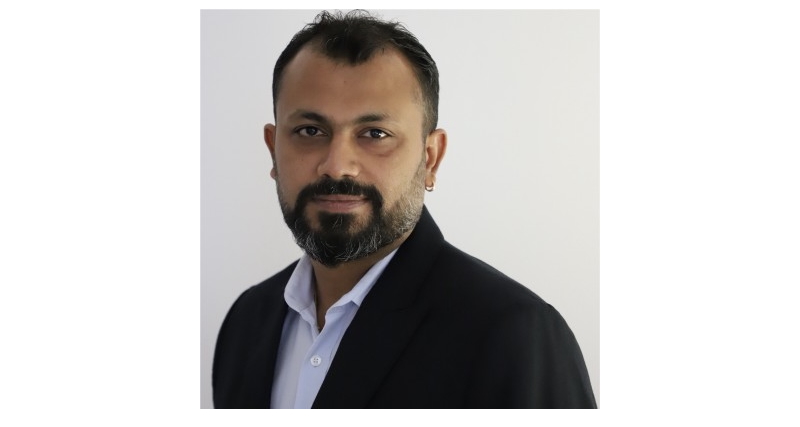
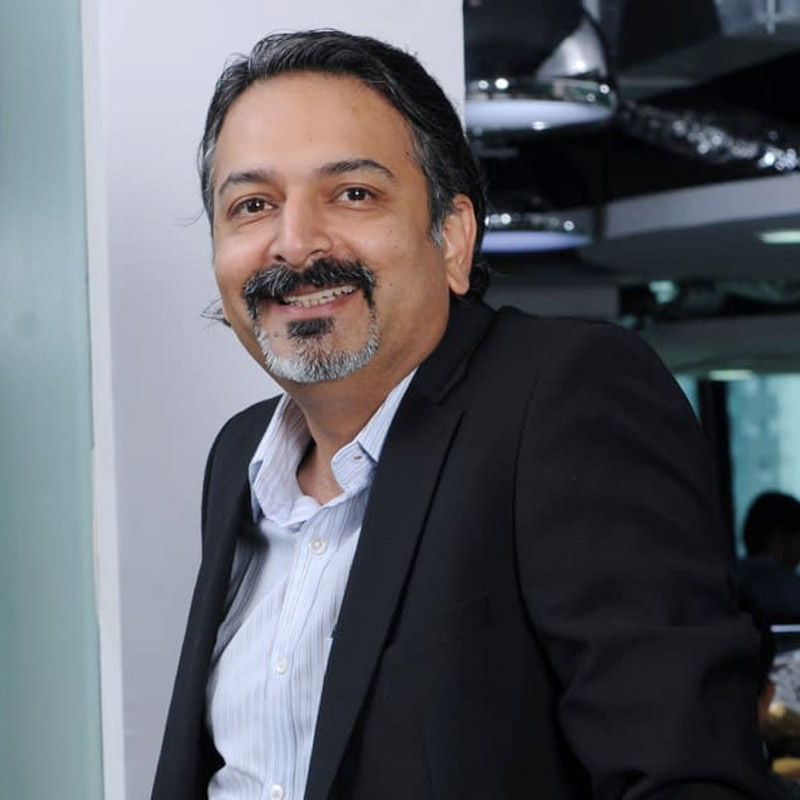
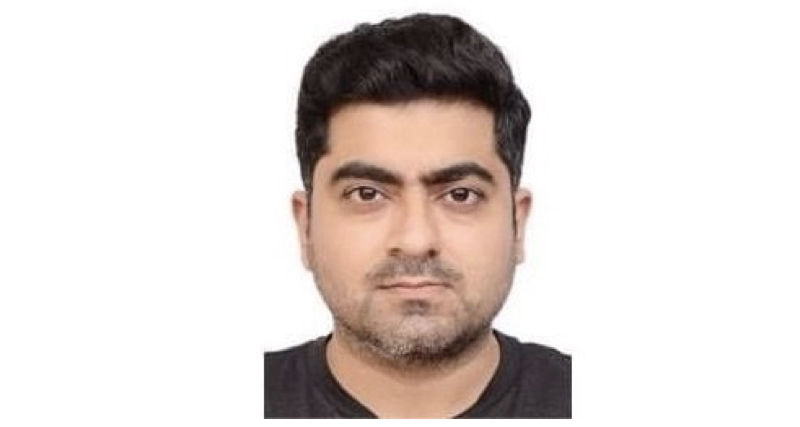
    MUMBAI: Tarun Lalwani has jumped ship from JioStar to take up the role of director of strategic partnerships, content strategy and design at Glance, the mobile lock screen platform.

    The move comes after a remarkably brief five-month stint at JioStar, where Lalwani served as senior director of digital licensing and partnerships following the merger of streaming services JioCinema and Hotstar.

    Lalwani brings a packed portfolio of digital content experience to his new position. Before his lightning-quick tenure at JioStar, he spent over three years at Viacom18, where he climbed to senior director overseeing digital licensing, strategic partnerships, user growth and content partnerships.

    His CV reads like a who’s who of India’s digital entertainment landscape, with previous roles at ESPN, Hotstar, IndiaCast and Wizcraft International Entertainment.

    At Glance, which transforms smartphone lock screens into content discovery platforms, Lalwani will likely leverage his extensive experience in forging partnerships across the digital content ecosystem.

  • Nikhil Singh joins V360 as group executive director

    Nikhil Singh joins V360 as group executive director

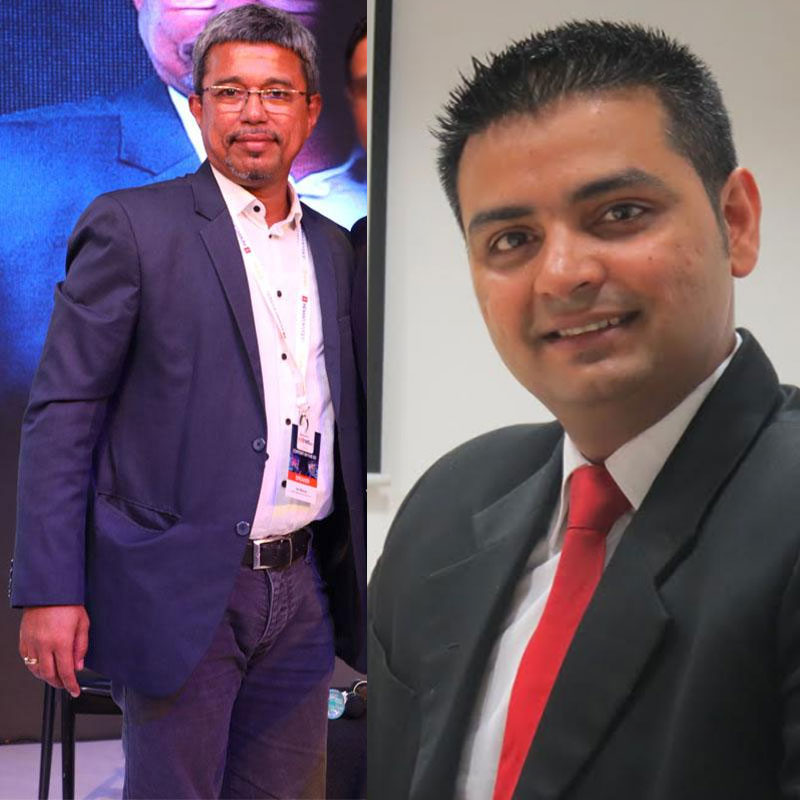
    MUMBAI: Nikhil Singh has been appointed group executive director at PR and communications and comms-tech firm, the V360 group, leveraging his 21 years of experience in broadcast, digital, and mobile media. 

    Singh’s career spans roles at Shemaroo Entertainment, IndiaCast, Zee Entertainment, Times Group, Ten Sports, and Star India.

    At Shemaroo, Singh led IP monetisation, original content development, and global syndication, focusing on digital platforms and OTT partnerships. His track record includes content sales, digital partnerships with platforms like Netflix and Amazon, and international syndication.

    Singh’s expertise encompasses content licensing, co-production, and strategic change programs for digital transformation. He has experience in linear and on-demand media technology, content sales, and affiliate sales, with a network of contacts across consumer brands, TV channels, and telecom operators.

    V360 Group anticipates Singh’s leadership will drive digital strategy and revenue growth, capitalising on his extensive experience in content commercialisation and new media development.

  • One Life Studios brings in syndication veteran Govind Shahi as strategic advisor to sharpen global playbook

    One Life Studios brings in syndication veteran Govind Shahi as strategic advisor to sharpen global playbook

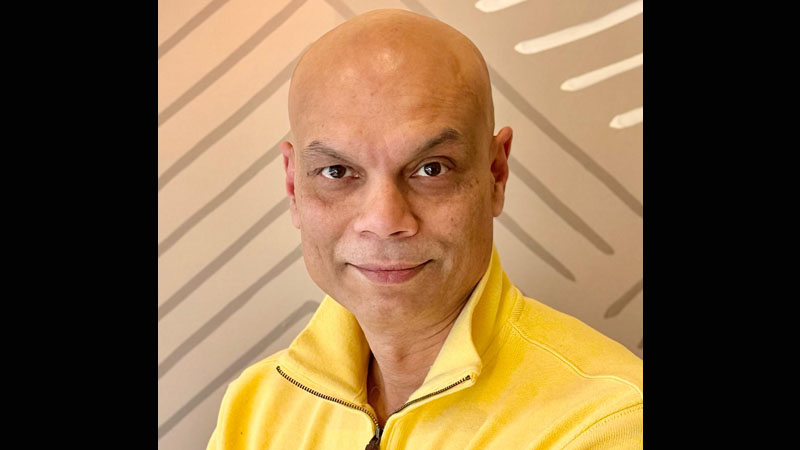
    MUMBAI: In a plot twist worthy of its own primetime drama, One Life Studios has just cast a syndication superstar in a key behind-the-scenes role. The content licensing and syndication powerhouse has brought on board industry heavyweight Govind Shahi as strategic advisor. And no, this isn’t just another boardroom shuffle—it’s a strategic power move with its eyes on the global prize.

    Announced on 24 March 2025, the appointment comes as One Life Studios doubles down on its mission to take Indian storytelling to far-flung corners of the globe. With a legacy of distributing epic serials like Mahabharat, Porus and RadhaKrishn, the company is already India’s leading ambassador of mythological multiverses.

    Shahi, previously international business head at Viacom18’s Indiacast, knows the international syndication game like the back of his remote control. Under his watch. And now, with Shahi in the driver’s seat, One Life Studios plans to fast-track its global conquest.

    “At One Life Studios, our mission has always been to take powerful Indian stories to the world while curating exceptional global content for Indian audiences. Govind’s deep understanding of international markets and his strategic expertise make him the perfect partner to help us accelerate this vision. We are excited to have him join us as we continue to push boundaries and bring great stories to viewers everywhere,” said One Life Studios CEO & founder Siddharth Kumar Tewary.

    Clearly, the company isn’t looking to paint by numbers. With a robust content library featuring short films, infotainment, movies, digital and television shows, One Life Studios has been building a content arsenal since 2017 that could rival any OTT behemoth.

    Shahi, in his new role, stated: “I am excited to collaborate with the team at One Life Studios. As the company expands its boundaries and enters a further growth phase, my focus will be on leveraging my experience to elevate its global presence and accelerate expansion into emerging markets, forging key partnerships. I look forward to bringing the studio’s creative vision to international audiences and pioneering new standards in the industry.”

    If the strategy pans out, this won’t just be a boost for One Life Studios—it’ll be a win for Indian storytelling across continents. With the global content bazaar more crowded than a Mumbai local, this is a well-timed wicket.

    With Shahi’s appointment, One Life Studios is eyeing expansion with a sharper, savvier playbook. Acquiring, licensing, and distributing premium content isn’t just their business model—it’s their battleground. And now, with a seasoned general on board, they’re ready to win the next global content war.

  • IndiaCast lands Fast channel DesiPlay TV on Mena region’s Starz On

    IndiaCast lands Fast channel DesiPlay TV on Mena region’s Starz On

    MUMBAI: It’s making real fast plays (no pun intended) in the middle east and north Africa.

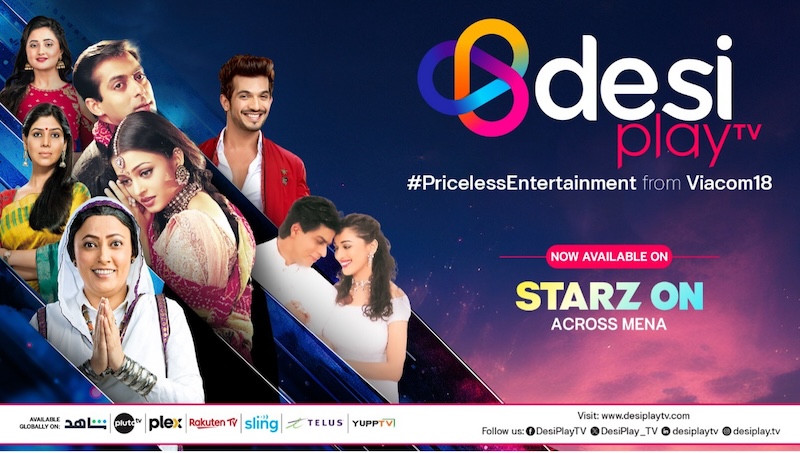
    We are referring to DesiPlay TV,  the Fast channel, from the Mukesh Ambani-owned Viacom18.  

    IndiaCast Media Distribution (IndiaCast), the content asset monetisation arm of Viacom18 and Network18, today announced DesiPlay TV’s launch on Starz On in the middle east & north Africa (Mena), marking the Fast channel’s  availability on two key streaming platforms in the region offering audiences a diverse range of Indian entertainment content and making it accessible to a wider audience of Hindi entertainment enthusiasts across the region. 

    DesiPlay TV, a curated collection of popular Hindi television shows and Indian cinema  films, has garnered popularity among viewers worldwide. With this launch, DesiPlay TV is now available on leading Fast platforms, including Starz On, Shahid, Telus, Pluto TV, Plex, Sling, Rakuten TV, and Yupp TV, providing audiences with easy access to the rich tapestry of Indian storytelling across Mena, Americas and Europe. 

    The Fast channel vertical has witnessed rapid growth in recent years, driven by the increasing demand for affordable and accessible content.  The middle east, with its diverse population and growing digital penetration, presents a lucrative market for Fast channels. DesiPlay TV’s presence on Starz On, a prominent streaming platform in the region, is expected to further fuel its popularity and reach among Hindi content consuming audiences. 

    Says IndiaCast executive vice-president & head of international business Govind Shahi:  , “We are thrilled to further solidify DesiPlay TV’s presence in the Middle East through our partnership with Starz On. This expansion is a testament to the growing demand for Indian content globally. We believe that DesiPlay TV’s unique blend of entertainment and cultural richness will resonate with viewers in the region.”

    Starz On & evision head of content Sunil Joy adds:  “As part of our ongoing commitment to providing our audience with the best possible content, we are excited to announce the addition of DesiPlay TV to our platform. This partnership aligns with the growing demand for Asian content in the region and allows us to offer our viewers a more diverse and engaging entertainment experience.”   

  • BT Media showcases VMC capability at IBC with Colors

    BT Media showcases VMC capability at IBC with Colors

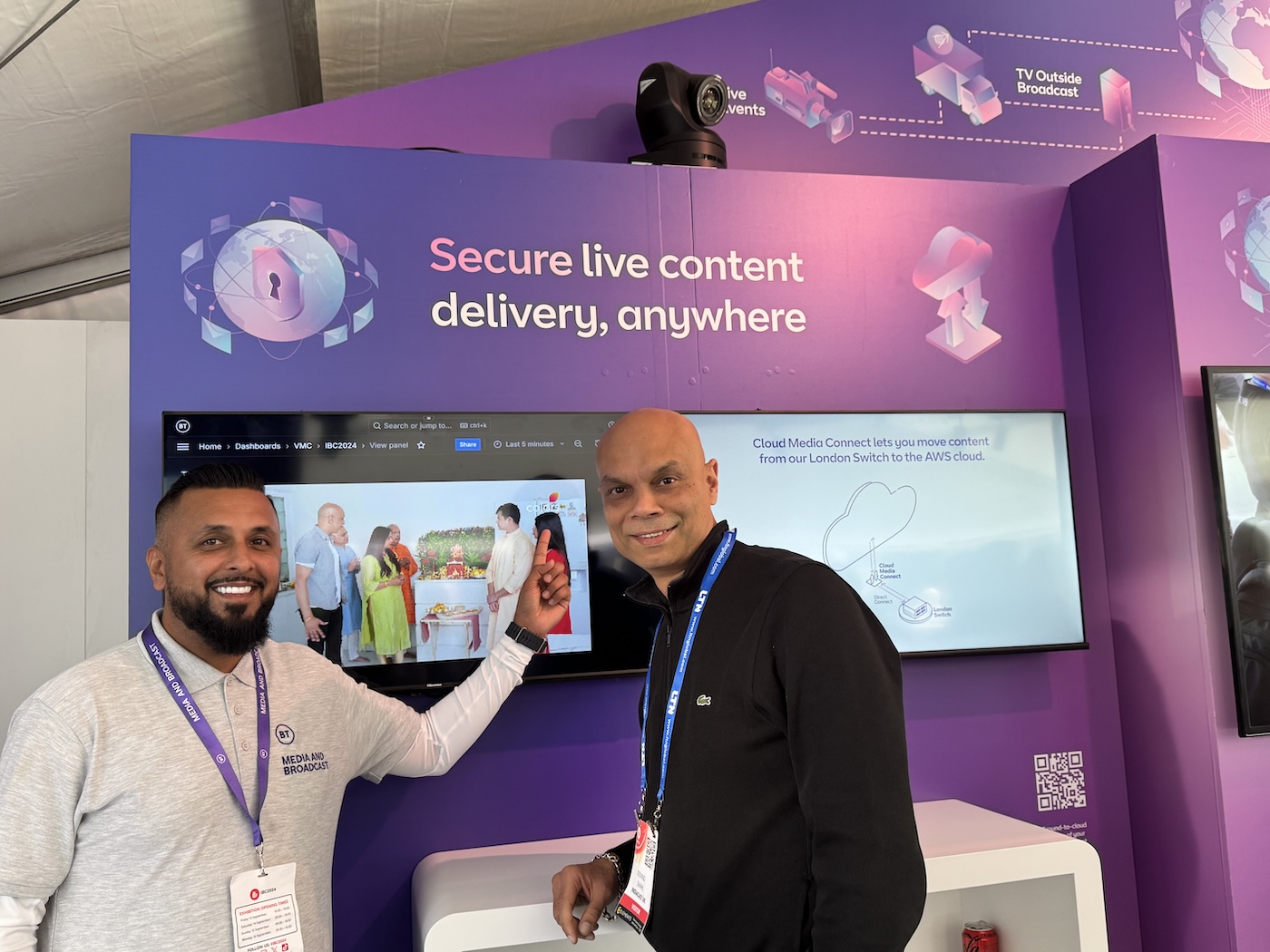
    AMSTERDAM: London-based IndiaCast executive vice president- head international business Govind Shahi is cock-a-hoop with delight. Reason: Viacom18’s channel Colors was selected by BT Media as part of its channel transport demo during the ongoing IBC exhibition in Amsterdam’s Rai convention centre. And he made a whistle stop visit to the venue for the initiative.

    Says he: “We were the only Indian channel selected by BT Media for this exercise.” 

    A BT Media & Broadcast spokesperson pointed out that the idea was to “showcase how customers can seamlessly integrate their dedicated network infrastructure with our capability of using the internet to deliver live video content securely and reliably to any destination globally, with Virtual Media Connect (VMC).”

    According to the spokesperson, VMC, allows BT Media to provide its customers with access to and from its London switch over its (secure, reliable transport) SRT protocol without needing any fixed infrastructure. She added that the demo exercise was to show how efficiently content can be got from BT Media’s London switch to the Rai using SRT. 

    She explained further: “We can get video wherever it needs to be, whenever it needs to be there with low latency at a cost-effective price. Customers are able to expand the reach of their content with us flexibly.  Using the SRT protocol, we can securely and reliably deliver video content over the internet. VMC enables global customers to enjoy content from India to any destination. One of our sports production customers needed an alternative way to capture video feeds from the international hockey tournament in India for three weeks due to logistical constraints. We provided our VMC occasional use offering, which is easy to deploy, provides 24/7 monitoring by our dedicated IMC and is a cost-effective solution.” 


  • VBS 2024: The Churning Video Distribution Ecosystem – What’s next?

    VBS 2024: The Churning Video Distribution Ecosystem – What’s next?

    Mumbai: India is in the grips of seisnic changes regarding video and broadband consumption. Pay TV cord-cutting is rampant even as free TV subscriptions are on the rise and OTT buy-ins are churning with the signs up for certain platforms stagnating even as others are seeing rapid increases and some are seeing cataclysmic drops. Aggregators of OTTs are popping up on the horizon promising cheap bundles along with value-added services for cable TV and DTH. There’s a rush to set up free advertising-supported TV channels by TV set manufacturers and smart TV device makers. There’s the Jio factor where it seeks to convert most pay TV customers to free streaming of video content by offering free access to consumers at no cost. The consumer continues to demand bandwidth higher than ever imagined even as prices drop. Margins are under pressure as every player goes one-up on each other acquire and retain customers.

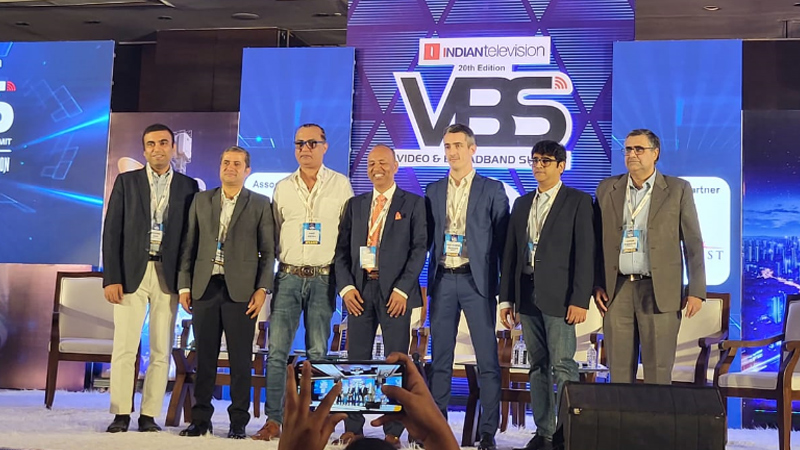
    The video and broadband distribution landscape has not been as vibrant as it is now.. How long will this pot-boiling continue? What will the magic potion of video and broadband look and taste like? And what’s the end game? Indiantelevision.com has held the 20th edition of Video and Broadband Summit better known as VBS at Sahara Star Hotel, Mumbai.

    The session chair for this panel was Ernst and Young LLP partner, media & entertainment advisory services Ashish Pherwani along with panelists: Fastway group CEO Prem Ojha, IndiaCast president Amit Arora, Dish TV CEO Manoj Dobhal, Warner Bros. Discovery & Eurosport South Asia head of distribution Ruchir Jain, Shemaroo Entertainment COO-broadcasting business Sandeep Gupta and Harmonic EMEA-APAC streaming market development director Alexandre Paugam

    Pherwani started off by saying by 2028, the TV world be breaking up into three largely equal partners and will have about 70 to 80 million pay TV and 65 to 70 million free-to-air services.

    Jain said, “We are very hopeful about the future right now. If you look at this, what’s going to happen is one is that the entire set of consumers are increasing in number. So I’m talking about how pay TV is gonna grow, connected TVs, and also about the free-to-air services, etc, so it’s the number of people coming into the media, who is going to invest. So that’s one big factor, the second big factor is the time scale

    Ojha opined that, “Our job is to keep the ground ready so that all this beautiful content and all these absorbing content can reach out to consumers the way they want it today.”

    Arora said, “So it is select all 3 platforms to seem to be consuming a lot of common content assets and that is going to change in the future formats will change may be the price point. I agree with that.”

    Dobhai said, “ We are brands with long-run legacies. And new ones coming up. Fortunately, unfortunately, I’m on the receiving end of it because we are the ones who showed the word of it all the country that you know what experience it brings when you watch an immersive content technology, upgraded version of it, satellite, and all that.”

    Gupta added that for Shemaroo, Gujarati is like building our own Prime Video. Because we are devoted ourselves to Gujrati. We are trying to expand on more areas as well. Other than that Shemaroo and ShemarooMe are mostly devoted to Gujarati.

    Lastly, Paugam replied, “Coming from the technology, part of things, especially the broadcast infrastructure, I think we see a big trend, and DTH cable stays strong. And for us, it stays at a huge part of our business helping protesters and operators distribute their content through those networks and optimize it. But the big growth is in streaming. And we’ve seen a tipping point globally, the number of subscribers from pay TV subscribers, being outpaced by the number of streaming subscribers. We’re moving from sending a unified feed and broke it down to everyone to sending unique guests and a unique feed to the end user. That gives us the ability to customize this unique feed. I think a lot of innovation and new technology that are emerging are around how do we leverage that streaming vessel to have the experience as personalized as possible.”

  • Debkumar Dasgupta joins Merzigo Asia as VP & business head of content

    Debkumar Dasgupta joins Merzigo Asia as VP & business head of content

    Mumbai: Debkumar Dasgupta has joined Turkey-based Merzigo as vice president and business head – content for Asia. He was previously with media distribution company IndiaCast as media syndication head for the Middle East and Africa.

    Merzigo provides a range of services including digital curation, directly for broadcasters, distributors and producers including Fox, The Walt Disney Company and KanalD.

    In his new role, Dasgupta will be responsible for the syndication of Turkish drama series in the Asia region focusing on India, Pakistan, Bangladesh, South Korea, Malaysia and Indonesia. He will be leading the content planning, governance, acquisition and delivery operations of the company in the region. 

    Over a career spanning 35 years, Dasgupta’s longest stint was at Viacom18 Media and IndiaCast Media Distribution where he worked for 24 years. He initially managed the domestic distribution of the TV channel Colors and was later appointed to manage the Asia Pacific channel distribution and global content sales and syndication. Later, he was elevated to manage the channel business including subscription, ad sales, syndication in the Middle East and Africa. 

  • VBS 2022: Over-regulation could impede pay-TV industry’s growth in near-term

    VBS 2022: Over-regulation could impede pay-TV industry’s growth in near-term

    Mumbai: Over-regulation could impede the pay-TV industry’s growth in the near term, especially amid rising competition from the OTT platforms, and DD Free Dish’s expanding territories, highlighted industry stakeholders at the Video and Broadband Summit (VBS) 2022 on Wednesday.

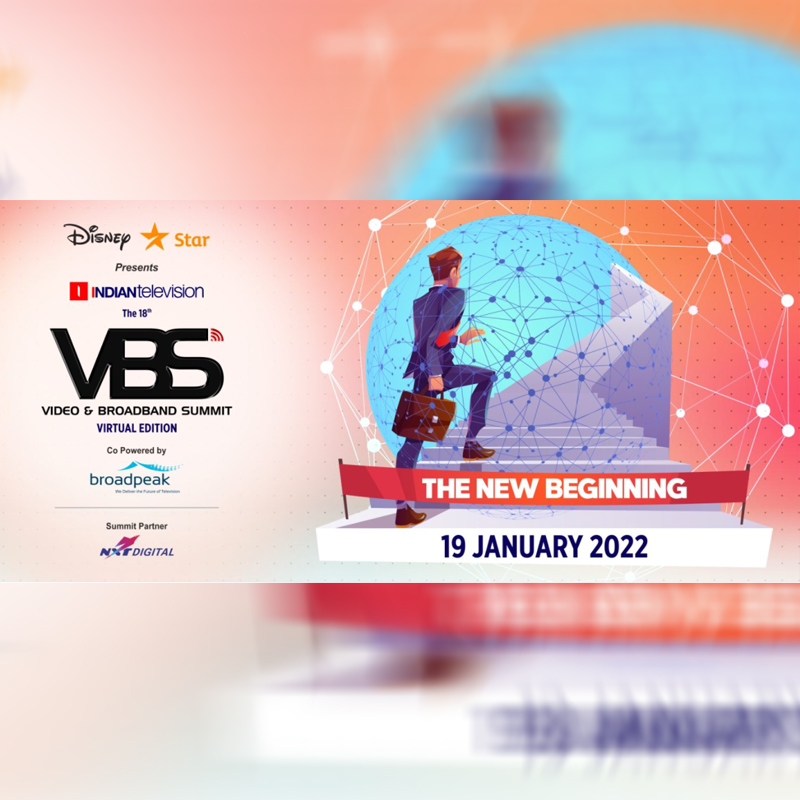
    The day-long virtual event organised by Indiantelevision.com and co-powered by broadpeak concluded its 18th edition. Disney Star came on board as the presenting partner, while NxtDigital was the summit partner.

    The event witnessed an engaging panel discussion among experts from the broadcast and DTH industry as well as other stakeholders as they examined the challenges faced by the pay-TV industry and deliberated on the opportunities that lay ahead. The session was moderated by Indiantelevision.com founder CEO and editor-in-chief Anil Wanvari.

    Overview of pay-TV industry

    TV penetration in India is currently estimated at 60 per cent which means that a third of the households are yet to own a TV set. There are around 210 million TV households, growing at seven per cent year-on-year and adding six-to-seven million new homes. The data also suggests that about 12-14 million TV sets are sold every year.

    While markets like Tamil Nadu and Kerala have a strong TV presence with 98 per cent and 92 per cent penetration, respectively, other markets like Bihar, Jharkhand, Orissa have a huge headroom for growth. In some markets such as Uttar Pradesh, Uttarakhand, Madhya Pradesh, and Chhattisgarh TV penetration is as low as ~40 per cent.

    The Telecom Regulatory Authority of India (Trai) and Federation of Indian Chambers of Commerce and Industry (FICCI) estimated that there are 130 million pay-TV homes in the country. Linear pay-TV business average revenue per user is ~Rs 240 which is less than $3.5.

    “The data shows that there are 300 million homes with 4.5 people on average. While the population may remain the same going forward, the number of households will increase owing to nuclearisation of families,” observed Tata Sky chief financial officer Sambasivan G highlighting the headroom for growth in the coming years. “More households will mean more opportunity for pay-TV to grow.”

    Migration to DD Free Dish

    According to the panellists, free DTH platforms like DD Free Dish are also invading the pay-TV territories and expanding their share. According to the latest data, DD Free Dish run by public broadcaster Prasar Bharati has doubled its base from 20 million to 40 million in the last five years.

    “In the last two years, we have seen the migration to Free Dish gaining momentum,” said Star and Disney India head – distribution and international (India) Gurjeev Singh Kapoor. Drawing attention to the impact of the pandemic, Kapoor said, pay-TV homes had tumbled down by two to three million as consumers moved to free TV because they did not have disposable incomes.

    Ernst and Young media and entertainment advisory services partner Ashish Pherwani noted that the upcoming FICCI report in March will show a further decline of six million households in the pay-TV universe. The report will also indicate a big growth in the number of connected TV (CTV) households. “If you look at pay-TV plus CTV then there’s a growth that will continue in the future,” he said.

    Den Networks CEO SN Sharma maintained that while Free Dish was a noble service that provided entertainment to lakhs of viewers, the challenge emerged when broadcasters charged distributed platform operators (DPOs) money for offering pay channels but gave it free of cost on Free Dish. “There must be a level playing field in terms of regulation,” he said.

    Serving the FTA audience

    Broadcasters and distributors agreed that the TV consumer in India exists on a spectrum where at the top of the pyramid there’s a customer who watches linear TV, broadband video, and OTT whereas at the bottom of the pyramid there’s a customer who prefers to watch only free TV. “For any product and not just TV, you’ll have a market where there will be a free, a pay, and a premium offering,” said Pherwani.  

    “Free TV exists even in mature markets such as the US, Europe, Australia, and the Indian consumer always wants more for less,” commented Indiacast president- affiliate sales- India, South Asia, and APAC Amit Arora. “The bulk of DAS 3 and DAS 4 markets are going to remain connected to the TV, however, growth remains a bigger challenge.”

    According to the panellists, broadcasters have discovered that being available on Free Dish and serving the FTA audience makes more business sense than moving away from the platform. “Somewhere in 2019, when broadcasters went off Free Dish it was estimated to have a base of 30 million. That audience segment remained there,” observed Amit Arora. “We should look at a different solution and attack the market where free TV is present, rather than wishing this problem will go away if we knock off our channels from Free Dish.”

    Star and Disney India’s Gurjeev Singh Kapoor also agreed. “When we vacated that platform (Free Dish) we saw other channels emerging as number one, therefore not being present on Free Dish is not a sensible proposition. You need to have content to entertain people who have less disposable income,” he contended.

    According to Nxtdigital CEO Vynsley Fernandes, free TV audiences can be wooed back to pay-TV by offering them a better product. “A Free Dish customer watches 100 channels for free by paying a one-time nominal fee for the set-top-box (STB),” he said. “We created a lifetime-free product that bundled 300 free channels where the customer had to pay a one-time fee for a digital STB. This allowed them to watch any free channel and upgrade their service to access pay channels if they wanted.”

    He added, “broadcasters and DPOs need to work together to develop products that cater to different socio-economic classes. Today, we’re struggling to figure out what those step-up products can be because you can’t create a thousand different products.”

    NTO 2.0 regulation

    After the first tariff order was implemented in February 2019, it took six months for TV viewership to stabilise and consumers to successfully migrate to the new tariff regime. Pay-TV subscribers declined by 12-15 million according to industry estimates which were compounded by the pandemic which struck in March 2020. Experts on the panel believe that the implementation of the new tariff order (NTO) 2.0 during this period of economic recovery would only disturb the whole ecosystem.

    “This black swan event has changed the consumption patterns on TV, meanwhile, 20-30 million subscribers have dropped from linear TV due to transitioning from one tariff regime to another,” said Amit Arora. “A lot of economies have shown that restrictive policies do not lead to fundamental growth of the sector. What we need right now is a broad paradigm and notover-regulation”

    Highlighting that India has immense competition in the broadcasting sector with 900+ channels and pressure from OTT and Free Dish platforms as well, Gurjeev Singh Kapoor said, in such a market, “the regulator should treat broadcasters with forbearance and let market forces prevail.”

    Adding further, he said, “The average ARPUs for satellite and cable TV and DTH providers is Rs 240. But if you look at what broadcasters walk away with, it is not even one dollar. Is that kind of business model sustainable? We have to look at what the consumer can pay best.”

    Tata Sky chief financial officer Sambasivan G said, said, there was no to flinch from any price increase as a result of NTO 2.0. “We are charging the customer 50 per cent of what we were charging them 20 years ago for double the content. That means the customer is getting four times the value. Even with a price increase we will still be the cheapest pay TV market in the world,” he asserted.

    “The status quo should be maintained for some time,” believed SN Sharma. “Broadcasters have hiked their channel prices by as much as 80 per cent but DPOs are not in a position to handle these kind of price hikes. This kind of disruption will disturb the whole pay TV ecosystem.”

    Parity in regulation of OTT and pay TV platforms

    SN Sharma observed that all major broadcasters are operating their own OTT platforms and offering their pay channels for relatively low cost compared to pay TV. “There must be parity in pricing on cable TV and on OTT,” he stated.

    Commenting on the issue, Gurjeev Singh Kapoor said, “OTT in India is still a second screen phenomenon where a large portion of OTT content is consumed on mobile. It is still not a living room experience. So, I don’t think it is fair to compare linear TV and OTT pricing.”

    He added, “In a market like India with 300 million homes, there are 10 million homes that watch TV content on OTT which is not a big number. So, we’re missing the forest for the trees.”

    “All our linear TV channels are behind the paywall on OTT and not on AVOD. I believe we should be talking about deregulation of linear TV rather than regulating OTT,” remarked Amit Arora.

  • NTO 2.0: Indiacast publishes new RIO effective from 1 April

    NTO 2.0: Indiacast publishes new RIO effective from 1 April

    Mumbai: Indiacast, the distribution company jointly owned by TV18 and Viacom18, has published its new reference interconnect offer (RIO) in compliance with the Telecom Regulatory Authority of India’s (Trai) new tariff order (NTO) 2.0 effective from 1 April.

    The revised RIO contains the a-la-carte and bouquet prices of 59 channels owned and operated by Network18, TV18, and Viacom18. The RIO contains the MRP of the new sports channels launched by Viacom18 tentatively named Sports18 and Sports18 HD and priced at Rs 12.

    As per clause 23 (a) of the RIO, “The availability of Sports18 and Sports18 HD channels (Sports18 channels), as well as bouquets comprising of Sports18 channels, are dependent on introduction of Sports18 channels.”

    “In case TV18 decides not to introduce and/or there are any changes in the introduction date of Sports18 channels, then intimation of the same will be sent by TV18 to affiliate in writing,” it added.

    “In case of any change in introduction date of Sports18 channels, then the availability of Sports18 channels as well as bouquets comprising of Sports18 channels shall be effective the last intimated date of introduction of Sports18 channels.”

    “Further, until the introduction of Sports18 channels, the validity of the remainder provisions of this agreement shall not be affected and any stipulations so far as they are related to Sports18 channels will come into force only from the date of introduction of the Sports18 channels.”  

    Viacom18 channels, including their flagship GECs – Colors (Rs 21), Colors HD (Rs 23); their regional language channels – Colors Kannada (Rs 21), Colors Kannada HD (Rs 23), and Colors Marathi HD (Rs 17) will not be included in any bouquet. As per NTO 2.0, Trai mandated that a channels’ MRP must not exceed Rs 12 for it to be included in any bouquet. The broadcaster has also intimated affiliates its free-to-air channel Colors Cineplex Bollywood will be converted into a pay channel effective from 1 April and will be priced at Rs 0.10.

  • Police nab four in piracy case registered by IndiaCast

    Police nab four in piracy case registered by IndiaCast

    Mumbai: IndiaCast, through its anti-piracy agency Kamakhya, has registered four First Information Reports (FIRs) at different police stations against the owners of Narnaul Cable Services and Faulad Cable including their operators located in the areas of Bhivadi, Rajasthan.

    IndiaCast is a multi-platform content asset monetisation entity jointly owned by TV18 Broadcast Ltd, and Viacom18 Media Private Ltd. It is involved in India distribution, placement services, global channel distribution and advertising sales, digital media distribution, and content syndication for all the group company channels and content.

    It initiated the complaint about unlawful and unauthorised dissemination of TV18 and Viacom18 channels in these areas. The complaints have been lodged under Copyright Act 1957 and the Indian Penal Code 1860.

    “The police authorities have proactively responded to the complaint and conducted more than six raids at different locations” said the company in a statement. 

    The police have seized equipment like transmitters and nodes used in the retransmission of signals of various channels in unauthorised areas for public consumption. Following the complaint, police have already arrested four accused in the matter. The accused were denied bail and sent to judicial custody for five days.

    “We are grateful to the police officials of Bhivadi for their quick and timely intervention in this endeavour to combat piracy. Pirated content is a growing concern for the media industry as it directly affects not only the broadcaster revenues but also devalues the work put in by the entire content supply chain. IndiaCast along with Viacom18 and the TV18 network will continue to fight market threats associated with piracy and will protect their channel’s content using all legal methods available,” said IndiaCast in a statement.

    Recently, Viacom18 had registered an FIR against Thop TV in Maharashtra State Cyber Cell. “Thop TV is alleged to offering pirated broadcast and OTT content to millions of online viewers at discounted prices, which is causing substantial revenue loss to the network. The Maharashtra Cyber Cell has proactively acted on the FIR and arrested the founder and CEO of Thop TV,” it added.