Tag: India

  • NP Digital India clicks into top three per cent with Google Premier Partner status

    NP Digital India clicks into top three per cent with Google Premier Partner status

    MUMBAI: NP Digital India has just secured a premier partner badge from Google for 2025, placing it among the top 3 per cent of Google partners in India, a testament to its expertise in Google ads, performance marketing, and client growth strategies.

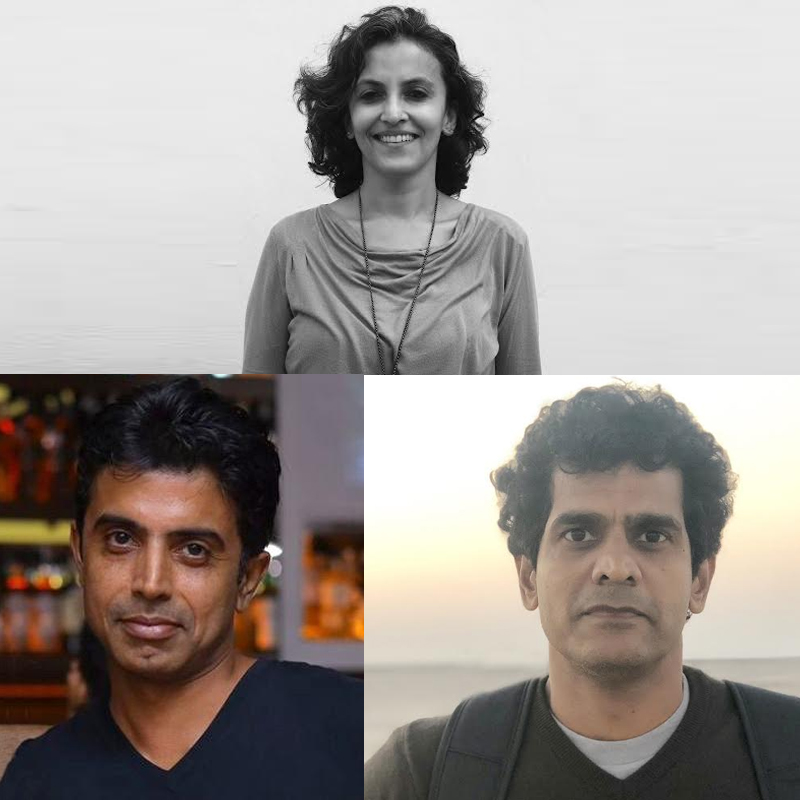
    Co-founded by Prady, Neil Patel, and Mike Kamo, the performance-driven digital marketing agency has rapidly emerged as a powerhouse, offering a full spectrum of services across SEO, SEM, SMM, creative strategy, and UX/UI design. With this recognition, NP Digital India gains access to exclusive insights and tools, ensuring even sharper ad targeting and data-driven results for its clients.

    NP Digital India managing director Rubeena Singh said, “Being recognized as a Google Premier Partner is a powerful validation of our team’s expertise and relentless commitment to excellence. This achievement not only underscores our leadership in digital marketing but also bolsters our vision for growth and the expansion of NP Digital India’s services across India. With these exclusive benefits, we are even better equipped to accelerate the business success of our clients and make a greater impact on the Indian digital landscape.”

    To earn this prestigious status, NP Digital India exceeded performance benchmarks in Google ads, optimising campaigns to maximise client success. With cutting-edge strategies and an ever-expanding reach, the agency continues to redefine digital marketing excellence in India.
     

  • Championship Trophy final  on JioHotstar clocks 90.2 crore views

    Championship Trophy final on JioHotstar clocks 90.2 crore views

    MUMBAI: The final of the ICC Champions Trophy 2025 between India and New Zealand rewrote the record books, amassing a staggering peak of 90.2 crore views on JioHotstar. The match, held at the Dubai International Cricket Stadium, was a bit of a cliff hanger, with the Kiwi spinners putting the brakes on India’s batters’ initial lofty hitting. It was an absorbing battle on the green between the bat and the ball as India lost half their side with 49 runs to get India over the line with 54 balls to be bowled. But K. L. Rahul steadied the ship, even as Hardik Pandya struck some nasty blows to the fence to get India closer to the win.  

    On 9 March 2025,  the men in blue chased down the black caps score of 251, finishing at  254 for six in 49 overs, securing a commanding four-wicket victory. Rohit Sharma with a explosive 76 partnered Shubham Gill 31 in a century stand, the first one for the opening wicket in the tournament. Shreyas Iyer accumulated a workman like 48, even as Rahul ended up  unbeaten on 34. Jadeja hit the winning runs. 

    The New Zealand squad lost wickets at regular intervals. Batsmen who contributed included Rachin Ravindra with 37, Daryl Mitchell with a slowly crafted 63, Glenn Phillips with 34 and Michale Bracewell with 53. The Indian spinning quartet had the Kiwi batsman in knots and they could only score easier when the quickies came on.

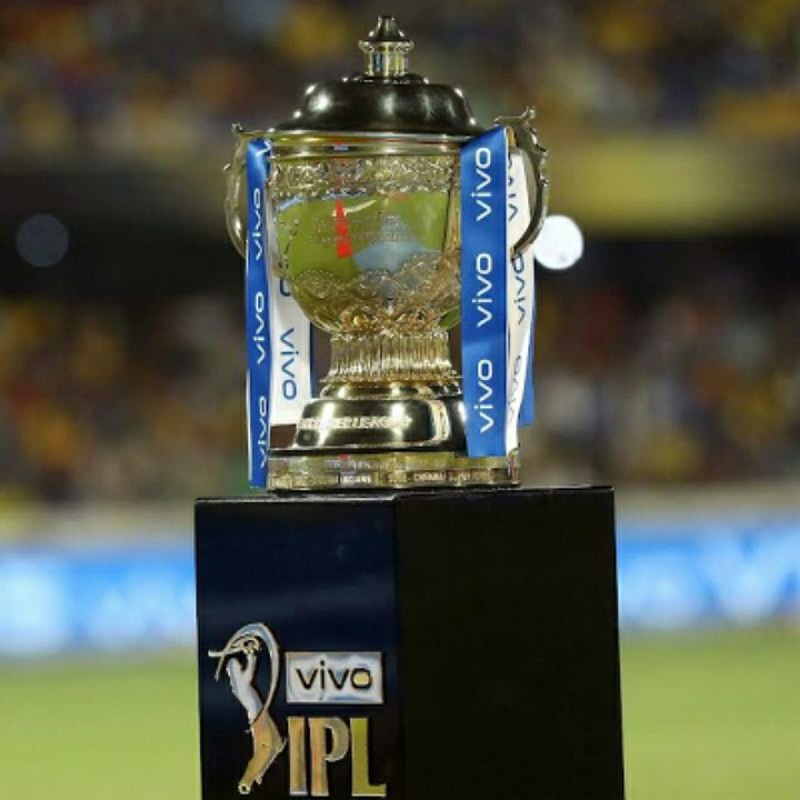
    This match didn’t just break records—it steamrolled them. Blasting past all previous viewership highs, it showcased the unstoppable dominance of digital sports streaming. The previous record-holding Tata IPL final on JioCinema with 62 crore views now has a fierce challenger, as this 90.2 crore views  milestone  has reaffirmed cricket’s popularity amongst the Indian populace. 

    With JioHotstar leading the digital streaming revolution, fans are consuming the game like never before—anytime, anywhere, and on any device.

  • Indians among most progressive on gender equality, Ipsos survey finds

    Indians among most progressive on gender equality, Ipsos survey finds

    MUMBAI — Indians rank among the world’s most progressive citizens in their views on gender equality, with 78 per cent believing in the importance of achieving gender parity, according to a new global survey released ahead of International Women’s Day 2025.

    The 30-country study by Ipsos reveals strong alignment between Indian men (77 per cent) and women (80 per cent) on gender equality issues, contrasting sharply with more polarised views in South Korea (52 per cent) and the Netherlands (54 per cent).

    Nearly half of Indians surveyed (48 per cent) perceive domestic responsibilities such as housekeeping and cooking as shared obligations rather than gender-specific tasks. Only 28 per cent attributed these responsibilities solely to women, while 18 per cent associated them with men.

     Ipsos India chief executive officer Amit Adarkar  noted the significance of these findings in light of the World Economic Forum’s projection that full gender parity remains over a century away.

    “According to the WEF, at the current rate of progress, it would take until 2158—roughly five generations from now—to reach full gender parity,” said Adarkar. “It is heartening to see that both men and women in India are aligned in their views on equal treatment and opportunity for women.”

    The survey, conducted in alignment with the International Women’s Day 2025 theme of #AccelerateAction, identified several key findings about Indian attitudes:
    * 69 per cent believe women holding positions of responsibility in business and government is crucial for accelerating gender equality
    * 66 per cent perceive increased pressure on men to support gender equality
    * 64 per cent feel that in promoting gender equality, men are sometimes discriminated against
    * 60 per cent consider men who stay home to care for children as “less of a man”—a view that has become more pronounced since 2019, when only 39 per cent held this opinion

    Regarding gender stereotypes, the survey revealed increasingly progressive attitudes in several areas. For unpaid family care, including childcare and looking after elderly relatives, 53 per cent of Indians attributed responsibility to both genders. Similar balanced views were expressed on gender-based violence (48 per cent), physical assault (48 per cent), parental leave (48 per cent), and healthcare access (52 per cent).

    Adarkar attributed these progressive shifts to changing family structures and government initiatives.
    “Urban Indians would be by far more progressive in their views on gender equality versus those residing in rural India. With urban pressures of work and home responsibilities, parents are showering their love on their child minus gender bias. Even rural India is witnessing progressive shifts with projects like Beti Bachao, Beti Padhao and Lakhpati Didis,” he said.

    The Ipsos survey interviewed 24,269 people across 30 countries between 20th December 2024 and 3rd January 2025. The India sample comprised approximately 2,200 individuals, with 1,800 interviewed face-to-face and 400 online.

  • McDonald’s shakes things up with shakashaka fries and a musical twist

    McDonald’s shakes things up with shakashaka fries and a musical twist

    MUMBAI: McDonald’s India – north and east is striking a crispy, crunchy, and catchy chord with food lovers through its latest campaign, Shakashaka. This quirky, mockumentary-style campaign reimagines shakeshake fries as more than just a snack, it’s now a musical instrument, thanks to the eccentric and musically enlightened Papaji.

    The campaign follows Papaji, who discovers that the rhythmic shaking of the shakeshake fries bag produces the vibrations of the cosmos, leading to the birth of Shakashaka, a movement that teaches fans the art of Shak-ing, Shuk-ing, and Shik-ing their way to flavour-filled enlightenment. “Fries may be French, but the sounds they produce are universal,” declares Papaji, as he recruits a cult of Shakashakers, even hosting live classes at select McDonald’s locations to spread the joy of shaking.

    McDonald’s India – north and east has tapped into the insight that fans love the ritual of shaking the fries as much as eating them. With music playing a crucial role in gen z’s identity, the Shakashaka campaign transforms this simple act into an immersive and shareable experience.

    McDonald’s India managing director for north and east Rajeev Ranjan said, “At McDonald’s, we believe every meal should be more than just delicious! Our Shakashaka campaign is designed to turn dining into an interactive, fun-filled moment where great taste meets excitement. With every sprinkle, shake, and bite, customers become part of the flavour adventure, making each meal uniquely theirs.”

    To make the celebration even more appetising, the campaign also introduces McDeal meals—an affordable way for customers to enjoy their favourite McDonald’s flavours without breaking the bank. Starting at just Rs 69, the new offers include Mcchicken patty with piri piri seasoning for Rs 69, Mcaloo tikki burger with piri piri fries for Rs 79, and veg surprise or chicken surprise with piri piri fries for Rs 89, ensuring a deliciously pocket-friendly indulgence. 
     

  • Types of Commercial Vehicle Insurance in India

    Types of Commercial Vehicle Insurance in India

    Commercial vehicle insurance is a kind of policy designed to protect businesses and individuals who use vehicles for commercial purposes. Unlike private vehicle insurance, it offers coverage against accidents, damages, third-party liabilities, and other risks.

    Whichever kind of commercial vehicle you own, having the right insurance ensures financial security and compliance with legal requirements in India.

    Read on to explore the various types of commercial vehicle insurance available and choose the one that best suits your needs.

    What are the Types of Commercial Vehicle Insurance?

    Choosing the right commercial vehicle insurance is crucial for protecting your business against financial risks. Here are the main types of commercial vehicle insurance available in India:

    Third-party Liability Insurance

    This is a mandatory insurance policy under the Motor Vehicles Act, 1988. It covers damages or injuries suffered by a third party, including property damage and medical expenses. However, it does not cover any damage to the insured vehicle.

    Comprehensive Commercial Vehicle Insurance

    This policy provides extensive coverage, including damages to your vehicle due to accidents, theft, fire, natural calamities, and vandalism. It also includes third-party liability, ensuring complete financial protection for vehicle owners.

    Types of Commercial Vehicles Covered

    Commercial vehicle insurance in India provides coverage for a wide array of vehicles used for business. Here are the key categories of commercial vehicles that can be insured:

    . Passenger-carrying Vehicles: This includes buses, taxis, auto-rickshaws, e-rickshaws, and other vehicles used for transporting passengers. Insurance for these vehicles covers damages, liabilities, and accidents to ensure passenger safety and financial security.

     . Goods-carrying Vehicles: Trucks, lorries, tempos, trailers, and other transport vehicles that carry goods fall under this category. A commercial truck insurance policy covers damages to the vehicle and goods in transit, as well as third-party liabilities.

     . Light Commercial Vehicles (LCVs): Small cargo carriers, pickup trucks, mini trucks, and delivery vans used for business operations are covered under LCV insurance. This is ideal for businesses involved in local transportation and logistics.

     . Two-wheeler Commercial Vehicles: This category includes motorcycles and scooters used for delivery services, such as food delivery and courier services. Insurance protects against accidental theft, damages, and third-party liabilities. 

    . Miscellaneous Vehicles: Special-purpose vehicles like ambulances, cranes, tractors, excavators, and construction vehicles are also covered under insurance. These policies are tailored to provide protection based on the vehicle’s specific use.

    Benefits of Commercial Vehicle Insurance

    Commercial vehicle insurance provides essential financial protection for businesses that depend on vehicles for operations. Here are the key benefits:

    . Financial Protection Against Damages: The policy covers repair and replacement costs if the insured vehicle is damaged due to accidents, fire, natural calamities, or vandalism.

     . Third-party Liability Coverage: It provides compensation for damages or injuries caused to third parties, including property damage, medical expenses, and legal liabilities. 

    . Protection Against Theft and Loss: If the commercial vehicle is stolen or irreparably damaged, the insurance policy helps recover the financial loss, minimising business disruptions. 

    . Employee and Passenger Safety: Insurance policies often include personal accident cover for the driver and passengers, ensuring financial security in case of injury or loss of life. 

    . Business Continuity: With insurance covering damages, theft, and liabilities, businesses can continue operations without major financial setbacks. 

    . Coverage for Goods in Transit: Goods-carrying commercial vehicles can opt for additional coverage to protect the transported goods from damages or loss. 

    . Legal Compliance: Having a valid commercial vehicle insurance plan ensures adherence to Indian motor laws, preventing penalties and legal complications. 

    . Customisable Add-on Covers: Businesses can enhance their insurance with add-ons such as roadside assistance, zero depreciation, and engine protection for comprehensive security.

    Inclusions, Exclusions and Add-on Covers

    Understanding the coverage scope of commercial vehicle insurance is essential for making an informed decision. Here’s what is included, excluded, and available as additional protection.

    Commercial Vehicle Insurance Inclusions

    Commercial vehicle insurance provides coverage for the following:

    . Accidental Damage: Covers repair or replacement costs if the insured vehicle is damaged due to an accident.

     . Theft or Total Loss: Provides compensation if the vehicle is stolen or suffers irreparable damage. 

    . Fire and Natural Calamities: Protects against losses due to fire, floods, earthquakes, cyclones, and other natural disasters. 

    . Third-party Liability: Covers injury, death, or property damage caused to a third party by the insured vehicle.

     . Personal Accident Cover: Offers financial assistance for medical treatment, disability, or death of the owner-driver.

    Commercial Vehicle Insurance Exclusions 

    The insurance plans do not cover:

    . Wear and Tear: Damages due to normal aging or depreciation of the vehicle. 

    . Drunk Driving or Illegal Use: Accidents occurring under the influence of alcohol/drugs or during unlawful activities.

     . Mechanical or Electrical Breakdown: Repairs for mechanical failures or manufacturing defects are not covered.

     . Driving Without a Valid License: If the driver does not have a valid license at the time of the accident, the claim is not honored.

     . War or Nuclear Risks: Damages caused by war, nuclear hazards, or terrorist activities.

    Commercial Vehicle Insurance: Add-ons

    You can enhance your coverage with optional add-ons, including:

    . Zero Depreciation Cover: Offers full claim settlement without deducting depreciation on vehicle parts. 

    . Roadside Assistance: Provides emergency services like towing, fuel delivery, and minor repairs.

     . Engine Protection Cover: Covers engine damage due to water ingress or oil leakage.

     . Loss of Revenue Cover: Compensates for financial loss if the insured vehicle is under repair and out of service. 

    . Personal Belongings Cover: Provides compensation for loss or damage to personal items kept in the vehicle.

    Factors Affecting Commercial Vehicle Insurance Premiums

    The premium for these insurance plans is determined by several factors. Understanding these factors can help business owners and vehicle operators make informed decisions while purchasing or renewing their policies.

    . Type of Vehicle: The make, model, and category of the commercial vehicle—whether it is a truck, bus, taxi, or auto-rickshaw—impact the premium. Larger and high-value vehicles typically have higher premiums.

     . Vehicle Age and Condition: Newer vehicles have higher premiums due to their higher market value, while older vehicles may have lower premiums but higher depreciation. Well-maintained vehicles may also attract better premium rates. 

    . Usage and Purpose: The nature of usage affects the risk factor. Vehicles used for transporting hazardous goods or covering long distances regularly tend to have higher premiums compared to those used for limited local transport. 

    . Insured Declared Value (IDV): IDV represents the vehicle’s current market value, which directly influences the premium. A higher IDV means a higher premium, while a lower IDV reduces the premium but may lead to lower claim payouts. 

    . No Claim Bonus (NCB): If the policyholder has not made any claims in the previous policy term, they can avail of a discount on the renewal premium through the No Claim Bonus, which can go up to 50% for consecutive claim-free years. 

    . Location and Operating Area: Vehicles operating in high-risk areas, such as urban locations with heavy traffic or regions prone to theft and accidents, may have higher premiums compared to those in low-risk rural areas. 

    . Coverage Type and Add-ons: Comprehensive policies with extensive coverage cost more than third-party liability insurance. Additional coverage like zero depreciation, engine protection, and roadside assistance further increase the premium.

     . Driver’s Profile and Experience: The driving history, experience, and claims record of the driver play a crucial role in determining the premium. A driver with a history of accidents or traffic violations may result in higher premiums.

     . Fuel Type: Diesel vehicles usually have higher insurance premiums than petrol or CNG vehicles due to maintenance and repair costs. Electric vehicles may also have different premium structures. 

    . Modifications and Accessories: Any modifications to enhance vehicle performance or aesthetics, such as engine upgrades or custom bodywork, can increase the premium due to the added replacement or repair costs.

    Commercial vehicle insurance is an important safeguard for businesses that depend on vehicles for transportation, logistics, or passenger services. It not only offers financial protection against theft, damages, and third-party liabilities but also complies with legal requirements.

    Choosing the right kind of insurance-whether comprehensive, third-party, or with add-on covers—can help businesses mitigate risks effectively. Investing in a suitable commercial vehicle insurance plan ensures smooth business functioning and long-term financial security.

  • Two Brothers Organic Farms puts food transparency on the table

    Two Brothers Organic Farms puts food transparency on the table

    MUMBAI: In a world where food labels make big promises, but true origins remain a mystery, Two Brothers Organic Farms (TBOF) is cutting through the confusion with its groundbreaking farm-to-fork traceability technology. This innovation ensures that every batch of food tells an honest story—one that consumers can verify with just a simple scan.

    The technology, backed by Polygon’s blockchain, offers a tamper-proof record of every step in a product’s journey, from sowing and harvesting to packaging. Unlike private blockchain solutions that lack credibility, TBOF’s open, decentralised ledger captures real-time data, making food sourcing fully transparent.

    To drive awareness, TBOF has launched a bold campaign film challenging the industry’s vague labelling. The campaign asks a crucial question: Do consumers really know where their food comes from? By showcasing how blockchain-backed traceability ensures authenticity, the brand is pushing for a future where food transparency is the norm, not the exception.

    “We believe food should nourish, not deceive,” said TBOF co-founding farmer, Satyajit Hange. “Consumers deserve full transparency, and we’re proud to make that a reality with blockchain-backed traceability.”

    Currently, 29 TBOF products, including Jaggery Powder, Groundnut Oil, Moringa Powder, and Peanut Butter, feature this cutting-edge traceability. With plans to expand across its 100 plus offerings, the brand is redefining food integrity in India.

    As concerns about food sourcing grow, TBOF invites consumers to demand better. With a simple QR code scan, they can uncover their food’s entire journey from farm to fork ushering in a new era of trust and accountability in what we eat.

  • TCS  partners with DNB Bank to drive digital innovation

    TCS partners with DNB Bank to drive digital innovation

    MUMBAI: Tata Consultancy Services (TCS) is doubling down on its long-standing relationship with Norway’s DNB Bank ASA, securing a five-year extension as the bank’s strategic technology partner. This renewed alliance will fuel DNB’s digital modernisation, leveraging cutting-edge solutions in AI, quantum computing, and cybersecurity.

    For over 12 years, TCS has played a pivotal role in DNB’s digital evolution, helping launch peer-to-peer mobile payments and enhancing the bank’s operational resilience. Now, with this extended partnership, TCS will continue developing new applications, fortifying security measures, and driving next-generation innovations from its Sahyadri Park campus in Pune, India.

    “We already have a longstanding and proven relationship where TCS has helped enable some of our biggest transformations and innovations,” said DNB group EVP of technology & services Elin Sandnes. “We look forward to seeing what we can achieve together in the future.”

    “We are always looking for new ways to equip DNB in their efforts to be Norway’s most innovative bank,” said TCS president of banking & financial services Shankar Narayanan. “We are pleased to continue our collaboration and push the boundaries of banking technology.”

    TCS’ Machine First Delivery Model has already automated DNB’s operations, improving customer experience and productivity. As one of Norway’s top IT partners for over three decades, TCS remains a dominant player in the Nordic banking sector, supporting 20,000 plus employees across leading enterprises in financial services, telecom, and hi-tech industries.

  • Optimum Nutrition unveils project Protein Thali on World Protein Day

    Optimum Nutrition unveils project Protein Thali on World Protein Day

    MUMBAI: To mark World Protein Day, Optimum Nutrition has unveiled project Protein Thali, an initiative designed to educate active Indian adults on the importance of protein in their diet. The campaign aims to bridge the country’s significant protein deficiency by encouraging individuals to rethink meal compositions and make protein a priority.

    With 73 per cent of India’s population deficient in protein and over 90 per cent unaware of their daily protein needs, project Protein Thali seeks to drive awareness and behavioural change. The campaign promotes the swap the serve concept, advocating for replacing a portion of carbohydrates with protein. When combined with Optimum Nutrition’s Gold Standard 100 per cent Whey, a single meal can provide 40 grams of protein-an essential component for muscle gain and recovery after physical activity.

    Renowned athlete PV Sindhu stated, “Throughout my journey as an athlete, expert guidance on nutrition has been vital to my performance. Protein plays a key role in recovery, and I am excited to collaborate with Optimum Nutrition to share these insights through project Protein Thali.”

    Glanbia Performance Nutrition general manager, Sumit Mathur stated, “Protein is crucial, yet many Indians, including sports enthusiasts, do not prioritise it. By transforming the traditional Indian thali into a Protein Thali, we aim to inspire a shift towards a protein-inclusive diet.”

    In a practical demonstration of its commitment, Optimum Nutrition introduced project Protein Thali at the Inspire Institute of Sport (IIS), where athletes were served specially curated protein-rich meals, including Gold Standard 100 per cent Whey. This initiative aimed to highlight how effortlessly protein can be incorporated into daily diets.

    Optimum Nutrition invites consumers to participate in the movement by sharing their own Protein Thali creations on social media using Swaptheserve. With Gold Standard 100 per cent Whey trusted by millions worldwide, the brand continues to lead the way in fulfilling the protein needs of active individuals.

  • Paytm powers up with AI with Perplexity

    Paytm powers up with AI with Perplexity

    MUMBAI: In a move that puts AI in your pocket, Paytm has joined forces with Perplexity, the world’s first answer engine, to revolutionise how millions of Indians access real-time information. Whether it’s managing finances, tracking market trends, or making everyday decisions, Paytm users can now ask, explore, and act smarter all within the app.

    “AI is changing how people access information and make decisions. With Perplexity, we are bringing AI-driven knowledge to millions, making financial services more seamless and accessible,” said Paytm founder & CEO Vijay Shekhar Sharma.

    Perplexity’s AI-driven technology promises clear, fast, and reliable answers, enhancing digital literacy and empowering consumers to make informed choices. Perplexity CEO & co-founder Aravind Srinivas added, “We are thrilled to partner with Paytm, a leader in India’s mobile payment revolution. Our AI-powered search will help millions get real-time, trusted insights effortlessly.”

    As India’s digital economy surges, so does the demand for instant, reliable insights. Paytm, known for pioneering QR codes, soundbox, and mobile payments, is now embedding AI-powered search into its platform—helping users navigate their financial world with trusted, real-time answers in multiple languages.


  • Air India expands Lufthansa partnership to spread its wings across Europe

    Air India expands Lufthansa partnership to spread its wings across Europe

    MUMBAI: Air India is soaring to new heights in its partnership with the Lufthansa Group, expanding its codeshare network to offer seamless connectivity between India and Europe. The enhanced deal, which now includes Austrian Airlines, adds close to 60 new codeshare routes, bringing the total to nearly 100 flights across 12 Indian and 26 European cities.

    For Indian travellers, this means greater access to 26 European destinations and three key American cities beyond Air India’s hubs in Frankfurt, Vienna, and Zurich. Passengers can now book Air India-coded flights on Lufthansa, Swiss, and Austrian Airlines, making travel to cities like Amsterdam, Barcelona, Munich, and Stockholm smoother than ever.

    On the flip side, Lufthansa Group customers can now connect to 15 Indian destinations with Air India, including Ahmedabad, Bengaluru, Goa, Kolkata, and Pune. The partnership also extends to Air India’s international routes to Kathmandu, Melbourne, and Sydney from Delhi and Mumbai.

    Air India chief commercial officer Nipun Aggarwal stated, “Our goal is to enable our customers to travel seamlessly across the world via Air India and its partner airlines. Expanding our partnership with Lufthansa Group strengthens this mission and elevates the travel experience for our passengers.”

    Lufthansa Group chief commercial officer Dieter Vranckx said, “We are thrilled to enhance our cooperation with Air India. This partnership will offer greater travel flexibility and reinforce Lufthansa Group’s commitment to the Indian market.”

    As both airlines are part of Star Alliance, frequent flyers can continue to earn and redeem miles, while elite members enjoy priority services, additional baggage allowances, and access to premium lounges.

    Subject to regulatory approvals, the expanded codeshare flights will soon be available for booking, promising a smoother and more connected travel experience for passengers across India and Europe.