Tag: India Digital Summit

  • AI to transform marketing strategies, not its core – Vikram Sakhuja

    AI to transform marketing strategies, not its core – Vikram Sakhuja

    MUMBAI: Artificial intelligence (AI) has gone from being a buzzword to an indispensable tool, revolutionising industries across the globe.

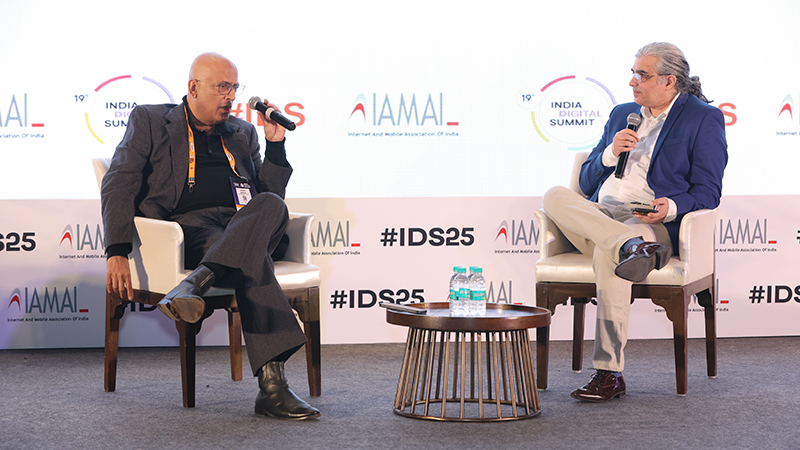
    At the 19 India Digital Summit, Madison Media & OOH at Madison World group CEO Vikram Sakhuja shared his views on how AI is transforming marketing strategies without disrupting its core principles. Spoiler alert: marketing fundamentals are safe, but the methods? They’re getting an AI upgrade!

    Sakhuja made it clear that while AI is rewriting the “how” of marketing, the “why” and “what” remain rooted in human understanding.  “The core principles of marketing will largely remain unchanged. What will evolve and transform are the methods of marketing,” he said during a thought-provoking session hosted by India Today Group consumer revenue group CMO & COO, Vivek Malhotra.

    Malhotra posed the billion-dollar question: Can publishers leverage AI-driven algorithms to help the ad industry scale to $1 trillion? Sakhuja’s reply was simple: AI’s learning thrives on data. “You can’t just write an algorithm; it’s the data fed into the system that enables learning and improvement over time,” he noted, adding that companies like Google are refining AI engines to optimise media spends through better data.

    Can AI foster human connection? The answer is a surprising yes.

    Are algorithms too mechanical to form meaningful consumer bonds? Not according to Sakhuja.  “AI can create a deep connection. For instance, when Meta launches a trailer, the number of shares it gets is a real-time pulse check,” he explained. AI helps broadcasters and advertisers bypass traditional targeting and focus on consumers who actually engage.

    And the examples don’t stop there. Think about Cadbury’s Diwali campaign, where Shah Rukh Khan’s virtual presence personalised messages for neighbourhood stores. That’s AI delivering local charm on a national scale.

    Sakhuja dismissed the notion that AI is the sole domain of new-age brands. “Of course, legacy brands can embrace AI,” he said. He highlighted how even routine tasks like food delivery via Swiggy or Zomato rely on AI, demonstrating its seamless integration into daily life.

    The takeaway? Age doesn’t matter if you’re willing to innovate.

    But wait, what about data validation? With great data comes great responsibility.
    Sakhuja cautioned about the dangers of bad data—what he called the “garbage in, garbage out” problem. Feeding unvalidated data into AI can lead to “hallucinations” (no, not the psychedelic kind) where outputs are wildly off-mark.

    The solution? “Validation checks are crucial to ensure accuracy and prevent biases. The key is balancing AI’s capabilities with human oversight,” Sakhuja advised, adding that ethical use and privacy concerns need to stay top of mind.

    Three ways AI supercharges marketing:

    1    Precision targeting: AI identifies who’s engaging and how, skipping old-school guesswork.

    2    Customised experiences: From localised campaigns to dynamic messaging, AI personalises at scale.

    3    Smart scaling: Brands like Cadbury use AI to connect with millions while keeping it personal.

    Final thought: Will AI replace humans? Not likely. Sakhuja pointed out that AI is a tool, not a replacement. “Human judgment remains critical. Over-reliance on AI could erode the creativity and ethics that define good marketing,” he concluded.

    So how will your brand embrace the AI wave without losing its human touch?

  • Kiran Mani-speak about  Indian OTT at the India Digital Summit

    Kiran Mani-speak about Indian OTT at the India Digital Summit

    MUMBAI: During the India Digital Summit, Kiran Mani, CEO – Digital at Jio Star, spoke compellingly about the urgent need for the over-the-top (OTT) industry to embrace multiple economic models beyond the traditional revenue streams of advertising and subscription. Engaging in a lively fireside chat with Ashish Pherwani of EY India, Mani underlined that sustainable storytelling in the digital age hinges on innovative business strategies.     

    “If you want to justify the economics of storytelling, it has to follow more economic models,” Mani stated, emphasising that a reliance solely on advertising is inadequate. He expressed optimism about the growth potential of both advertising and subscription revenues in India due to robust economic tailwinds. However, he also noted that the true potential of the subscription market has yet to be realised. 

    To illustrate this point, Mani provided striking statistics indicating that while India boasts a massive 700-million OTT viewership base, the actual number of subscriptions currently stands at around 60 to 70 million. He attributed part of this gap to challenges in the payment gateways available in India, stating, “Payment gateways are built for transactions, not for mandates,” which hinders the ability for consumers to engage in subscription models effectively.

     Mani highlighted the extraordinary success of Jio Cinema Premium, which gained an impressive 20 million subscribers in record time. This achievement was largely driven by the platform’s disruptive pricing strategy of just Rs 29, which strategically bypassed middlemen to reach consumers directly. He commented on existing subscription models, saying, “A one-size-fits-all subscription, saying that you can eat all the menu items in a buffet for a fixed price, has its limitations.”

     Drawing on his previous role at Google, Mani criticised the outdated methods commonly used in the advertising sector, which he argued are overly reliant on gut feelings rather than data. “We’re still at the early stages of adopting a data-driven approach to consumer targeting,” he acknowledged. “Once we fully embrace it, we’ll realize we’ve been overspending money in cities while neglecting smaller towns.” Mani assured attendees that the future of advertising will be marked by continued growth and the need for more informed marketing decisions.

    He further pointed out the ineffectiveness of a one-size-fits-all advertising model, stating that platforms which focus solely on brand advertising have specific limitations. “What we offer our advertisers is a dual approach. We say, yes, we are a mass-reach platform, and we will always get you the reach, but we also offer a premium reach platform,” he said.

    As Jio Star—formed from the merger of Star India and Viacom18—continues navigating the rapidly expanding digital ecosystem, Mani noted an exhilarating convergence of connectivity and creativity. “India today is a billion-screen connected audience,” he emphasized, highlighting how various content segments—sports, entertainment, short-form content, and gaming—are flourishing. He credited the influx of venture capitalists into nearly every area of this ecosystem as a testament to the ongoing growth.
     

    Mani Kiran

    Mani also pointed out the seismic shift in the media landscape, noting that digital has recently overtaken television to become the largest segment of the Indian media sector. “There are 325 million households in India, yet the number of households actually paying for digital content remains below 15 million,” he stated, raising important questions about whether digital will ever become a mass product or if subscription models will be left behind compared to traditional TV.

     The CEO was particularly encouraged by the emergence of audiences from Tier 2 and Tier 3 towns, many of whom are gaining access to content for the first time through affordable devices costing less than Rs 5,000. He remarked on the impact of live-streaming events like the IPL on JioCinema, stating, “We saw six million viewers who were previously content-dark join our platform.” This underscores how OTT platforms are unlocking a broader content segment in terms of both depth and reach.

     Mani elaborated on the necessity for subscriptions to adopt sustainable economic models, stressing that “advertising alone cannot support premium content or great storytelling.” He urged industry stakeholders to unlock better economic models while ensuring sustainability for everyone involved. He asserted, “The digital ad market in India is now valued at $9 billion.”

    He elaborated further on the complexities of advertising, stating, “Advertising is about reaching consumers and delivering value. Our role is to ensure advertisers see impactful returns.” With an expanding middle-class consumer base, Mani believes India’s advertising market will surely grow. Nonetheless, he cautioned that the market still operates with outdated practices, such as generic solution models that fail to meet diverse audience needs.

    A noteworthy point in Mani’s discussion was the evolving nature of storytelling in Indian entertainment. He mentioned that narratives are transitioning from “Shiksha” (education) and “Sushil” (docile) to “Saksham” (empowerment) and “Swabhiman” (self-respect), reflecting broader societal progress in India.
         
     Multi-lingual content also emerged as a focal point, especially in sporting and international contexts. Mani proudly remarked on JioStar’s multilingual broadcast of the Olympics, which garnered a seven-fold increase in viewership, adding, “Hindi is now the number one language for Hollywood viewership in India.”      

     When prompted about his investment priorities, Mani chose to invest in platforms over content production or e-commerce, stating, “Platforms scale creativity and monetization like nothing else.” He underlined the transformative power of connectivity in driving the next wave of growth.

     In concluding his remarks, Mani addressed the collective responsibility of the media and tech industries. “As content creators, we must prioritize sustainability in storytelling,” he urged. “For me, I owe it to you all to build a platform where monetization models extend beyond just advertising or subscriptions.”

    Key Points:
    * The OTT industry needs to diversify its economic models beyond traditional revenue streams of advertising and subscription.
    * Relying solely on advertising is insufficient for building a sustainable OTT ecosystem.
    * The true potential of the subscription market is yet to be unlocked.
    * Payment gateways in India are built for transactions, not for mandates.
    * A data-driven approach to consumer targeting is necessary for effective advertising.
    * A one-size-fits-all approach is ineffective in advertising.
    * The digital ad market in India is valued at $9 billion.
    * Advertising is about reaching consumers and delivering value to advertisers.
    * Sustainable economic models are necessary for the OTT industry.

  • Collegedunia tops at India Digital Awards

    MUMBAI: Collegedunia, one of India’s largest college information aggregator and review site, has bagged first rank at the 7th edition of India Digital Awards organized by Internet and Mobile Association of India (IAMAI). The Award Ceremony was accompanied by 11th India Digital Summit, which is the premier digital event of the country.

    Collegedunia, India’s largest College Information Aggregator and Review site of India, bagged first rank at the 7th edition of India Digital Awards organized by Internet and Mobile Association of India (IAMAI). The Award Ceremony was accompanied by 11th India Digital Summit, which is the premier digital event of the country.

    This 7th edition of India Digital Awards, which was a part of 11th India Digital Summit, held at The Lalit Hotel, New Delhi, was attended by an audience full of Founders and Co-Founders of numerous successful startups. Collegedunia.com had been nominated for the Education category in the Website Awards genre.

    India Digital Summit is an annual event organized by IAMAI and is attended by startup enthusiasts from all over the country. With an aim to spread awareness and an agenda to discuss numerous pre-defined topic over some expert sessions, the event has received success in its old editions. The 11th edition also remained one of the biggest events of the nation.

    The summit acted as a playground for more than 1,500 Senior Executives from companies spread in genres including Mobile Tech, AdTech, Consumer Tech, Cloud Services, Digital Payments, Digital Startups, etc. Flow of knowledge took place during the summit in the form of keynote speeches by founders and co-founders of services like PayTM, Freecharge, Flipkart, Saavn, etc. which was followed by the much-awaited Award Ceremony.

    The 7th edition of India Digital Awards constituted nominations spread across seven categories and 38 sub-categories. The jury comprised of personalities spread throughout the genres of the awards who ranked the nominations based on the various parameters laid down. The awards surely do provide the top-performers, a totally different outlook in the world outside.

    Collegedunia bagged the first position in the category it was nominated for Sahil Chalana, founder of Collegedunia Web Pvt. Ltd. overwhelmingly said, “Education industry has a scope of tremendous growth and development. It must always be remembered that providing best-suited information to the seekers should be the aim of every such company.” He added, “The company has been able to grow exponentially and always aims at growing further. For the company being at such a young age and making this achievement is something that I feel pride in.”

    Collegedunia has aimed at providing detailed information about numerous colleges and courses and also provide free counselling to students who are confused by this huge plethora of options. The website plays host to information of more than 20,000 colleges and 5,000 courses. The information is updated regularly so that each student could get the exact information he needs through this medium.

    With a dynamic growth model, Collegedunia has become the largest of its kind in this genre and is continuously setting new benchmarks for the others to achieve. The daily traffic on the site is averaged at three lakh visits per day.

    The mobile app variant of Collegedunia is also flagging on heights of success as it has reached a number of 100,000 installs and the numbers are growing further. The Live Counselling session is also being extended to WhatsApp version for a further outreach.

  • TRAI chief R S Sharma defends differential pricing regulation

    TRAI chief R S Sharma defends differential pricing regulation

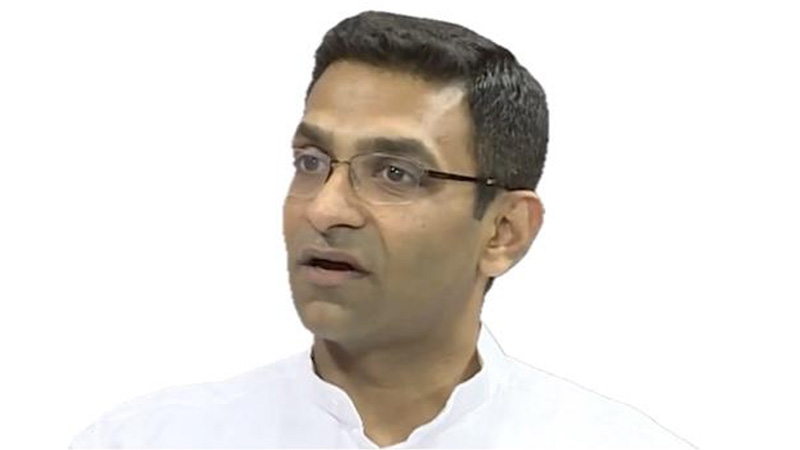
    NEW DELHI: While defending the decision on differential pricing for data services from telecom companies, Telecom Regulatory Authority of India (TRAI) chairman R S Sharma categorically stated that with the digital landscape changing constantly, the policy would be reviewed every two years.

    Speaking at the 10th India Digital Summit on the theme ‘Stand Up Start Up’ organised by the Internet and Mobile Association of India (IAMAI), Sharma stressed the necessity of augmenting telecom and digital infrastructure to meet the growing demand of a truly digital India.

    On connectivity, he said drive tests are done regularly by TRAI. “Telecom companies have started raising objections pertaining to consulting on the methods TRAI is using. We have started that process also. So this time when we did the test, we have also taken their suggestions into account,” he said.

    “Whatever drive tests we have done, have been very objective. This was done in a transparent manner and if there are any more suggestions for transparency, we are certainly ready to look at it. But by simply saying that what you have done is not really correct is not the right approach,” Sharma voiced.

    Adding that the next test drive is likely to be in April, Sharma said that connectivity was bound to improve with release of more spectrum.

    “Seamless connectivity is the essence of true digitisation. With Digital Locker; e-Sign and Aadhar, India is the only country in the world to have such advanced technology. India is also the only country to have the technicality of checking identity of a person digitally through Aadhar,” he said.

    Earlier, IAMAI chairman Kunal Shah, who is the founder & CEO of FreeCharge, said in his inaugural address that continuous innovation is the key for staying relevant and that the young start-ups should focus on reinventing rather than focusing on raising funds.

  • TRAI chief R S Sharma defends differential pricing regulation

    TRAI chief R S Sharma defends differential pricing regulation

    NEW DELHI: While defending the decision on differential pricing for data services from telecom companies, Telecom Regulatory Authority of India (TRAI) chairman R S Sharma categorically stated that with the digital landscape changing constantly, the policy would be reviewed every two years.

    Speaking at the 10th India Digital Summit on the theme ‘Stand Up Start Up’ organised by the Internet and Mobile Association of India (IAMAI), Sharma stressed the necessity of augmenting telecom and digital infrastructure to meet the growing demand of a truly digital India.

    On connectivity, he said drive tests are done regularly by TRAI. “Telecom companies have started raising objections pertaining to consulting on the methods TRAI is using. We have started that process also. So this time when we did the test, we have also taken their suggestions into account,” he said.

    “Whatever drive tests we have done, have been very objective. This was done in a transparent manner and if there are any more suggestions for transparency, we are certainly ready to look at it. But by simply saying that what you have done is not really correct is not the right approach,” Sharma voiced.

    Adding that the next test drive is likely to be in April, Sharma said that connectivity was bound to improve with release of more spectrum.

    “Seamless connectivity is the essence of true digitisation. With Digital Locker; e-Sign and Aadhar, India is the only country in the world to have such advanced technology. India is also the only country to have the technicality of checking identity of a person digitally through Aadhar,” he said.

    Earlier, IAMAI chairman Kunal Shah, who is the founder & CEO of FreeCharge, said in his inaugural address that continuous innovation is the key for staying relevant and that the young start-ups should focus on reinventing rather than focusing on raising funds.

  • “Cyber security should be an integral part of national security” Narendra Modi

    “Cyber security should be an integral part of national security” Narendra Modi

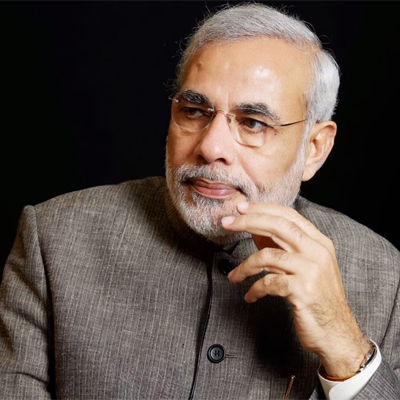
    NEW DELHI: Gujarat Chief Minister and BJP Prime Ministerial candidate Narendra Modi’s valedictory speech was the highpoint of the just concluded eighth India Digital Summit organised by the Internet and Mobile Association of India (IAMAI).


    Addressing the audience through video link, Modi outlined his vision of a ‘Digital India’. “India is a repository of knowledge. Time has come to create a high-speed digital highway so that knowledge can be shared easily to enable empowerment of the people,” said he. “Access to information should have no barriers. And when we create such a digital environment, not only will governance be transparent, technology will ensure citizen governance.”


    Modi stressed upon provision of easy access to and availability of government services to people on their mobile devices. He even spoke of empowering farmers through this medium. In order to boost the agricultural sector, farmers need to have access to global knowledge and information in real-time; he said.  


    Mirroring IAMAI chair and Google India managing director Rajan Anandan’s contention that India would have a US $100 billion e-commerce industry within a decade, the Gujarat CM said e-commerce should drive every industry and every sector.


    Speaking of the need to make the national capital entirely Wi-fi-driven, he said, “This is where the world is moving, and we have to ensure that we start by making Delhi a wi-fi equipped capital.”


    Pointing out how every political party today is actively using social media to reach out to the masses, he said, “With social media, the common man has become powerful and can raise concerns.” While emphasizing the need to link cyber security to national security, Modi concluded his speech on a positive note saying: “Digital India will ensure that the world looks to India for the next big idea.”