Tag: inclusivity

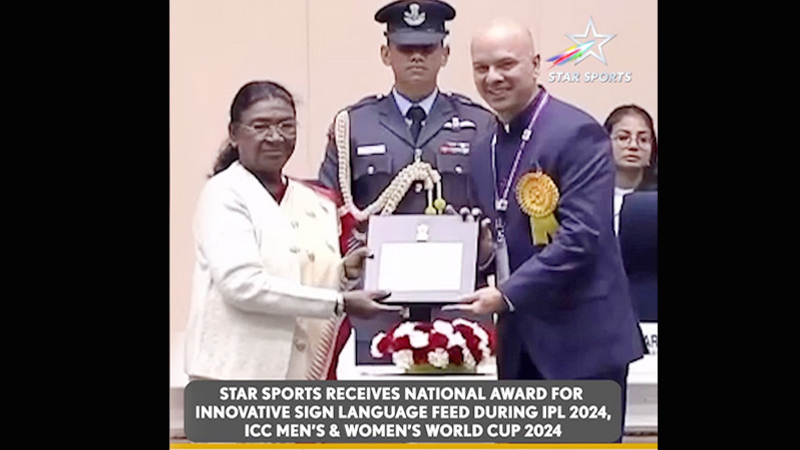
  • Star Sports wins National Award for redefining inclusivity in broadcasting!

    Star Sports wins National Award for redefining inclusivity in broadcasting!

    MUMBAI: Why should feeling different ever mean being left out? In a world striving to embrace inclusivity, breaking biases and fostering equality isn’t just a moral obligation – it’s a celebration of humanity. Star Sports has shattered one of the most profound – the exclusion of differently-abled sports enthusiasts. In a groundbreaking leap towards inclusivity, India’s premier sports network has been recognised with the National Award for Institutions Engaged in Empowering Persons with Disabilities 2024. This honour, bestowed by the president of India, Droupadi Murmu, applauds a revolutionary initiative that has changed the game forever. With their sign language and descriptive commentary feed, Star Sports is not just broadcasting sports but building bridges, connecting Deaf, Hard-of-Hearing, and Visually Impaired fans to the electrifying pulse of live sports like never before.

    Star Sports’ efforts to break communication barriers and expand access to live sports have been transformative. By addressing the needs of differently-abled fans, the network has set a benchmark in inclusive broadcasting, ensuring that no fan is left behind in the excitement of live sports.

    Expressing gratitude for the recognition, a Star Sports spokesperson said, “We are deeply honoured to receive this prestigious National Award. It reflects the dedication of our team to making sports accessible to all fans. Initiatives like the Sign Language and Descriptive Commentary Feed are integral to our mission of uniting sports lovers, regardless of their abilities. This award motivates us to continue innovating and ensuring inclusivity in sports broadcasting.”

    Star Sports plans to expand its commitment to inclusivity by exploring new ways to enhance the sports-viewing experience for all audiences, reaffirming its role as a leader in the broadcasting industry.
     

  • “Auraa envisions a future where modeling is valued and respected on par with prestigious professions”: Auraa Talents’ Arpita Das

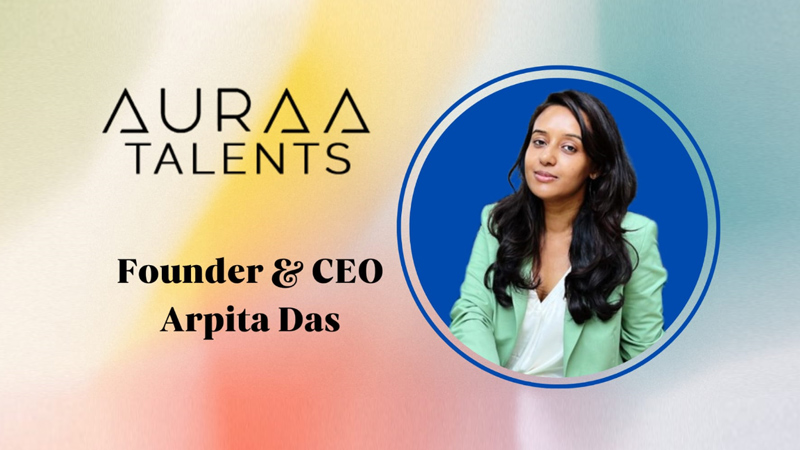
    “Auraa envisions a future where modeling is valued and respected on par with prestigious professions”: Auraa Talents’ Arpita Das

    Mumbai: Amidst the dazzling and glittery world of modeling, where trends shimmer and styles evolve, one cannot ignore the prevalent preferences for lighter skin tones that have cast a subtle but persistent shadow over the industry. However, breaking through these conventional norms and redefining beauty standards is Auraa Talents, a dynamic platform founded in 2008 by former model and visionary entrepreneur Arpita Das.

    Auraa Talents has not only become a leading force in the creative, modeling, and entertainment sphere but has also emerged as a champion for diversity, empowerment, and inclusivity. As the industry grapples with stereotypes, Auraa stands as a beacon of change, dedicated to eradicating negative perceptions and fostering a culture where every talent, regardless of skin tone, shines with their unique spark and potential.

    Indiantelevision.com caught up with Auraa Talents founder & CEO Arpita Das to know more about their evolution since inception, key milestones, training programs for both models and their employees, and much more…

    Edited Excerpts:

    On Auraa Talents’ evolution since its inception in 2008, and the milestones that you’re most proud of in its journey

    During its inception, Auraa showcased only two international models, reflecting its global ambitions. From its modest beginnings, Auraa has now blossomed into a thriving pool of talent representing 150 plus international and Indian talents and actors, from over 25 countries. We have also worked with diverse clientele such as Coca Cola, Tanishq, Vaseline, and others, over the last 16 years leading to a remarkable impact in the modeling realm.

    A few of our proudest milestones over the years are a collaboration with Pocket FM that involved our entire talent cast. They were also chosen to participate in a short film called ‘F se Fantasy’. Moreover, a few of our models were cast alongside prominent celebrities such as Taapsee Pannu, Hrithik Roshan and Samantha Prabhu across advertorial campaigns.

    On some of the key challenges you faced in the modeling industry that motivated you to establish Auraa

    As soon as I began pursuing modeling full-time, I began to understand the industry’s shortcomings. Back in the 2000s, most brands were attracted to lighter skin tones which posed a challenge as I was more dusky. Furthermore, as I lacked appropriate management at the time, it hindered my visibility on the right platforms. As a result, I set out to establish a platform that would provide equal opportunity to all individuals who shared the same dream.

    On Auraa Talents setting itself apart in the competitive modeling and talent management industry

    At Auraa, we foster a culture of safety, respect, and empowerment within the community. Our commitment to leaving no stone unturned for our talents and treating every project with utmost priority, sets us apart from the rest.

    On the inspiration behind championing equal opportunities for aspiring talents, emphasizing inclusivity regardless of skin tones

    Every individual deserves a fair opportunity to showcase their talent and contribute to the industry. We not only nurture creativity, but also celebrate the uniqueness & richness that every individual brings to the table.

    At Auraa, we stand for empowerment, by breaking down barriers and amplifying voices, diversity, and the belief that talents shine the brightest when given the opportunity to flourish, irrespective of skin tone or background.

    On Auraa promoting a culture of safety, respect, and empowerment within the modeling community

    At Auraa, we foster a culture of safety, respect, and empowerment within the modeling community by prioritising education on making informed decisions, building self-belief, and instilling confidence in our models. We provide comprehensive training to help our talents differentiate between right and wrong choices, empowering them to navigate their careers with integrity and resilience. By emphasising self-belief and confidence-building exercises, we equip our models with the tools to assert themselves and thrive in a competitive industry. Our commitment to being readily available for support and guidance ensures that our models feel secure and valued.

    On Auraa’s training programs and their impact on the development of both models and its employees

    We offer comprehensive training programs catering to both employees and models. Our grooming classes for models focus on refining their skills and presentation, ensuring they are well-prepared for the modeling and entertainment industry. A notable success story here would be of our plus-size model Shefali who faced resistance and skepticism from her family and fiance. However, today, she stands tall not only as a successful model but also as a proud wife, daughter, and daughter-in-law.

    Employees benefit from our training programs designed to uplift and empower them, providing a platform for growth. A few notable success stories include Venky, who started as an office boy and now thrives as a talent manager, and Pooja, who transitioned from working in an NGO to international scouting.

    Overall, Auraa’s aim through these programs is to inspire the following:

    1. Holistic growth and confidence building

    2. Becoming the better version of themselves

    3. Guidance and support

    4. Ownership and commitment

    On your aspirations for Auraa Talents in the coming years

    In the coming years, Auraa aspires to achieve the following for its talents:

    1. Brand recognition: The aim is to elevate Auraa to a household name synonymous with modeling excellence. We strive to have Auraa recognised as a trusted and reputable institution in the industry.

    2. Education and awareness: Auraa seeks to educate aspiring models and the general public about the modeling industry. By providing valuable guidance and information, Auraa aims to steer individuals away from potentially harmful paths and ensure they make informed decisions about their modeling careers.

    3. Elevating the status of modeling: Auraa envisions a future where modeling is valued and respected on par with other prestigious professions like engineering and medicine. By promoting the significance and artistry of modeling, Auraa aims to elevate the status of models and the industry as a whole.

    4. Global reach and representation: Auraa is working towards creating a path for aspiring models to reach international markets and represent India on a global stage. By providing opportunities for talents to showcase their skills internationally, Auraa aims to open doors for Indian models to achieve success and recognition worldwide.

    Overall, Auraa’s aspirations for its talents in the coming years revolve around building a strong foundation of education, awareness, and support, to empower models to reach their full potential, make informed decisions, and succeed both nationally and internationally. By striving to transform the modeling landscape and create new opportunities, Auraa aims to shape the future of modeling in India and beyond.

  • Sonic Lamb headphones breaking sound barriers

    Sonic Lamb headphones breaking sound barriers

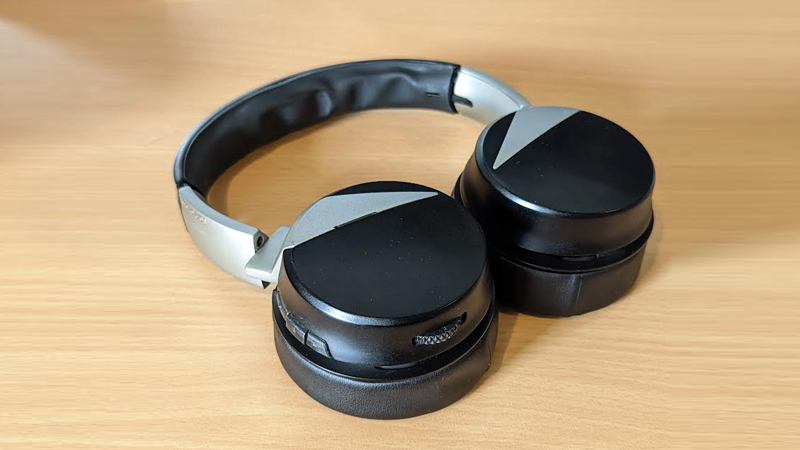
    Mumbai: In a heart-warming twist of fate, social media influencer Sohan Rai (@Zikiguy) demonstrated the transformative power of Sonic Lamb headphones, fostering inclusivity for the hearing impaired through the gift of music.

    Rai’s journey began with purchasing Sonic Lamb Headphones, an unusual headphone with unique hybrid driver technology that reproduces the physical experience of sound – you actually feel the music when listening to it on these headphones. Little did he know this choice would lead to a remarkable discovery at a restaurant? There he met Nandish, partially deaf, and Sohan’s curiosity sparked compassion. Sohan asked Nandish to try out Sonic Lamb headphones.

    To their amazement, Nandish could experience the music flow through him, and joy welled up as he described it as the “best listen ever.” The power of this experience fuelled a fervent wish to share it with his sister, Netra, who has been completely deaf since birth.

    Inspired and intrigued, Sohan approached Rapture Innovation Labs, the startup behind the Sonic Lamb headphones. Touched by the story, co-founder Navajith Karkera and his team embarked on a remarkable collaboration with Sohan. They customized a pair of Sonic Lamb headphones specifically for Netra by passing through bass and mid-range audio frequencies (vocals and instruments) through the Hybrid Driver technology, which reproduces through skin and bone conduction instead of just the sub-bass and bass as per their actual design, and they hoped for the best.

    Taking the modified headphones to Nandish’s village, the team witnessed an incredible moment as Nandish’s sister, Netra, was able to experience music and feel the beats and rhythms of music for the first time in her life. Her sheer joy and excitement were palpable. This heart-warming event highlighted the power of Sonic Lamb to reproduce the physical and sensory experience of feeling the music but also to bridge gaps and bring the gift of music to those who had never experienced it before.

    Sohan’s empathy and curiosity, coupled with Rapture Innovations Lab’s spirit of innovation, have woven a story of inclusivity and the transformative power of a single sound.

    Join the conversation online using #soniclamb, #Inclusivity and #MusicForAll.


    A post shared by Sohan Rai (@zikiguy)


  • coto unveils ‘app tiles’ ahead of its launch – reflects values of inclusivity and community building

    coto unveils ‘app tiles’ ahead of its launch – reflects values of inclusivity and community building

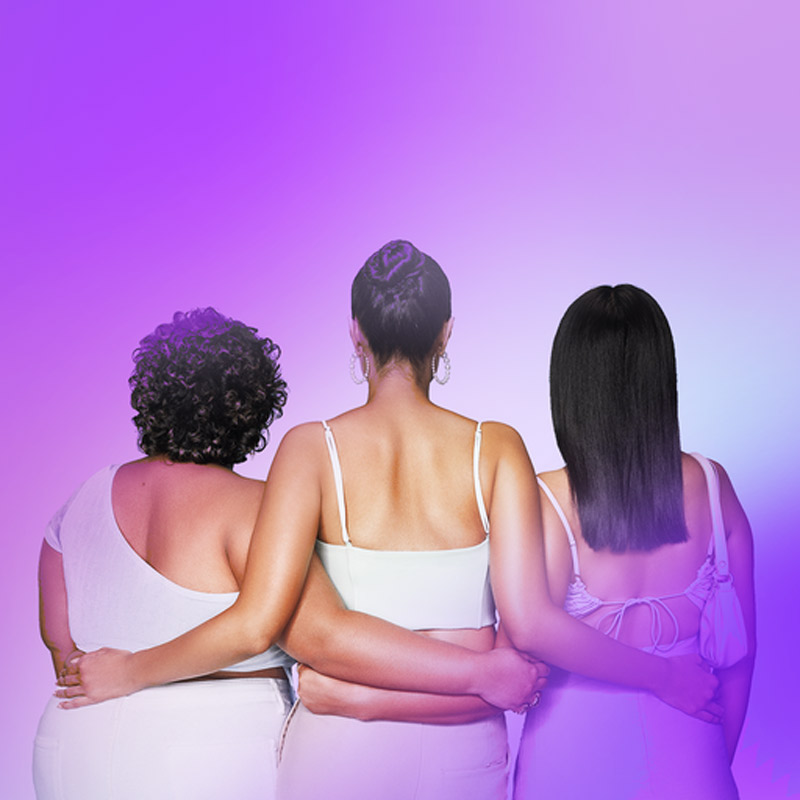
    Mumbai: The web3-based social communication platform, coto, has unveiled its ‘app tiles’ as a precursor to the launch. The women featured in the ‘app tiles’ exude a fervent enthusiasm for doing what they love and being who they are in a safe space with no judgements. coto wanted women with different personalities and across cultures to come together, all in one place, just like the vibe on the platform.

    The design process for the ‘app tiles’ involves portraying carefree women who enjoy building their own communities with those who share the same vision. The use of pastel shades conveys the feeling of being supportive and nurturing. With this imagery and complementing colour themes, they reflect the coto ethos.

    These app tiles showcase how like-minded women from across cities, irrespective of their caste, creed, colour, etc., come together to connect and share their experiences. It showcases the sense of freedom that these women enjoy while engaging in meaningful dialogues and conversations. The app tiles give a glimpse of all the emotions that these women experience when in a group as one unit. Most importantly, they are seen enjoying themselves without worrying about the outer world and toxicity.

    Speaking of the app tiles, coto co-founder Rajneel Kumar said, “Every aspect of coto is designed to foster a sense of togetherness and belonging amongst all the members of the community. We chose our ‘app tiles’ to be an ever-evolving representation of women across geographies and ethnicities. This is another way for us to stay true to our core brand values of inclusivity and create a safe space for women.”

    Adding to it, photographer Tanya Agarwal shared, “The thought behind the ‘app tiles’ was clear—to portray a safe space for like-minded women around the world to come together and express themselves freely. Through the visual representation, we wanted to bring alive coto’s philosophy of creating an engaging, dynamic space shaped by women, for women, where you can just be. The emotions, colours, body language, and interactions between them evoke a sense of enthusiasm, which best represents the coto tribe.”

  • Meesho celebrates Holi with a message of inclusivity

    Meesho celebrates Holi with a message of inclusivity

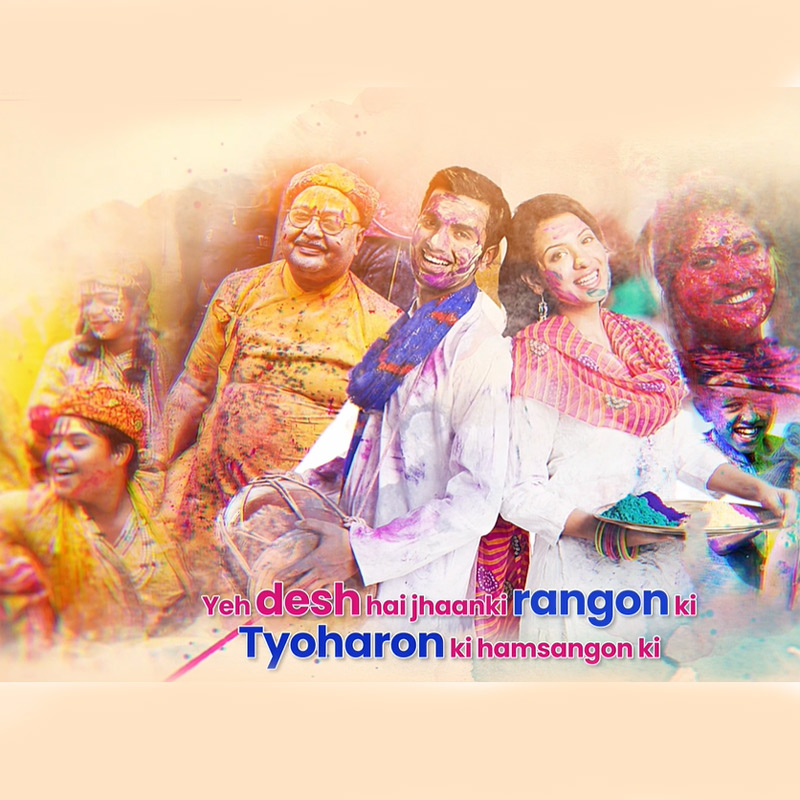
    Mumbai: Bengaluru based India’s e-commerce company, Meesho has curated a special Holi anthem ‘Anokhe Rang Meesho Ke Sang’ with a strong message of diversity and inclusivity. Capturing the essence of the festival, the song sung by acclaimed singer Sukhwinder Singh, aims to disregard stereotypical prejudice and unite people through colours.

    The campaign is live across Meesho’s social media handles.

    Conceptualised and executed by a digital-first marketing agency, DViO Digital, the campaign aims to instantly reach out to internet commerce platform’s consumers across the Indian Sub-continent with a feeling of absolute togetherness.

    “As a brand, it has always been our endeavour to conceptualise campaigns which our consumers can resonate with,” Meesho VP and head of brand marketing Lucky Saini said. “Considering that each community has its way of celebrating the festival of colours, we wanted to create an inclusive message. When we commenced work on the song, Sukhwinder Singh was our obvious choice for his earthy voice, which has the power to evoke strong emotions amongst audiences. This campaign lands perfectly on our message of celebrating the power of diversity, which empowers us and binds us together as a country.”

    The idea stemmed from Meesho’s core business proposition of connecting small businesses and individual entrepreneurs with pan-India customers in the brand’s ecosystem, said the statement.

    Commenting on the campaign, DViO Digital founder and CEO Sowmya Iyer said, “India is a land of diverse culture and festivities, each of them is celebrated differently across the country. The colours of Holi denote the various facets of life, moods, emotions, seasons et al and that’s when we suggested, ‘Anokhe Rang Meesho ke Sang.’ It not only represents the rich culture of India but also highlights the core nature of the brand.”


  • P&G India extends all company benefits to partners of LGBTQ+ employees

    P&G India extends all company benefits to partners of LGBTQ+ employees

    Mumbai: In a bid to foster inclusivity at the workplace, Procter & Gamble (P&G) has now extended all its company offered benefits to partners of LGBTQ+ employees, the company announced on Tuesday. Effective 1 April, the company’s medical and workplace benefits including medical support, emergency financial assistance, flex subsidy allowance, relocation benefits, among others will be extended to partners of LGBTQ+ employees.

    The initiative builds on top of the company’s ‘Share the Care’ inclusive parental leave policy that was launched last year.

    “At P&G, our goal is to create a fully inclusive workplace where our employees feel included and are able to bring their authentic selves to work every day,” said Procter & Gamble Indian sub-continent vice president and head – human resources PM Srinivas. “In line with that, we are proud to shape our company offered comprehensive benefits to a fully inclusive and equality-based program which extends to partners of LGBTQ+ employees. We will also continue to strengthen our awareness and training programs that sensitize our people on LGBTQ+ diversity. We hope that this will enable us to strengthen our company’s culture, inspire change and create a positive societal impact.”

    Through this latest initiative, partners of LGBTQ+ employees will now be covered under the company’s medical plan that provides hospitalisation coverage to employees and their dependents. The employees can also avail emergency financial assistance for their partners. The company provides an additional fixed allowance to its employees to meet their personal and family needs, which can now be availed by LGBTQ+ employees for their partners. The company will also extend financial support and transfer related assistance arising out of a company-initiated relocation to partners of LGBTQ+ employees, said the statement.

    According to the company, P&G took a public stand for inclusion by adding sexual orientation to its non-discrimination policies back in 1992. The company has an internal affinity group, GABLE (Gay, Ally, Bisexual, Lesbian, and Transgender Employees) that is dedicated to fostering an inclusive and supportive network.

    P&G India has also launched ‘Pride Podcasts’ wherein it invites leaders from within P&G globally and external advocates who are sharing their journey, educating, and addressing myths about LGBTQ+. In a first, in 2021 the company organised a virtual pride event titled ‘PrideON’ to educate and celebrate the progress made on LGBTQ+ equality and inclusion in the workplace, according to the company.

  • Media and Disability: How inclusive are our TV ads?

    Media and Disability: How inclusive are our TV ads?

    Mumbai: In yet another reminder of why we need to look beyond the label of ‘differently abled’, Indian athletes created history, by hauling 19 medals- their best ever- including five gold, eight silver and six bronze at the recently concluded Tokyo Paralympics. In a remarkable display of bravado, the Indian Paralympic athletes contingent even surpassed their Olympian counterparts, who also had their best outing this year.

    Perhaps this is the cue we need, to stop slotting people into the ‘disabled’ box, conveniently forgetting there’s a person behind the label. While this is true for all spheres of our lives, there is no dismissing the fact that mass media, such as advertising, wields the power to shift narratives around disability at a much wider and deeper level than other tools of communication. However, advertising featuring people with disabilities lags far behind, found a recently conducted study by the US-based data measurement firm, Nielson. An analysis of the firm’s Ad Intel data, that looked at nearly 4.5 lakh primetime ads on broadcast and cable TV in February 2021 found that only one per cent ads included representation of disability-related themes, visuals, or topics.

    Just three per cent of ad spend went to ads featuring disabled people or that were inclusive of disability themes in the creative, the study further noted. Most of the time, disability is absent from advertising, except when it’s focused on products that treat disabilities. Rarely do ads show disabled people in everyday life, such as working, parenting, household chores or enjoying activities, said the August 2021 report titled ‘Visibility of Disability: Portrayals Of Disability In Advertising’.  Pharmaceuticals, health care treatments, devices and similar categories made up nearly 50 per cent of the total dollars spent in disability-inclusive ads, the study found.

    While they study is primarly based in the US, the scenario would not be very different in the Indian advertising landscape. Today, as the world takes baby steps towards a more inclusive, diverse and woke representation everywhere, advertisers have the opportunity to showcase people with disabilities in everyday life, engaging with the products and services brands offer. And it can do this simply by better reflecting the real lived experience of people with disabilities.

    Some brands have managed to strike the right chord of empathy, without over-dramatising or trying to emotionally manipulate the audience. Google Photos had come out with a heartwarming real-life narrative of a visually disabled young man in 2016, who was about to undergo a corneal transplant and regain his vision after almost 15 years. The five minute film, created by Lowe Lintas, chronicled the journey of Amit Tiwari, a resident of Jhansi, who suffered from severe corneal dystrophy in both eyes, which left him almost completely blind when he was in high school. The film showed how with a little help from Google Photos’ image search and organisation features, Amit was able to rediscover all those memories he had been a part of, but missed out on seeing.

    Inclusivity, however, does not mean just an increase in representation in pharmaceuticals ads but across the category spectrum. While treatment and managing care are important aspects of living with a disability, an overabundance of these types of representations can reinforce stereotypes of people with disabilities. Hence, it’s important that life with a disability is portrayed as more than just prescriptions in creatives, by showing it as more relatable, while being realistic.

    The 2016 ad by KFC for the fast food company’s ‘Friendship Bucket’ managed to tick all the right boxes on this count. The ad for its Friendship Bucket, featuring a differently disabled person shows two friends sitting in a KFC restaurant communicating in sign language. The ad celebrates all ‘unique friendships’ in an adorably regular manner without much ado and with all the cheeky warmth of a true buddy, ending with a voice-over saying ‘Dost jitney alag hote hain, Friendship utni kamal ki hoti hai!

    Nestle too came up with an endearing ad for Nescafe coffee featuring a stand-up comedian who stammers in 2015, while an ad for Birla Sun Life had woven a story around a father and his autistic son. These are people who had, till almost a few years ago, seen no representation in mainstream advertising.

    When brands from a broader range of industries are more inclusive of disabilities in their creative, they help balance the narrative and normalise living with a disability. And when the ad gets it right with its intent and execution, it has an impact on all audiences, not just those living with a disability.  

    In recent times, JK Cement’s digital social media campaign titled ‘Yeh Yaarana Pucca Hai‘ comes to mind. The six-minute-long film takes an emotional route to deliver a strong message on the need to create an inclusive infrastructure for differently-enabled students and access quality education to all children by providing them with equal opportunities. Through this campaign, the cement brand makes an effective pitch to society that every child has the right to education and how each one of us, as responsible citizens, can ensure the same.

    The campaign was launched as part of a bigger initiative ‘Banaye Har Raah Aasaan’, where JK Cement built 251 ramps in one single day in schools across Jaipur, Rajasthan on 5 August.

    Hopefully, the next few years will see a much more varied and diverse representation of people belonging to all sections and from different walks of lives, so that these ads will no longer be seen as niche or exclusive, but as a part of life. However, for any communication to connect with its audience, it should either be relatable, tug at our heartstrings, jolt us from our cocooned lives, or at the least hit a chord somewhere within us. If not, it could come across as contrived or worse, as an attempt at commercialisation of a social cause.

  • adidas film celebrates differences at UEFA Euro 2020

    Mumbai: Apparel brand adidas unveiled the first in a series of short films, as part of its new UEFA EURO 2020 campaign to inspire fans, players, and communities to build a more positive and inclusive world by celebrating the differences that make people unique.  

    The rallying cry began on Friday with the pre-tournament short film calling all athletes and fans together to celebrate, and push for, inclusivity through football. The film focuses on the unique power football has in bringing people together and creating opportunities to drive positive change, beyond the pitch and within society.   

    Through the film, players from the world over are seen playing in an exhibition of the Niforia, the official match ball of UEFA EURO 2020TM. Launched to complement the original tournament timings, the ball offers homage to the coming together of teams of footballers from different countries and varied origins, bearing the coordinates of several stadiums that will host the momentous and incredible European sporting history.   

    adidas football head of global brand marketing Matt Davidson said: “Since we started on the journey towards UEFA Euro 2020TM, a lot has changed, but one thing that hasn’t has been the excitement for a major tournament. Perhaps the excitement for this tournament is even greater than normal, due to what the world has been through. UEFA Euro 2020TM will show us once again what is possible when we come together & celebrate the power of sport – the thrills, the emotion, the respect. The Uniforia ball remains a symbol for how we can unite through sport & culture, and also celebrate what makes us different.”  

    The campaign is part of adidas’ wider refreshed brand attitude to inspire optimism with action against the key focuses of sustainability, inclusivity, and credibility. It encourages us all to see the world, not as it is today, but how it could be.

  • Wonder Women 100: Mindset needs to change first for more inclusion, diversity

    Wonder Women 100: Mindset needs to change first for more inclusion, diversity

    KOLKATA: Women are increasingly coming out and taking up more challenging roles against all odds. The media, entertainment and advertising industry is no exception. Despite the great strides made over recent years, there are still issues like fewer women leaders in upper management positions and salary gaps that need to be addressed for a better tomorrow.

    In a panel discussion, ‘Women, inclusivity and change’, industry leaders shared their views on the existing gaps and how that can be tackled to bring about positive change. Zee5 head-customer strategy and relationships Anita Nayyar, ABD CMO Anupam Bokey, Lodestar UM CEO Nandini Dias, NXTDigital group chief technology officer Ru Ediriwira, Madison Media Sigma – Madison World CEO Vanita Keswani, Hollywood actress and producer Rashaana Shah and Indiantelevision.com founder and editor-in-chief Anil Wanvari were part of the discussion. The session was moderated by Indiantelevision.com editorial lead Srishti Choudhary and online lead Arunima Bhattacharya.

    First off, the panelists expressed their opinions on whether corporate India has finally adjusted itself to bring more women professionals into leadership roles. Nayyar said we are miles away from where we actually should be given the kind of women leaders that are there in any industry, not only in advertising and marketing. Women have taken leadership roles in sectors like manufacturing, banking, and automobile; which most people considered no space for a woman.

    Dias brought up another important aspect of addressing the issue. While organisations across the board are hiring more women, these recruitments are happening mostly at the starting level. As time passes, the women get into different life stages, some of them even drop off. Corporates, governments do not enable their female employees to stay in the workforce, there are not enough policies to ensure they don’t quit midway because of changes like marriage and pregnancies.  

    Not everything is grey though. According to Keswani, there is not any gender if looked at from the perspective of microenvironment of media. She added that the industry believes in a person’s capability and does not uphold any bias. Moreover, it is about the individualistic approach. She also highlighted an issue that even some women don’t prefer working with women. “A lot of spirited action and ambition to move up the ladder,” she emphasised. The drive to work and climb up the ladder depends not just on an organisation’s policies, but the person’s family, upbringing, and education.

    Bokey, who works in the liquor industry where gender disparity has been prevalent, said that he joined his current organisation because it had a very transformative agenda. The agenda was not only about market share and sales but also internal management. He asserted that there is no option to not have this diversity because business or brands will suffer otherwise. Equal the numbers better would be the work, he stated.

    Hollywood actor and entrepreneur Shah said women are more well accepted in Hollywood, compared to the Indian film industry. Hollywood is much more inclusive too. She had to go through a great deal of unlearning after moving to Los Angeles. There are more women on sets these days, and there is no code of conduct expected from women particularly, making the experience more liberating. However, she faced a unique problem when she was pitching to venture capitalists to invest in her production house. The investors did not trust women with so much money, making the overall pitching much harder for her.

    The issue with such a mindset is also a big reason for the wage gap among male and female leaders. Nayyar said that everyone, including women, should stop seeing things in terms of gender. There is a wrong perception across industries that female resources can be hired at a cheaper cost. Most of the industries are not equating capability with remuneration, she pointed out. The salaries are not at par because these organisations are, by and large, headed by men. Dias shared a similar view, adding that women don’t negotiate often because they get overwhelmed after breaking the glass ceiling. Experts opined that belief in self can give them a place at the negotiation table.

    Ediriwira highlighted the lack of mentorship in many organisations is another reason for many women just stopping at middle management. “We have the responsibility to mentor and help other women who are coming up behind us,” she shared.

    “Diversity, inclusion – these are not words. These are facilities to be done, things to be done. We don’t want clones of men. A woman will think differently, she will behave in another way, her bodily function will be in a certain way. We want diversity, inclusion in the real sense of the word and that will bring nuances which are different and organisations need to facilitate that,” Dias emphasised.

    Most importantly, being true to yourself, taking care of yourself, empowering and encouraging other women, asking for help rather than going it on your own, are mandatory to bring the change from within.

  • Chimp&z employees to get monthly mental health & menstrual leaves

    Chimp&z employees to get monthly mental health & menstrual leaves

    NEW DELHI: 2020 has been a difficult year for mental health. The threat of infection, repeated lockdowns, social isolation, and economic uncertainty have created widespread fear and anxiety. Conversations about mental health, being understanding, and encouraging those who experience these conditions to seek the help they need is the need of the hour.

    In light of this, Chimp&z Inc has added mental health leave to their employee handbook. Following months of work-from-home and lockdowns induced by the pandemic, the agency has also retained the services of a mental healthcare unit, who will provide online counselling and therapy to any employee who opts for it.

    Chimp&z has also introduced menstrual leaves. This policy allows women employees to take additional leave every month during their menstrual cycle. The agency continues to foster a culture of inclusiveness and empathy making sure employee needs are prioritised and actioned.

    “The foremost mandate given to our HR team is employee safety, happiness, and well-being – both physical and psychological. Our founders go that extra mile to ensure a friendly and professional workplace,” said Chimp&z Inc head of human resources Chitra Panikker.

    Chimp&z Inc co-founders Angad Singh Manchanda and Lavinn Rajpal said, “Mental health issues are real and have been more prominent in the industry we operate in thanks to the short timelines and hectic schedules. The times need to change and we look forward to bringing a small change in the industry by accepting, acknowledging, and committing ourselves to the new world order.”

    They added that with this move, the agency hopes to remove stigmas that surround mental health and periods, making it comfortable and easy for employees to avail these facilities. “This further validates our already prevalent work culture where we continuously strive to make a pleasant environment for our employees,” Manchanda and Rajpal concluded.