Tag: Imax 3D

  • “Good storytelling transcends time and technology”: Akash Sagar Chopra

    “Good storytelling transcends time and technology”: Akash Sagar Chopra

    Mumbai: Sagar Pictures Entertainment is a market pioneer in the Mythological and Historical segment of the Indian programming industry. The company has delivered record-breaking Indian programming for over 20 years and has introduced trend-setting programming that has contributed to the growth and market share of leading Indian broadcasters. Sagar Pictures Entertainment is credited with producing record-breaking series and films that have accumulated over 143 billion minutes of watch time, representing 83 per cent of overall Hindi viewership across India, Southeast Asia, and the Middle East.

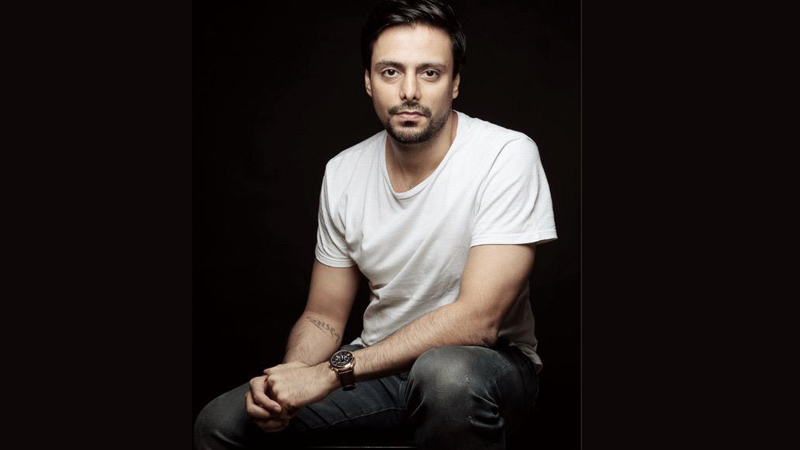
    For over a decade, Akash Sagar Chopra has played a pivotal role in the Indian Film and Broadcast Industry as an artist, filmmaker, showrunner, producer, and media executive. Delivering top-rated films and series, his transition into new-media programming utilizing media technologies focused on digital content production and distribution marked a significant change in Indian Media and Entertainment Landscape.

    Currently, he is leading an upcoming multimedia franchise. This franchise will feature films and series produced in collaboration with international visual effects and production partners, with a special focus on an adaptation of a popular Indian ‘Purana,’ created for IMAX 3D. As the current CEO and head of the Non-Fiction Wing of the Indian motion picture studio, media, and entertainment company Sagar Pictures Entertainment, his passion for documentary storytelling continues to drive the company’s vision for documentary originals and un-scripted content.

    Indian Television.com caught up with Chopra where he delved into the details of evolution of Sagar Pictures Entertainment, the storytelling landscape, regional cinema, literture, Ramayana and more…

    Edited excerpts

    On Sagar Pictures Entertainment adapting to the evolving landscape of the entertainment industry in India over the span of 70 years

    Sagar Pictures Entertainment is our new studio identity. The brand Sagar has seen quite a journey since the inception of the brand and banner back in 1954 by none other than my grandfather Ramanand Sagar, who wrote under the nom-de-plume ‘Sagar’. What many might not know is that this venture was officially born out of his love for storytelling after his stint at Gemini Studios. Fast forward to today, and I find myself at the helm of this legacy, alongside my father Moti Sagar, who established the brand ‘Sagar Pictures’ in 2008.

    Our journey has been nothing short of remarkable. From being primarily known for our cinematic endeavors, we’ve diversified into a dynamic media and entertainment company. Over the years, we have evolved, navigating the ever-changing landscape of the entertainment industry in India. We’ve now embraced new strategies, transitioning from traditional business-to-business models to a more direct-to-consumer approach, especially after the digital triumph of our National Award Winning feature film “1971”, helmed by Amrit Sagar.

    But amidst all the changes, one thing has remained constant: our commitment to storytelling. It’s in our DNA, rooted deeply in the literary heritage of Ramanand Sagar. We believe in the power of a good story, whether it’s told over three hours on the big screen or condensed into a 30-second reel on social media. It’s what connects us as humans.

    Good content in its root is evergreen, however, there is a generational switch in consumption and also its form. It’s inevitable and we are working towards creating content that is in pace with the shift. Even though the soul stays the same, the form has to be new, something we all resonate with. Our ambition is to take our texts and showcase them the same way we watched films from across the globe as we grew up, but without changing the soul. This material has to resonate in the heart.

    Hence, taking risks has always been part of our journey. My grandfather took a risk when he did the Ramayan on Doordarshan at the time. And with Sagar Pictures we’ve all pushed boundaries, producing over 25 TV shows in less than seven years, each one adding its own flavor to the rich tapestry of Indian entertainment while introducing so many trends in the motion picture sciences, being a first in the market. And while not every endeavor may have been a commercial success, we’ve never shied away from experimentation.

    At the heart of it all is the belief that good storytelling transcends time and technology. It’s a philosophy that has guided us through the years, even when the norms dictated otherwise. Take “1971”, for instance, a film that defied conventions with its lack of a heroine or item song. Today, it stands as a testament to our unwavering dedication to crafting narratives that resonate with audiences on a deeper level.

    So yes, our journey has been insightful, and it’s far from over. As we continue to navigate the ever-changing landscape of the entertainment industry, one thing remains clear: our passion for creating good cinematic experiences, and storytelling will always be at the forefront of everything we do.

    On the key factors that contributed to the immense popularity of Ramayana during the pandemic, particularly in comparison to other forms of entertainment

    I believe that the immense popularity of Ramayana during the pandemic can be attributed to its cinematic approach in presenting an epic body of literature. When the original series was made in 1987, television was a relatively new medium, and all the creators who worked on the series, including Ramanand Sagar, his sons, and series directors Moti Sagar and Anand Sagar, were all from the world of film and cinema.

    Their technique and ethics for creating something were cinematic in thought, and had equal amounts of passion, which resulted in the integrity and authenticity that it takes for any cinematic endeavour to be accomplished for a series like Ramayana. Ramanand Sagar, being an author and writer first, did not leave any stone unturned in his research and writing. He researched through five different versions of the text and showcased his prowess as a writer when he played with moral conflicts in his dialogues between conflicting characters. It was probably this cinematic charm in the ethos of the making of the series, which the entire cast and crew worked very hard to create, that made it so successful.

    Additionally, I believe that the series stayed true to the original material, which is often an area where many adaptations fail. When I saw the series again during the rerun of the pandemic, I realized that it was the right blend of writing, casting, direction, editing, music, and all departments that came together, working with each other in harmony on-screen. Also most importantly there was a genuine feeling of Bhakti for the subject amidst all the creators of the series. That resulted in the conviction. They weren’t trying to play to the gallery.

    The entire unit worked together for the love of the project and to create something with good creative intention, which is why the series is timeless. I think this is true not just for Ramayana, but also for any show that works perfectly together to tell a good story.

    On influence of regional cinema, literature, and culture shaping the storytelling approach of your company over the years

    I would use the term ‘Pan-Indian’ qualitative cinema, a good story told well, something that transcends the language barrier. Initially, when classics like Ramanand Sagar’s Ramayana or the Mahabharata were aired on Doordarshan, they were meticulously crafted by studios with a focus on authenticity rather than ratings. These texts require a certain understanding to be able to do justice to. However, with the advent of our series ‘Jai Shri Krishna’ on Colors TV post-2008, we observed many others following a trend of inclination towards a soap opera format, rather than retaining original philosophy of the texts.

    We try to highlight the importance of understanding the gravity of these texts and their impact on audiences. While television may have limitations due to the rat-race for ratings, contemporary mediums like movies and OTT platforms offer greater flexibility for authentic adaptations closest to the source material. We believe in studying these texts in the true academic spirit to grasp their philosophical depths and poetic essence.

    It’s crucial not to simplify our ancient texts as mere comic book fodder. Instead, they offer intense, spiritual narratives with unparalleled metaphors and poetic essence.

    Looking today at the power of regional cinema, it instills confidence in us, that truly the audiences want to watch good quality content. This is something we have strived for since 2007, with our feature ‘1971’. Today we see films like Kantara, Bhramayuagm, and Manjumal Boys. They exemplify the power of qualitative content, made with integrity and a true creative spirit, and their success is evident. This is what we also always strived for as creators.

    I would call it Pan-Indian Cinema. This concept of good content going across the language barrier plays a significant role in shaping our storytelling approach, reminding us to uphold the basic principles of script writing and feature film editing. These films, irrespective of their language, resonate across the nation due to their adherence to storytelling fundamentals. Thus, our company values the rich tapestry of pan-Indian cinema, literature, and culture, which infuses our narratives with depth and authenticity.

    On the success of Indian storytelling contributing to the rising global attention towards India’s entertainment industry

    The global acclaim for Indian storytelling, definitely has put India’s entertainment industry on the map. I’ve seen firsthand how our journey has evolved over the years. When we were premiering our documentary film in Milan and in The Hague (Netherlands), I held a workshop on the Indian M&E landscape and the first thing I said was that “we are now so much more than just a song and dance film format. Our country has truly produced greats. In the contemporaries, look at some of the films by Chaitanya Tamhankar and Amit Dutta. Such amazing work which has truly gone global.” everyone at the workshop were quite taken aback at the real reach of Indian story telling done well.

    If I take the Ramayan 1987 by Ramanand Sagar as a venture, then especially its 2020 broadcast surely caught the attention of Wall Street and others, which simply showed the reach of the next billion. The large and diverse and probably young 18-35 consumer who is now hungry for good quality Indian content. Again – honest content made with honesty and heart. This resonated in a billion hearts. This is what made it global.

    Our focus has always been on delivering stories that resonate deeply with audiences, stories that are authentic and meaningful. Whether it’s through timeless classics like “1971” or innovative new projects, we strive to uphold the values of integrity and creativity.

    As we navigate through the dynamic entertainment industry, I believe in staying true to our values while also embracing change. With each project, we aim to celebrate the rich diversity of our real Indian  ethos, through cinema and storytelling, promising a future filled with captivating content that speaks to audiences across the globe.

    On anticipating India’s storytelling industry

    Looking ahead, I foresee India’s storytelling industry continuing to play a pivotal role in shaping the global entertainment landscape. As someone deeply involved in this industry, I believe that our rich cultural heritage and diverse narratives will increasingly captivate audiences worldwide. With advancements in technology and changing audience preferences, I anticipate a blend of traditional storytelling techniques with modern innovations, creating a dynamic and immersive viewing experience.

    At Sagar Pictures Entertainment, we are committed to pushing boundaries and exploring new frontiers in storytelling. Whether it’s through groundbreaking films or engaging series, our aim is to showcase the depth and complexity of Indian narratives while resonating with audiences on a global scale. By staying true to our roots and embracing innovation, I believe that India’s storytelling industry will continue to evolve, leaving a lasting impact on the global entertainment landscape for years to come.

  • ‘The Amazing Spider-Man 2’ garners highest Hollywood BO opening of all time in India

    ‘The Amazing Spider-Man 2’ garners highest Hollywood BO opening of all time in India

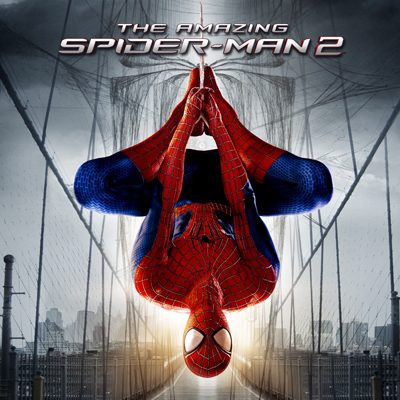
    NEW DELHI: Bypassing the record set by its predecessor, The Amazing Spider-Man 2 posted the highest opening in history for a Hollywood film in India.


    Sony Pictures India announced that the film grossed approximately Rs 41.7 crore ($ 6.92 million) in its four day opening weekend starting 1 May  with a final tally of 1523 screens – the widest release ever for a Hollywood film. 


    The film also registered the highest ever opening day gross for any Hollywood title when it opened on 1 May. It released in four languages – English, Hindi, Tamil and Telugu and in 3D, 2D, IMAX 3D and in Dolby Atmos where available. 


    Sony Pictures India MD Kercy Daruwala said, “The Amazing Spider-Man 2 once again consolidates Spider-Man’s position as a franchise that cannot be beaten. We are happy to say that the film garnered unprecedented buzz in the weeks before release. We have taken a mass marketing approach to this film with some unique and very local innovations, further amplified with the invaluable support of the entire Sony group. Thanks to these innovations, the film has the fourth highest opening amongst all films, including local titles, released in India this year.”


    “The film’s response has been excellent with many people calling it the best Spider-Man film ever and enjoying the spectacular 3D effects. We have some very good weeks ahead of us as we continue to reap the benefits of an open release period coupled with great word-of-mouth and repeat viewing,” he added.


    Sequels to The Amazing Spider-Man 2 have already been announced for release in 2016 and 2018.


    A report from Hong Kong said The Amazing Spider-Man 2 has set a new opening day record at the Hong Kong box office on the Labour Day holiday, making HK$9.56 million (US$1.23 million) from 720 screenings.


    According to figures from Hong Kong’s Motion Picture Industry Association (MPIA), the previous record holder was 2007’s Spiderman 3, which made HK$7.56 million (US$975,000) from 641 screenings on its opening day exactly seven years ago.


    It ends its theatrical run with HK$55 million (US$7.1 million).


    While Spiderman 3 was in 2-D, The Amazing Spider-man 2 has also released in 3-D and IMAX 3-D, formats that impose considerable ticket surcharges in Hong Kong.


    The record for the highest opening day gross for a local film still belongs to Stephen Chow’s Kung Fu Hustle (2004), which opened with HK$4.43 million (US$571,000) for a total gross of HK$61.3 million (US$7.9 million).


  • ‘Top Gun’ to be released in Imax 3D

    ‘Top Gun’ to be released in Imax 3D

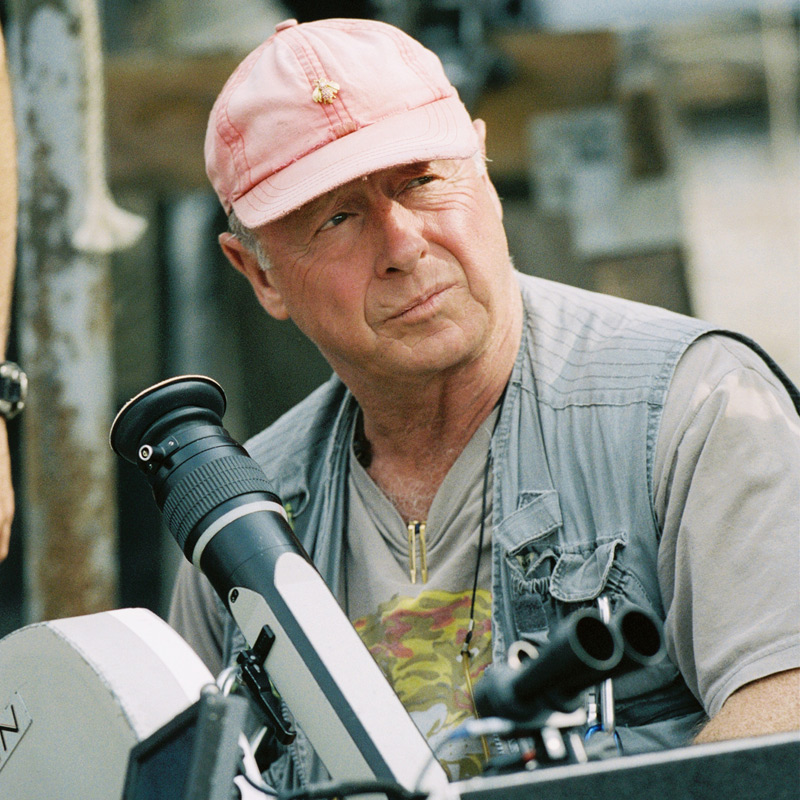
    MUMBAI: ‘Top Gun‘ Paramount Pictures‘ 1986 film from director Tony Scott, producers Don Simpson and Jerry Bruckheimer which launched Tom Cruise‘s career takes off on a new adventure with a six-day 3D engagement in select Imax theatres beginning 8 February, 2013. The film has been re-mastered for the Imax 3D release and subsequent debut on Blu-ray.
    ‘Top Gun‘ was re-mastered for the big screen from high-resolution original negative scans and painstakingly converted to 3D by Legend3D under the supervision of the film‘s director, Tony Scott. Rendered in 3D, the film‘s complex, long shots reveal depth and clarity, allowing viewers to explore every detail of the action. From the aerial dogfights to the close-ups in the cockpits, each frame enables the audience to feel a part of the story.
    The story of an elite group of pilots competing to be the best in their class and earn the title of ‘Top Gun‘ made over $350 million upon its release. The film stars Cruise as Maverick and Kelly McGillis as his civilian instructor. The film also stars Val Kilmer, Anthony Edwards and Meg Ryan.
    The Blu-ray 2D includes the re-mastered film in high definition, along with a six-part documentary on the making of the movie, a behind-the-scenes featurette, interviews with Cruise, commentary by producer Jerry Bruckheimer, director Tony Scott, co-screenwriter Jack Epps, Jr. and more. The two-disc set available for purchase also includes a digital copy of the film and will be enabled with UltraViolet technology.

  • Sonys animation film to be simultaneously released in Imax 3D

    Sonys animation film to be simultaneously released in Imax 3D

    MUMBAI: Imax Corporation and Sony Pictures Entertainment have announced that Sony Pictures Animation’s first computer generated project Open Season, will be released in Imax 3D simultaneously with the films premiere in conventional theatres on 29 September 2006.

    The film will be digitally converted into Imax 3D and re-mastered into the image and sound quality of the Imax experience through Imax digital re-mastering technology. Sony will be the exclusive distributor of the film to Imax theatres worldwide.

    Open Season stars the vocal talents of Martin Lawrence, Ashton Kutcher, Debra Messing and Gary Sinise. Imax’s 2006 film slate now includes six new digitally re-mastered
    Hollywood films scheduled to be released day-and-date to Imax theatres, and one original Imax 3D film, Deep Sea 3D, which opened last weekend. Open Season brings the total number of new Imax 3D releases for the year to four.

    The deal marks the second Imax release for Sony following Spider-Man 2: The Imax Experience a couple of years ago.

    In Open Season Boog voiced by Lawrence, a grizzly bear with no survival skills, has his perfect world in the tranquil town of Timberline turned upside-down when he meets Elliot voiced by Kutcher, a scrawny, fast-talking wild mule deer.