Tag: IIT

  • Glance  Digital  exec Manish Gupta joins L&T Finance as digital transformation czar

    Glance Digital exec Manish Gupta joins L&T Finance as digital transformation czar

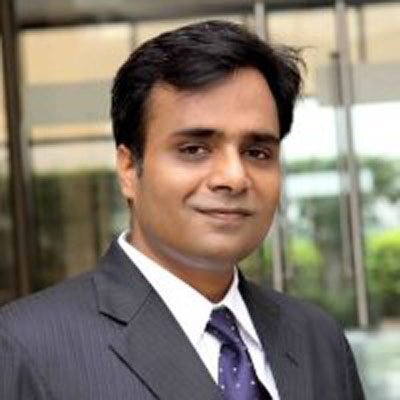
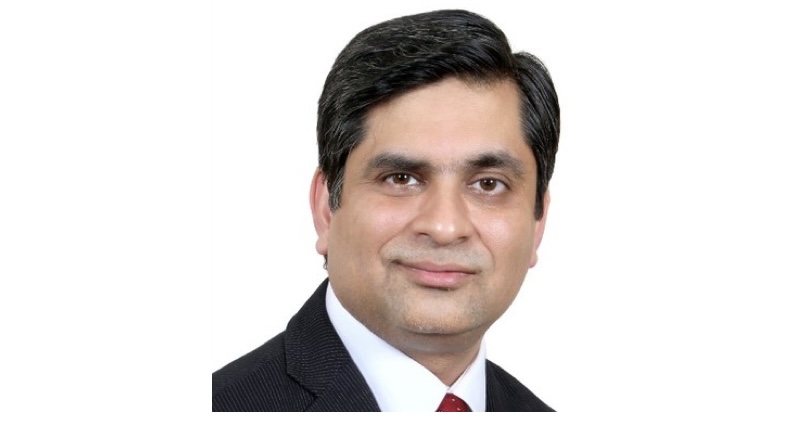
    MUMBAI: L&T Finance has roped in Manish Kumar Gupta as chief executive – urban unsecured assets, payments & digital partnerships as it gears up for a new phase of digital transformation. A fintech veteran, Manish has over 23 years of experience across top financial and technology giants.

    Manish’s impressive CV reads like a masterclass in leadership – from launching India’s first mobile-only digital bank, digibank by DBS, to driving innovation at TransUnion CIBIL as chief product officer, where he developed the latest CIBIL score. He has led digital and business transformations at heavyweight names including ICICI Bank, Deutsche Bank, HSBC, DBS Bank, and TransUnion CIBIL.

    His latest stint was at InMobi Group’s Glance Digital, where he served as senior vice president and general manager, scaling the business globally with AI-powered content and commerce solutions on smart devices.

    Said Manish on Linkedin:  “Last week I completed a wonderful and enriching chapter of my life with InMobi and Glance ! The emotions of leaving Glance were overwhelming! I will miss the culture, my team, my friends that have supported me for the last five plus  years! As I embark on a new journey, I will cherish every moment I spent at Glance!  Once an InMobian always an InMobian!

    With a robust track record in both traditional and digital-first financial ecosystems, Manish is known for turning ambitious ideas into business wins. A certified financial planner and CertICM holder, he is an alumnus of IIT Delhi and holds an MBA from ISB, Hyderabad.

    Having worked in India, Hong Kong, and Singapore, Manish’s global experience makes him a strategic addition to L&T Finance’s leadership team.

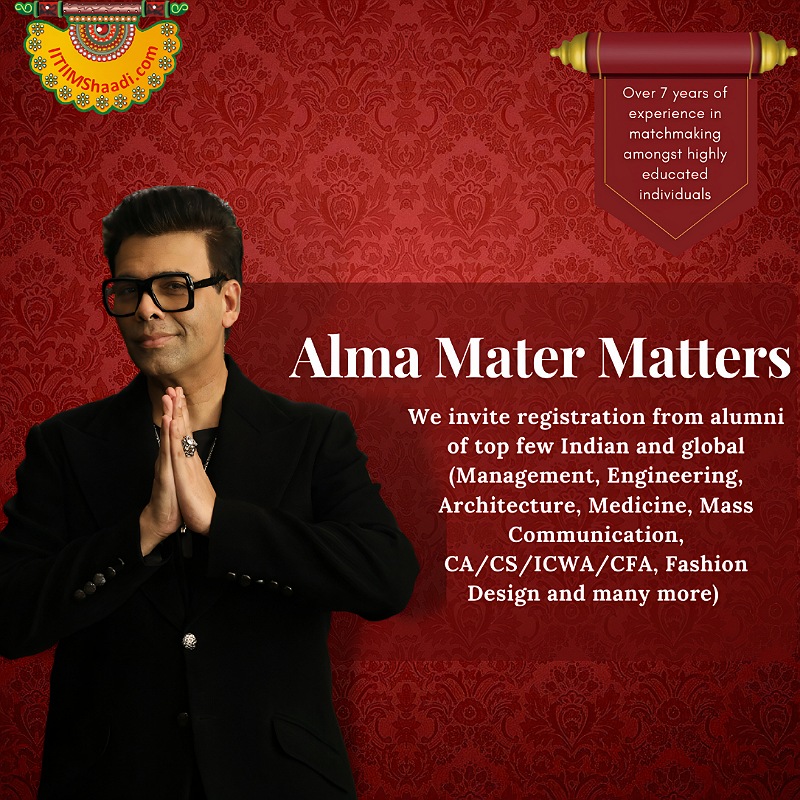
  • IITIIMShaadi.com onboards Karan Johar as brand ambassador

    IITIIMShaadi.com onboards Karan Johar as brand ambassador

    Mumbai: Matrimonial platform IITIIMShaadi.com has announced Indian filmmaker Karan Johar as its brand ambassador. As a part of the association, the portal will release a series of digital campaigns starring the filmmaker across the digital platforms in the coming months, fuelling its messaging around finding someone with the same mental wavelength.

    IITIIMShaadi.com founder and CEO Taksh Gupta said the platform caters to the highly educated community when it comes to finding matrimonial matches. “Understanding the niche that we are trying to serve, we see the filmmaker Karan Johar as the perfect face to promote the brand,” Gupta added.

    The portal has already registered over 1.5 lakh members since it launched in 2014, according to the statement. “The matrimonial platform aspires to cross a mark of 2.5 lakh members in the next two quarters following the new marketing initiatives,” it added.

    One the association, Karan Johar affirmed, “It is a matter of pleasure to be associating and promoting such a brand that has introduced a whole new concept in society. It is not just about finding potential life partners from any particular set of institutions, but about connecting with someone with whom you share a similar background and mental compatibility.”

  • Digital India: IITians to coach students via free DTH

    Digital India: IITians to coach students via free DTH

    MUMBAI: It is not just for entertainment. It’s for education too. Professors from the Indian Institute of Technology (IIT) will be giving coaching classes to engineering aspirants through four DTH channels from January 1, taking the concept of Digital India to another level and reducing the dependency on coaching institutes.

    These channels will be available free of cost through Doordarshan’s FreeDish DTH platform, and the aspirants will only have to secure a Set-Top Box to watch these channels, PTI has reported.

    IIT-PAL (Professor Assisted Learning) initiative will reduce dependence on coaching centres and also reach out to the students who are living in rural areas and cannot afford to pay the fee for expensive crash courses.

    IIT Delhi Director V Ramgopal Rao said that a team of 40 professors from various IITs had compiled 200-hour lectures for each subject covering the entire syllabus of Joint Entrance Examination (JEE). There were several coaching institutes claiming to be providing easy tricks to crack the exam and not every aspirant could afford to join them, he added.

    He added that the faculty members would be joined by teachers from various Kendriya Vidyalyas in imparting these lessons to the aspirants and the focus will be more on concepts.

  • Digital India: IITians to coach students via free DTH

    Digital India: IITians to coach students via free DTH

    MUMBAI: It is not just for entertainment. It’s for education too. Professors from the Indian Institute of Technology (IIT) will be giving coaching classes to engineering aspirants through four DTH channels from January 1, taking the concept of Digital India to another level and reducing the dependency on coaching institutes.

    These channels will be available free of cost through Doordarshan’s FreeDish DTH platform, and the aspirants will only have to secure a Set-Top Box to watch these channels, PTI has reported.

    IIT-PAL (Professor Assisted Learning) initiative will reduce dependence on coaching centres and also reach out to the students who are living in rural areas and cannot afford to pay the fee for expensive crash courses.

    IIT Delhi Director V Ramgopal Rao said that a team of 40 professors from various IITs had compiled 200-hour lectures for each subject covering the entire syllabus of Joint Entrance Examination (JEE). There were several coaching institutes claiming to be providing easy tricks to crack the exam and not every aspirant could afford to join them, he added.

    He added that the faculty members would be joined by teachers from various Kendriya Vidyalyas in imparting these lessons to the aspirants and the focus will be more on concepts.

  • ISRO to launch eight satellites using PSLV on 26 September

    ISRO to launch eight satellites using PSLV on 26 September

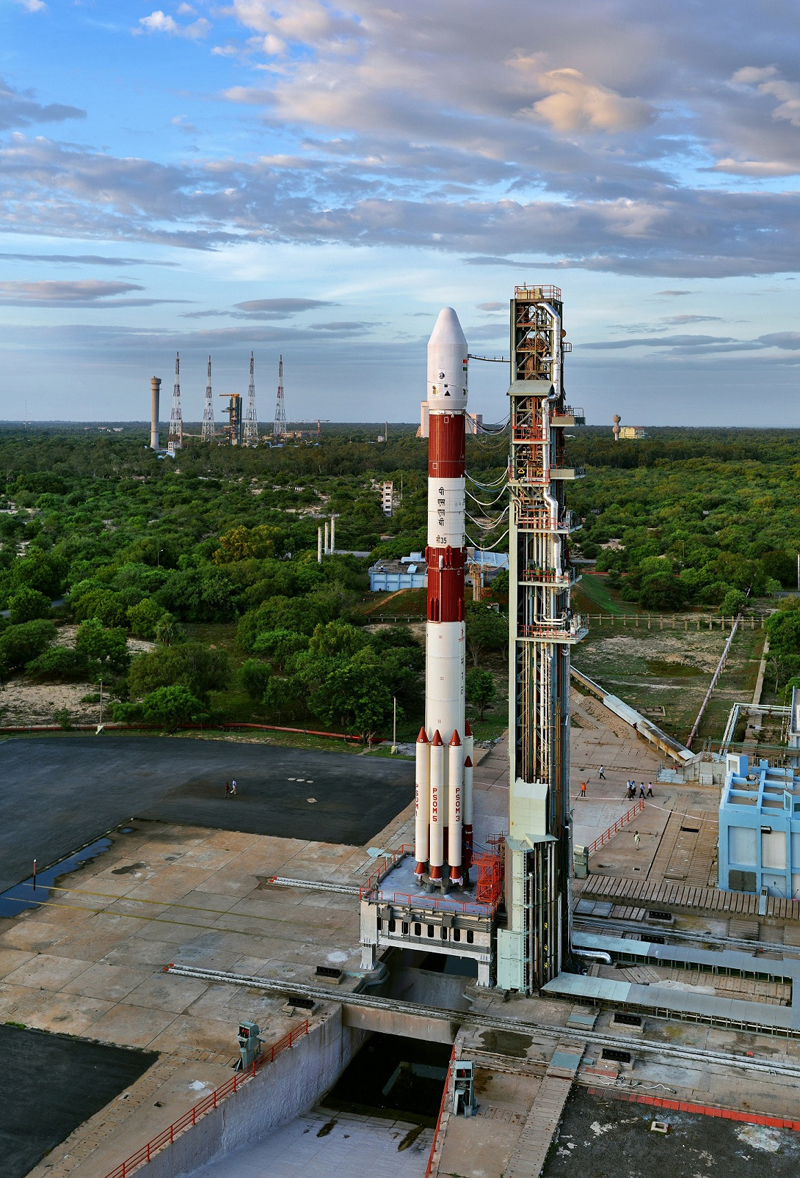
    MUMBAI: It will be the second satellite launch this month for the Indian Space Research Organisation (ISRO). On 26 September 2016 at exactly 9:12 am the PSLV C35 will blast off from the first launch pad of the Satish Dhawan Space Centre in Sriharikota, Andhra Pradesh. It will mark the 37th mission and 15 th flight of the PSLV in ‘XL’ configuration (with the use of solid strap-on motors) which will put eight satellites into orbit.

    ISRO will, with the PSLV C35, be undertaking its longest launch and probably most complicated mission ever attempted as it is using the same rocket to launch satellites into two different orbits. The Scatsat-1 satellite, weighing 371 kg for ocean and weather related studies, will be hurled into polar sun synchronous orbit at an altitude of 730 km 17 minutes after liftoff.

    Two Indian universities/ academic institute satellites (Pratham-10kg, IIT – Bombay and Pisat-5.25 kg, PES University, Bengaluru and its consortium) and five foreign satellites will be placed into a 670 km polar orbit. The five co-passenger satellites are from Algeria (three of them – Alsat-1B 103kg, Alsat-2B 117kg, Alsat-1N 7kg), Canada (NLS-19, 8kg) and the US (Pathfinder-44kg).

    What makes the mission complicated is that once Scatscat-1 is launched, the fourth stage engine of the PSLV-C35 will come to a halt. India’s space agency will then keep a tab on the engine health from the ground and will restart it after about 60 minutes for another 20 seconds which will give it the required thrust to take the rocket into the next orbit and release the payload of seven satellites. ISRO has planned to attempt ‘multiple burn technology’ as it is an effective method in cutting costs during satellite launches.

    Earlier this month on 8 September, IISRO had successfully launched its weather satellite INSAT-3DR, a two tonner, using the GSLV-F05, the tenth flight of India’s Geosynchronous Satellite Launch Vehicle (GSLV), The launch took place from the second launch pad at Satish Dhawan Space Centre. It was significant because it was the first operational flight of GSLV carrying Cryogenic Upper Stage (CUS). The indigenously developed CUS was carried on-board for the fourth time during a GSLV flight in the GSLV-F05 flight.

  • ISRO to launch eight satellites using PSLV on 26 September

    ISRO to launch eight satellites using PSLV on 26 September

    MUMBAI: It will be the second satellite launch this month for the Indian Space Research Organisation (ISRO). On 26 September 2016 at exactly 9:12 am the PSLV C35 will blast off from the first launch pad of the Satish Dhawan Space Centre in Sriharikota, Andhra Pradesh. It will mark the 37th mission and 15 th flight of the PSLV in ‘XL’ configuration (with the use of solid strap-on motors) which will put eight satellites into orbit.

    ISRO will, with the PSLV C35, be undertaking its longest launch and probably most complicated mission ever attempted as it is using the same rocket to launch satellites into two different orbits. The Scatsat-1 satellite, weighing 371 kg for ocean and weather related studies, will be hurled into polar sun synchronous orbit at an altitude of 730 km 17 minutes after liftoff.

    Two Indian universities/ academic institute satellites (Pratham-10kg, IIT – Bombay and Pisat-5.25 kg, PES University, Bengaluru and its consortium) and five foreign satellites will be placed into a 670 km polar orbit. The five co-passenger satellites are from Algeria (three of them – Alsat-1B 103kg, Alsat-2B 117kg, Alsat-1N 7kg), Canada (NLS-19, 8kg) and the US (Pathfinder-44kg).

    What makes the mission complicated is that once Scatscat-1 is launched, the fourth stage engine of the PSLV-C35 will come to a halt. India’s space agency will then keep a tab on the engine health from the ground and will restart it after about 60 minutes for another 20 seconds which will give it the required thrust to take the rocket into the next orbit and release the payload of seven satellites. ISRO has planned to attempt ‘multiple burn technology’ as it is an effective method in cutting costs during satellite launches.

    Earlier this month on 8 September, IISRO had successfully launched its weather satellite INSAT-3DR, a two tonner, using the GSLV-F05, the tenth flight of India’s Geosynchronous Satellite Launch Vehicle (GSLV), The launch took place from the second launch pad at Satish Dhawan Space Centre. It was significant because it was the first operational flight of GSLV carrying Cryogenic Upper Stage (CUS). The indigenously developed CUS was carried on-board for the fourth time during a GSLV flight in the GSLV-F05 flight.

  • Panel of experts checks possibility of STB inter-operability: TRAI

    Panel of experts checks possibility of STB inter-operability: TRAI

    NEW DELHI: A panel of 12 experts from institutions like the Indian Institute of Technology Mumbai and the Indian Institute of Science (IISc) Bangalore is working on the challenge of overcoming the problem relating to inter-operability of set top boxes (STB). Even though it has already issued a consultation paper on the subject, broadcast regulator Telecom Reguatory Authority of India has still to find solutions for inter-operability of STBs.

    TRAI chairman R S Sharma said inter-operability of STBs was a major programme in the interest of the consumers as this would help consumers get better service from their service providers who would be aware that one can switch to another operator if not satisfied with a service.

    He said he was aware that many felt that it is not possible to have a common STB because of security reasons and the need of broadcasters to keep their content encrypted and safe from piracy.

    “Because it is essentially a technology issue, we have brought on board professors from IITs and other institutions to look at it from a technology perspective,” Sharma said adding that C-DoT is the technology partner in this venture.

    TRAI is attempting to find a solution to this problem as soon as possible, Sharma told a press meet.

    The press meet was held to apprise the media about the spate of consultation papers and other decisions taken by TRAI in recent weeks.  (Earlier, it is learnt by Indiantelevision.com that some broadcasters also called on Sharma to discuss various issues.)

    TRAI officials said while a common STB for cable services may be a bit easier as shown by lab tests, another challenge is bringing STBs which are inter-operable between cable as well DTH operators.

    Another major initiative, for which TRAI has initiated a consultation process in the broadcasting sector is ensuring that the broadcasters share infrastructure. Sharma, said that “learning from the Telecom sector” where competitors also share towers, it is being examined if such a practice can be instilled in the broadcasting sector.

    Referring to sharing of infrastructure by broadcasters as suggested by the regulator in its latest paper, TRAI officials said different broadcasters are using different satellite system to carry the same channels.

    “The idea is whether there is a need to have a different head-end, or different optical fibre network or different satellite system and if we can combine, are we not able to reduce the cost of operations,” a TRAI official said.

    The official said that while broadcasters have been initially “closed” to this idea, they were positive that the idea may yield results as seen from the example in the telecom sector.

    The TRAI official said that are some licensing conditions which do not allow sharing of infrastructure. After consultations, the regulator would work to see that a proper framework can be provided which allows sharing of infrastructure by broadcasters.

    TRAI is also pushing for provision of broadband services through the cable sector, officials added. The regulator is also working to create guidelines for audience measurement for radio and guidelines, officials said.


  • Panel of experts checks possibility of STB inter-operability: TRAI

    Panel of experts checks possibility of STB inter-operability: TRAI

    NEW DELHI: A panel of 12 experts from institutions like the Indian Institute of Technology Mumbai and the Indian Institute of Science (IISc) Bangalore is working on the challenge of overcoming the problem relating to inter-operability of set top boxes (STB). Even though it has already issued a consultation paper on the subject, broadcast regulator Telecom Reguatory Authority of India has still to find solutions for inter-operability of STBs.

    TRAI chairman R S Sharma said inter-operability of STBs was a major programme in the interest of the consumers as this would help consumers get better service from their service providers who would be aware that one can switch to another operator if not satisfied with a service.

    He said he was aware that many felt that it is not possible to have a common STB because of security reasons and the need of broadcasters to keep their content encrypted and safe from piracy.

    “Because it is essentially a technology issue, we have brought on board professors from IITs and other institutions to look at it from a technology perspective,” Sharma said adding that C-DoT is the technology partner in this venture.

    TRAI is attempting to find a solution to this problem as soon as possible, Sharma told a press meet.

    The press meet was held to apprise the media about the spate of consultation papers and other decisions taken by TRAI in recent weeks.  (Earlier, it is learnt by Indiantelevision.com that some broadcasters also called on Sharma to discuss various issues.)

    TRAI officials said while a common STB for cable services may be a bit easier as shown by lab tests, another challenge is bringing STBs which are inter-operable between cable as well DTH operators.

    Another major initiative, for which TRAI has initiated a consultation process in the broadcasting sector is ensuring that the broadcasters share infrastructure. Sharma, said that “learning from the Telecom sector” where competitors also share towers, it is being examined if such a practice can be instilled in the broadcasting sector.

    Referring to sharing of infrastructure by broadcasters as suggested by the regulator in its latest paper, TRAI officials said different broadcasters are using different satellite system to carry the same channels.

    “The idea is whether there is a need to have a different head-end, or different optical fibre network or different satellite system and if we can combine, are we not able to reduce the cost of operations,” a TRAI official said.

    The official said that while broadcasters have been initially “closed” to this idea, they were positive that the idea may yield results as seen from the example in the telecom sector.

    The TRAI official said that are some licensing conditions which do not allow sharing of infrastructure. After consultations, the regulator would work to see that a proper framework can be provided which allows sharing of infrastructure by broadcasters.

    TRAI is also pushing for provision of broadband services through the cable sector, officials added. The regulator is also working to create guidelines for audience measurement for radio and guidelines, officials said.


  • Pawan Agarwal joins YouTube as head of music partnerships – India & S. Asia

    Pawan Agarwal joins YouTube as head of music partnerships – India & S. Asia

    MUMBAI: Gaana.com vice president and business head Pawan Agarwal has stepped down from his post at the Times Internet owned company to join YouTube as head of music partnership for India and South Asia region.


    He joined YouTube earlier this month and will be based in Gurgaon.


    Agarwal was with Gaana.com for a period of three years from June 2013 to December 2015 and was responsible for the company’s business growth and profit and loss management.


    An IIT, Kanpur alumni, Agarwal was co-founder & COO at Sunstone Business School before joining Gaana.com. He also had a stint with Lime Labs as head of India operations from 2006 – 2011.

  • Pawan Agarwal joins YouTube as head of music partnerships – India & S. Asia

    Pawan Agarwal joins YouTube as head of music partnerships – India & S. Asia

    MUMBAI: Gaana.com vice president and business head Pawan Agarwal has stepped down from his post at the Times Internet owned company to join YouTube as head of music partnership for India and South Asia region.


    He joined YouTube earlier this month and will be based in Gurgaon.


    Agarwal was with Gaana.com for a period of three years from June 2013 to December 2015 and was responsible for the company’s business growth and profit and loss management.


    An IIT, Kanpur alumni, Agarwal was co-founder & COO at Sunstone Business School before joining Gaana.com. He also had a stint with Lime Labs as head of India operations from 2006 – 2011.