Tag: IFFI 2016

  • IFFI 2016: Abhay Deol acquires three films;explores digital release

    IFFI 2016: Abhay Deol acquires three films;explores digital release

    NEW DELHI: Actor producer Abhay Deol has acquired critically acclaimed festival favourite independent films to explore their release on digital platforms at the ongoing Film Bazaar at the International Film Festival of India in Goa.

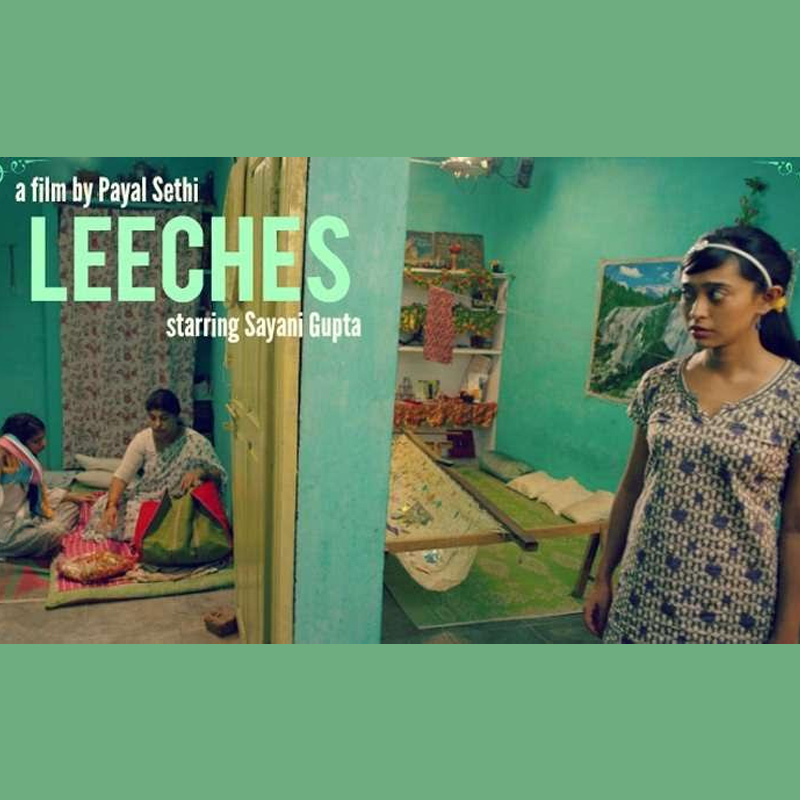
    The films are Aditya Vikram Sengupta’s Venice Film Festival and National Award Winner – “Labor Of Love”; Payal Sethi’s critically acclaimed multi-award winning ‘UN Women’ Selection – “Leeches”; and Brahmanand’s heartbreaking documentary on Ghazal Maestro Jagjit Singh “Kaagaz Ki Kashti”, among others.

    Deol said: “I saw “Labour of Love” at Indian Film Festival of Los Angeles and was blown away with Aditya’s aesthetic sensibilities, and his ability to spin a story without any spoken dialogues! Payal’s Leeches is an important film that people need to watch. She has beautifully woven a compelling story around an issue that is anathema to our social fibre and well-being. My most recent select is “Kaagaz Ki Kashti”, which pays homage to Ghazal maestro Jagjit Singh and premiered at MAMI this year. Brahmanand is a savant behind the lens and succeeds in powerfully bringing the legend back to life. I strongly believe in these films and want to ensure that audiences across the world watch them.”

    On being asked about the strategy of exploring the release the films on digital platforms, Deol said, “The way we consume content has changed. While it is no secret that we have a limited number of screens in India, the economics to engage in a theatrical release don’t make sense for Independent films. Minimum P&A budgets required to secure a decent release add unhealthy weight on a small film. What we need now is to adopt alternate avenues of distribution that are widely available thanks to platforms like iTunes, Netflix and Amazon Prime, all of which are effectively reaching global audiences. I’ve been in touch with some filmmakers who increasingly understand this changing environment. Pulkit’s recent directorial debut “Maroon,” is a fine example of an indie release done right. Vivek Kajaria and his team strategically released the film day and date on iTunes Worldwide, straight from MAMI. The potential reach that a film can achieve adopting this route is significant and can no longer be ignored.”

    Sengupta said, “We’re very excited about this opportunity to collaborate with Abhay Deol and take the next step in this incredible journey of Labour Of Love. Abhay has been a champion for the film right from the beginning and will help in introducing the film to an even wider audience. I’m also happy about the fact that he is taking the initiative to further the movement of Indian independent cinema.”

    Payal added, “This is the start of a new movement for Indian indies, which need to look towards innovation, not just in filmmaking, but distribution as well. I applaud Abhay’s trail-blazing stance, which is a huge boost for films such as mine that have proven capable of winning accolades on the world-stage. This initiative gives our films a digital lease on life and empowers us to build audiences beyond a successful festival run.”

    Brahma whose documentary has been the talk of the town said, “I feel initiatives and eyes for films like these by ambassadors like Abhay is needed for the film to reach its rightful audience in the longer run …A film is a film and the key is to keep you hooked to the narrative and legends like these needs to be remembered and perpetuated for posterity.

    Everyone from the maker to champions of them like Abhay as well as distributors and platforms like Netflix, iTunes, Amazon Prime etc need to come together to drive these initiatives to its rightful viewers.”

    On the topic of monetization via release on digital platforms and online distribution masquerading as piracy, Deol says. “Piracy is not a matter of choice, but stems primarily due to the unavailability of content on legitimate digital platforms. If your film is made available in a timely manner, then I truly believe that audiences would prefer to pay and watch it on a platform legally. Moreover, monetization through digital distribution is increasingly resulting in a positive return on investment (ROI). Licensing platforms are offering fair payouts, potentially paving a way for audiences around the world to watch and appreciate South Asian Content.”

    Abhay Deol will continue to curate films he loves and present them to audiences the world over by collaborating with Digital Platforms.
  • IFFI 2016: Abhay Deol acquires three films;explores digital release

    IFFI 2016: Abhay Deol acquires three films;explores digital release

    NEW DELHI: Actor producer Abhay Deol has acquired critically acclaimed festival favourite independent films to explore their release on digital platforms at the ongoing Film Bazaar at the International Film Festival of India in Goa.

    The films are Aditya Vikram Sengupta’s Venice Film Festival and National Award Winner – “Labor Of Love”; Payal Sethi’s critically acclaimed multi-award winning ‘UN Women’ Selection – “Leeches”; and Brahmanand’s heartbreaking documentary on Ghazal Maestro Jagjit Singh “Kaagaz Ki Kashti”, among others.

    Deol said: “I saw “Labour of Love” at Indian Film Festival of Los Angeles and was blown away with Aditya’s aesthetic sensibilities, and his ability to spin a story without any spoken dialogues! Payal’s Leeches is an important film that people need to watch. She has beautifully woven a compelling story around an issue that is anathema to our social fibre and well-being. My most recent select is “Kaagaz Ki Kashti”, which pays homage to Ghazal maestro Jagjit Singh and premiered at MAMI this year. Brahmanand is a savant behind the lens and succeeds in powerfully bringing the legend back to life. I strongly believe in these films and want to ensure that audiences across the world watch them.”

    On being asked about the strategy of exploring the release the films on digital platforms, Deol said, “The way we consume content has changed. While it is no secret that we have a limited number of screens in India, the economics to engage in a theatrical release don’t make sense for Independent films. Minimum P&A budgets required to secure a decent release add unhealthy weight on a small film. What we need now is to adopt alternate avenues of distribution that are widely available thanks to platforms like iTunes, Netflix and Amazon Prime, all of which are effectively reaching global audiences. I’ve been in touch with some filmmakers who increasingly understand this changing environment. Pulkit’s recent directorial debut “Maroon,” is a fine example of an indie release done right. Vivek Kajaria and his team strategically released the film day and date on iTunes Worldwide, straight from MAMI. The potential reach that a film can achieve adopting this route is significant and can no longer be ignored.”

    Sengupta said, “We’re very excited about this opportunity to collaborate with Abhay Deol and take the next step in this incredible journey of Labour Of Love. Abhay has been a champion for the film right from the beginning and will help in introducing the film to an even wider audience. I’m also happy about the fact that he is taking the initiative to further the movement of Indian independent cinema.”

    Payal added, “This is the start of a new movement for Indian indies, which need to look towards innovation, not just in filmmaking, but distribution as well. I applaud Abhay’s trail-blazing stance, which is a huge boost for films such as mine that have proven capable of winning accolades on the world-stage. This initiative gives our films a digital lease on life and empowers us to build audiences beyond a successful festival run.”

    Brahma whose documentary has been the talk of the town said, “I feel initiatives and eyes for films like these by ambassadors like Abhay is needed for the film to reach its rightful audience in the longer run …A film is a film and the key is to keep you hooked to the narrative and legends like these needs to be remembered and perpetuated for posterity.

    Everyone from the maker to champions of them like Abhay as well as distributors and platforms like Netflix, iTunes, Amazon Prime etc need to come together to drive these initiatives to its rightful viewers.”

    On the topic of monetization via release on digital platforms and online distribution masquerading as piracy, Deol says. “Piracy is not a matter of choice, but stems primarily due to the unavailability of content on legitimate digital platforms. If your film is made available in a timely manner, then I truly believe that audiences would prefer to pay and watch it on a platform legally. Moreover, monetization through digital distribution is increasingly resulting in a positive return on investment (ROI). Licensing platforms are offering fair payouts, potentially paving a way for audiences around the world to watch and appreciate South Asian Content.”

    Abhay Deol will continue to curate films he loves and present them to audiences the world over by collaborating with Digital Platforms.
  • IFFI 2016: ‘Ode to Woman’ – central theme of inaugural ceremony

    IFFI 2016: ‘Ode to Woman’ – central theme of inaugural ceremony

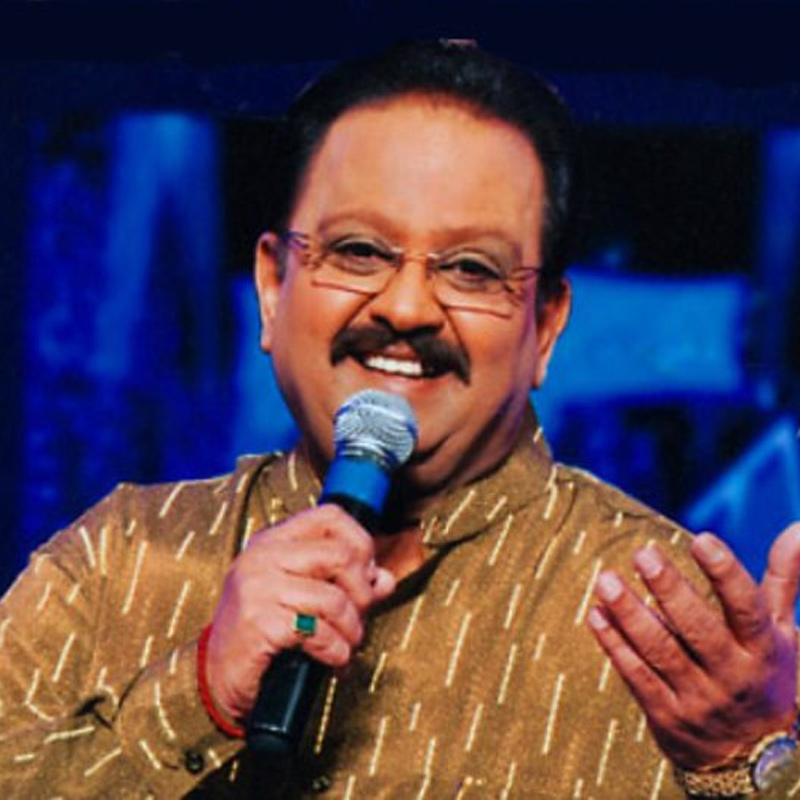
    NEW DELHI: Renowned filmmaker, composer and singer S P Balasubrahmanyam received the Centenary award at the inauguration of the International Film Festival of India at Panaji in Goa yesterday evening.

    Bakasubrahmanyam holds the record in the Guinness Book for singing and recording more than 40,000 songs and has won the National Award six times. He was honoured with the Padma Shri (2001) and Padma Bhushan (2011).

    In his acceptance speech after getting the award from Goa governor Mridula Sinha, Goa chief minister Lakshmikant Parsekar and information and broadcasting minister M Venkaiah Naidu, he said he owed the award to his mother and to thousands of soldiers protecting the Indian borders.

    Meanwhile, the inauguration the 47th IFFI at the newly built Shyama Prasad Mukherjee stadium was a glitzy affair with a lengthy dance presentation alternated with audio-visuals as a tribute to the Indian woman. The hour-long presentation was choreographed by Ganesh Acharya.

    Others present included defence minister Manohar Parrikar and AYUSH minister Shripad Naik, apart from I and B Secretary Ajay Mittal, Goa chief secretary R K Shrivastava, festival director C Senthil Rajan and Entertainment Society of Goa CEO Ameya Abhyankar.

    Balasubrahmanyam was presented the award for his remarkable, extraordinary and exceptional journey in Indian cinema as a singer, actor and producer.

    The ‘Ode to a Woman’ had dance sequences featured the evolutionary journey of contribution of woman to Indian cinema as a dreamer, radical, leader, creator, fighter, challenger and game changer. Supported by projections of the life and cinema of the period on the background and numbers on stage performances presented a seamless beautiful act recreating the nostalgic memories of woman traversing changing decades.

    Other celebrities attending the opening include members of the International Jury (Ivan Passer, Larry Smith, Lordan Zafranovic, Nagesh Kukunoor and Leila Kilani) and Indian Panorama jury, Nana Patekar, Mukesh Khanna, Mrinal Kulkarni, Divya Dutta, Sudheer Mishra, Nagesh Kukunoor, Prosenjit Chatterjee and Goutam Ghose.

    IFFI 2016 will have 194 films from 88 countries with focus on Korea. It would also organize a special tribute section in the memory of Polish filmmaker Andrzej Wajda and Iranian filmmaker Abbas Kiarostami, both of whom passed away this year.

    The 47th edition of IFFI would screen three films for specially-abled children with special audio described technology under the Accessible India Campaign/ Sugamaya Bharat Abhiyan. This screening would take place in collaboration with UNESCO and Saksham.

    Inspired by the Government’s Clean India Drive, IFFI 2016 will showcase a special package of 20 award winning short films based on the Swachh Bharat theme.

    The 47th edition of the festival besides showcasing films from across the globe would also bring interactive sessions, workshops and informative classes from global masters of the art in Direction, Documentary film making, Editing, Art Direction, Cinematography, VFX & Animation and Action Direction.

    Meanwhile, Naidu opened the Indian Panorama featuring 26 feature and 21 non-feature films which had a Sanskrit film – ‘Ishti’ by G Prabha – as the inaugural for the second year in a row.

    Naidu said: “We are here today to celebrate the boundless power of the creative medium of cinema”. He further said that Indian Panorama presented a platform for young, aspiring and independent film makers from India to showcase their craft to an audience from across the world. Naidu said the Panorama had extended entries to uncensored video films as well with an aim to encourage the participation of latest films from across the country.

    The jury of Feature Films, headed by well-known Director and Producer Rajendra Singh Babu, has selected 26 films out of 230 eligible entries. In the Non-Feature films jury chaired by well-known documentary filmmaker Shri Arvind Sinha has picked 21 films out of 199 eligible entries.

    Manipuri film ‘Ima Sabitri’ directed by Bobo Khuraijam was the opening non-feature film of Indian Panorama 2016.

  • IFFI 2016: ‘Ode to Woman’ – central theme of inaugural ceremony

    IFFI 2016: ‘Ode to Woman’ – central theme of inaugural ceremony

    NEW DELHI: Renowned filmmaker, composer and singer S P Balasubrahmanyam received the Centenary award at the inauguration of the International Film Festival of India at Panaji in Goa yesterday evening.

    Bakasubrahmanyam holds the record in the Guinness Book for singing and recording more than 40,000 songs and has won the National Award six times. He was honoured with the Padma Shri (2001) and Padma Bhushan (2011).

    In his acceptance speech after getting the award from Goa governor Mridula Sinha, Goa chief minister Lakshmikant Parsekar and information and broadcasting minister M Venkaiah Naidu, he said he owed the award to his mother and to thousands of soldiers protecting the Indian borders.

    Meanwhile, the inauguration the 47th IFFI at the newly built Shyama Prasad Mukherjee stadium was a glitzy affair with a lengthy dance presentation alternated with audio-visuals as a tribute to the Indian woman. The hour-long presentation was choreographed by Ganesh Acharya.

    Others present included defence minister Manohar Parrikar and AYUSH minister Shripad Naik, apart from I and B Secretary Ajay Mittal, Goa chief secretary R K Shrivastava, festival director C Senthil Rajan and Entertainment Society of Goa CEO Ameya Abhyankar.

    Balasubrahmanyam was presented the award for his remarkable, extraordinary and exceptional journey in Indian cinema as a singer, actor and producer.

    The ‘Ode to a Woman’ had dance sequences featured the evolutionary journey of contribution of woman to Indian cinema as a dreamer, radical, leader, creator, fighter, challenger and game changer. Supported by projections of the life and cinema of the period on the background and numbers on stage performances presented a seamless beautiful act recreating the nostalgic memories of woman traversing changing decades.

    Other celebrities attending the opening include members of the International Jury (Ivan Passer, Larry Smith, Lordan Zafranovic, Nagesh Kukunoor and Leila Kilani) and Indian Panorama jury, Nana Patekar, Mukesh Khanna, Mrinal Kulkarni, Divya Dutta, Sudheer Mishra, Nagesh Kukunoor, Prosenjit Chatterjee and Goutam Ghose.

    IFFI 2016 will have 194 films from 88 countries with focus on Korea. It would also organize a special tribute section in the memory of Polish filmmaker Andrzej Wajda and Iranian filmmaker Abbas Kiarostami, both of whom passed away this year.

    The 47th edition of IFFI would screen three films for specially-abled children with special audio described technology under the Accessible India Campaign/ Sugamaya Bharat Abhiyan. This screening would take place in collaboration with UNESCO and Saksham.

    Inspired by the Government’s Clean India Drive, IFFI 2016 will showcase a special package of 20 award winning short films based on the Swachh Bharat theme.

    The 47th edition of the festival besides showcasing films from across the globe would also bring interactive sessions, workshops and informative classes from global masters of the art in Direction, Documentary film making, Editing, Art Direction, Cinematography, VFX & Animation and Action Direction.

    Meanwhile, Naidu opened the Indian Panorama featuring 26 feature and 21 non-feature films which had a Sanskrit film – ‘Ishti’ by G Prabha – as the inaugural for the second year in a row.

    Naidu said: “We are here today to celebrate the boundless power of the creative medium of cinema”. He further said that Indian Panorama presented a platform for young, aspiring and independent film makers from India to showcase their craft to an audience from across the world. Naidu said the Panorama had extended entries to uncensored video films as well with an aim to encourage the participation of latest films from across the country.

    The jury of Feature Films, headed by well-known Director and Producer Rajendra Singh Babu, has selected 26 films out of 230 eligible entries. In the Non-Feature films jury chaired by well-known documentary filmmaker Shri Arvind Sinha has picked 21 films out of 199 eligible entries.

    Manipuri film ‘Ima Sabitri’ directed by Bobo Khuraijam was the opening non-feature film of Indian Panorama 2016.

  • IFFI 2016: Korean director Im-kwon Taek receives Lifetime Achievement Award

    IFFI 2016: Korean director Im-kwon Taek receives Lifetime Achievement Award

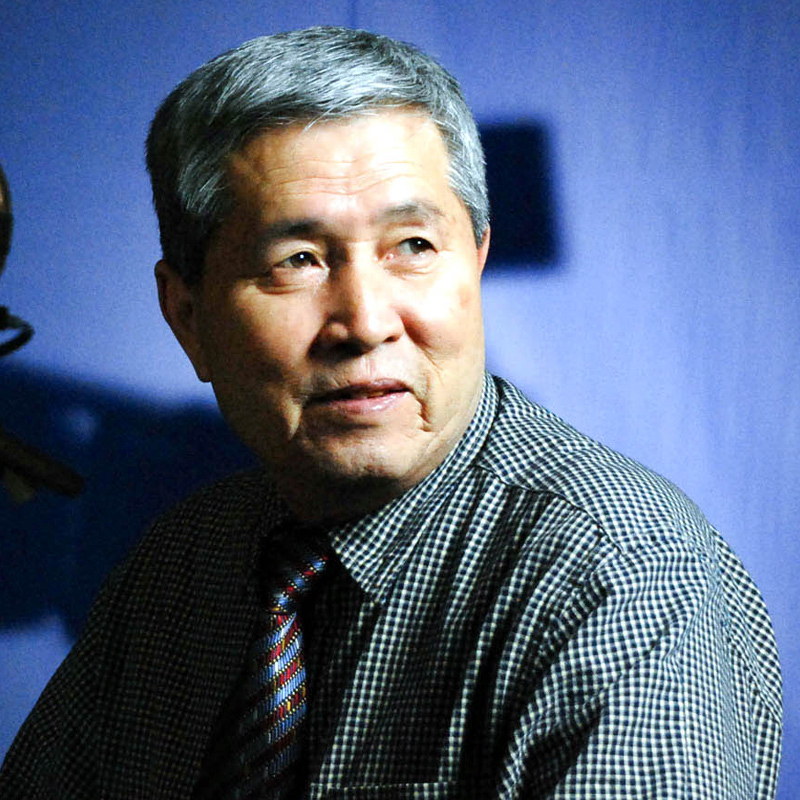
    NEW DELHI: Internationally acclaimed Korean film director and writer Im Kwon Taek was conferred the prestigious ‘Lifetime Achievement Award’ award at the inauguration of the International Film Festival of India at Panaji in Goa yesterday evening.

    Regarded as the father of Korean cinema for his long and prolific career and his work on Korean themes and subjects, Im Kwon Taek has been honoured with several national and international awards.

    In a brief acceptance speech after receiving the award from the Goa governor Mridula Sinha and information and broadcasting minister M Venkaiah Naidu, Taek said he made some immature films at the start of his career. Now in his eighties, Taek who has made over 100 films said that he had felt embarrassed at the time, and then decided to make films based on Korea and its ancient culture.

    Earlier, at a press meet, he said he personally felt that he had not created a masterpiece yet and this award is a message to make better films in the future.

    His career spans more than five decades and he has made more than 100 films. In 2010, he directed his 101th feature, ‘Hanji’ and his 102th feature, ‘Revivre’ in 2014, which was presented in non-competition section of Venice Film Festival. He received the Lifetime Achievement Award at Asian Film Awards in 2015.

    Talking about the Indian cinema, Im Kwon Taek said that he is fond of the work of Shah Rukh Khan and liked 3 Idiots and Slumdog Millionaire. To a question on influence of India on Korean films, he said that he too has made a film on Buddha and reincarnation. It would be a great opportunity to co-produce films with India, he added.

    The director said he visited India 20 years ago to attend a festival in Thiruvananthapuram (Trivandrum). At that time, he felt like returning home due to cultural difference, but once back home he missed the distinct culture of India.

    Born in 1934 in Jangseong, Jeollanamdo, Im Kwon Taek made about 50 films within a decade, when he studied a variety of film genres including melodrama, musical, action cinema, thriller and comedy from Hollywood and Hong Kong cinema. He was recognized as the leading director of Korean cinema in 1980s.

    In 2000, he directed Chunhyang, the first Korean film in the competition of Cannes Film Festival and Chihwaseon (2002) that won the Best Director Award in Cannes.

  • IFFI 2016: Korean director Im-kwon Taek receives Lifetime Achievement Award

    IFFI 2016: Korean director Im-kwon Taek receives Lifetime Achievement Award

    NEW DELHI: Internationally acclaimed Korean film director and writer Im Kwon Taek was conferred the prestigious ‘Lifetime Achievement Award’ award at the inauguration of the International Film Festival of India at Panaji in Goa yesterday evening.

    Regarded as the father of Korean cinema for his long and prolific career and his work on Korean themes and subjects, Im Kwon Taek has been honoured with several national and international awards.

    In a brief acceptance speech after receiving the award from the Goa governor Mridula Sinha and information and broadcasting minister M Venkaiah Naidu, Taek said he made some immature films at the start of his career. Now in his eighties, Taek who has made over 100 films said that he had felt embarrassed at the time, and then decided to make films based on Korea and its ancient culture.

    Earlier, at a press meet, he said he personally felt that he had not created a masterpiece yet and this award is a message to make better films in the future.

    His career spans more than five decades and he has made more than 100 films. In 2010, he directed his 101th feature, ‘Hanji’ and his 102th feature, ‘Revivre’ in 2014, which was presented in non-competition section of Venice Film Festival. He received the Lifetime Achievement Award at Asian Film Awards in 2015.

    Talking about the Indian cinema, Im Kwon Taek said that he is fond of the work of Shah Rukh Khan and liked 3 Idiots and Slumdog Millionaire. To a question on influence of India on Korean films, he said that he too has made a film on Buddha and reincarnation. It would be a great opportunity to co-produce films with India, he added.

    The director said he visited India 20 years ago to attend a festival in Thiruvananthapuram (Trivandrum). At that time, he felt like returning home due to cultural difference, but once back home he missed the distinct culture of India.

    Born in 1934 in Jangseong, Jeollanamdo, Im Kwon Taek made about 50 films within a decade, when he studied a variety of film genres including melodrama, musical, action cinema, thriller and comedy from Hollywood and Hong Kong cinema. He was recognized as the leading director of Korean cinema in 1980s.

    In 2000, he directed Chunhyang, the first Korean film in the competition of Cannes Film Festival and Chihwaseon (2002) that won the Best Director Award in Cannes.

  • IFFI 2016: India to encourage film co-production with other countries

    IFFI 2016: India to encourage film co-production with other countries

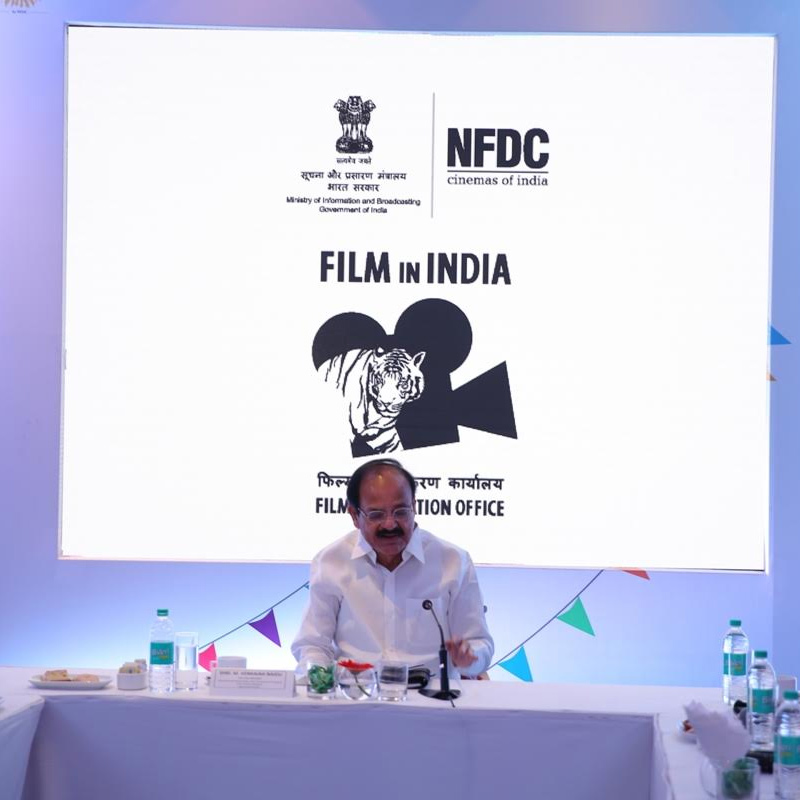
    NEW DELHI: The Government will encourage film co-production agreements with other countries, information and broadcasting minister M Venkaiah Nadu said while speaking at Film Bazaar set up by the National Films Development Corporation that coincides with International Film Festival of India at Panaji in Goa that opened today.

    He said, “Films are important because they are the cheapest form of entertainment. People need some relief; some sort of happiness. Secondly, films can portray our culture, our heritage. Films also can take the message of India to other places. We have entered into a co-production agreement with different countries as we seek collaboration. The government will definitely encourage this.”

    Going around the Bazaar, he said, “I am very impressed by the Film Bazaar. It is like a film supermarket. You have everything — from incredible locations to screening of the films, along with opportunities to interact with producers. One can also experience seeing films in 3D. Everything required for filmmaking is available here. This will help go a long way in producing films in India and films, in turn, will also encourage tourism and culture of the country.”

    Accompanying the minister were NFDC director – finance N J Shaikh and NFDC director Raja Chhinal, and they spent over an hour going through the Viewing Room, the Knowledge Series session, Producers’ Lab and Co-Production Market, Film Offices.

    Apart from inaugurating a Multimedia Exhibition on ‘Azaadi 70 Saal’, Naidu also held a discussion on the co-production agreement and attendant issues with the delegation from South Korea, which is the focus country this year.

    The NFDC Film Bazaar Virtual Reality lounge in particular was of special interest to him and he spent some time trying out the VR gear powered by Samsung Gear VR, after which he went on to launch the National Film Heritage Mission calendar and website.

    Shaikh later said: “The minister’s walk was very inspiring and morale-boosting for the entire NFDC team. He took a keen interest in the various segments of the Bazaar and interacted with the officials in-charge of different segments, which was very encouraging.”

    Celebrating its tenth edition this year, the annual NFDC Film Bazaar held from 20 to 24 November 2016 has become a beacon for budding filmmakers from South Asia. The platform has been tirelessly evolving into a one-stop shop that encourages collaboration between South Asian and international film fraternities; a confluence point for screenwriters, filmmakers, sales agents, distributors, film festival programmers and financiers from around the world.

    The Bazaar is a platform exclusively created to encourage collaboration between the international and South Asian film fraternities. The market aims at facilitating the sales of world cinema in the region.

    Naidu said cinema should reflect larger social concerns besides focusing on entertainment only. It should focus on promoting national consciousness and social integration as cinema is religion without boundaries. Films should illuminate the mind and heart, engaging audience both intellectually and emotionally. It should expose the people to ideas, problems and developments happening in the society and make them think critically and look for alternate solutions and actions. In a country like India, with its several social problems, a case could be made for social realism in our films. Cinema was a work of art and there has to be a certain ‘take away’ for the audience who gave over two hours of their valuable time for watching a film.

    Speaking at the event held at the newly-constructed Shyama Prasad Mukherjee stadium, he said cinema needed to coexist with reality. It was necessary to pass the test of the ‘2Rs’ – Reason and Reality. Many of the commercial films were crashing because of lack of creative content.
    Giving the example of the movie ‘Sholay’ (as its director Ramesh Sippy was the chief guest at the inauguration), he said the film was a huge success because it was not formulaic in the strict sense though it was a commercial production. The minister added that certain relationships and values were so finely woven into the theme that people across the country made it a landmark film.

    About the role of cinema as a powerful mass communication medium, the minister said cinema spoke with the language of universality rising beyond the limitations of social and geographical boundaries. It promoted rapid diffusion of ideas which manifested themselves consciously or otherwise in the relaxing environments of cinema halls or homes, when the audiences were more susceptible.

    The minister also spoke about the Government initiatives to support the film industry in the form of a single window Film Facilitation Office in National Film Development Corporation and a National Film Heritage Mission to restore and digitise film archives.

    Goa Governor Mridula Sinha, union defence minister Manohar Parikkar, Goa chief minister Laxmikant Parsekar, Korean ambassador Cho Hyun, and I and B secretary Ajay Mittal were also present.

    Parsekar said IFFI provided a common platform to cinematography of the world. The movie selection at IFFI reflected the diversity of world cultures.

    Mittal said that films were one of the most powerful mediums to reach out to society today. IFFI was one of the most prominent film festivals in India and Asia endeavoring to encourage and uphold an exceptional film culture in India.

    The opening film of the festival was the grand masterpiece, After-Image by the late writer and directo Andrzej Wajda from Poland. This movie is a passionate biopic about avant-garde painter Wladyslaw Strzeminski. The closing film or 47th IFFI would be the South Korean official entry for the Academy Awards, The Age of Shadows directed by Kim Jee Woon.

    Apart from other awards, IFFI 2016 in collaboration with the International Council for Film, Television and Audiovisual Communication (ICFT), Paris and UNESCO would also present the “ICFT- UNESCO Gandhi Medal” to a film, which reflects the ideals of peace, tolerance and non-violence.

  • IFFI 2016: India to encourage film co-production with other countries

    IFFI 2016: India to encourage film co-production with other countries

    NEW DELHI: The Government will encourage film co-production agreements with other countries, information and broadcasting minister M Venkaiah Nadu said while speaking at Film Bazaar set up by the National Films Development Corporation that coincides with International Film Festival of India at Panaji in Goa that opened today.

    He said, “Films are important because they are the cheapest form of entertainment. People need some relief; some sort of happiness. Secondly, films can portray our culture, our heritage. Films also can take the message of India to other places. We have entered into a co-production agreement with different countries as we seek collaboration. The government will definitely encourage this.”

    Going around the Bazaar, he said, “I am very impressed by the Film Bazaar. It is like a film supermarket. You have everything — from incredible locations to screening of the films, along with opportunities to interact with producers. One can also experience seeing films in 3D. Everything required for filmmaking is available here. This will help go a long way in producing films in India and films, in turn, will also encourage tourism and culture of the country.”

    Accompanying the minister were NFDC director – finance N J Shaikh and NFDC director Raja Chhinal, and they spent over an hour going through the Viewing Room, the Knowledge Series session, Producers’ Lab and Co-Production Market, Film Offices.

    Apart from inaugurating a Multimedia Exhibition on ‘Azaadi 70 Saal’, Naidu also held a discussion on the co-production agreement and attendant issues with the delegation from South Korea, which is the focus country this year.

    The NFDC Film Bazaar Virtual Reality lounge in particular was of special interest to him and he spent some time trying out the VR gear powered by Samsung Gear VR, after which he went on to launch the National Film Heritage Mission calendar and website.

    Shaikh later said: “The minister’s walk was very inspiring and morale-boosting for the entire NFDC team. He took a keen interest in the various segments of the Bazaar and interacted with the officials in-charge of different segments, which was very encouraging.”

    Celebrating its tenth edition this year, the annual NFDC Film Bazaar held from 20 to 24 November 2016 has become a beacon for budding filmmakers from South Asia. The platform has been tirelessly evolving into a one-stop shop that encourages collaboration between South Asian and international film fraternities; a confluence point for screenwriters, filmmakers, sales agents, distributors, film festival programmers and financiers from around the world.

    The Bazaar is a platform exclusively created to encourage collaboration between the international and South Asian film fraternities. The market aims at facilitating the sales of world cinema in the region.

    Naidu said cinema should reflect larger social concerns besides focusing on entertainment only. It should focus on promoting national consciousness and social integration as cinema is religion without boundaries. Films should illuminate the mind and heart, engaging audience both intellectually and emotionally. It should expose the people to ideas, problems and developments happening in the society and make them think critically and look for alternate solutions and actions. In a country like India, with its several social problems, a case could be made for social realism in our films. Cinema was a work of art and there has to be a certain ‘take away’ for the audience who gave over two hours of their valuable time for watching a film.

    Speaking at the event held at the newly-constructed Shyama Prasad Mukherjee stadium, he said cinema needed to coexist with reality. It was necessary to pass the test of the ‘2Rs’ – Reason and Reality. Many of the commercial films were crashing because of lack of creative content.
    Giving the example of the movie ‘Sholay’ (as its director Ramesh Sippy was the chief guest at the inauguration), he said the film was a huge success because it was not formulaic in the strict sense though it was a commercial production. The minister added that certain relationships and values were so finely woven into the theme that people across the country made it a landmark film.

    About the role of cinema as a powerful mass communication medium, the minister said cinema spoke with the language of universality rising beyond the limitations of social and geographical boundaries. It promoted rapid diffusion of ideas which manifested themselves consciously or otherwise in the relaxing environments of cinema halls or homes, when the audiences were more susceptible.

    The minister also spoke about the Government initiatives to support the film industry in the form of a single window Film Facilitation Office in National Film Development Corporation and a National Film Heritage Mission to restore and digitise film archives.

    Goa Governor Mridula Sinha, union defence minister Manohar Parikkar, Goa chief minister Laxmikant Parsekar, Korean ambassador Cho Hyun, and I and B secretary Ajay Mittal were also present.

    Parsekar said IFFI provided a common platform to cinematography of the world. The movie selection at IFFI reflected the diversity of world cultures.

    Mittal said that films were one of the most powerful mediums to reach out to society today. IFFI was one of the most prominent film festivals in India and Asia endeavoring to encourage and uphold an exceptional film culture in India.

    The opening film of the festival was the grand masterpiece, After-Image by the late writer and directo Andrzej Wajda from Poland. This movie is a passionate biopic about avant-garde painter Wladyslaw Strzeminski. The closing film or 47th IFFI would be the South Korean official entry for the Academy Awards, The Age of Shadows directed by Kim Jee Woon.

    Apart from other awards, IFFI 2016 in collaboration with the International Council for Film, Television and Audiovisual Communication (ICFT), Paris and UNESCO would also present the “ICFT- UNESCO Gandhi Medal” to a film, which reflects the ideals of peace, tolerance and non-violence.