Tag: IDOS 2016

  • IDOS 2016: The DD FreeDish alternative for TV channels & advertisers

    IDOS 2016: The DD FreeDish alternative for TV channels & advertisers

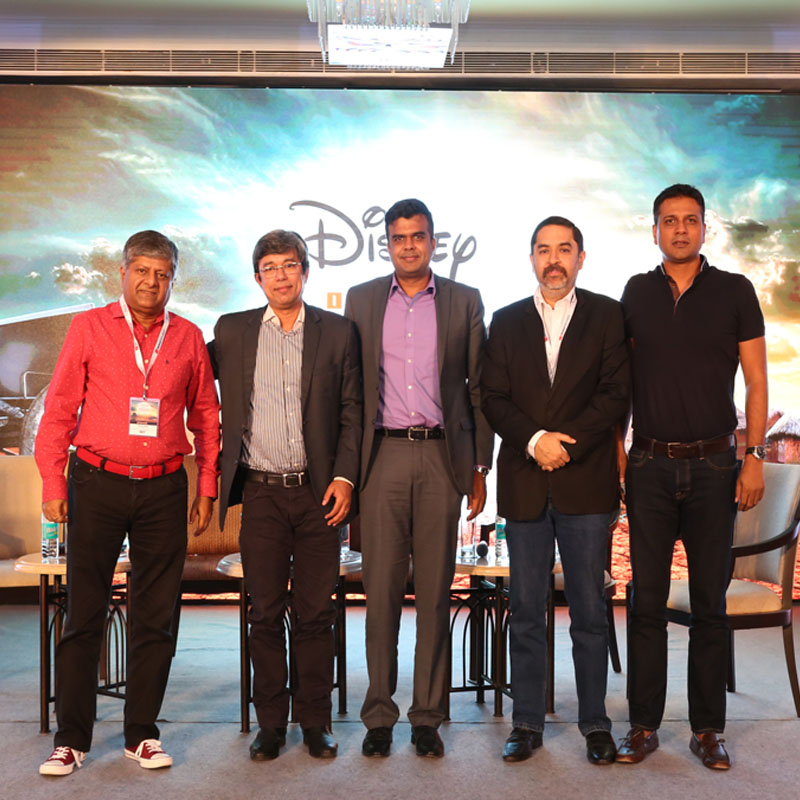
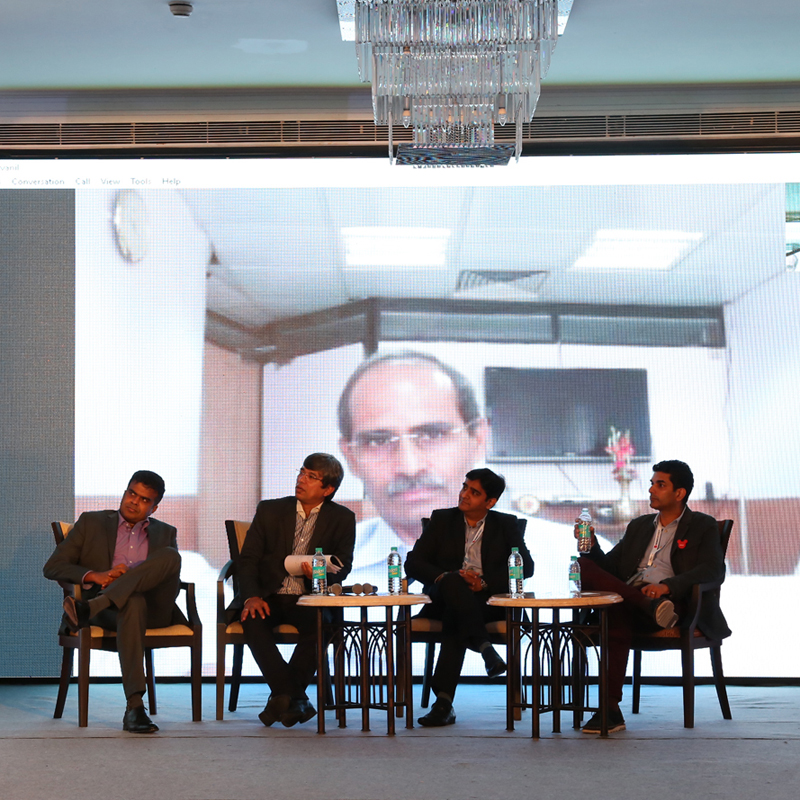
    GOA: Has the pubcaster DD’s free to air platform FreeDish emerged as a viable proposition for advertisers? What are its expansion plans, going forward? These were some of the questions posed by the Indiantelevision.com founder, CEO & Editor in chief Anil Wanvari at IDOS 2016 in Goa during the session on FTA channels to SAB Group CEO Manav Dhanda, B4U broadcasting division COO and CFO Sandeep Gupta, Starcom India group CEO Mallikarjun ‘Malli’ Das, and DD’s FreeDish deputy director-general (engineering) AK Jha.

    Jha started out by saying that the DTH platform has 55 private tenants including those from the majors – Sony Pictures Television Networks, Star India, and Zee TV – as well as from smaller broadcast networks such as B4U and the SAB group. “We want more such customers to come on our platform,” he expressed. He, however, confessed that getting an exact count of the number of subscribers was difficult as FreeDish was only a platform and the STBs were distributed by recognized vendors. “But, by extrapolating TRAI DTH data, conversations with STB manufactures and chipset suppliers, our estimates are that it could be anywhere between 20 million and 40 million. We would safely put it at about 25 million,” said Jha.

    Gupta and Dhanda explained why the two networks have taken the FTA route on the DTH platform.

    “As a broadcaster, we wanted to be on every platform. Since our focus was to be present everywhere, we got on to it very early when there were very few tenants. Although we were pay channels, we were FTA on DD FreeDish. B4U Movies was the Star Plus of DD direct is what MSOs told us. Only after BARC data rolled out did we come to know that rural has got so much of weightage. Otherwise, FreeDish was only one of the means of getting ourselves available everywhere,” said Gupta.

    Added Dhanda: “We wanted to build the maximum reach. We have five channels. We are also on cable, DTH and other platforms. It was not triggered by the advent of BARC data which suggests you need to be there. There is a cost for entry. Distribution and content are major costs for broadcasters. As a broadcaster, we want ROI. Syndicated content channels like us have not managed to build a compelling pay TV channel proposition. Hence, it is safe to go to FTA.”

    But, is it good to go FTA on DD FreeDish? Since the only revenue stream is from advertising, is the platform attracting advertiser interest?

    “FTA has just come into focus as BARC gave a new set of lenses. Earlier, TAM used to measure LC1 but media planners did not take it seriously as they were urban focused. Now with the 6,000 metres under BARC’s rural sample, it has taken on a different hue,” said Malli. “There are three segments advertisers look at from an audience segmentation – HD – 9 million-10 million homes; the fat middle with all the pay channels. And, there is the rural which is FTA. For brands, which are purely rural, it makes sense to go FTA. Distribute the spends over 30-40 weeks on an FTA media outlet, rather than finish it over eight to nine weeks on the more expensive pay channels. Some money is going into FTA from existing TV channel spends, some is coming from local cable, wall paintings and OOH.”

    But, are media buyers buying air time on channels on FreeDish purely for the rural audiences or for urban and rural audiences as defined by BARC? “When media planners are buying for rural, it makes sense,” he said. “When they look at rural+urban, they start looking at old currencies, and things don’t move. There’s still some confusion. Once these old data currencies are exhausted, and some new benchmarks are set for rural, the ad dollars will start flowing in aggressively. HD channels have only nine to 10 million subscribers, yet planners are putting the advertiser’s money into them. Whereas FTA has a larger reach, but the currency dynamics need to be taken care of.”

    Is there a ROI coming in for advertisers? “It’s a little too early. The plane has to yet land,” opined Malli. ”Retailers, distributors and sales people say, take Star Plus. The rural sample is 6,000 metres. We have to triangulate what the trade says with the BARC data, as they will want the spectacular as they will want the ads to be in the biggest properties. Currently, we have put the money for our clients on FTA. We have to get a larger body of evidence.”

    Jha said that DD FreeDish is augmenting its capacity by 24 channels and gearing up for this by moving to MPEG4 STBs, which are going to be made available to subscribers soon. “Currently, we are empanelling the STB manufacturers for MPEG4 boxes,” he explained. “Within four months, the STBs will roll out. Post that, the existing subscribers will be able to receive the 80 channels, whereas the new subscribers with MPEG 4 boxes will get 104 channels after the auctions conclude and tenants got on board.”

    Malli expressed that this was good news, it was not something that the advertising community would put its money immediately on .”At least, we know what we are investing in with the MPEG-2 boxes now,” he said. “We will have to see how many MPEG4 STBs roll out, how they are accepted before we put our might behind them.”

    Jha responded to this by saying that, in the new regime of MPEG4, DD FreeDish will be able to tell the advertiser community, exactly how many subscribers there were because the conditional access was being built in to the STBs. “Over time, we hope the entire universe of FreeDish will migrate to the new boxes,” he said.

    Jha is bullish about the prospects of free TV. “Customers in rural areas cannot afford the high sticker prices of Rs 3,000-7,000 per year that commercial DTH players are charging consumers,” he said. “Customers need to pay just Rs 2,000-Rs 3,000 for the STBs once to be able to receive a bouquet of good channels free. Hence, we are quite confident of DD FreeDish and the alternative we offer to Indian TV viewers.”

  • IDOS 2016: The DD FreeDish alternative for TV channels & advertisers

    IDOS 2016: The DD FreeDish alternative for TV channels & advertisers

    GOA: Has the pubcaster DD’s free to air platform FreeDish emerged as a viable proposition for advertisers? What are its expansion plans, going forward? These were some of the questions posed by the Indiantelevision.com founder, CEO & Editor in chief Anil Wanvari at IDOS 2016 in Goa during the session on FTA channels to SAB Group CEO Manav Dhanda, B4U broadcasting division COO and CFO Sandeep Gupta, Starcom India group CEO Mallikarjun ‘Malli’ Das, and DD’s FreeDish deputy director-general (engineering) AK Jha.

    Jha started out by saying that the DTH platform has 55 private tenants including those from the majors – Sony Pictures Television Networks, Star India, and Zee TV – as well as from smaller broadcast networks such as B4U and the SAB group. “We want more such customers to come on our platform,” he expressed. He, however, confessed that getting an exact count of the number of subscribers was difficult as FreeDish was only a platform and the STBs were distributed by recognized vendors. “But, by extrapolating TRAI DTH data, conversations with STB manufactures and chipset suppliers, our estimates are that it could be anywhere between 20 million and 40 million. We would safely put it at about 25 million,” said Jha.

    Gupta and Dhanda explained why the two networks have taken the FTA route on the DTH platform.

    “As a broadcaster, we wanted to be on every platform. Since our focus was to be present everywhere, we got on to it very early when there were very few tenants. Although we were pay channels, we were FTA on DD FreeDish. B4U Movies was the Star Plus of DD direct is what MSOs told us. Only after BARC data rolled out did we come to know that rural has got so much of weightage. Otherwise, FreeDish was only one of the means of getting ourselves available everywhere,” said Gupta.

    Added Dhanda: “We wanted to build the maximum reach. We have five channels. We are also on cable, DTH and other platforms. It was not triggered by the advent of BARC data which suggests you need to be there. There is a cost for entry. Distribution and content are major costs for broadcasters. As a broadcaster, we want ROI. Syndicated content channels like us have not managed to build a compelling pay TV channel proposition. Hence, it is safe to go to FTA.”

    But, is it good to go FTA on DD FreeDish? Since the only revenue stream is from advertising, is the platform attracting advertiser interest?

    “FTA has just come into focus as BARC gave a new set of lenses. Earlier, TAM used to measure LC1 but media planners did not take it seriously as they were urban focused. Now with the 6,000 metres under BARC’s rural sample, it has taken on a different hue,” said Malli. “There are three segments advertisers look at from an audience segmentation – HD – 9 million-10 million homes; the fat middle with all the pay channels. And, there is the rural which is FTA. For brands, which are purely rural, it makes sense to go FTA. Distribute the spends over 30-40 weeks on an FTA media outlet, rather than finish it over eight to nine weeks on the more expensive pay channels. Some money is going into FTA from existing TV channel spends, some is coming from local cable, wall paintings and OOH.”

    But, are media buyers buying air time on channels on FreeDish purely for the rural audiences or for urban and rural audiences as defined by BARC? “When media planners are buying for rural, it makes sense,” he said. “When they look at rural+urban, they start looking at old currencies, and things don’t move. There’s still some confusion. Once these old data currencies are exhausted, and some new benchmarks are set for rural, the ad dollars will start flowing in aggressively. HD channels have only nine to 10 million subscribers, yet planners are putting the advertiser’s money into them. Whereas FTA has a larger reach, but the currency dynamics need to be taken care of.”

    Is there a ROI coming in for advertisers? “It’s a little too early. The plane has to yet land,” opined Malli. ”Retailers, distributors and sales people say, take Star Plus. The rural sample is 6,000 metres. We have to triangulate what the trade says with the BARC data, as they will want the spectacular as they will want the ads to be in the biggest properties. Currently, we have put the money for our clients on FTA. We have to get a larger body of evidence.”

    Jha said that DD FreeDish is augmenting its capacity by 24 channels and gearing up for this by moving to MPEG4 STBs, which are going to be made available to subscribers soon. “Currently, we are empanelling the STB manufacturers for MPEG4 boxes,” he explained. “Within four months, the STBs will roll out. Post that, the existing subscribers will be able to receive the 80 channels, whereas the new subscribers with MPEG 4 boxes will get 104 channels after the auctions conclude and tenants got on board.”

    Malli expressed that this was good news, it was not something that the advertising community would put its money immediately on .”At least, we know what we are investing in with the MPEG-2 boxes now,” he said. “We will have to see how many MPEG4 STBs roll out, how they are accepted before we put our might behind them.”

    Jha responded to this by saying that, in the new regime of MPEG4, DD FreeDish will be able to tell the advertiser community, exactly how many subscribers there were because the conditional access was being built in to the STBs. “Over time, we hope the entire universe of FreeDish will migrate to the new boxes,” he said.

    Jha is bullish about the prospects of free TV. “Customers in rural areas cannot afford the high sticker prices of Rs 3,000-7,000 per year that commercial DTH players are charging consumers,” he said. “Customers need to pay just Rs 2,000-Rs 3,000 for the STBs once to be able to receive a bouquet of good channels free. Hence, we are quite confident of DD FreeDish and the alternative we offer to Indian TV viewers.”

  • Friend MTS announces major initiatives at IDOS 2016

    Friend MTS announces major initiatives at IDOS 2016

    GOA: Friend MTS (FMTS), a leading digital piracy containment technology and service provider, announced here at IDOS 2016 that India would be strategic to its plans over the coming years.

    Industry stalwarts from the broadcast and cable industry, spanning all segments of cable, OTT and DTH, at IDOS 2016 acknowledged the opportunity and challenges in a digital world, including that online and digital piracy is a growing menace that needs to be addressed and tackled sooner rather than later.

    The participation of FMTS at IDOS 2016 highlights this very fact as India goes digital and Indian content, its owners and creators not only surge ahead, but also grapple with digital downsides like online piracy.

    FMTS EVP Paul Hastings said, “We have engaged with almost all the stakeholders in India, ranging from broadcasters to DTH operators to OTT players to Films and Television Guild. There is recognition across the board that the next generation piracy containment service based on forensics-global identification- monitoring and takedown from FMTS will be a game changing offer to the Indian market”.

    Friends MTS’ South Asia partner Rahul Nehra added, “FMTS anti-piracy service offerings will help content owners realize substantially higher revenues and we will be working relentlessly with all stakeholders, including the government, film associations across regions and Indian Broadcasting Foundation to prepare, prevent and profit from this digital revolution.”

  • Friend MTS announces major initiatives at IDOS 2016

    Friend MTS announces major initiatives at IDOS 2016

    GOA: Friend MTS (FMTS), a leading digital piracy containment technology and service provider, announced here at IDOS 2016 that India would be strategic to its plans over the coming years.

    Industry stalwarts from the broadcast and cable industry, spanning all segments of cable, OTT and DTH, at IDOS 2016 acknowledged the opportunity and challenges in a digital world, including that online and digital piracy is a growing menace that needs to be addressed and tackled sooner rather than later.

    The participation of FMTS at IDOS 2016 highlights this very fact as India goes digital and Indian content, its owners and creators not only surge ahead, but also grapple with digital downsides like online piracy.

    FMTS EVP Paul Hastings said, “We have engaged with almost all the stakeholders in India, ranging from broadcasters to DTH operators to OTT players to Films and Television Guild. There is recognition across the board that the next generation piracy containment service based on forensics-global identification- monitoring and takedown from FMTS will be a game changing offer to the Indian market”.

    Friends MTS’ South Asia partner Rahul Nehra added, “FMTS anti-piracy service offerings will help content owners realize substantially higher revenues and we will be working relentlessly with all stakeholders, including the government, film associations across regions and Indian Broadcasting Foundation to prepare, prevent and profit from this digital revolution.”

  • IDOS 2016: OTT  advertising vs TV advertising

    IDOS 2016: OTT advertising vs TV advertising

    GOA: Is Online Video (read: OTT) advertising eating into TV’s share? That was the question posed  by the final session of IDOS 2016 held in Goa’s Leela Hotel. The obvious consensus answer from the panelists was a big “no” – and it does not take a genius to reach that conclusion.

    On the panel were IPG Media brands CEO Shashi Sinha, Sony Pictures Network India (SPNI) digital head Uday Sodhi, Starcom India Group CEO, Mallikarjun “Malli”  Das and Eros Now business head Zulfiqar ‘Zulfi’ Khan.

    “Digital advertising accounts for about eight to nine per cent of total ad spends,”  said Malli. “Most of this goes towards Google, Facebook. Two to three per cent is going towards digital video, and that too most of it is going towards You Tube.  It’s early days yet for the OTT players to have any revenues of significance.”

    “Google has played a pioneering role –  the educational and evangelizing approach that it along with YouTube took visiting advertisers and agencies to explain to them the efficacy of using it  platform,” said Zulfi. “The OTT industry is too nascent and new, and has a lot of work to do.”

    Sinha pointed out that the disparity in CPMs between television and online IP video is drastic. “Television is being sold on a cost per rating point (CPRP) basis in India today. In most countries, it is on a CPMs,” he said. “The CPMs even for TV are very low, and for online video, even lower. Airtime on television has become a commodity as there is plenty of inventory, but networks have large enough audiences to present to advertisers.”

    public://IMG_5444.jpg

    Added Malli: “Television also has a reliable currency – BARC – to measure what’s happening to their spends – the reach, the viewership. Which makes all of us in the media and advertising community secure. We can buy across a network and aggregate audience.”

    The panelists agreed even though the OTT players are providing very specific – in fact a surfeit of data, enough confidence has yet to be built in among the advertisers. “There’s fragmentation in the OTT community. There are too many platforms,” said Sinha. “And you can’t aggregate enough audiences of significance to allow us to take CPMs up here.”

    Sodhi agreed that OTT video platforms had managed to build an active audience of about 70 million. He said: “China’s tipping point for OTT to significantly impact TV ad spends came when the number of users crossed 200 million.  India has to grow. SonyLiv has around around 10 million. Good and stable bandwidth and right pricing  of data are the issues to be dealt with to expand the OTT user base,” Sodhi said.

    Malli believed that the audience of 70 million is large enough. “The Times of India has a seven and a half million readership and there is thousands of crores going into the paper.”

    Both Malli and Sinha stated that agencies have started presenting media plans which, include TV plus and online video. “That’s a great improvement over earlier. We are putting in money behind online video. But it’s left to the OTT- owner – the broadcaster – to show it as OTT ad spend or TV ad spend. However, to be fair, the sector will grow when FMCGs start putting in their faith behind digital online video,” revealed Sinha.

    Then what is holding the ecosystem back? “Most of the robust OTT platforms are backed by the broadcasters,” revealed Sinha. “The leadership is fearful their targeted revenue objectives from television might get impacted if they start shifting the focus more toward digital video advertising. This leadership has to take a hard call.”

    He pointed out that BARC – of which he is a technical committee member – is gearing up to measure online video consumption and become the second country in the world to do so.

    “We are ready to launch online video measurement  by March 2017. Relevant data is going to be provided by some of our partners in the ecosystem to allow us to provide effective measurement numbers. However, the signal has to come from the broadcast community,”  he quipped.

    Zulfi pointed out that Eros Now has around a  million subscribers – split between India and overseas – paying Rs 49 a month for its Bollywood movie service.

    However, his view that today snacking was the primary form of consumption of digital video, was countered by Sodhi, who stated  that the SonyLiv audience was sticking around for  around for 16-22 minutes per session.

    They all agreed that there is a bright future for digital video advertising. But, none wanted to hazard a guess as to when will it happen. “I have no clue when will the inflection point come,” Sinha said. “It is now.”

    Malli too said that he had no clue about it. “Although the stage is set, I can’t predict when a significant migration to digital will happen — in one, two or three years from now.”

    Sodhi revealed that almost 70 million users are being added to the digital video consumers pie every year. “Within two to two and a half years we will have 200 million users,” he predicted. “And that will be a number no one will want to ignore. The advertising tap will flow and flow then.”

  • IDOS 2016: OTT  advertising vs TV advertising

    IDOS 2016: OTT advertising vs TV advertising

    GOA: Is Online Video (read: OTT) advertising eating into TV’s share? That was the question posed  by the final session of IDOS 2016 held in Goa’s Leela Hotel. The obvious consensus answer from the panelists was a big “no” – and it does not take a genius to reach that conclusion.

    On the panel were IPG Media brands CEO Shashi Sinha, Sony Pictures Network India (SPNI) digital head Uday Sodhi, Starcom India Group CEO, Mallikarjun “Malli”  Das and Eros Now business head Zulfiqar ‘Zulfi’ Khan.

    “Digital advertising accounts for about eight to nine per cent of total ad spends,”  said Malli. “Most of this goes towards Google, Facebook. Two to three per cent is going towards digital video, and that too most of it is going towards You Tube.  It’s early days yet for the OTT players to have any revenues of significance.”

    “Google has played a pioneering role –  the educational and evangelizing approach that it along with YouTube took visiting advertisers and agencies to explain to them the efficacy of using it  platform,” said Zulfi. “The OTT industry is too nascent and new, and has a lot of work to do.”

    Sinha pointed out that the disparity in CPMs between television and online IP video is drastic. “Television is being sold on a cost per rating point (CPRP) basis in India today. In most countries, it is on a CPMs,” he said. “The CPMs even for TV are very low, and for online video, even lower. Airtime on television has become a commodity as there is plenty of inventory, but networks have large enough audiences to present to advertisers.”

    public://IMG_5444.jpg

    Added Malli: “Television also has a reliable currency – BARC – to measure what’s happening to their spends – the reach, the viewership. Which makes all of us in the media and advertising community secure. We can buy across a network and aggregate audience.”

    The panelists agreed even though the OTT players are providing very specific – in fact a surfeit of data, enough confidence has yet to be built in among the advertisers. “There’s fragmentation in the OTT community. There are too many platforms,” said Sinha. “And you can’t aggregate enough audiences of significance to allow us to take CPMs up here.”

    Sodhi agreed that OTT video platforms had managed to build an active audience of about 70 million. He said: “China’s tipping point for OTT to significantly impact TV ad spends came when the number of users crossed 200 million.  India has to grow. SonyLiv has around around 10 million. Good and stable bandwidth and right pricing  of data are the issues to be dealt with to expand the OTT user base,” Sodhi said.

    Malli believed that the audience of 70 million is large enough. “The Times of India has a seven and a half million readership and there is thousands of crores going into the paper.”

    Both Malli and Sinha stated that agencies have started presenting media plans which, include TV plus and online video. “That’s a great improvement over earlier. We are putting in money behind online video. But it’s left to the OTT- owner – the broadcaster – to show it as OTT ad spend or TV ad spend. However, to be fair, the sector will grow when FMCGs start putting in their faith behind digital online video,” revealed Sinha.

    Then what is holding the ecosystem back? “Most of the robust OTT platforms are backed by the broadcasters,” revealed Sinha. “The leadership is fearful their targeted revenue objectives from television might get impacted if they start shifting the focus more toward digital video advertising. This leadership has to take a hard call.”

    He pointed out that BARC – of which he is a technical committee member – is gearing up to measure online video consumption and become the second country in the world to do so.

    “We are ready to launch online video measurement  by March 2017. Relevant data is going to be provided by some of our partners in the ecosystem to allow us to provide effective measurement numbers. However, the signal has to come from the broadcast community,”  he quipped.

    Zulfi pointed out that Eros Now has around a  million subscribers – split between India and overseas – paying Rs 49 a month for its Bollywood movie service.

    However, his view that today snacking was the primary form of consumption of digital video, was countered by Sodhi, who stated  that the SonyLiv audience was sticking around for  around for 16-22 minutes per session.

    They all agreed that there is a bright future for digital video advertising. But, none wanted to hazard a guess as to when will it happen. “I have no clue when will the inflection point come,” Sinha said. “It is now.”

    Malli too said that he had no clue about it. “Although the stage is set, I can’t predict when a significant migration to digital will happen — in one, two or three years from now.”

    Sodhi revealed that almost 70 million users are being added to the digital video consumers pie every year. “Within two to two and a half years we will have 200 million users,” he predicted. “And that will be a number no one will want to ignore. The advertising tap will flow and flow then.”

  • IDOS 2016: Prasar Bharati could share infra with private players: Sircar

    IDOS 2016: Prasar Bharati could share infra with private players: Sircar

    GOA: Prasar Bharati has thrown an invitation to all private broadcasters and it reads: come and use our under-utilised resources and infrastructure to increase your reach in digital format terrestrially. What’s more, the Indian pubcaster will help in the distribution.

    According to Prasar Bharati CEO Jawhar Sircar, the best spectrum available for broadcasting was between 470-585  MHZ, which is with the pubcaster Doordarshan lying  highly underutilised. And, private TV channels can join hands as the organisation plans to make linear TV available to the public on their hand-held devices via digital terrestrial transmission (DTT).

    “Twenty  channels can be relayed per two antennas as such (via DTT) in four metros. All that people have to do with DVB-T2 is attach an affordable dongle on their mobile handsets and watch TV channels on the go. We can give it away free to consumers to experience it and then charge for it in the second year,” Sircar said while speaking at IDOS 2016 here on Friday.

    As Doordarshan has 1,400 broadcast towers and in the event of complete conversion to digital, DD may not need all those towers for the sake of broadcasting its own channels. The tower infrastructure could therefore be shared and private broadcasters could look at Prasar Bharati as an alternate delivery medium, Sircar explained. There would then be digitised cable, DTH and DTT on offer to the consumer.

    In conversation with indiantelevision.com founder CEO and editor-in-chief  Anil Wanvari, Sircar admitted that DD’s viewership may be falling and which was getting reflected in BARC’s audience measurement.

    “The grand days of DD happened not at the hands of DD’s personnel producing content but duringRamayan, Buniyaad, etc, all of which were made by private producers,” he said. “Hence DD should not make the content on its own. The people over here don’t know how to. The time slot sale to private producers is the best way to go,” he said, adding Prasar Bharati will primarily work on sharing its resources and reduce (in-house) content creation.

    To drive home his point on indifferent quality of present programming on DD, Sircar said the reach of the pubcaster’s resources hasn’t diminished and added, “We allowed private players to come on DD’s FreeDish platform. Yes, they are willing to pay from Rs 1.5 crore (Rs. 15 million) a year in the beginning to Rs 5.5 crore ( Rs. 55 million) today for a slot on FreeDish. That’s because it’s getting them viewership.”

    However, the former bureaucrat, now in the last lap of his present assignment, was evasive and forthcoming at the same time on FreeDish’s actual reach. “Nobody knows how many set top boxes for FreeDish are there, but the industry knows about missing subscribers of (private) DTH players. Those are our FreeDish subscribers. They could number 30 million or so,” he asserted, adding that DD had not initially put in CAS, but now  intends to do so with Indian CAS, take the boxes up to MPEG4 , and add more transponders for distribution, thereby increasing the DTH platform’s capacity to 250 channels in a phased manner.

    Asked about DD’s role as a pubcaster and obvious comparison with the BBC, Sircar was quick to point out that the British pubcaster gets thousands of crores of rupees every year from consumers  in licence fee, apart from government funding.

    Still, unable to restrain himself from taking a dig at the present Indian system regarding pubcasting, Sircar quipped, “They (BBC) know for sure what is expected from a pubcaster. The problem with DD is that we don’t know our real goal and mission.”

    Quizzed further on muddled policies and the pubcaster’s objectives, Sircar, with is tongue firmly in cheek, quipped, “I am Jawhar Sircar, not Bharat Sarkar.” The punning on his last name and Sarkar (Hindi for Indian government) was telling.

    Also read

    http://www.indiantelevision.com/regulators/trai/prasar-bharati-responds-to-trai-consultation-paper-open-to-sharing-dtt-infrastructure-160926

  • IDOS 2016: Prasar Bharati could share infra with private players: Sircar

    IDOS 2016: Prasar Bharati could share infra with private players: Sircar

    GOA: Prasar Bharati has thrown an invitation to all private broadcasters and it reads: come and use our under-utilised resources and infrastructure to increase your reach in digital format terrestrially. What’s more, the Indian pubcaster will help in the distribution.

    According to Prasar Bharati CEO Jawhar Sircar, the best spectrum available for broadcasting was between 470-585  MHZ, which is with the pubcaster Doordarshan lying  highly underutilised. And, private TV channels can join hands as the organisation plans to make linear TV available to the public on their hand-held devices via digital terrestrial transmission (DTT).

    “Twenty  channels can be relayed per two antennas as such (via DTT) in four metros. All that people have to do with DVB-T2 is attach an affordable dongle on their mobile handsets and watch TV channels on the go. We can give it away free to consumers to experience it and then charge for it in the second year,” Sircar said while speaking at IDOS 2016 here on Friday.

    As Doordarshan has 1,400 broadcast towers and in the event of complete conversion to digital, DD may not need all those towers for the sake of broadcasting its own channels. The tower infrastructure could therefore be shared and private broadcasters could look at Prasar Bharati as an alternate delivery medium, Sircar explained. There would then be digitised cable, DTH and DTT on offer to the consumer.

    In conversation with indiantelevision.com founder CEO and editor-in-chief  Anil Wanvari, Sircar admitted that DD’s viewership may be falling and which was getting reflected in BARC’s audience measurement.

    “The grand days of DD happened not at the hands of DD’s personnel producing content but duringRamayan, Buniyaad, etc, all of which were made by private producers,” he said. “Hence DD should not make the content on its own. The people over here don’t know how to. The time slot sale to private producers is the best way to go,” he said, adding Prasar Bharati will primarily work on sharing its resources and reduce (in-house) content creation.

    To drive home his point on indifferent quality of present programming on DD, Sircar said the reach of the pubcaster’s resources hasn’t diminished and added, “We allowed private players to come on DD’s FreeDish platform. Yes, they are willing to pay from Rs 1.5 crore (Rs. 15 million) a year in the beginning to Rs 5.5 crore ( Rs. 55 million) today for a slot on FreeDish. That’s because it’s getting them viewership.”

    However, the former bureaucrat, now in the last lap of his present assignment, was evasive and forthcoming at the same time on FreeDish’s actual reach. “Nobody knows how many set top boxes for FreeDish are there, but the industry knows about missing subscribers of (private) DTH players. Those are our FreeDish subscribers. They could number 30 million or so,” he asserted, adding that DD had not initially put in CAS, but now  intends to do so with Indian CAS, take the boxes up to MPEG4 , and add more transponders for distribution, thereby increasing the DTH platform’s capacity to 250 channels in a phased manner.

    Asked about DD’s role as a pubcaster and obvious comparison with the BBC, Sircar was quick to point out that the British pubcaster gets thousands of crores of rupees every year from consumers  in licence fee, apart from government funding.

    Still, unable to restrain himself from taking a dig at the present Indian system regarding pubcasting, Sircar quipped, “They (BBC) know for sure what is expected from a pubcaster. The problem with DD is that we don’t know our real goal and mission.”

    Quizzed further on muddled policies and the pubcaster’s objectives, Sircar, with is tongue firmly in cheek, quipped, “I am Jawhar Sircar, not Bharat Sarkar.” The punning on his last name and Sarkar (Hindi for Indian government) was telling.

    Also read

    http://www.indiantelevision.com/regulators/trai/prasar-bharati-responds-to-trai-consultation-paper-open-to-sharing-dtt-infrastructure-160926

  • Eleventh IDOS to commence in Goa today

    Eleventh IDOS to commence in Goa today

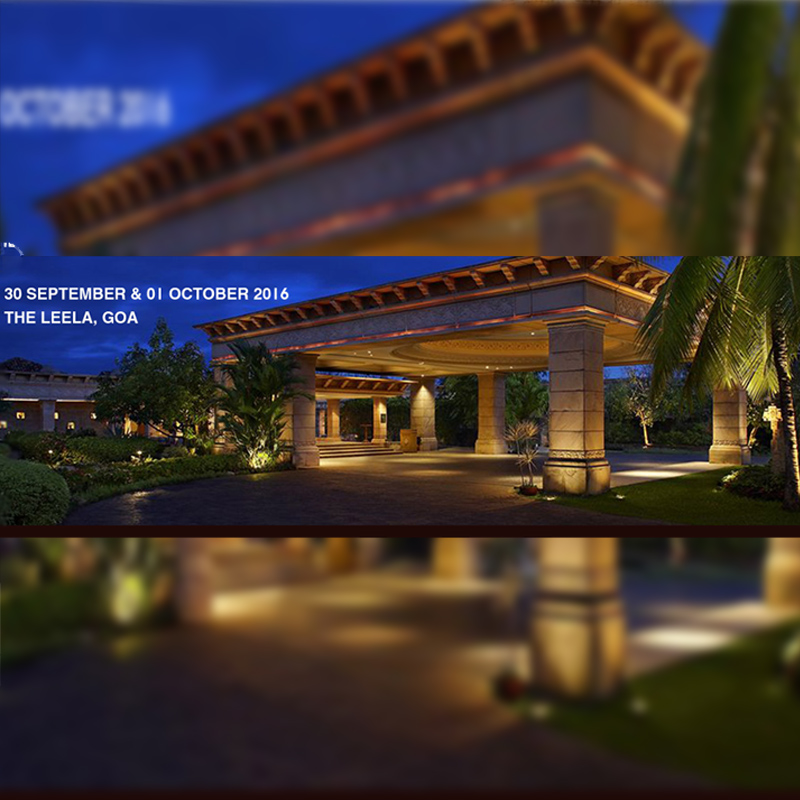
    GOA: The 11th Indian Digital Operators Summit (IDOS 2016) is slated to be flagged off today evening – 30 September — at south Goa’s prestigious Hotel Leela. India’s largest gathering of India’s broadcast, distribution, investment, technology players and the regulators is happening at a time when the industry is grappling with issues related to the government mandated digital addressable system (DAS) which seeks to digitize India’s 100-million viewer strong cable TV ecosystem.

    While two phases of DAS have been progressing gradually, the third phase has been stalled awaiting a decision from the Delhi high court. The logjam despite, the countdown to the fourth phase deadline of 31 December 2016, has commenced.

    It’s challenging times for the whole video distribution ecosystem. OTT live streaming and VOD platforms, telco companies are all marching into what was traditionally a broadcaster, cable TV operator’s or DTH or HITS operator’s turf. And, though they are yet to come up with robust business models, some of them have deep pockets. DTH players, on the other hand, are beginning to bear the fruits of their early investments in delivering quality, transparent services across India.

    Churn rates are stable, and, in fact, the subscriber numbers for many of these players are rising.

    A large part of the smaller cable TV community — especially in phase III and phase IV – is fragmented, undercapitalised and is fearful for its future and, in some areas, is resisting digitisation. Larger MSOs have brought in some organization to the ground in phase I and phase II over the past few years and will continue doing so as the years pass by, even in the interiors. Niggling issues such as interconnection and tariff agreements, carriage fees with broadcasters continue to seek resolution.

    Free to air DTH services such as DD FreeDish serve the needs of some of the viewers in the heartlands. And HITs platforms are waiting on the sidelines and are hoping to plug the infrastructure gap for delivering video signals to the undercapitalized cable operators in the phase III and phase IV areas.

    The regulators, the Telecom Regulatory Authority of India and the ministry of information and broadcasting, are seeking to put in place a regulatory framework which would fuel DAS nationally, keeping everyone’s interests in mind.

    “It is against this backdrop that IDOS 2016 is being held,” says Indiantelevision.com founder, CEO & editor in chief Anil Wanvari.

    “Over the years it has proved to be a fertile ground for moving the needle on distribution further. We hope this year’s DAS will also help in supporting the progress.”

    Among the major speakers at IDOS are: DEN Networks CEO SN Sharma, Prasar Bharati CEO Jawahar Sircar, Hathway Cable CEO Jagdish Kumar, Times Television Network CEO M.K. Anand, Sony Pictures Networks India executive vice president and head – digital business, Uday Sodhi, Indusind Media CEO Tony D’Silva, Walt Disney Co India vice president Nikhil Gandhi, Asianet Satellite Communications president & COO G.

    Sankaranarayana, India Cast EVP Amit Arora, Ortel Communication CEO Bhibhu Rath, CastleMedia executive director Vynsley Fernandes, Reliance BIG TV business head Vivek Garg, GTPL COO Shaji Matthews, Akamai head of mobile strategy Vijay Kolli and regional vice president, media sales Sid Pisharoti, Chrome Data CEO Pankaj Krishna, and TRAI adviser Sunil Kumar Gupta.

    The conference will end on 1 October late evening.

    Among the partners who have come forward to support IDOS 2016 are:
    Walt Disney Co India (Title Partner); Discovery India (Summit Partner), Elemental and Hathway (Associate Partner), Akamai Technologies (CDN Partner), Friends MTS, Sony Pictures Network and Zee Distribution Networks (Support Partners), SES (Name Badge Partner), and IndiaCast (LanYard Partner).

  • Eleventh IDOS to commence in Goa today

    Eleventh IDOS to commence in Goa today

    GOA: The 11th Indian Digital Operators Summit (IDOS 2016) is slated to be flagged off today evening – 30 September — at south Goa’s prestigious Hotel Leela. India’s largest gathering of India’s broadcast, distribution, investment, technology players and the regulators is happening at a time when the industry is grappling with issues related to the government mandated digital addressable system (DAS) which seeks to digitize India’s 100-million viewer strong cable TV ecosystem.

    While two phases of DAS have been progressing gradually, the third phase has been stalled awaiting a decision from the Delhi high court. The logjam despite, the countdown to the fourth phase deadline of 31 December 2016, has commenced.

    It’s challenging times for the whole video distribution ecosystem. OTT live streaming and VOD platforms, telco companies are all marching into what was traditionally a broadcaster, cable TV operator’s or DTH or HITS operator’s turf. And, though they are yet to come up with robust business models, some of them have deep pockets. DTH players, on the other hand, are beginning to bear the fruits of their early investments in delivering quality, transparent services across India.

    Churn rates are stable, and, in fact, the subscriber numbers for many of these players are rising.

    A large part of the smaller cable TV community — especially in phase III and phase IV – is fragmented, undercapitalised and is fearful for its future and, in some areas, is resisting digitisation. Larger MSOs have brought in some organization to the ground in phase I and phase II over the past few years and will continue doing so as the years pass by, even in the interiors. Niggling issues such as interconnection and tariff agreements, carriage fees with broadcasters continue to seek resolution.

    Free to air DTH services such as DD FreeDish serve the needs of some of the viewers in the heartlands. And HITs platforms are waiting on the sidelines and are hoping to plug the infrastructure gap for delivering video signals to the undercapitalized cable operators in the phase III and phase IV areas.

    The regulators, the Telecom Regulatory Authority of India and the ministry of information and broadcasting, are seeking to put in place a regulatory framework which would fuel DAS nationally, keeping everyone’s interests in mind.

    “It is against this backdrop that IDOS 2016 is being held,” says Indiantelevision.com founder, CEO & editor in chief Anil Wanvari.

    “Over the years it has proved to be a fertile ground for moving the needle on distribution further. We hope this year’s DAS will also help in supporting the progress.”

    Among the major speakers at IDOS are: DEN Networks CEO SN Sharma, Prasar Bharati CEO Jawahar Sircar, Hathway Cable CEO Jagdish Kumar, Times Television Network CEO M.K. Anand, Sony Pictures Networks India executive vice president and head – digital business, Uday Sodhi, Indusind Media CEO Tony D’Silva, Walt Disney Co India vice president Nikhil Gandhi, Asianet Satellite Communications president & COO G.

    Sankaranarayana, India Cast EVP Amit Arora, Ortel Communication CEO Bhibhu Rath, CastleMedia executive director Vynsley Fernandes, Reliance BIG TV business head Vivek Garg, GTPL COO Shaji Matthews, Akamai head of mobile strategy Vijay Kolli and regional vice president, media sales Sid Pisharoti, Chrome Data CEO Pankaj Krishna, and TRAI adviser Sunil Kumar Gupta.

    The conference will end on 1 October late evening.

    Among the partners who have come forward to support IDOS 2016 are:
    Walt Disney Co India (Title Partner); Discovery India (Summit Partner), Elemental and Hathway (Associate Partner), Akamai Technologies (CDN Partner), Friends MTS, Sony Pictures Network and Zee Distribution Networks (Support Partners), SES (Name Badge Partner), and IndiaCast (LanYard Partner).