Tag: ICC

  • WC: ICC sticks to its footage guidelines for news channels

    WC: ICC sticks to its footage guidelines for news channels

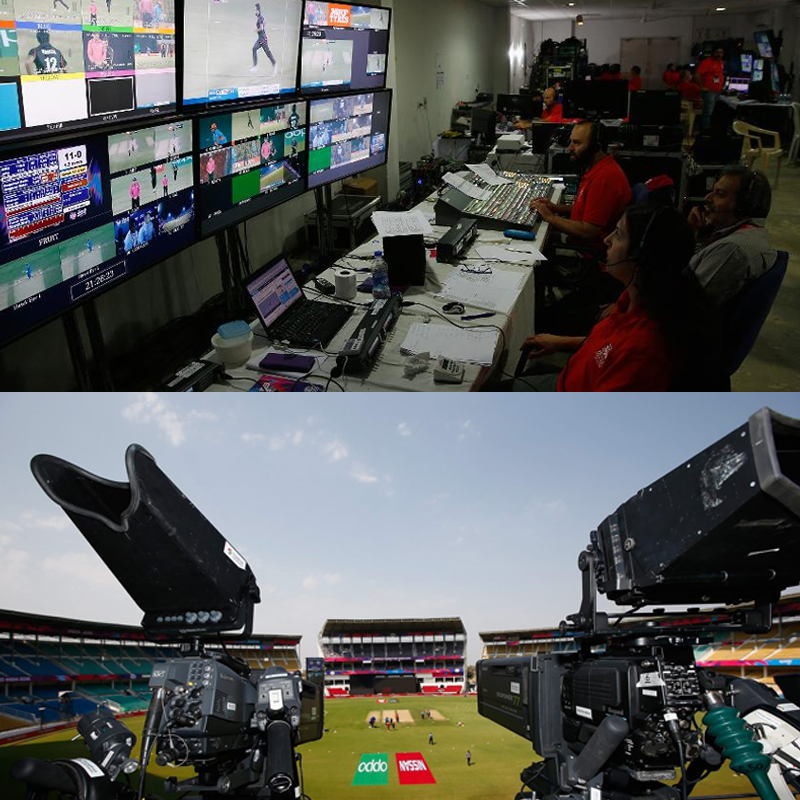
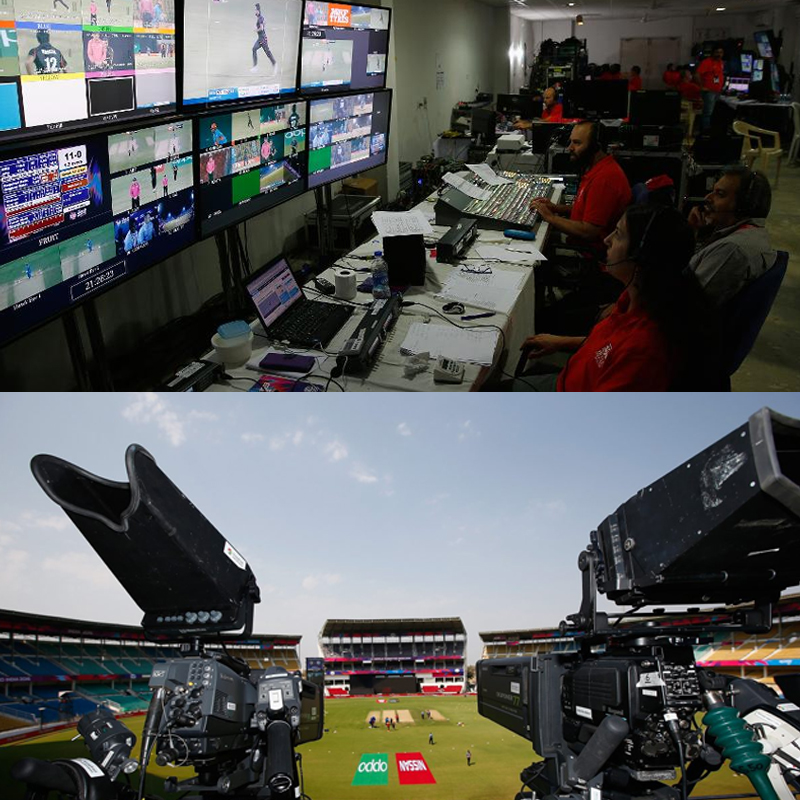
    MUMBAI: The International Cricket Council (ICC) and the Indian television news broadcasters continue to be at loggerheads.

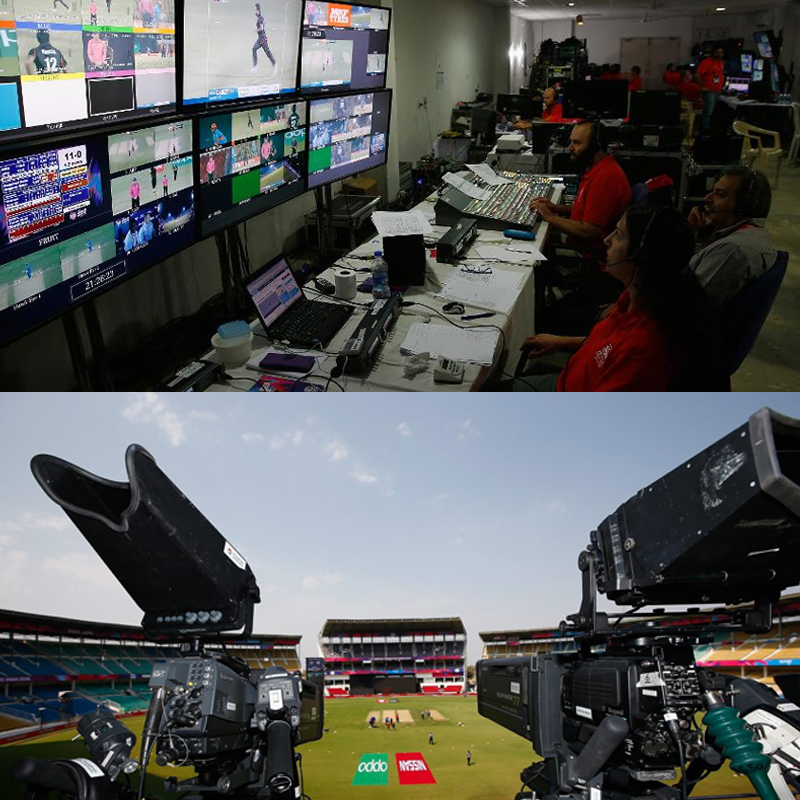
    The ICC has maintained that the footage guidelines that it issued for news coverage regarding the World Cup are fair, contrary to the common opinion running through news channels.

    Reacting to reports that Indian news channels have said that the terms of the footage made available for them are not acceptable, an ICC spokesperson told Indiantelevision.com that there was no reason to concede ground.

    “The guidelines we have put in place for the ICC Cricket World Cup 2011 are fair, reasonable and in line with the industry best practice. They are designed to allow non-rights-holders (NRH) the opportunity to offer quality news-access coverage for their viewers while also protecting the exclusive rights of our broadcast partner,” the spokesperson said.

    The spokesperson noted that in the past, some non-rights-holders (NRH) have flouted the rules and showed almost ball-by-ball coverage of events, in breach of the broadcast partner’s rights.
         
      “At a very early stage in this process (beginning in October 2010), we and our host broadcaster engaged the views and opinions of the News Broadcasters’ Association (NBA) and involved that organisation at every stage of this process. After lengthy discussions with the NBA, we sent the final version of the guidelines to the NBA to inform them that we were going to publish them on 19 January.”

    The spokesperson said that the cricket‘s governing body got no response from them. So the ICC extended the publication date and the guidelines were finally issued on 25 January.

    “To date we still haven‘t heard back from the NBA. We consider the guidelines to be very reasonable and lenient when it comes to the issue of news access rights. Through its purchase of the rights to televise our events, our broadcast partner, ESPN Star Sports, has poured a large amount of money into cricket while also providing a fantastic televisual experience to a billion viewers in more than 180 territories around the world,” the spokesperson said.

    The spokesperson said that this investment is used to develop the game in almost every corner of the globe and it is important that their investment is protected. “At the same time we also realise the importance of free news access to NRH and so these guidelines provide a workable balance between those two sides.”

    Meanwhile, the NBA today expressed confidence that it would be able to amicably sort out the issue relating to the news telecast of ICC Cricket World Cup footage.

    NBA president KVL Narayan Rao told Indiantelevision.com that the association had already written to the ICC that it wanted to discuss the issue and he expected that this dialogue would be held soon.

    The ICC, however, said that it has not received anything from the NBA.

    NBA sources said that the common expectation was that an early resolution would be found “as both needed each other”.

  • News channels heading for showdown with ICC on news access guidelines

    News channels heading for showdown with ICC on news access guidelines

    NEW DELHI: Although the News Broadcasters Association is expected to take a final stand on the issue of telecast of news clips of the ICC Cricket World Cup, most news channel heads said the news access guidelines were unfair since 5.5 minutes of fresh footage per day was too short for an event of this nature.

    Although none of the channel heads wanted to be named as they said this could compromise the stand of the NBA, it is learnt that the Association may meet as early as tomorrow to take a decision on the issue.

    One Hindi news channel head said some kind of compromise would have to be worked out, adding that perhaps permitting up to three minutes of fresh footage every two hours would be fairer.

    Another Hindi news channel head said the present guidelines were very unfair and viewer demand would force the channels to telecast news of longer duration and thus force them to pay penalty to the International Cricket Council.

    The head of a group with multi-lingual news channels said this appeared to becoming a habit year after year either with the World Cup or with the Indian Premier League, that news channels were forced to fight for footage that they could show to their viewers.

    He said that while there were complaints by the Information and Broadcasting Ministry as well as viewers that news channels were repetitive, it was unfortunate that no one chipped in to help the news channels in situations such as these.

    Indiantelevision.com was the first to report the ICC‘s guidelines to news channels on coverage of the cricket World Cup.
          
    According to an estimate, the penalty may go up to over Rs 200 million if the news channels numbering around 50 fail to follow the Access Guidelines of the 43-day ICC World Cup.

    IDI, the commercial arm of International Cricket Council (ICC), will charge $1,800 (Rs 83,000) for every extra minute a news channel airs its coverage of the World Cup over the permitted time-frame. ICC will charge $800 for up to 60 seconds of overuse for fresh footage, while the rates for an overuse of archival footage of the previous World Cups are $1,000 for up to 60 seconds.

    The recently issued ICC‘s media advisory stipulates only 5.5 minutes of fresh footage and six minutes of archival footage to be used by a news channel each day of the Cup.

    In comparison, the IPL has permitted seven minutes of footage by a news channel in a day.

    Interestingly, the ICC Guidelines will only be applicable to around 50 news channels which are members of the NBA, although there are around 240 news channels beaming in the country.

    A similar situation had arisen at the time of the IPL last year, with news channels threatening to boycott the games. However, a solution was found almost on the eve of the series.

  • World Cup: ICC issues footage guidelines for news channels

    World Cup: ICC issues footage guidelines for news channels

    MUMBAI: The International Cricket Council (ICC) has come out with its news access guidelines for broadcasters in India intending to cover the cricket World Cup starting next month.

    Being just unveiled, news broadcasters are going to take a common stance through the News Broadcasters Association (NBA) after studying the footage cap thoroughly.

    According to the guidelines, a news broadcaster may broadcast a maximum of 5.5 minutes of fresh footage of the cricket World Cup per News Day, provided always that:

    (a) not more than a maximum of two minutes of Fresh Footage may be broadcast per hour of broadcasting; and

    (b) the number of repeats of any Fresh Footage is restricted to a maximum of two exhibitions per hour of broadcasting.

    These guidelines are solely for bona fide news broadcasters registered under the category of “News and Current Affairs” channels according to India’s Ministry of Information and Broadcasting.

    They are issued on the principle of copyright fair-use principles and are valid until 24 hours after the end of the last match of the event.  
         
      It might be recalled that last year the Indian Premier League (IPL) had a tussle with news broadcasters over terms and conditions. At the last moment a solution was found.

    The use by a news broadcaster of live footage is not permitted at any time under any circumstances. There must be a minimum of at least 60 minutes delay following the live broadcast of any footage by the official/host broadcaster before any extract of such Footage may be used by the news broadcaster

    A news broadcaster may broadcast a maximum of six minutes of archival footage per day, provided always that:

    (a) a maximum of two minutes of the Archival Footage may be used per hour of broadcasting; and

    (b) the number of repeat exhibitions should be limited to four per News Day with not less than a two-hour interval between each exhibition.

    The use of fresh footage and the use of Archival Footage pursuant to paragraph 8 above is strictly limited in each case to use within news and/or current affairs programmes. No use of fresh footage and/or archival footage is permitted in any circumstances for any commercial purposes.

    News broadcasters are allowed live video streaming of their news channels on their official nominated websites as long as it is a simulcast of the entire channel as aired on the broadcaster’s television news channel and is not broadcast online on-demand, in a deferred manner or provided as highlight packages or clips. Subject to the aforementioned, news broadcasters shall not display deferred or Archival Footage, whether as part of news bulletins or otherwise, on their own website(s) or via their account or page on a third-party video-upload site such as YouTube, DailyMotion, Facebook, etc.

    A news broadcaster may commercially exploit a news and/or sports and/or current affairs and/or other programme within which Fresh Footage and/or Archival Footage is broadcast as a whole, in the regular course, through normal advertising breaks usual in programming of news channels, provided always that no advertising, sting, logo, graphic and/or any other commercial (morphing) activity occurs immediately before, immediately after or during the Fresh Footage and/or Archival Footage and no association is created, suggested or implied between the use of Fresh Footage and/or Archival Footage and any third party brand or product.

    To clarify further, no programme, bulletin or segment (whether a news or sports bulletin, special programme or promotional programme) that uses Fresh Footage and/or

    Archival footage may have a title or other sponsor and no advertisement may be used or repeated in the regular advertising breaks during the programme in such a manner as to create, suggest or imply an association between the advertiser and the Footage or the Event.

    Courtesy bugs acknowledging IDI and ESS must be pasted by the Designated News Broadcaster, with due prominence, throughout the broadcast of any Fresh Footage and/or Archival Footage.

    News broadcasters must use the correct name of the Event (being either ICC Cricket World Cup 2011 or the shorter title „ICC Cricket World Cup) and the Event Logo in any and all broadcasts in which the Event is mentioned or referred to, whether or not including the broadcast of any clips of fresh footage and/or archival footage. For the avoidance of doubt, there should not be any direct commercial association created, suggested or implied between any third party brand or product and any Event Marks.

    In the event that the Event logo or the ESPN Star Sports (ESS) logo should be covered by the logo of the Designated News Broadcaster, the news broadcaster must include a courtesy line extended at the bottom of, or elsewhere, on the screen.

    News broadcasters may only use footage as above without financial obligation to IDI. The ICC has warned that any use beyond as permitted under these Guidelines, if not under a prior bilateral agreement between the relevant Designated News Broadcaster and IDI, will be treated as a violation and, in the case of Archival Footage, shall be subject to payments in accordance with the Footage Licensing Rate Card. It is $800 (0-60 seconds) and archival gootage is for $1000 (0-60 seconds)

    IDI may exercise its other remedies, including possible suspension of media accreditation, pending payment of such fees for overuse of Footage. It is further clarified that IDI has certain legal obligations to its official broadcaster and is only able to grant rights hereunder (including rights subject to the Footage Licensing Rate Card) subject to these limitations, which include that only an aggregate 10 minutes of Archival Footage from the events listed in Schedule 2 may be used in any one programme.

    If the news broadcaster’s use exceeds such limitations, in addition to agreeing to pay IDI the fees for overuse under the Footage Licensing Rate Card as above, the Designated News Broadcaster hereby (i) agrees to indemnify IDI for any and all losses or damages that may be due from IDI to its official broadcaster as a result of the violation and breach of their agreement resulting from such overuse and (ii) acknowledges that it may be subject to IDI’s official broadcaster’s legal remedies directly for such overuse.

    IDI retains and, to the extent required, is hereby granted by the relevant copyright owner governed by these Guidelines, the rights to monitor and enforce compliance by Designated News Broadcasters and associated and unassociated third parties with these Guidelines (whether by means of anti-infringement actions, legal proceedings or otherwise) and with the copyright law in force.

    In all such cases the relevant Designated News Broadcaster will not undertake any act to obstruct, nullify or obviate the rights of IDI granted hereunder.

    The ICC has said that the usage by news broadcasters of footage in connection with the World Cup shall be monitored by a Designated Monitoring Agency on behalf of IDI and IDI expressly reserves all of its legal rights and remedies against any Designated News Broadcaster that breaches these guidelines.

    So how are the Indian broadcasters reacting to the guidelines? Says BAG Films and Media CMD Anurradha Prasad, “The NBA has to take a call on the issue. Members will go along with what has been decided. It is important that everybody is on the same page.”
     

  • LG to spend Rs 800 mn during World Cup and IPL

    LG to spend Rs 800 mn during World Cup and IPL

    MUMBAI: LG, an ICC partner, plans to spend Rs 700-800 million in marketing over the next three months coinciding with the cricket World Cup and the Indian Premier League (IPL).

    The marketing activities for the World Cup will kick off in a few days time, LG chief marketing officer LK Gupta said.

    The Lead XI initiative, which LG had carried out at other ICC events, will be expanded to include 1000 kids from India, Sri Lanka and Bangladesh. The kids will walk onto the field with their respective teams at the start of their matches at the World Cup and sing the National Anthem.

    “Since the World Cup is taking place in the subcontinent, we are giving a chance to more children to be part of this programme. Earlier 50 children had to be flown. Among other things, we will have a school contact programme. It will also be using radio to spread awareness. Leaflets will be distributed at its stores and other retail outlets.”

    LG will also be launching a range of mobile phones and refrigerators to coincide withe World Cup. It will have promotions for the mobile phones including match tickets.

  • Beximco to sponsor Bangladesh team for cricket Worl Cup

    Beximco to sponsor Bangladesh team for cricket Worl Cup

    MUMBAI: The Beximco Group is the official sponsor of the Bangladesh cricket team for the upcoming ICC Cricket World Cup.

    Earlier Grameenphone was the sponsor but pulled out due to a conflict of interest with an ICC sponsor, Reliance Commmunications.

    Beximco was the only bidder and will pay the floor price of Taka 35 million.

    Bangladesh Cricket Board (BCB) CEO Manzur Ahmed said, “Only Beximco took part in the bidding process. There was no scope for negotiation. This is the highest amount we got from team sponsorship. This amount is for the six first round matches and the sum will be increased on a pro rata basis if Bangladesh progresses in the tournament.”


  • ICC Cricket WC 2011 merchandise goes on sale

    ICC Cricket WC 2011 merchandise goes on sale

    MUMBAI: The International Cricket Council (ICC) has announced the launch of the official tournament online store for the cricket World Cup which kicks off next month.

    The site, which is being managed by international brand management company IVS Group, will offer a wide range of official merchandise, including T-shirts, polos, caps, key-rings, mini-bats and horns as well as a range of products for children centred around the event mascot, Stumpy.

    Visitors to www.icconlinestore.com can shop for official merchandise by product, by team or by range. Purchasing is convenient, safe and secure with Visa, Mastercard, JCB, Laser, Maestro and Solo – all accepted methods of payment.

    IVS Group MD Ash Kapoor said, “We are proud to be working with such a prestigious international event as the ICC Cricket World Cup 2011. It is the third biggest sporting event in the world and we are honoured to be providing the merchandising services this time just as we did at the ICC World Twenty20 in 2009 and 2010.”

    The licensing and merchandise for the tournament is facilitated and managed by Licensing In Motion (LIM), the ICC’s global licensing and merchandising partner, and the online store can be found at www.icconlinestore.com with a worldwide delivery service provided.

    In addition, IVS Group will also manage the official onsite event sales and will be present at all 13 venues of the ICC 2011 Cricket World Cup across Bangladesh, India and Sri Lanka. IVS always uses local suppliers and labour, thus generating jobs within the community while minimising environmental impact.

    This is one of a slew of activities that the ICC is doing as cricket‘s marquee property draws near. Last week it had released a communication campaign across the sub-continent for the event.

    The campaign was conceptualised by the ICC marketing team and Ogilvy Mumbai.

    Ogilvy & Mather managing partner Navin Talreja says, “About 1000 matches were played between the last ICC Cricket World Cup and this one. Many tournaments, many cups but a World Cup in any sport has been and will continue to be the pinnacle of achievement. The postioning line ‘The Cup That Counts’ serves as a reminder to all cricket fans of this very simple fact.”

    With this in mind, a surround campaign involving not just TV, Print, Outdoor, PR but also last mile mediums such has Digital and Activation was created for India, Sri Lanka and Bangladesh.

    Sharma said, “This time around we have moved away from the conventional amplification approach of the core idea across mediums. Instead the messaging strategy for
    different elements developed reflects different facets of “The Cup That Counts” from the point of view of the teams, players and of course the fans.”

    The campaign kicked off worldwide on the first week of this month with the launch of TV commercial titled ‘Tightrope’.

    Ogilvy & Mather national creative director Abhijit Avasthi says, “Every country, every player and every fan has only one wish – to win the race to the cup. But this is no ordinary race. Full of obstacles and surprises, to win this race, each player would need to literally walk on a tightrope. Keeping this in mind we decided to use a metaphor and depicted a tightrope race to the cup that counts”.

    The ‘Tightrope‘ commercial aims to capture the passion, celebration, competition and fun associated with the game of cricket like never seen before. Shot across the entire city of Jaipur over five days, the commercial ‘features‘ captains from most of the playing nations and over 400 fans from various countries. Professional tightrope artists were flown in from US and UK for the filming of this commercial.

    This film has been shot by the Cannes Gold winning director Bob of Good Morning Films and the music has been composed by Dhruv Ghanekar. This launch campaign shall also be supported by print and outdoor, shot by international photographer Palani Chandramohan.

    In addition, fans will also get to see another campaign featuring iconic players from the subcontinent.

    A series of three commercials starring Sachin Tendulkar, Muttiah Muralitharan and Shakib Ul Hasan respectively, this campaign plays upon a deep personal wish that these cricketing legends are fostering – to bring the cup home. These films have been directed by Piyush Raghani of Old School Films and shall go on air towards end January. This campaign too shall be supported by print and outdoor.

    The event‘s theme song ‘De Ghumaa Ke‘ has been released on radio channels across the country. Composed and sung by Shankar Ehsaan Loy, this song brings alive the fierce sense of competition and the desire to win. The same song shall also be adapted in local languages for Sri Lanka and
    Bangladesh.

    A music video featuring Shankar Ehsaan Loy and ICC CWC 2011‘s Official Mascot ‘Stumpy‘ is also in the works and shall be released by end of this month.

    Further, the ICC shall also unleash a slew of contests and below the line initiatives to help spread the CWC 2011 buzz. Across venue cities, Official Countdown Clocks shall be placed at airports and popular malls, uniquely designed ICC CWC 2011 branded vans shall give fans a chance to
    share their wishes, radio stations shall run contests to help fans win tickets and much more.

    As a part of ICC’s CSR and youth outreach initiative, Ogilvy also rolled out a nationwide school contact programme along with UNAIDS. The programme reached out to eight cities, 70 schools and above 10,000 students who got a chance to learn about Aids awareness and also participate in an Inter School Mini Cricket World Cup tournament.

  • ICC engages CII for WC commercial rights protection

    ICC engages CII for WC commercial rights protection

    MUMBAI: The International Cricket Council (ICC) has engaged Copyright Integrity International (CII) to work closely with its existing in-house legal team on the management of a rights protection programme for next year‘s World Cup, which gets underway on 19 February.

    Based in Bengaluru, CII is a specialist in online and offline anti-piracy protection services for sports clients. It will provide the ICC with a suite of commercial rights-protection and anti-piracy services and solutions such as online content and broadcast protection, comprehensive trademark and brand protection and media terms enforcement, in a programme designed to protect the ICC’s intellectual property rights from the threats of piracy, ambush marketing and unlicenced use.

    ICC GM commercial Campbell Jamieson said, “Our commercial partners and sponsors make our events possible and generate significant funding for the global game. The aim of the ICC’s commercial rights protection programme is to maintain the exclusivity of their association with our events. It is vital that those rights are protected so that our partners’ investments can be channelled into the development of cricket throughout our 105 Members.”

    CII CEO Dr Clinton Free added: “It’s a privilege to be engaged by a client such as the ICC to manage the commercial rights-protection programme for such a globally significant event as the ICC Cricket World Cup 2011. Our extensive services and experienced team will leave no stone unturned in ensuring that the event is an unqualified success. Our role will include not only the monitoring and enforcement of infringements but also an education programme for the public that will ensure wholesome enjoyment of the event with due respect to the ICC’s commercial partners and sponsors.”

    The ICC’s legal team has been working hard over the past few months to develop strategies to combat unlawful association with the ICC Cricket World Cup 2011, particularly within the three host territories of India, Sri Lanka and Bangladesh.

    As part of that programme, it has recently released brand and content protection guidelines for the tournament. Through a series of FAQs and illustrations, this document provides other companies and members of the public with a guide to how they might associate with the event without infringing the rights that have been granted to the ICC’s official partners.

  • Castrol in 5-year deal with ICC as performance partner

    Castrol in 5-year deal with ICC as performance partner

    MUMBAI: Lubcricant manufacturer Castrol has done a five-year deal with the International Cricket Council (ICC) that makes it the official performance partner of cricket‘s governing body.

    The agreement awards Castrol a worldwide rights package from 2010 until 2015 and will include the ICC Cricket World Cup 2011, which will take place in India, Bangladesh and Sri Lanka, as well as all other ICC tournaments up to and including the ICC Cricket World Cup 2015 in Australia and New Zealand.

    Castrol was involved with the recently concluded 2010 Fifa World Cup in South Africa, the Uefa Euro 2012 and the 2014 Fifa World Cup in Brazil.

    Castrol says that its success in business over the past 100 years is its ability to use analysis to improve performance in the most extreme conditions in sport on land, sea and air. Castrol, with the help of cricket experts like Harsha Bhogle, has applied this same skill to analysing performance in cricket to devise the Castrol Index.

    As the official performance partner of the ICC, Castrol will bring this system to the stadium audience of ICC events like the ICC Cricket World Cup and ICC World Twenty20 as an index on the match day.

    By appearing on the stadium replay screens at crucial points of the game, the Castrol Index for match days will fuel the audience’s passion and excitement in the game by updating them real-time on which team is leading and which players are the top performers at that point in the game.

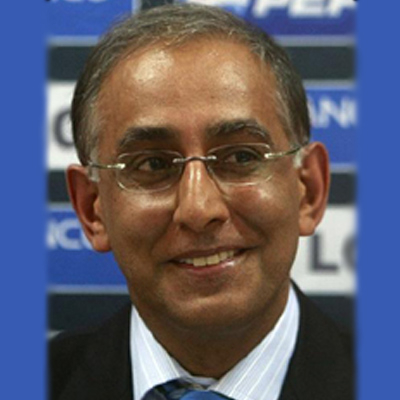
    ICC CEO Haroon Lorgat said, “For us to attract a commercial partner of Castrol’s calibre is another indication of the excellent reputation and healthy state of international cricket. It reconfirms how top brands want to be associated with cricket and its great spirit. Even in these challenging times cricket’s popularity among spectators, broadcasters and sponsors is as strong as ever.”

    Castrol regional VP, Asia and Pacific Region – Naveen Kshatriya said, “Cricket is a sport that is passionately followed across many parts of the world. While no other game touches the hearts and minds in the Asian sub-continent as cricket does, the game is also very popular in many other important Castrol markets like Australasia, South Africa and the UK.”


  • ICC signs up SNTV, Reuters as news access licensees

    ICC signs up SNTV, Reuters as news access licensees

    MUMBAI: The International Cricket Council has ensured that news from the ICC World Twenty20 will reach every corner of the globe by signing Sports News Television (SNTV) and Reuters for the event.

    These deals ensure news broadcasters around the world will have access to news highlights from matches, press conferences, player interviews and event-related stories providing up-to-the-minute information to hundreds of millions of viewers all over the world.

    ICC Media Rights and Broadcast Manager Aarti Singh Dabas says, “The ICC already has a long-standing relationship with SNTV and Thomson Reuters. We are glad to have both onboard as they have an excellent distribution and global reach, and have previously provided great support to all ICC events including those that form part of the Pepsi ICC Development Programme. These partnerships will ensure that news broadcasters and, through them, cricket fans around the world will have access to match highlights and other event news.”

    SNTV editor Andy Parkinson said, “It’s great news that SNTV is once again working closely with the ICC to ensure the best possible coverage of the ICC World Twenty20 2010 in the West Indies.”

    Reuters News senior producer, sports television Owen Wyatt says, “I’m delighted that an agreement has been reached that will allow our clients worldwide access to the key games from the tournament.”

    SNTV is a sports news video agency, providing seven bulletins a day of action, highlights and breaking news. Through its clients, SNTV’s material can be seen in more than a billion households worldwide in more than 180 territories.

    The 17-day tournament will feature 12 teams with all the top international players in the world taking part.

    The event will also feature eight women’s teams, which will play their group-stage matches in St Kitts. The semi-finals and final will run as double-headers with the men’s version in St Lucia and Barbados in front of ESS cameras giving enormous exposure to the women’s game around the world.

  • ‘The ICC will continue to manage its economics on a global basis with India as a key market’ : ICC CEO Haroon Lorgat

    ‘The ICC will continue to manage its economics on a global basis with India as a key market’ : ICC CEO Haroon Lorgat

    Wearing the International Cricket Council (ICC) hat isn‘t an easy job these days. With the Indian Premier League (IPL) becoming the new economic powerhouse, scheduling international cricket can be a tough task.


    The challenge of the ICC is to ensure that a balance is maintained between the three formats – Test cricket, one-dayers and T20 – of the game as each has its own attraction and value proposition.


    The other task is to take the game to new markets including the US and China. The ICC has set aside $300 million for the development of the game.


    With the BCCI (Board of Control for Cricket in India) gaining superpower status in world cricket, the role of the ICC is to manage its economics on a global basis with India as a key market.


    In an interview with Indiantelevision.com‘s Ashwin Pinto, ICC CEO Haroon Lorgat talks about cricket continuing to be in a healthy state as it has three viable formats of the game running at the international level.


    Excerpts:
     
     
    How would you describe the health and state of cricket at this point of time?

    Cricket is in a very healthy state at present. We are fortunate to have three viable formats of the game at the international level – Tests, ODIs and T20Is. Having these three formats is a huge opportunity that offers our fans, sponsors and broadcasters different options. No other sport can boast three viable formats of the game at international level.


    What is the ICC‘s strategy going to be to ensure that all formats of the game co-exist?

    Depending on how all of us collectively manage the game, we believe that all three formats can survive because each has its own attraction and value proposition: Test cricket has its endurance, cut and thrust, and its tradition of more than 130 years and, importantly, it is regarded by the players as the ultimate format. It is the benchmark by which they will be measured.


    ODIs have a history of their own with nine ICC Cricket World Cups stretching back to 1975. This format offers a chance for sides to recover from difficult situations while still affording a result in a single day.


    It boasts the biggest attractions in the World Cup and largest team prize in the game.


    Twenty20 is a great new attraction and vehicle to develop the game at domestic level. This short and sharp format draws new interest and allows tournaments to take place over a short period of time.


    It is important that the ICC and our members get the balance right, particularly in terms of scheduling.


    What measures are being taken to protect Test cricket‘s status as the pinnacle of the game?

    There are three important factors – competitive matches, context and the spectator experience. Improvements can be made in all of these areas and we are working with our members to achieve this.


    Some current examples of this are the current investigation into developing greater context for Test cricket, the possibility of staging day/night Test cricket in territories that would benefit from that, and more effective and consistent marketing and promotion of Test match cricket.


    Could we see the day night concept being introduced post 2012 for Test cricket?

    We need to make sure that Test cricket is accessible to the supporters that want to watch it. The indications are that in some markets supporters may be more interested in watching Test cricket, at the venues and on television, if it is played in the evening.


    Day/night Test cricket is one of several options under consideration. It is dependent on successfully developing a cricket ball that can be used in night conditions and this would need to be trialled at the domestic level first.


    While you maintain that the ODI format is fine, the fact is that the Champions Trophy will now be held once in four years and not every two years. The Twenty20 World Cup will take place every two years. Doesn‘t this indicate that to some extent the balance of power in terms of viewership and revenue is shifting from the ODI towards Twenty20?

    Don‘t forget that the ICC cricket World Cup is also held every four years and between this and the Champions Trophy, there will be a 50-over tournament every two years until 2015. In other words, the World Twenty20 will alternate with a 50-over format every year.


    Not surprisingly the 50-over format at international level remains very popular with players, spectators, TV viewers and sponsors. The highly successful ICC Champions Trophy event in South Africa demonstrated that yet again as have other recent bilateral series.


    ‘Our major events are televised into more than 200 countries with hundreds of millions of viewers. Cricket receives the second highest amount of TV viewers of any team sport after soccer‘


    Are you satisfied at the progress that has been made in terms of the preparations for the 2011 World Cup?

    Yes, we have done extremely well with preparations during the course of this year.


    How much revenue will the ICC and the boards make from cricket‘s showpiece event?

    In terms of commercial and broadcast interests, the World Cup 2011 is bundled with all the other major ICC events over an eight-year period. The current deal will run from 2007 to 2015 but the details, as you would appreciate, are confidential.


    We will, though, be investing $300 million into the development of the game in our associate and affiliate members over the course of this cycle.
     

    Do you see the IPL posing a threat to international cricket? Already last year Sri Lanka withdrew from their tour of England so that their players could take part in the IPL which offers much more money?

    On balance, the IPL has been very positive for the sport overall. It must be remembered that it is a domestic tournament under the auspices of the BCCI and does not take precedence over international cricket. This is something that the IPL itself and the BCCI has made clear to the players and public.


    Is the ICC examining the possibility of creating a window for the IPL?
    Being a domestic event, there is no consideration for a window at present and there is also no request for one.


    Australia, New Zealand and South Africa are also planning a league. Would this pose a challenge to the ICC in terms of formulating the FTP post 2012?

    I am not aware of such a league being planned. In any case, it would not impact the FTP post 2012 as this has already been agreed subject to a few provisos.


    India dominates the game economically in that 80 per cent of the revenue generated comes from here. Does the ICC have a gameplan to reduce this imbalance which cannot be healthy for any sport?

    We are always pleased when our members are able to generate funds and optimise their revenues domestically. On the other hand, we have always been fortunate to attract local and global sponsors that are not purely driven by the Indian market.


    However, given the huge market in India, it is not a surprise that this is the revenue generating powerhouse for world cricket. We will, therefore, continue to manage our economics on a global basis with India as a key market.


    Does more need to be done in terms of how the game is covered on television or are you satisfied?

    I think that the coverage the game receives worldwide is excellent. Our major events are televised into more than 200 countries with hundreds of millions of viewers. Cricket receives the second highest amount of TV viewers of any team sport after soccer.


    New media is growing through mobile and the Internet. How is the ICC taking advantage of this to spread the reach of the game?

    We have an excellent partnership with Yahoo! in relation to our website and other internet platforms. We also work with our commercial partners to make the most of the mobile platforms.

     
    The BCCI recently formed a consortium to fight piracy. Is this a serious threat from your point of view?

    ICC supported the BCCI in this regard and is also working seriously to handle this issue. We are working with our stakeholders to form a coalition to actively address and counteract online piracy.
     

    Could you shed light on the strategy that the ICC follows when it comes to doing local sponsorships for its events?

    The strategy we adopt depends on the event and the market in which it is taking place.
    In truth, it was not really difficult to get in sponsorships for this year. We managed to secure some excellent local sponsors despite the global recession and we were very pleased with the overall outcome. That is a reflection of the good health of the game and the value we are able to offer our commercial partners.


    For instance, we got Standard Bank to sponsor the World Twenty20 cricket championship. Local partners are an important feature of all ICC events because they tend to have a vested interest in the markets in which our events are staged. The ticketing component of the local partner packages offers an excellent platform for targeted sales promotions by sponsors.


    Our marketing research suggests that the dollar value of the televised brand exposure that local partners receive far exceeds their level of investment, primarily because our events are uncluttered in terms of the number of branding messages.


    What are the steps taken by the ICC to avoid ambush marketing?

    We implement sensible and practical measures during our events to ensure that orchestrated ambush marketing does not occur. I don‘t want to go into too much detail. But it is suffice to say that we are vigilant in our efforts to preserve our commercial partners‘ rights and make sure they receive value for their investment. 

     
    Is it easy to spread the reach of cricket to emerging and new markets?

    We invest more in developing the game than any other sport, apart from soccer. The Pepsi ICC Development Programme is spending around $300 million over the next cycle to develop and promote cricket below Full Member level.

    The Development Programme has made huge strides over recent years and we have seen teams like Ireland, Kenya, Scotland and the Netherlands come through that programme and put in competitive performances against the top sides. Ireland made it through to the Super Eight stage of Cricket World Cup 2007 and the World Twenty20 2009 beating a number of Full Members along the way. We recently saw the Netherlands beating England at Lord‘s in the World Twenty20. Participation has doubled over the last five years with the biggest growth areas being junior and female players.


    Finally, do China and the US play an important role in the ICC‘s growth plan?

    We have identified the US and China as two obvious areas for potential growth and, through our regional structures, we are involved in developing the game there. They are two very distinct and different markets for cricket and so cannot really be compared.

    However, there is no doubt that both offer a wonderful opportunity for cricket to continue to spread the sport and we intend to do just that.