Tag: ICC World Cup

  • BARC week 24: Dangal regains pole position across genres

    BARC week 24: Dangal regains pole position across genres

    BENGALURU: Enterr 10 TV’s Hindi GEC Dangal regained first place in Broadcast Audience Research Council of India (BARC) weekly list of top 10 channels in week 24 of 2019  (Saturday, 8 June 2019 to Friday, 14 June 2019, week or period under review) after a short hiatus. The channel had been placed second in the list in the previous week. Star India’s sports channel Star Sports 1 Hindi also climbed a place to second rank on the back of the ongoing ICC Cricket World Cup Tourney 2019 in England and Wales. Sun TV Network’s flagship Tamil GEC Sun TV dropped a couple of ranks to third place. All the channels in BARC’s weekly list of top 10 channels across genres in the week under review were the same as in the previous week, but with a shuffling of ranks.

    Six Hindi GECs and one channel each from the Hindi movies, sports, Tamil and Telugu genres made up BARC’s across genres list for week 24 of 2019. From the network’s perspective, there were three channels from Star India, two channels each from Sony Pictures Network India (SPN) and Zee Entertainment Enterprises Limited (Zeel) and one channel each from Enterr 10 TV, Sun TV Network and Viacom18 respectively.

    As mentioned above, at first rank was Hindi GEC Dangal TV in week 24 of 2019 garnered 806687 million weekly impressions as compared to third rank and 805.510 million weekly impressions in week 23. Dangal also headed BARC’s weekly lists of top 10 Hindi GECs in the combined urban and rural Hindi speaking market -HSM (U+R) and HSM (R).  Dangal was ranked seventh in HSM (U). An Indian mythology programmes– Mahima Shanidev Ki and a family drama Baba Aiso Var Dhundo on Dangal were in BARC’s list of  Top 5 Hindi GEC programmes based on average rating across all original airings in the week in HSM (R).

    Moving up to second rank with 763.962 million weekly impressions in week 24 of 2019 was Star Sports 1 Hindi as compared with third rank and 784.016 million weekly impressions in week 23. The channel was also ranked first in BARC’s weekly list of top 5 Sports channels during the week under review. Further, three of the top 5 sports programmes on average rating across all original airings in the week were aired on Star Sports 1 Hindi.

    With 762.613 million weekly impressions in week 24 of 2019 was Sun TV at third rank as compared to first rank and 811.795 million weekly impressions in the previous week. Sun TV also headed BARC’s weekly list of top 5 Tamil channels in the Tamil Nadu and Puducherry markets and four of the top 5 Tamil programmes in this market based on average rating across all original airings in the week were aired on Sun TV.

    Maintaining its previous week’s fourth rank was Zeel’s Hindi GEC Big Magic with 690.539 million weekly impressions as compared to 695.790 million weekly impressions in week 23. Big Magic was ranked second in BARC’s weekly lists of top 10 Hindi GECs in HSM (U+R) and HSM (R). Big Magic was ranked eighth in BARC’s weekly list of top 10 Hindi GECs in HSM (U).

    Climbing up two places to fifth rank was Zeel’s flagship Hindi GEC Zee TV in week 24 of 2019 with 680.603 million weekly impressions as compared to seventh rank and 612.470 million weekly impressions in week 23. Zee TV was ranked third in HSM (U+R), HSM (U) and HSM (R). The Balaji Telefilms produced Kumkum Bhagya, its spinoff Kundali Bhagya and Tujhse Hai Raabta aired on Zee TV were among the top 5 Hindi GEC programmes based on average rating across all original airings in the week in HSM (U+R), HSM (R) and HSM (U).

    Dropping a rank to sixth place in week 24 of 2019 was Star India’s flagship Telugu GEC Star Maa with 626.797 million weekly impressions as compared to fifth rank and 653.203 million weekly impressions in week 23. Star Maa was also ranked first in BARC’s weekly list of top 5 Telugu GECs in the Andhra Pradesh/Telangana markets and three of the five programmes in BARC’s weekly list of top 5 Telugu programmes based on average rating across all original airings in the week in these markets were aired on Star Maa.

    Also dropping by a rank to seventh place in week 24 of 2019 was Star India’s flagship Hindi GEC Star Plus with 624.298 million weekly impressions as compared to sixth rank and 626.032 million weekly impressions in week 23. Star Plus was also ranked fourth in BARC’s weekly list of top 10 Hindi GECs in both HSM (U+R) and HSM (R) and first in HSM (U). Yeh Rishta Kya Kehlata Hai on Star Plus was amongst BARC’s weekly list of top 5 Hindi GEC programmes on average rating across all original airings in the week in HSM (U+R).

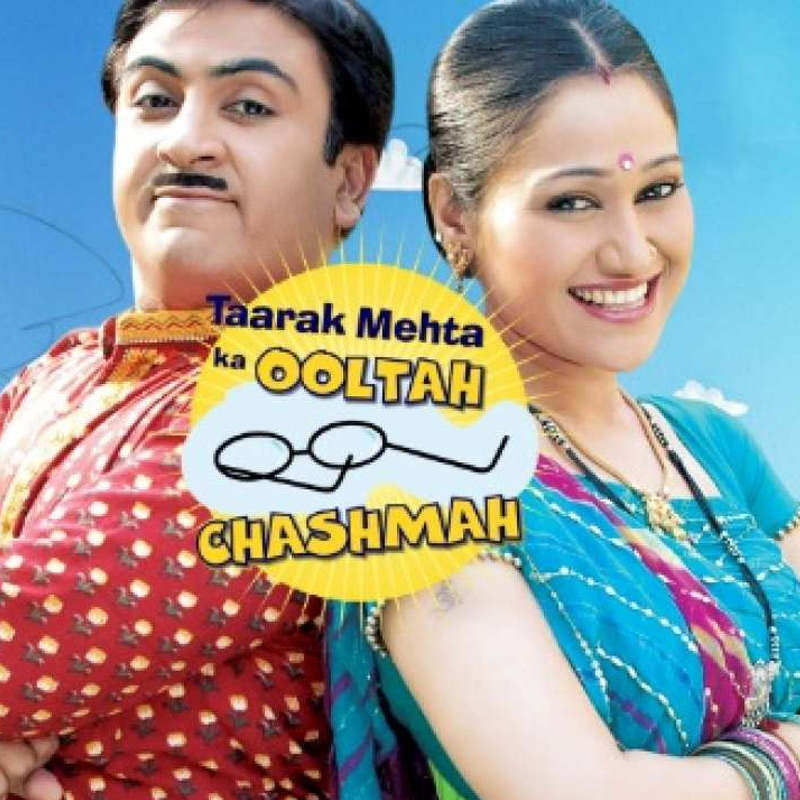
    SPN’s Hindi GEC Sony SAB retained its previous weeks rank at number eight with 552.626 million weekly impressions as compared to 541.665 million weekly impressions in week 23. Sony SAB was ranked fifth in BARC’s weekly lists of top 10 Hindi GECs in HSM (U+R) and HSM (R) and was ranked second in HSM (U). One of the longest running Indian sitcom – Taarak Mehta Ka Ooltah Chashma on Sony SAB was among BARC’s weekly list of top 5 Hindi GEC programmes on average rating across all original airings in the week in HSM (U).

    Climbing up a rank to ninth place in week 24 of 2019 was SPN’s Hindi movies channel Sony Max with 524.681 million weekly impressions as compared to tenth rank and 526.994 million weekly impressions in the previous week. Sony Max also topped BARC’s weekly lists of top 5 Hindi movies channels in HSM (U+R), HSM (U) and HSM (R). Hindi feature films Bahubali The Beginning and KGF Chapter 1 were in BARC’s weekly list of top 5 Hindi Movies programmes on average rating across all original airings in the week in HSM (U+R), HSM (R) and HSM (U).

    Viacom18’s flagship Hindi GEC Colors dropped a place to tenth rank in week 24 of 2019 with 521.025 million weekly impressions as compared to ninth rank and 536.369 million weekly impressions in week 23. Colors was ranked sixth in BARC’s weekly lists of top 10 Hindi GECs in HSM (U+R) and HSM (R) and was ranked fourth in HSM (U).

  • BARC week 23: Sun TV claws back to first place across genres, Star Sports 1 Hindi re-enters list

    BARC week 23: Sun TV claws back to first place across genres, Star Sports 1 Hindi re-enters list

    BENGALURU: The Sun TV Network’s flagship Tamil GEC Sun TV was ranked one in Broadcast Audience Research Council of India’s (BARC) weekly list of top 10 channels across genres in week 23 of 2019 (Saturday, 1 June 2019 to Friday, 7 June 2019, week under review). Enterr 10 TV’s Hindi GEC Dangal, the normal occupier of first place in non-IPL week’s after the implementation of TRAI’s new tariff order climbed down to second place during the week under review.

    And now that ICC’s World Cup 2019 cricketing tourney is on, Star India’s Hindi Sports channel – Star Sports 1 Hindi re-entered BARC’s weekly across genres list at third rank in week 23 of 2019. Consequently, a number of channels dropped a rank in week 23 of 2019 as compared to their ranks in the previous week. Sony Pictures Network India (SPN) Hindi movies channel Sony Max also re-entered BARC’s across genres list on the back of SS Rajamouli’s Bahubali The Conclusion and old faithful Sooryavansham among other movies at tenth rank.

    Six Hindi GECs, and one channel each from the Hindi movies, sports, Tamil and Telugu channels comprised BRAC’s weekly list of top 10 channels across genres in week 23 of 2019. From the network’s perspective, there were three channels from the Star India fold, two channels each from SPN and Zee Entertainment Enterprises Limited (Zeel) and one channel each from Enterr 10 TV, Sun TV Network and Viacom18 in the list.

    As mentioned above, Sun TV was ranked one in week 23 of 2019 with 811.795 million weekly impressions as compared to second rank and 765.397 million weekly impressions in week 22. Sun TV also headed BARC’s weekly list of top 5 Tamil channels in the Tamil Nadu and Puducherry markets and four of the top 5 Tamil programmes in this market based on average rating across all original airings in the week were aired on Sun TV.

    Dangal TV at second rank in week 23 of 2019 garnered 805.510 million weekly impressions as compared to first rank and 884.884 million weekly impressions in week 22. Dangal also headed BARC’s weekly lists of top 10 Hindi GECs in the combined urban and rural Hindi speaking market -HSM (U+R) and HSM (R).  Dangal was ranked seventh in HSM (U). An Indian mythology programmes– Mahima Shanidev Ki and a family drama Baba Aiso Var Dhundo on Dangal were in BARC’s list of  Top 5 Hindi GEC programmes based on average rating across all original airings in the week in HSM (R).

    Star Sports 1 Hindi entered BARC’s weekly list of top 10 channels across genres in week 23 of 2019 with 784.016 million weekly impressions at third rank. The channel was also ranked first in BARC’s weekly list of top 5 Sports channels during the week under review. Further, four of the top 5 sports programmes on average rating across all original airings in the week were aired on Star Sports 1 Hindi.

    Dropping a place to fourth rank in week 23 of 2019 was Zeel’s Hindi GEC Big Magic with 695.790 million weekly impressions as compared to third rank and 732.325 million weekly impressions in the previous week. Big Magic was ranked second in BARC’s weekly lists of top 10 Hindi GECs in HSM (U+R) and HSM (R). Big Magic was ranked eighth in BARC’s weekly list of top 10 Hindi GECs in HSM (U). The Indian mythology drama Parmavtar Shree Krishna aired on Big Magic was present in BARC’s weekly list of top 5 Hindi GEC programmes based on average rating across all original airings in the week in HSM (R).

    Star India’s flagship Telugu GEC Star Maa also dropped a rank to fifth place in week 23 of 2019 with 653.203 million weekly impressions as compared to fourth rank and 643.989 million weekly impressions in week 22. Star Maa was also ranked first in BARC’s weekly list of top 5 Telugu GECs in the Andhra Pradesh/Telangana markets and four of the five programmes in BARC’s weekly list of top 5 Telugu programmes based on average rating across all original airings in the week in these markets were aired on Star Maa.

    Dropping down a place to sixth rank was Star India’s flagship Hindi GEC Star Plus with 626.032 million weekly impressions as compared to fifth rank and 641.814 million weekly impressions in week 22. Star Plus was also ranked third, fourth and first in BARC’s weekly list of top 10 Hindi GECs in HSM (U+R), HSM (R) and HSM (U) respectively. The reboot of  Balaji Telefilm’s  Indian soap opera Kasauti Zindagi Kay on Star Plus was amongst BARC’s weekly list of top 5 Hindi GEC programmes on average rating across all original airings in the week in HSM (U).

    Zeel’s flagship Hindi GEC Zee TV also dropped a place to seventh rank with 612.470 million weekly impressions as compared to sixth rank and 628.588 million weekly impressions in week 22. Zee TV was ranked fourth in HSM (U+R), fifth in HSM (U) and was ranked third in HSM (R). The Balaji Telefilms-produced Kumkum Bhagya its spinoff Kundali Bhagya aired on Zee TV were among the top 5 Hindi GEC programmes based on average rating across all original airings in the week in HSM (U+R), HSM (R) and HSM (U). Another programme on Zee TV -Tujhse Hai Raabta was also in BARC’s weekly list of the top 5 Hindi GEC programmes based on average rating across all original airings in the week in HSM (U+R).

    SPN’s Hindi GEC Sony SAB retained its previous week’s eighth rank in week 23 of 2019 with 541.665 million weekly impressions as compared to 535.117 million weekly impressions in week 22. Sony SAB was ranked fifth in BARC’s weekly lists of top 10 Hindi GECs in HSM (U+R) and HSM (R) and was ranked fourth in HSM (U).
    Viacom18’s flagship Hindi GEC Colors dropped two ranks to ninth place in week 23 of 2019 with 536.639 million weekly impressions and seventh rank and 612.337 million weekly impressions in week 22. Colors was ranked sixth in BARC’s weekly lists of top 10 Hindi GECs in HSM (U+R) and HSM (R) and was ranked third in HSM (U).

    As mentioned above, SPN’s Hindi movies channel Sony Max entered BARC’s weekly list of top 10 channels across genres in week 23 of 2019 with 526.994 million weekly impressions. Sony Max was ranked second in BARC’s weekly lists of top 5 Hindi Movies channels in HSM (U+R) and HSM (U) and was ranked first in HSM (R). Three movies on the channel – Bahubali 2 The Conclusion, Sooryavansham and Nela Ticket were among BARC’s weekly list of top 5 Hindi Movies programmes in HSM (U+R) and HSM (R), while Bahubali 2 The Conclusion and Sooryavansham were in the top 5 Hindi movies channels list in HSM (U).

  • ESP Properties: Sports and entertainment trends 2019

    ESP Properties: Sports and entertainment trends 2019

    MUMBAI: ESP Properties, GroupM’s sports and entertainment marketing agency announced its Top Sports and Entertainment Trends for 2019 on 26 February 2019.

    ESP Properties India business head Vinit Karnik said, “2019 will be a year for sports and entertainment. With Cricket on our minds for more than half the year, brands would want to revolve their game around the sport and the athletes. While e-sports is also becoming big, it has come a long way, and it is only expected to get bigger. With almost 20 per cent of share of spend expected in digital, ad spends in sports and entertainment marketing is expected to grow and evolve.”

    Cricket to dominate media and mind measures in 2019

    Cricket is in full swing in H1 2019 with Team India moving bases from Australia to New Zealand post the ODI series and following it up with hosting Australia in February to play ODI’s & T20’s. Then comes Vivo IPL and ICC Cricket World Cup, making Virat Kohli and his boys the talk of the town for the first six months in 2019 and literally monopolizing consumer eyeballs and advertising money. 2019 will break all records of cricket consumption on TV and Digital. With the ICC World Cup in England & Wales and considering our love for London, Indians will break all worldwide records of traveling overseas to watch sports and boost the sports tourism economy. With such a start to the year dominated by cricket, emerging leagues may have to reset themselves to make their presence felt and stay relevant.

    Embrace the athlete, embrace their stories

    One of the biggest marketing trends of this year is storytelling and we expect talent to unlock maximum value in 2019. Sporting landscape, led by cricket, will see the true value of talent beyond the top cricketers being unlocked. Audiences not only want to be taken on a journey, but they also want to connect with brands. Brands which can use Athlete and their storytelling power will garner massive interest from fans and advertisers owing to mass media exposure via TV and one-to-one engagement through social communities, rediscovering their true value. Federations and leagues will carefully evaluate talent contracts in terms of talent usage rights for self, sponsor activation and scope of the engagement. With social media becoming the primary engagement platform, the right balance between personal and public imagery will be most talked and debated in 2019. One can’t rule out a policy for talent on national duty for social media engagements and media appearances. This space will be super exciting in 2019, hence watch this space closely…

    Definition of ‘sellable’ content to be rejigged by newer monetization models

    Experimental content is facing challenges to release in large scale formats like cinemas. With newer digital platform and content taking center stage, storing telling will be redefined with a lot of experimentation and fresh feel. For example, content series like Lust Stories and Love, Per Square Foot has managed to harvest a completely new group of audience via digital only release. This trend is expected to continue with many more such content prices seeing a ray of hope to see the light of day.

    Broadcasting platforms to lean on data-driven insights and player access to engage and build fans

    While traditional broadcast passed on Gold Standards of Content from linear to non-linear platforms, best practices in Consumer Engagement will move from non-linear to linear platforms. For example, Watch ‘n’ Play on Hotstar during Vivo IPL 2018 has redefined Consumer Engagement norms for the traditional linear broadcaster(s) to follow. Moreover, increasing insistence on player access as a ‘Sponsorship Right’ in the sporting ecosystem is bound to blur lines of personal endorsements. With professional sporting ecosystem in India being over a decade old, advertisers have started looking at ‘Sponsorship’ as a one-stop solution to media exposure and talent access.

    Mobile Gaming to take center stage in the competitive CPU dominant Professional E-Sports World

    Globally, professional E-sport competitions are primarily held on a computer and consoles and mobiles take a backseat. In India, we’re witnessing a different trend where tournaments being held on the mobile, courtesy – PUBG on mobile with DAU of approx. 10mn+ which is more than any other game in the world across any platform is already giving gamers in India almost half the prize money of an E-Sports League India and this is only going to further grow. There will be so many more mobile E-Sport tournaments which will be seen in the coming future.

  • Star India awaits cricket bonanza in 2019 after solid sports growth in 2018

    Star India awaits cricket bonanza in 2019 after solid sports growth in 2018

    MUMBAI: Uday Shankar, who was recently promoted to president of The Walt Disney Company Asia Pacific and chairman of Star and Disney India after the Fox-Disney units combined, has disrupted the Indian sports broadcasting business in the last couple of years. From scooping the media rights of the cash-rich Indian Premier League (IPL) to bolstering his sports networks’ regional offerings with the launch of Telugu and Kannada language, Shankar has thrown caution to the wind on more than one occasion in his bid to change the rules of the high-stakes game. Shankar’s grand vision and appetite for big bets has now placed Star India in a rather enviable position with a stranglehold over cricket properties this World Cup year.

    Tightened grip on Indian cricket

    Star wasted no time in setting the tone for the year as it appointed Gautam Thakar as the new Star Sports CEO on 15 January 2018. Thakar was roped in to fill up the void left by the exit of Nitin Kukreja, Shankar’s blue-eyed boy, who left the organisation in March 2017.

    The broadcaster tried to alter the IPL timings (8 pm game to 7 pm and the 4 pm match to 5.30 pm), a controversial development which was confirmed to Indiantelevision.com by then IPL chairman Rajeev Shukla. Despite the IPL governing council on board with the idea, opposition from team owners stalled Star’s plans.

    In February, Star won the rights for IPL’s audio-visual production as well as the BCCI domestic circuit for 2018-19, further tightening its grip on Indian cricket.

    In April, Star kept its foot on the pedal as it retained the BCCI rights, conducted via an e-auction for the first time, until 2023 for mind-boggling Rs 6,138.1 crore. Star came out on top after a fierce bidding war, which lasted three days, against Sony Pictures Network India (SPNI).

    The broadcaster paid Rs 60.1 crore per match for the 2018-23 home rights across five years which, a 50 per cent increase from the Rs 40.1 crore it shelled out for the 2012-18 cycle with a bid of Rs 3,851 crore for 96 matches.

    Kicked off IPL with a bang

    Star couldn’t have asked for a better start to its IPL reign, firing on all cylinders. The IPL final, aired live on 17 channels across eight different languages, powered the network’s growth by 34 per cent with 52.9 million average impressions. The title decider was produced with 11 live feeds across the TV network and Hotstar.

    Super streamer Hotstar, then led by Ajit Mohan, hit a world record for concurrent online viewing with 10.7 million viewers for the final. The final witnessed a sudden hike from eight million to 9.1 million and then to 9.7 million before hitting the 10.7 million mark.

    The television viewership for the tournament was 1.4 billion impressions with a growth of 15 per cent. With a total of six regional languages contributed to 22 per cent of the overall viewership.

    According to industry sources, the network clocked close to Rs 2000 crore in advertising revenue for the first season.

    For the first time, IPL was also aired on public broadcaster Doordarshan. According to the agreement, Doordarshan could telecast a select number of matches with a 60-minute delay along with some highlights.

    Another potential Star-Prasar Bharti face-off

    It wasn’t all smooth sailing for the broadcaster. In October, MIB proposed to amend the Sports Act 2007, which will provide ‘sports events of national importance’ on Prasar Bharati-owned, free-to-air Doordarshan Network an extended reach via private direct to home and cable TV Networks.

    The MIB has now proposed to amend the act to make such events available on DD through all mediums of distribution. This may result in preference changes of the consumer and would not subscribe to costly private sports network channels. This will also give the distribution platforms an opportunity to negotiate harder with the sports broadcasters.

    The move to amend the Sports Act 2007 has been necessitated due to a Supreme Court verdict which held that the public broadcaster Doordarshan cannot air events of national importance on private distribution platforms.

    In the same month, MIB issued a notice for receiving feedback/comments from general public/stakeholders on the draft bill, 2018. In a recent update, the ministry has extended the deadline to give feedback on the draft sports broadcasting signals (Mandatory sharing with Prasar Bharti) (Amendment) Bill 2018 till 15 January 2019. The earlier deadline was 31 December 2018.

    A move of this nature could adversely impact the revenues of sports broadcasters, particularly Star given its big bets on Indian cricket.

    Bolstered regional play

    Star India launched three channels in 2018, in line with its commitment of fostering a multi-sports culture in the country. Star Sports 3, a multi-lingual channel, was launched on 15 September and the first big event to air on it was Indian Super League (ISL) Season 5 in Hindi.

    Star Sports launched its third regional channel Star Sports 1 Telugu after Star Sports 1 Hindi and Star Sports 1 Tamil. The channel went on-air on 7 December.

    The broadcaster added a fourth regional channel, Star Sports 1 Kannada, on 29 December. Star India’s attempt at securing an exclusive sports channel for its Kannada viewers didn’t see the light of day for the 11th season of IPL. Regulatory hurdles made the broadcaster switch the Kannada feed to Suvarna Plus.

    According to FICCI- Re-imagining India’s M&E sector 2018, the sale of broadcasting and media rights is the biggest source of revenue for most sports organisations, and can account for 55 per cent to 70 per cent of total revenues. The global sports media rights is expected to breach the US$50 billion barrier in 2019 and could reach US$54.3 billion by 2021.

    2019 cricket bonanza

    2019 is loaded with marquee cricket events with Star India owning rights to most of them. The summer has four key series or tournaments – New Zealand versus India, India versus Australia followed by the 2019 IPL and the all-important ICC World Cup 2019. Barring two series, Star is bound to be the home for Indian cricket lovers this year. That’s not all. The broadcaster intends to further dominate the regional language market play with the launch of three additional sports channels in Bengali, Marathi and Malayalam. 

  • Brands with most integrated marketing plans to win as cricket season heats up

    Brands with most integrated marketing plans to win as cricket season heats up

    MUMBAI: Franchises, brands, broadcaster and most importantly the fans were left delighted on Tuesday as news trickled in that the Indian Premier League 2019 will be played entirely in India. The Board of Control for Cricket in India (BCCI) also announced that the 12th edition of the cash-rich league will commence from 23 March 2019.

    This is the first time since the inception of the IPL that all its matches will be played in India during a general election year. In a sense, this is a testament to the humongous popularity of the cash-rich league. It must be noted that the entire 2009 edition was moved to South Africa, while in 2014, some matches were played in the UAE.

    Season 11 of the IPL was a runaway success on every front. Broadcaster Star India leveraged 17 of its channels, including Star Plus and Star Gold, to make the finals a smash hit. It was aired in eight languages including Hindi, English, Tamil, Telugu, Bengali, Kannada, Marathi and Malayalam.

    Last year, the IPL was broadcast in six different languages – Hindi, English, Tamil, Telugu, Kannada, and Bengali. While Star was unable to get full-fledged Telugu, Kannada and Bengali channels up and running at that time, it ensured that viewers from these regions didn’t miss out on the experience. It aired the matches on Suvarna Plus (Kannada), Maa Movies (Telugu) and Jalsha Movies (Bengali).

    The thrilling final powered the network’s growth by 34 per cent with 52.9 million average impressions. The final between Chennai Super Kings and SunRisers Hyderabad was produced with 11 live feeds across the TV network and Hotstar.

    Brands have long recognised the power and popularity of cricket in India.  However, with video proliferation and regional language market expansion, more avenues seem to have opened up for the marketers to position their products.

    With India kicking off the year with a historic 2-1 Test series win against Australia, 2019 could be the year the nation is hooked on to cricket like never before.

    PwC India partner- media, entertainment and sports Raman Kalra says, “India is always a cricket hungry nation and will always continue to be cricket loving nation. A lot of diversified brands will be seen participating. The important thing is how they weave this story into a much more deeply integrated marketing plan. It is not just about running one campaign or two campaigns, can they really integrate the storyline throughout the ATL and BTL and do something beyond what is being done.”

    Barring series (ongoing Australia versus India and West Indies versus India in the month of July and August) Star is bound to be the home of cricket for India’s cricket-loving public.

    The broadcaster’s offering in 2019 commences with New Zealand versus India series followed by Australia’s visit to India, followed by the IPL and the all-important 50-over ICC Cricket World Cup among others.

    Sports advertising expenditure is largely driven by cricket with other sports contributing a minor share. According to India Sports Sponsorship report 2018 by ESP properties and SportzPower, media spending in sports as a whole grew 15.8 per cent from Rs 3511 crore ($ 516 million) to Rs 4065 crore ($ 616 million), driven even more strongly in 2017 by Television On Air, which grew an incredible 42.7 per cent from Rs 2376 crore ($ 348 million) to Rs 3379 crore ($ 512 million). The other reason for sports adex increase is the annual increase in ad rates, especially on IPL.

    “The crux would be which brand has the most integrated marketing plan and go beyond the TV, digital campaign to engage with the audience and convert them into fans,” Kalra adds.

    The marquee cricket season is also an opportunity for new brands to tap into a wider audience and amplify their reach and communication.

    Some of new brands that associated with the IPL last season were AMFI, Asian Paints, Berger Paints, Blue Star, Ceat Tyres, Crompton, Dollar, Ford, Haier, Luminous, Pidilite, Sleep Well, Vanessa, Vimal Pan Masala and Voltas joined the existing ones like Vivo, Colgate, Amul, Dream11, Elcia, Kent, Parle Agro, Polycab to name a few.

    When it comes to the big ICC events, the likes of Oppo, Nissan, MRF Tyres, Emirates, Uber, Bira, Dream11, and Royal Stag do not miss a chance to grab the audiences’ attention.

    Some industry experts believe that advertisers could be looking at an option that includes featuring both during the IPL and the World Cup as part of a combo deal.

  • Lower e-commerce spending slows down TV ad growth: Madison

    Lower e-commerce spending slows down TV ad growth: Madison

    MUMBAI: H1 2016 has not been a good time for the advertising industry – TV specially – according to leading Indian ad agency Madison Media.

    Against the projected 20 per cent TV ad growth for the full year, only 11 per cent growth has been achieved in H1 2016. This compares poorly with the gee-whiz 35 per cent growth rate achieved in H1 2015 over H1 2014 on the back of a substantial increase in e-commerce spends and the ICC World Cup.

    The drop in the TV ad growth rate is also the main reason why the total ad market growth in H1 2016 has only been 12.9 per cent, says Madison Media. This has led to a downgrade of the earlier projected growth rate for 2016 from 16.8 per cent to 13.2 per cent. The drop in value of advertising growth has been accompanied by a reduction in the volumes of adverts on most TV programming genres, with the exception of Hindi movie and Kannada channels.

    The Madison-Pitch report says that the TV industry attracted around Rs 10,198 crore in ad spending in H1 2016 as compared to Rs 9186 crore in H12015. FMCG advertisers splurged 16 per cent more in H1 2016 at Rs 5,346 crore (Rs 4,622 crore in H1 2015) but contributed 72 per cent to the growth rate of the industry. E-commerce as a category shaved spending by 37 per cent as it fell from Rs 629 crore in H1 2015 to Rs 394 crore in H1 2016.

    “The drop in growth rates in TV is led by a lower contribution of e-commerce which is a category known to pick and choose high priced inventory / impact programmes and substituted by FMCG users who resort to everyday advertising and seek high value for money,” explained Madison Media & OOH CEO Mr Vikram Sakhuja.

    Clothing fashion and jewelry ad spending also slipped into the negative zone with a 22 per cent plunge from Rs 308 crore in H1 2015 to Rs 241 crore in H1 2016.

    The telco internet and DTH segment, however, maintained its growth of last year with spends of Rs Rs 1198 crore (Rs 1068 crore in H1 2015),

    In a release sent out last week, Madison Media said it expects this trend to continue and if it does, the overall ad industry should be on course to hit a spend of Rs 50,000 crore by end 2016. However, the agency says it is culling down its TV growth rate number from 20 per cent to 11 per cent.

    Which Madison World chairman Sam Balsara says is not good news at all. “The drop in growth rate of TV advertising does not augur well for the economy as generally a spurt in ad spends leads to higher GDP growth.”

  • Lower e-commerce spending slows down TV ad growth: Madison

    Lower e-commerce spending slows down TV ad growth: Madison

    MUMBAI: H1 2016 has not been a good time for the advertising industry – TV specially – according to leading Indian ad agency Madison Media.

    Against the projected 20 per cent TV ad growth for the full year, only 11 per cent growth has been achieved in H1 2016. This compares poorly with the gee-whiz 35 per cent growth rate achieved in H1 2015 over H1 2014 on the back of a substantial increase in e-commerce spends and the ICC World Cup.

    The drop in the TV ad growth rate is also the main reason why the total ad market growth in H1 2016 has only been 12.9 per cent, says Madison Media. This has led to a downgrade of the earlier projected growth rate for 2016 from 16.8 per cent to 13.2 per cent. The drop in value of advertising growth has been accompanied by a reduction in the volumes of adverts on most TV programming genres, with the exception of Hindi movie and Kannada channels.

    The Madison-Pitch report says that the TV industry attracted around Rs 10,198 crore in ad spending in H1 2016 as compared to Rs 9186 crore in H12015. FMCG advertisers splurged 16 per cent more in H1 2016 at Rs 5,346 crore (Rs 4,622 crore in H1 2015) but contributed 72 per cent to the growth rate of the industry. E-commerce as a category shaved spending by 37 per cent as it fell from Rs 629 crore in H1 2015 to Rs 394 crore in H1 2016.

    “The drop in growth rates in TV is led by a lower contribution of e-commerce which is a category known to pick and choose high priced inventory / impact programmes and substituted by FMCG users who resort to everyday advertising and seek high value for money,” explained Madison Media & OOH CEO Mr Vikram Sakhuja.

    Clothing fashion and jewelry ad spending also slipped into the negative zone with a 22 per cent plunge from Rs 308 crore in H1 2015 to Rs 241 crore in H1 2016.

    The telco internet and DTH segment, however, maintained its growth of last year with spends of Rs Rs 1198 crore (Rs 1068 crore in H1 2015),

    In a release sent out last week, Madison Media said it expects this trend to continue and if it does, the overall ad industry should be on course to hit a spend of Rs 50,000 crore by end 2016. However, the agency says it is culling down its TV growth rate number from 20 per cent to 11 per cent.

    Which Madison World chairman Sam Balsara says is not good news at all. “The drop in growth rate of TV advertising does not augur well for the economy as generally a spurt in ad spends leads to higher GDP growth.”

  • Hotstar and Akamai renew web streaming partnership

    Hotstar and Akamai renew web streaming partnership

    NEW DELHI: Video streaming platform Hotstar and content delivery network Akamai Technologies Inc. today announced the renewal of their partnership to support Hotstar in delivering live sports content and the expected surge in viewership with the help of Akamai’s Intelligent Platform.

    Hotstar which was launched in February last year claims 65 million downloads and a content portfolio that covers local and international drama, movies and sports. Live sports in particular has seen a huge surge in viewership on Hotstar, especially as audiences turn to mobile as the primary screen for cricket updates and streaming.

    The partnership between Hotstar and Akamai announced in Bangalore plans for an expected surge in viewership over the next 18 months especially in light of the 2016 ICC World Twenty20 tournament in India, which saw a peak of 1.55 million concurrent video streams, and an average concurrency close to 350,000. The peak traffic for this event almost doubled from 655 Gbps in 2015 to 1.3 Tbps this year, highlighting the growing demand for live streaming online, across devices.

    Star and Hotstar delivered more than 23 million hours of live sporting video over the course of the T20 World Cup with the help of Akamai’s Media Delivery Solutions. The two companies are currently working to deliver the 2016 season of the Indian Premier League, which has also seen a surge in viewership over the last 2 years.

    “The Internet has become an important source for accessing global sporting events, and Akamai has consistently helped deliver events of scale around the world. Hotstar is a valued partner for Akamai and one that is consistently setting new benchmarks in video streaming and live sports consumption in particular. We are extremely proud of this successful partnership,” said Akamai Technologies Vice President, Media, APJ Parimal Pandya.

    “Since the launch of Hotstar in February 2015, we have seen a 10x increase in online viewership for sporting events. Planning for concurrency in live sports is a big part of delivering an outstanding uninterrupted experience for our users and Akamai has been an instrumental partner in helping us scale numbers that are very rarely seen online globally,” said Hotstar CEO Ajit Mohan.

    As Hotstar continues to develop and bring to market world class events, including movie premieres and live sports such as the ongoing Indian Premier League and the upcoming 2016 Summer Olympics in Rio, the two companies are working together to introduce new features and innovations on the video streaming front.

  • Hotstar and Akamai renew web streaming partnership

    Hotstar and Akamai renew web streaming partnership

    NEW DELHI: Video streaming platform Hotstar and content delivery network Akamai Technologies Inc. today announced the renewal of their partnership to support Hotstar in delivering live sports content and the expected surge in viewership with the help of Akamai’s Intelligent Platform.

    Hotstar which was launched in February last year claims 65 million downloads and a content portfolio that covers local and international drama, movies and sports. Live sports in particular has seen a huge surge in viewership on Hotstar, especially as audiences turn to mobile as the primary screen for cricket updates and streaming.

    The partnership between Hotstar and Akamai announced in Bangalore plans for an expected surge in viewership over the next 18 months especially in light of the 2016 ICC World Twenty20 tournament in India, which saw a peak of 1.55 million concurrent video streams, and an average concurrency close to 350,000. The peak traffic for this event almost doubled from 655 Gbps in 2015 to 1.3 Tbps this year, highlighting the growing demand for live streaming online, across devices.

    Star and Hotstar delivered more than 23 million hours of live sporting video over the course of the T20 World Cup with the help of Akamai’s Media Delivery Solutions. The two companies are currently working to deliver the 2016 season of the Indian Premier League, which has also seen a surge in viewership over the last 2 years.

    “The Internet has become an important source for accessing global sporting events, and Akamai has consistently helped deliver events of scale around the world. Hotstar is a valued partner for Akamai and one that is consistently setting new benchmarks in video streaming and live sports consumption in particular. We are extremely proud of this successful partnership,” said Akamai Technologies Vice President, Media, APJ Parimal Pandya.

    “Since the launch of Hotstar in February 2015, we have seen a 10x increase in online viewership for sporting events. Planning for concurrency in live sports is a big part of delivering an outstanding uninterrupted experience for our users and Akamai has been an instrumental partner in helping us scale numbers that are very rarely seen online globally,” said Hotstar CEO Ajit Mohan.

    As Hotstar continues to develop and bring to market world class events, including movie premieres and live sports such as the ongoing Indian Premier League and the upcoming 2016 Summer Olympics in Rio, the two companies are working together to introduce new features and innovations on the video streaming front.

  • India’s sports sponsorship grew to Rs 51,854 million in 2015; PayTM, Hero, CEAT and MRF emerge as big spenders

    India’s sports sponsorship grew to Rs 51,854 million in 2015; PayTM, Hero, CEAT and MRF emerge as big spenders

    MUMBAI: For those you are into sports, be it for the love of the game or love of the business that revolves around it, the welcome news is that  India has set itself to become a sporting nation that thrives not only on cricket but number of other sports as well. India with a thriving culture around sports is not a distant mirage but a near reality. The figures in the  3rd edition of Sporting Nation In The Making – III is a testament to this growth.

    This comprehensive report compiled by GroupM’s entertainment and sports arm ESP Properties and SportzPower shows that sports sponsorship in India has grown from Rs 46,165 million (Rs 4,616.50 crore) in 2014 to Rs 51,854 million (Rs 5,185.40 crore) in 2015 accounting for 10.4 per cent of the total Indian advertising expenditure. That is a  whooping 12.3 per cent growth.

    ESP Properties business head Vinit Karnik emphasised how sports can be harnessed as a successful communication medium by brands. He said, “There is definitely a cultivated sense of understanding between corporate sponsors, sports teams and federations. A symbiotic marketing relationship has emerged within the sporting ecosystem in India. 2016 will be fantastic for not only players and federations, but also for brands and spectators, with a deeper engagement with sporting properties.”

    Despite the challenges, ICC World Cup managed to garner Rs 5000 million (Rs 500 crore) in advertising revenues in 2015. On air sponsorships over all increased by 6.8 per cent YoY from Rs 25,180 million (Rs 2,518 crore) to Rs 26,900 million (Rs 2,690 crore). Out of which, 30 to 35 per cent was contributed by the emerging sports in India, while cricket took the bulk of the share.

    Interestingly, only  30 percent of the growth came from On Air deals, while the rest of the 70 percent came from  on ground sponsorships, team sponsorships, franchise fee and athlete’s brand endorsement deals, with on ground seeing  most of the action. It grew by 30 per cent from Rs 7948 million (Rs 794.80 crore) to Rs 10,305 million (Rs 1,030.50 crore).

    Though cricket bit the biggest chunk off this sponsorship pie, emerging sports leagues were the real growth drivers. Going by the figures roughly 51.38 per cent of the on ground sponsorship share was cricket’s contribution while the rest was all emerging sports.

    “Sports other than cricket have successfully established themselves in terms of revenue and fandom within the Indian sporting firmament,” SportzPower co founder Thomas Abraham shared. “Sports like kabaddi andfFootball have massively increased sponsorship revenues in 2015 and we saw return editions of sports like tennis and hockey as well. The successful launch of the Pro Wrestling League bodes well for 2016, which will see the advent of more franchise based leagues. We expect 2016 to be a good year for cricket as well as other sports, generating ad spends and clocking in corporate investments at an exponential pace,” he added.

    Infact, football saw an amazing 91.6 per cent sponsorship growth from the previous year valuing it at Rs 1140 million (Rs 114 crore) in 2015.  The biggest success story is perhaps Pro Kabaddi League, which grew by 300 per cent YoY and clocked at Rs 480 million (Rs 48 crore) in on ground sponsorship deals without a title sponsor. As per Karnik, it was a clever strategy by the broadcaster to not lock down their title sponsor and raise the bar for the next season.

    eCommerce brands took the lead as top spenders in the total ad spends on sports in 2015, followed closely by automobile brands. PayTM, CEAT Tyres and MRF Tyres together contributed Rs 1078 million (Rs 107.8 crore) per year, increasing cricket’s on ground ad spends by 14 per cent.

    Endorsements played a huge role in upping the sponsorship ante in 2015 with the sector seeing 27 per cent growth. The biggest endorsement deal was undoubtedly Tata Motors’ bringing Lionel Messi onboard on a two year deal of worth Rs 600 million (Rs 60 crore) per year. 2015 also saw Virat Kohli entering the Rs 1,000 million (Rs 100 crore) endorsement club that God Of Cricket Tendulkar and MS Dhoni earlier ruled.

    “Women are ruling the endorsement game when it comes to non-cricketing sports,” said Karnik. “Between Saina Nehwal, Sania Mirza and MC Mary Kom, the ladies share almost 40 per cent of the endorsement spends in the market with over 10 brands in each player’s kitty.” Abraham credited their sophisticated and enthusiastic engagement of fans over social media to be the driving factor apart from their continued  good performance throughout the year.

    The stress on digital, and social engagement is reiterated by both Abraham and Karnik as critical to players and teams as stats show that 70 percent of fans bring mobile phones to the stadium to share their experience, while 46 percent of mobile internet users search for sports related news and content online.

    Karnik calls 2016 to be the year of the fans and points out two key trends that will drive growth in the sector. “Now that we have sowed the seeds of a sporting nation in India, 2016 will see a great synergy between broadcasters, association’s, franchise owners, players and all other stakeholders to come together to build a culture around sports and build the fanbase. Secondly longer seasons or play for they sport will give more opportunities for brands to engage with the fans,” shared Karnik, adding that Pro Kabaddi League will see two seasons this year. Abraham on the other hand names volleyball to be the next big entrant in emerging sports league scene, which will launch with three separate sub-leagues to its name — beach volleyball, men’s volleyball and women’s volleyball league.