Tag: IBS 2024

  • IBS 2024: The future of marketing in a technology driven world

    IBS 2024: The future of marketing in a technology driven world

    Mumbai: The second edition of the Indian Brand Summit 2024, held in Mumbai, witnessed insightful discussions on how addressable advertising is transforming personalised marketing, the role of data in driving success, and the evolving landscape of OTT platforms and sports marketing. The event also explored the complexities of CTV and highlighted the rise of local brands to national prominence.

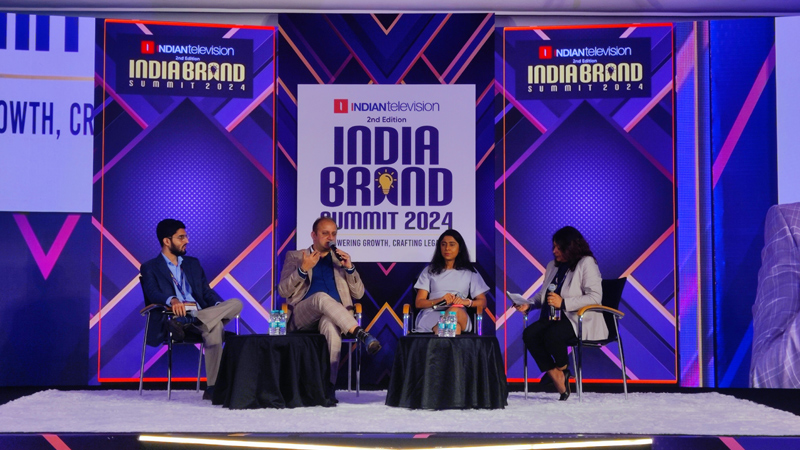
    The session titled “The future of marketing in a technology driven world” delved into how marketing is evolving to become more dynamic, personalised, and data-centric. As technology advances, marketers are rethinking their strategies and tools to better connect with consumers. Chaired by Publicis Groupe India’s CEO of digital technology business, Amaresh Godbole, the panel featured HDFC Bank’s SVP – growth marketing & martech, Deepak Oram; Pharmeasy’s Sr VP – growth, Akash Valia; Aditya Birla Capital’s brand head, Mahadev Srivatsa; and MIQ’s head of growth & revenue, Varun Mohan.

    Srivatsa emphasised the real-time capabilities of AI and its disruptive nature, stating, “The effectiveness of AI has shifted from mere delivery to creation, allowing us to better target consumers based on their evolving needs.” He highlighted the increasing availability of AI tools that streamline both the creation and delivery of marketing content, thus enhancing the consumer experience.

    Oram pointed out the critical importance of bridging gaps in customer service through technology. He noted that “consumers today research online before visiting retail stores,” underlining how digital footprints have transformed consumer behavior and marketing strategies. This shift, he explained, requires a more integrated approach, where customer behavior can inform service delivery in real time.

    Valia added a regulatory perspective, acknowledging the balance between technological advancements and compliance in healthcare. He noted that while AI can streamline processes, “the consumer experience must remain efficient,” stressing the importance of adhering to regulations while leveraging technology to enhance service delivery. He elaborated on Pharmeasy’s commitment to improving operational efficiencies, emphasizing the role of technology in expediting the prescription process.

    Mohan discussed the complexities of interpreting data across diverse consumer markets, saying, “Understanding user behavior is critical for effective campaign execution.” He highlighted MIQ’s approach to leveraging data for pre-campaign insights and continuous optimisation during campaign flights, illustrating the need for a data-driven mindset in marketing.

    The session illustrated that as technology continues to evolve, so must the strategies marketers employ to engage consumers effectively. Each panellist highlighted the necessity of adapting to changing consumer behaviors and leveraging innovative solutions to enhance the overall marketing experience.

  • IBS 2024: Unravelling the CTV puzzle

    IBS 2024: Unravelling the CTV puzzle

    Mumbai: The second edition of the Indian Brand Summit 2024, held in Mumbai, witnessed insightful discussions on how addressable advertising is transforming personalised marketing, the role of data in driving success, and the evolving landscape of OTT platforms and sports marketing. The event also explored the complexities of CTV and highlighted the rise of local brands to national prominence.

    One of the key sessions, titled “Unravelling the CTV Puzzle,” explored the rapid transformation of content consumption and the rise of connected TV (CTV). Chaired by Indian Television.com group founder, chairman & editor-in-chief Anil NM Wanvari, the panel featured Sujay Ray, L’Oréal India’s head – digital & media professional products division, Ashutosh Sinha, NDTV’s VP – distribution, and Nitin Burman, aha’s head – revenue and monetisation.

    Sujay Ray spoke about the significant technological shift over the last few years, marked by two waves—pre and post Jio, and pre and post COVID. “The first wave saw consumption move from linear and analog formats to digital,” Ray explained. The second wave further emphasized personalized content consumption, starting on smaller screens and gradually moving to larger ones. Ray added that legacy platforms have adapted to these changes, becoming more consumer-centric: “Legacy platforms have pivoted themselves, remaining cognizant of consumers’ evolving choices.”

    Nitin Burman highlighted how affordability and accessibility have driven CTV adoption, with smart TVs becoming more affordable, now available for as low as ₹7,000. He noted that this shift has made CTVs more accessible to both urban and rural markets. “People are switching from handheld devices to bigger connected TV screens for a more immersive experience,” Burman said, adding that this has led to higher revenue for platforms as audiences are willing to pay for better content and viewing experiences.

    Ashutosh Sinha pointed out how connected TV offers new opportunities to reach audiences and make previously unavailable content accessible. “Connected TV allows us to offer content that wasn’t available in traditional formats, expanding our reach to new audiences,” he remarked.

    The session shed light on how CTV is reshaping the media landscape, driven by technological advancements, shifting consumer preferences, and increasing affordability. As content consumption continues to evolve, connected TV is positioned to play a central role in the future of media.
     

  • IBS 2024: The Power of data, is it enough?

    IBS 2024: The Power of data, is it enough?

    Mumbai: The panel at IBS 2024 engaged in a thought-provoking dialogue on the evolving role of data in advertising, specifically questioning whether the sheer volume of data available today is sufficient for driving effective Return on Investment (RoI) in marketing campaigns. It also assessed if over-reliance on data and programmatic approaches might be overshadowing the need for value-driven strategies and calculated risks.

    The session was chaired by Ipsos India, senior client director, Ananya Roy Mathur followed by panelists: Blue Star India head – Digital Initiatives, Abhishek Kumar, dentsu India senior vice president – Product & Technology, Abhinay Bhasin, NitiAayog chief mentor Kushal Sanghvi and Quora head of marketing, APAC and EMEA, Neha Chimbulkar.

    Ananya asked Kushal on some of the most significant initiatives undertaken by the government years ago to which he says was the introduction of a single identity system, exemplified by the Aadhaar card. “With approximately 943 million Aadhaar cards issued, it serves as a unique identity for citizens, offering a comprehensive dataset that surpasses what any company, including Google or Facebook, possesses regarding consumer behavior. Today, almost everything is linked to this identity.”

    He also delved on initiatives like UPI (Unified Payments Interface), which have revolutionized transactions by providing a seamless payment platform. “Just a decade ago, it would have been unimaginable to have such a unified channel. Today, numerous platforms like Paytm and PhonePe enable marketers to effectively engage with audiences. The government’s approach emphasizes using data to create a holistic environment, rather than merely monetizing it.”

    Abhinay highlighted the behavior of the audiences and how it is evolving over the years. “Discovering audiences today involves understanding how behavior is evolving and integrating those insights into marketing strategies. Keeping a pulse on these changes is crucial for developing effective creative. The abundance of data we now have—processed at an unprecedented scale—provides invaluable signals from various sources, such as video viewership and behavioral patterns on platforms like Facebook and Google. This wealth of information shapes our understanding of consumers, directly informing the creative process and ensuring we reach the right addressable audiences effectively,” says Abhinay.

    Neha lastly gave insight more on to the analytical tools available. “The key lies in combining strategy with the available analytical tools. Once you clearly define your objectives, it becomes easier to identify the relevant metrics and data points necessary for achieving those goals. Despite the vast amount of data at our disposal, if we don’t focus on selling products or services that truly matter to us, we risk deflection and losing sight of ROI. In today’s marketing landscape, being ROI-driven is essential,” concludes Neha.