Tag: IBF

  • Guest Column: TRAI’s radical tariff & interconnect norms will usher in major changes

    At the onset one must appreciate the efforts put in by the TRAI in coming out with path-breaking orders involving tariff, services inter-connection and quality of services. The effort of the regulator is clearly to increase choice in the hands of consumers to pay for what they want to watch.

    The TRAI guidelines are aimed at encouraging moving away from a push-based model to a pull-based one where demand and supply will be the deciding factors. Still, it’s a known fact that consumers themselves find it difficult to pick and chose, preferring packages instead. But time will tell how the Indian consumer behaves this time around. But if the industry and the government/regulator work together, a lot can be made possible. However, there are some actions that need to be acted upon urgently. In my opinion, they are the following:

    1. TRAI guidelines pre-suppose that all distribution platform operators (DPOs) have the built in capability to create packages and also bill on a la carte basis. While it might be possible for the bigger DPOs who have invested in the backend to have this capability, I am less confident of smaller DPOs. Unfortunately, for many of them digitalization was just converting analog signals to digital. Such DPOs selected weak support players resulting in inadequate capabilities in the backend, which is the heart of digitalization (packaging and bundling). For them to make adequate changes will also mean making huge investment and technology upgrade. One way to make this possible quickly and in a cost efficient way is to implement infrastructure sharing at every level keeping advancing technology in mind. And, to make this aspect possible, it’s necessary to make licensing norms amendments in the statutory regulations relating to cable TV, HITS, and DTH.

    2. As of today, the balance of negotiating power is clearly in the hands of broadcasters and, while the TRAI orders are quite exhaustive in terms of various provisions, lets us not underestimate the capability/ingenuity/creativity of the broadcasters. I personally do not think any broadcaster will absorb the DPO margins. As broadcasters have an in-built minimum return they expect from their channels, in all probability, they will add this margin to the channels’ prices. The regulator should consider setting up a mechanism by which it can review and intervene in a time-bound manner.

    3. DPOs must move away from their analog mindsets and embrace digitalization and its implications by being more honest and transparent in their dealings with broadcasters and other stakeholders.

    4. While TRAI has outlined the terms and conditions of providing TV channels to DPOs, it has been observed that commercial negotiations are fairly simpler than the legal terms and conditions. In my view, this is a result of legacy mistrust between a broadcaster and an MSO. I would, therefore, suggest that a model interconnect be prepared by TRAI, which must be the document entered into by the said parties till the industry settles down to this new environment and mutual trust develops.

    5. Broadcasters and DPOs must work together to jointly grow the business. At the end of the day, both will benefit only if the consumer pays. I think a working group comprising representatives from various industry organizations like the IBF, NBA, AIDCF, DTH Association and TRAI/MIB should be constituted along with some independent experts to facilitate the process. This should be a small group that could make valuable suggestions. Trust and transparency will need to be the hallmark for the industry to move forward and litigations must be kept out as far as possible.

    6. The government should provide more clarity on taxation issues; especially in view of the new GST regime set to be rolled out from later this year. Simultaneously, the government must seriously consider giving `industry status’ to the broadcast sector.

    7. As far as the tariff order is concerned, DPOs have an opportunity, with the different margin structures, to set their houses in order. They need to invest in the backend, introduce VAS (value added services) and look at having some unique content.

    8. From the tariff point of view broadcasters have a challenge on their hands as they know there is a price cap with restrictions on packaging (sports channels). They should seriously consider promoting events on short-term basis as there is no minimum period for subscription. We all know consumers by and large watch 12 to 15 channels. It will be interesting to see how competing broadcasters price channels in specific genres as consumers in the short-term are likely to cap their spends on TV entertainment.

    9. DPOs in smaller towns should consider forming co-operatives to work together, while at the same time retaining their individual identities.

    As a result of fresh TRAI orders, I hope there will be more discipline and transparency in the industry, which could also see mergers within platforms as this is a time to consolidate. The Indian broadcast and cable sector is on the cusp of major changes. Those who embrace change, will flourish, while the rest will slowly perish.

    public://tony_0.jpg (The author, an Indian media industry veteran, is the former CEO-Media, Hinduja Group. The views expressed here are personal, and Indiantelevision.com need not necessarily subscribe to them.)


  • Times TV gets into a gunfight with CNBC TV18 on Budget Day claims

    MUMBAI: There’s a gunfight on in Indian news television town. And, the gunslingers are: Times Television Network and TV18’s CNBC TV18.

    CNBC TV18 drew its gun first claiming that the channel had created unprecedented highs in viewership on budget day (1 February) cornering almost 86 per cent of English business news channel viewership as against 10 per cent for arch rival ET Now and four per cent by the others. And it made a lot of noise about it online and in print and outdoor media.

    Times Television Network has retaliated crying foul and has written letters to the sheriffs of news TV town – that is the Indian Broadcasting Foundation (IBF), the News Broadcasters Association (NBA), BARC, the Advertising Agencies Association of India and the Indian Society of Advertisers. (The letters are in the possession of indiantelevision.com).

    According to Times Television Network, its ET Now team observed a sudden spike in CNBC TV18’s reach to 2,289,000 as against an average of 289,000 over the previous thirteen weeks. This points to a manipulation of its viewership, states Times TV in a communication with indantelevision.com.

    How did CNBC TV18 allegedly achieve this?

    ET Now says its fiercest competitor allegedly “resorted to replacing the feeds of its network/bouquet channels with the feed of CNBC TV18, in the networks of MSOs like GTPL, InCable, E-Infra, Kaizen, Digicable, Manthan, Barasat, Meghbela.”

    And its communication has a list of cable TV networks detailing the channels that were allegedly replaced in each territory with CNBC TV18.

    “This helped it get an unfair advantage over the other competing channels… such an unnatural increase in the rating was not due to the channel’s coverage or the relevance of the day’s programming,” it further alleges in the email to indiantelevision.com. “The rating system of BARC captured the ratings of all the parallel LCNs on various networks and reported the same collectively as ratings for CNBC TV18. This was not just an addition to the regular and normal rating of the existing channel, but also a multiplication of the ratings, causing a sharp and unnatural spike. This fact could be corroborated by comparing the ratings of the regional channels – Colours and ETV, especially in the territories of Delhi, Bengaluru, Maharashtra, Kolkata, Madhya Pradesh and Gujarat, as these channels saw a drop in their ratings on Budget day.”

    Times Television Network has urged the associations “to investigate and take action against TV18 and direct them not to indulge in such practices as it doesn’t only damage the reputation of broadcasters, but also causes disruption among them. Let’s hope this case serves as a precedent against using such unwarranted methods in the industry.”

    Indiantelevision.com reached out to the corporate communications team at Network18 and got a point-blank denial on the allegation that it resorted to dirty tricks on Budget Day.

    “We are not aware of any such complaint, nor have we received any communication in this regard. CNBC-TV18 has always been at the forefront when it comes to the Union Budget coverage and has been a leader on the Budget day even in the past. Viewers chose to watch our channel because of the content and we believe in investing in our channel to ensure quality is maintained. Any suggestion that we have used unfair means is a false propaganda by competition to justify their dismal performance. We disapprove of anyone spreading rumours about us and accept the viewer’s choice.”

    TV viewership monitor BARC acknowledged that it had got a letter from Times Television Network highlighting the alleged CNBC TV 18 Budget Day tactics.

    A spokesperson explained that “broadcasters may opt to make their channel (s) available on more than one slot/frequency on a particular distribution platform for a variety of reasons: such decisions are entirely within the domain of the broadcaster and distribution platform (DTH, cable etc). Regulatory issues pertaining to this, if any, would lie within the domain of Ministry of Information & Broadcasting (MIB) and/or the Telecom Regulatory Authority of India (TRAI). Pre-empting or stopping broadcasters from making efforts to raise visibility of their channels is not within our remit. Our mandate is to measure what people watch and for how long. We strictly follow Government of India guidelines on the matter.”

    “By virtue of its mandate, and the technology deployed, BARC India measures viewership of a watermarked channel, irrespective of the platform it is available on, and also the number of instances within that platform. As long as all/multiple feeds carry the same unique watermark, BARC India’s Bar-o-Meters would read all of them as one channel and we would report its ratings as a single channel. In effect, multiple instances of a channel on a single platform is not very dissimilar to its availability across multiple platforms, or distribution modes.”

    In the past, networks such as Star India have simulcast cricket on many of its channels. It did the same for its Aamir Khan hosted show Satyamev Jayate which was also aired on Doordarshan and in different languages on its various regional channels as well as on Eenadu TV.

    Will Times TV Network take BARC’s response at face value? Or will it go further and seek to change the way the latter monitors and reports viewership? Or will it continue its fight by going to TRAI and the MIB? Or will the Times TV Network and other broadcast network managements learn from CNBC TV18’s Budget Day tactics and also go for roadblocks on distribution platforms for select events on a channel?

    Clearly, the last of the bullets has not been fired in this gun battle.

    Also Read:

    http://www.indiantelevision.com/television/tv-channels/viewership/news-channels-across-genres-see-rise-in-ratings-cnbc-tv18-leads-in-viewership-170203

    http://www.indiantelevision.com/television/tv-channels/news-broadcasting/barc-india-suspends-three-errant-channels-review-161125

    http://www.indiantelevision.com/television/tv-channels/viewership/whether-barc-action-can-stop-unethical-practices-161021

    http://www.indiantelevision.com/specials/year-enders/barc-india-gets-thumbs-up-for-2016but-challenges-remain-170111

  • BARC India mulls client contract review & enforcing opt-out clause

    BARC India mulls client contract review & enforcing opt-out clause

    NEW DELHI: India’s TV audience measurement company Broadcast Audience Research Council of India (BARC India) is contemplating a complete review and legal overhaul of contracts it signs with subscribers and also enforcing the opt-out clause mentioned in agreements with an aim to streamline the whole measurement process and safeguard against increased litigation.

    Indian broadcast industry sources, while confirming such a move is afoot, indicated the thinking within BARC India is that to bring about more transparency in the ecosystem and further boost credibility of the viewership audit, it’s imperative to legally “review and amend” the way in which the contracts are phrased so there’s more clarity.

    The sources pointed out that under the present agreement terms, BARC India can opt out of providing measurement and ratings services to any subscriber, especially those that it sees as “compromising” its position in the industry.

    According to the wordings of its sample client contract, BARC India shall have the right to terminate an agreement, of course by giving written notice, if a subscriber “commit(s) an act, which brings BARC into public disrepute, contempt, scandal (and) ridicule”. This clause is amongst several other such conditions stipulated in an agreement that BARC India signs with an organization that starts subscribing to the paid, full and detailed services of the ratings audit firm.

    Industry sources, familiar with wordings in an agreement, said a legal interpretation states BARC is not obligated or under compulsion to provide or continue to provide its ratings service to a client. “In fact the onus of renewing the annual contract lies on the (paid) subscriber and, while BARC has so far been proactive in renewing contracts under the terms of the agreement, it can leave it up to the clients to seek renewal,” a source explained.

    BARC India, which is  promoted jointly by the Indian Broadcasting Foundation (IBF), the Advertising Agencies Association of India (AAAI) and the Indian Society of Advertisers (ISA), in November 2016 suspended for four weeks the review of viewership of three TV news channels. Reason: alleged activities aimed at manipulating viewership.

    The news channels concerned subsequently moved the Bombay High Court that immediately granted them temporary relief, while one of the channels also sued BARC India for defamation, seeking financial damages. The appeal is still in  the high court in Mumbai, the jurisdiction area for a legal dispute involving BARC India.

    The review process of contractual obligations, deliverables and suspension is being undertaken by BARC India  at a time when it prepares to rollout its digital measurement services some time later this year or early 2018. It is also set to expand its people meter sample in the next few months.

    For this, it had sought global expertise through a process that has elicited interest from several existing measurement firms, including Nielsen. BARC India replaced TAM India, a joint venture between Nielsen and WPP-owned Kantar Media, for viewership measurement in India little over two years back.

    ALSO READ:

    BARC India suspends three errant channels’ review

    In deference to court, BARC to release suspended channels’ data

    ‘Name and shame delinquent channels’


  • BARC India mulls client contract review & enforcing opt-out clause

    BARC India mulls client contract review & enforcing opt-out clause

    NEW DELHI: India’s TV audience measurement company Broadcast Audience Research Council of India (BARC India) is contemplating a complete review and legal overhaul of contracts it signs with subscribers and also enforcing the opt-out clause mentioned in agreements with an aim to streamline the whole measurement process and safeguard against increased litigation.

    Indian broadcast industry sources, while confirming such a move is afoot, indicated the thinking within BARC India is that to bring about more transparency in the ecosystem and further boost credibility of the viewership audit, it’s imperative to legally “review and amend” the way in which the contracts are phrased so there’s more clarity.

    The sources pointed out that under the present agreement terms, BARC India can opt out of providing measurement and ratings services to any subscriber, especially those that it sees as “compromising” its position in the industry.

    According to the wordings of its sample client contract, BARC India shall have the right to terminate an agreement, of course by giving written notice, if a subscriber “commit(s) an act, which brings BARC into public disrepute, contempt, scandal (and) ridicule”. This clause is amongst several other such conditions stipulated in an agreement that BARC India signs with an organization that starts subscribing to the paid, full and detailed services of the ratings audit firm.

    Industry sources, familiar with wordings in an agreement, said a legal interpretation states BARC is not obligated or under compulsion to provide or continue to provide its ratings service to a client. “In fact the onus of renewing the annual contract lies on the (paid) subscriber and, while BARC has so far been proactive in renewing contracts under the terms of the agreement, it can leave it up to the clients to seek renewal,” a source explained.

    BARC India, which is  promoted jointly by the Indian Broadcasting Foundation (IBF), the Advertising Agencies Association of India (AAAI) and the Indian Society of Advertisers (ISA), in November 2016 suspended for four weeks the review of viewership of three TV news channels. Reason: alleged activities aimed at manipulating viewership.

    The news channels concerned subsequently moved the Bombay High Court that immediately granted them temporary relief, while one of the channels also sued BARC India for defamation, seeking financial damages. The appeal is still in  the high court in Mumbai, the jurisdiction area for a legal dispute involving BARC India.

    The review process of contractual obligations, deliverables and suspension is being undertaken by BARC India  at a time when it prepares to rollout its digital measurement services some time later this year or early 2018. It is also set to expand its people meter sample in the next few months.

    For this, it had sought global expertise through a process that has elicited interest from several existing measurement firms, including Nielsen. BARC India replaced TAM India, a joint venture between Nielsen and WPP-owned Kantar Media, for viewership measurement in India little over two years back.

    ALSO READ:

    BARC India suspends three errant channels’ review

    In deference to court, BARC to release suspended channels’ data

    ‘Name and shame delinquent channels’


  • Broadcasters bat for parity with print medium under GST

    Broadcasters bat for parity with print medium under GST

    NEW DELHI: The Indian Broadcasting Foundation (IBF) today urged the government to level the playing field under the proposed GST regime for “all mediums”, including electronic, radio and print, as businesses across sectors had taken a hit due to demonetisation of high value currency notes November last.

    In a statement put out on Friday, the IBF, which is dedicated to the promotion of television broadcasting in and from India as an organisation, exhorted the government to treat broadcasting community at par with the print medium.

    “Just like the print media that has been clamouring for a zero rating of newspapers under the new GST regime, fuming under mass retrenchment and closing down of various editions, the electronic and the radio media, though bleeding under cancellations of advertisements (of) over Rs. 2000 crore (Rs. 20 billion) have requested the government to treat them at par with the print counterpart as they cater to imparting of not only news, entertainment, but also help educate the masses,” the statement said.

    The IBF statement comes a day after Minister of Information and Broadcasting M. Venkaiah Naidu directed his ministry’s top official, Secretary Ajay Mittal, to examine various concerns raised by the print media players, including the tax regime that would be ushered in under the proposed Goods & Services Tax (GST), wages in the sector and the way government hands out advertising business to newspapers and magazines.

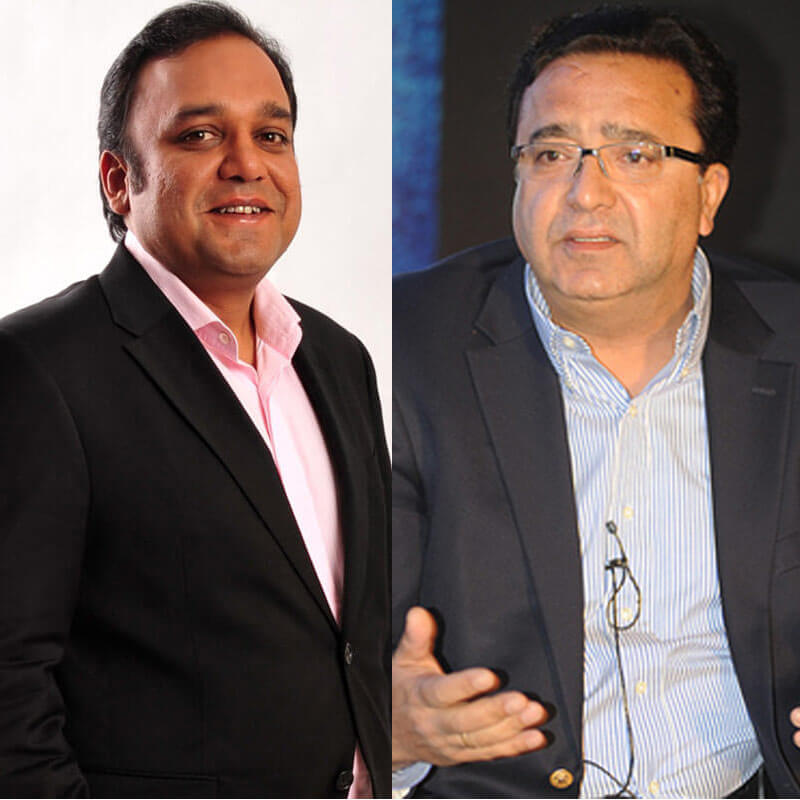
    President of IBF, representing broadcasters in the country with more than 400 channels and 90 per cent of viewership in the country, Punit Goenka said, “It is important that the government recognises TV services, which has evolved over the years as a product/service of mass consumption, to be classified and categorized under the item of mass consumption having a GST rate of 5 per cent so that it becomes affordable to masses.”

    Goenka further added: “Going by the number of TV households, which stands at 120 million, we submit to the government that broadcast services, that is, TV and radio, must be treated at par with the print (medium) in the new GST regime. This submission is based entirely on the fact that TV services have become integral part of everyday life of the vast majority in the country and the general economic downturn globally has impacted the sector extensively.”

    According to MIB data as on 31 December 2016, there are 899 licensed TV channels in the country of which 399 are news and current affairs channels, while 500 fall under the non-news and current affairs category. Building on this data, IBF highlighted that while many news channels had shuttered or are doing so, some others were downsizing to cope with falling revenues — a fall out of shrinking advertising revenue following demonetisation — and rising infrastructure and contest costs. “It seems that many (TV channel) licenses would get either get cancelled or submitted (back) voluntarily by the stakeholders,” IBF warned.

    Pointing out that the rates of DAVP advertisements (the government body that hands out government ads to media), which all broadcasters have to mandatorily carry on their networks, have remain unchanged since 2010, Sony Pictures Networks India president, network sales and international business Rohit Gupta said, “The rock-bottom rates are not at all in keeping with the existing market rates and allows little flexibility to carry out businesses.”

    Dwelling on the impact that rising costs can have on smaller TV channels’ investments in content, which can have “cascading” effects on viewer choice, Zee Entertainment president, legal & regulatory, A Mohan said, “We urge the government to free the media, print, television and radio (mediums) from obsolete taxation squeezes and attacks on revenue streams, as the vitality of this industry is essential to protect the fibre of the country, both socially and economically.”

    The IBF statement, which cautioned government against job losses and disruptions in the vibrant Indian media industry, advocated non-stifling tax regime that can reflect in the upcoming Budget 2017.

  • Broadcasters bat for parity with print medium under GST

    Broadcasters bat for parity with print medium under GST

    NEW DELHI: The Indian Broadcasting Foundation (IBF) today urged the government to level the playing field under the proposed GST regime for “all mediums”, including electronic, radio and print, as businesses across sectors had taken a hit due to demonetisation of high value currency notes November last.

    In a statement put out on Friday, the IBF, which is dedicated to the promotion of television broadcasting in and from India as an organisation, exhorted the government to treat broadcasting community at par with the print medium.

    “Just like the print media that has been clamouring for a zero rating of newspapers under the new GST regime, fuming under mass retrenchment and closing down of various editions, the electronic and the radio media, though bleeding under cancellations of advertisements (of) over Rs. 2000 crore (Rs. 20 billion) have requested the government to treat them at par with the print counterpart as they cater to imparting of not only news, entertainment, but also help educate the masses,” the statement said.

    The IBF statement comes a day after Minister of Information and Broadcasting M. Venkaiah Naidu directed his ministry’s top official, Secretary Ajay Mittal, to examine various concerns raised by the print media players, including the tax regime that would be ushered in under the proposed Goods & Services Tax (GST), wages in the sector and the way government hands out advertising business to newspapers and magazines.

    President of IBF, representing broadcasters in the country with more than 400 channels and 90 per cent of viewership in the country, Punit Goenka said, “It is important that the government recognises TV services, which has evolved over the years as a product/service of mass consumption, to be classified and categorized under the item of mass consumption having a GST rate of 5 per cent so that it becomes affordable to masses.”

    Goenka further added: “Going by the number of TV households, which stands at 120 million, we submit to the government that broadcast services, that is, TV and radio, must be treated at par with the print (medium) in the new GST regime. This submission is based entirely on the fact that TV services have become integral part of everyday life of the vast majority in the country and the general economic downturn globally has impacted the sector extensively.”

    According to MIB data as on 31 December 2016, there are 899 licensed TV channels in the country of which 399 are news and current affairs channels, while 500 fall under the non-news and current affairs category. Building on this data, IBF highlighted that while many news channels had shuttered or are doing so, some others were downsizing to cope with falling revenues — a fall out of shrinking advertising revenue following demonetisation — and rising infrastructure and contest costs. “It seems that many (TV channel) licenses would get either get cancelled or submitted (back) voluntarily by the stakeholders,” IBF warned.

    Pointing out that the rates of DAVP advertisements (the government body that hands out government ads to media), which all broadcasters have to mandatorily carry on their networks, have remain unchanged since 2010, Sony Pictures Networks India president, network sales and international business Rohit Gupta said, “The rock-bottom rates are not at all in keeping with the existing market rates and allows little flexibility to carry out businesses.”

    Dwelling on the impact that rising costs can have on smaller TV channels’ investments in content, which can have “cascading” effects on viewer choice, Zee Entertainment president, legal & regulatory, A Mohan said, “We urge the government to free the media, print, television and radio (mediums) from obsolete taxation squeezes and attacks on revenue streams, as the vitality of this industry is essential to protect the fibre of the country, both socially and economically.”

    The IBF statement, which cautioned government against job losses and disruptions in the vibrant Indian media industry, advocated non-stifling tax regime that can reflect in the upcoming Budget 2017.

  • Hathway’s Panesar succeeds Wadhwa as AIDCF head

    Hathway’s Panesar succeeds Wadhwa as AIDCF head

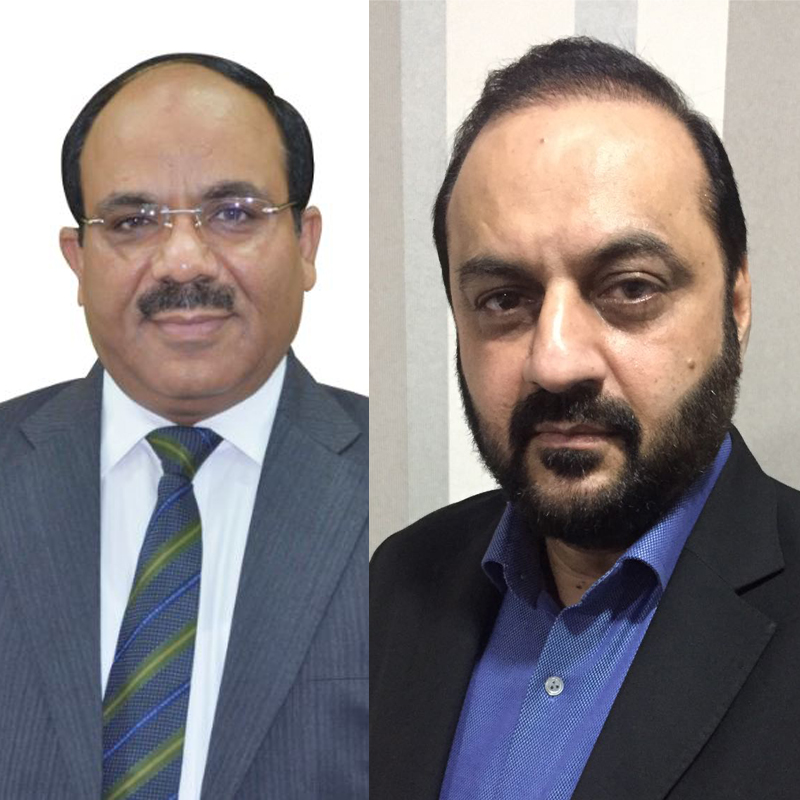
    MUMBAI/NEW DELHI: Hathway Cable & Datacom’s Video Business CEO T S Panesar has taken over as the new president of the All-India Digital Cable Federation (AIDCF), the apex body of digital cable television players.

    Panesar was unanimously elected at AIDCF’s 11th governing council meeting held in New Delhi. He succeeds SITI Networks ED and CEO V D Wadhwa who completed his two-year term as the founder-president of the Federation.

    Panesar has over 20 years of experience in media and entertainment industry, both on the broadcasting and distribution side.
    The governing council also appointed SITI Networks COO Anil Malhotra as he vice-president and Fastway Transmissions Private Ltd CEO Peeush Mahajan as the treasurer of the Federation.

    AIDCF placed on record its appreciation for the immense contribution made by Wadhwa as the founder and first president of the Federation over two years ago. Under his aegis, the federation earned its stripes with MIB, TRAI, DoT, Ministry of Finance and all the other industry bodies i.e. IBF, DTH Federation, CII, FICCI, ASSOCHAM etc in the media & entertainment Sector.

    The Federation has played key role in bringing all the major players of the industry controlling over 70 per cent of the business under one umbrella and have taken up the issues concerning the cable industry by liaising with the concerned government department/ministry as well as with the other industry bodies of the broadcasters and DTH operators besides playing key role in resolving the deadlock in implementation of phase III of digitization.

    On giving over the baton to Panesar, Wadhwa said, “A solid foundation has been laid for addressing all the concerns of the industry and I am confident that under the leadership of Panesar and active participation by all the members, the federation would further gain strength and shall be able to create an environment for the profitable growth of the cable industry.”

    Commenting on his appointment as the AIDCF president, Panesar said, “I am deeply honored and privileged to be appointed to lead the federation. It’s a big challenge and responsibility entrusted upon me and I look forward to working closely with all members to bring further changes in the environment. Having seen the evolution of the cable & broadcasting industry from the analogue to the digital regime, we are now at the cusp of a another major shift in light of the new regulation which is aimed at improving transparency, empowering customers to exercise choice and ensuring orderly growth of all stakeholders in the eco-system. We strongly believe that technology should be leveraged to address the changing needs of the industry. Together, we will strive towards strengthening our bond with all stakeholders to deliver a world class service to the consumers and improve customer satisfaction levels.”

    AIDCF secretary -general Saharsh Damani said, “With digitisation entering into last phase and focus on wired broadband gaining traction for all the members, I am sure that, under Panesar’s leadership, the digital cable industry will enter into the next orbit of momentum and growth.”

  • Hathway’s Panesar succeeds Wadhwa as AIDCF head

    Hathway’s Panesar succeeds Wadhwa as AIDCF head

    MUMBAI/NEW DELHI: Hathway Cable & Datacom’s Video Business CEO T S Panesar has taken over as the new president of the All-India Digital Cable Federation (AIDCF), the apex body of digital cable television players.

    Panesar was unanimously elected at AIDCF’s 11th governing council meeting held in New Delhi. He succeeds SITI Networks ED and CEO V D Wadhwa who completed his two-year term as the founder-president of the Federation.

    Panesar has over 20 years of experience in media and entertainment industry, both on the broadcasting and distribution side.
    The governing council also appointed SITI Networks COO Anil Malhotra as he vice-president and Fastway Transmissions Private Ltd CEO Peeush Mahajan as the treasurer of the Federation.

    AIDCF placed on record its appreciation for the immense contribution made by Wadhwa as the founder and first president of the Federation over two years ago. Under his aegis, the federation earned its stripes with MIB, TRAI, DoT, Ministry of Finance and all the other industry bodies i.e. IBF, DTH Federation, CII, FICCI, ASSOCHAM etc in the media & entertainment Sector.

    The Federation has played key role in bringing all the major players of the industry controlling over 70 per cent of the business under one umbrella and have taken up the issues concerning the cable industry by liaising with the concerned government department/ministry as well as with the other industry bodies of the broadcasters and DTH operators besides playing key role in resolving the deadlock in implementation of phase III of digitization.

    On giving over the baton to Panesar, Wadhwa said, “A solid foundation has been laid for addressing all the concerns of the industry and I am confident that under the leadership of Panesar and active participation by all the members, the federation would further gain strength and shall be able to create an environment for the profitable growth of the cable industry.”

    Commenting on his appointment as the AIDCF president, Panesar said, “I am deeply honored and privileged to be appointed to lead the federation. It’s a big challenge and responsibility entrusted upon me and I look forward to working closely with all members to bring further changes in the environment. Having seen the evolution of the cable & broadcasting industry from the analogue to the digital regime, we are now at the cusp of a another major shift in light of the new regulation which is aimed at improving transparency, empowering customers to exercise choice and ensuring orderly growth of all stakeholders in the eco-system. We strongly believe that technology should be leveraged to address the changing needs of the industry. Together, we will strive towards strengthening our bond with all stakeholders to deliver a world class service to the consumers and improve customer satisfaction levels.”

    AIDCF secretary -general Saharsh Damani said, “With digitisation entering into last phase and focus on wired broadband gaining traction for all the members, I am sure that, under Panesar’s leadership, the digital cable industry will enter into the next orbit of momentum and growth.”

  • Tariff order: Don’t notify without SC nod, TRAI told; Madras HC case to continue

    Tariff order: Don’t notify without SC nod, TRAI told; Madras HC case to continue

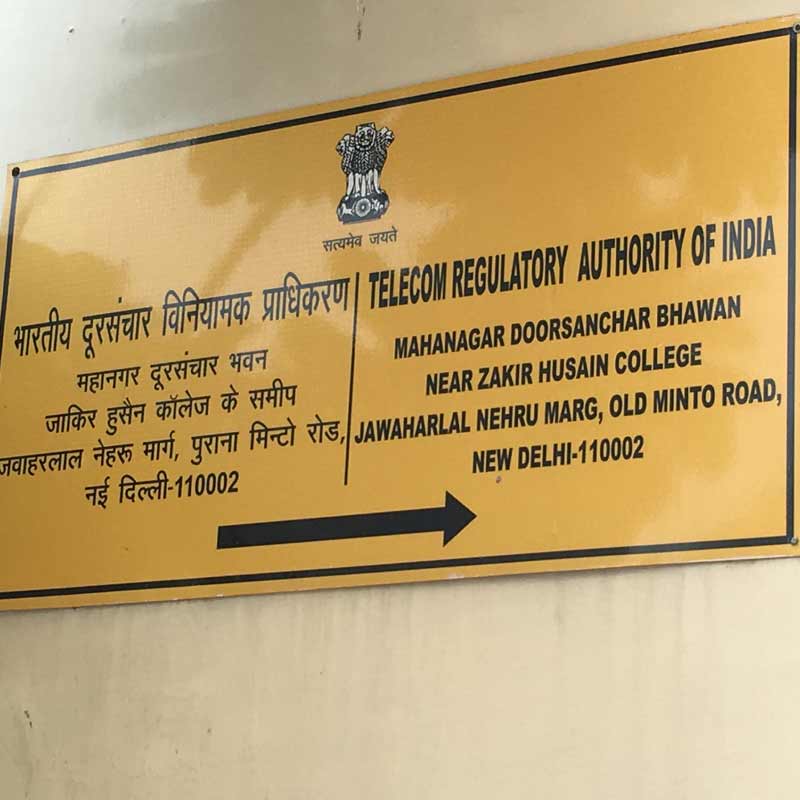
    NEW DELHI: Declining to stay proceedings in the Madras High Court, the Supreme Court today said the Telecom Regulatory Authority of India could continue with its work relating to consultation papers and tariff orders, but will not notify these without first referring them to the apex court.

    The apex court direction came on an appeal by TRAI against an order of the Madras High Court. When contacted by indiantelevision.com, TRAI said it has no comments to make on the Supreme Court directive or on the course of action in the high court.

    The high court had, on 12 January 2017, extended the status quo ordered by it on 23 December 2016 with regard to any tariff orders or regulations for the broadcast sector that related to copyrights issue. The HC was informed that India’s telecoms and broadcast regulator had filed an appeal in the Supreme Court. After today’s apex court directive, the case filed by Star TV and Vijay TV will come up in the Madras High Court as slated on 19 January 2017.

    The petitioner-broadcasters had sought to argue that the TRAI orders on tariff regulations were broadly in conflict with the Copyright Act 1957. Pending the full hearing of the case, TRAI would not be able to pass any guidelines for issues such as broadcast tariff, broadcast interconnect, etc.

    A few months ago, TRAI had issued draft guidelines on tariff, interconnect and quality of service wherein it had suggested various parameters for stakeholders of the broadcast and cable sectors.

    It may be recalled that the Indian Broadcasting Foundation (IBF) had said in a submission to the TRAI drafts last year that the exercise was in direct conflict with the provisions of the Copyright Act and other international copyrights laws, especially the Berne Convention. The IBF had said the Copyright Board is fully empowered to adjudicate upon disputes between any person and Content or Broadcast Reproduction Rights owners. Hence the Copyright Act and Rules provide for protection, monetisation, enforcement and adjudication procedures for all copyrightable work and broadcast reproduction rights.

    Meanwhile, weighing in with the IBF, Asian pay TV industry body CASBA today in a statement said that it has long expressed concern about India’s previous rate regulations, which included a cable retail price freeze imposed in 2004 “until the market became more competitive” and never revoked.

    Also read:   TRAI regulations threaten investment, warns CASBAA

    Also read:   Maintain status quo on broadcast guidelines, Madras HC tells TRAI

    Also read:   TRAI tariff: Madras HC extends status quo; SC to hear regulator’s appeal on 16 Jan

  • Tariff order: Don’t notify without SC nod, TRAI told; Madras HC case to continue

    Tariff order: Don’t notify without SC nod, TRAI told; Madras HC case to continue

    NEW DELHI: Declining to stay proceedings in the Madras High Court, the Supreme Court today said the Telecom Regulatory Authority of India could continue with its work relating to consultation papers and tariff orders, but will not notify these without first referring them to the apex court.

    The apex court direction came on an appeal by TRAI against an order of the Madras High Court. When contacted by indiantelevision.com, TRAI said it has no comments to make on the Supreme Court directive or on the course of action in the high court.

    The high court had, on 12 January 2017, extended the status quo ordered by it on 23 December 2016 with regard to any tariff orders or regulations for the broadcast sector that related to copyrights issue. The HC was informed that India’s telecoms and broadcast regulator had filed an appeal in the Supreme Court. After today’s apex court directive, the case filed by Star TV and Vijay TV will come up in the Madras High Court as slated on 19 January 2017.

    The petitioner-broadcasters had sought to argue that the TRAI orders on tariff regulations were broadly in conflict with the Copyright Act 1957. Pending the full hearing of the case, TRAI would not be able to pass any guidelines for issues such as broadcast tariff, broadcast interconnect, etc.

    A few months ago, TRAI had issued draft guidelines on tariff, interconnect and quality of service wherein it had suggested various parameters for stakeholders of the broadcast and cable sectors.

    It may be recalled that the Indian Broadcasting Foundation (IBF) had said in a submission to the TRAI drafts last year that the exercise was in direct conflict with the provisions of the Copyright Act and other international copyrights laws, especially the Berne Convention. The IBF had said the Copyright Board is fully empowered to adjudicate upon disputes between any person and Content or Broadcast Reproduction Rights owners. Hence the Copyright Act and Rules provide for protection, monetisation, enforcement and adjudication procedures for all copyrightable work and broadcast reproduction rights.

    Meanwhile, weighing in with the IBF, Asian pay TV industry body CASBA today in a statement said that it has long expressed concern about India’s previous rate regulations, which included a cable retail price freeze imposed in 2004 “until the market became more competitive” and never revoked.

    Also read:   TRAI regulations threaten investment, warns CASBAA

    Also read:   Maintain status quo on broadcast guidelines, Madras HC tells TRAI

    Also read:   TRAI tariff: Madras HC extends status quo; SC to hear regulator’s appeal on 16 Jan