Tag: IBDF

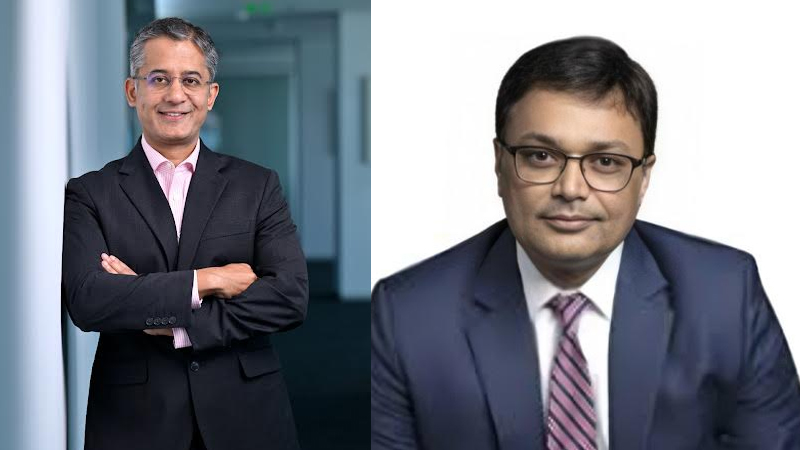
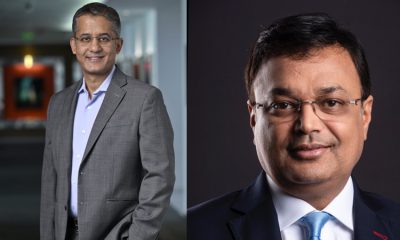
  • Kevin Vaz retained as IBDF president, Avinash Pandey to be secretary general

    Kevin Vaz retained as IBDF president, Avinash Pandey to be secretary general

    MUMBAI: The Indian Broadcasting & Digital Foundation (IBDF) has sent out a clear signal at its 26th Annual General Meeting in New Delhi: television remains the beating heart of India’s entertainment story.

    A significant leadership transition was announced at the AGM. Media veteran Avinash Pandey will assume the role of secretary general from October 1, 2025, succeeding Siddharth Jain, whose tenure concluded on September 30. Members expressed gratitude to Jain for his contributions and warmly welcomed Pandey. Reflecting on his appointment, Pandey said, “I am honoured to take on this role at such a pivotal time. My focus will be on engaging with government, navigating the evolving regulatory landscape, and strengthening IBDF’s role as the industry’s unified voice.”  

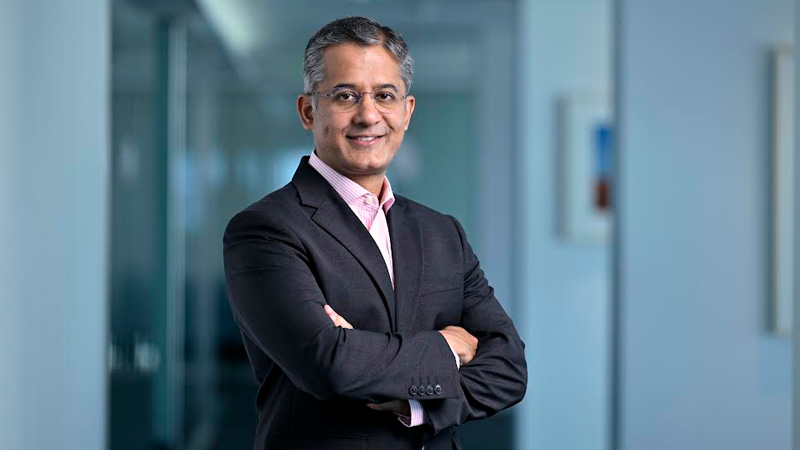
    Chairing the AGM in his inaugural address as president, Jiostar India CEO – entertainment Kevin Vaz underscored the enduring power of linear TV. He pointed out that 97 per cent of India’s original content in 2024, nearly 200,000 hours, was created for television, which continues to engage audiences at scale with roughly 46 trillion minutes of annual viewing across 190 million screens. He described TV as the “bedrock of content creation and brand building in India,” highlighting its unmatched reach and cultural resonance through the family co-viewing experience. Vaz added that advertising revenues are set to climb, with the festive season offering an immediate boost and the government’s recent GST reforms providing a strong foundation for long-term growth. “Television’s next chapter is one of evolution, leveraging reach and trust, amplified by digital,” he said, affirming IBDF’s commitment to advocate for a forward-looking regulatory framework.

    The AGM also featured board elections, where Gaurav Banerjee of Culver Max and R. Mahesh Kumar of Sun Network were re-elected, while Anil Kumar Singhvi of Zee Media joined as a new board member. The Office Bearers were re-elected for the new term, with Vaz as president, Rajat Sharma of India TV, Banerjee, and Kumar as vice presidents, and I. Venkat of Eenadu TV continuing as treasurer. The Board also includes Aroon Purie of TV Today Network, Gaurav Dwivedi of Prasar Bharati, Jayant Mathew of MMTV, and Punit Goenka of Zee Entertainment, while Sumanta Bose of Jiostar, John Brittas of Kairali TV, and Nachiket Pantvaidya of Culver Max were co-opted as members.

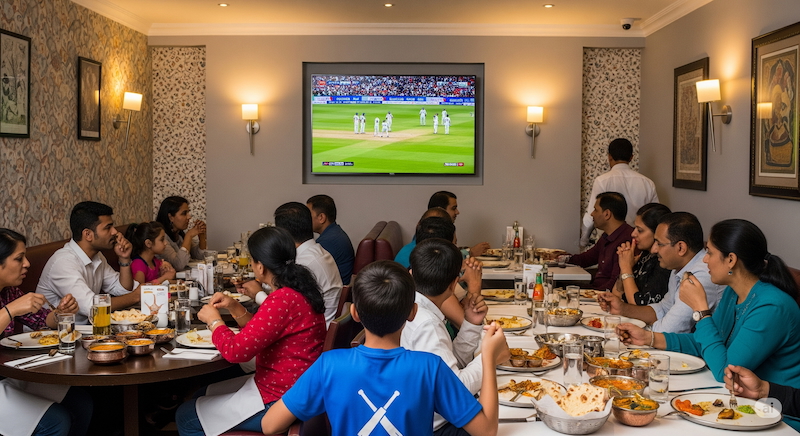
    The AGM was also attended by senior officials from the Ministry of Information & Broadcasting, including secretary Sanjay Jaju and additional secretary Prabhat, who joined industry leaders at a special luncheon hosted by IBDF, enabling constructive dialogue between broadcasters and policymakers.

  • Indian broadcasters push for separate commercial TV rates as streaming bites

    Indian broadcasters push for separate commercial TV rates as streaming bites

    MUMBAI: Indian television broadcasters are mounting a fierce campaign to restore separate pricing for commercial and household subscribers, arguing that forcing hotels and restaurants to pay the same rates as ordinary homes is killing their business. 

    The Indian Broadcasting and Digital Foundation (IBDF), which represents the country’s main TV networks, has petitioned the Telecom Regulatory Authority of India (TRAI) to scrap uniform pricing rules introduced in 2015. The lobby group contends that charging a Mumbai hotel chain the same rates as a middle-class family is not just outdated—it is commercial suicide. 

    “Like every other industry, TV services should recognise the higher value and different use cases in commercial environments,” the IBDF argued in its submission to TRAI. Before 2015, broadcasters enjoyed the freedom to charge premium rates to businesses and negotiate terms directly with commercial customers. That changed when TRAI imposed a one-size-fits-all pricing regime, stripping away broadcasters’ ability to set distinct commercial tariffs. Now, as television viewership plummets in favour of digital streaming platforms like Netflix,  Amazon Prime Video, JioHotstar, Z5 and SonyLiv,  broadcasters are fighting for their financial lives. 

    They argue that restoring separate, higher tariffs for commercial users could help the traditional TV industry weather the streaming storm. 

    TRAI has launched a review of the pricing structure and is consulting stakeholders—including broadcasters, direct-to-home providers, and cable operators—on whether uniform rates should continue. The regulator has not indicated when it might reach a decision. 

    The IBDF has branded the current rules as “too restrictive” and wants a return to flexible, market-driven negotiations with commercial subscribers. For an industry grappling with declining reach and stagnant subscription revenues, every rupee counts.

     The outcome of TRAI’s review could reshape India’s television landscape, determining whether broadcasters can extract more value from their dwindling commercial customer base or remain trapped in a uniform pricing straitjacket as viewers continue their exodus to streaming services.  

  • Indian Digital Media Industry Foundation (IDMIF) announces Kevin Vaz as its new president

    Indian Digital Media Industry Foundation (IDMIF) announces Kevin Vaz as its new president

    MUMBAI: The Indian Digital Media Industry Foundation (IDMIF), a subsidiary of the Indian Broadcasting & Digital Foundation (IBDF), has announced the appointment of Mr. Kevin Vaz as its new President. The decision was taken at the IDMIF Board of Directors meeting held on 30 July 2025.

    One of India’s most influential media and entertainment leaders, Kevin Vaz brings to bear nearly three decades of experience that have shaped the industry. Currently serving as chief executive officer of the entertainment business at JioStar, he succeeds K. Madhavan, under whose leadership IDMIF has grown into a key advocate for India’s digital media sector.

    Speaking on his appointment, Vaz said, “I am honoured to take on this responsibility and build upon the strong foundation laid by Mr. Madhavan. As we move into 2025–26, my focus will be on fostering fair competition, innovation and sustainable growth across India’s digital media landscape. Digital is a critical pillar of the media and entertainment industry and with the right policy push and collaborative efforts, we have an incredible opportunity to further innovate, empower creators and enhance audience experiences. By working closely with the government, industry stakeholders and the creative community, we can shape an inclusive, future-ready ecosystem that delivers lasting value for all.”

    IDMIF’s Digital Media Content Regulatory Council (DMCRC), established on 31 May 2021 under the IT Rules, 2021, functions as an independent self-regulatory body for non-news content of IDMIF member Online Curated Content Providers (OCCPs). Registered with the Ministry of Information & Broadcasting (MIB), the DMCRC ensures balanced content governance, protecting consumer interests while upholding creative freedom.

    The DMCRC is chaired by Justice Mukul Mudgal (Retd.) and comprises eminent industry experts, including:

    ●   Ashwiny Iyer Tiwari (Writer & Filmmaker)
    ●   Nikkhil Advani (Producer & Director)
    ●   Deepak Dhar (CEO, Banijay Asia)
    ●   Tigmanshu Dhulia (Director, Actor & Screenwriter)

    The Council also includes representatives from leading Online Curated Content Providers (OCCPs) such as Anil Lale (JioHotstar) and Ritesh Khosla (SonyLIV).

    Modelled on the highly acclaimed Broadcasting Content Complaints Council (BCCC) – IBDF’s self-regulatory body for non-news television channels, the DMCRC plays a vital role in addressing viewer concerns and promoting responsible content practices. Notably, Justice Mudgal also previously chaired the BCCC, which has been commended by Indian courts for its effective self-regulation framework.

  • Dentsu reveals it tipped off CCI in ad cartel investigation

    Dentsu reveals it tipped off CCI in ad cartel investigation

    MUMBAI: Who blew the whistle on Indian advertising’s best-kept secret? Turns out, it was the house of Dentsu. Three months after the Competition Commission of India (CCI) swooped down on the country’s top ad agencies over alleged rate-fixing, Japanese media conglomerate Dentsu has confirmed it was the one to pull the plug—filing a suo motu disclosure under CCI’s leniency framework in February 2024. The move, Dentsu claims, wasn’t about crisis control, but about triggering “reform from within.”

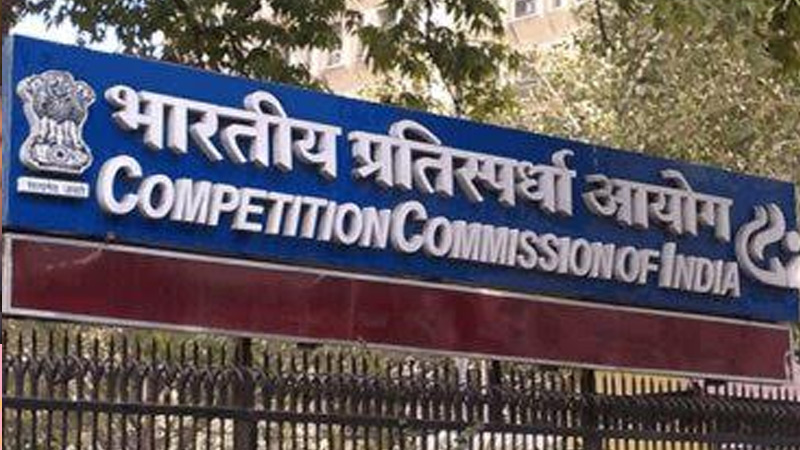
    In March, CCI teams raided nearly 10 locations, targeting big-league players including GroupM, Publicis, Havas, IPG, and Madison, along with industry associations like AAAI, ISA, and IBDF. The focus? Alleged cartelisation through fixing ad rates, discounts, and possibly stifling competition, an apparent violation of Section 3(3) of the Competition Act, 2002.

    While the industry speculated, Dentsu in a statement to Storyboard18 said, “We had a choice to remain passive or drive change… This was a decision to support reform from within.”

    Dentsu also claimed to have already implemented stricter audits, tighter controls, and sharper governance. “Change can’t be effected by walking away,” it added, calling this a turning point for the entire sector.

    CCI’s leniency programme, a powerful tool in its arsenal, incentivises cartel members to come forward in exchange for reduced penalties. Think immunity for honesty, if you snitch first. This has been critical in cracking covert coordination, especially in complex industries like media buying where cartels may not leave an obvious paper trail.

    Legal experts say proving cartelisation under Section 3(3) isn’t just about similar pricing, it requires evidence of intent. That can come from emails, meeting notes, or even circumstantial cues like identical bid patterns or synchronised rate shifts via industry associations.

    What’s next? If the CCI finds strong evidence, the repercussions could be seismic: hefty penalties, shattered reputations, and a fundamental reordering of media-buying norms. Already, industry stakeholders are watching this case as a litmus test for regulatory muscle in India’s high-stakes ad market.

    As one industry veteran put it off the record: “This isn’t just an investigation, it’s a wake-up call.”

    In an industry where everyone knows everyone, Dentsu’s move may have ruptured long-standing silences. Whether it ends in punishment or reform, one thing is certain: Indian advertising’s old ways just met a very public reckoning.


  • Indian antitrust watchdog raids global ad giants over alleged price collusion

    Indian antitrust watchdog raids global ad giants over alleged price collusion

    MUMBAI: India’s competition regulator has launched a surprise raid on several advertising behemoths, including GroupM, Dentsu and Interpublic Group, as well as a broadcasters’ industry body over allegations of price-fixing, sources with direct knowledge told Reuters on Tuesday.

    The Competition Commission of India’s officers descended upon roughly 10 locations in Mumbai, New Delhi and Gurugram after initiating a case against the agencies and top broadcasters for allegedly colluding to fix advertising rates and discounts.

    The raids come at a pivotal moment for India’s advertising landscape, which is experiencing significant upheaval following the $8.5 billion merger between Walt Disney and Reliance’s Indian media assets.  This regulatory blitz also follows hot on the heels of Omnicom Group’s $13.25 billion all-stock acquisition of rival Interpublic Group in December, a deal that created the world’s largest advertising agency.

    According to one source who spoke to Reuters, the watchdog is investigating how advertising agencies allegedly conspire with certain broadcasters to fix advertising prices when selling to clients, including discussions around discounts. The allegations reportedly include concerns that certain broadcasters engaged in “collective action” to avoid offering discounts on advertising rates.

    The Indian Broadcasting &  Digital Foundation (IBDF), which represents heavyweight domestic broadcasters including billionaire Mukesh Ambani’s Reliance-Disney joint venture and Sony and Zee, has remained tight-lipped about the investigation.

    Representatives from GroupM (owned by Britain’s WPP), IPG Mediabrands and Japan’s Dentsu all declined to comment when approached by Reuters, as did the competition commission itself, which maintains a policy of not publicly disclosing details of enforcement actions or price collusion cases.

  • IBDF board admits new members; gets Kevin Vaz as president

    IBDF board admits new members; gets Kevin Vaz as president

    MUMBAI: There’s quite a few new names sitting  atop the Indian Broadcasting & Digital Foundation following its 25th annual general meeting held in New Delhi earlier today.

    No surprises for guessing, Kevin Vaz who heads JioStar just below Uday Shankar was elected  as the president. He is also the chairman of Ficci’s media and entertainment committee. The AGM  also saw some newcomers make their way into the highest echelons of the advocacy body, the IBDF board: Prasar Bharati’s Gaurav Dwivedi, MMTV’s Jayant M. Mathew, TV Today’s Aroon Purie, JioStar’s Sumanto Bose,  and Kairali TV’s John Brittas. 
     

    theibdf office bearers

    Other senior folks  such as Culver Max Entertainment’s  recently appointed CEO Gaurav Banerjee, R. Mahesh Kumar, along with India TV boss Rajat Sharma  were  elected as vice-presidents.  I. Venkat was elected as the treasurer.

    The list of some of the board members includes: Rajat Sharma, India TV, I. Venkat, Eenadu TV, Kevin Vaz, JioStar, R. Mahesh Kumar, Sun Network, Gaurav Banerjee, Culver Max, Nachiket Pantvaidya, Bangla Entertainment, Punit Goenka, Zee Media, Ashish Sehgal, Zee Entertainment,  Sumanto Bose, JioStar and John Brittas, Kairali TV. 

    Rajat Sharma said that the IBDF will continue advocating for a regulatory framework that fosters innovation, supports creators, and ensures fair competition. “Together, we will drive the industry toward a sustainable and prosperous future,” he stated.

    Kevin Vaz  made his first address as the IBDF president highlighting that Indian content can gain international acclaim, further strengthening India’s soft power globally.

    “As we increasingly embrace technology to scale up, it is imperative that we democratize content creation so that it is not demographically or geographically limited. While India consumes content from anywhere, driven by the proliferation of 5G, smartphones, connected TVs and better pay TV infrastructure, we must ensure that opportunities to create professional content from locations beyond the current hotspots is a viable future for the industry,” he emphasised.  “The media and entertainment industry has a multiplier effect that extends to sectors like sports, creating significant opportunities for growth at scale. To ensure that this growth can be sustainable we need to look at business models rooted in equitable collaborations that foster value creation for all stakeholders across the ecosystem.”

  • FICCI, IBDF oppose TRAI’s proposed framework for broadcasting under Telecom Act

    FICCI, IBDF oppose TRAI’s proposed framework for broadcasting under Telecom Act

    MUMBAI: Imagine walking a tightrope without a safety net, knowing that a single misstep could send you plummeting.

    That’s exactly the precarious position the Telecom Regulatory Authority of India (TRAI) finds itself in after daring to blur the lines of its statutory jurisdiction. Like a rebellious teenager ignoring well-meant advice, TRAI’s bold move to propose a framework for regulating broadcasting services under the Telecommunications Act, 2023, has sparked a firestorm of backlash. Industry heavyweights, including the Indian Broadcasting and Digital Foundation (IBDF) and the Federation of Indian Chambers of Commerce & Industry (FICCI), are up in arms, accusing TRAI of overstepping its authority by attempting to shoehorn content regulation into licensing conditions. The result? A Pandora’s box of controversy that could reshape the broadcasting landscape.

    IBDF and FICCI argue that content regulation should remain under dedicated legislation, overseen by the Ministry of Information and Broadcasting (MIB), and not be conflated with telecommunications services. TRAI’s role, they assert, should focus solely on carriage-related aspects such as signal transmission and spectrum allocation.

    IBDF’s submission criticised TRAI’s proposal as an overreach. “The framework attempts to regulate content, which is beyond TRAI’s jurisdiction as defined by the TRAI Act, 1997,” IBDF stated. The association emphasised that Section 11(1)(a) of the TRAI Act limits TRAI to recommending licensing terms and conditions, not fundamentally altering the regulatory structure of broadcasting.

    Similarly, FICCI highlighted the historical context, noting that broadcasting was placed under telecommunication services in 2004 as a stopgap measure to regulate distribution services. “Broadcasting is a distinct sector, and equating it with telecommunications disrupts industry operations and consumer satisfaction,” FICCI stated.

    The News Broadcasters and Digital Association (NBDA) also opposed the move, cautioning that the framework could impose restrictive telecommunications-style authorisations on broadcasting. “TRAI should collaborate with MIB to develop a coherent strategy that avoids overregulation and supports self-regulation mechanisms for content,” NBDA recommended.

    Both IBDF and FICCI called on TRAI to focus on carriage issues and exclude content from the proposed framework. FICCI further suggested strengthening self-regulation for content and maintaining the sector’s distinct regulatory framework under the MIB.

    TRAI has concluded the consultation process and will announce the date for an open house discussion with stakeholders to finalise the framework.

  • TV viewership in India surges with an increase in weekly viewing of 53-minute

    TV viewership in India surges with an increase in weekly viewing of 53-minute

    Mumbai: In a compelling testament to the enduring allure of television, viewers in India are dedicating an additional 53 minutes per week to watching TV compared to the previous year. This significant increase signals heightened engagement and a reinforced connection with the medium, defying trends in evolving media consumption.

    In a dynamic content consumption landscape, Indian television not only holds its ground but also thrives, experiencing a notable 5.1 per cent growth in year-to-date (YTD) data for FY’24. This surge emphasises TV’s enduring appeal and solidifies its position as the preferred medium for a diverse audience.

    Younger audiences, in the age group of 15-30 years, have, in fact, seen a higher growth in TV viewership compared to the overall average with growth in viewership being seen across all economic strata and markets, reaffirming television’s appeal across diverse age groups.

    This growth surpasses specific regions or language segments and extends to the majority of language markets, accounting for 87 per cent of the Indian TV population. Television’s widespread appeal underscores its profound ability to resonate with audiences from diverse cultural and linguistic backgrounds. The commitment of television to deliver fresh, emotionally resonant content has not only retained viewers but has also driven growth.

    IBDF president K. Madhavan affirmed, “The impressive rise in television viewership underscores India as one of the few international markets witnessing consistent television growth, in spite of digital media’s rapid expansion. In today’s ‘AND’ world, where digital media excels in precise targeting and immediate rewards, television maintains its distinct advantage in the realm of long-term brand building. Television creates compelling stories that deeply connect with its audience, building trust and leaving an indelible mark across age groups.”

    A standout trend is the significant contribution of Indian women to television’s growth, with an impressive 59 per cent contribution to the overall TV viewership growth. This highlights their pivotal role as key influencers and consumers shaping television viewership trends.

    Deeply rooted in the cultural fabric of India, television continues to be a unifying force, bringing families together. With a massive 70 per cent penetration and headroom for further growth (90 million households), television remains the largest reach medium, inspiring and entertaining countless families. A notable seven per cent increase in pay household viewership, with 5.8 million households transitioning from free-to-air (FTA) to pay, showcases the magnetic pull of quality programming.

    Television viewership growth transcends economic strata and town classes, demonstrating its inclusive nature. This growth is observed across NCCS A, B, C, DE, and various town categories, including metros, large cities, smaller towns, and rural areas.

  • Indian Broadcasting & Digital Foundation holds 24 AGM in Delhi

    Indian Broadcasting & Digital Foundation holds 24 AGM in Delhi

    Mumbai: 24 Annual General Meeting (AGM) of the Indian Broadcasting & Digital Foundation (IBDF) was held in Delhi on 31 Oct 2023.

    The following directors were re-elected to the board during the AGM:

    1.  K. Madhavan

    2.  Punit Misra

    3.   I. Venkat

    4.  Rajat Sharma

    The other directors on the Board of Directors of IBDF are:

    1. Rahul Joshi

    2. Aroon Purie

    3. N. P. Singh

    4. Nitin Nadkarni

    5. Punit Goenka

    6. R. Mahesh Kumar

    7. Gaurav Banerjee

    The Office Bearers of the Foundation are:

    1.  K. Madhavan, President-IBDF

    2.  Rajat Sharma, Vice President, IBDF (News & Current Affairs)

    3.  Rahul Joshi, Vice President, IBDF (Govt. & Regulatory Affairs)

    4.  Punit Misra, Treasurer, IBDF

    In the IBDF Board of Directors meeting that followed the AGM, John Brittas and Kevin Vaz were Co-opted to the Board.

    IBDF also hosted a lunch in honour of Shri Anurag Singh Thakur, Hon’ble Minister for Information & Broadcasting.  Shri Apurva Chandra, Secretary, Ministry of Information & Broadcasting and Shri Vikram Sahay, Joint Secretary (P&A), Ministry of Information & Broadcasting also joined the IBDF members on the said occasion.

    Addressing the members during the AGM, IBDF president, K. Madhavan said, “despite the ongoing geo-political issues like Russia’s invasion of Ukraine and the crisis in the Middle East due to the Israel-Hamas war and accompanying economic volatility, the Indian economy in general and the Media & Entertainment industry, in particular, have shown extreme resilience”.  

    He added that “India has firmly embarked on a digital transformation journey with 868 mn broadband users in India, and within a year of launch, 5G services have been rolled out across 97 per cent of Indian cities resulting in internet speeds going up by three times. Connected TV continues to grow with 90 per cent of TV sets sold in India being smart TVs. 2023 will be a defining year for the Indian M&E industry with digital ad revenue expected to surpass ad revenue on traditional media”.

    Madhavan also spoke about the Linear TV penetration in the country and said “With 900 channels,  Linear television continues to enjoy an unparalleled reach of 900 million viewers and is the largest media platform in India. Unlike in other developed markets, there is significant growth potential for Linear TV as one-third of households in India do not have access to television. It will require the collective might of the IBDF members to connect the left out 100mn households to our fold.”


  • Industry celebrates Punit Goenka’s achievements over the years

    Industry celebrates Punit Goenka’s achievements over the years

    Mumbai: Punit Goenka has held the position of MD & CEO at ZEE Entertainment Enterprises Ltd. since 2010 and has achieved numerous notable successes during his tenure. His extensive experience, deep industry knowledge, and exceptional leadership skills have set him apart as a prominent figure in the media and entertainment sector. He is widely recognized for his pivotal role in establishing ZEE as a global entertainment brand, reaching audiences not only in India but also in 190 countries worldwide. With the support and confidence of India Inc., shareholders, employees, advertisers, and content creators, Goenka, at the age of just 48, possesses the necessary business acumen to guide the envisioned merger of ZEE and Sony towards a promising future.

    Goenka, boasts more than two decades of experience in the media and entertainment industry, stands as one of the most accomplished business leaders in the sector, characterized by his acute business acumen. Over a span of three decades, he has steered ZEE successfully, identifying trends and transforming it into a media and entertainment powerhouse.

    Distinguished as one of the youngest and most prolific leaders, he has an impressive list of achievements to his credit. His profound understanding of audience preferences has been instrumental in driving ZEE’s expansion into regional markets, revitalizing the studio business, launching India’s second-largest music label, and more.

    His active involvement in shaping the future of the entertainment landscape spans diverse capacities. Currently, he serves as a board director for the Indian Broadcasting & Digital Foundation (IBDF). In the past, he held the position of Chairman of the TV measurement body BARC India, playing a crucial role in its founding team. He has also served as Chairman of IBDF, leading important discussions with policymakers. Additionally, as the President of the International Advertising Association’s (IAA) India Chapter, he addressed crucial industry-level interests and introduced several intellectual properties tailored to the advertising and marketing community. In many of these roles, he was re-elected for a second term by unanimous member consensus.

    Goenka’s success in elevating ZEE’s performance over the years stems from his ability to identify opportune moments for scaling and constructing a diversified portfolio. His forward-looking vision has propelled the company to global recognition, with ZEE establishing an international presence in over 190 countries and reaching more than 1.3 billion viewers. In his capacity as the leader of India’s largest publicly-listed Media and Entertainment Company, Goenka demonstrates a profound understanding of the overall legal and regulatory environment. He remains unwavering in his commitment to creating value for all the company’s shareholders.

    Leading an impressive portfolio that encompasses 50 domestic channels, 36 international channels, an OTT platform, a movie studio, and a music label, his experience in consistently managing profitability and surpassing industry margins quarter after quarter positions him well to replicate the success of ZEE within the anticipated merged entity, which is poised to become a formidable force in the Media and Entertainment (M&E) sector.

    Goenka’s unwavering and optimistic approach equips him to navigate challenging circumstances, as exemplified when TRAI introduced the New Tariff Order, creating uncertainty for businesses. In response, he actively engaged with partners and key stakeholders to facilitate solutions that fostered the growth of the pay-tv ecosystem. His profound understanding of both technology and content, two crucial elements in today’s evolving entertainment landscape, underscores his competence. Notably, Goenka enjoys robust support from ZEE’s shareholders and investors, and he has cultivated substantial industry relationships. His ability to prioritize the interests of all stakeholders in his decision-making process is a hallmark of his leadership.

    Hailing from an entrepreneurial background, he has instilled strong values and an entrepreneurial spirit within ZEE, fostering an environment where talent can flourish under his guidance. ZEE is recognized today as an Academy of Talent, nurturing numerous industry luminaries to their pinnacle of success.

    Continuing to attract top-tier talent to the company, not only from the M&E industry but also from sectors such as FMCG and Banking, is a testament to Goenka’s ability. In an M&E industry facing a shortage of high-quality talent, particularly for an organization of ZEE’s scale, his talent acquisition strategy is pivotal for ensuring stability and growth. He has demonstrated his readiness to make tough decisions when they are necessary for the company’s profitability and the collective interests of all stakeholders. This includes the strategic exit from sports broadcasting when it wasn’t financially prudent, followed by a robust re-entry into the sports business, capitalizing on improved monetization opportunities in the segment.